


Niltava
The Old World Flycatchers are a large family, the Muscicapidae, of small passerine birds mostly restricted to the Old World (Europe, Africa and Asia). These are mainly small arboreal insectivores, many of which, as the name implies, take their prey on the wing. The family includes 324 species and is divided into 51 genera. Niltava (from niltau, Nepali for Niltava sundara) is from the subfamily Niltavinae.
#wildartworks, #niltava, #largeniltava, #rufousbelliedniltava, #birdinginthewild, #birdphotography

The Spectacled Barwing
The spectacled barwing (Actinodura ramsayi) is a species of bird in the family Leiothrichidae. A very distinctively plumaged, long-tailed barwing, with a bright white eye-ring, this species is widely distributed across southern China, northern Indochina, and eastern Myanmar. Illustrated here are the Western Spectacled Barwing photographed on Doi Ang Khang in the Doi Pha Hom Pok National Park in Thailand very close to the Thai border with Myanmar.
#wildartworks, #spectacledbarwing, #barwing, #birdinginthewild, #birdphotography

Laughingthrushes
Laughingthrushes are also a family of Old World passerine birds diverse in size and coloration. These are birds of tropical areas, with the greatest variety in Southeast Asia and the Indian subcontinent. The entire family used to be included in the Timaliidae. I have also included some Sibias from Heterophasia as they are a genus of the same family.
#wildartworks, #laughingthrushes, #sibia, #birdinginthewild, #birdphotography, #thrush

Old World Babblers
The Old World Babblers are a family of passerine birds diverse in size and coloration, characterised by soft fluffy plumage. These are birds of tropical areas, with the greatest variety in Southeast Asia and the Indian subcontinent. This group is among those Old World bird families with the highest number of species still being discovered. I also included Pnoepygidae as they have long been placed in the babbler family Timaliidae. Featured here are only the few I have been fortunate to observe and photograph across various habitats in Asia Pacific.
#wildartworks, #babbler, #wrenbabbler, #birdinginthewild, #birdphotography, #Timaliidae, #Pellorneidae, #Pnoepygidae, #Leiothrichidae, #BukitFraser, #Malaysia, #India, #TelanganaBirds, #thailand, #KaengKrachanNationalPark, #DoiInthanonNationalPark, #DoiSanJu, #DoiLuang,

Old World Flycatchers
The Old World #Flycatchers are a large family, the #Muscicapidae, of small passerine birds mostly restricted to the Old World (Europe, Africa and Asia). These are mainly small arboreal insectivores, many of which, as the name implies, take their prey on the wing. The family includes 324 species and is divided into 51 genera.
Featured here are only a few of these beautiful birds I have been fortunate to observe and photograph across various habitats in Asia Pacific.
#wildartworks, #flycatcher, #birdinginthewild, #birdphotography, #ananthagiri,
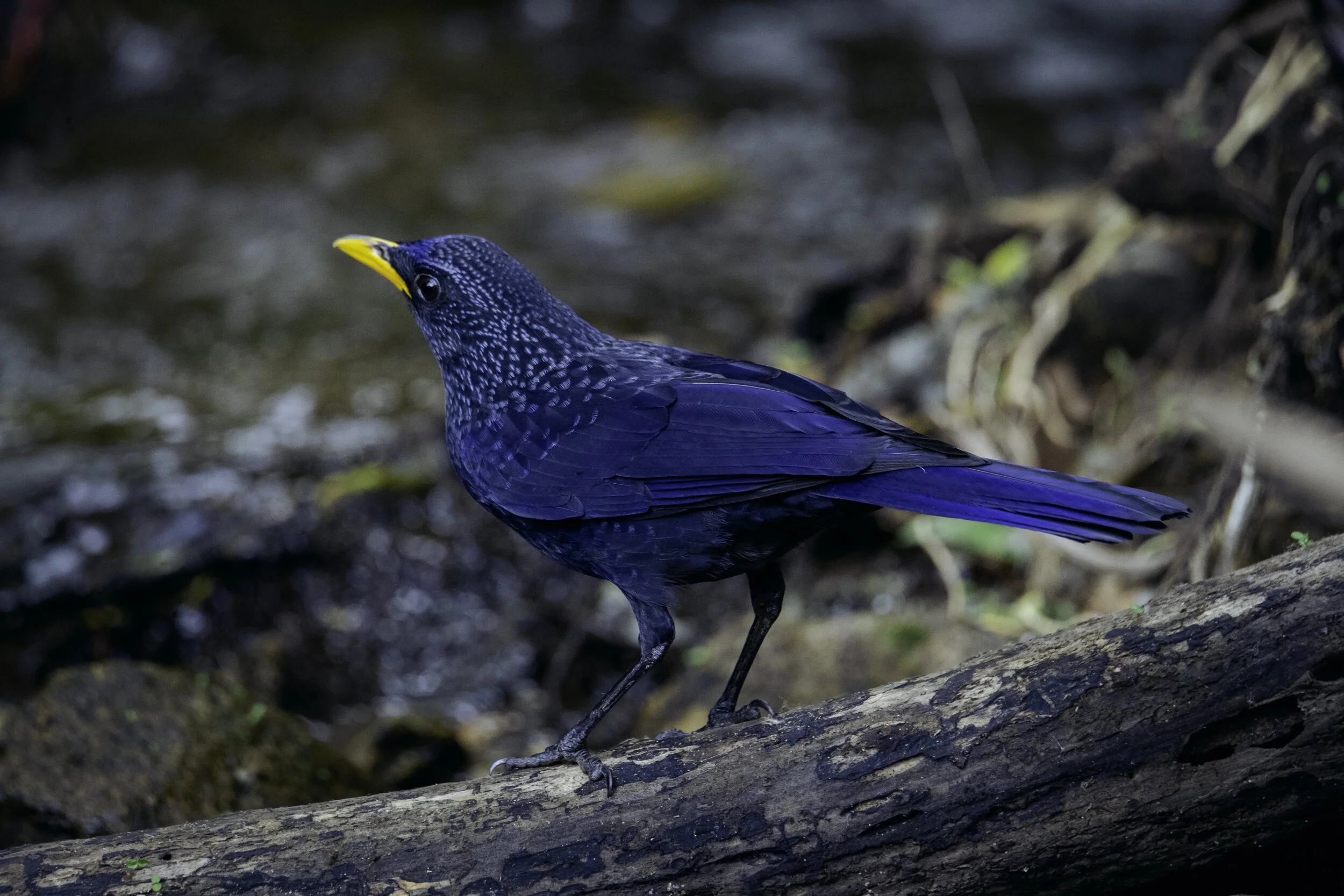
Blue Whistling Thrush
Locally known as the whistling schoolboy for the long piercing, eerily human, whistling calls they make at dawn. The #WhistlingThrush is a large bird usually found along streams in forested hills and mountains. It is a beautiful dark purple with tiny silver spangles on head, back & wings. The bill color varies with range. They frequently fan their tail while standing on an exposed perch such as a waterside rock or overhanging branch.
#wildartworks, #whistlingthrush, #birdinginthewild, #birdphotography, #thrush, #bluewhistlingthrush, #malabarwhistlingthrush, #thrush

The Loyang Rock
The Loyang Rock is a traditional nesting site for the rare Black-naped Terns (Sterna sumatrana),an oceanic tern, which arrive in March. These birds start roosting on the rock between April to August, before leaving for the South China Sea after. They have a habit of following passing large ships en masse. When a vessel approaches, a great number would shadow the stern. They appear to be attracted to the wake stirred up by the ship’s passing. Could it be that the movement of the large ship forces up benthic or other marine organisms to the surface, thus giving the terns, which do not dive very deeply, easy pickings?
#wildartworks, #blacknapedterns, #birdinginthewild, #birdphotography, # oceanicterns, #terns, #loyangrock, #LoyangRocks, #Loyang,

Redstart - What’s in a name?
It’s easy to assume, with bird names, that we know what they mean, and often that assumption is quite correct. Woodpeckers peck wood & bee-eaters feed on bees. Other names seem almost wilfully obscure: what on Earth does the name puffin mean? Yet, while researching the origins of bird names one unearths all sorts of fascinating stories about them. The reason these names appear puzzling is down to the Norman Conquest of Britain. Thus, the Anglo-Saxon “red steort” (meaning red tail) turned into #redstart
#wildartworks, #redstart, #birdinginthewild, #birdphotography, #whitecappedwaterredstart, #whitebelliedredstart, #plumbeousredstart, #thrush