Chinkara, Baramati Grasslands
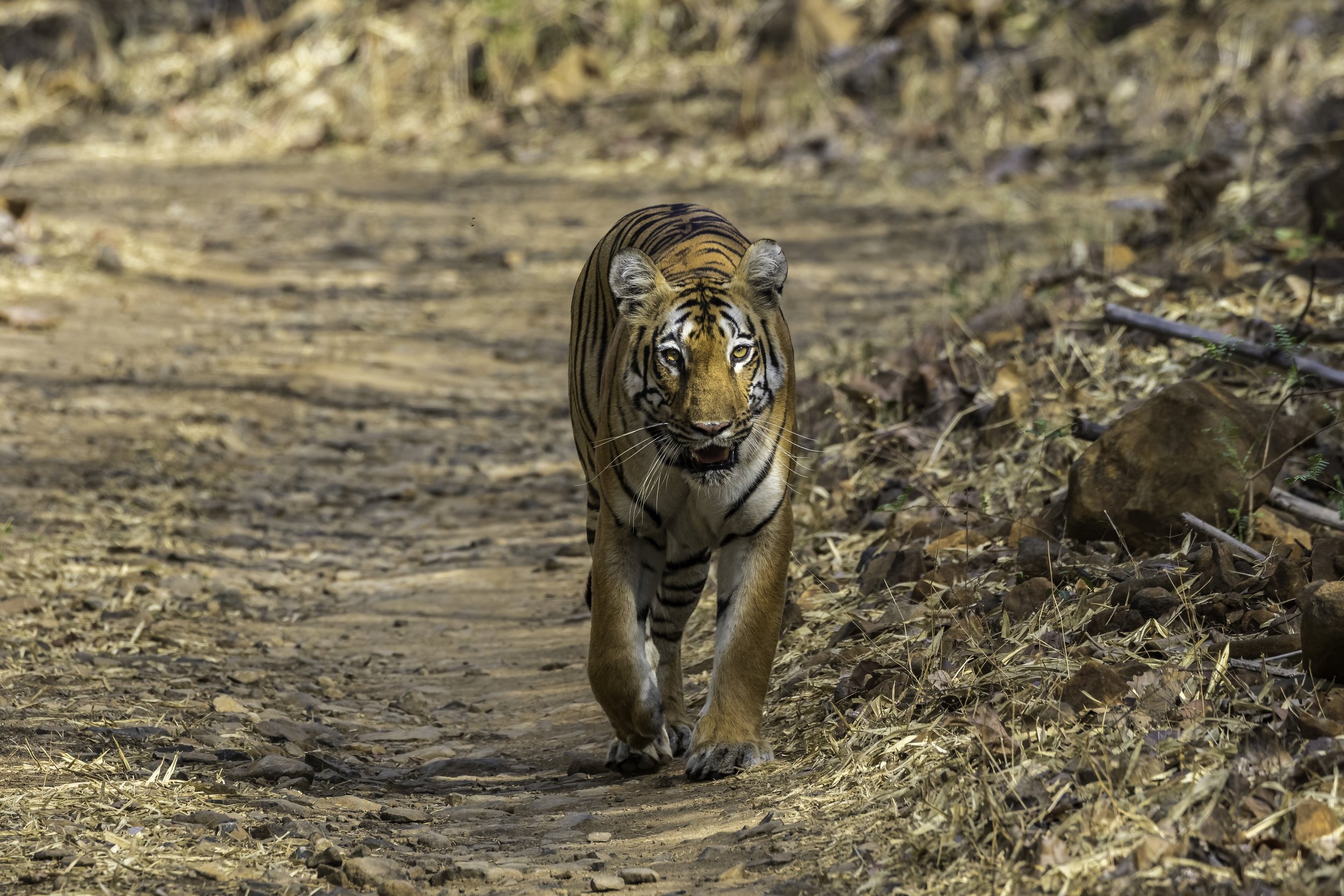
4 Mark Tigress, Tipeshwar Wildlife Sanctuary
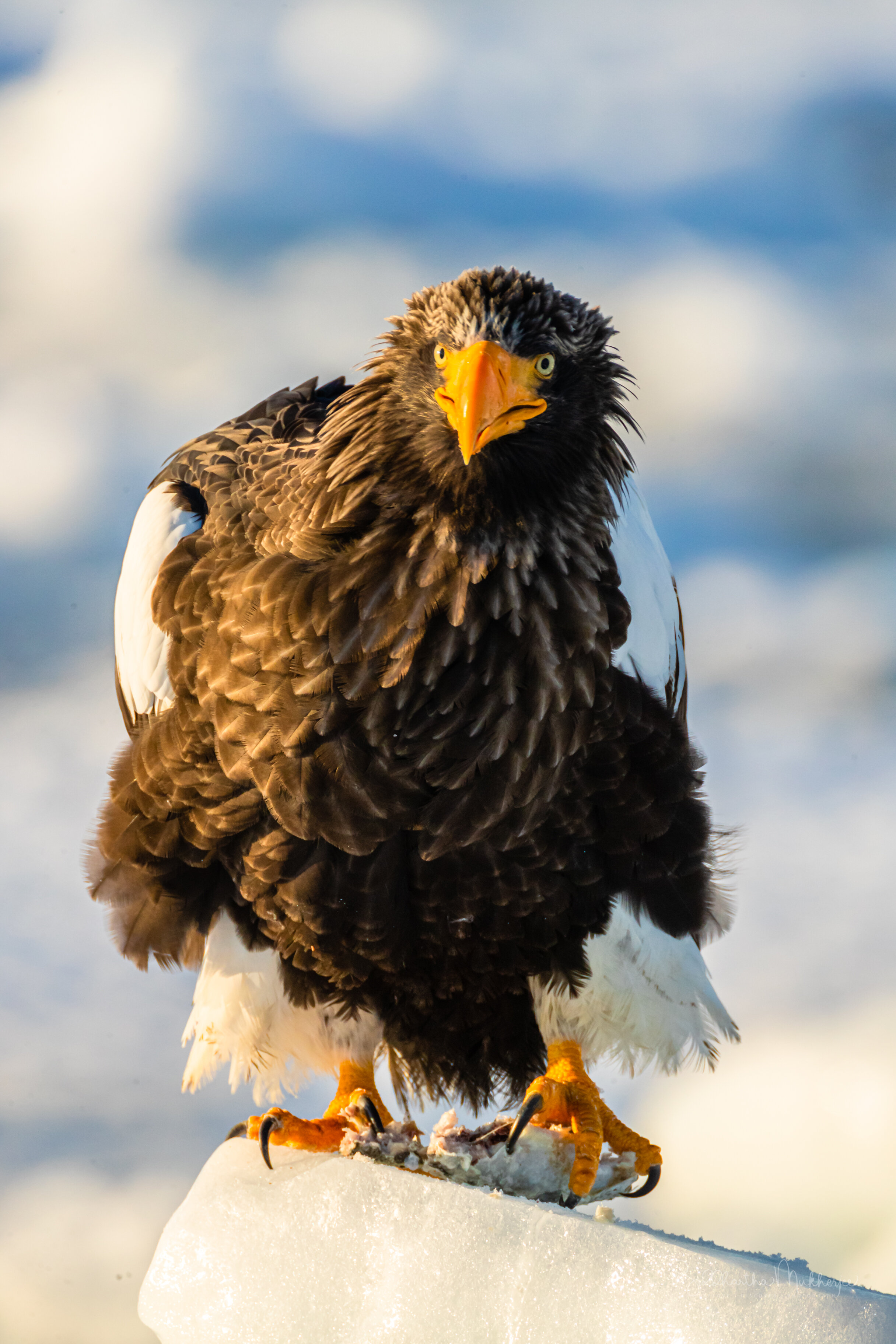
Stellar's Sea Eagle, Drift Ice, Sea of Okhotsk
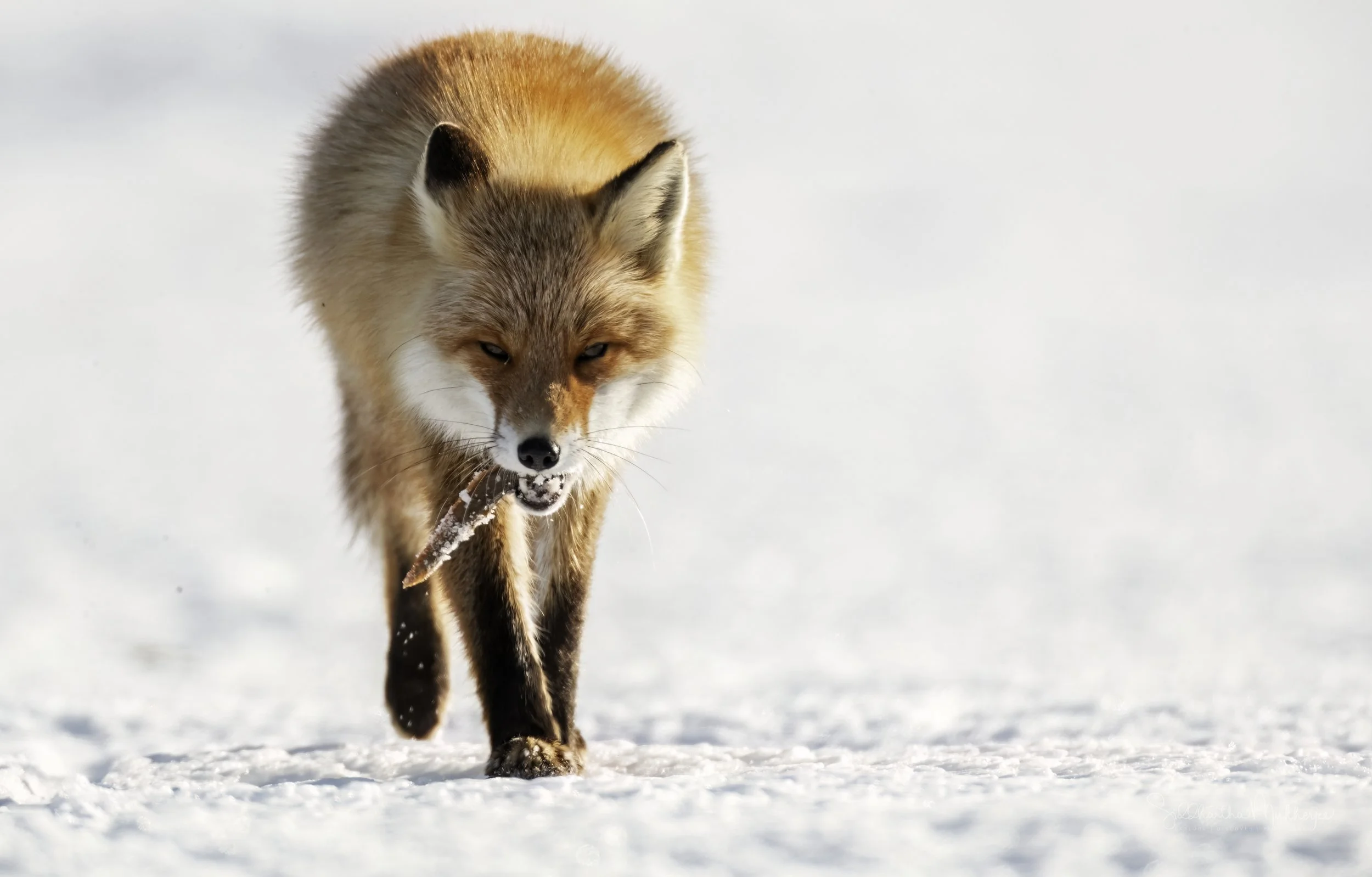
Kitakitsune - Ezo Red Fox, on the frozen waters of the Notsuke Peninsula
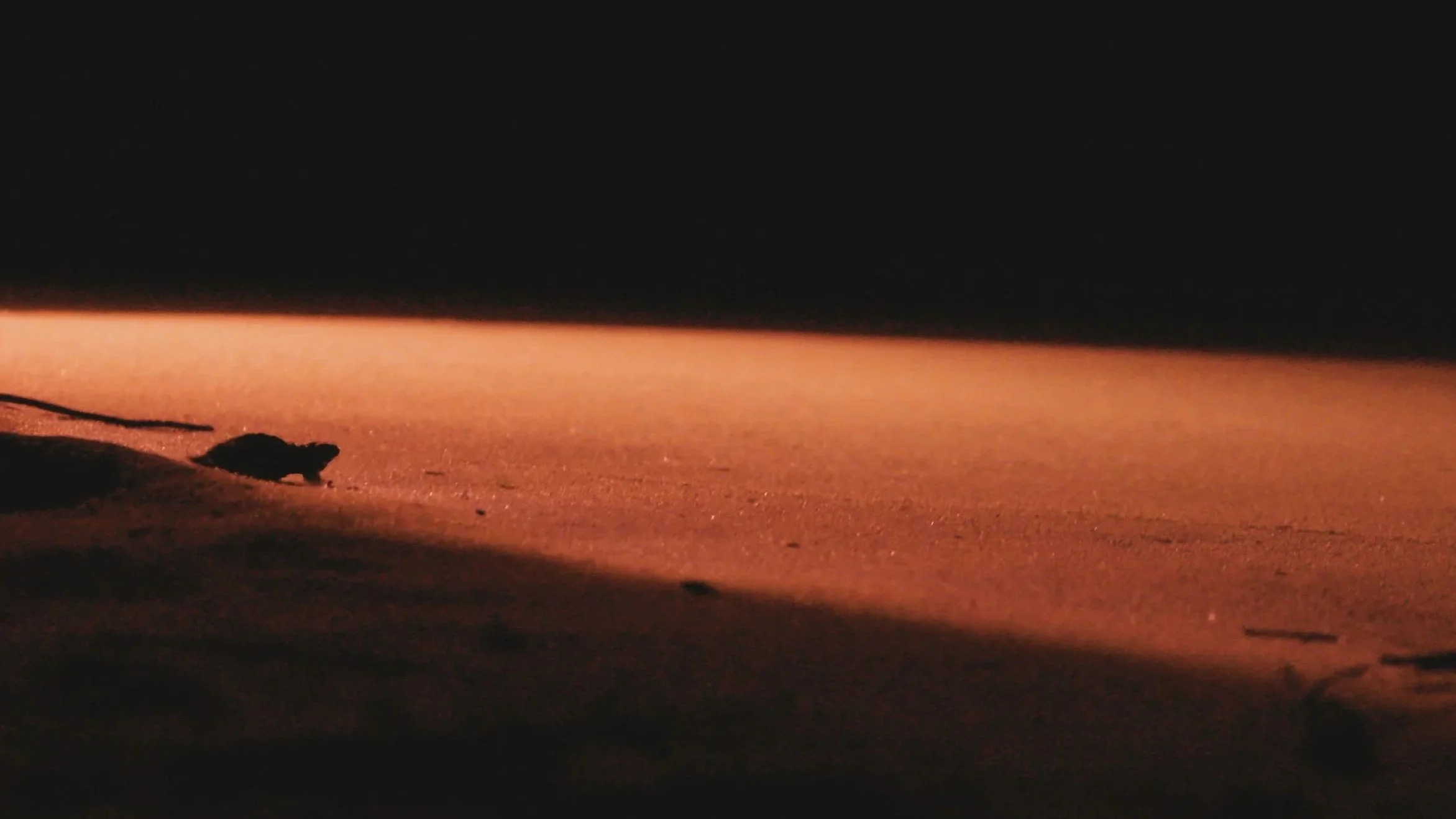
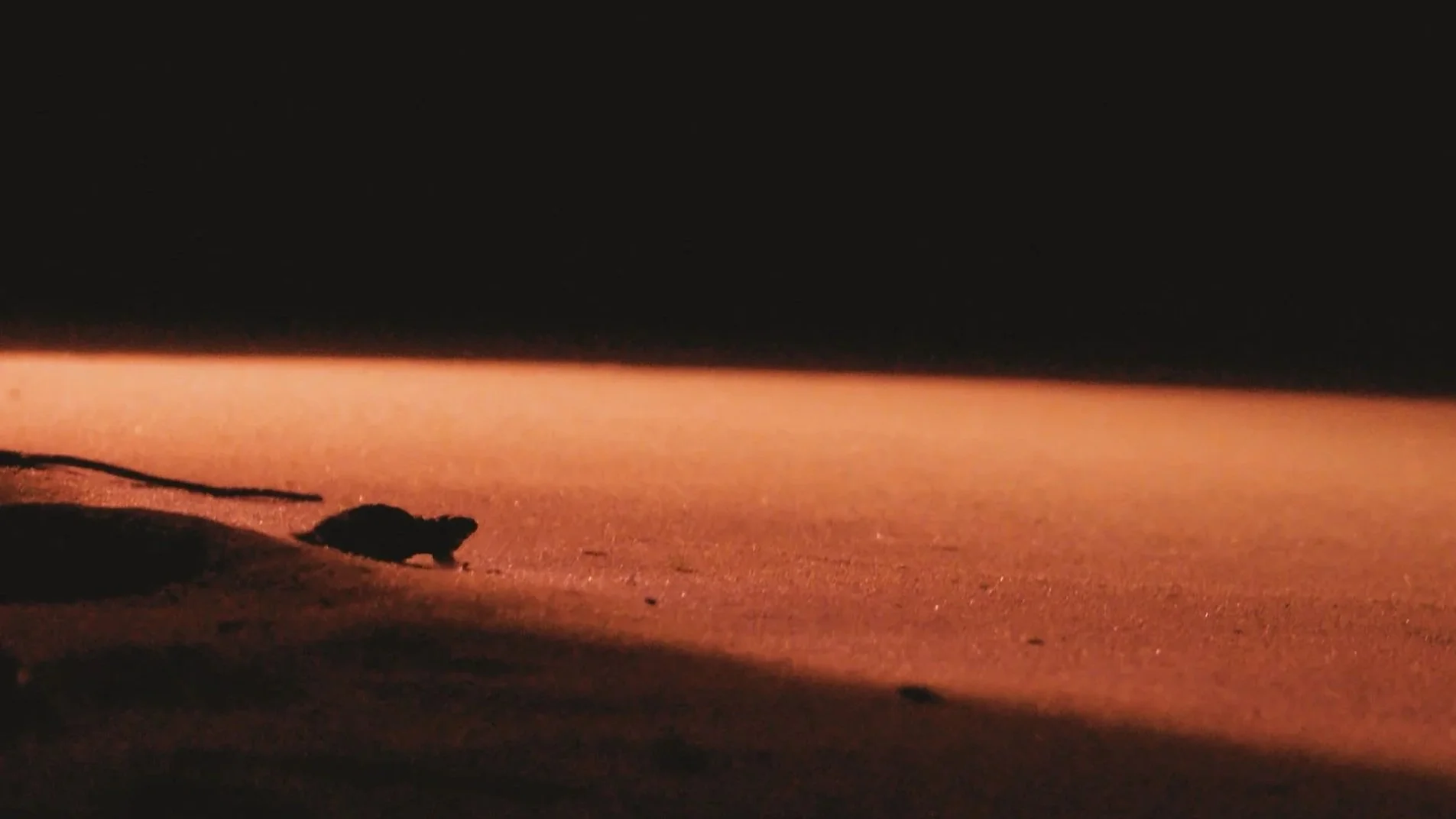
Olive Ridley Turtle Hatchling, Galgibaga Beach, Goa
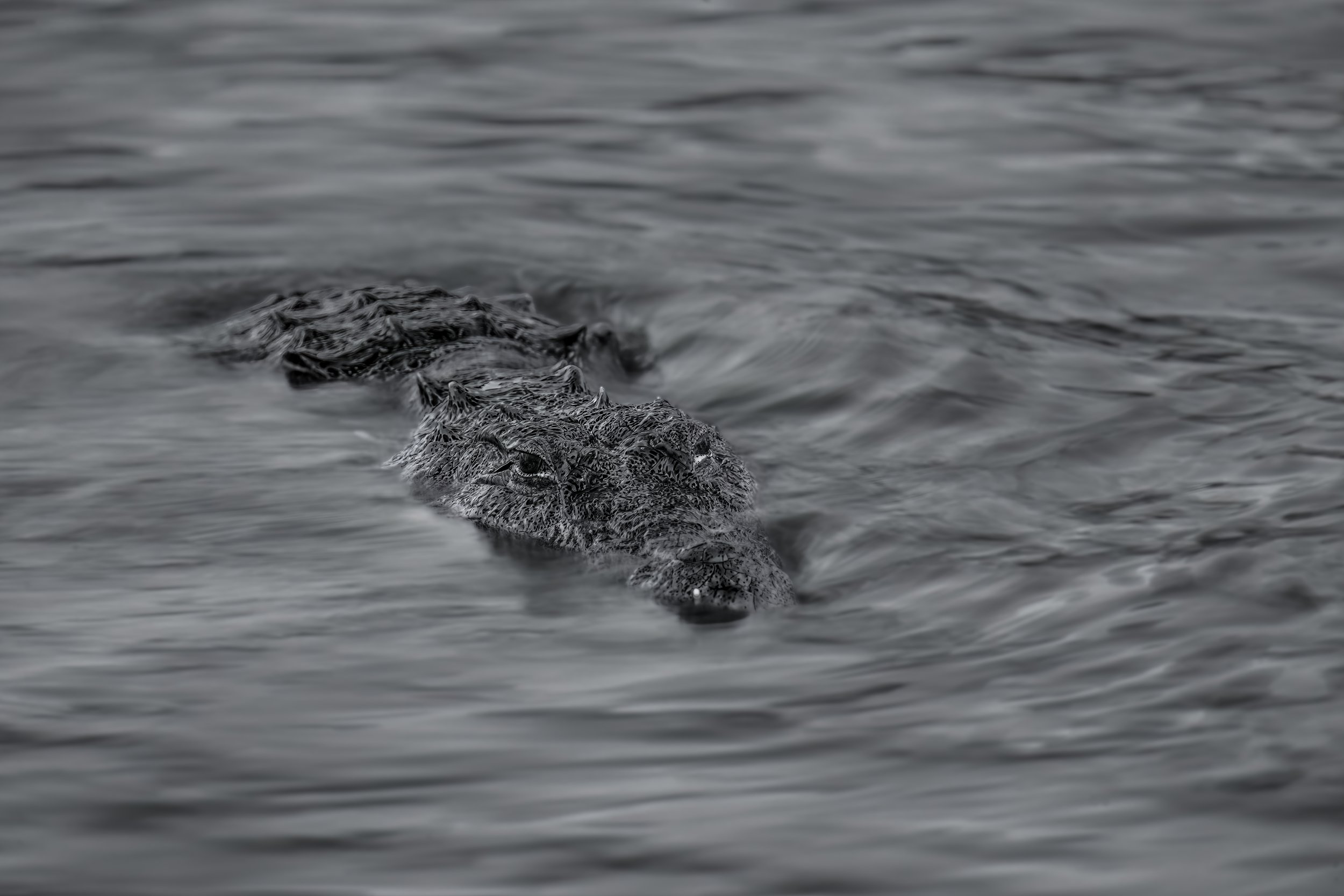
The Godavari Mugger, Godavari River, Telangana
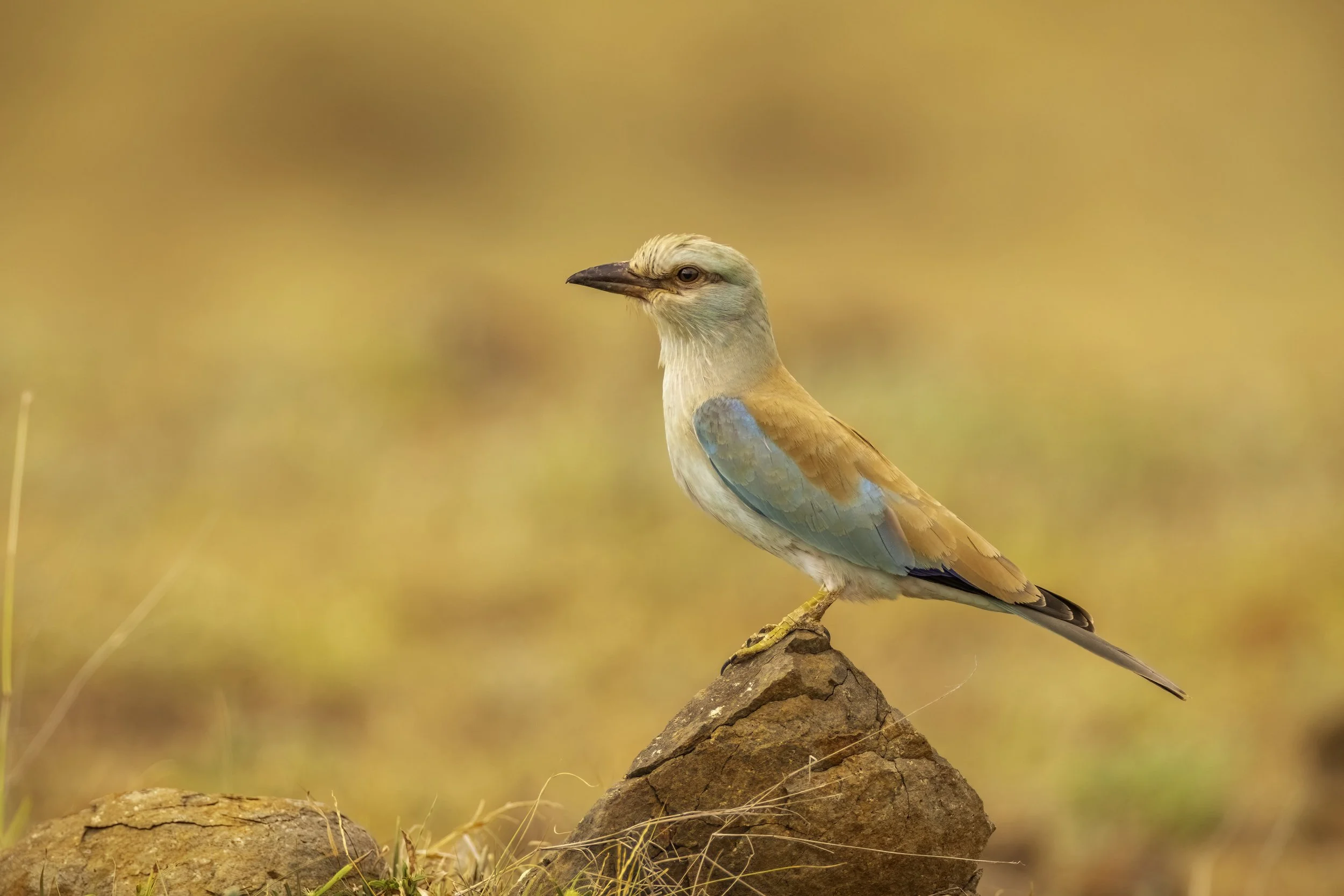
European Roller, Kadbanwadi Grasslands
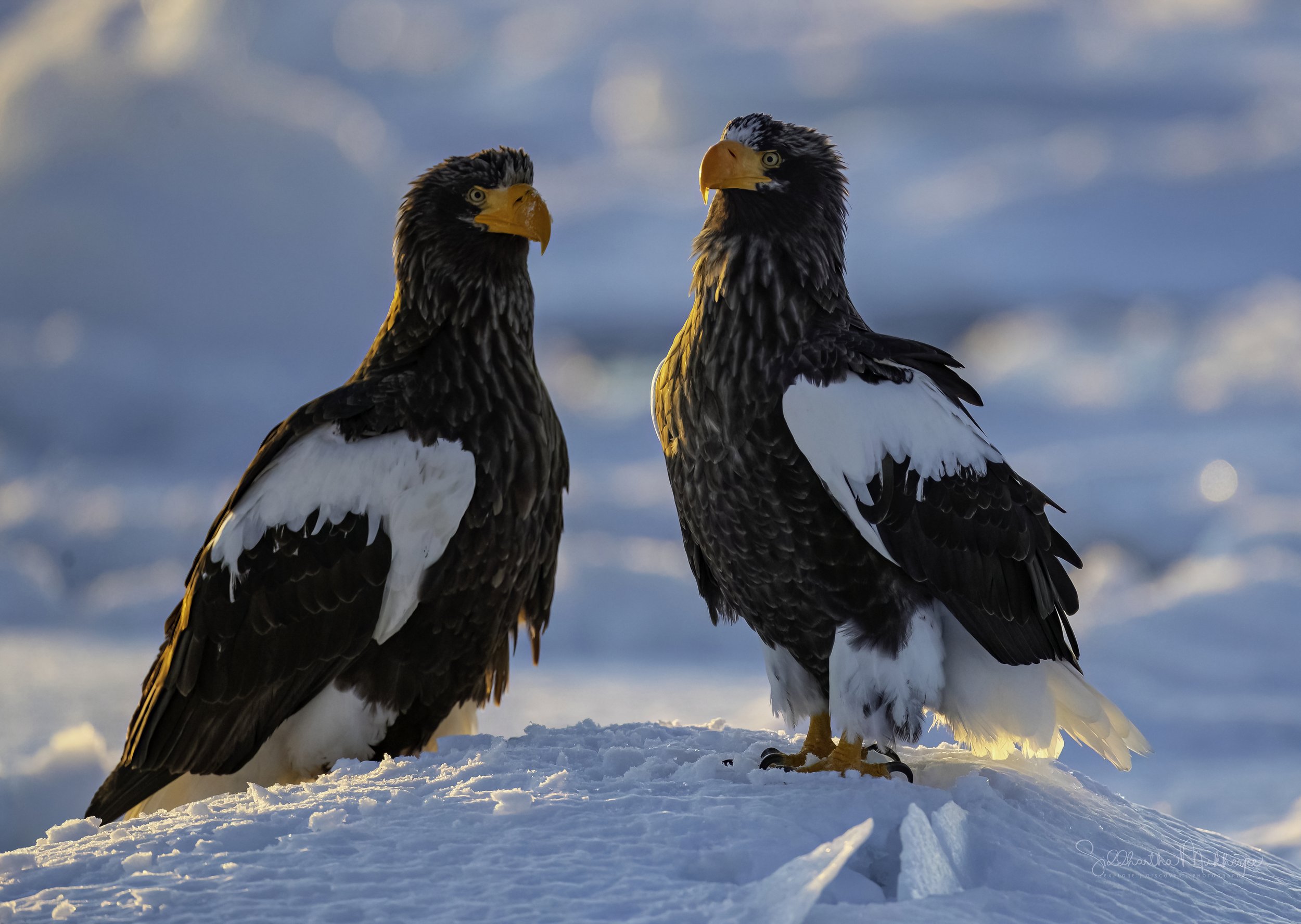
Steller's Sea Eagles, Drift Ice, Sea of Okhotsk | Featured on BBC Earth
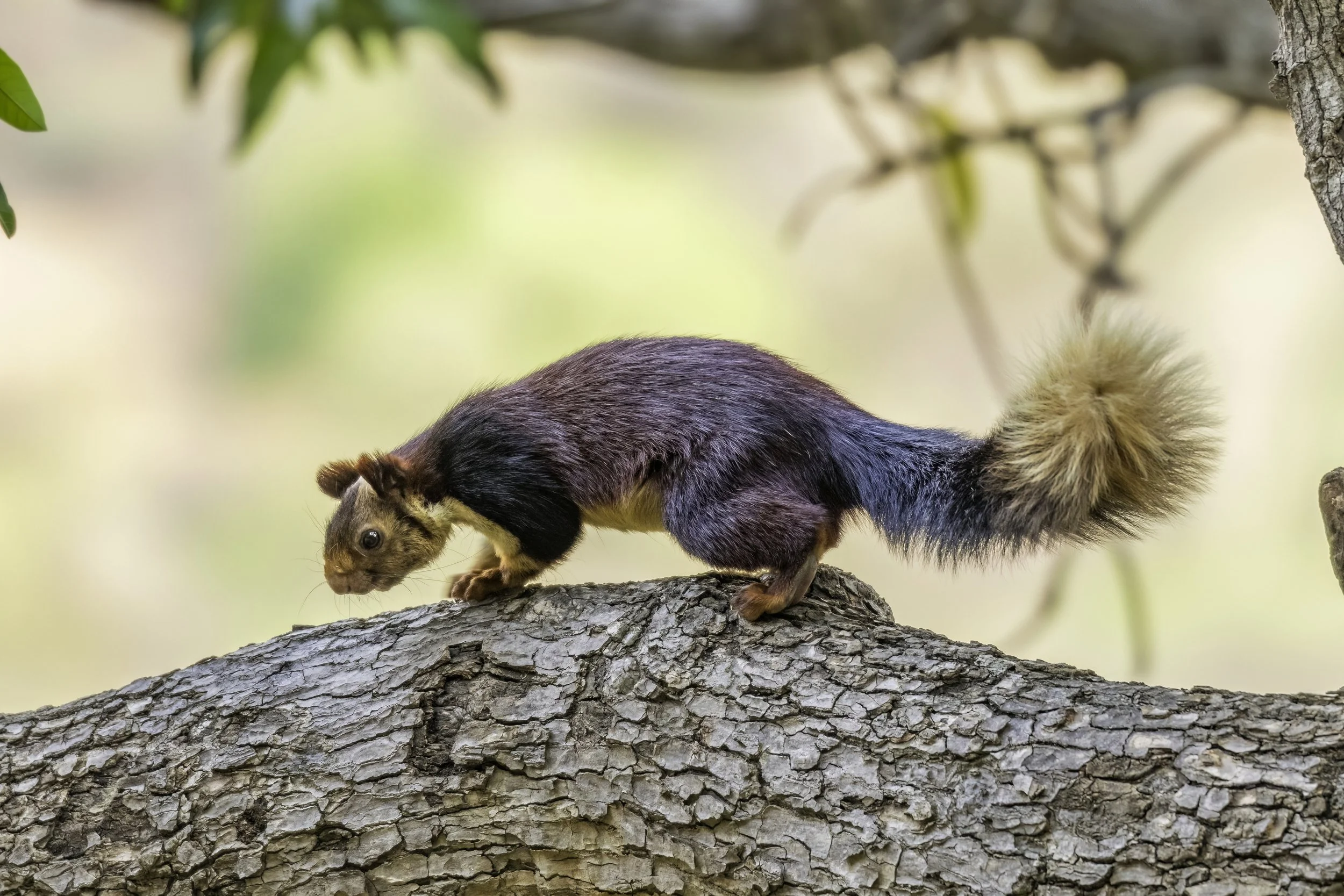
Malabar Giant Squirrel, Nallamala Hills
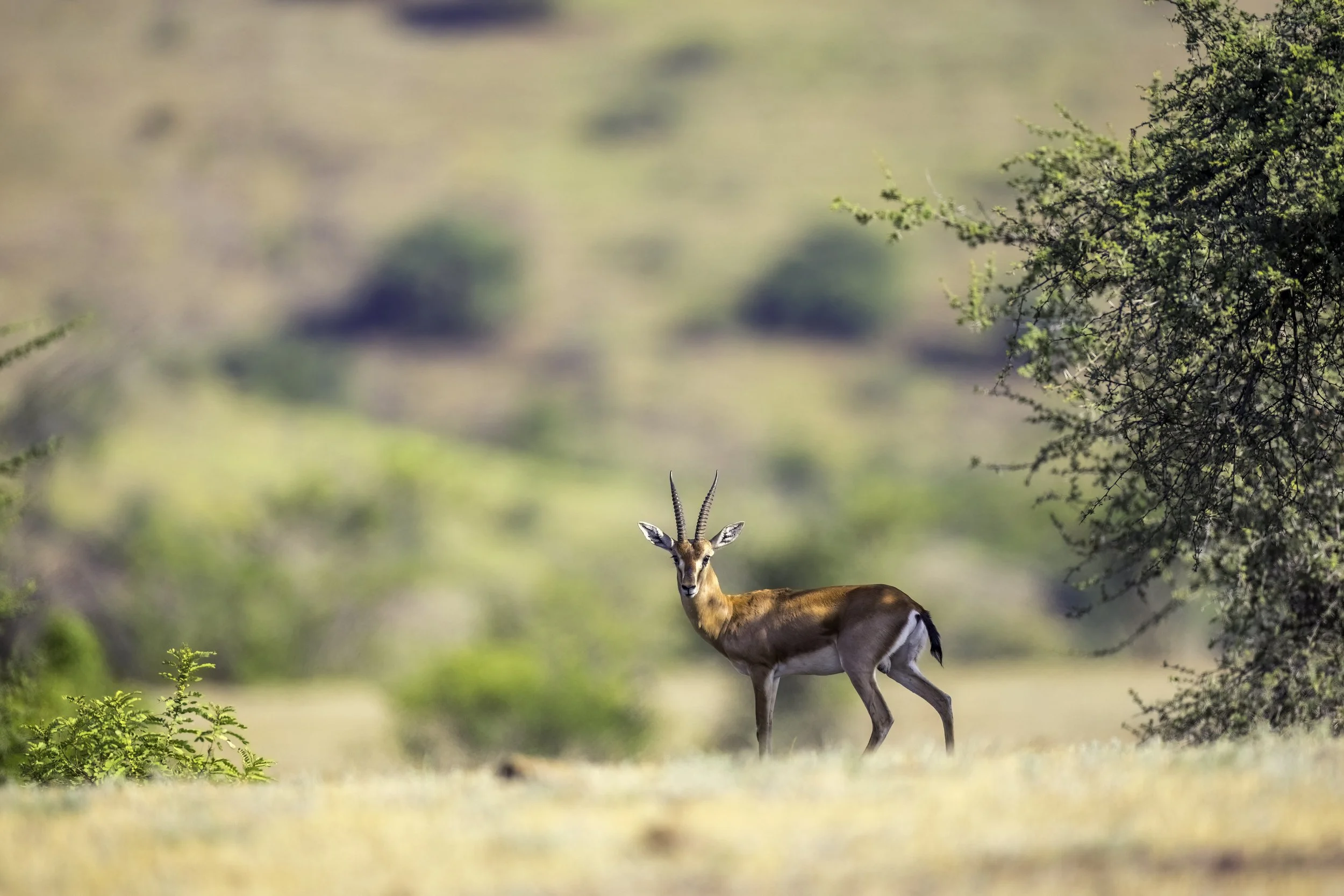
Chinkara, Baramati Grasslands
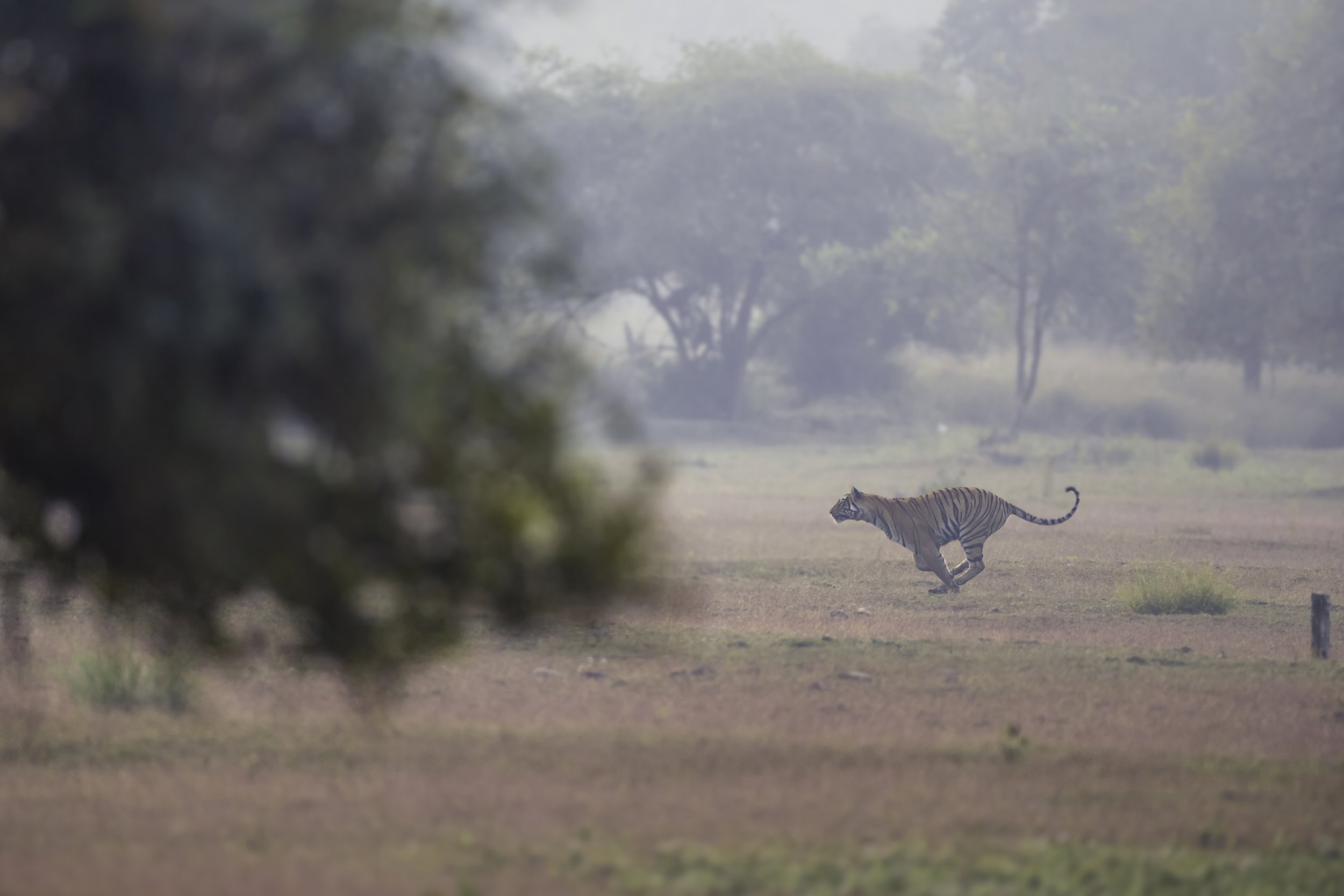
Bijli, Jamunbodi Waterhole, Tadoba Andhari Tiger Reserve
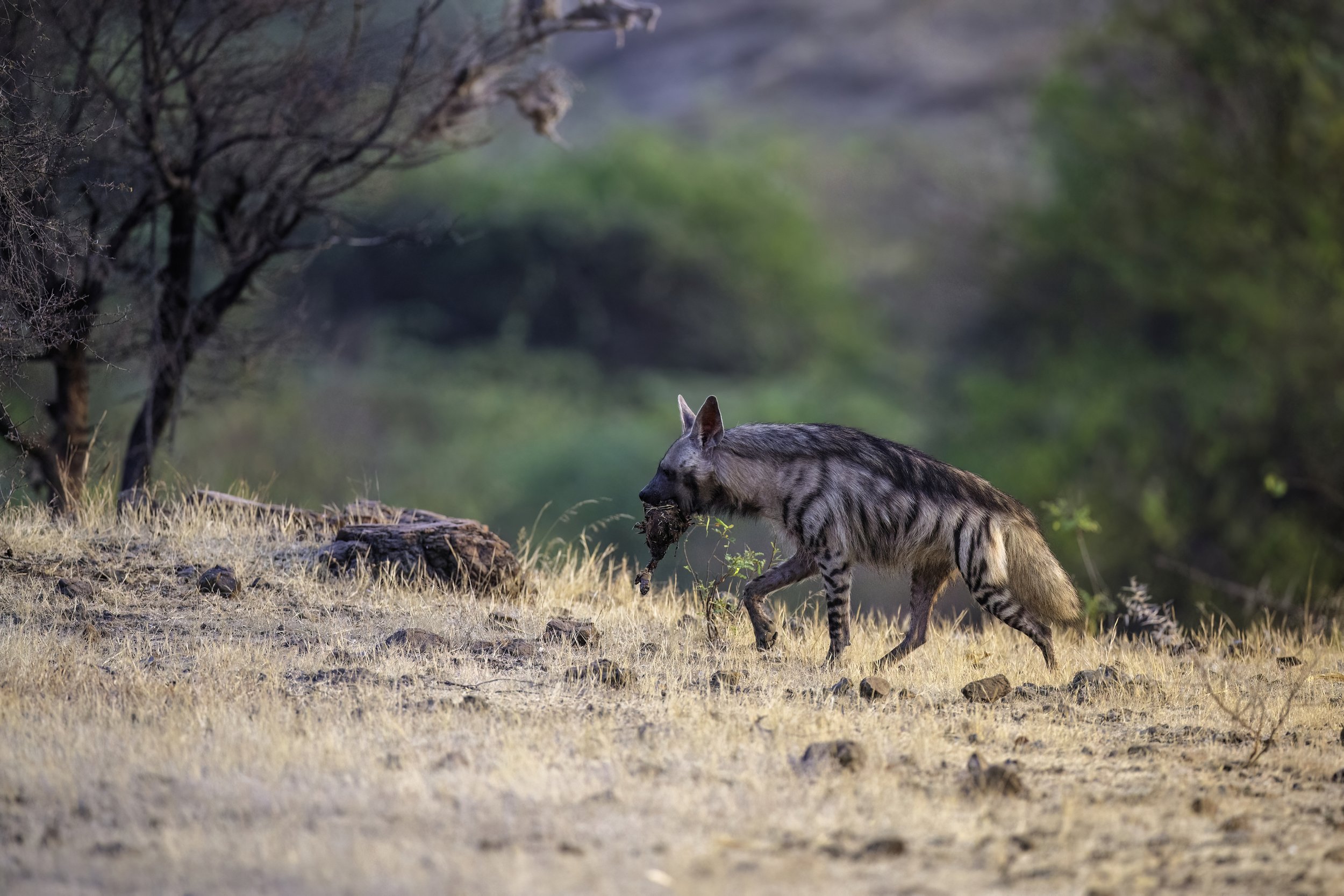
Striped Hyena, Kadbanwadi Grasslands, Indapur, Maharashtra
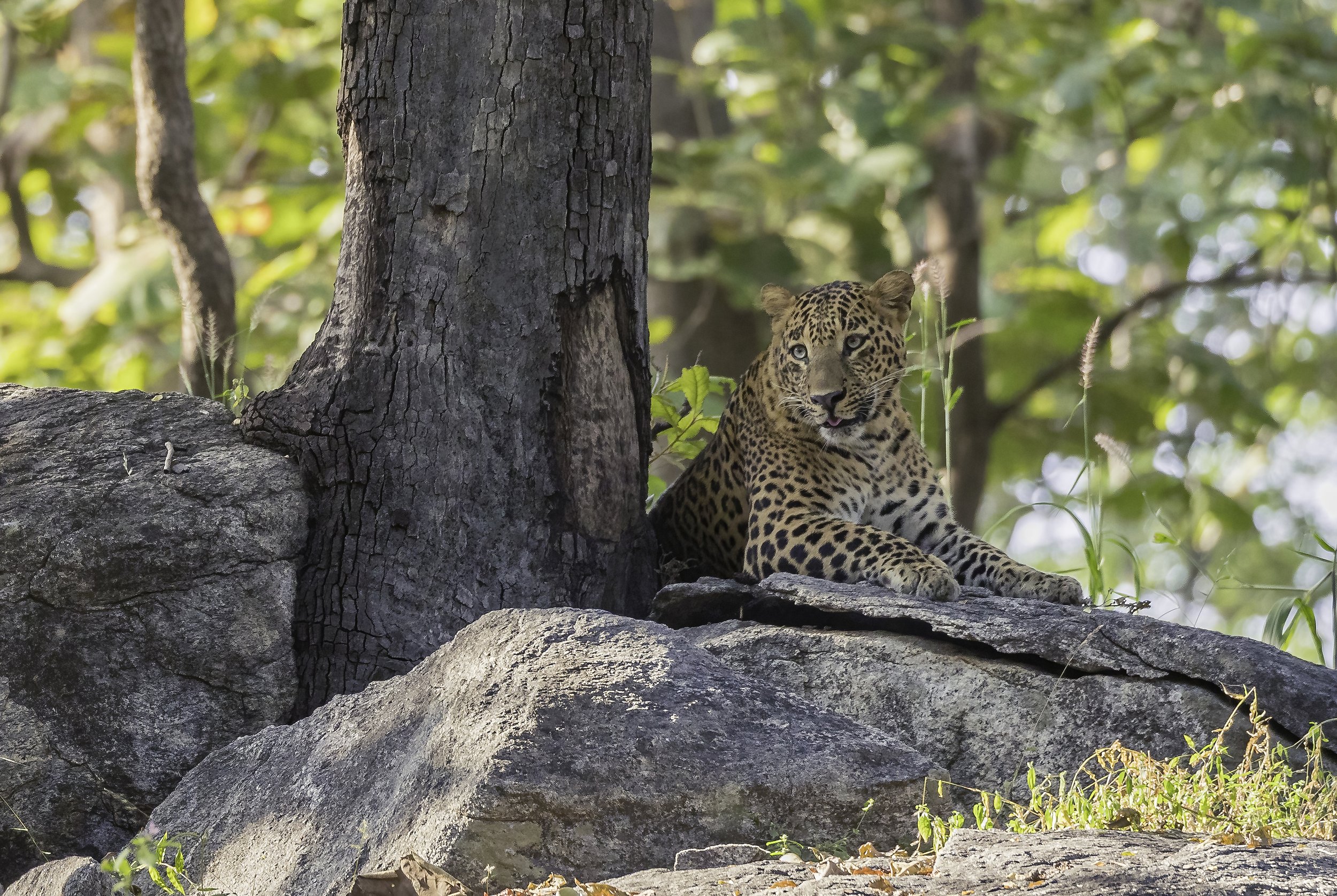
The Khursapar Leopard, Pench National Park

Light Painting the Bodhisattva - Vihara Ksitigarbha Bodhisattva, Bintan Island, Indonesia

A Partial Solar Eclipse, 21 June, 2020, Hyderabad, Telangana
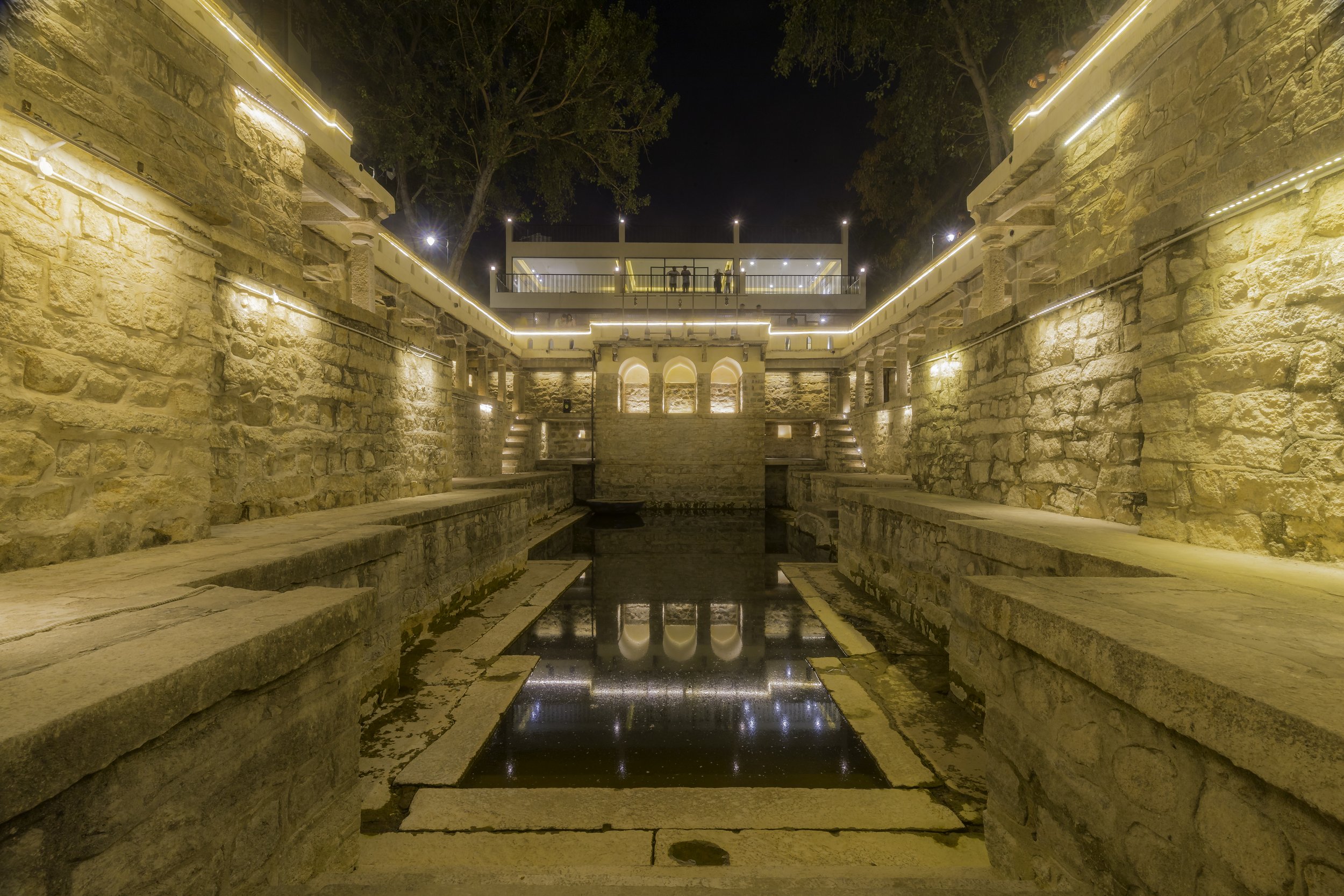
Bansilalpet Stepwell, Bhoiguda, Secunderabad | The Sound of Water - Short Film screened at the Ramanaidu Studios
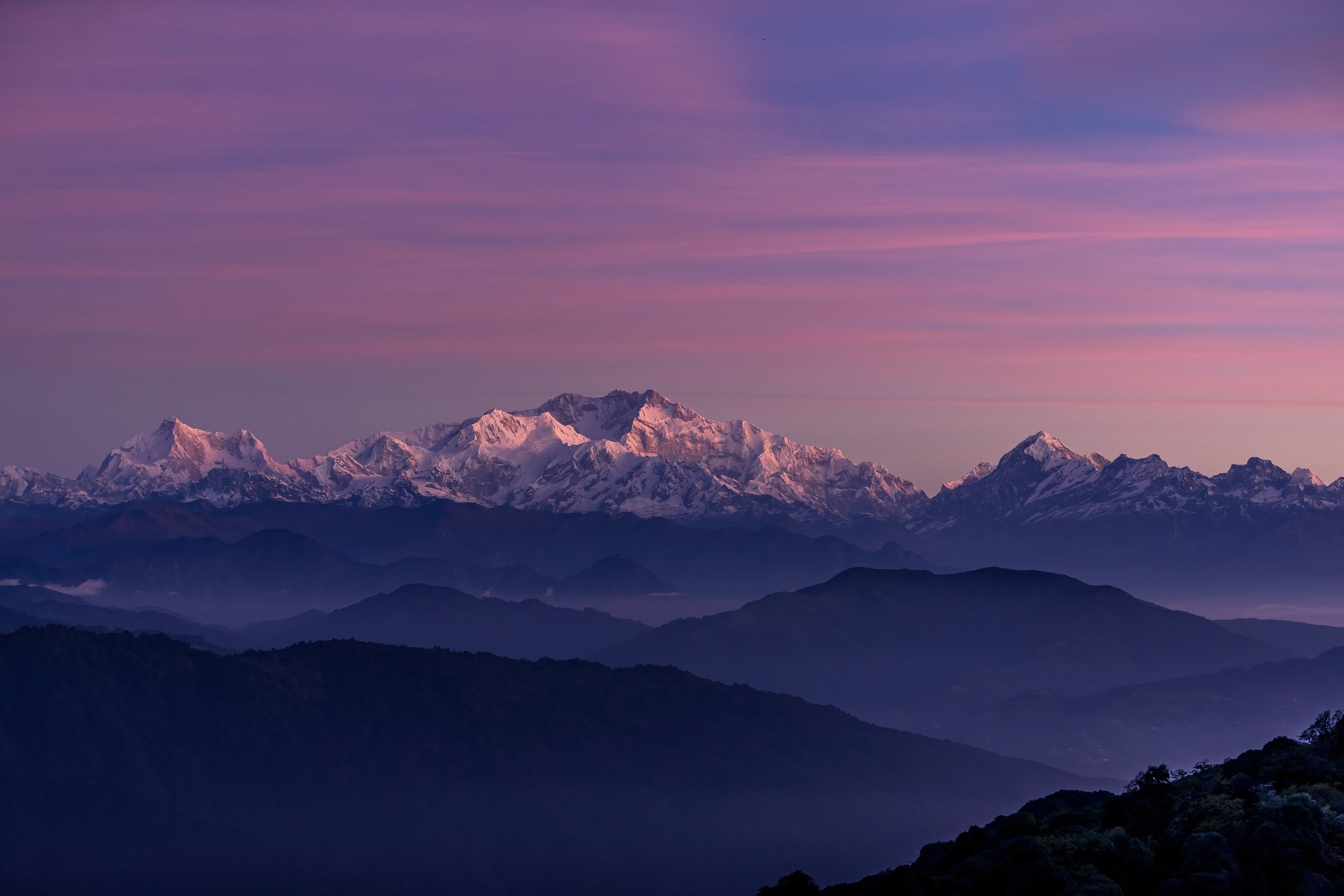
Kangchendzonga, the Sleeping Buddha peaks, Singalila National Park
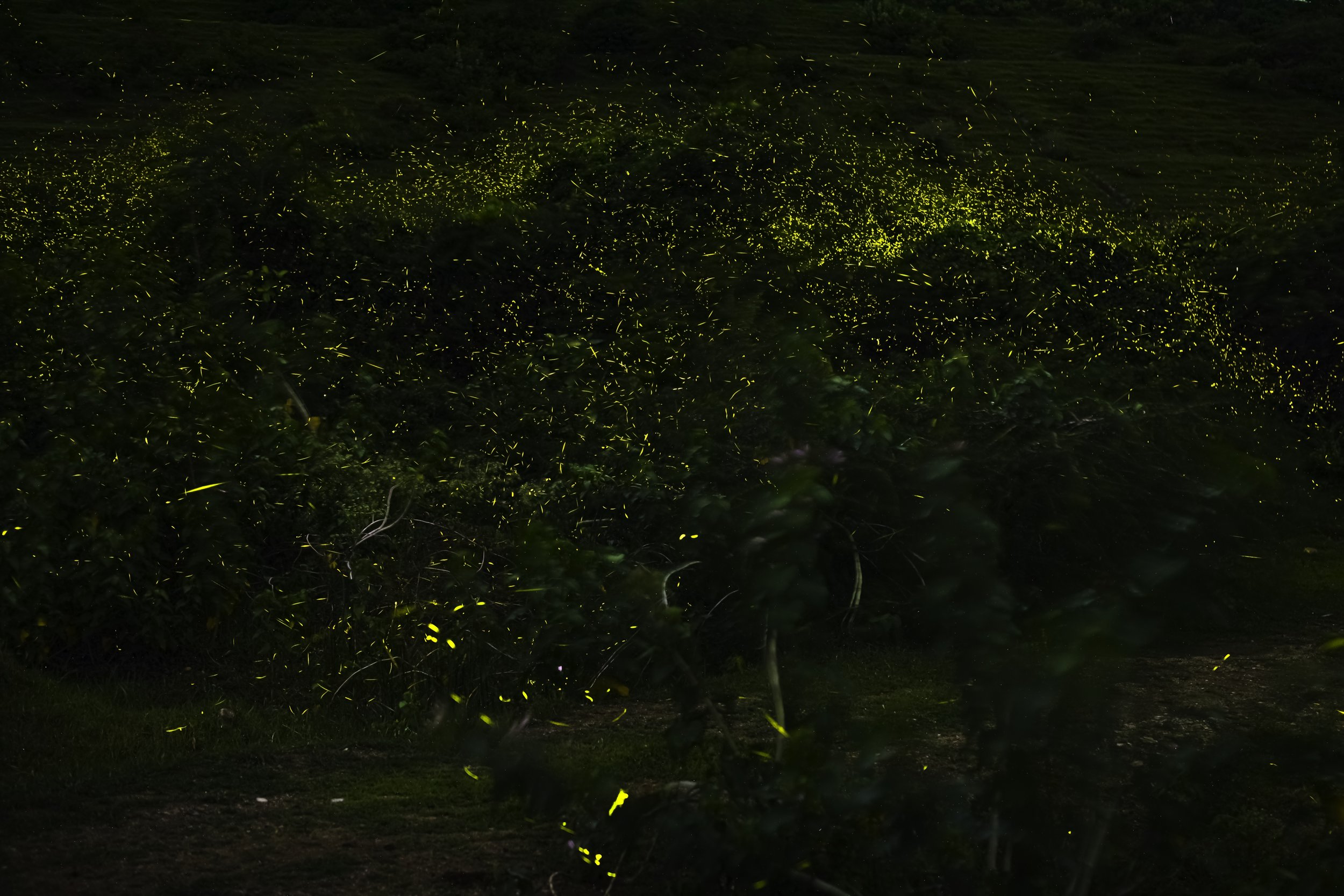
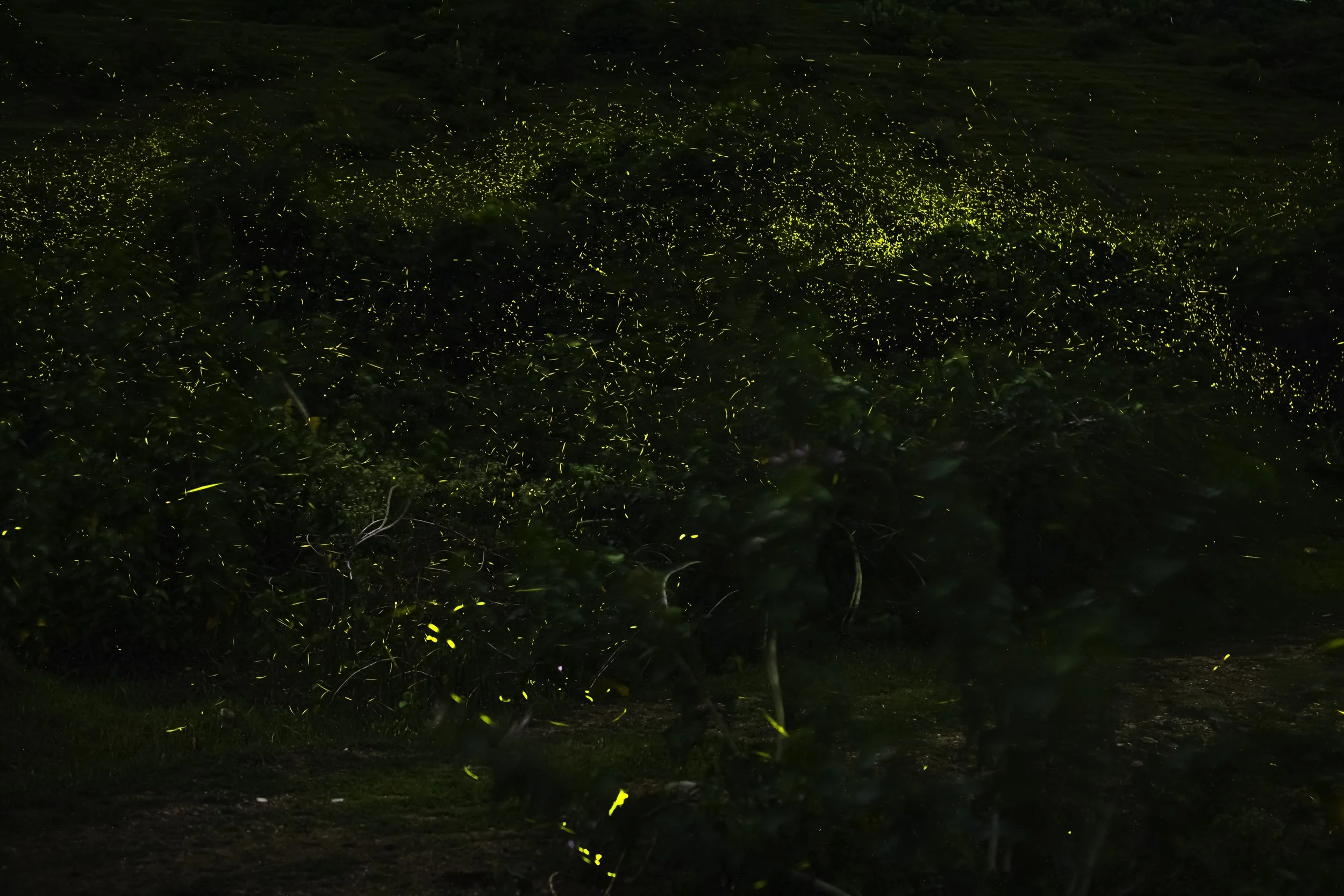
Fireflies, Nirmal, Telangana
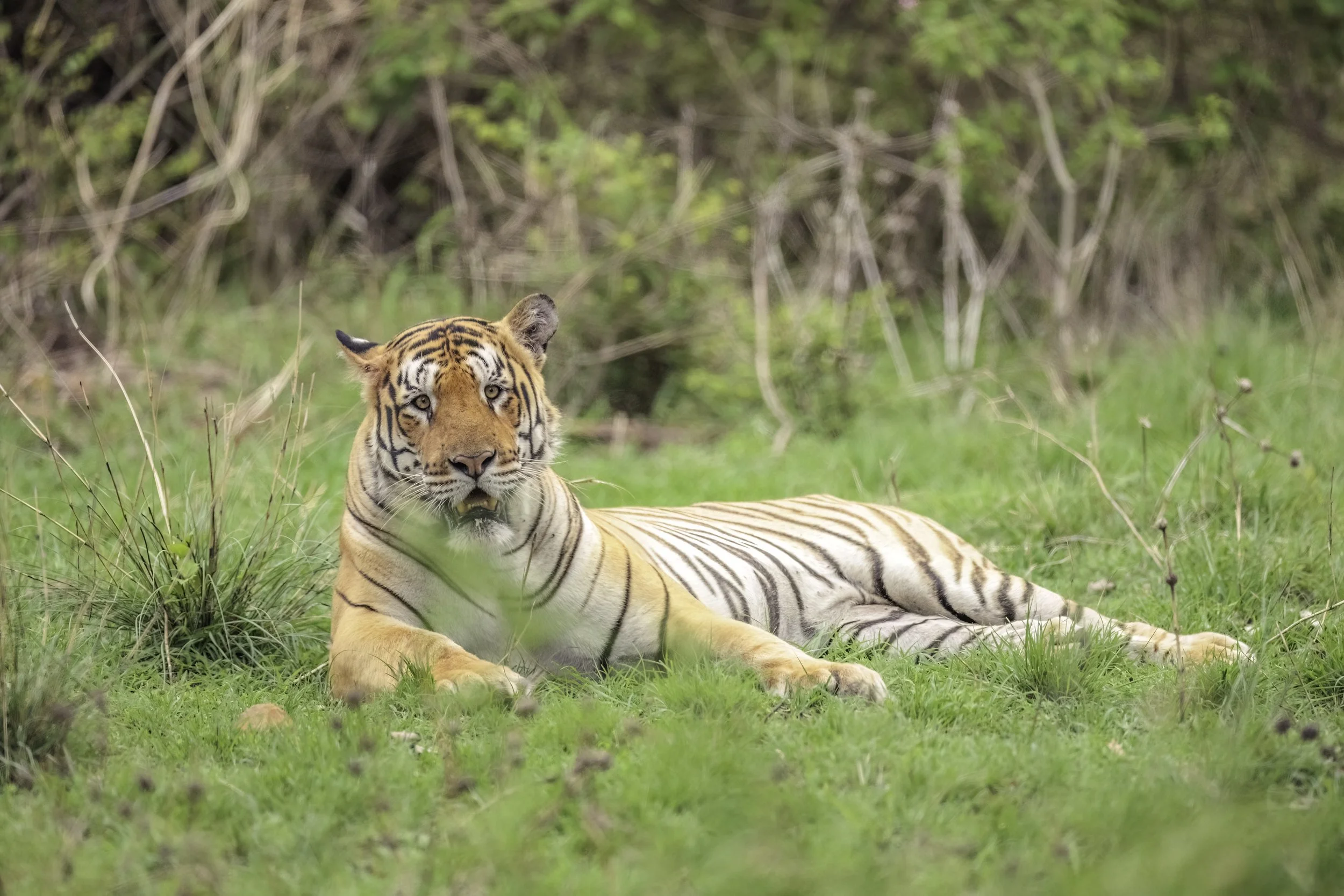
Rudra (M56), Gundam, Amrabad Tiger Reserve
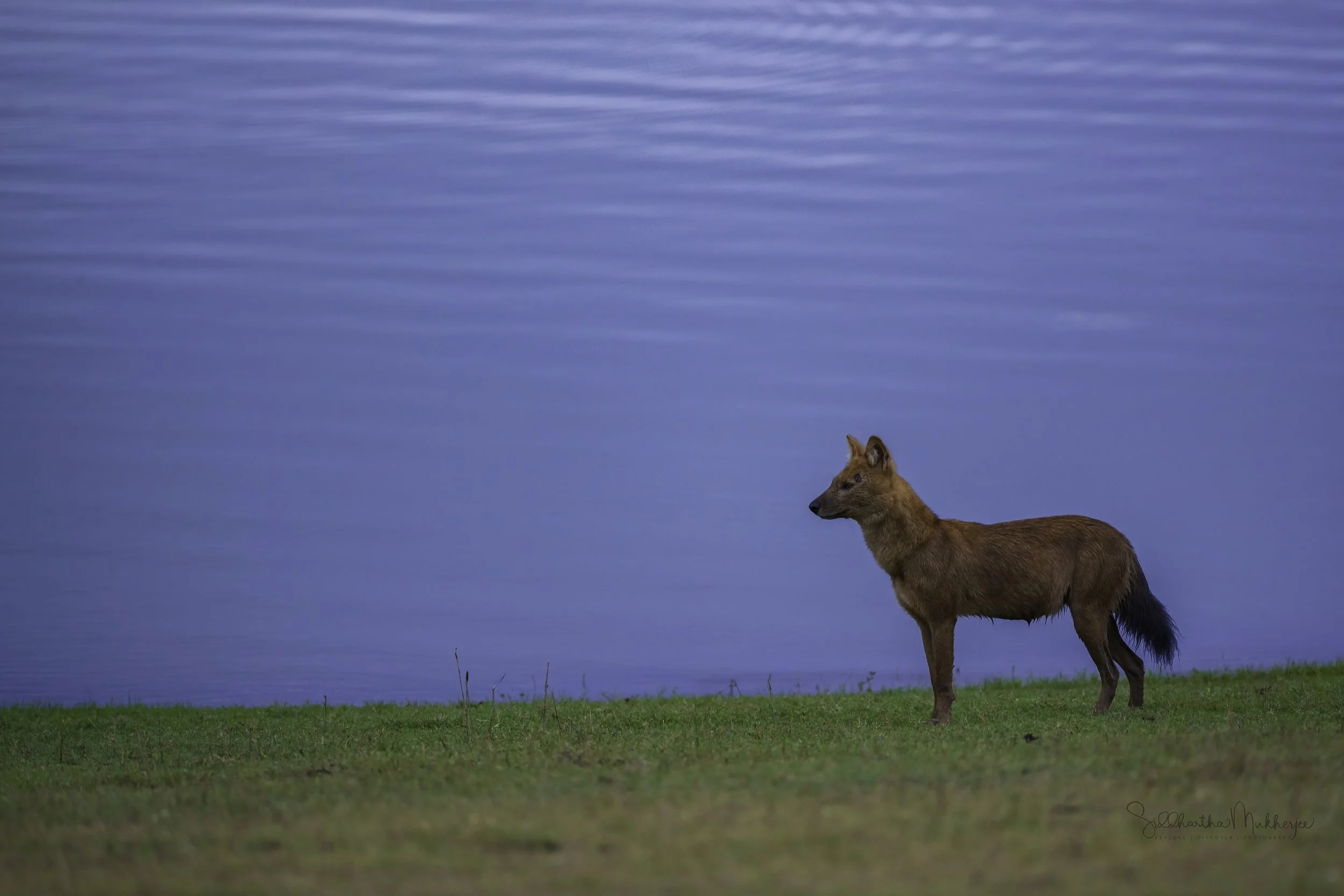
Dhole (Asian Wild Dog)
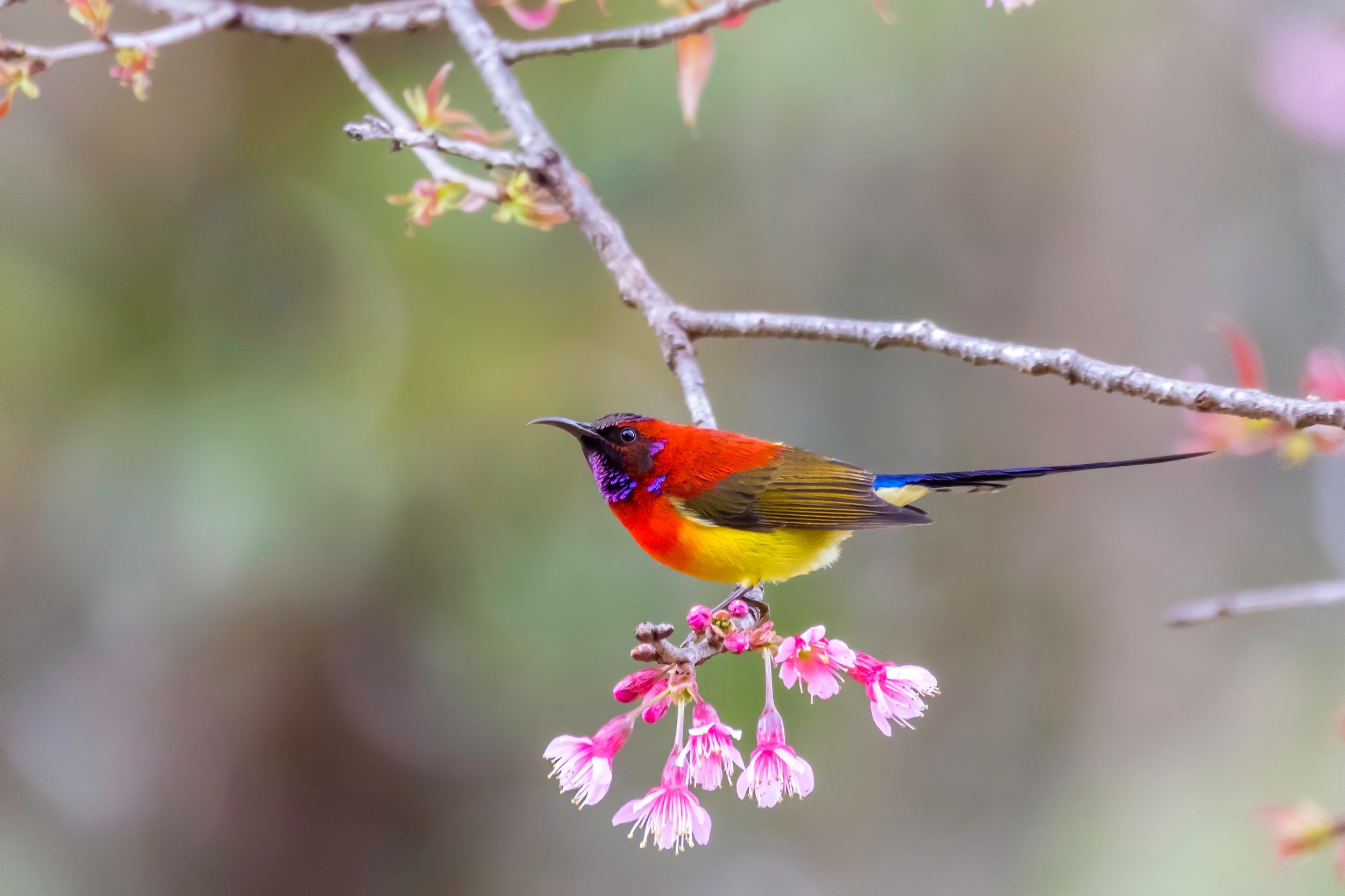
Mrs. Gould's Sunbird, Doi Luang, Chiang Mai
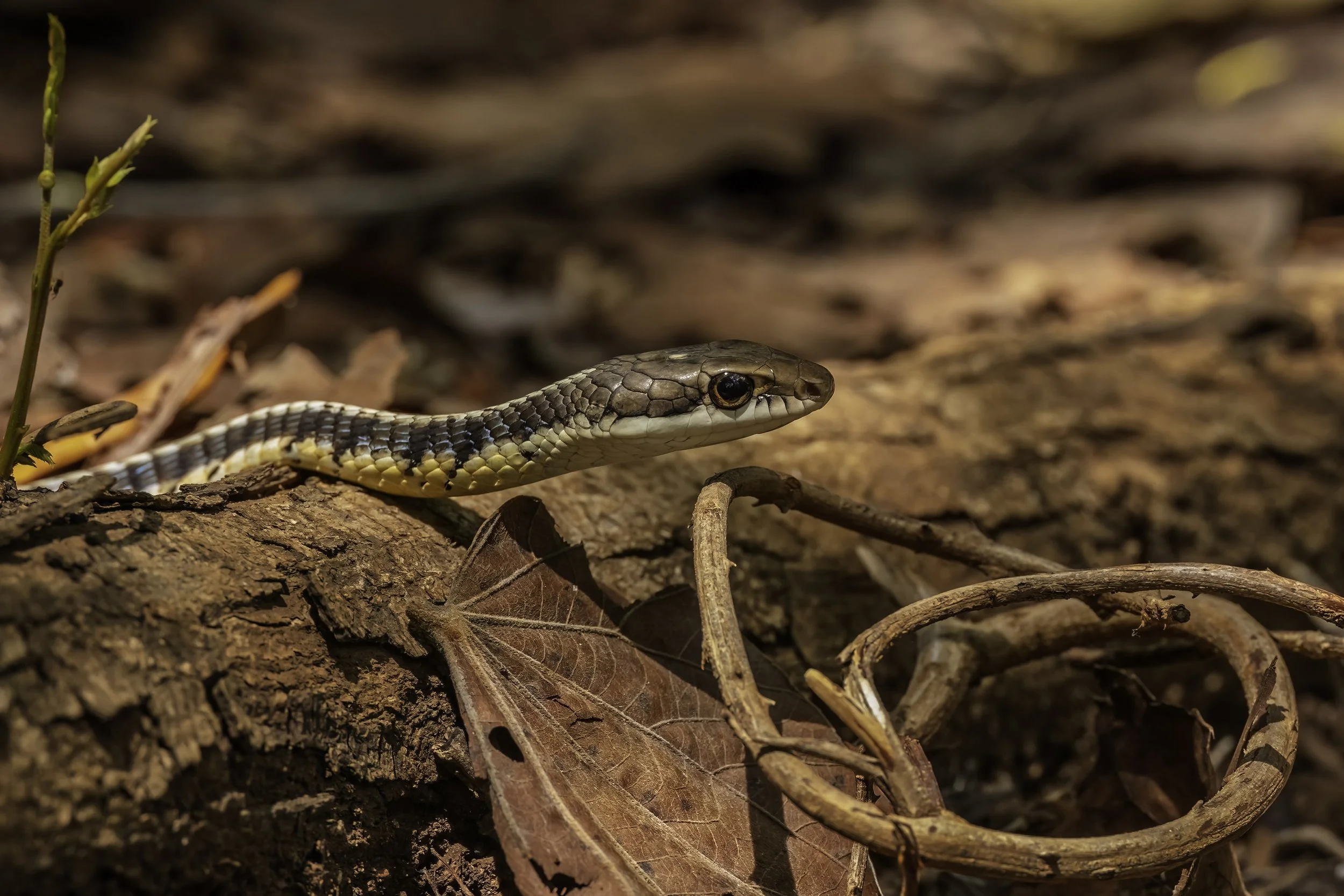
Common Bronzeback/ Daudin's Bronzeback Tree Snake, Telangana
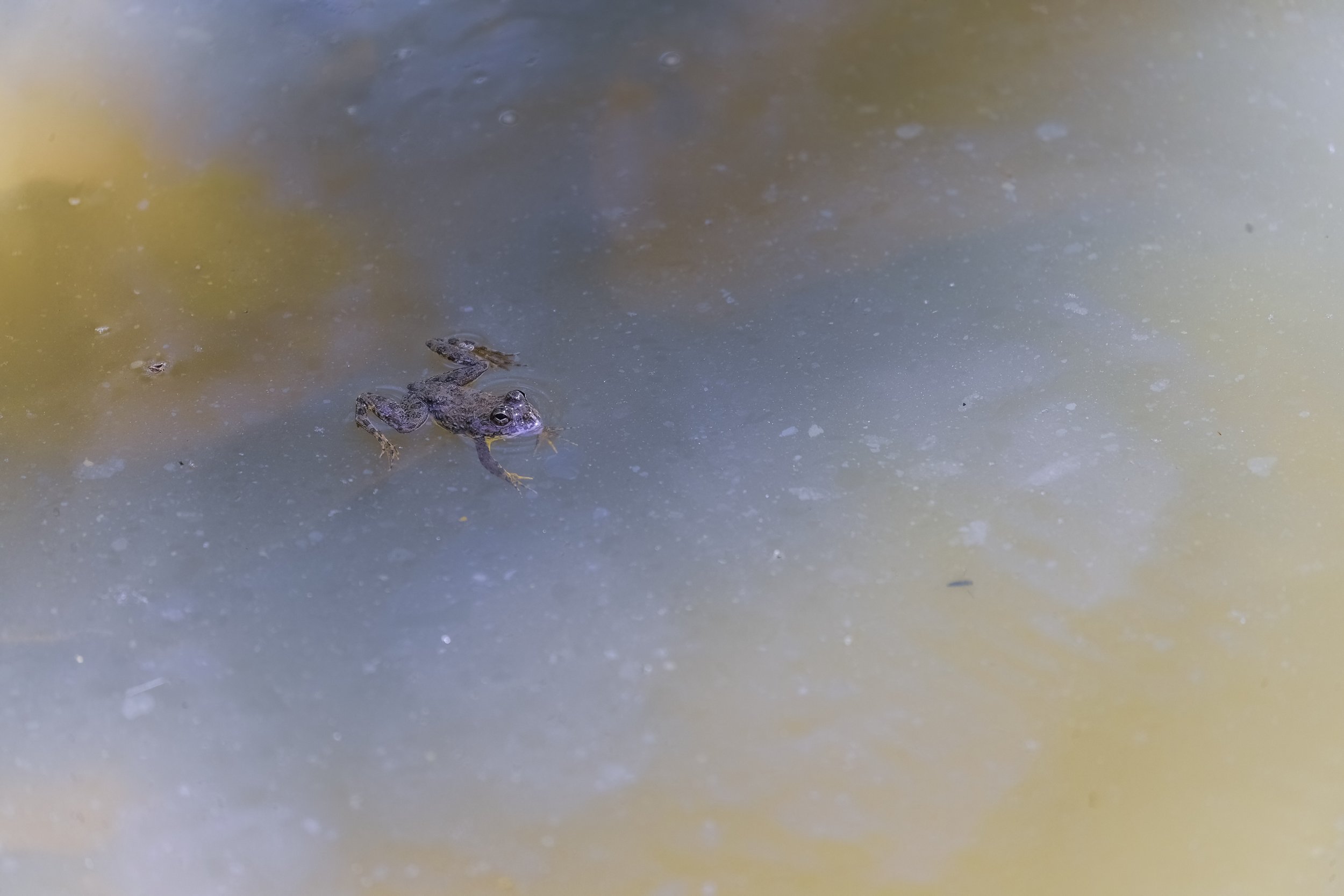
Indian Skittering Frog, Kawal Tiger Reserve
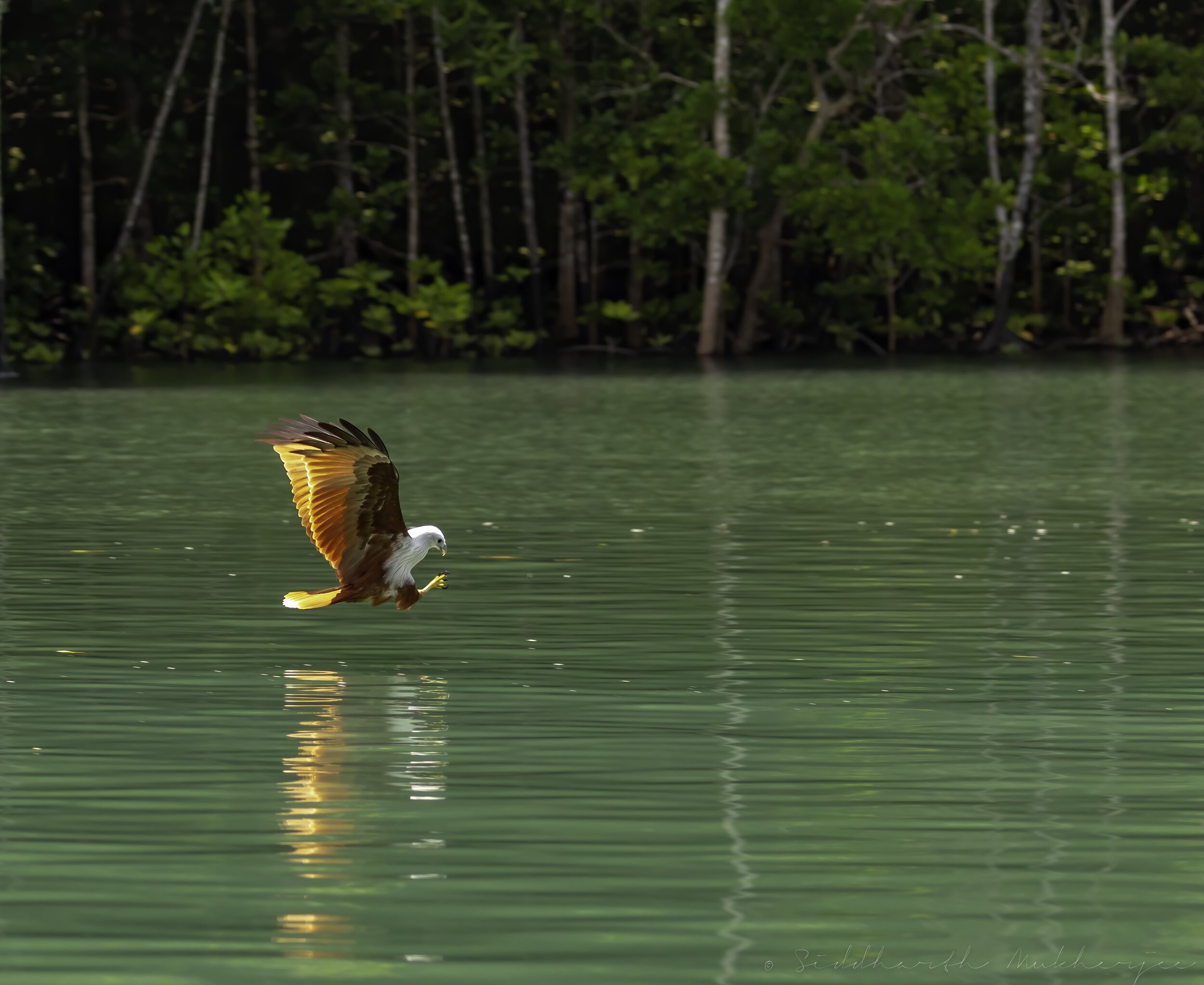
Brahminy Kite, Langkawi
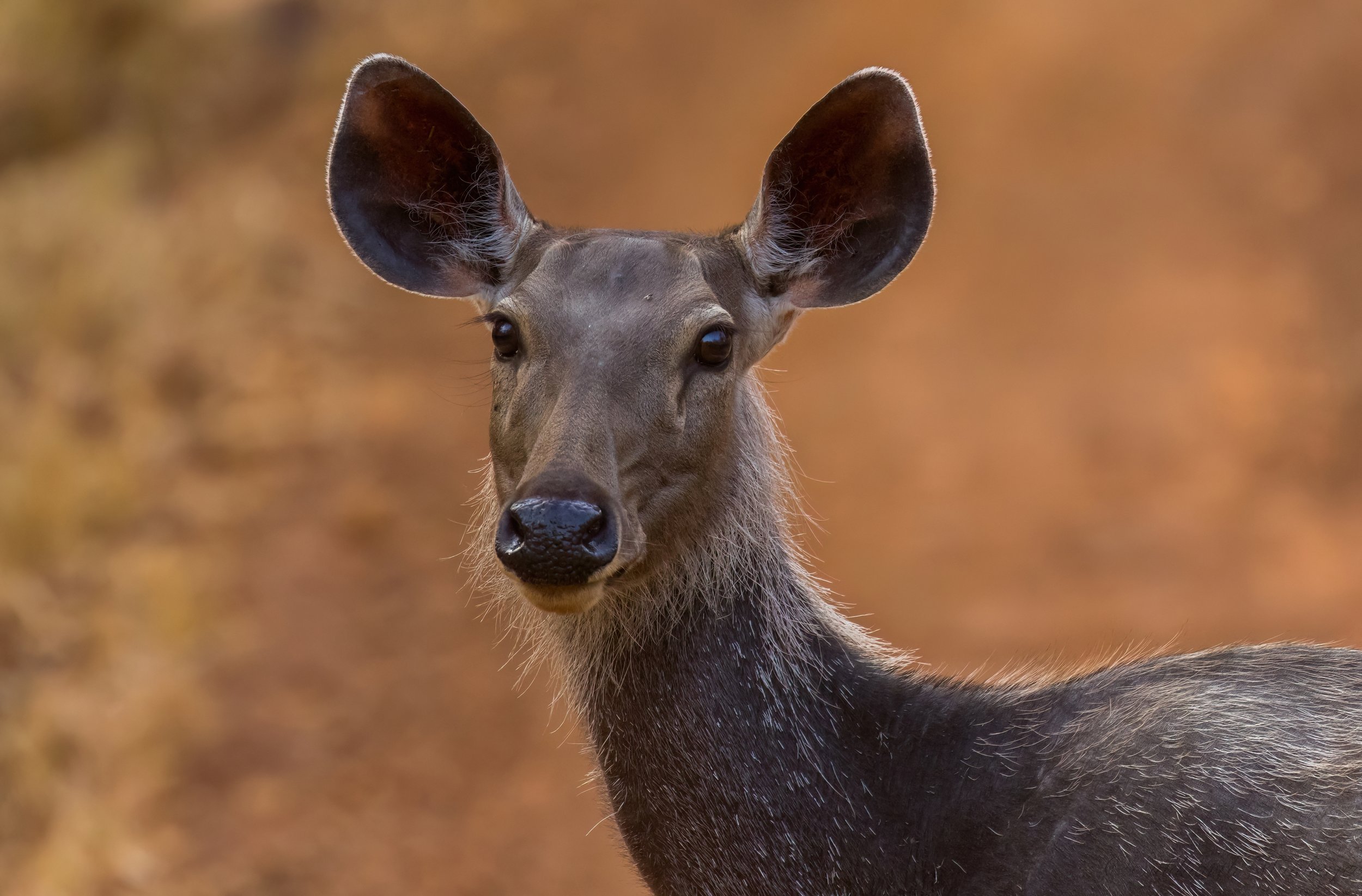
Sambhar, Tadoba Andhari Tiger Reserve
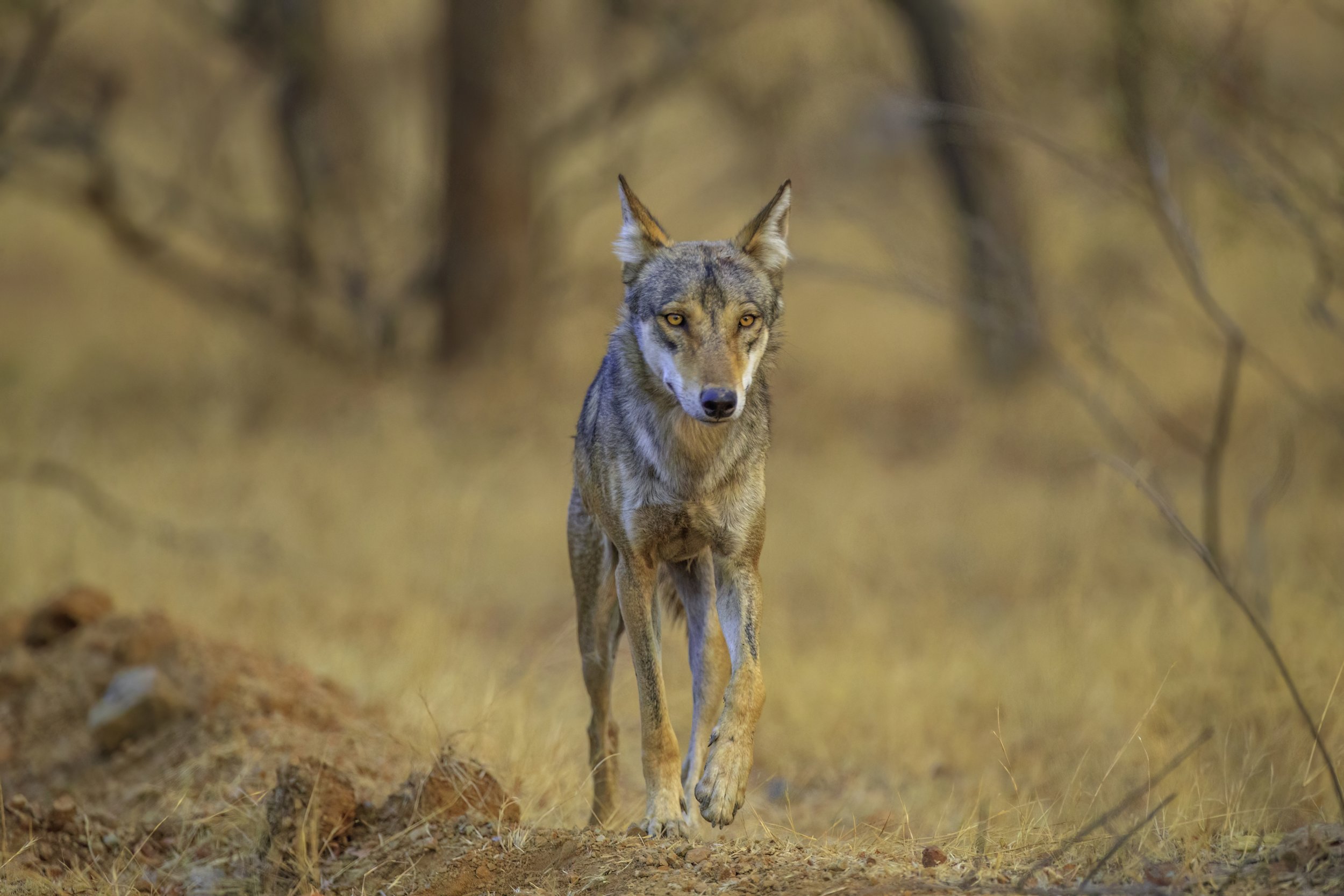
Indian Grey Wolf | Open Habitat Species - Oct 2025 IUCN Red List Update: Vulnerable
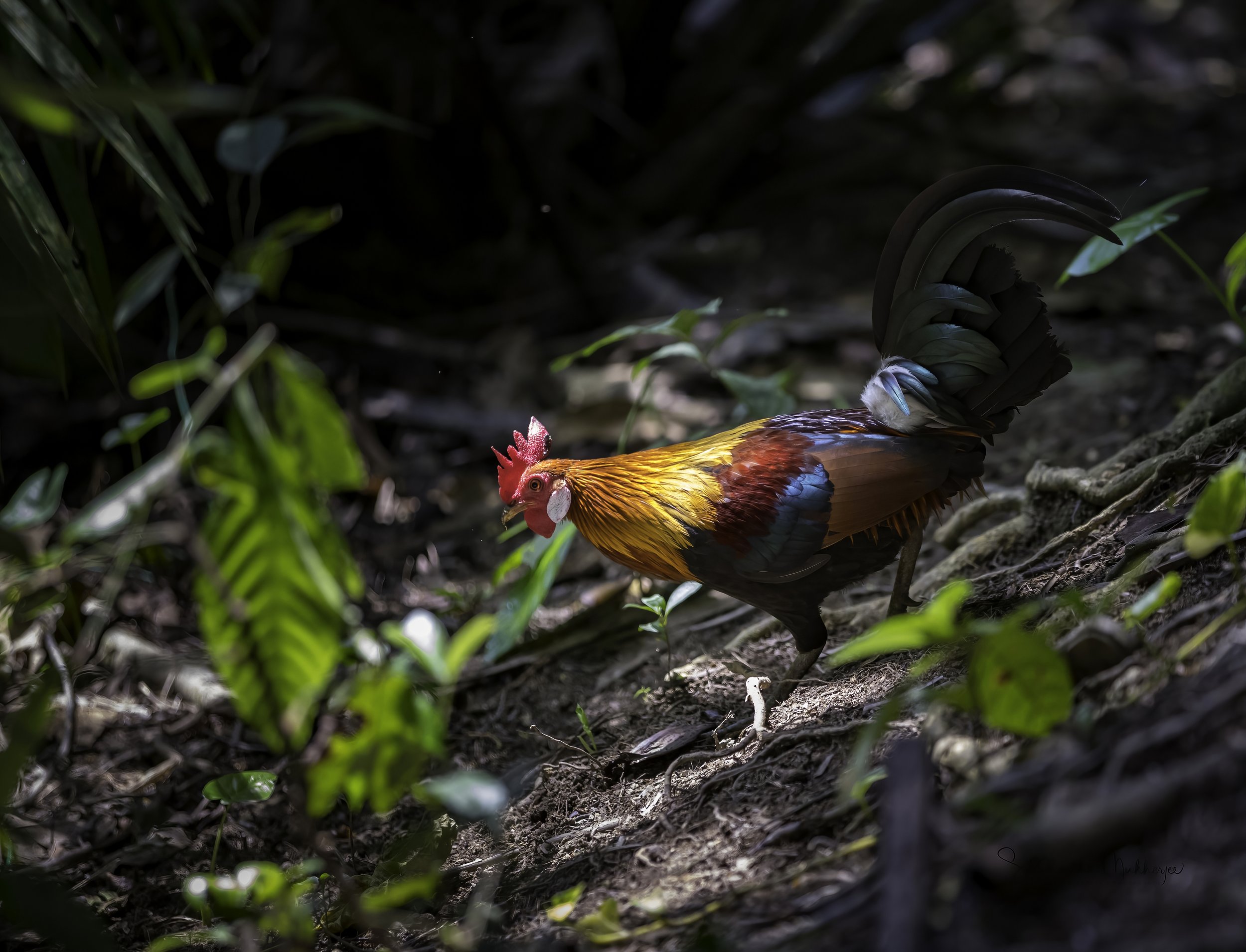
Red Junglefowl, Jungles all over India, Malaysia, Thailand, Indonesia & Singapore
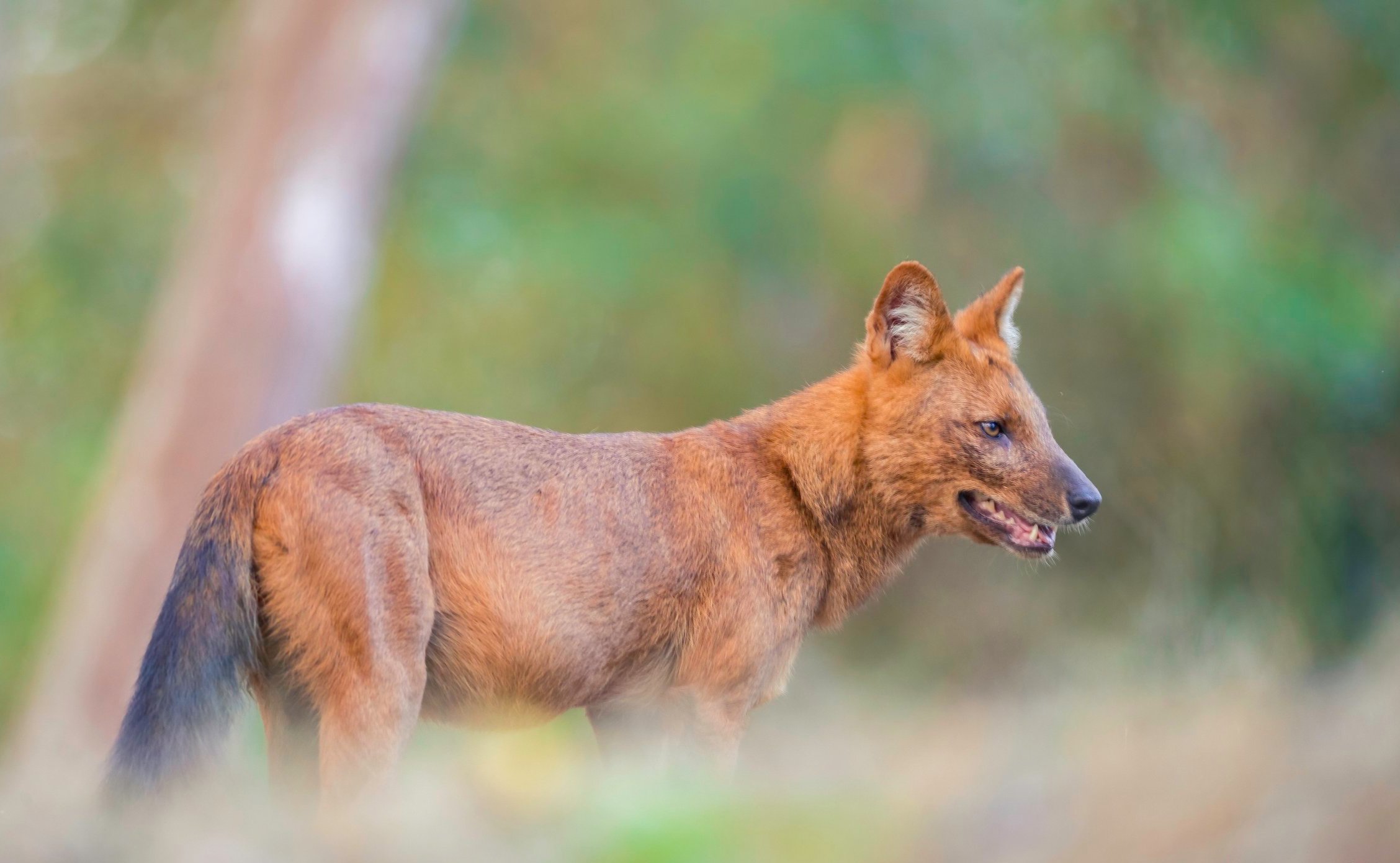
Dhole (Asian Wild Dog), Kabini
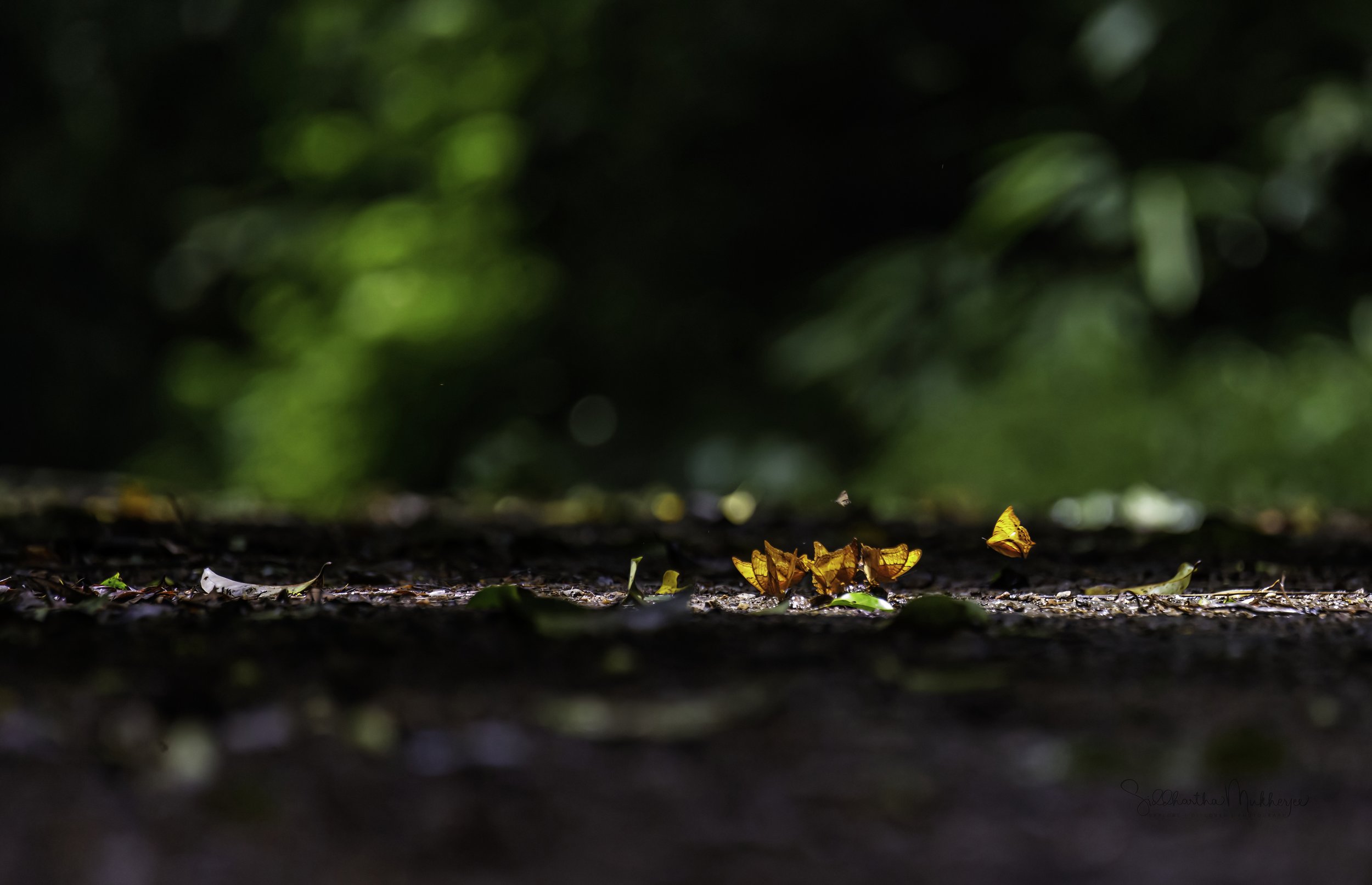
Malay Cruiser Butterfly (Vindula dejone), on a Butterfly Lick, Kaeng Krachan National Park

Orion Nebula from a Bortle 8-9 Sky
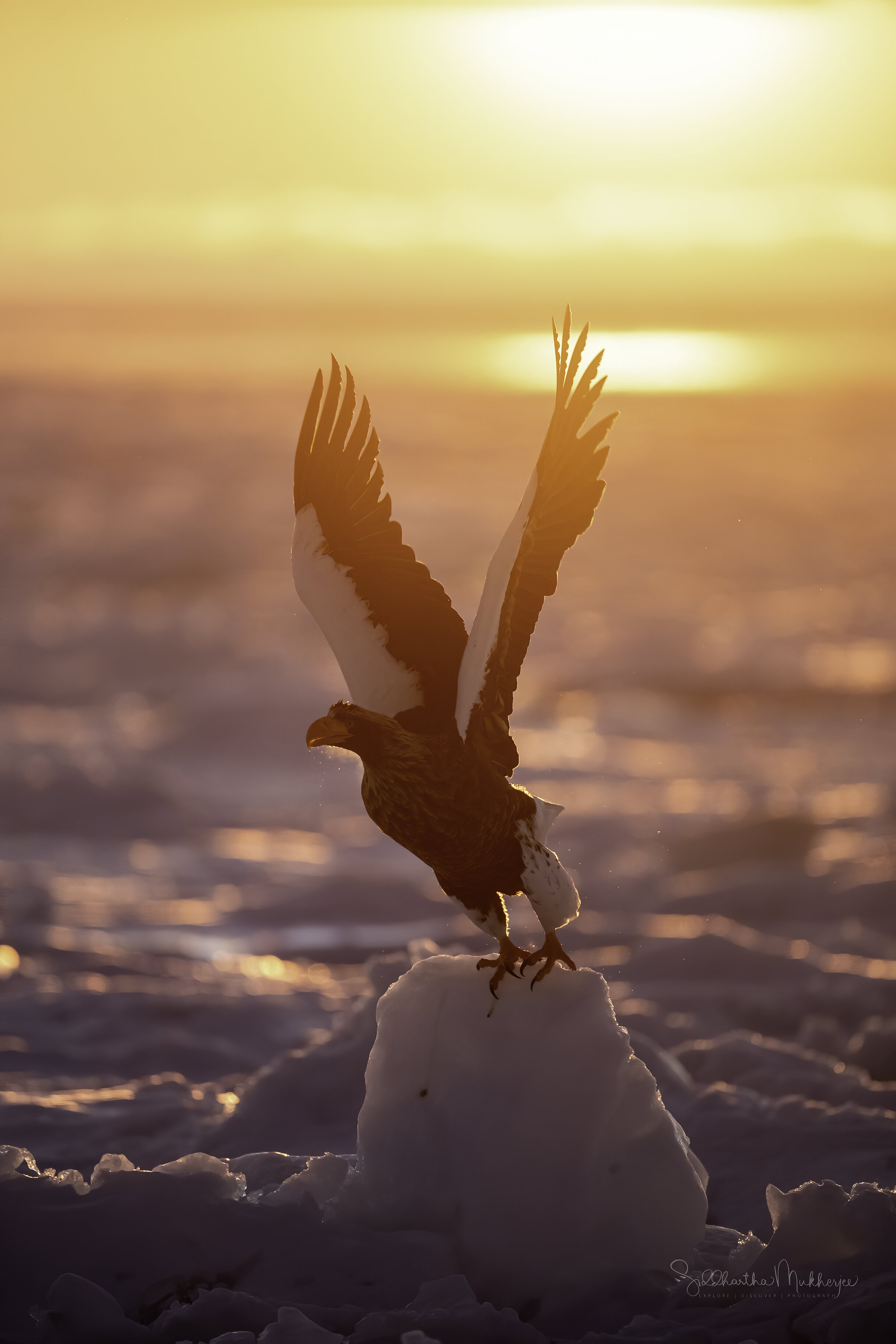
Stellar's Sea Eagle, Drift Ice, Sea of Okhotsk
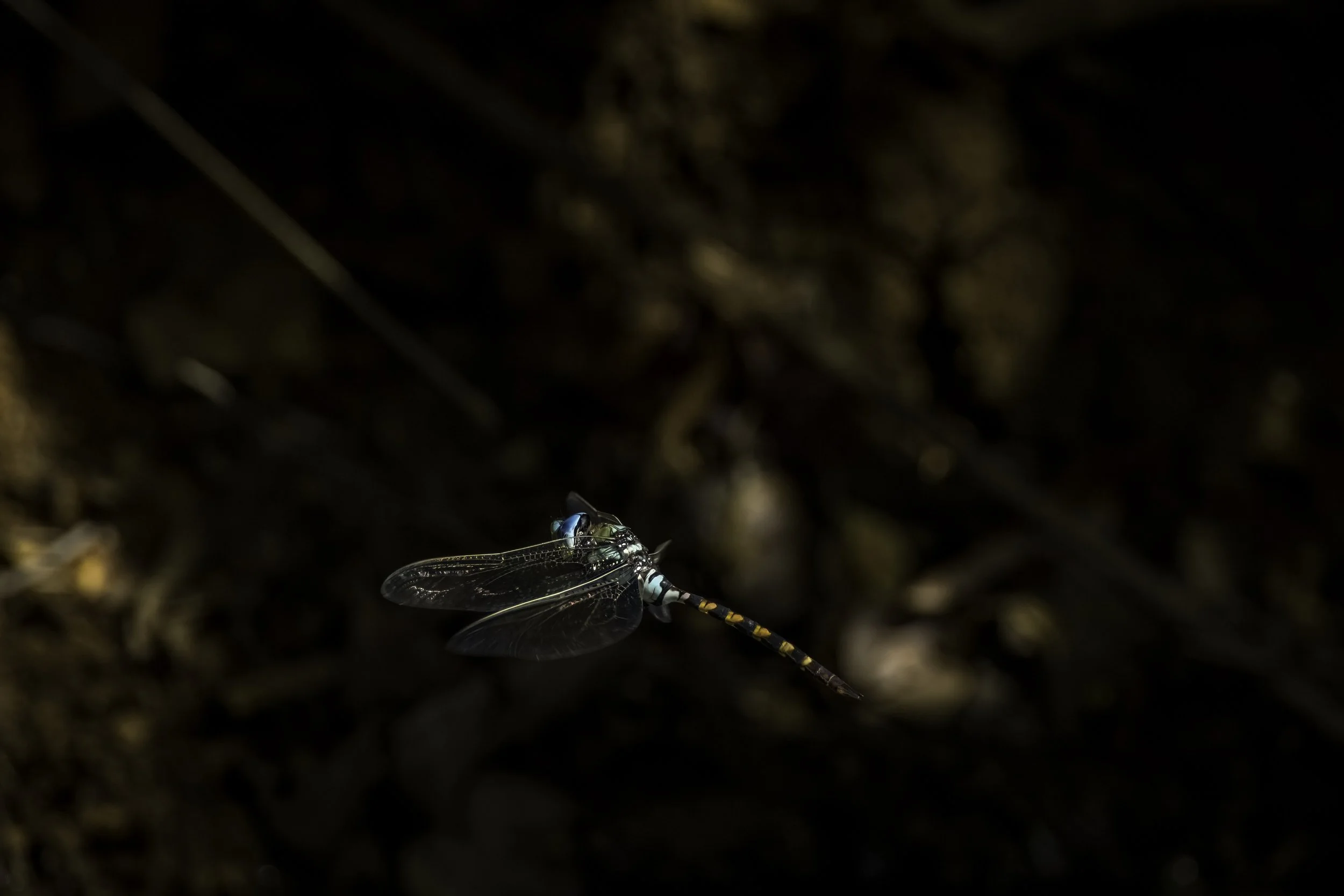
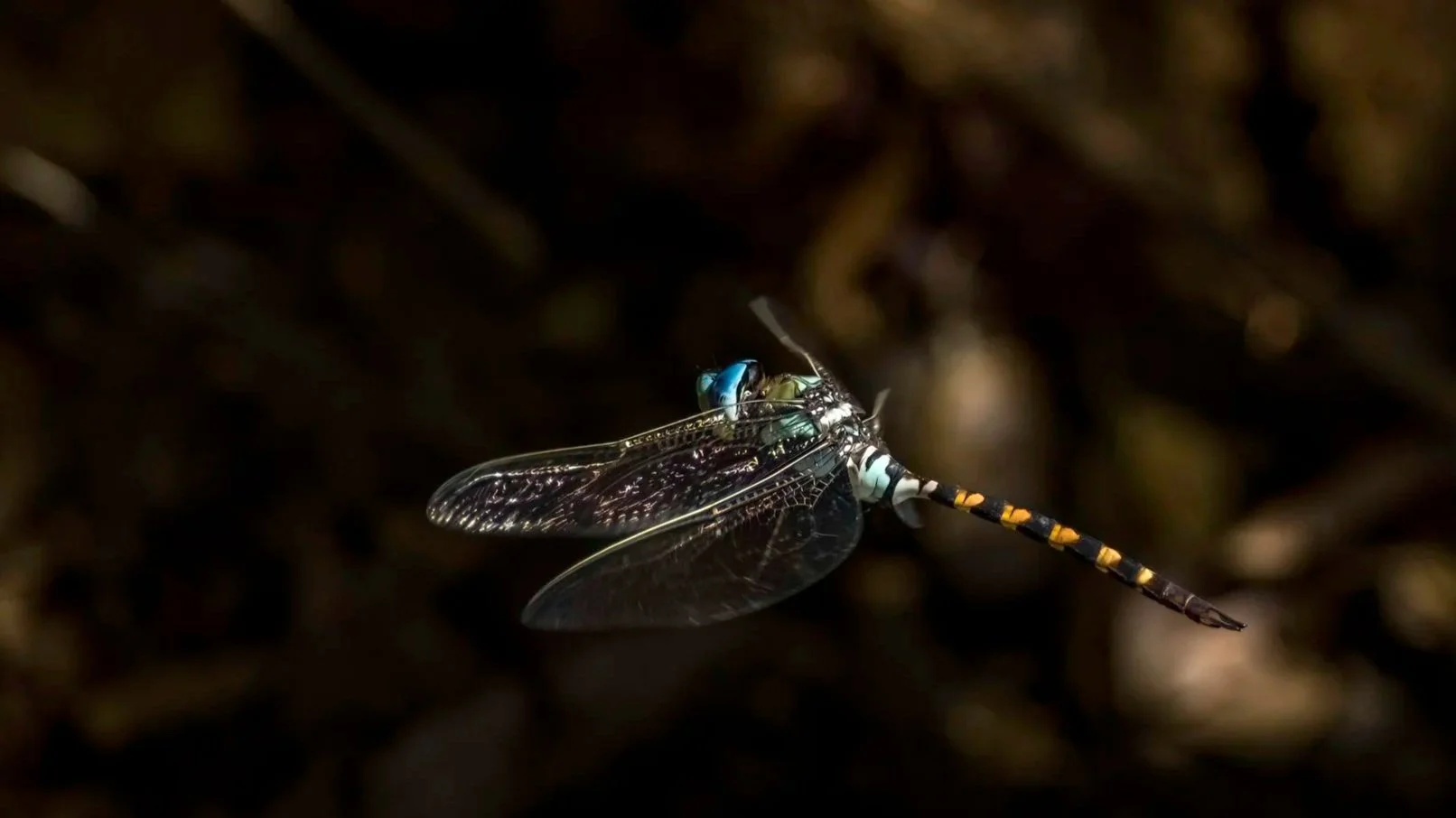
Magnificent Emperor Dragonfly/ Blue Darner, Ananthagiri Forest Range
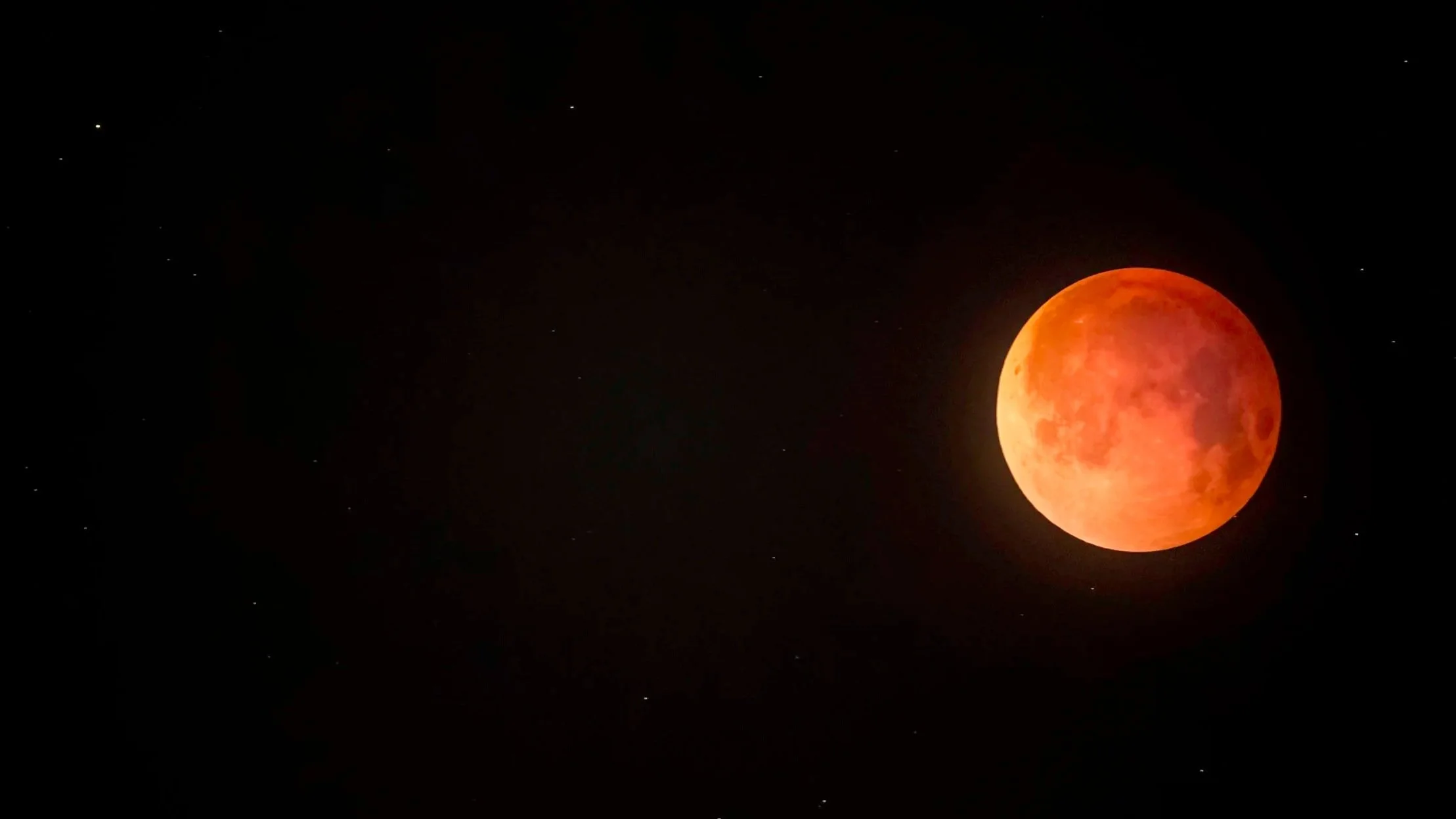
Blood Moon Eclipse, 7 September 2025, Hyderabad, Telangana
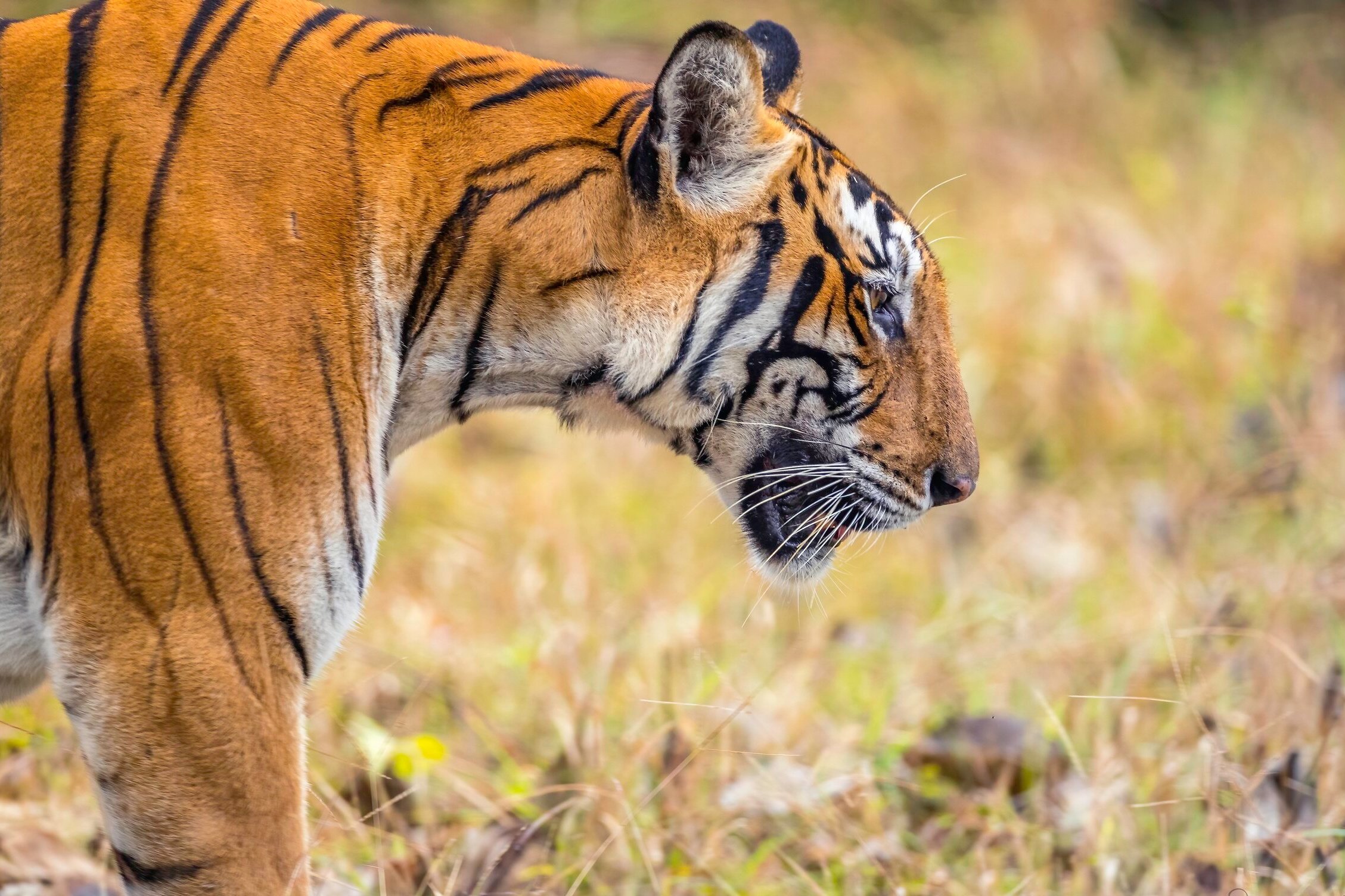
The Backwaters Female, Kabini
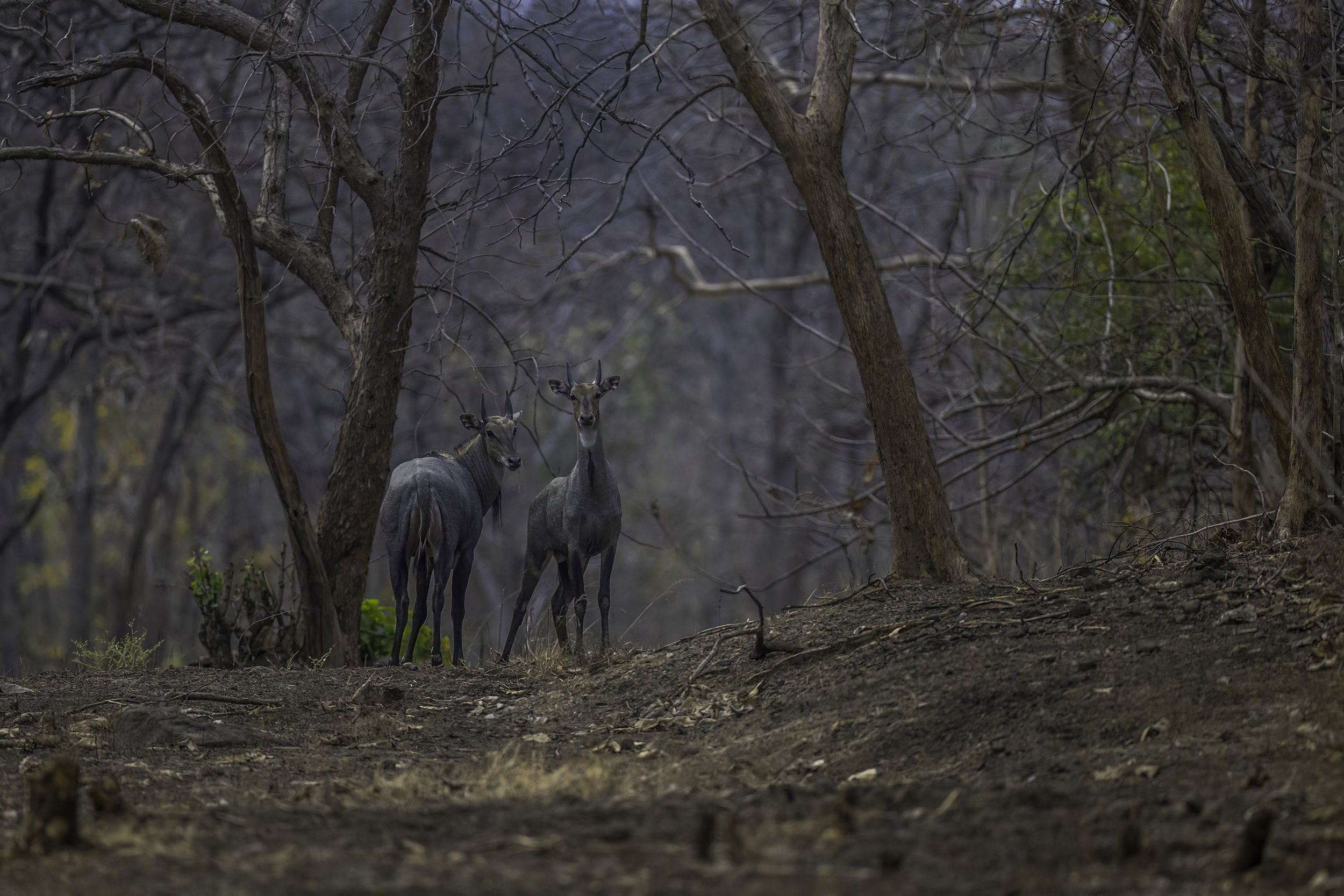
Nilgai, Tipeshwar Wildlife Sanctuary
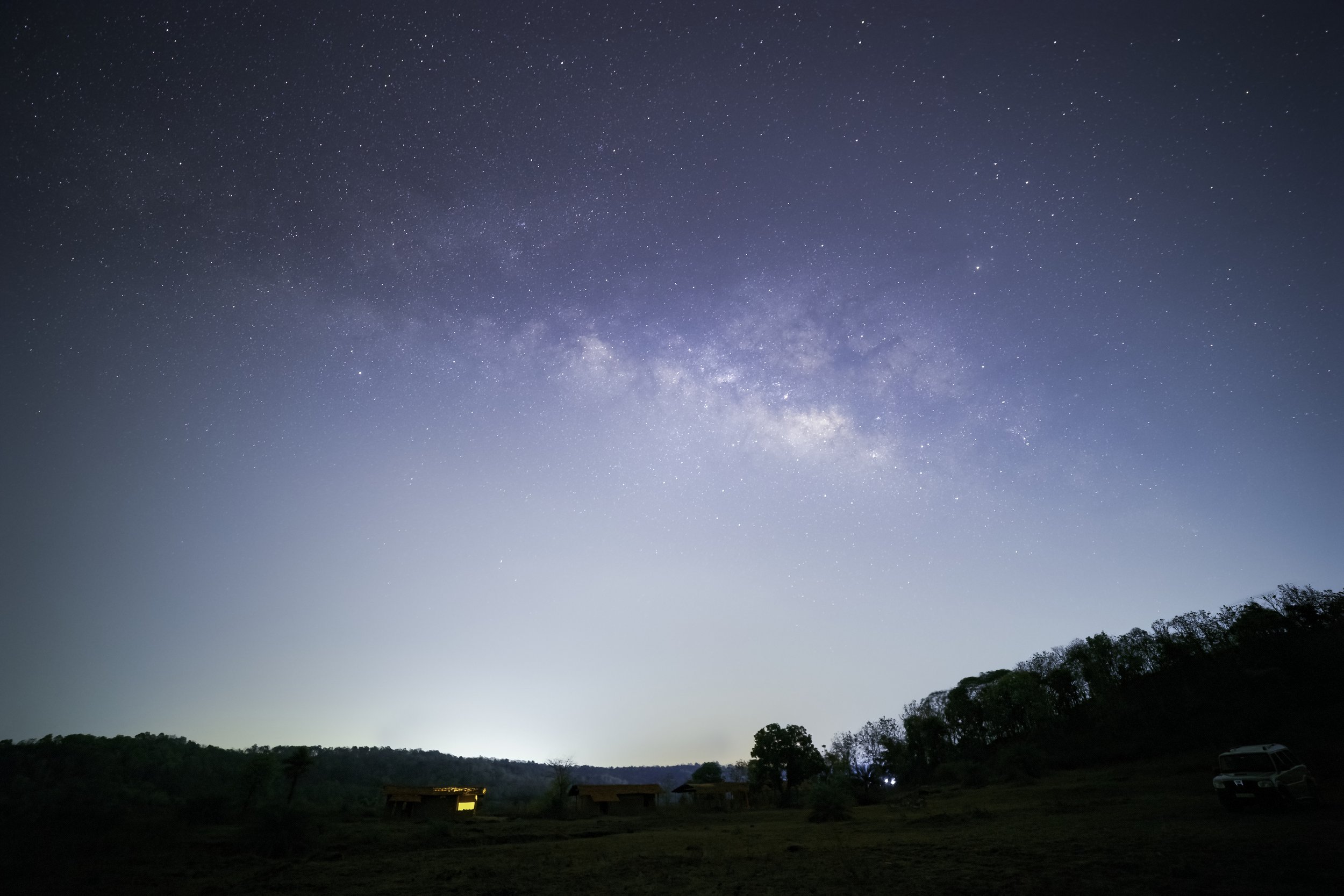
Milky Way Rising, Gundala, Kumuram Bheem Asifabad, Telangana
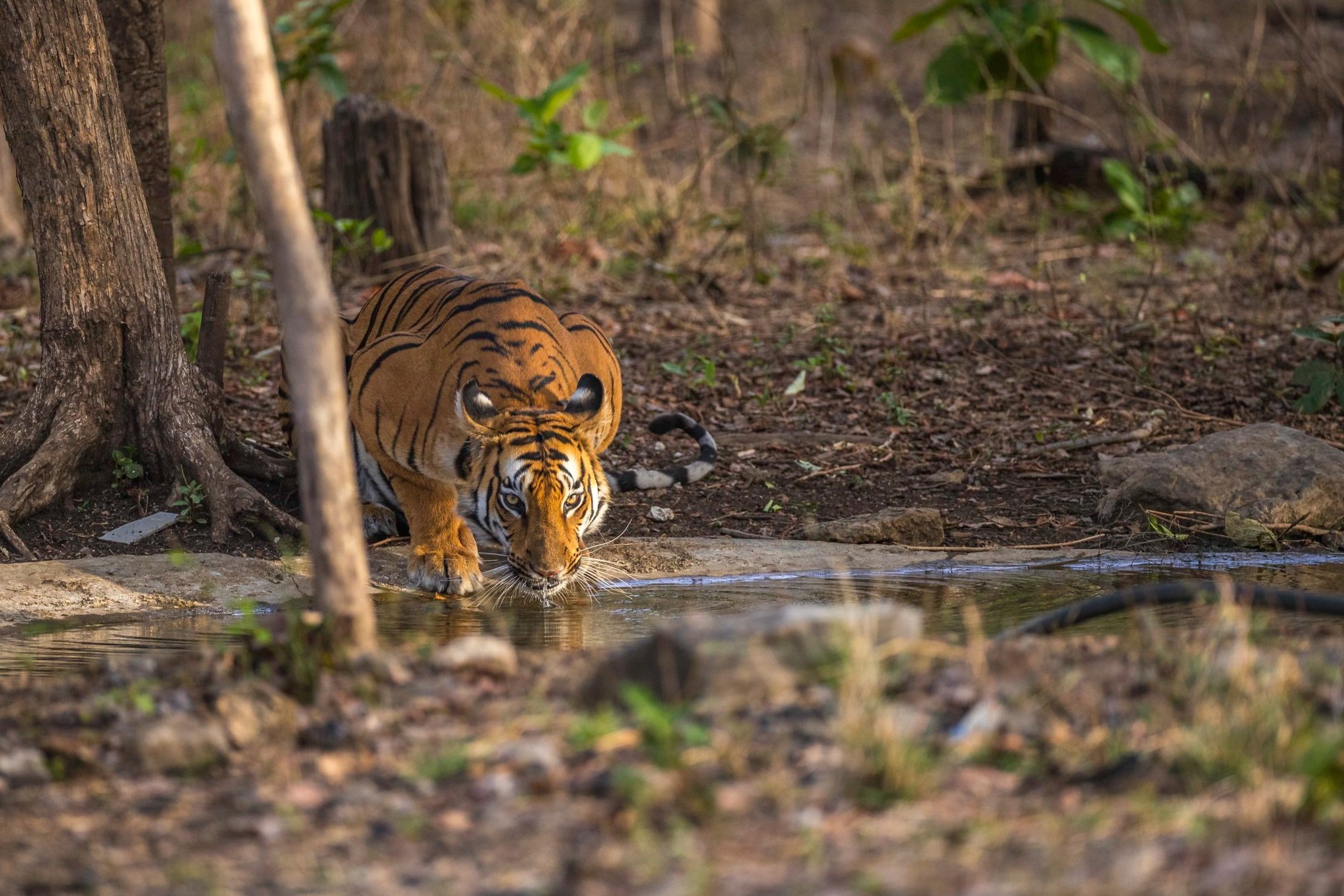
Archi, Tipeshwar Wildlife Sanctuary
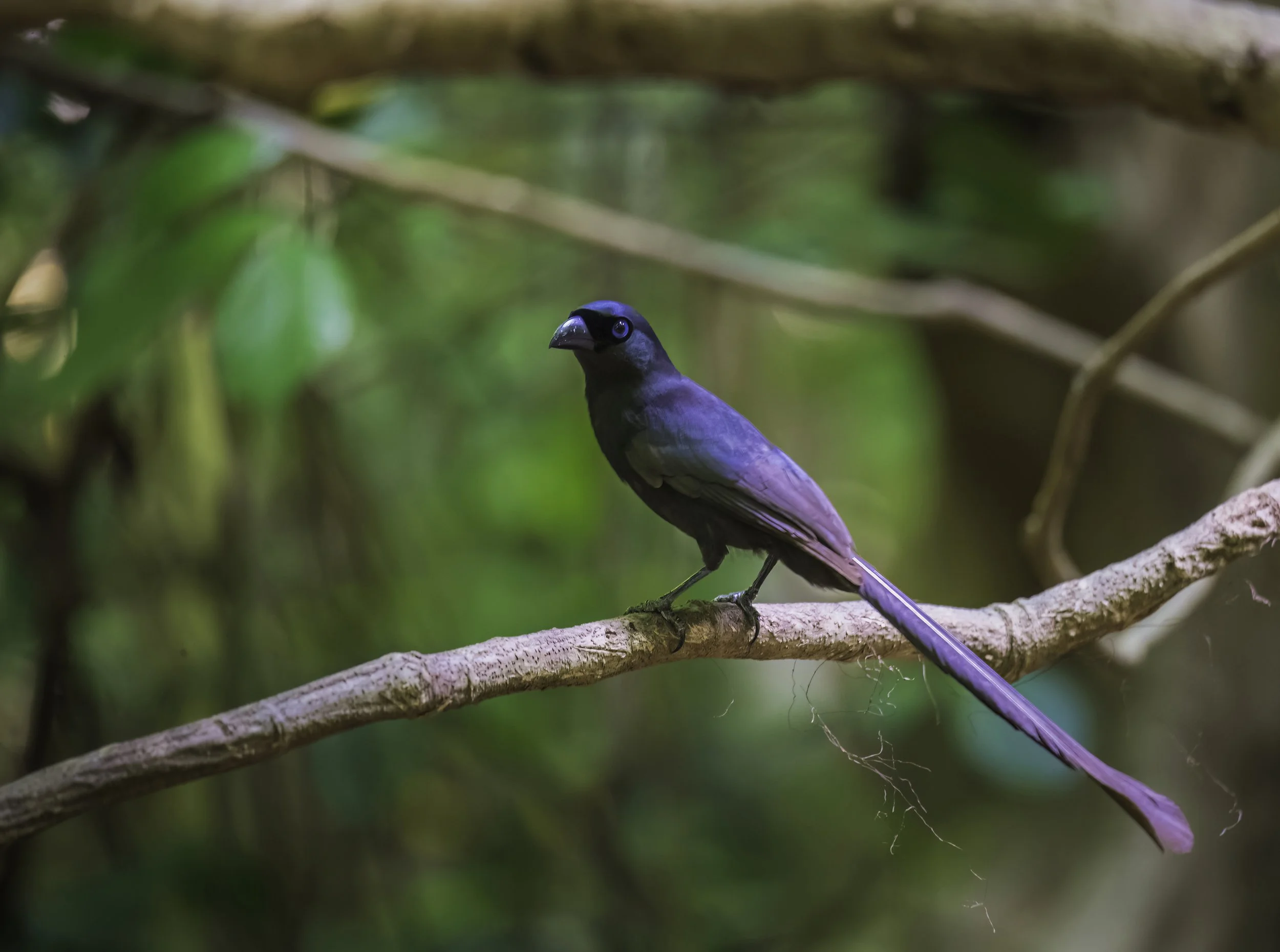
Racket-tailed Treepie, Kaeng Krachan National Park

The Tipai Leopard, Tipeshwar Wildlife Sanctuary
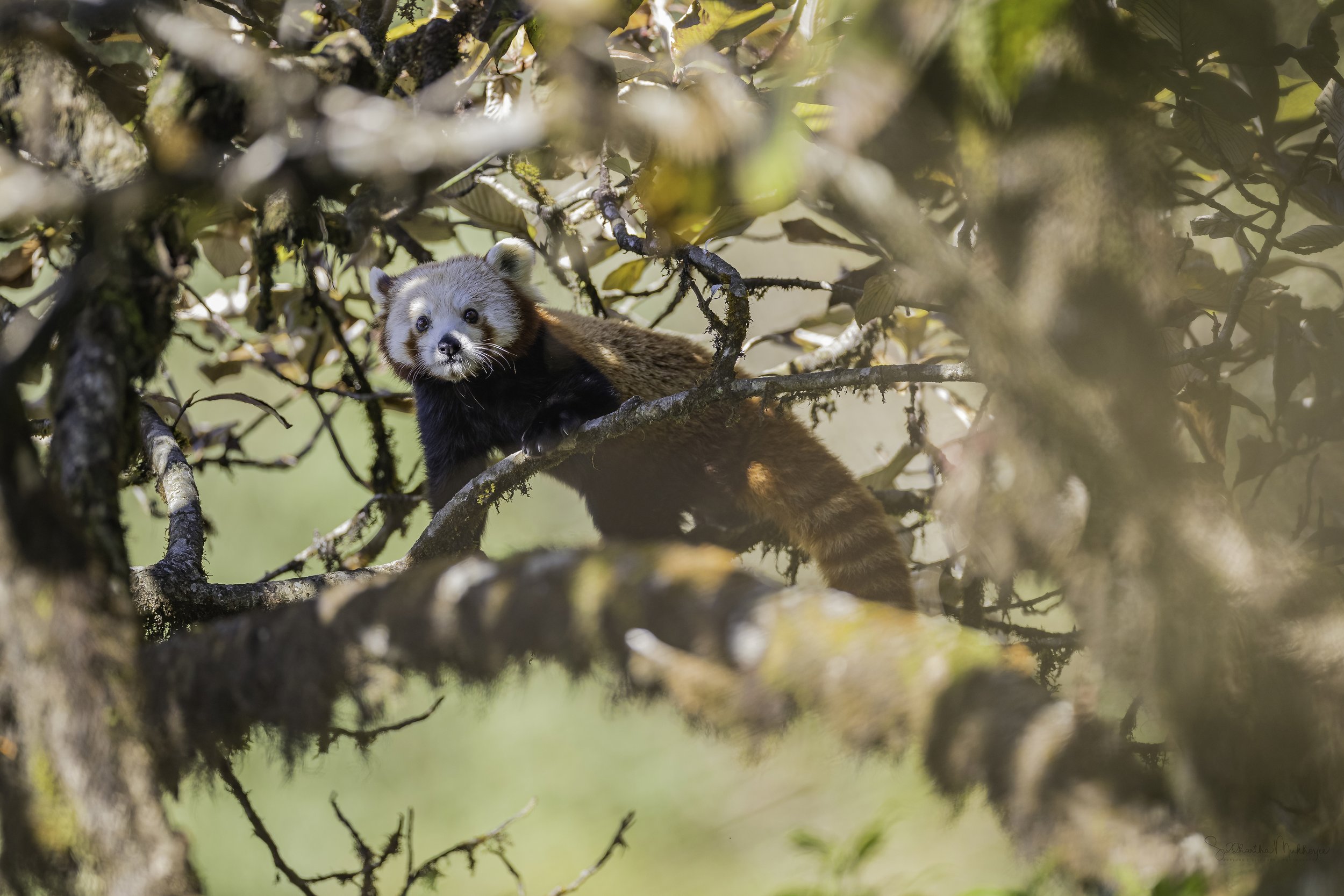
Red Panda, Singalila National Park
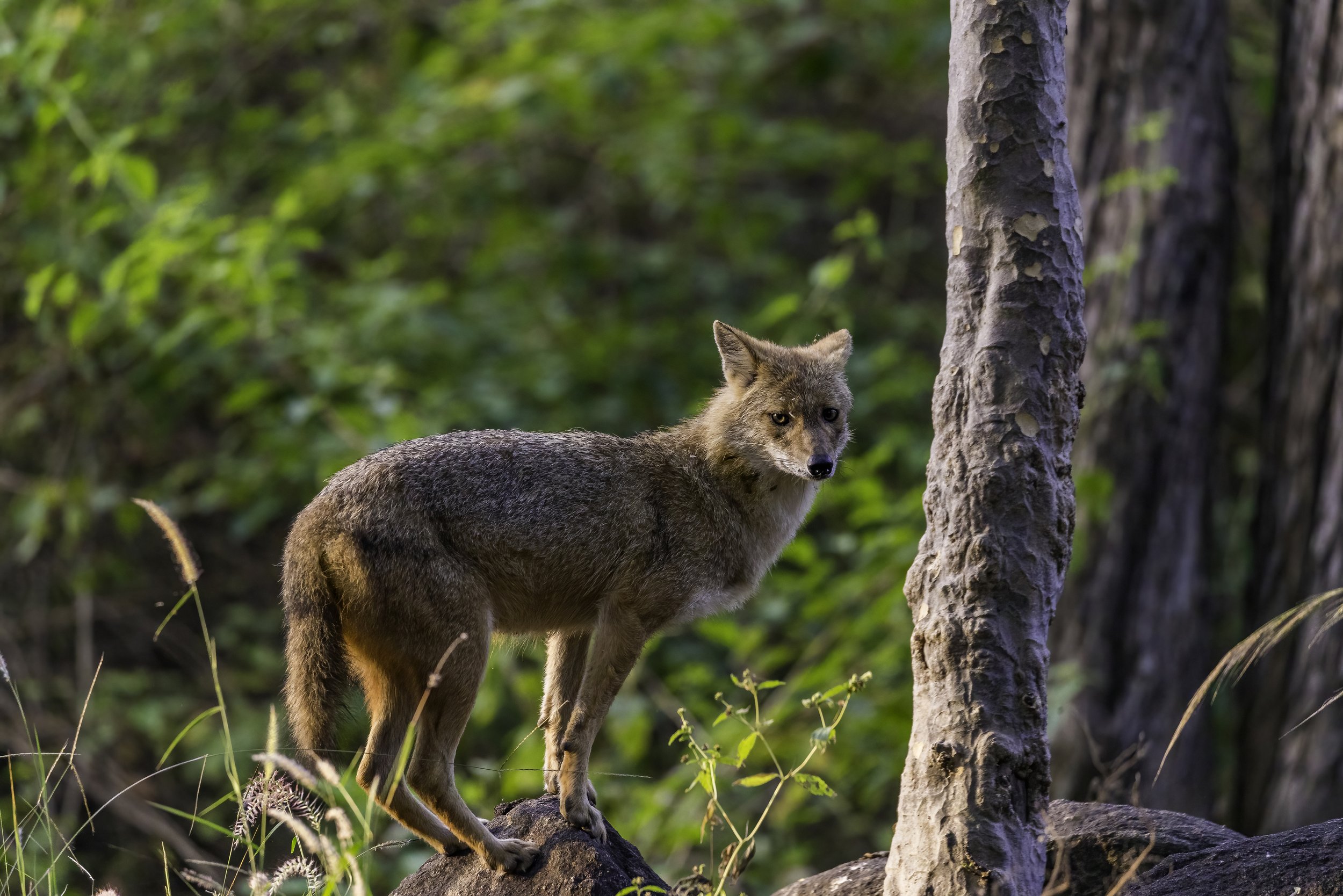
Indian Jackal, Pench National Park
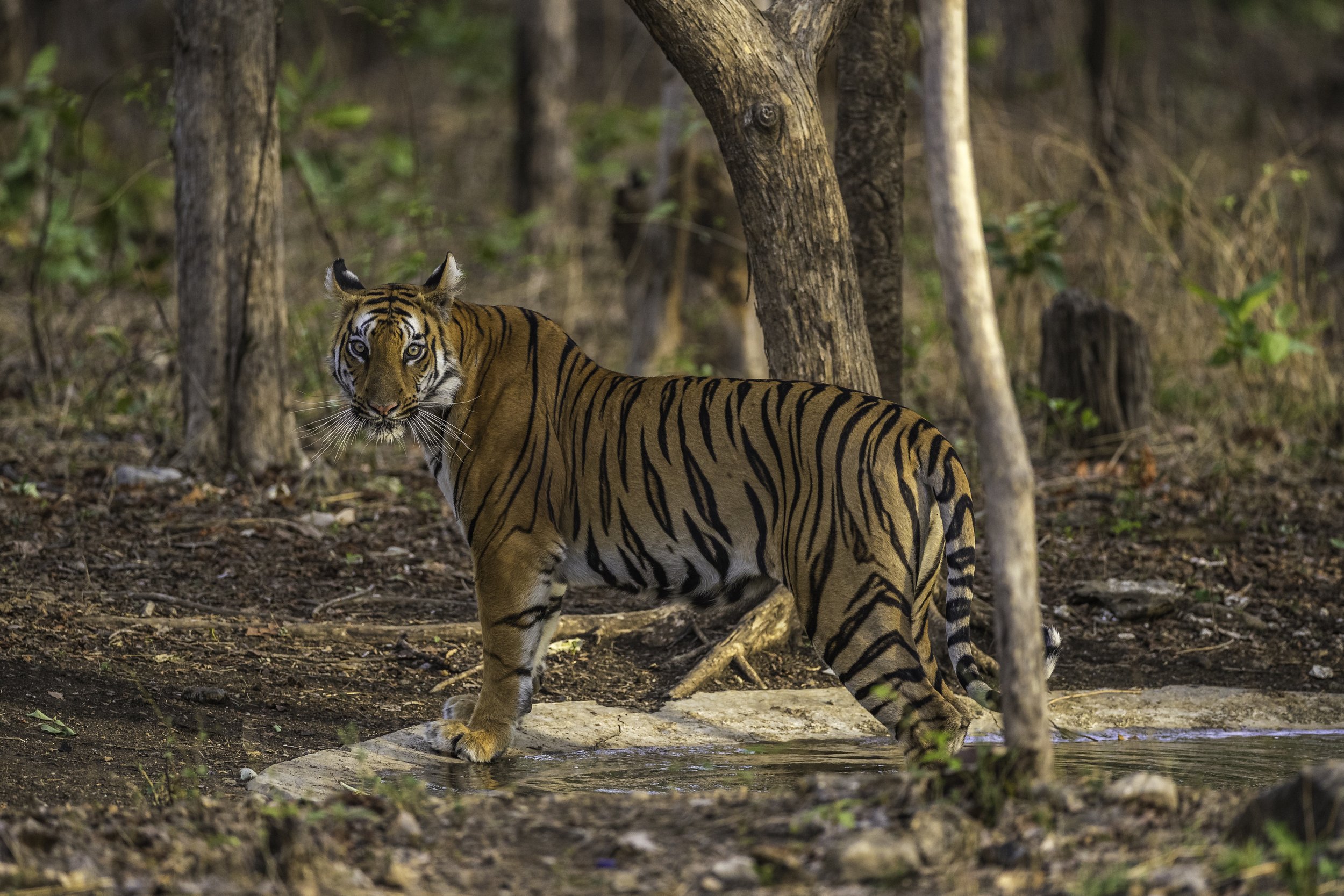
Archi, Tipeshwar Wildlife Sanctuary

Rufous-backed Dwarf-kingfisher, Hulu Langat, Selangor
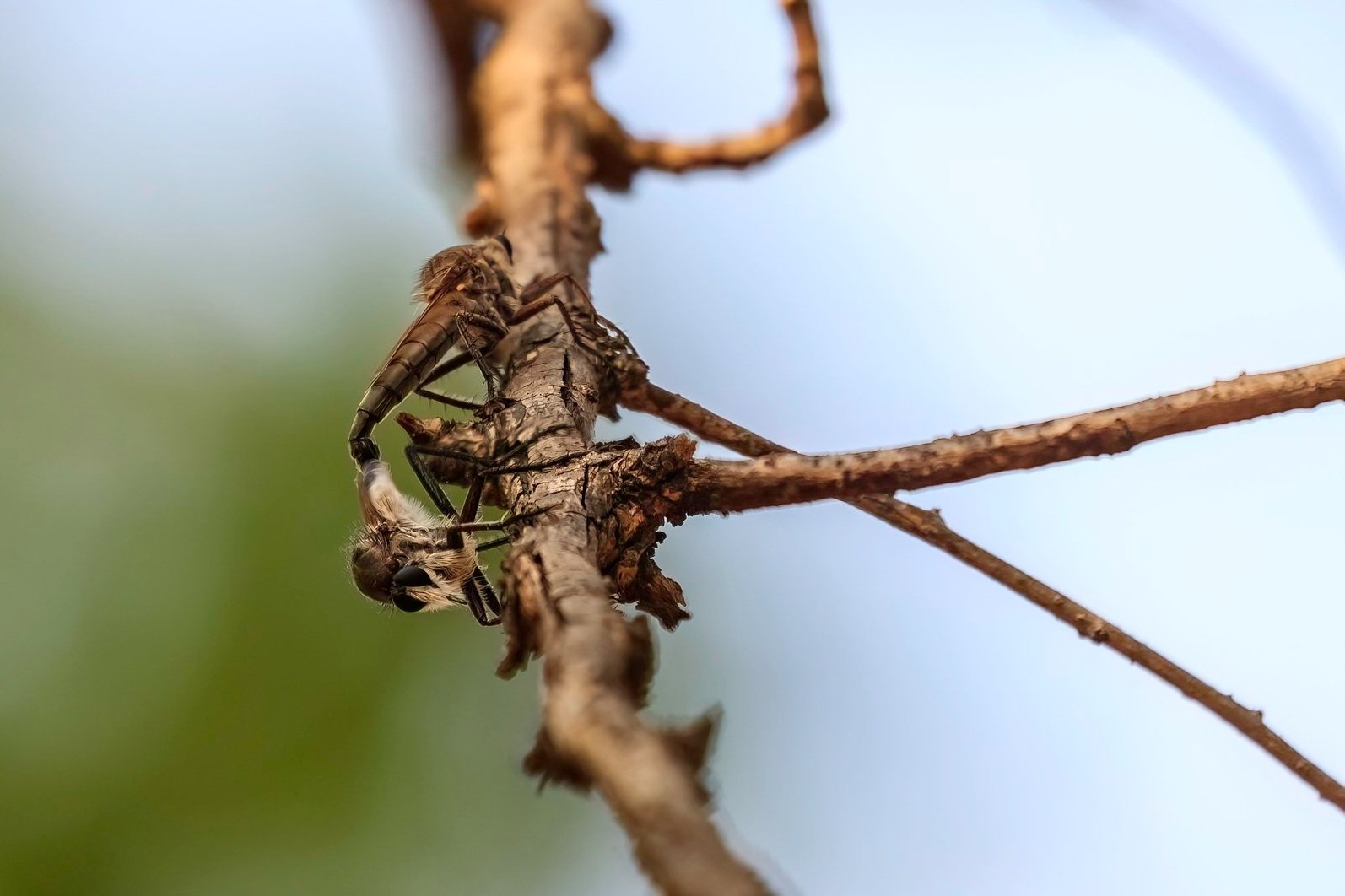
Robber Fly/ Assassin Fly, Kawal Tiger Reserve
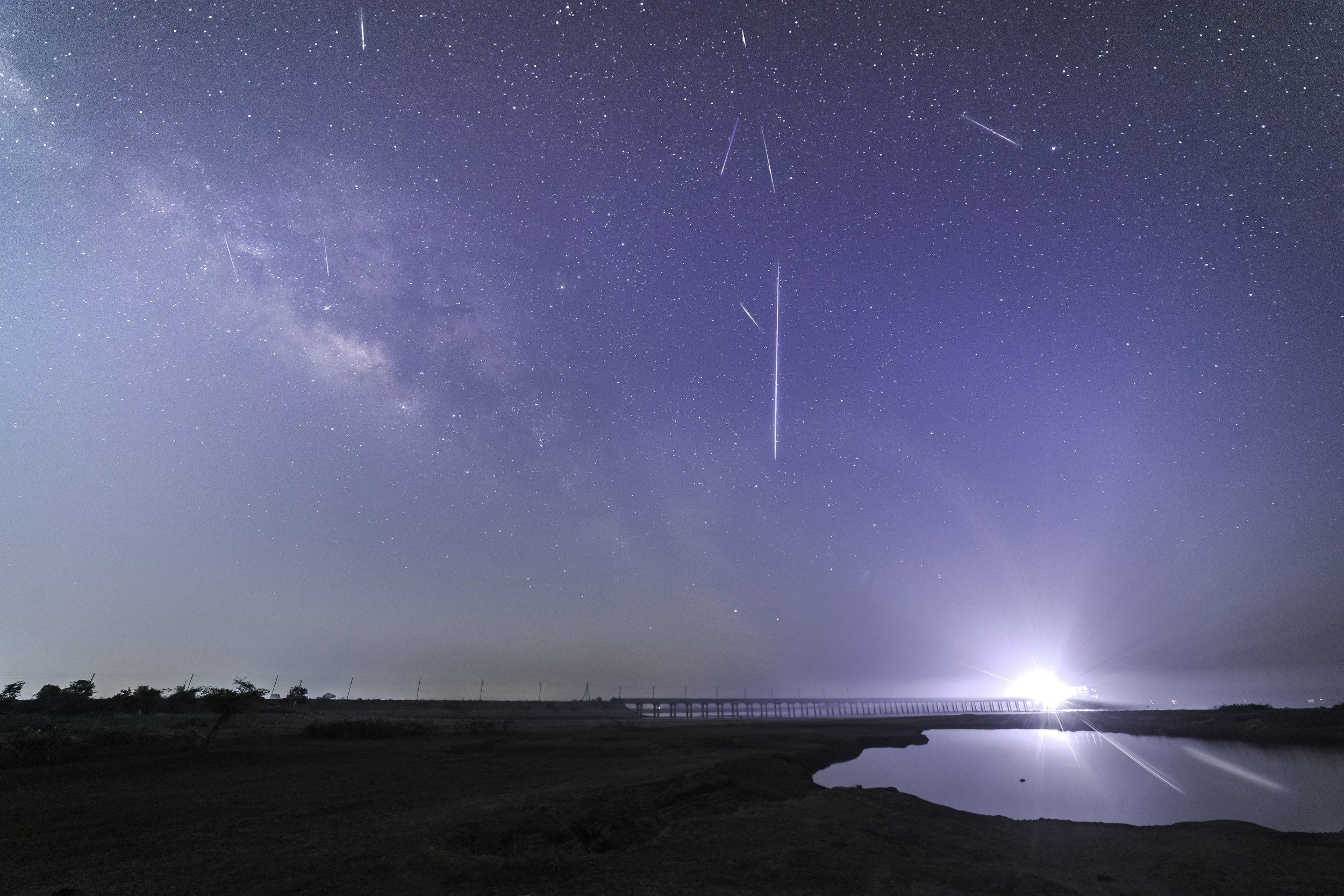
Milky Way & Meteors, Nirmal, Telangana
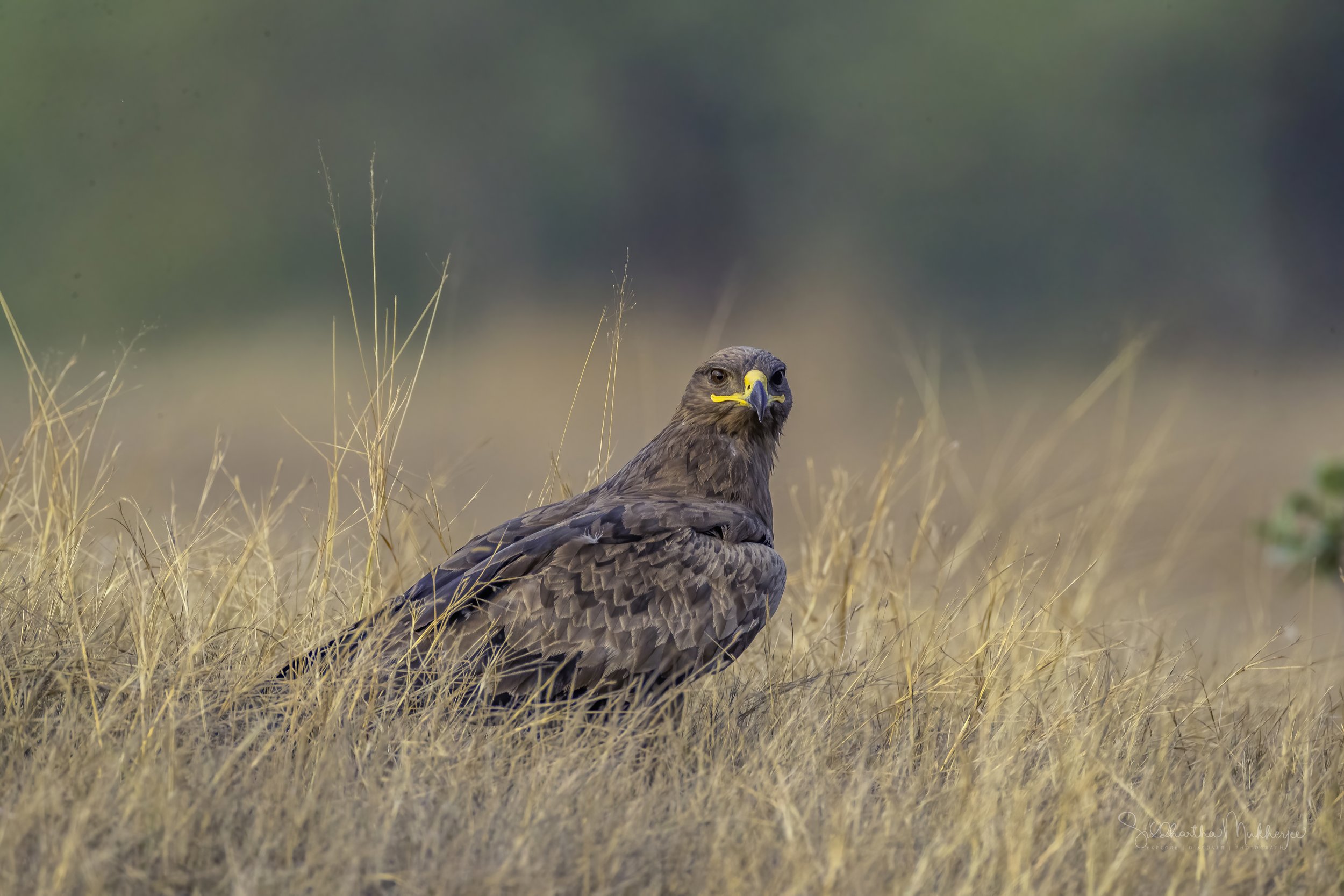
Steppe Eagle, Bhigwan Bird Sanctuary

Garden Orb Weaver, Hyderabad, Telangana

Indian Spot-billed Duck, HImayat Sagar
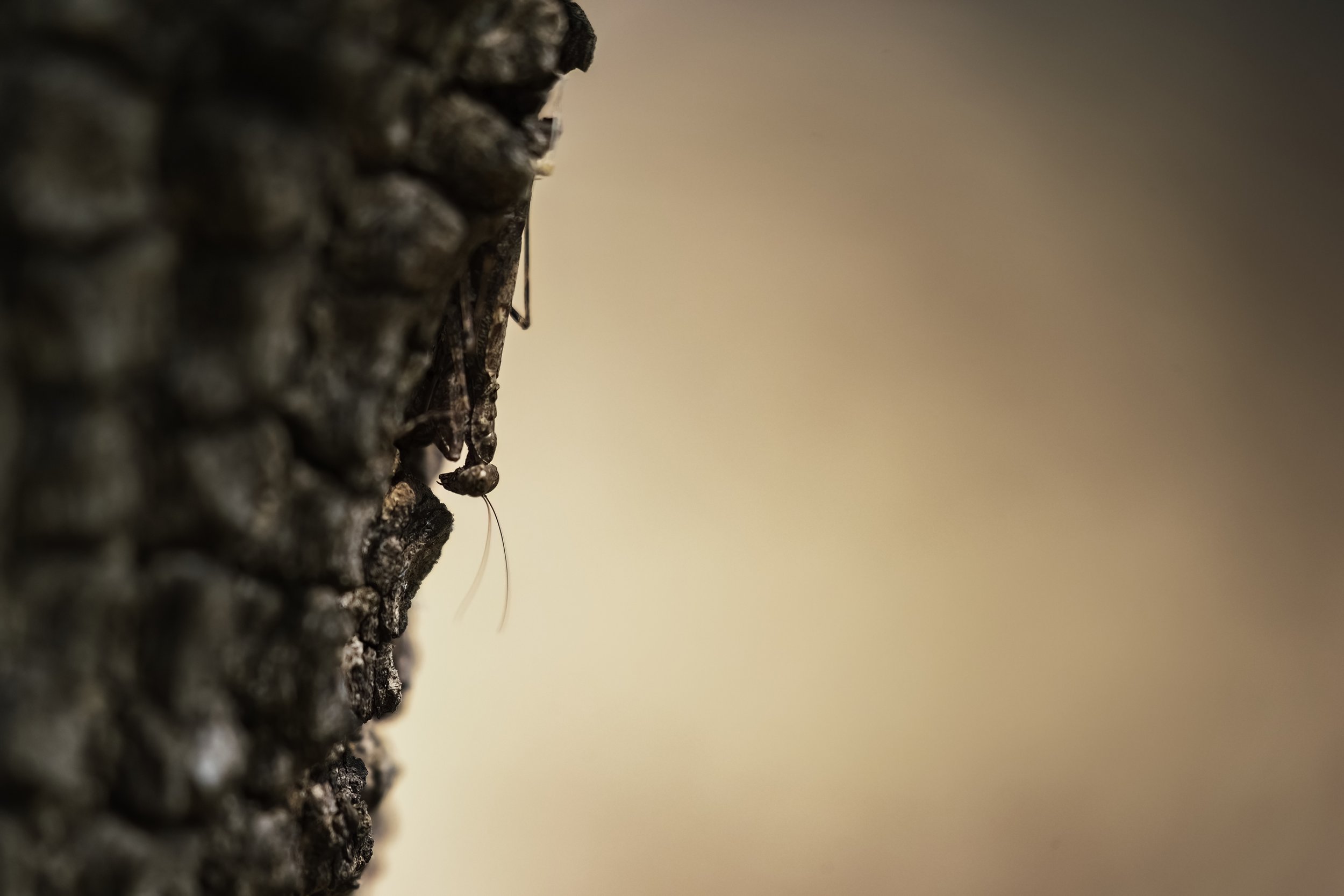
Indian Bark Mantis, Kawal Tiger Reserve
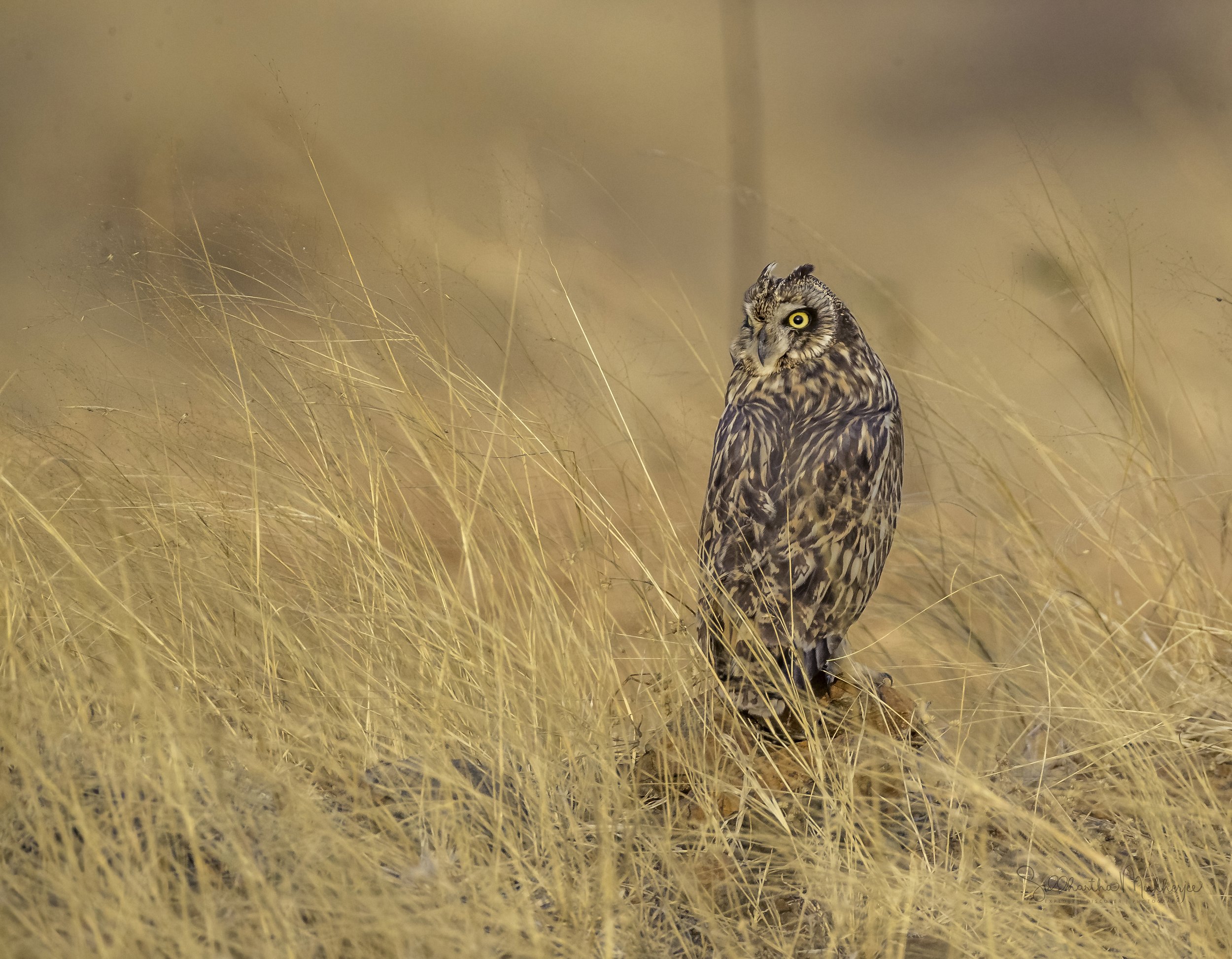
Short-eared Owl, Bhigwan Bird Sanctuary
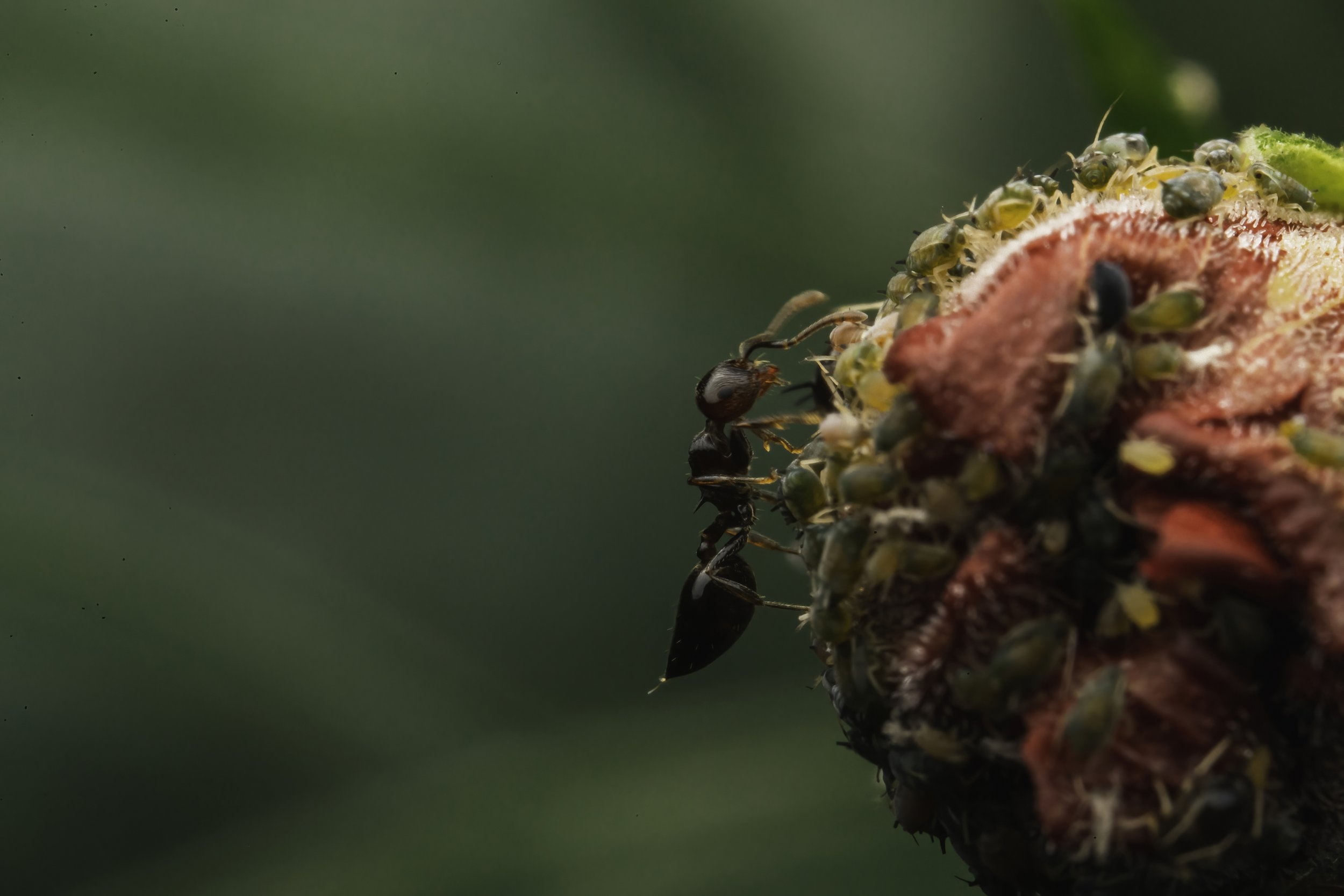
Black Garden Ant (Lasius niger), Hyderabad
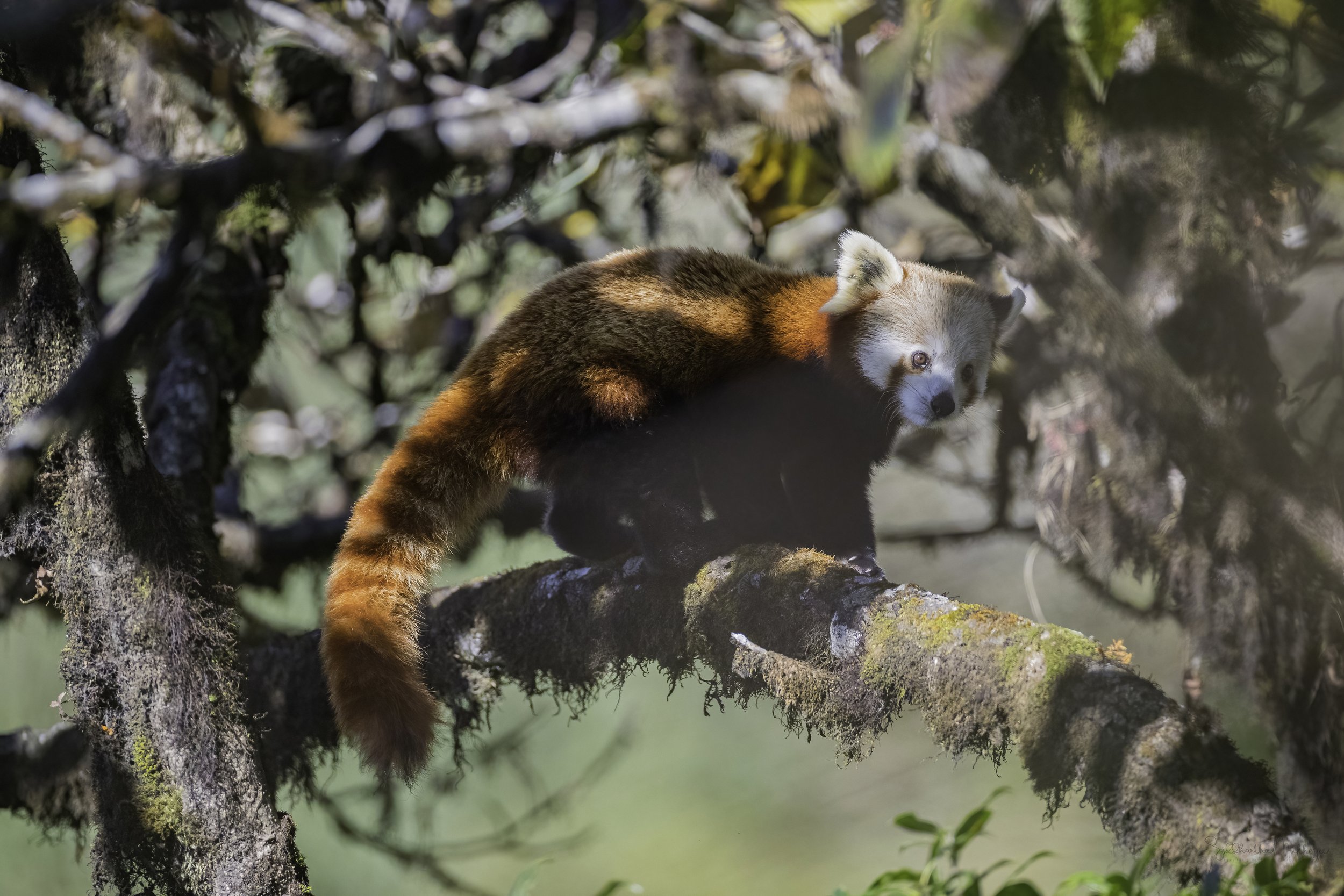
Red Panda, Singalila National Park | Cover Feature - Explore Wild India Magazine, February 2023.

East Indian Brown Mabuya/ Many-lined Sun Skink (Eutropis multifasciata), Lanchang, Malaysia

Red-eared Slider, Sungei Buloh Wetlands
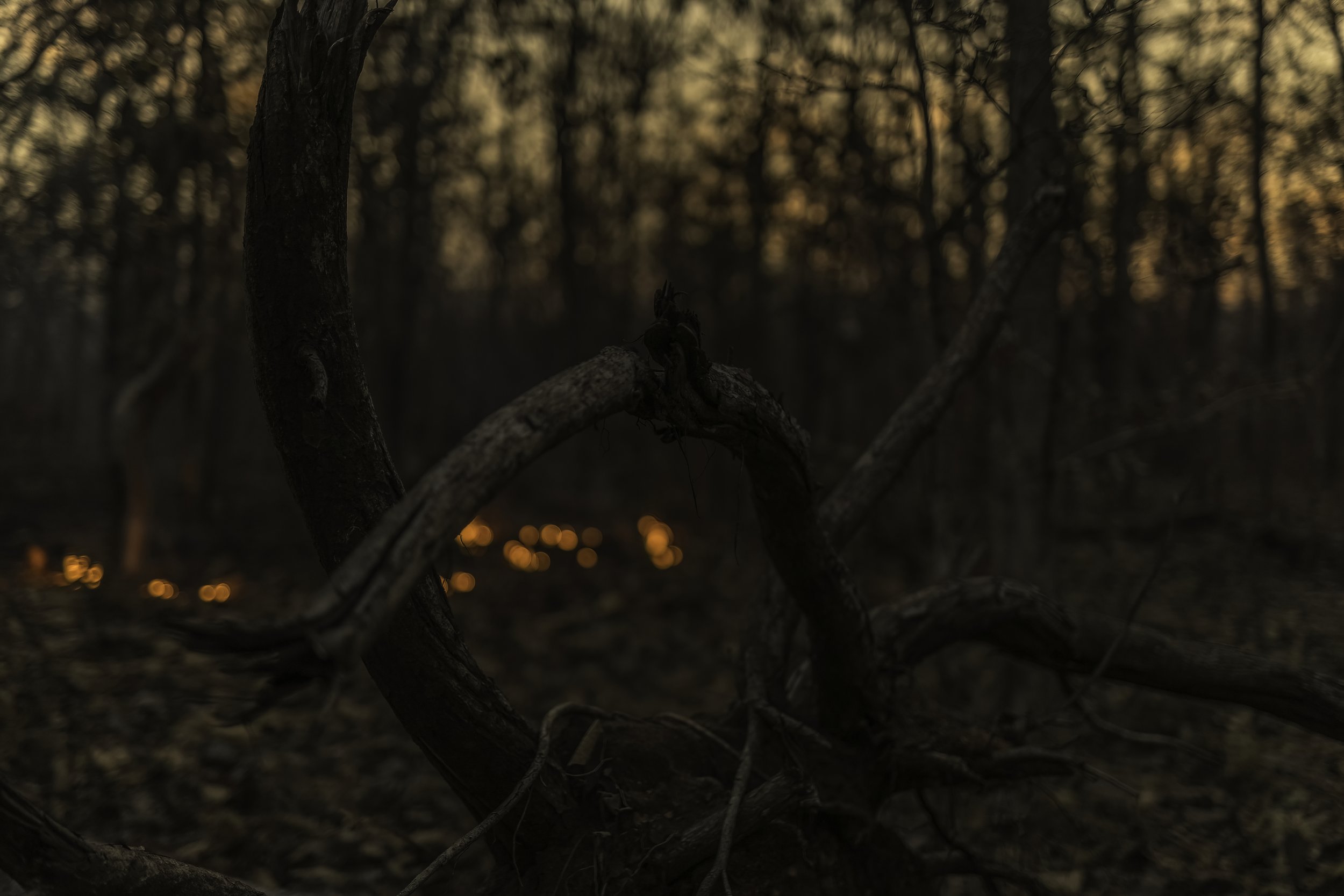
Controlled Forest Fire
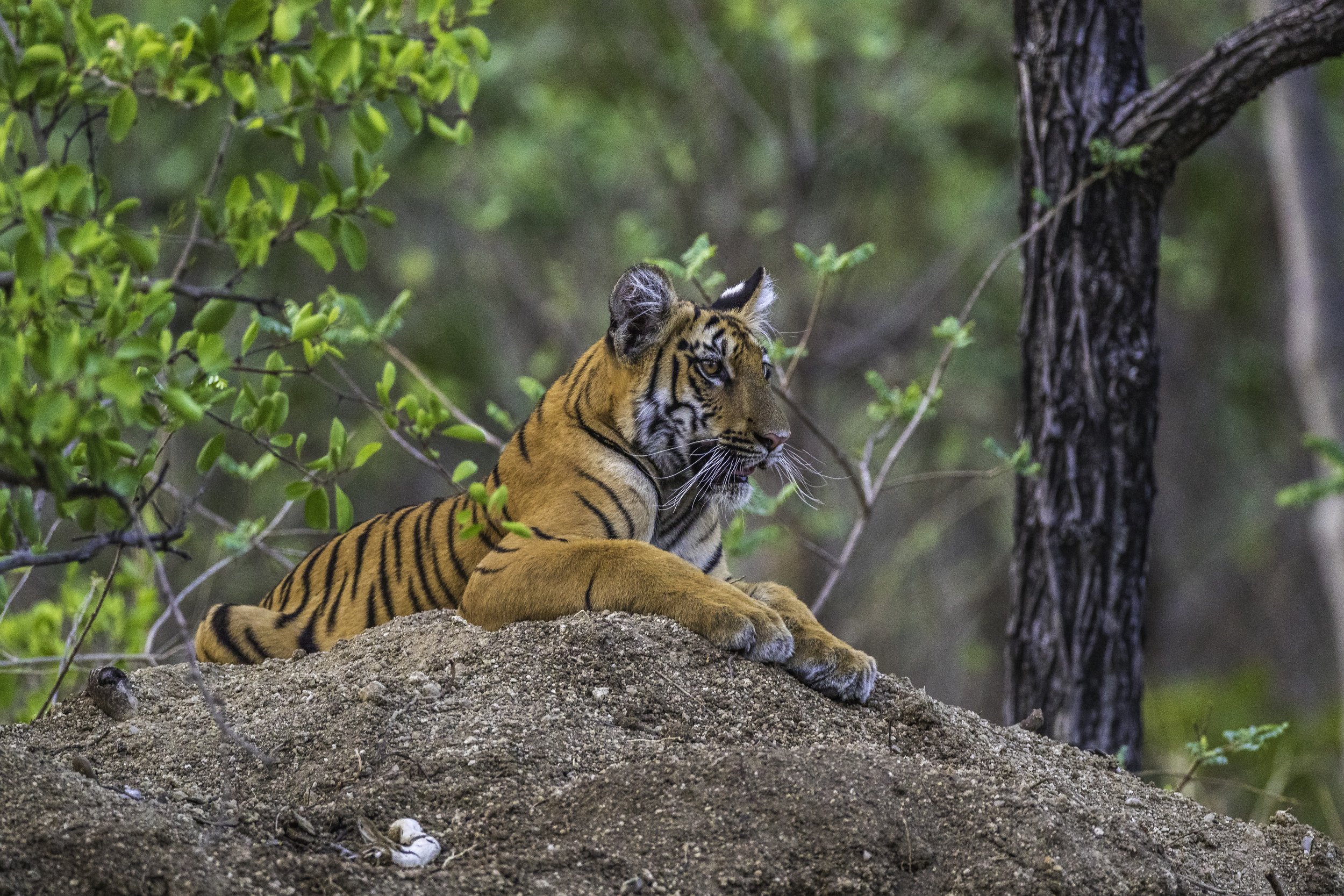
Archi's Cub - Winni, Tipeshwar Wildlife Sanctuary
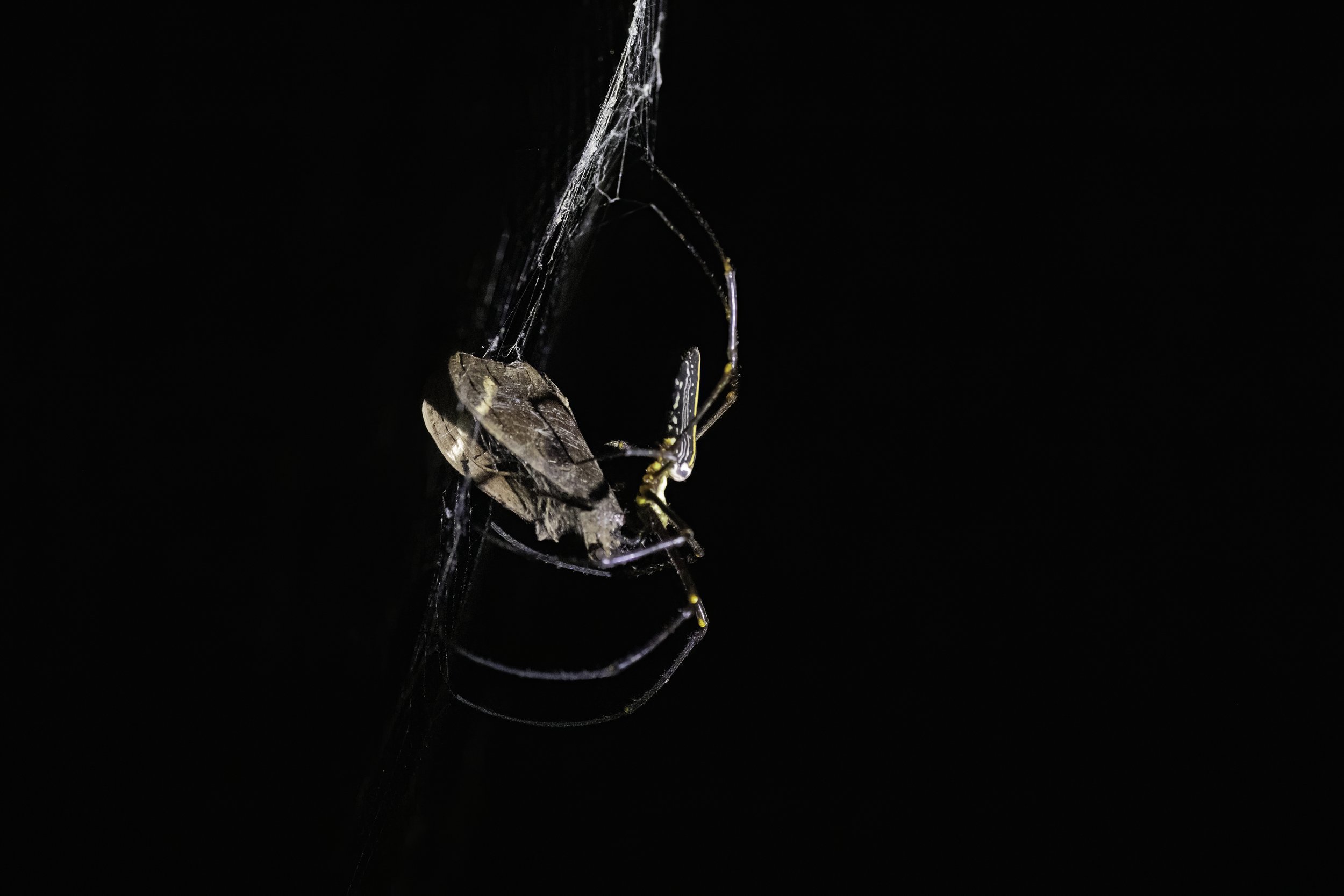
Giant Golden Orb Weaver/ Giant Wood Spider (Nephila pilipes), Junona Buffer, Tadoba Andhari Tiger Reserve
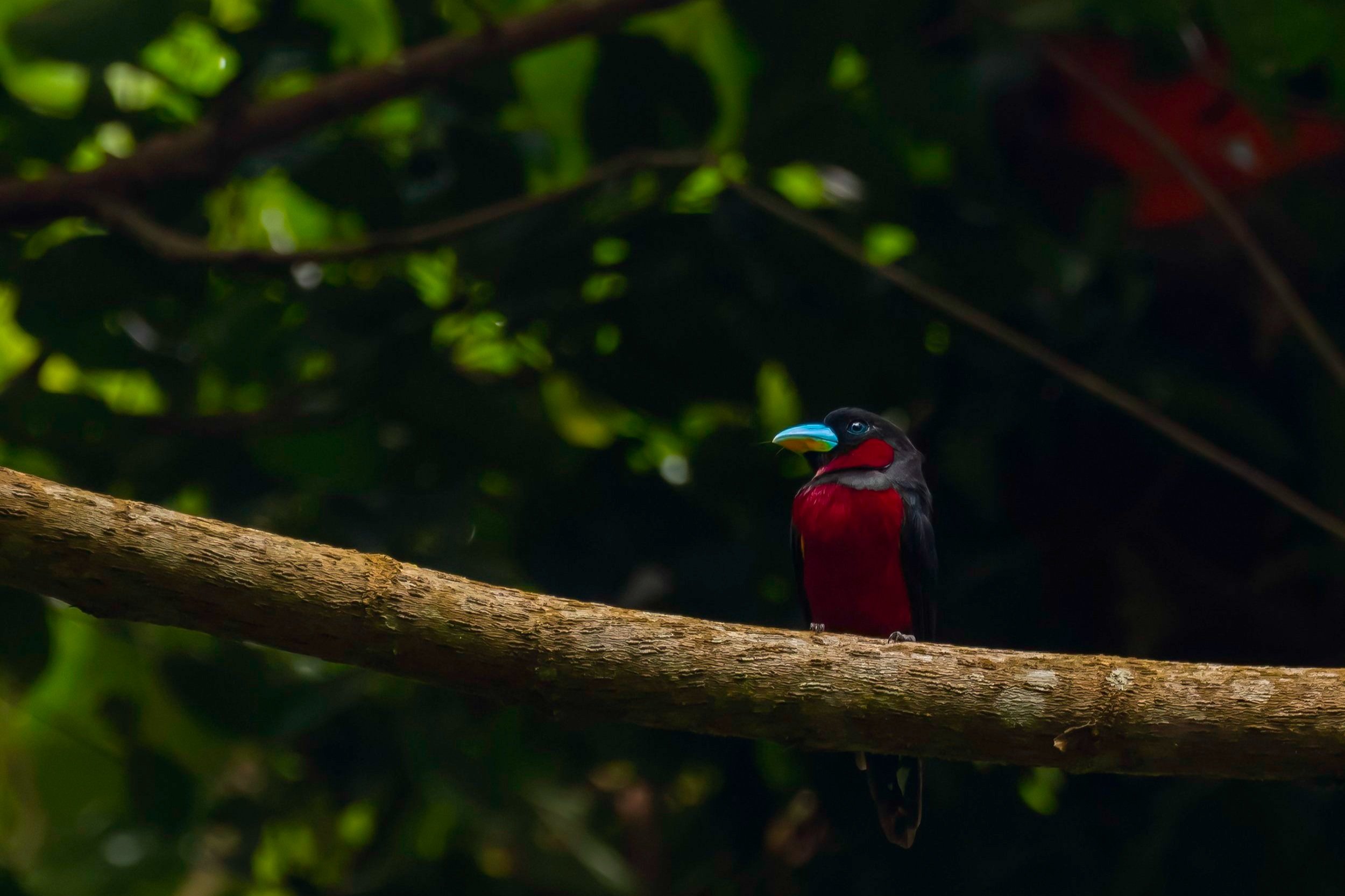
Black-and-Red Broadbill, Sungai Bantang
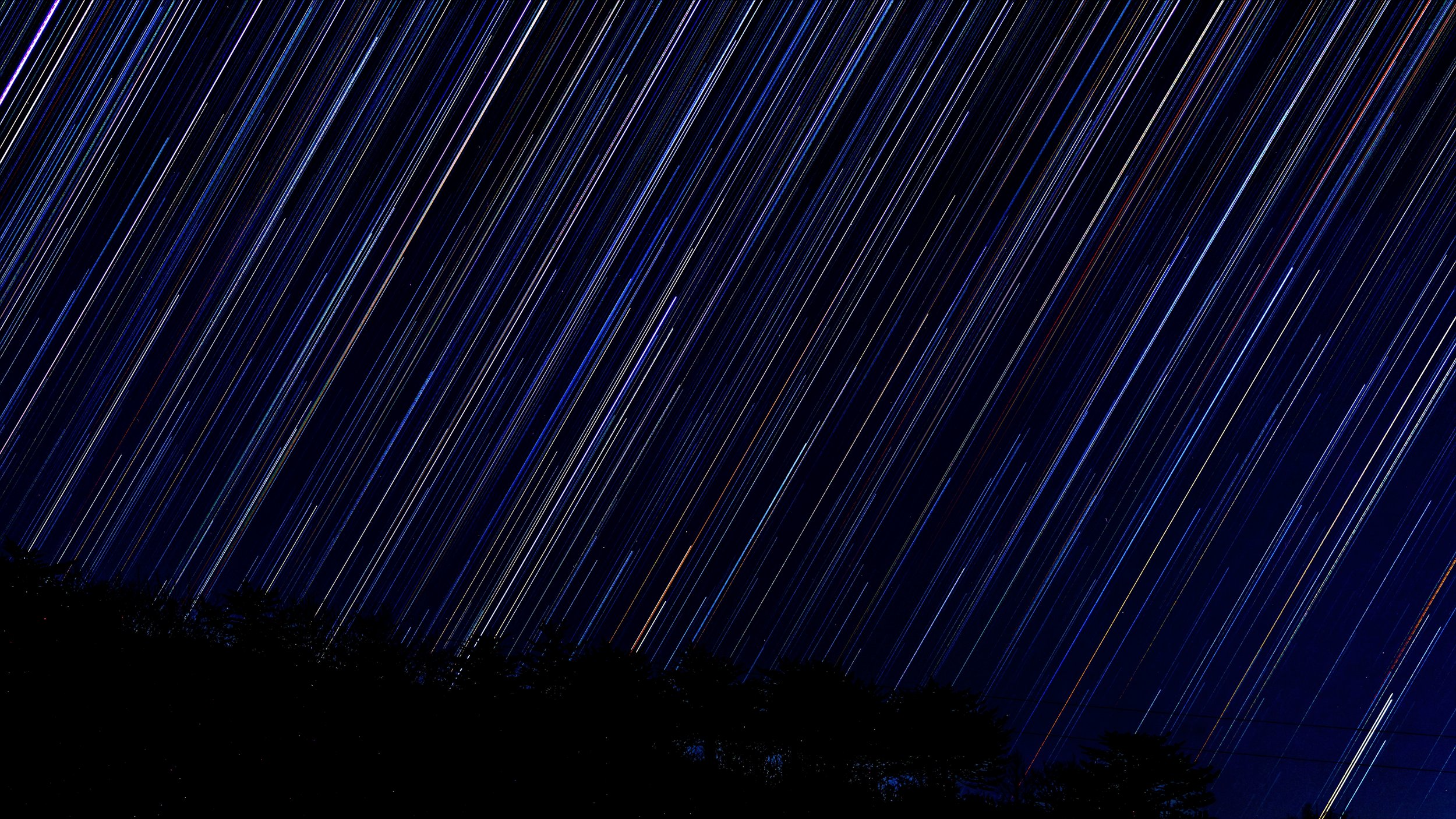
Multicoloured Star Trails, Singalila Ridge, Nepal
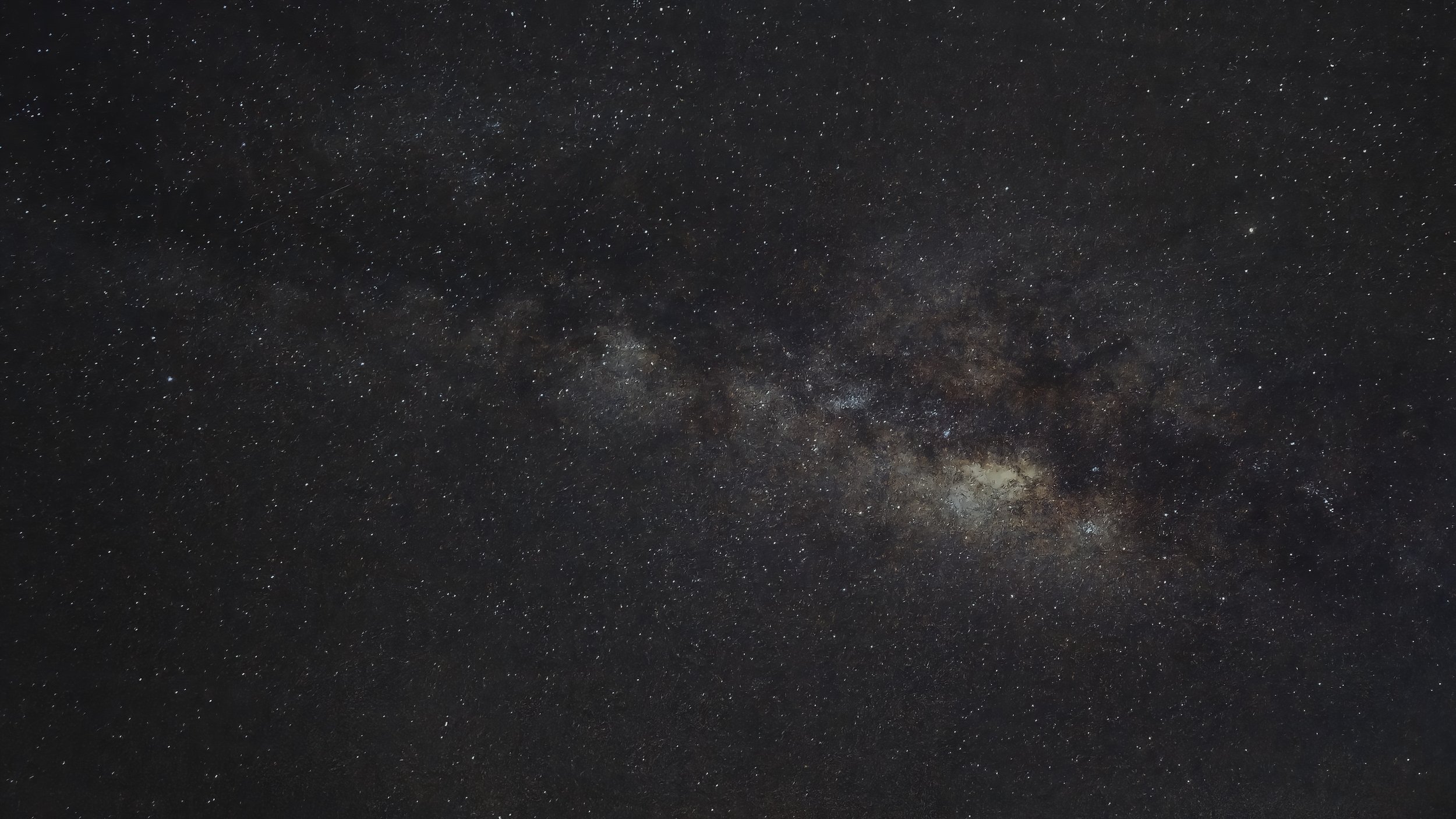
The Milky Way - Jaubari, Ilam, Nepal

Mallard, Lake Kussharo, Hokkaido
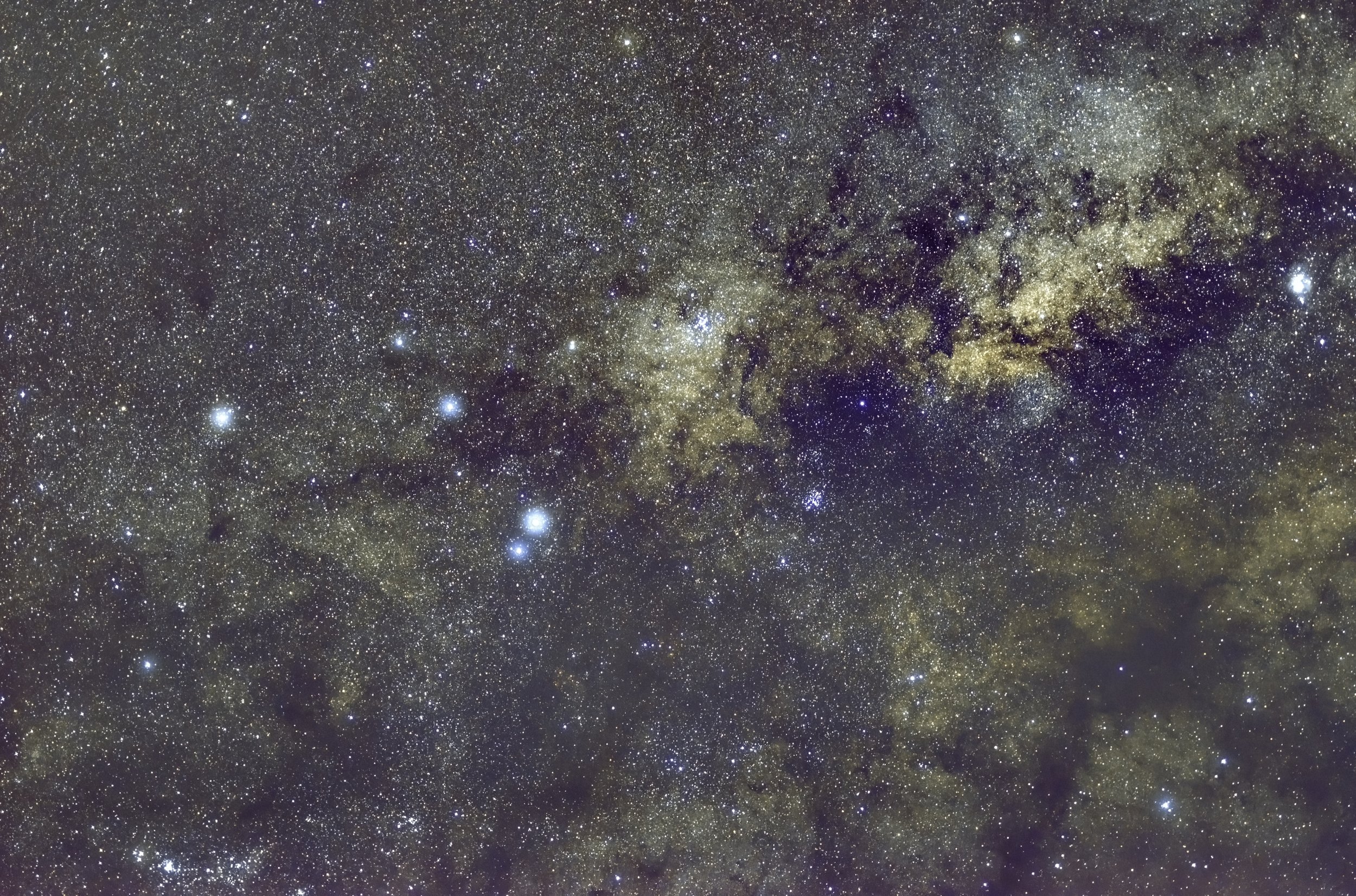
The Milky Way, Sungai Rengit
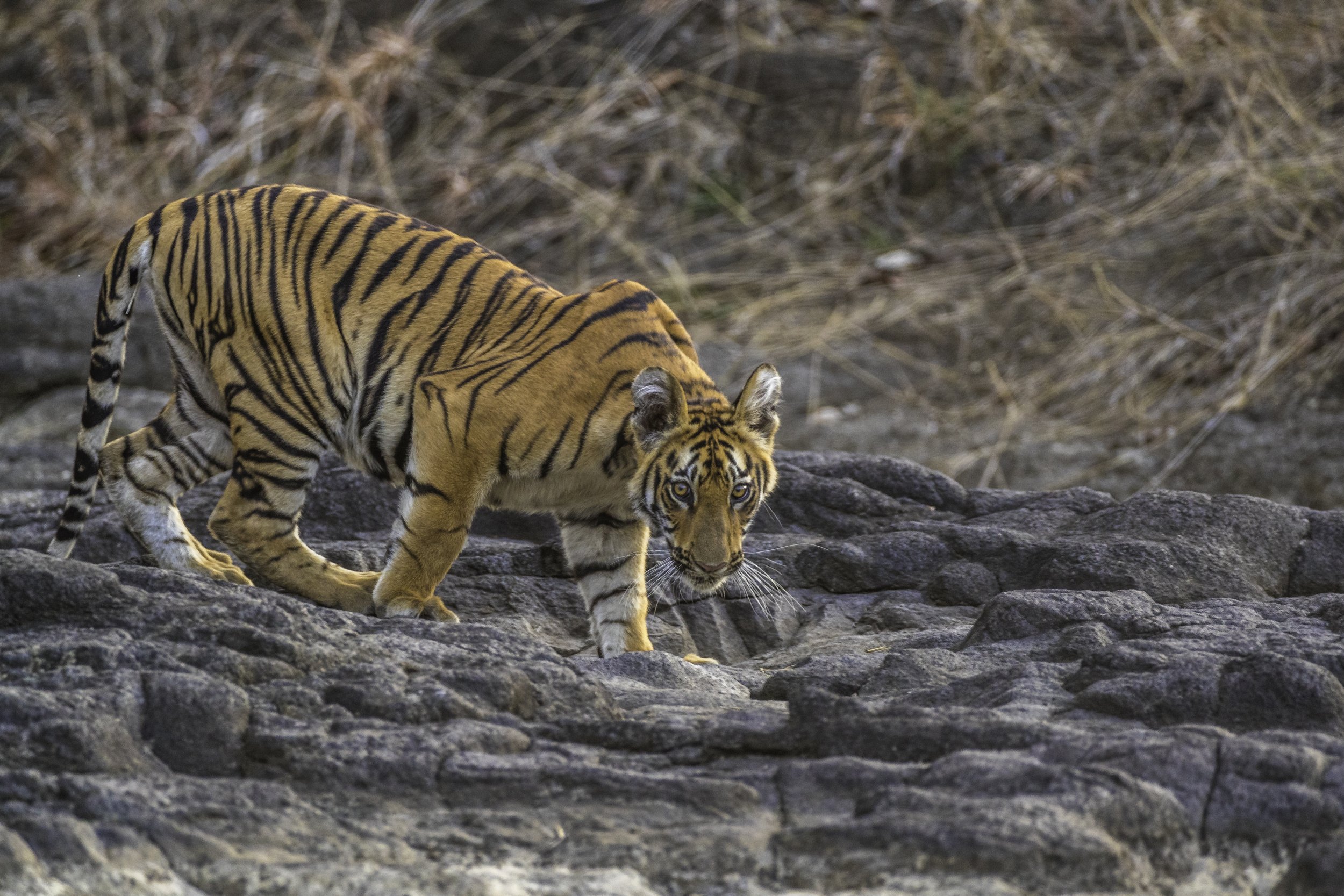
Archi's Cub - Vidhi, Tipeshwar Wildlife Sanctuary
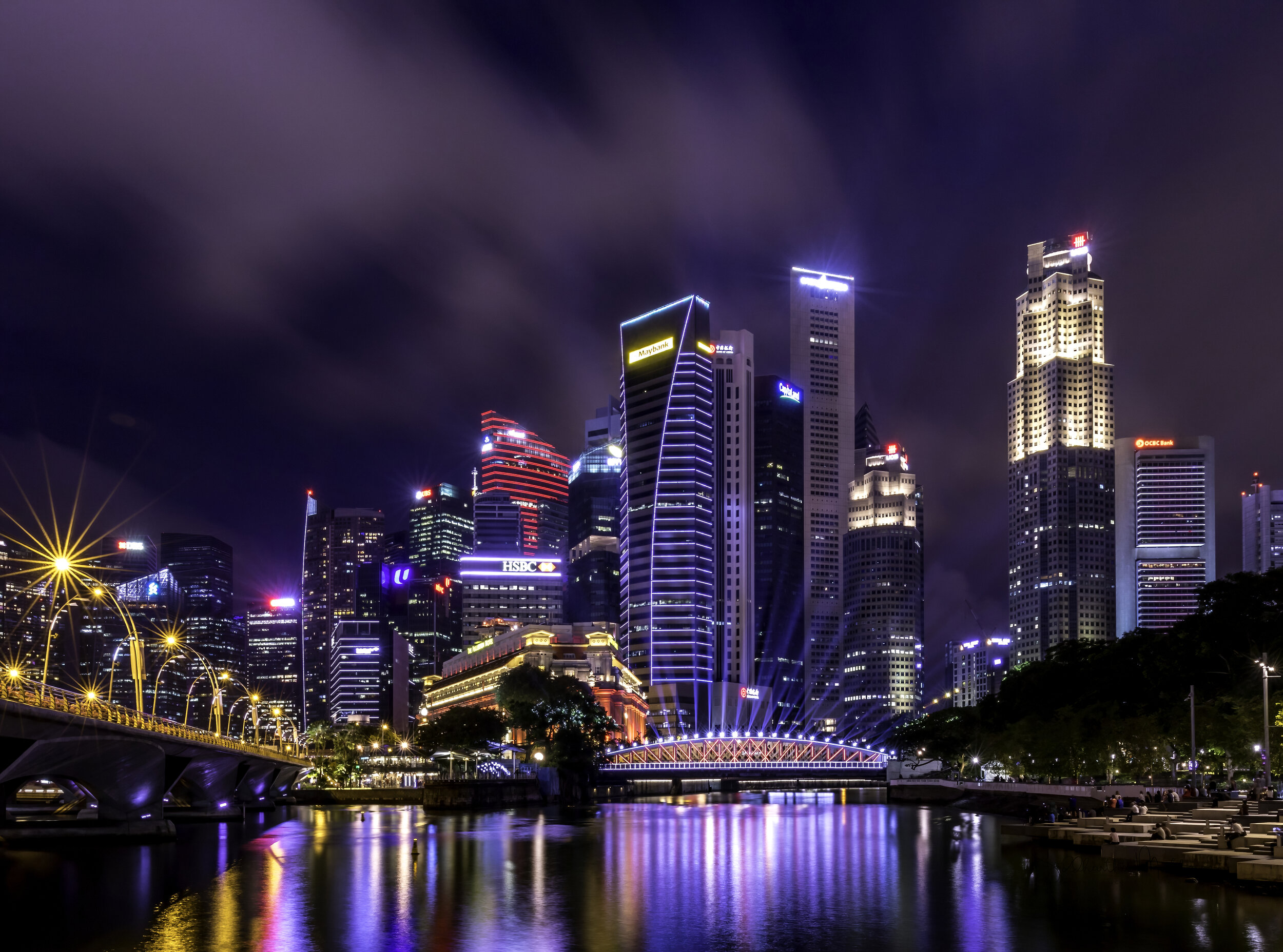
Anderson Bridge, Singapore
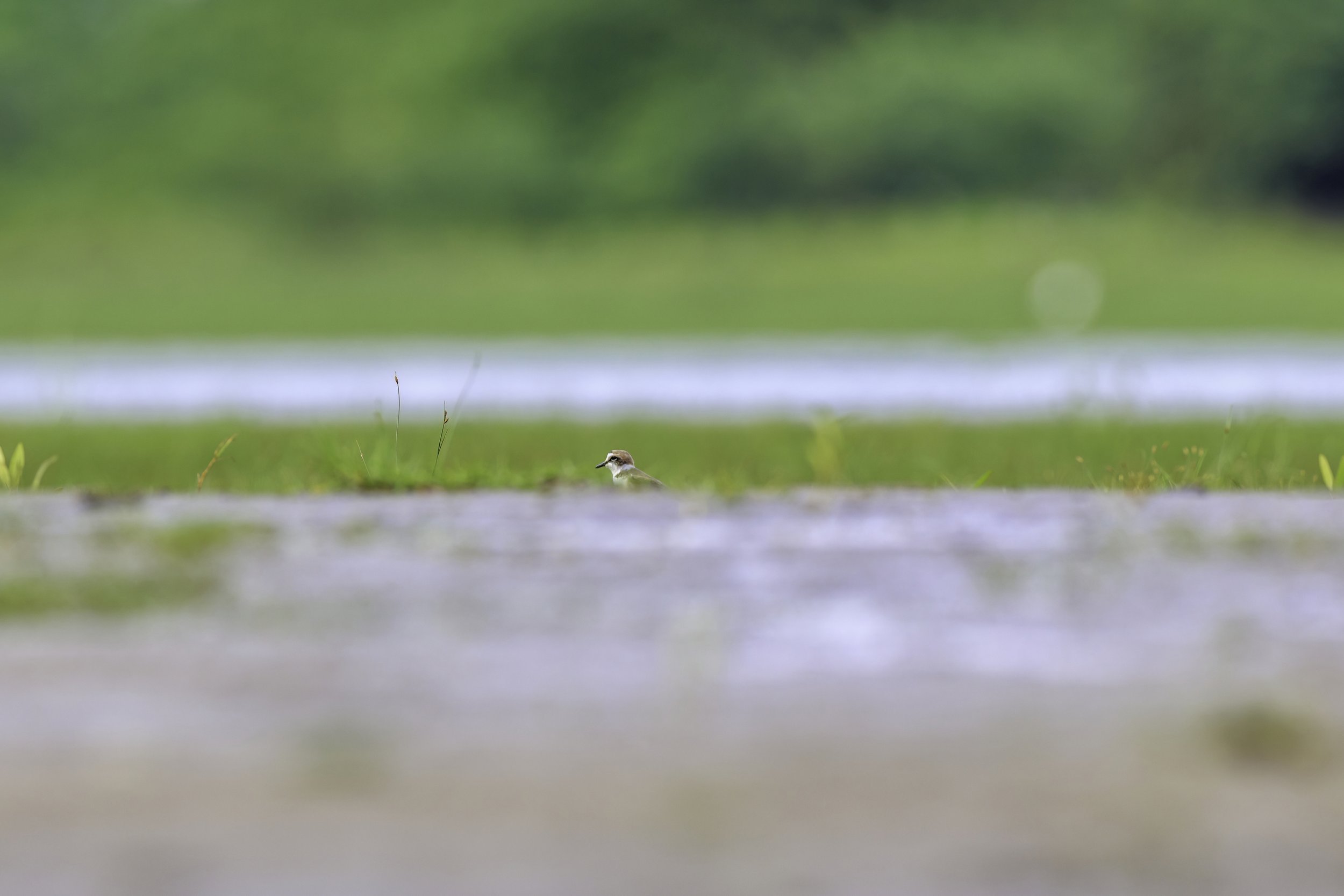
Kentish Plover, Bhairavapalem Mudflats, Coringa Wildlife Sanctuary
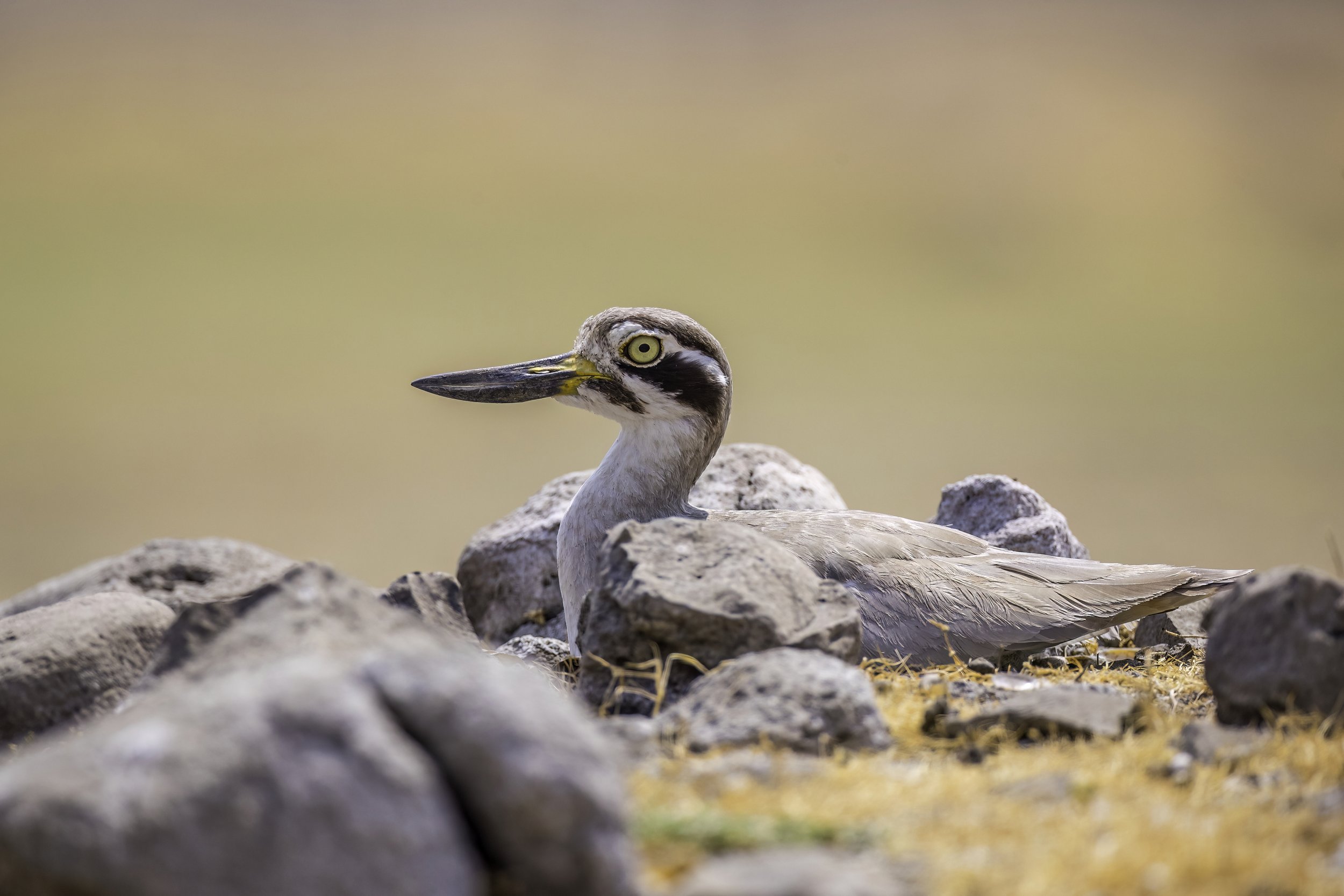
Great Stone-curlew/ Great Thick-knee, Ujni Backwaters, Bhigwan Bird Sanctuary, Kumbhargaon, Maharashtra
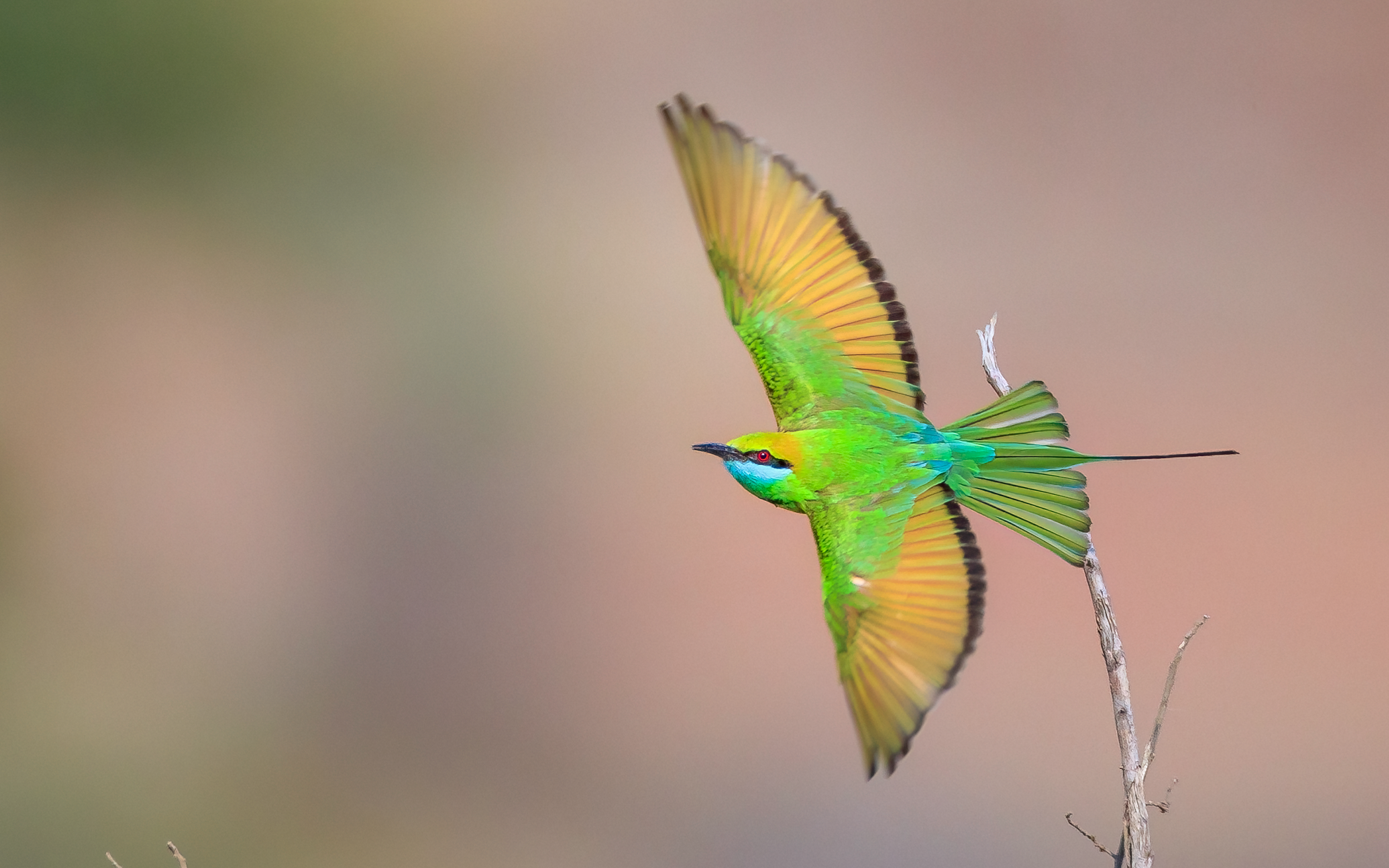
Asian Green Bee-Eater, Kadbanwadi Grasslands, Indapur, Maharashtra
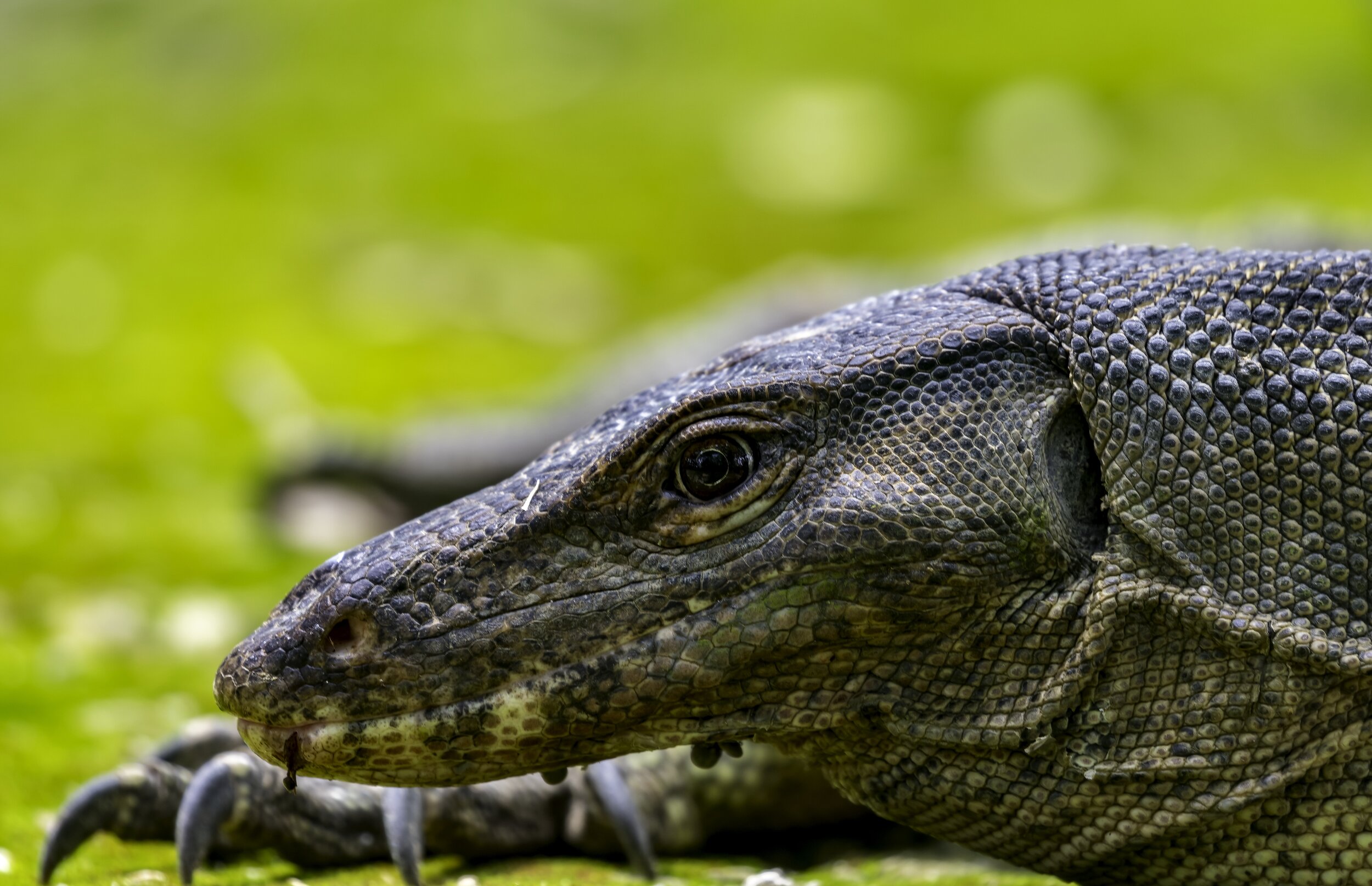
Malayan Monitor Lizard, Sungei Buloh Wetlands, Singapore
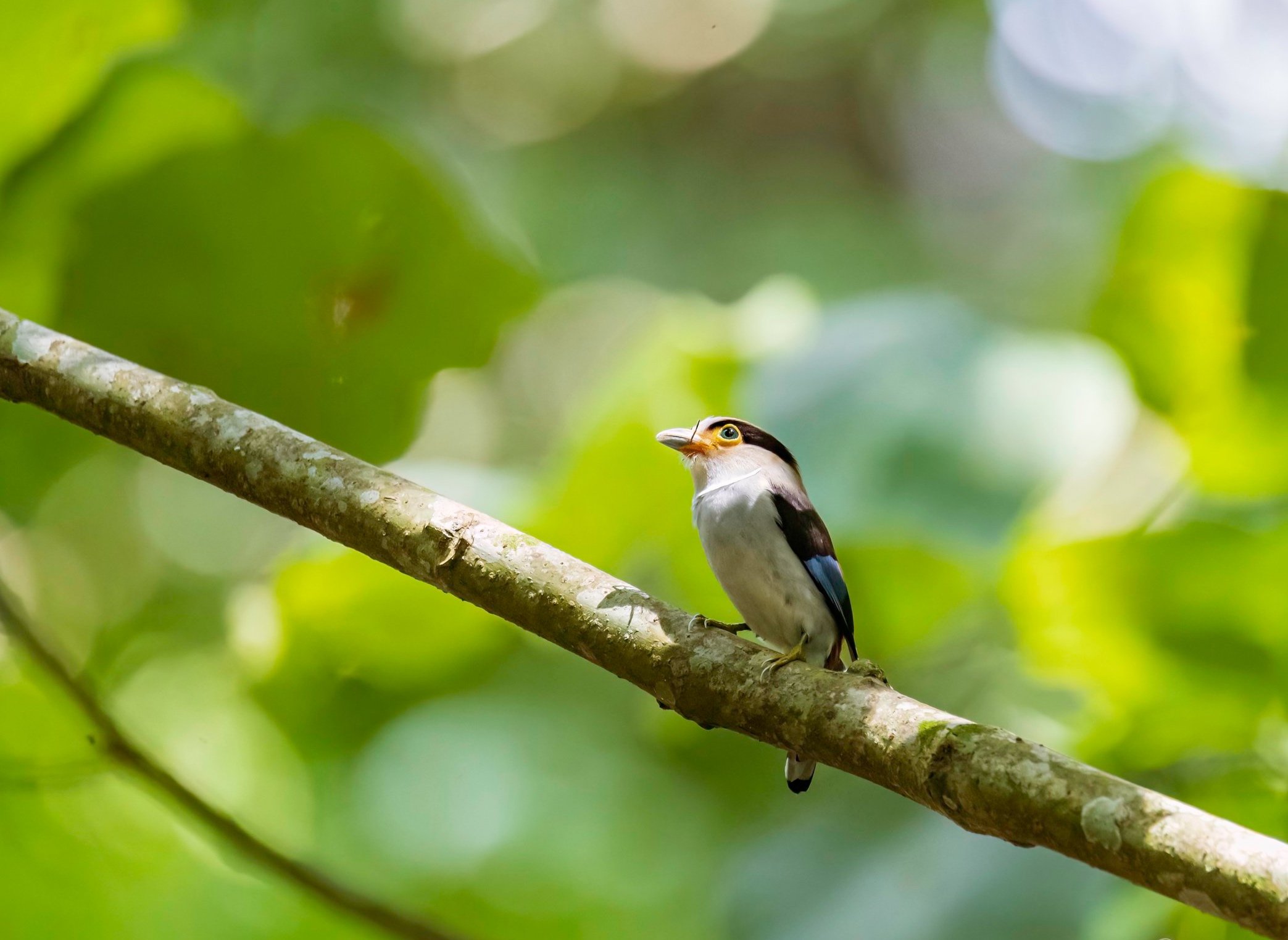
Silver-breasted Broadbill, Kaeng Krachan National Park
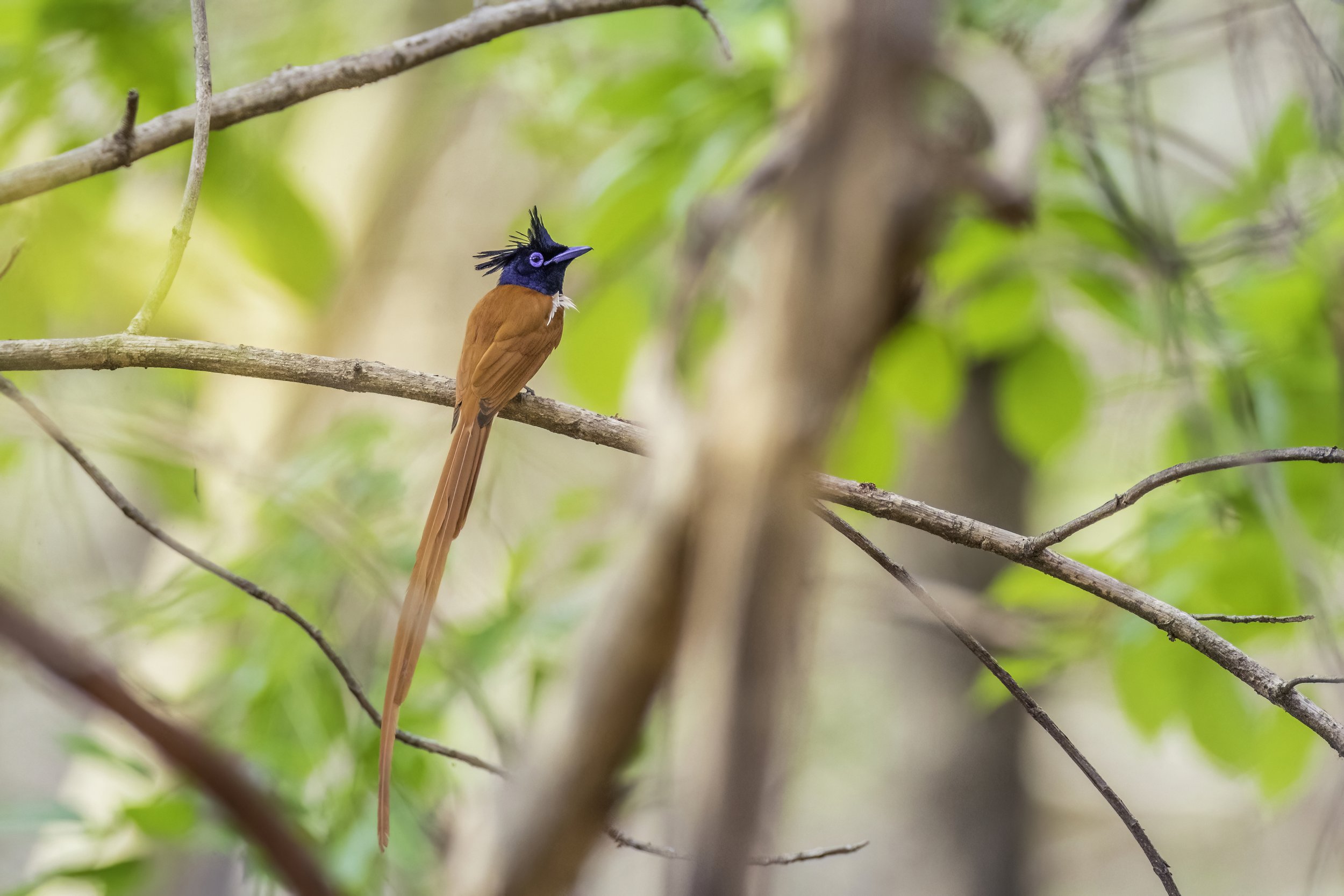
Indian Paradise Flycatcher, Ananthagiri Forest Range, Vikarabad
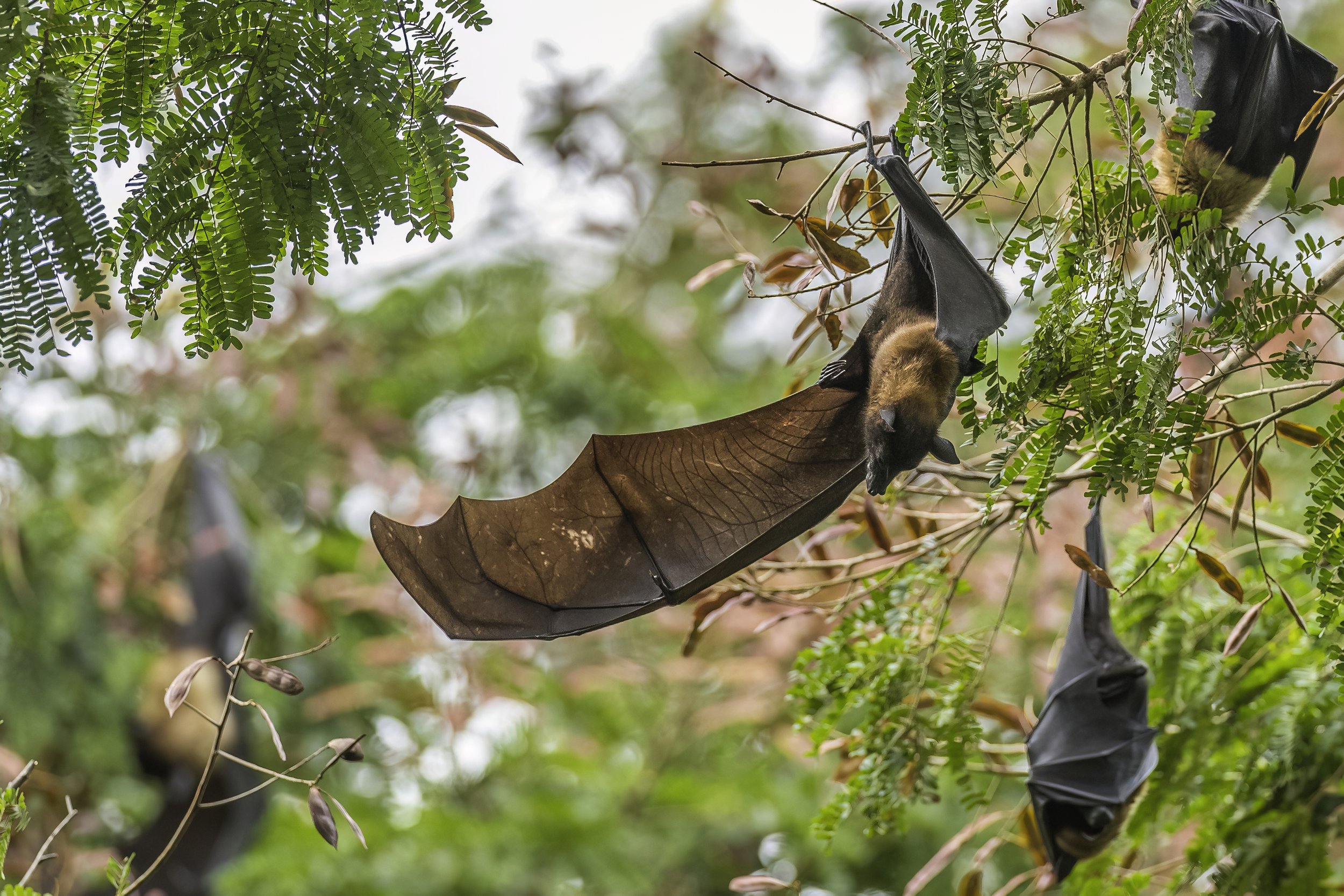
Indian Flying Fox/ Greater Indian Fruit Bat, Manjeera Wildlife Sanctuary
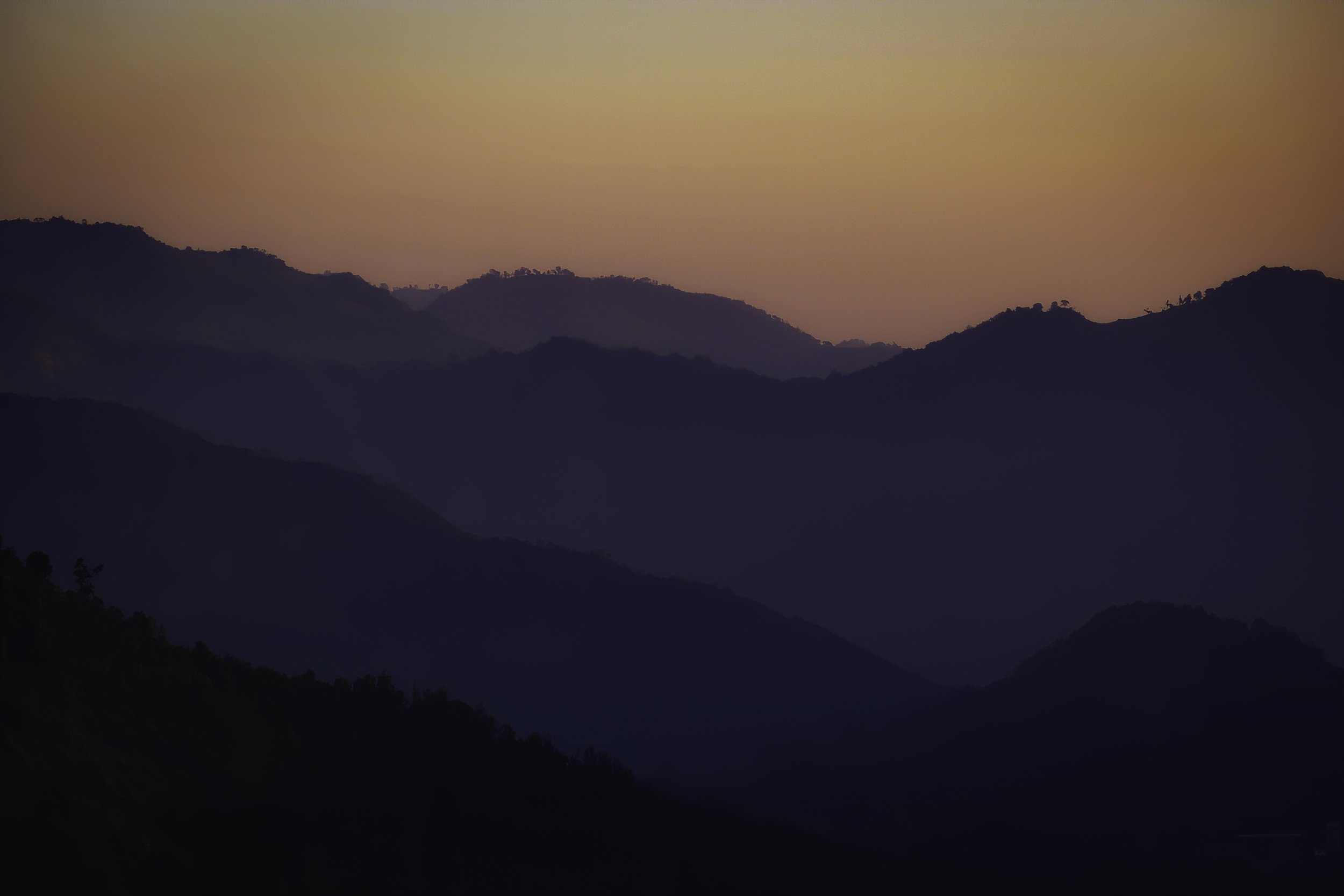
Ananthagiri Hills & the Araku Valley
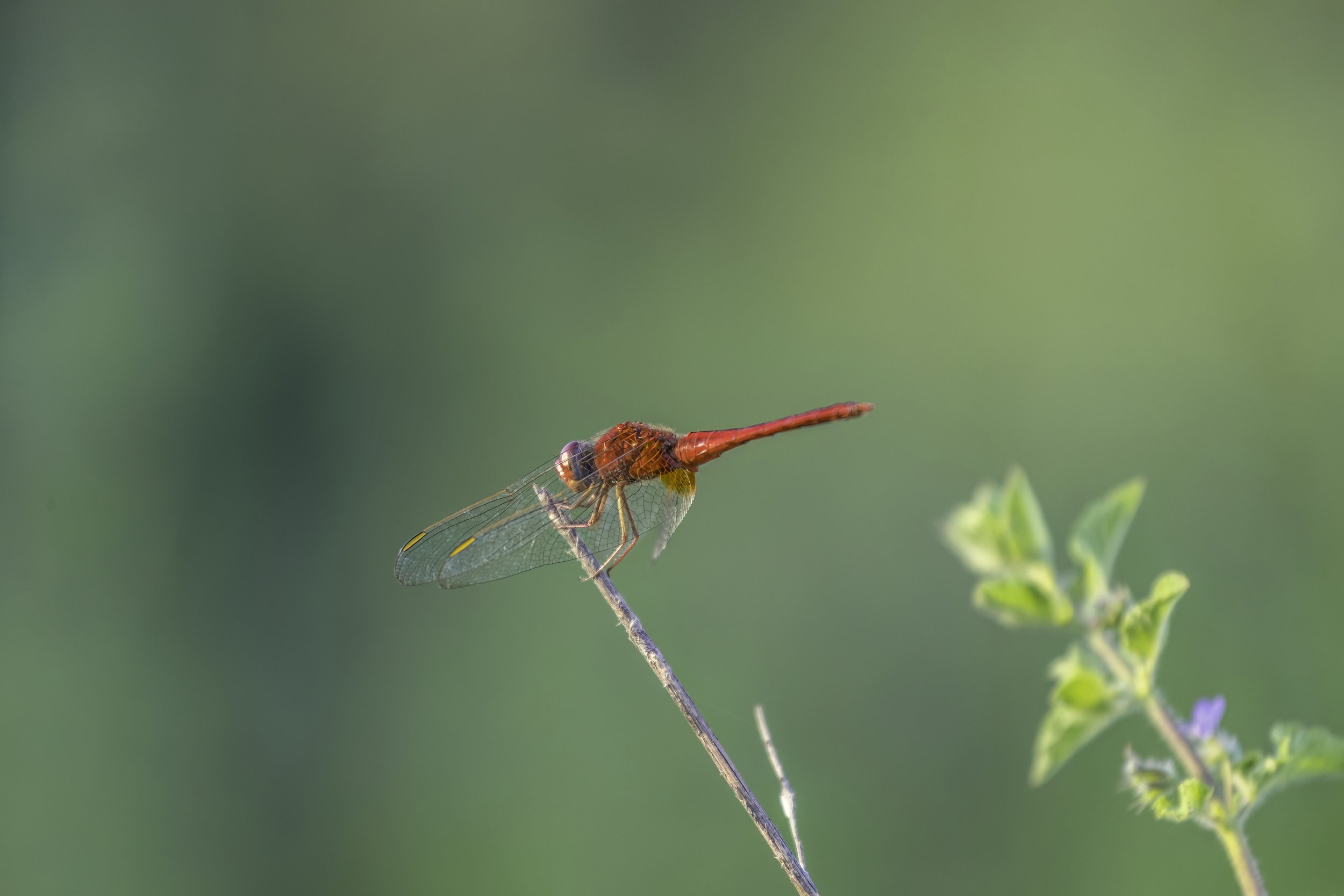
Scarlet Dragonfly, Narsingi
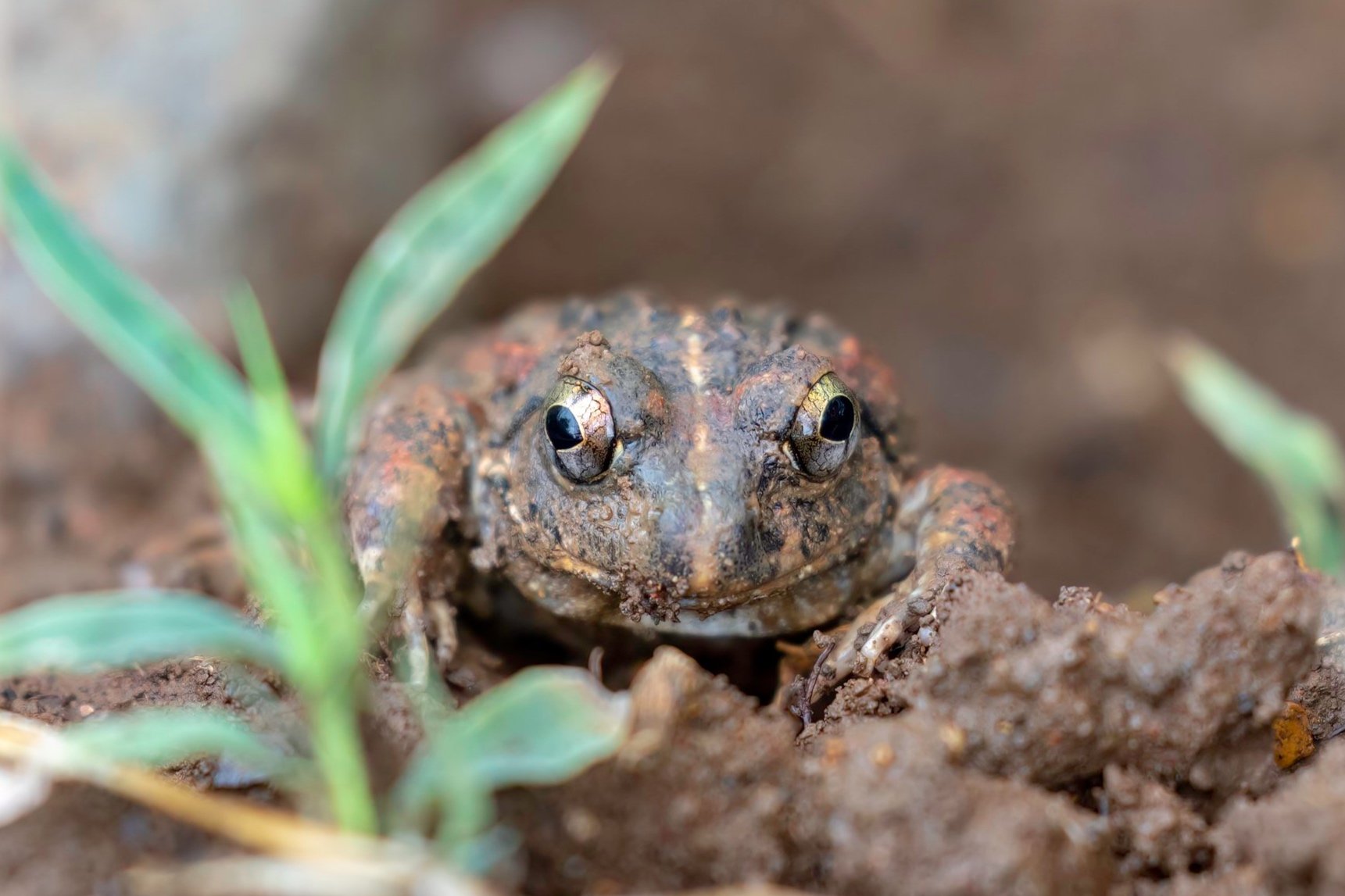
Boie's Wart Frog/ Rice Field Frog/ Asian Grass Frog, Ananthagiri Forest Range
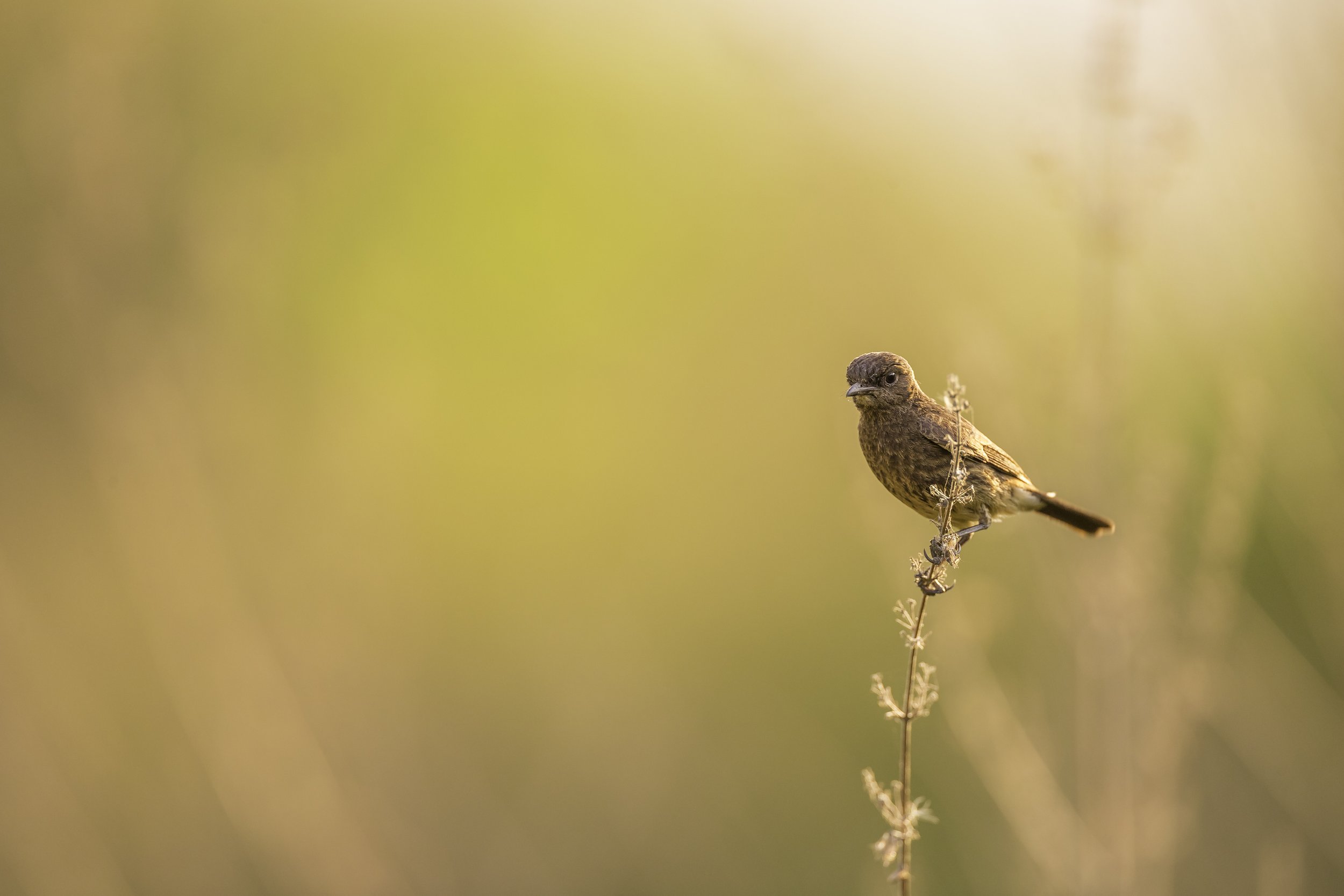
Pied Bush Chat (Female), Ameenpur Lake

Indian Skimmer, Bhairavapalem Mudflats, Coringa Wildlife Sanctuary
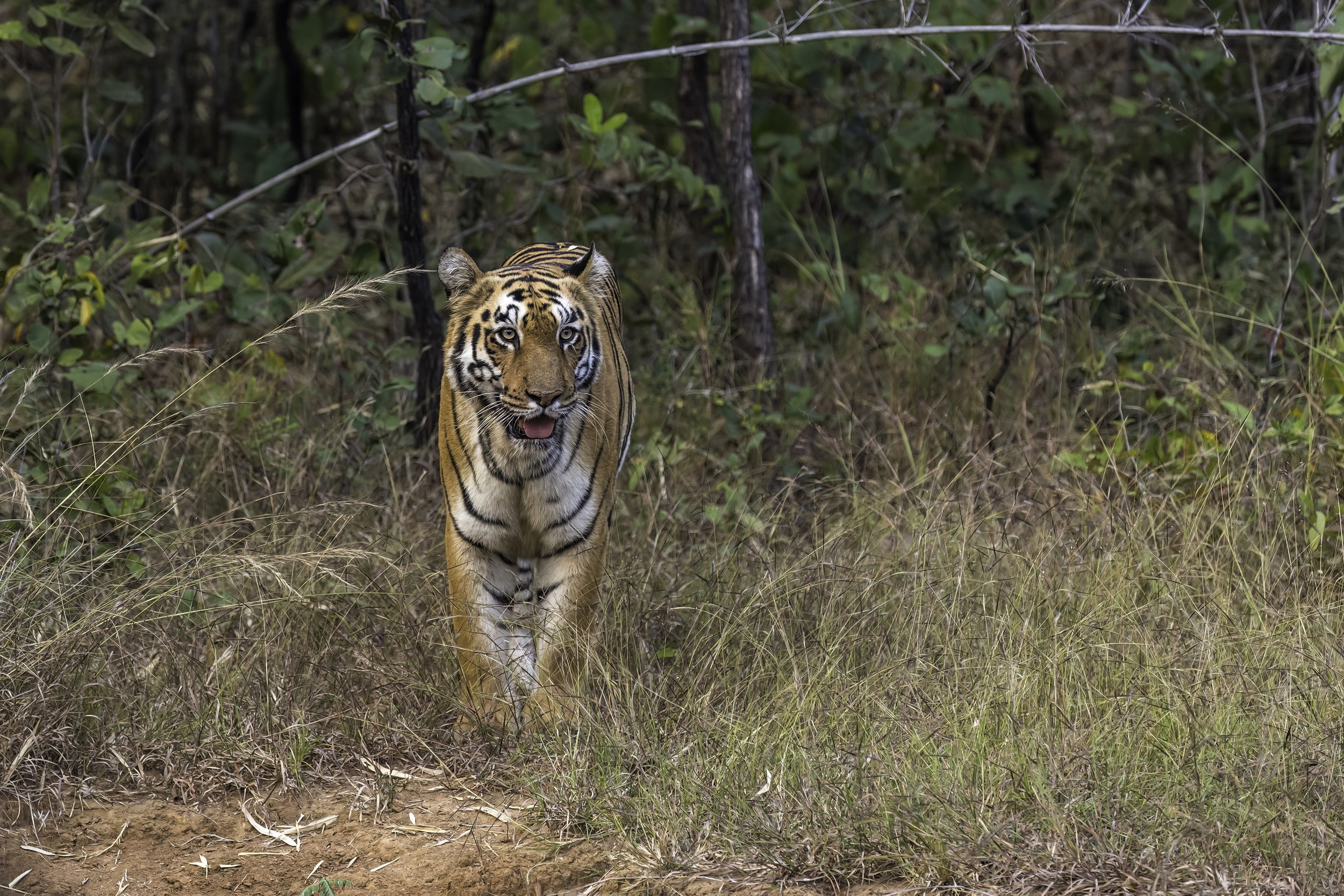
W-mark female of the Adegaon - Dewada range, Tadoba Andhari Tiger Reserve
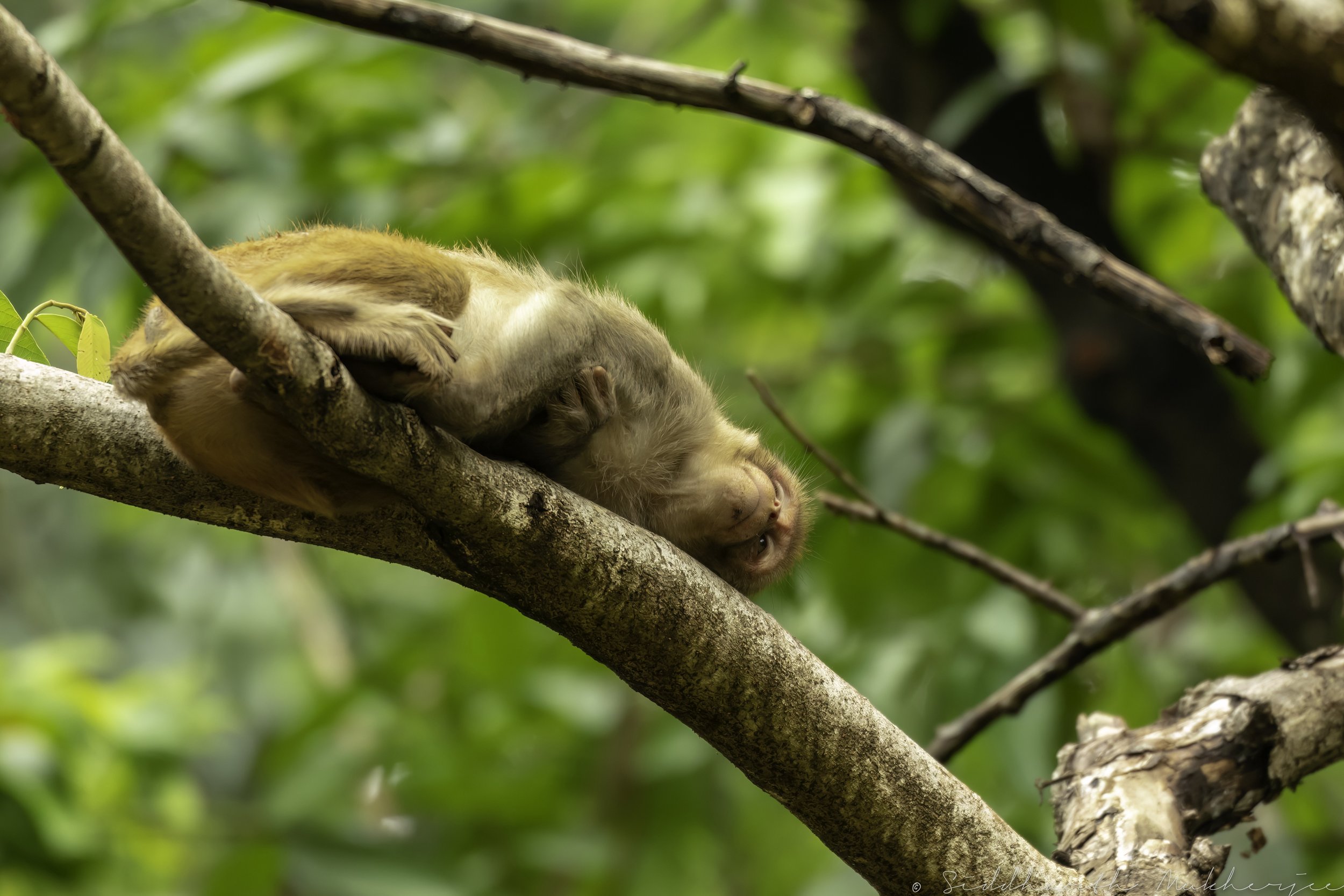
Rhesus Macaque, Ananthagiri Forest Range
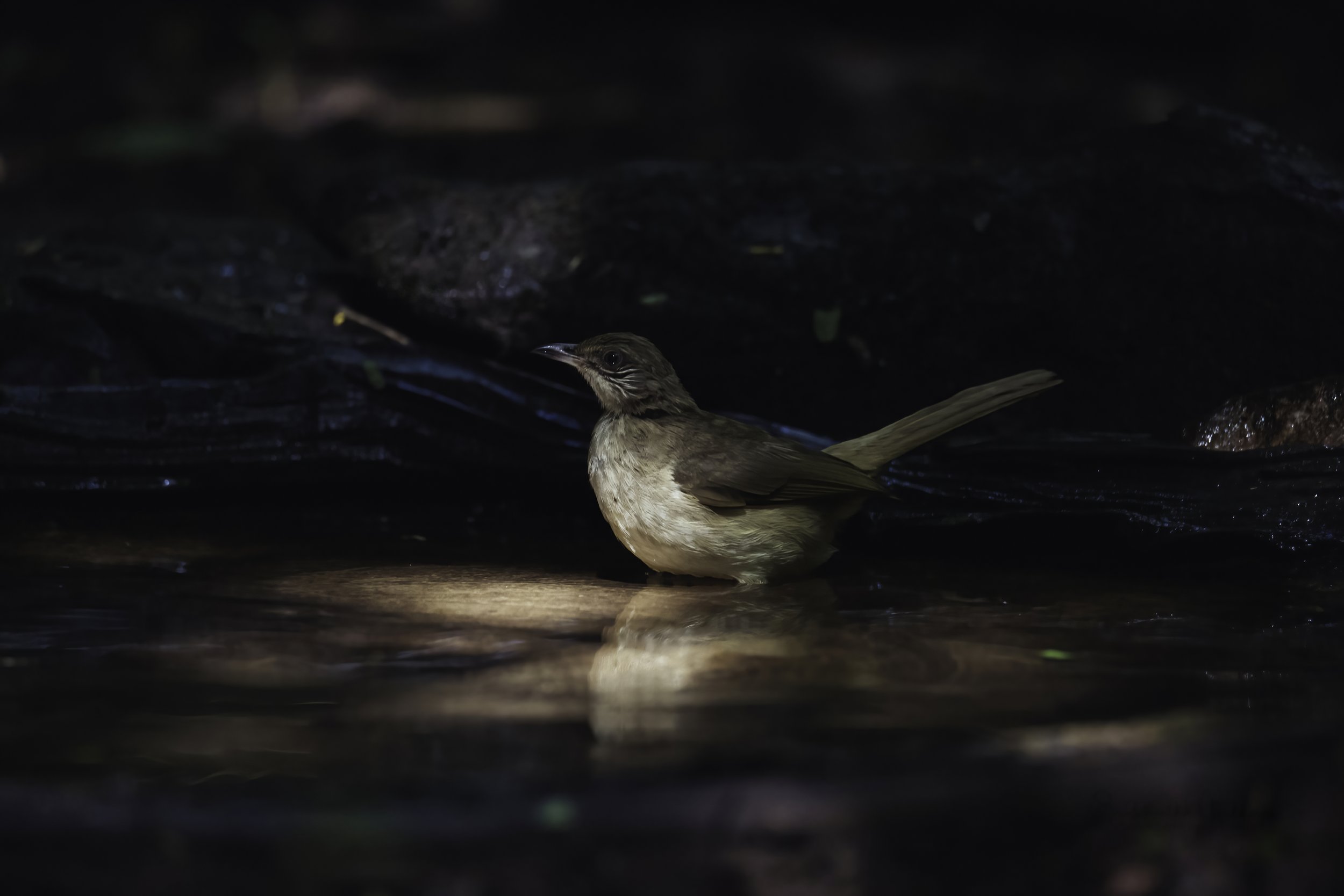
Streak-eared Bulbul, Kaeng Krachan National Park, Thailand
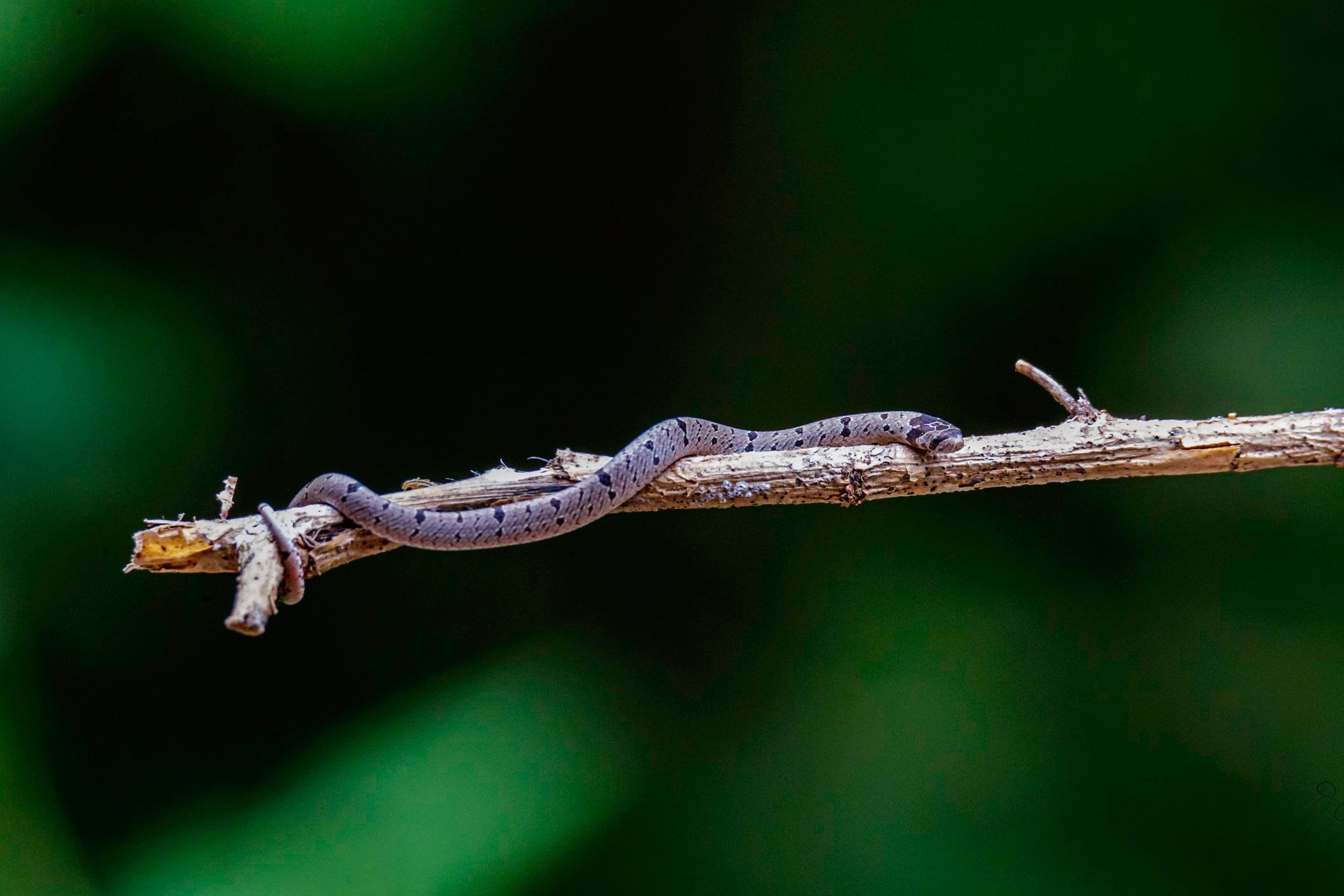
Small-banded Kukri, Kaeng Krachan National Park
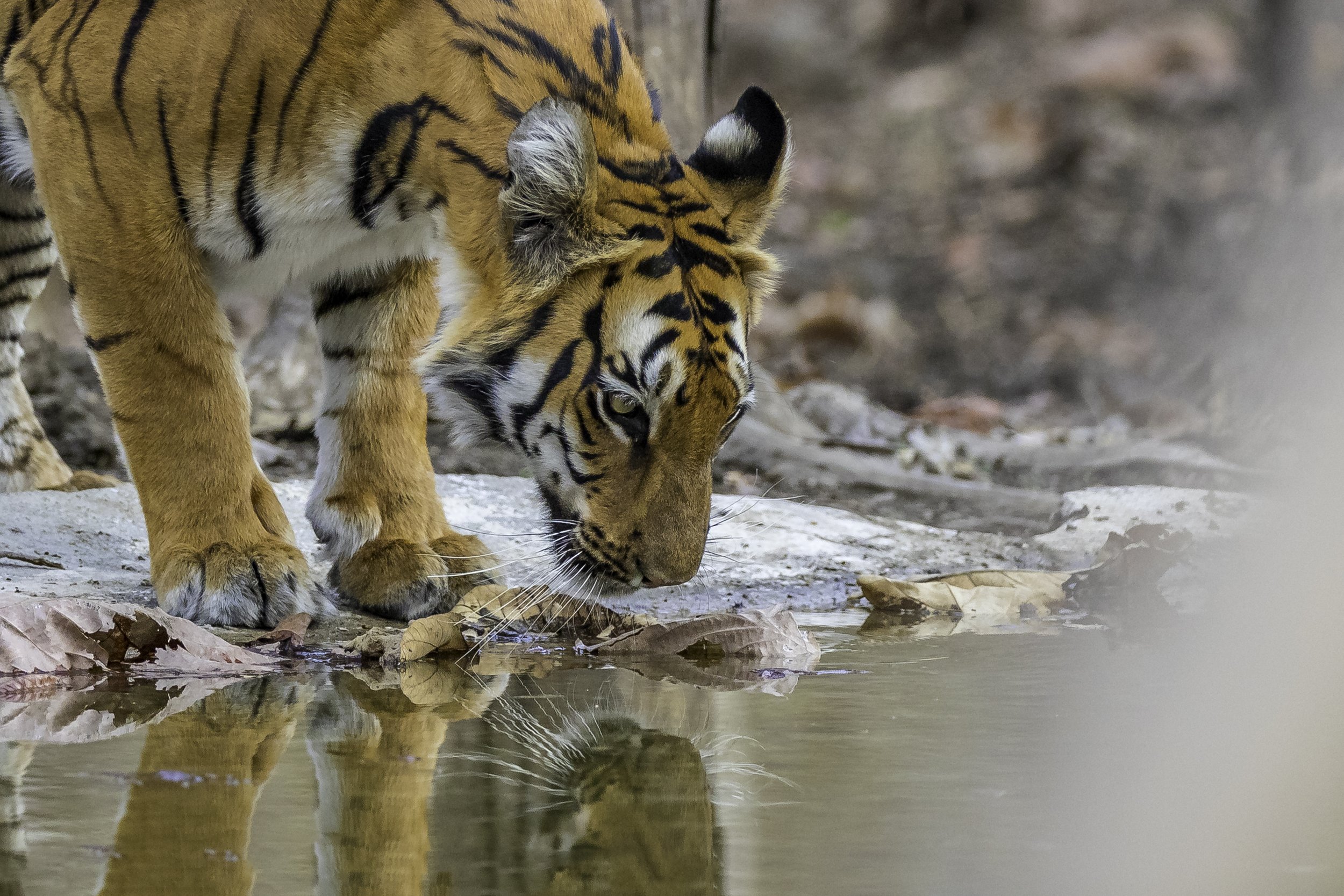
Archi, Tipeshwar Wildlife Sanctuary
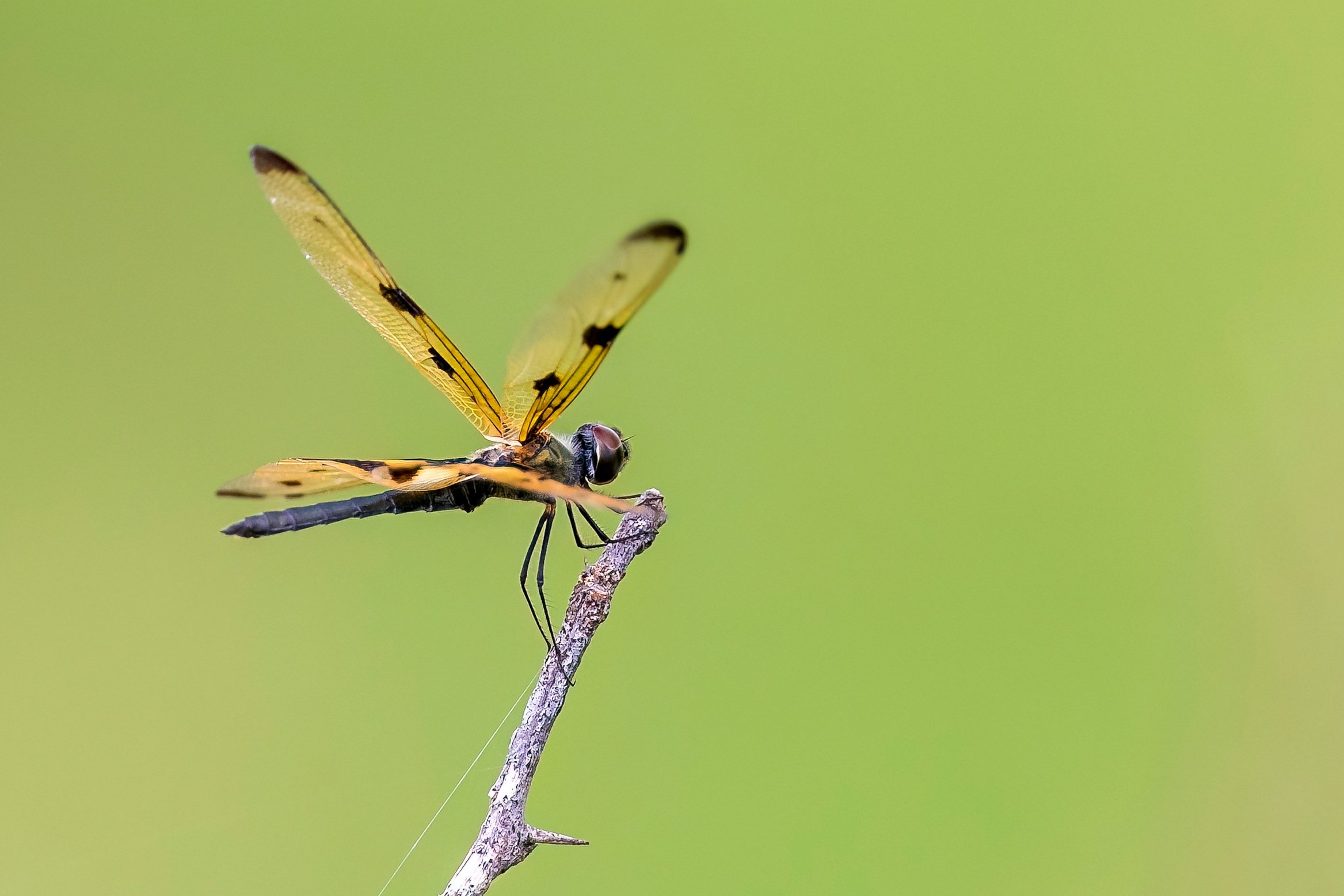
Common Picture Wing/ Variegated Flutterer/ Rhyothemis variegata, Manjeera Wildlife Sanctuary
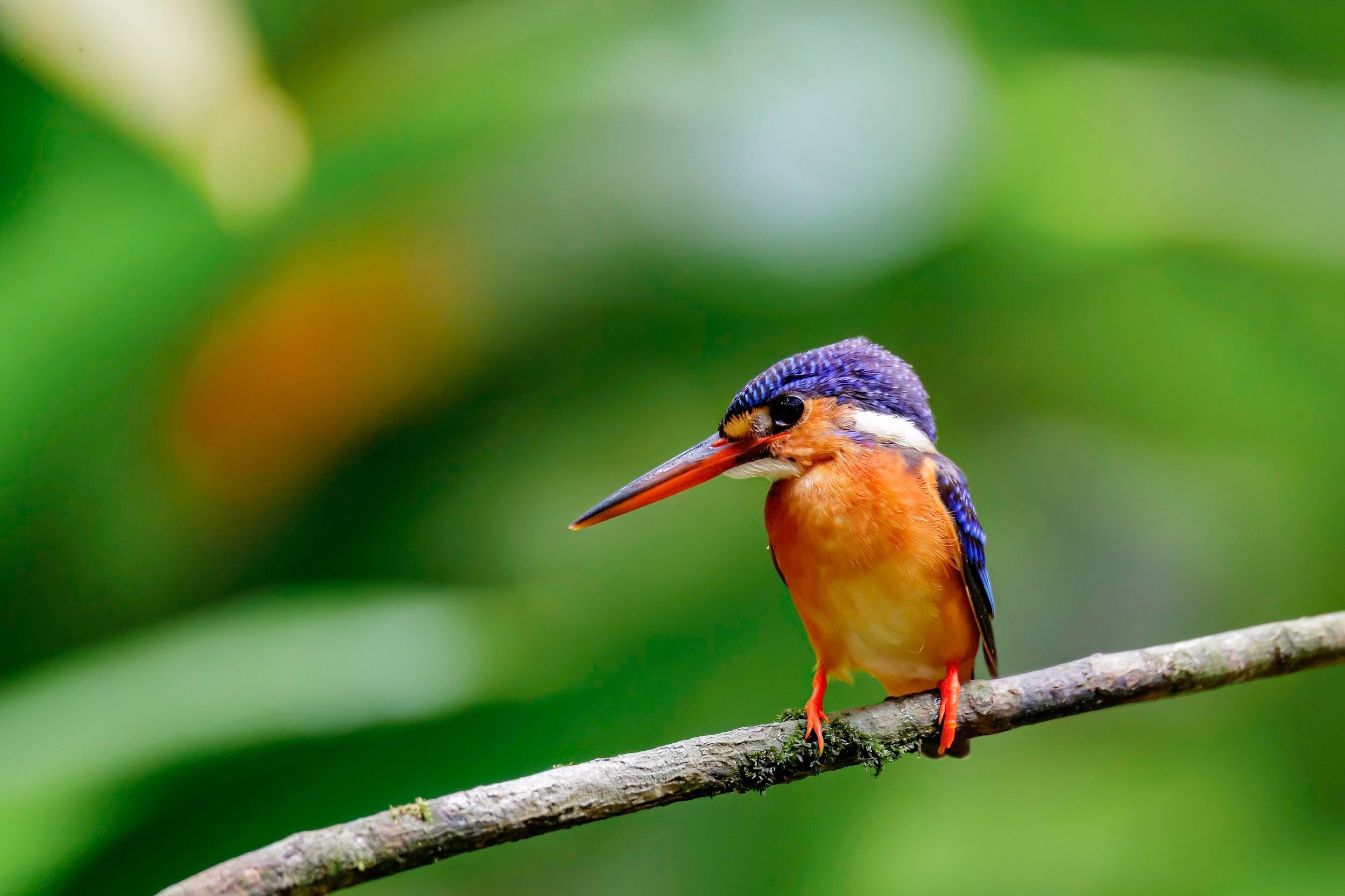
Blue-eared Kingfisher, Sungai Congkak
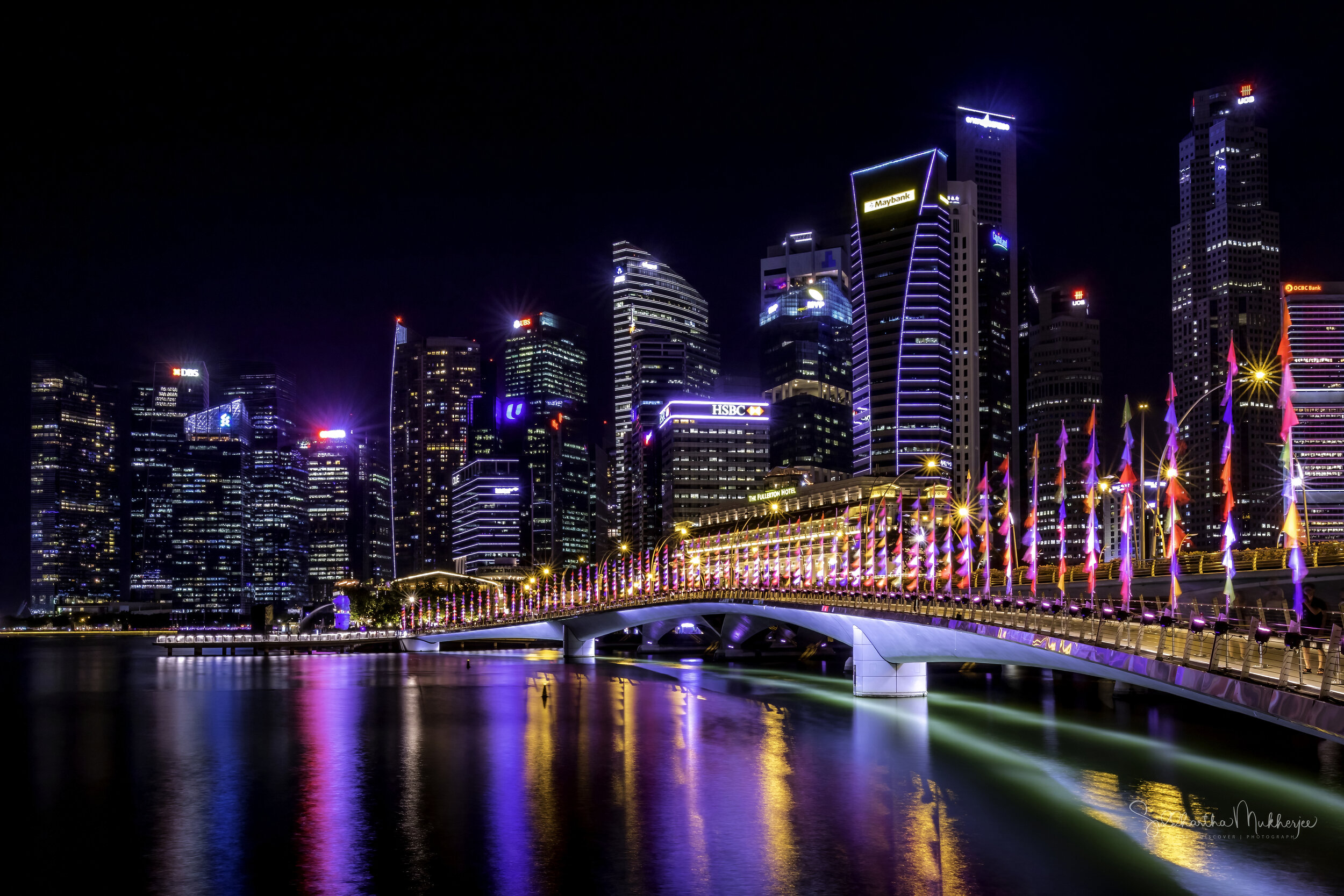
Esplanade Bridge, Singapore
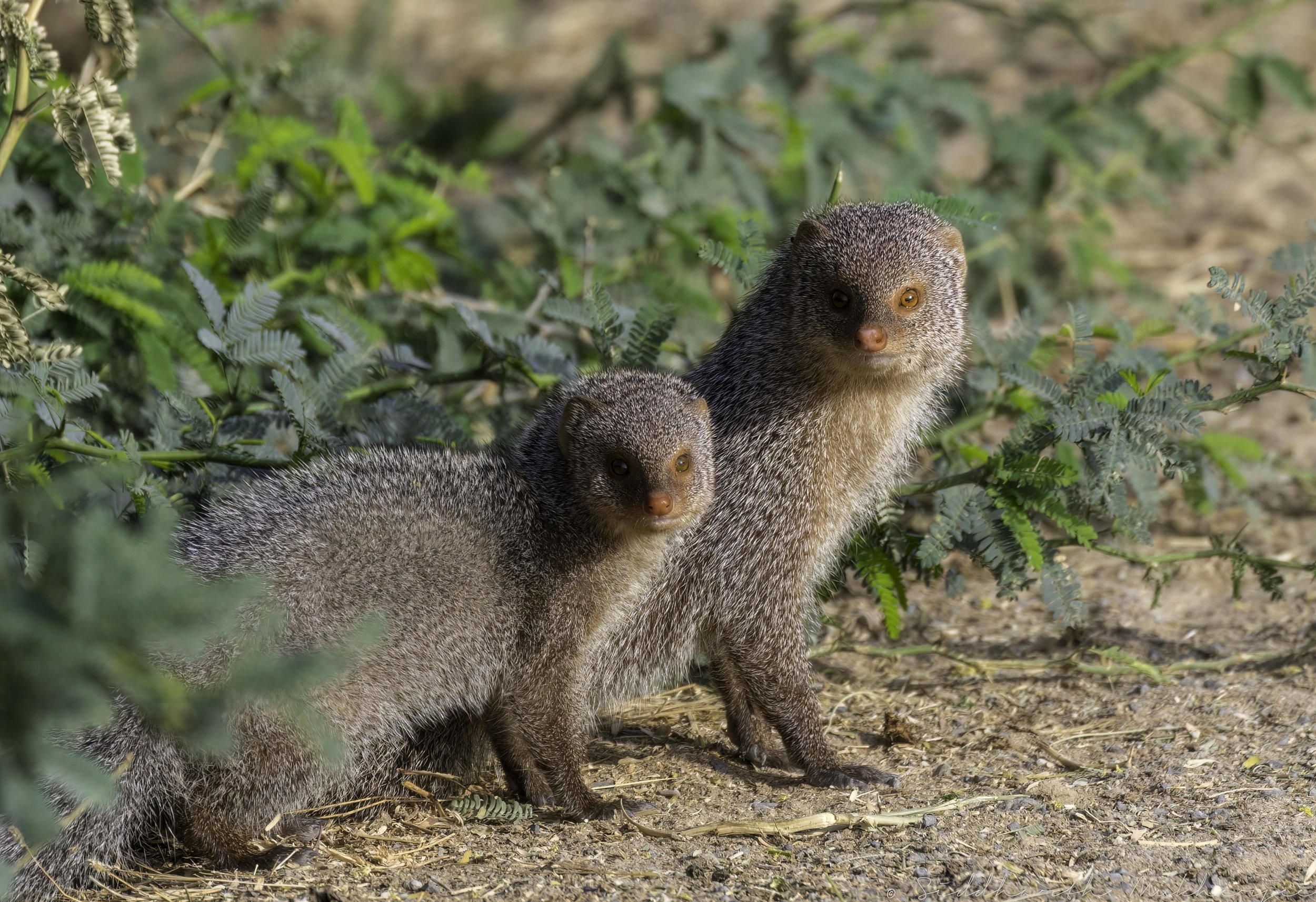
Indian Grey Mongoose, Little Rann of Kutch
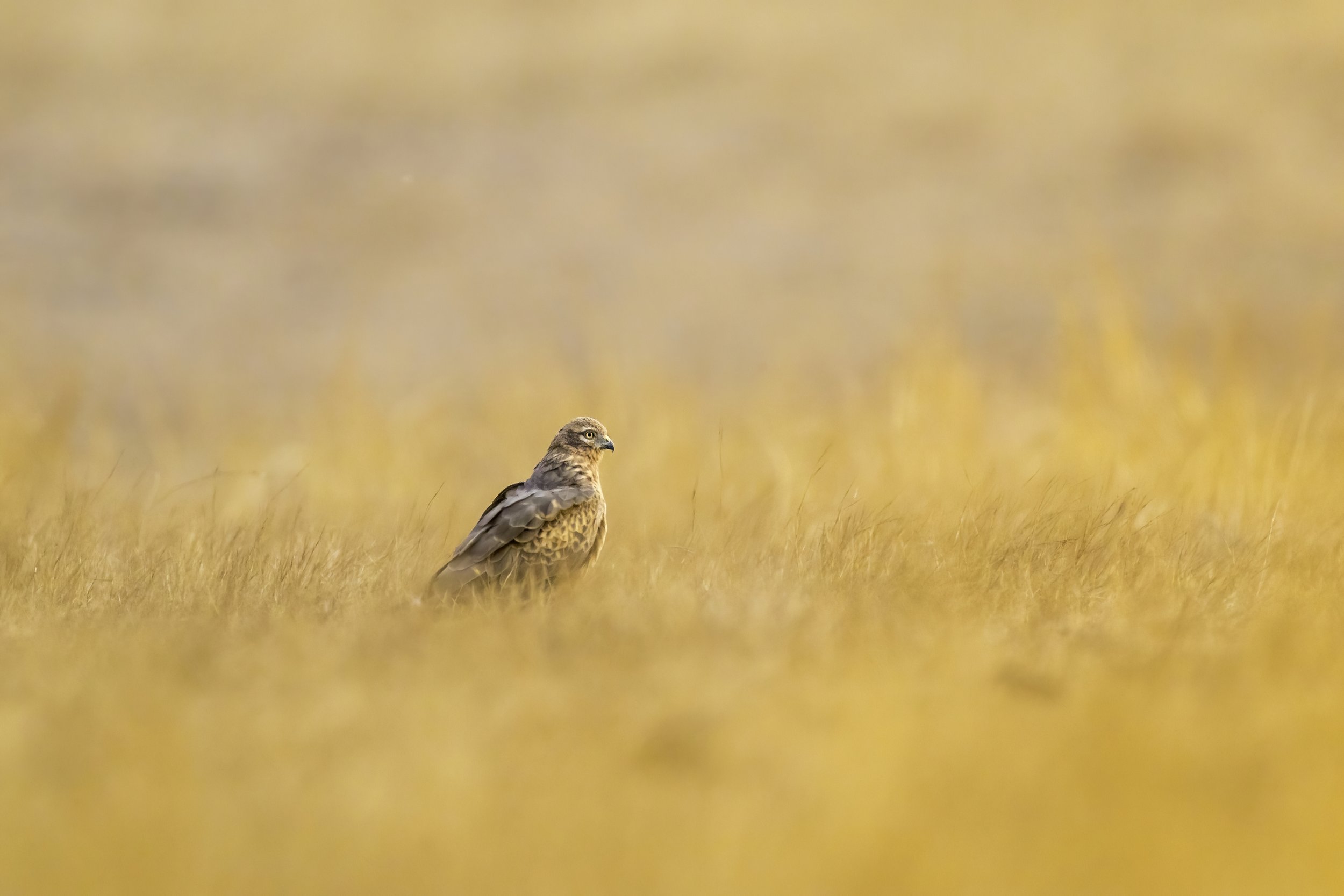
Montagu's Harrier, Yenkathala Grasslands
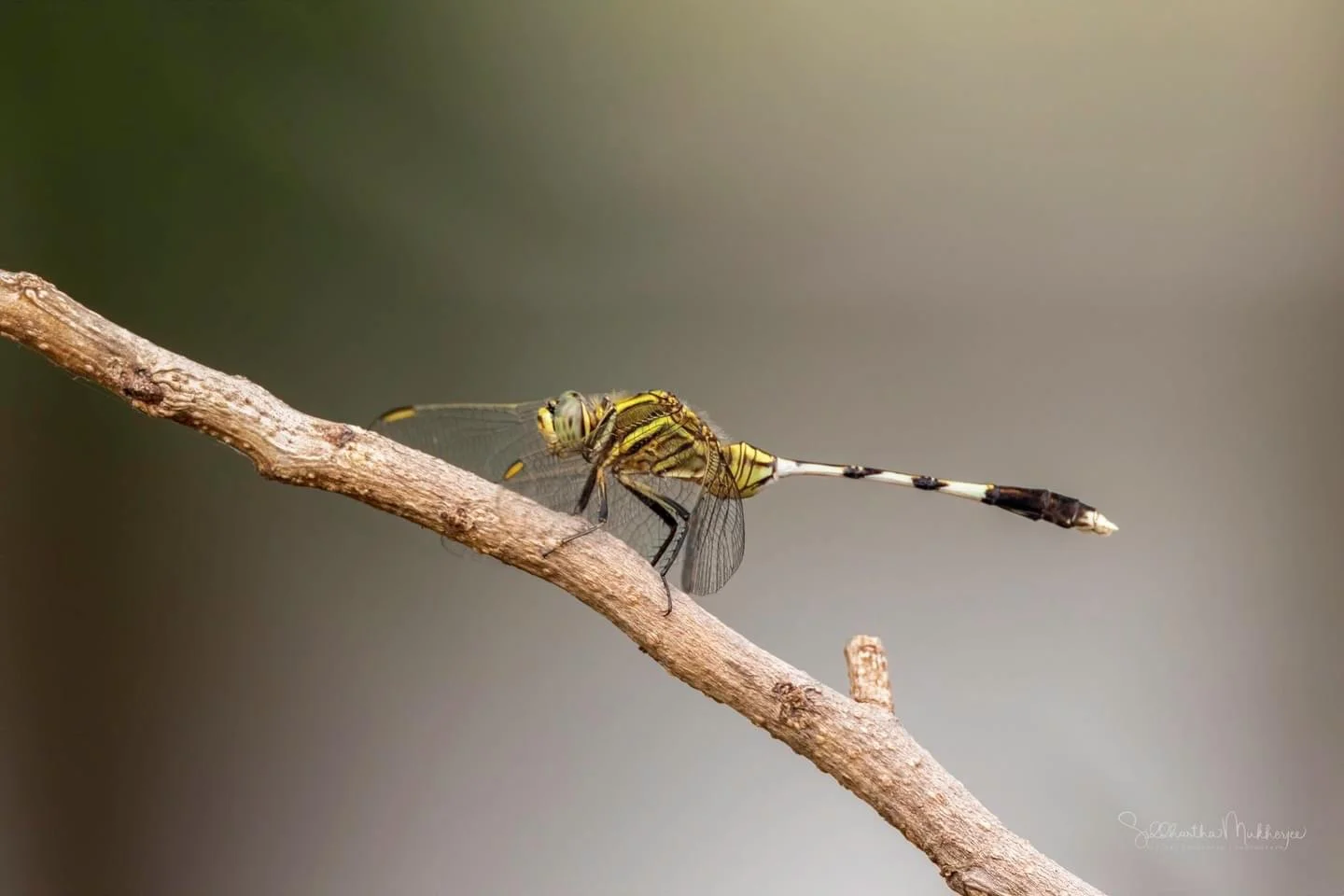
Green Marsh Hawk/ Slender Skimmer
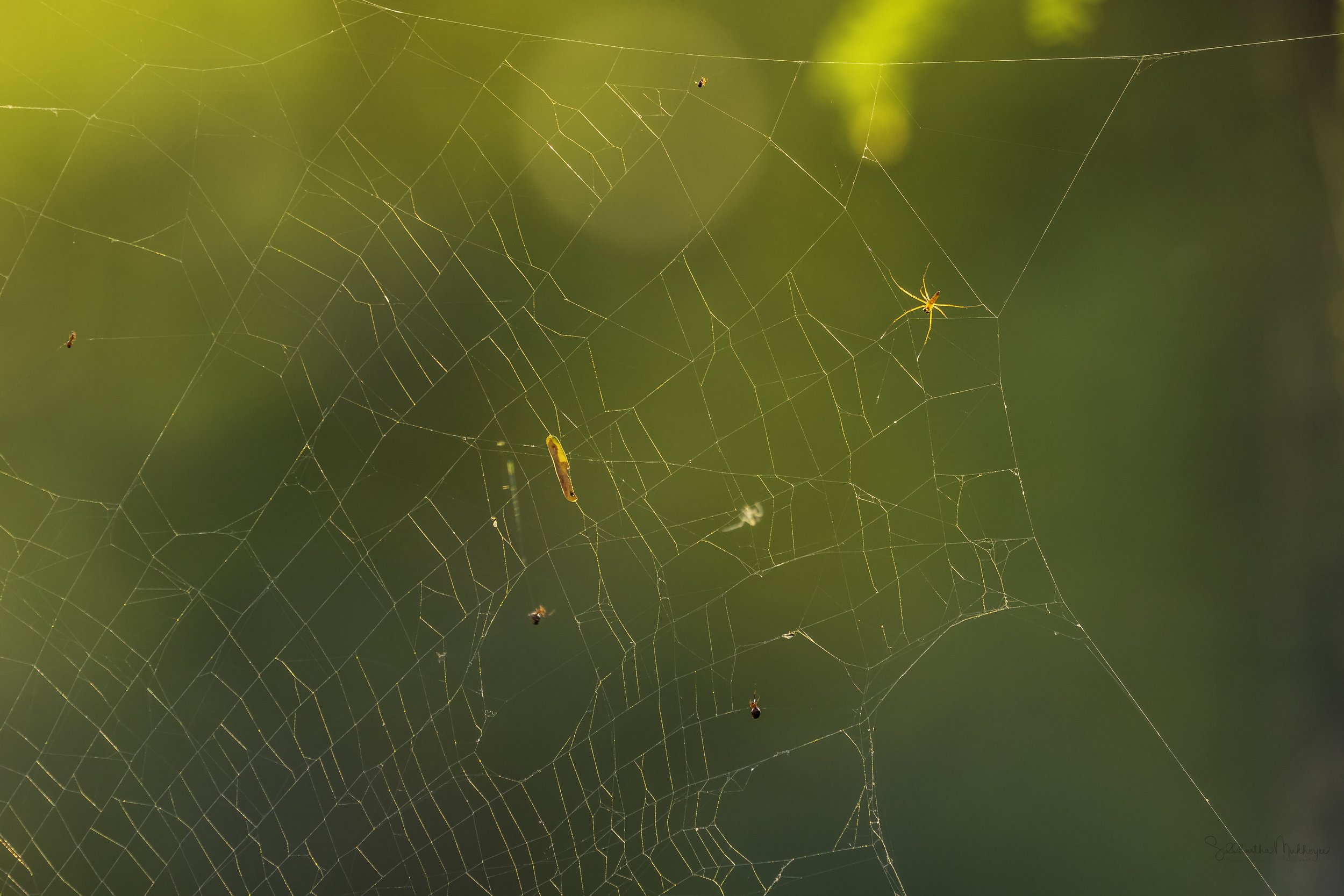
Giant Golden Orb Weaver - male (Nephila pilipes), Pench National Park
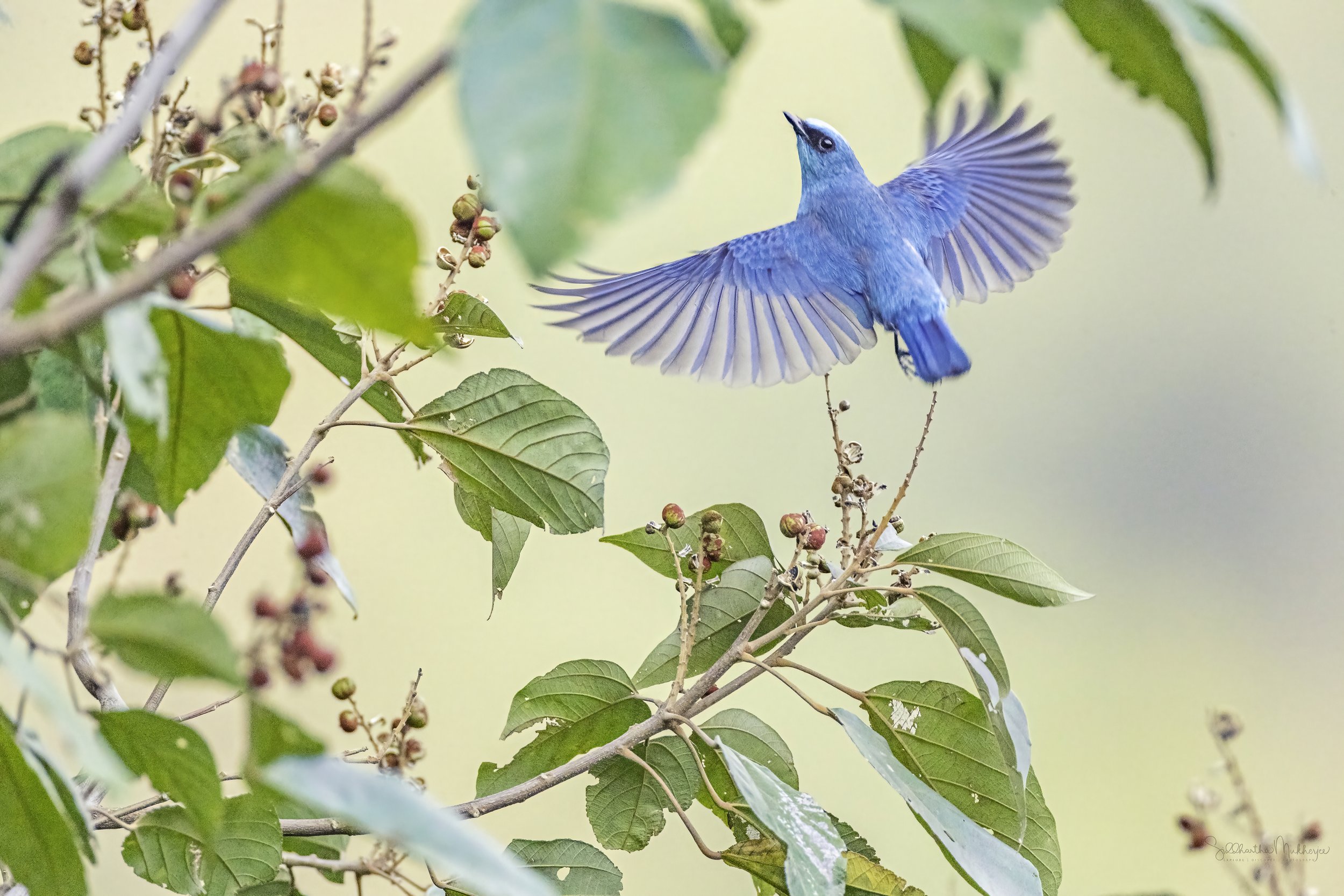
Verditer Flycatcher, Nallamalla Forests
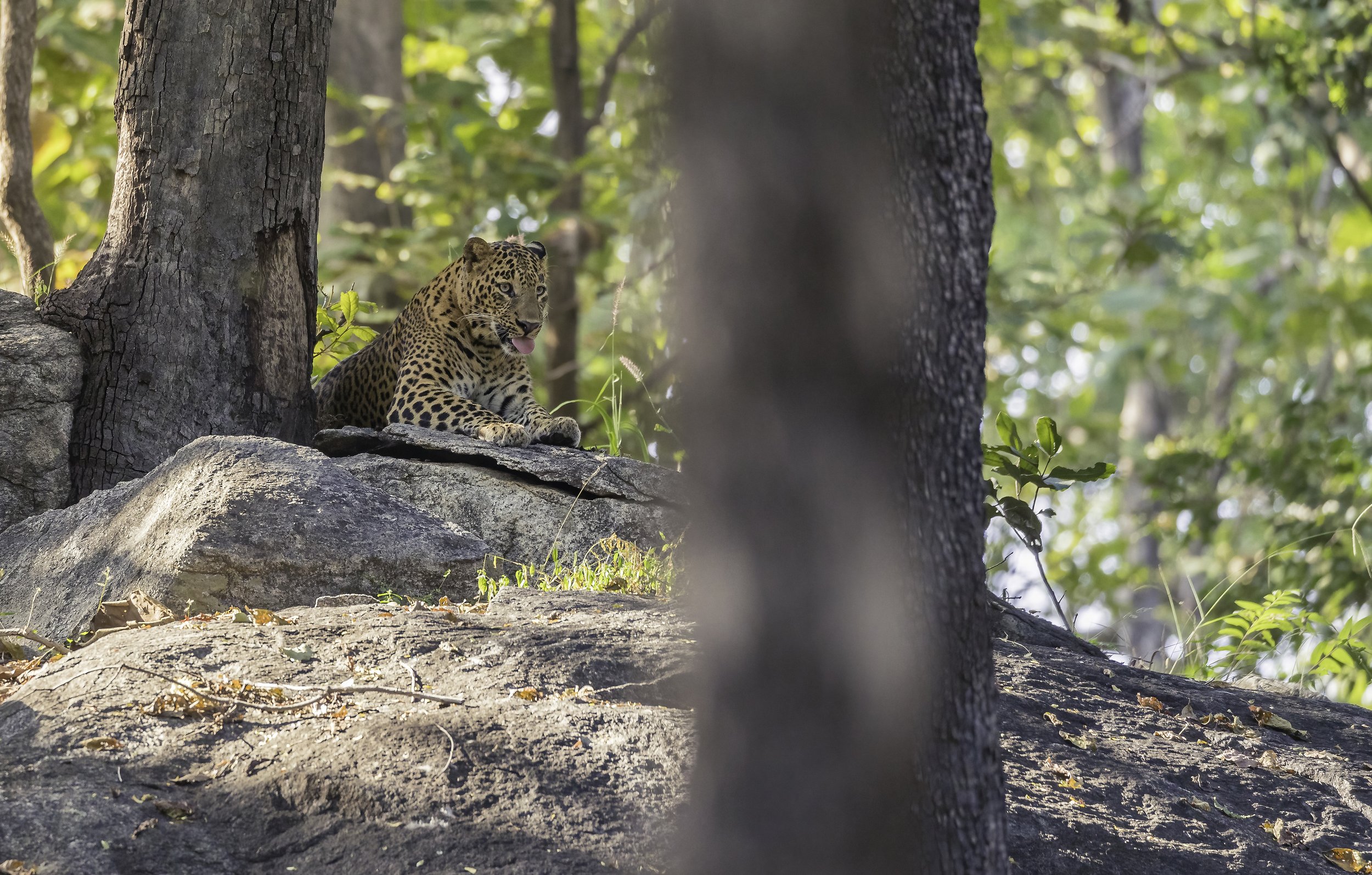
The Khursapar Leopard, Pench National Park
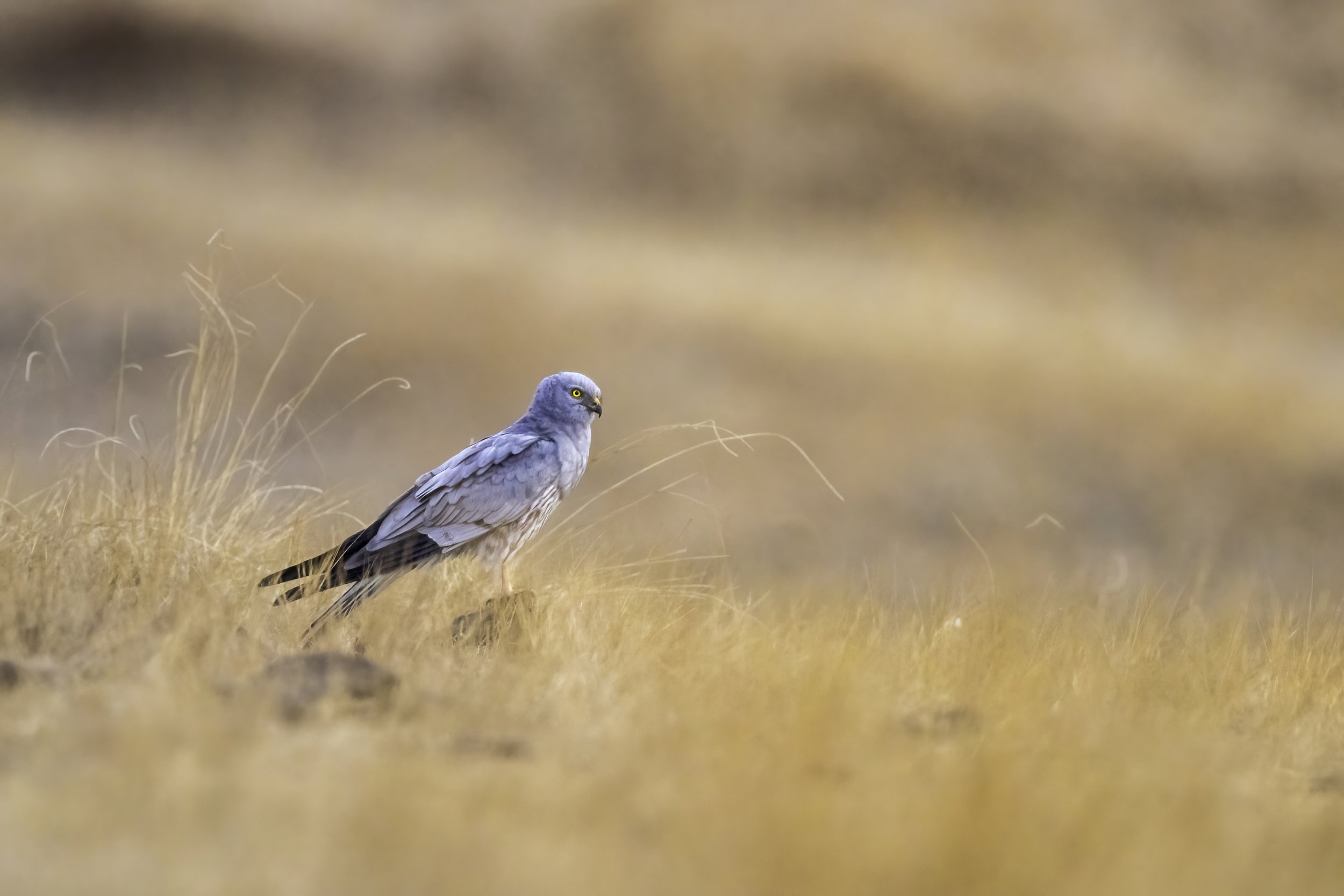
Montagu's Harrier, Yenkathala Grasslands
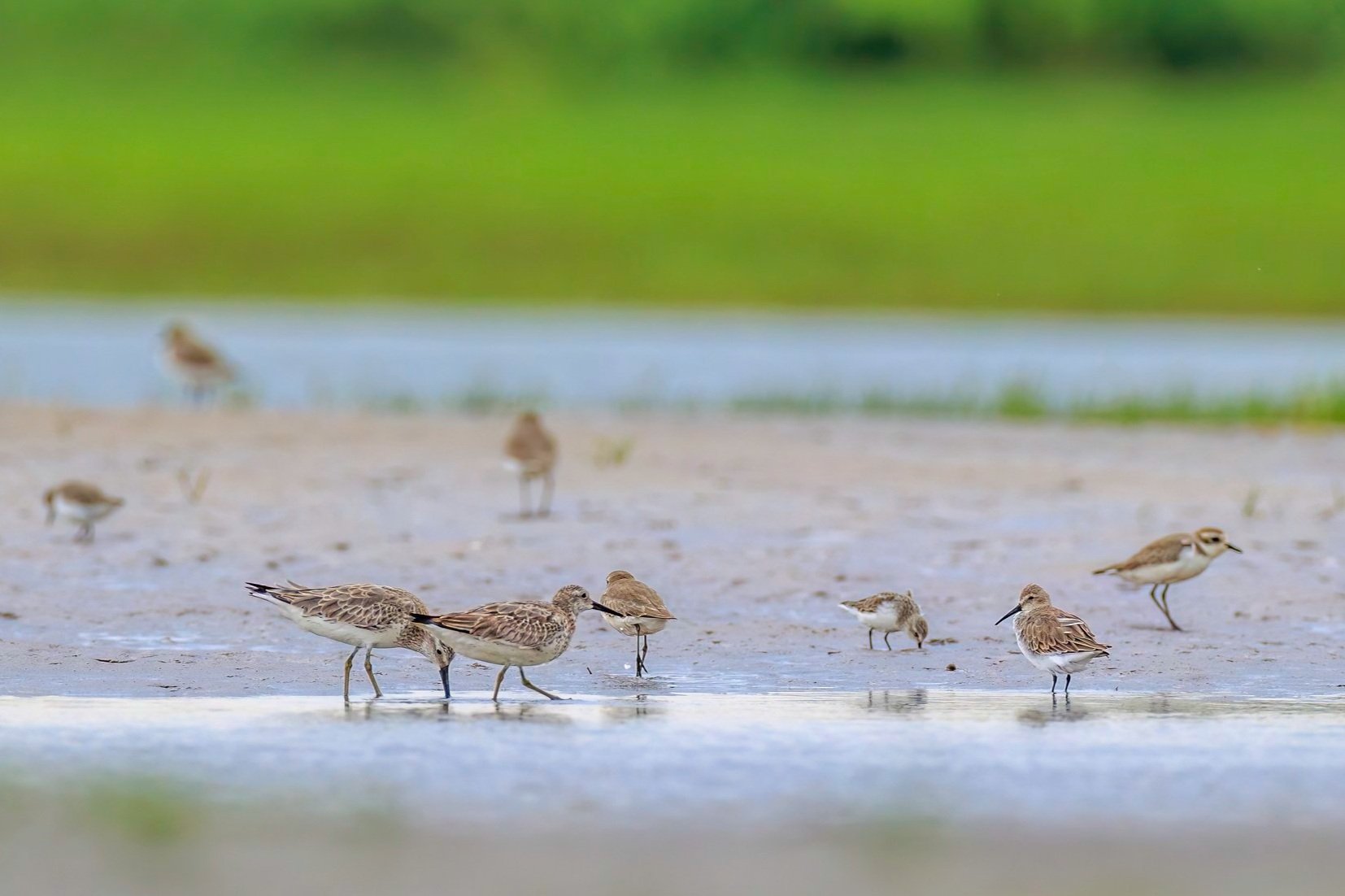
Great Knot (rare winter migrant to India), Bhairavapalem Mudflats, Coringa Wildlife Sanctuary
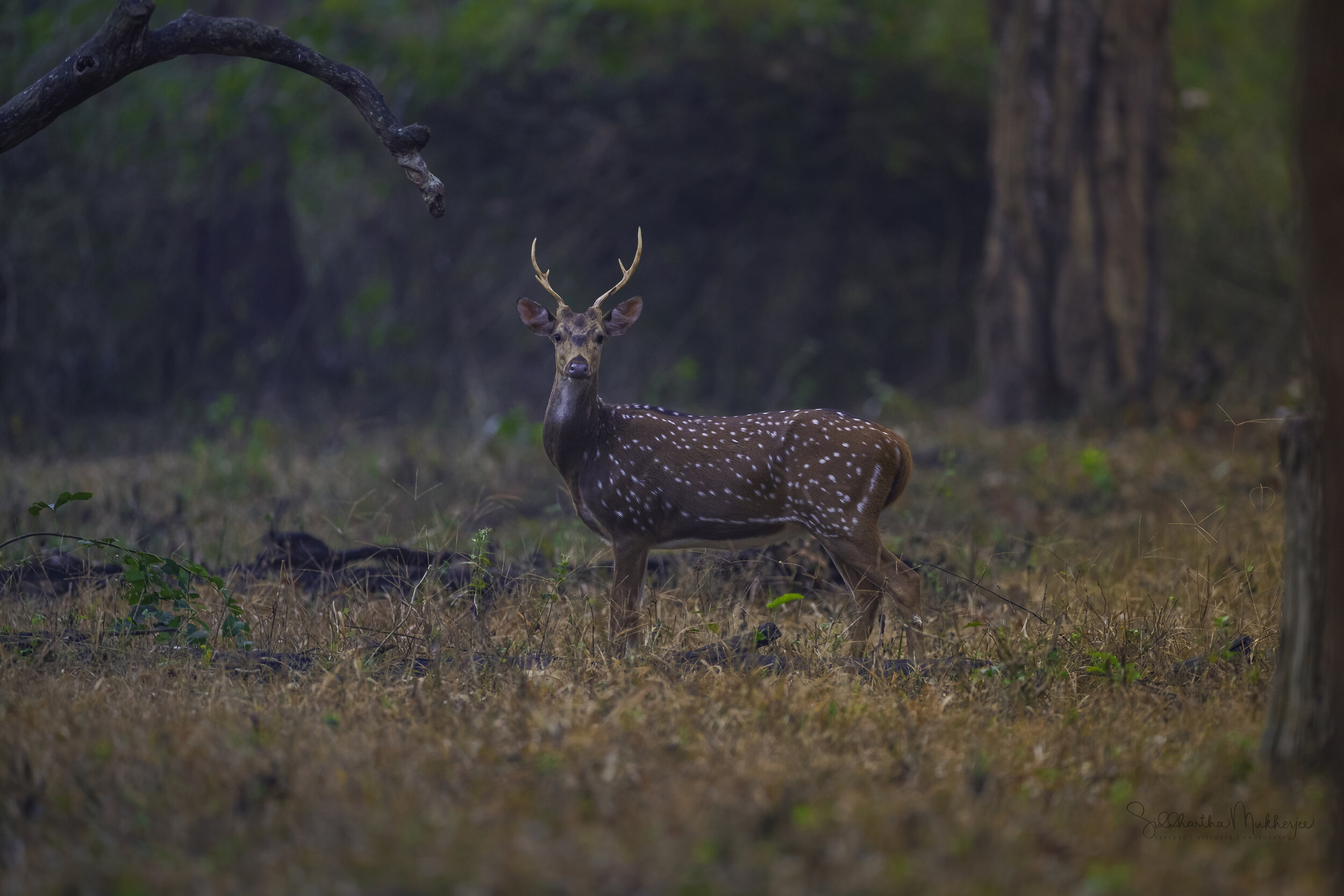
Chital, Kabini
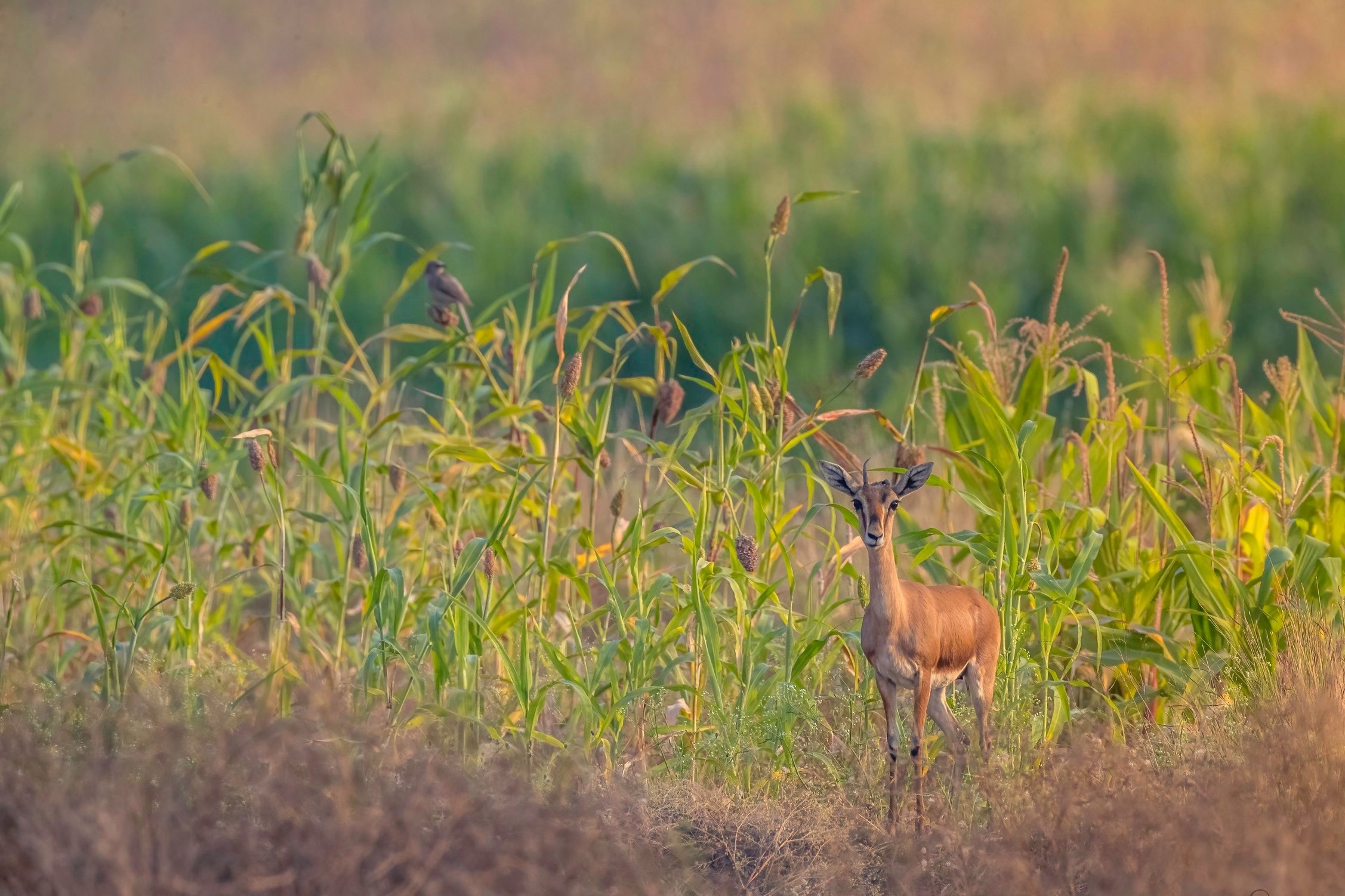
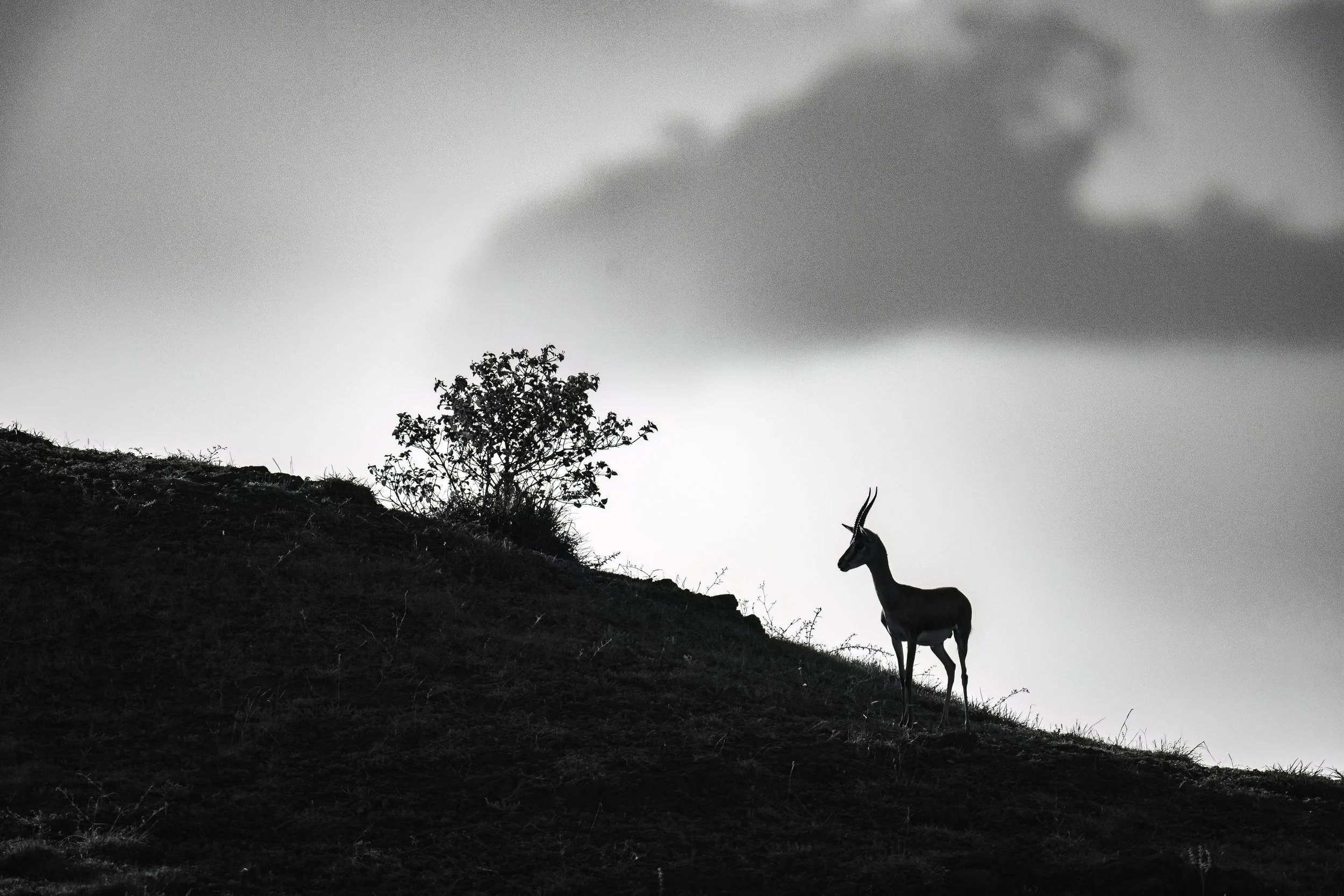
Chinkara/ Indian Gazelle, Kumbhargaon Grasslands
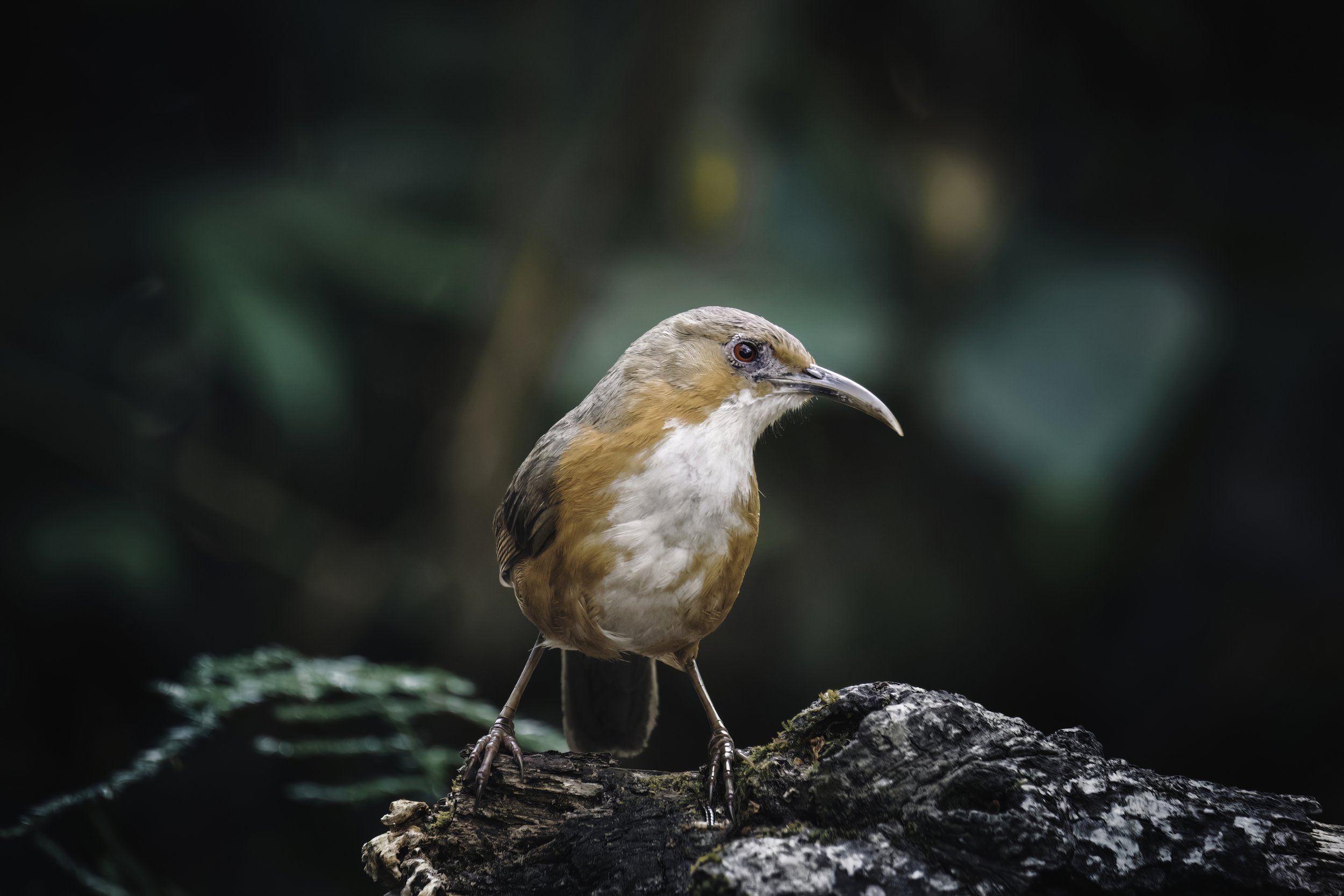
Rusty-cheeked Scimitar Babbler, Doi Luang, Chiang Mai
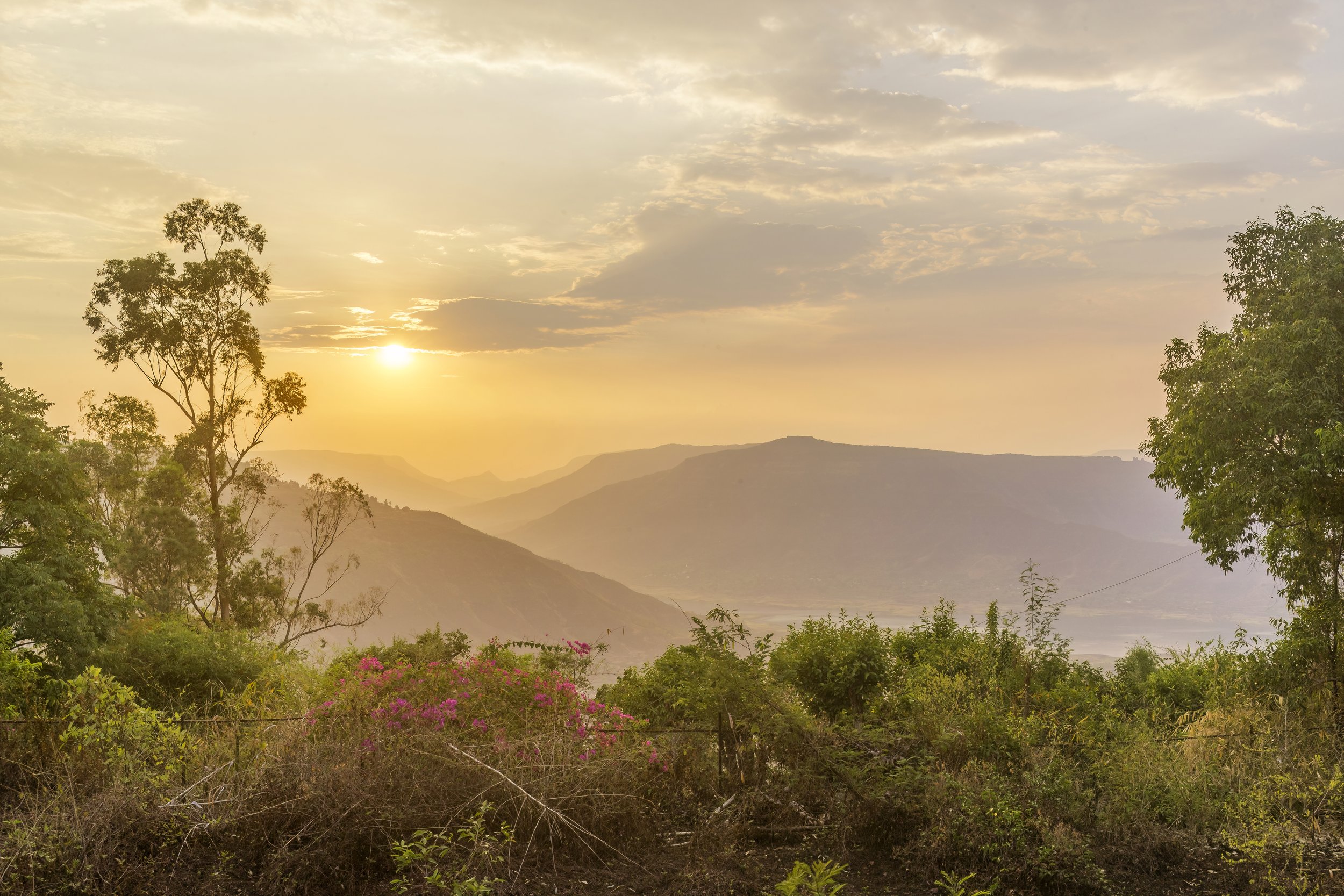
Krishna River Valley & the Dhom Dam waters from the Mount View Heritage, Panchgani
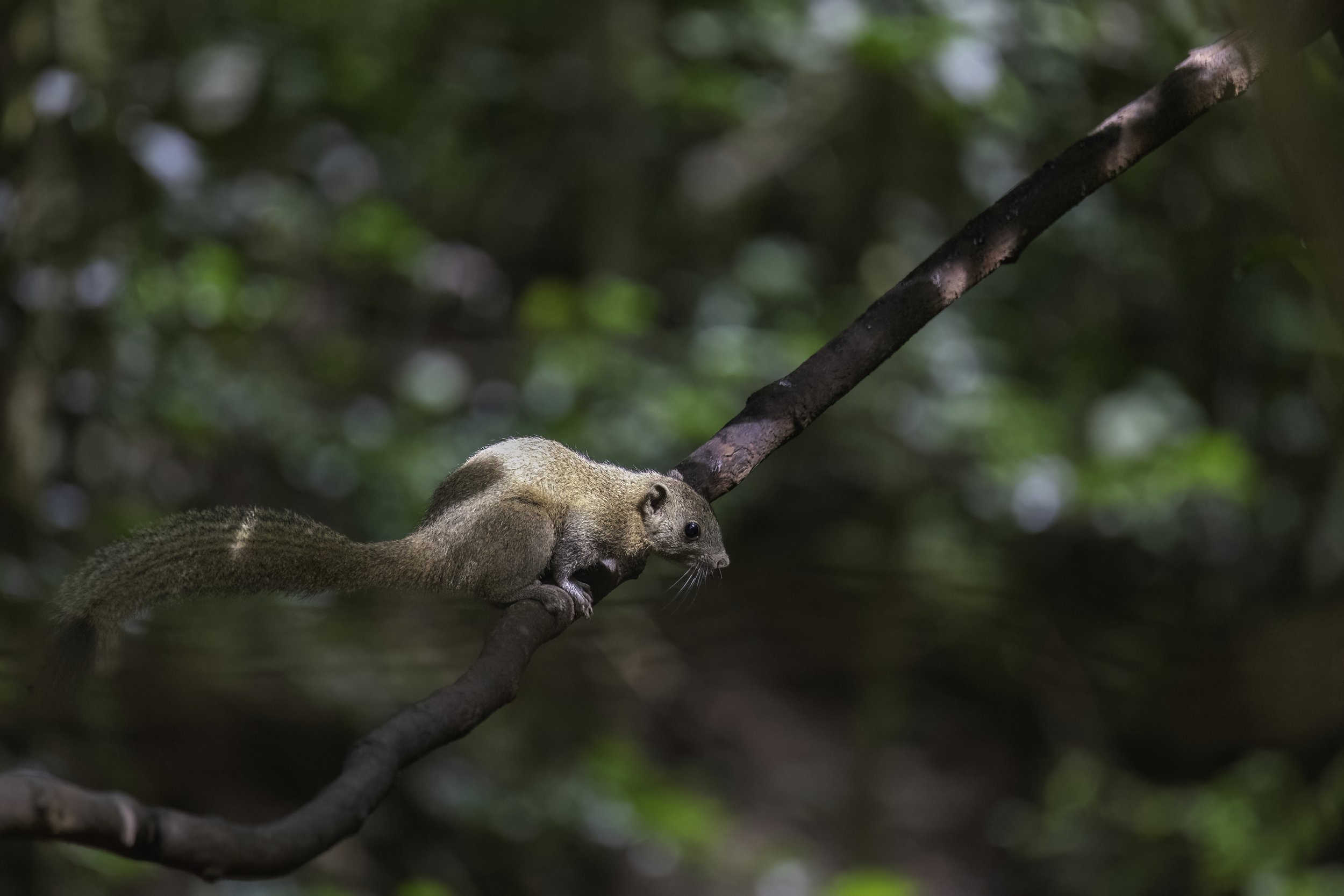
Horse-tailed Squirrel, Kaeng Krachan National Park
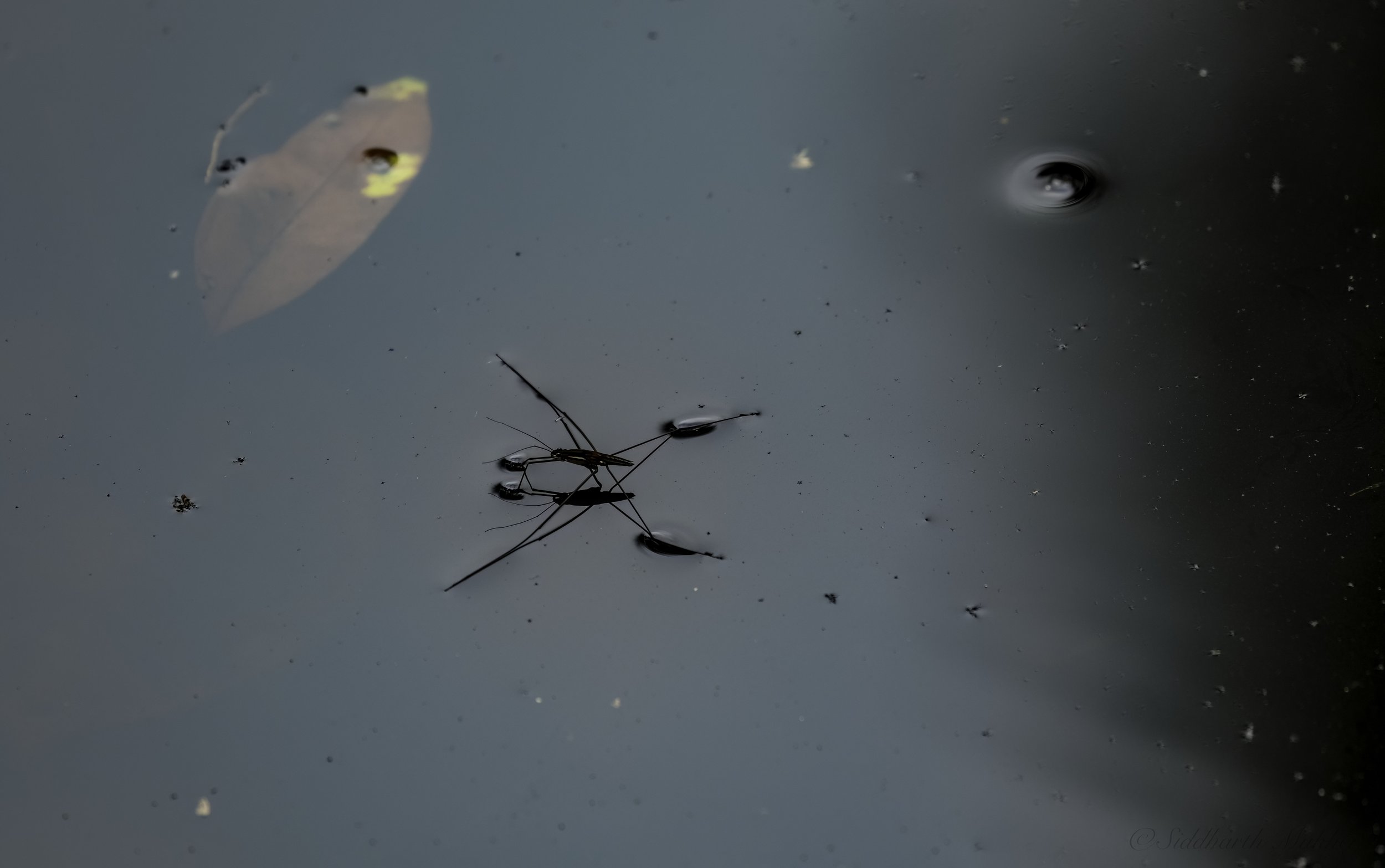
Water Strider, Sungei Buloh Wetlands
“It all begins with the idea to find silence and serenity in myself when I spend time in nature and feel its authenticity. For me, it is not only about getting the perfect picture of an animal or a bird, but more about capturing the uniquely intense mood or feeling that I only experience in wild nature.”

I also speak at events like the TEDx Hyderabad event & my talks usually revolve around photography, my journey as a photographer and anecdotes from the field which have taught me valuable life lessons.
Listen to my talk.


To protect Tigers & their ecosystem ensuring the survival of thousands of species including humans that depend on this ecosystem.
Read more about my collaboration with HYTICOS and the conservation projects we are working on across the states of Telangana and Andhra Pradesh
Search for a specific species, genre or even a location or use the directory for a complete list of species I have photographed and written about.
Featured Blogs