

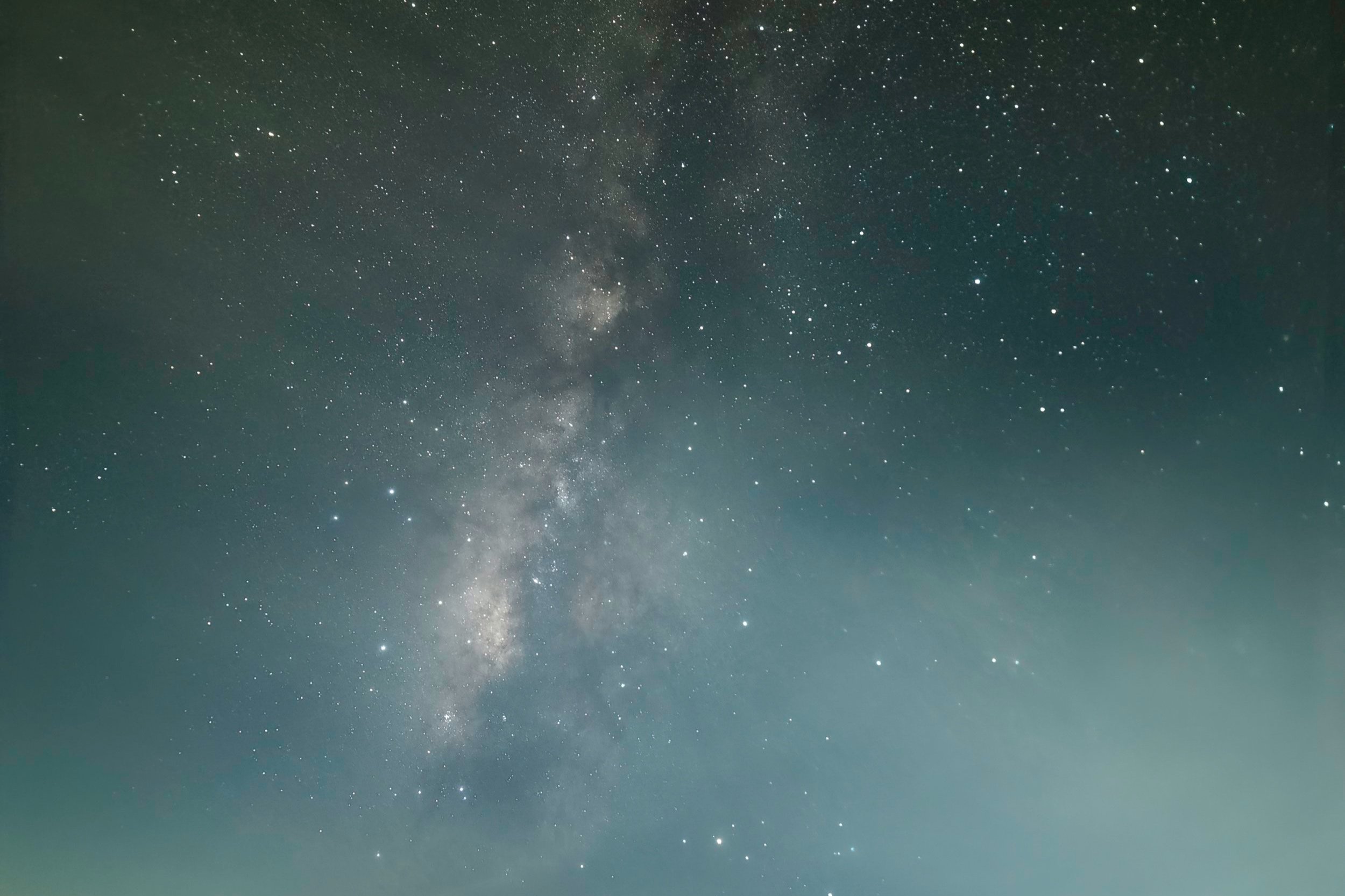
Lights of the Night Sky
I am sure all of us have been in situations where we have gone out at night to a reasonably remote location and saw an incredibly beautiful night sky with millions of stars shining back at us, or even the beautiful arc of the Milky Way. It is possible to capture the Milky Way through light pollution by using a technique call Exposure To The Right, or ETTR. Read more…
#wildartworks, #Canon, #PromediagearTR424L, #MilkyWay, #MilkyWayPhotography, #Longexposure, #ETTR, #LightPollution, #MilkyWayTimelapse, #LongExposureTimelapse, #Timelapse, #timelapseplus,

C/2020 F3 (NEOWISE)
Comet NEOWISE has been entertaining space enthusiasts across the Northern Hemisphere. Although its official name is C/2020 F3, the comet has been dubbed NEOWISE after the Near-Earth Object Wide-Field Infrared Survey Explorer (NEOWISE) space telescope that first noticed it earlier this year. This “icy snowball” with a gassy tail made its closest approach to the sun on July 3 and is now heading back from whence it came: the far reaches of the outer solar system. Its long, looping orbit around our star ensures that after passing closest to Earth on July 22, Comet NEOWISE will not return for some 6,800 years. #wildartworks, #cometneowise

A Partial Solar Eclipse
The first solar eclipse of 2020 took place today, Sunday, June 21, 2020. Observers in India got the chance to see a dramatic celestial spectacle – a spectacular ‘ring of fire’ in the sky produced by the Moon and the Sun. Here’s all you need to know about this amazing and rare astronomical event. Were the Moon just a wee bit closer - 379,100 rather than 381,500 kilometres away - Earthlings would have been treated to a total blackout, visible at a given spot on our planet about every 400 years.