


A tigress and her cubs
The arrival of a tiger, it’s true, is often preceded by moments of rising tension, because a tiger’s presence changes the jungle around it, and those changes are easier to detect. Bird calls darken. small deer call softly to each other. Herds do not run but drift into shapes that suggest some emerging group consciousness of an escape route. A kind of shiver seems to run through everything, a low hum that sounds — literally, in the murmured Hindi conversation of the guides — like tiger, tiger, tiger. This zone of apprehension follows the tiger as it moves. Often, the best way to find a tiger is to switch off your engine and listen. You might then hear, from a distance, the subtle changes in pitch and cadence that indicate a boundary of the zone. But even then, it is impossible to predict where, or if, the tiger will appear.
#WildArt.Works, #Wildlife, #Photography, #Tiger
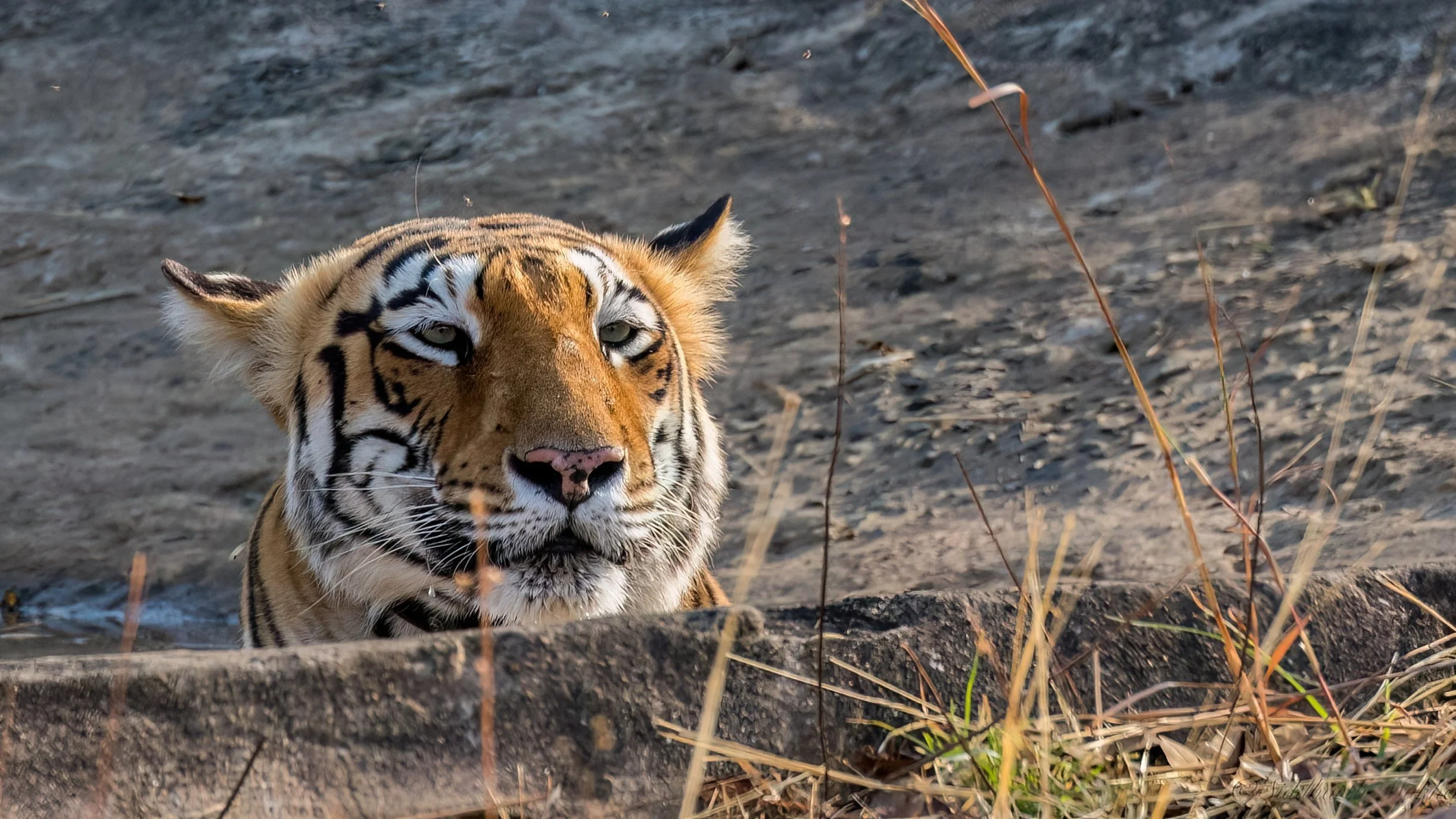
The Collared Tigress
Choti Tara (also called Gauri) is a beautiful and big tigress in her prime, at around 7 years of age then. She was born to her mother Tara in a litter of four. Choti Tara has a confident air about her and a very calm demeanor, yet when you see her you can sense you are in the presence of a mighty tigress. She is tough, and has been in fairly brutal fights with other tigresses, notably with the Ambat Heera female. Choti Tara has a big territory now and covers the area from close to Kolara gate & Jamni village, towards Kosaikanar, Jamunbodi, Chital Road, and until the Tadoba Guest House, Tar Road. She has a radio collar around her neck which gives her the name “Collarwali“ or the Collared Tigress.

Swan Lake
Lake Kussharo, an inland lake in the west of Hokkaido, is a caldera lake, a remnant of a long-ago erupted volcano. Its violent, seismic past is evident even today, with natural hot springs bubbling up along its shoreline, heating both the water and gravelly shores. It is here where the Whooper Swans gather to find refuge from Hokkaido’s brutally cold winters.

le lac des cygnes
Like much of Japan, Hokkaido is seismically active. Consequently, hot springs and volcanic vents can be found all across the island. Lake Kussharo, an inland lake in the western region of Hokkaido, is a caldera lake, a remnant of a long-ago erupted volcano. Its violent, seismic past is evident even today, with natural hot springs bubbling up along its shoreline, heating both the water and sandy shores. It is here where the Whooper Swans gather to find refuge from Hokkaido’s brutally cold winters.

Kitakitsune
The ezo red fox (Vulpes vulpes schrencki) is a subspecies of red fox widely distributed in Hokkaido, Sakhalin, the Kuril Islands and the surrounding islands of Japan. Photographed on the frozen waters off the Notsuke Peninsula
#WildArt.Works, #Wildlife, #Photography, #Animals, #Nature, #Landscapes, #RedFox, #EzoRedFox, #NotsukePeninsula, #Hokkaido, #Japan, #fox
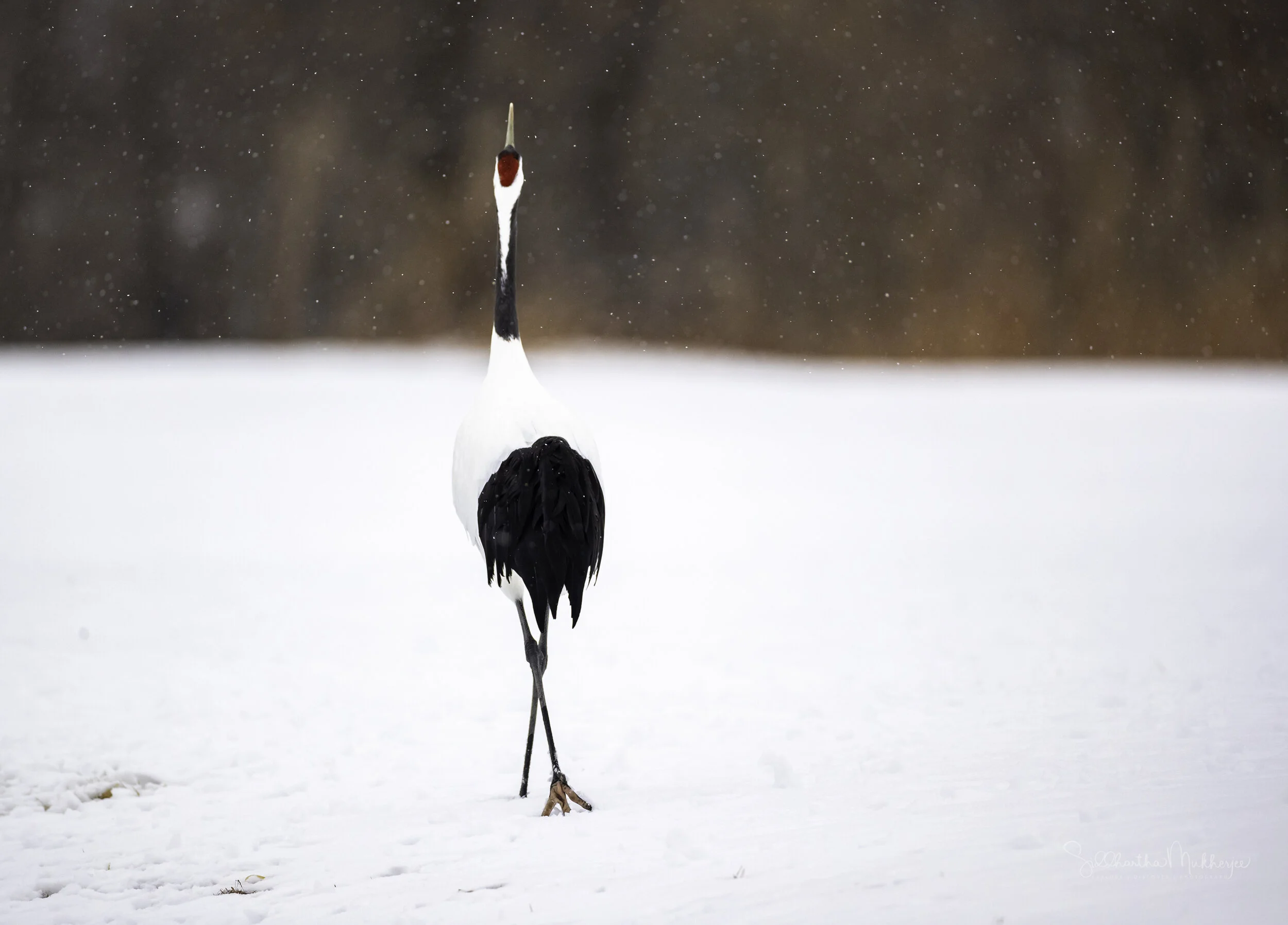
Tanchōzuru
The red-crowned crane (Grus japonensis), also called the Manchurian crane or Japanese crane (Japanese: 丹頂鶴 or タンチョウヅル; rōmaji: tanchōzuru), is a large East Asian crane among the rarest cranes in the world. In some parts of its range, it is known as a symbol of luck, longevity, and fidelity.