
Alcippe brunneicauda
NEAR THREATENED
The phantom of the foothills
The morning air within the Sungai Bantang Recreational Forest, tucked neatly onto the lower slopes of Gunung Bekok in Johor, Malaysia, carries the thick, humid promise of the tropics. Mist clings lazily to the crowns of ancient dipterocarp trees, while below, the steady rush of the river plays a baseline melody to the waking jungle. For a wildlife photographer, this sanctuary is an open vault of avian treasures. Yet, amid the dazzling possibilities of brightly plumed trogons and iridescent sunbirds, a much quieter, humbler protagonist commands the mid-story: the Brown Fulvetta (Alcippe brunneicauda).
To document this unassuming passerine requires patience, a keen eye for shifting shadows, and a deep appreciation for the understated marvels of evolution. Capturing its likeness against the dark, mossy dampness of Sungai Bantang is an entry point into a larger, urgent story—one that bridges the vast ecosystems of Southeast Asia, unravels complex avian lineages, and highlights the fragile state of the world’s oldest rainforests.
Sungai Bantang Recreational Forest
The Sungai Bantang Recreational Forest, nestled on the lower slopes of Gunung Bekok within the expansive Labis Forest Reserve in Johor, Malaysia, serves as a vital ecological sanctuary defined by its rich lowland dipterocarp and lower montane forest ecosystems. Rising toward the granitic peaks of Gunung Bekok, which stands at over 953 metres above sea level, the habitat undergoes distinct altitudinal transitions that support specialized plant and animal communities. The lower elevations feature a lush, high-canopy jungle dominated by majestic dipterocarp trees and specialized riparian zones flanking the fast-flowing Sungai Bantang river system. These riverbanks are remarkably rich in herbaceous and epiphytic flora, featuring the iconic Pelawan trees (Tristania species) with their distinct, peeling grey-white bark. Close to the mist-laden rapids and waterfalls, highly adapted semi-aquatic plants known as rheophytes anchor tightly to rocky islands and stream boundaries, showcasing a finely balanced micro-ecosystem perfectly sustained by the region's humid, clean water streams.
This intricate botanical architecture creates an incredibly diverse haven for regional wild and birdlife, offering abundant foraging and nesting niches. The canopy and sub-canopy levels resonate with a high concentration of avian species, including endemic forest dwellers like hornbills, broadbills, and colourful sunbirds, as well as crucial wintering migratory birds that use the dense foliage as a seasonal refuge along the East Asian-Australasian Flyway. On the forest floor and understories, a variety of small mammals, reptiles, and amphibians thrive, alongside elusive larger wildlife like wild boars, macaques, and gibbons that depend on the unfragmented transitions between the lowlands and the mountain slopes. However, the integrity of this local biodiversity faces escalating stress due to encroaching habitat loss, deforestation, and expanding agricultural plantations (such as oil palm and rubber) bordering the reserve boundaries. These land changes cause unusual ecological disruptions; species traditionally restricted to deep primary forests are increasingly forced into edge habitats or the recreational zones of the park, amplifying human-wildlife encounters and altering natural foraging behaviors. Fragmented pathways disrupt the gene flow of terrestrial species and leave understory birds highly vulnerable to predatory edge effects, throwing off centuries-old ecological balances.
The profound ecological significance of the Sungai Bantang forest lies in its role as a fundamental biodiversity engine and a protective buffer for the broader Gunung Bekok ecosystem. By maintaining continuous forest cover across varying elevations, this zone regulates microclimates, preserves high water quality, and secures the hydrological health of the river systems feeding the surrounding lowlands. Its complex vegetative structures act as a reliable carbon sink and directly influence the regional climate, ensuring the high humidity levels necessary for rare bryophytes, orchids, and rheophytes to survive. Furthermore, because it borders the western edges of the vital Endau-Rompin biocore, this forest acts as an essential wildlife corridor that allows continuous migration, seed dispersal, and genetic exchange across Johor’s interior wilderness. Without the ecological stability provided by the Sungai Bantang forest, the steep slopes of Gunung Bekok would suffer severe topsoil erosion, downstream siltation, and an irreparable collapse of localized species richness, underscoring its indispensable value to Peninsular Malaysia's remaining natural heritage.
Sungai Bantang, just north of Bekok, Johor allows easy access to the western part of the Endau Rompin National Park. The birdlife here is not well documented as compared to places like Bukit Fraser. Most who come here tend to focus on specific birds like the Crested Jay, Rufous Piculet, Brown Wood Owl, Black and Red Broadbill and the Rufous-collared Kingfisher. But here too there is excellent diversity with more than 80 lowland species documented. It is also where the Bekok Waterfall is. This waterfall falls within the Sungai Bantang Recreational Forest between Labis to Chaah. There are some basic facilities like a car park, public toilets, changing rooms etc. The natural forests in close proximity to the waterfall is ideal for camping. Unlike other waterfalls in the National Park, which require a permit application, entrance via 4wd and a 2 to 3 hour hike through the jungle, the Bekok Waterfall is easily accessed as it is within a few minutes walk from the car park.
The Sungai Bantang Recreational Forest is about a 10 minute drive from the Bekok Railway station and the registration office of Endau-Rompin National Park (Selai Office). For those driving from JB or KL, exit Yong Peng from the North South Highway, then turn left towards Yong Peng and continue staying on route 1 heading north. After passing Yong Peng town and subsequently the town of Chaah, there is a signboard at the 3km marker indicating a right turn towards “Bekok”.
There are numerous birds that can be spotted in these emerald forests like the Verditer Flycatcher, Chestnut-naped Forktail, Drongo Cuckoo, Black-bellied Malkoha, Whiskered Tree Swift, Crested Serpent Eagle, Black-thighed Falconets, Maroon Woodpecker, Brown-backed Needletail, Blue-rumped Parrot, Red-bearded Beeeater, Purple naped spiderhunter. Little Spiderhunter, the various Jungle Babblers - Rufous-crowned, Grey Headed and Horsfield's - and the stunning Rufous-collared Kingfisher.
Brown Fulvetta
The Phantom of the Foothills
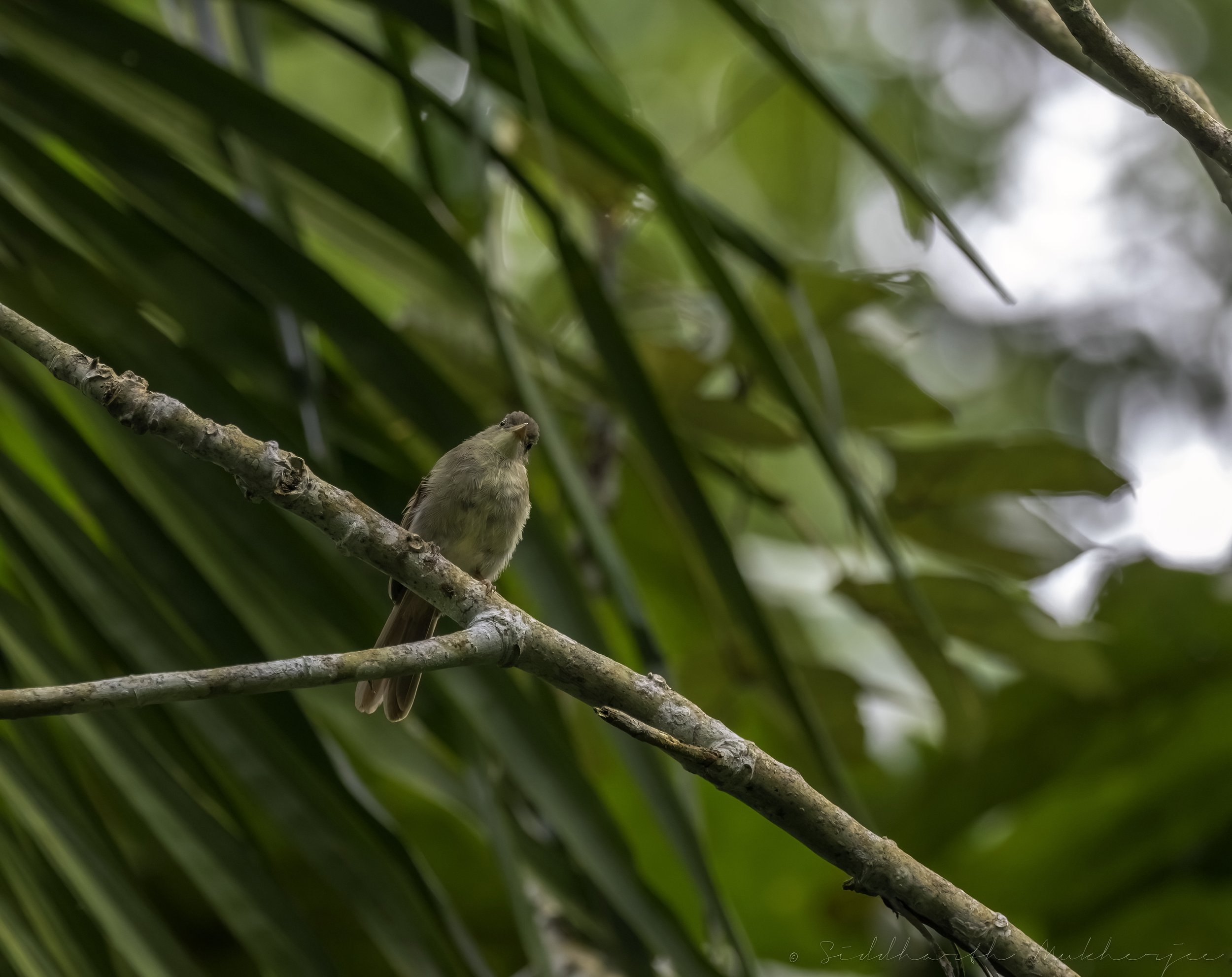
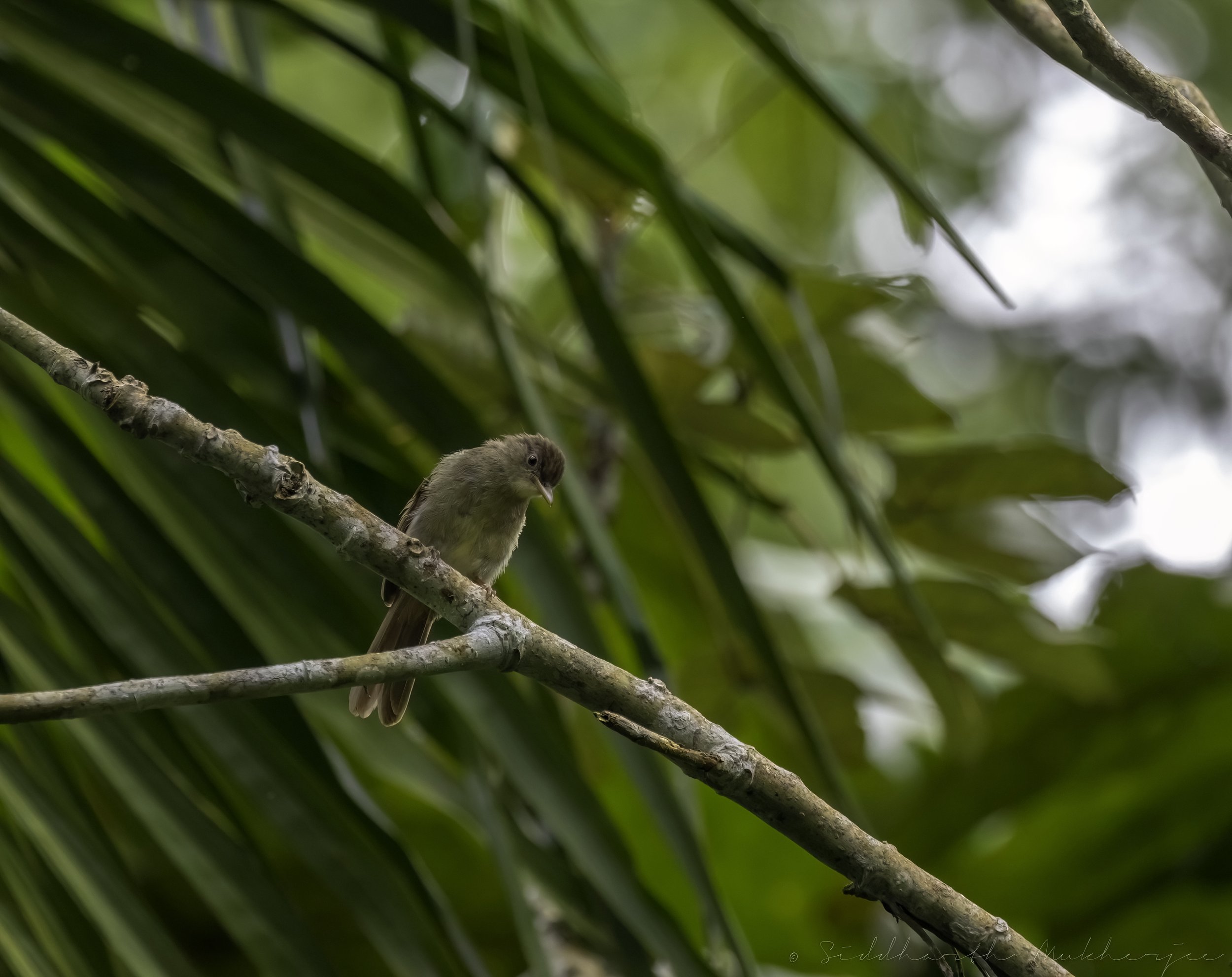
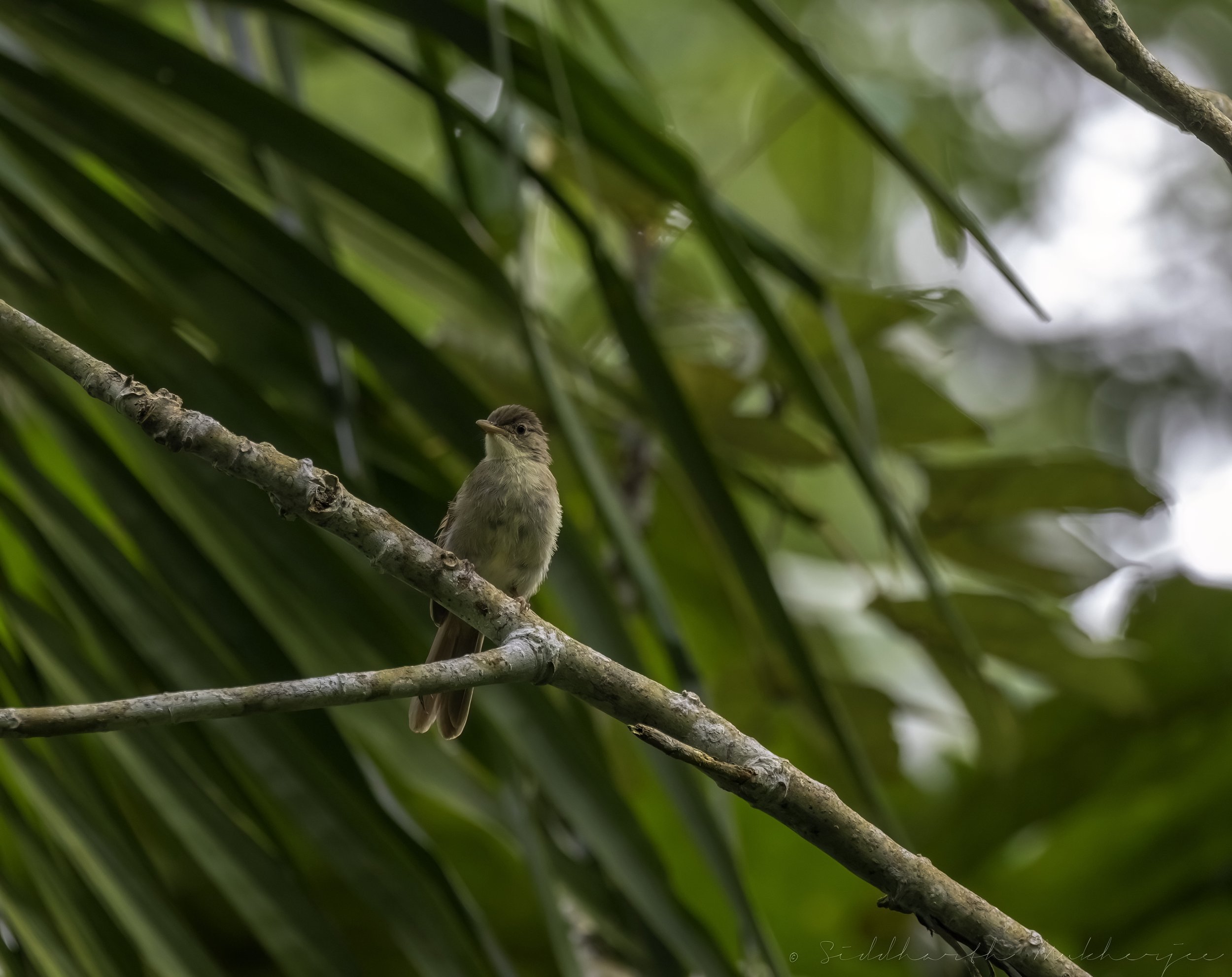
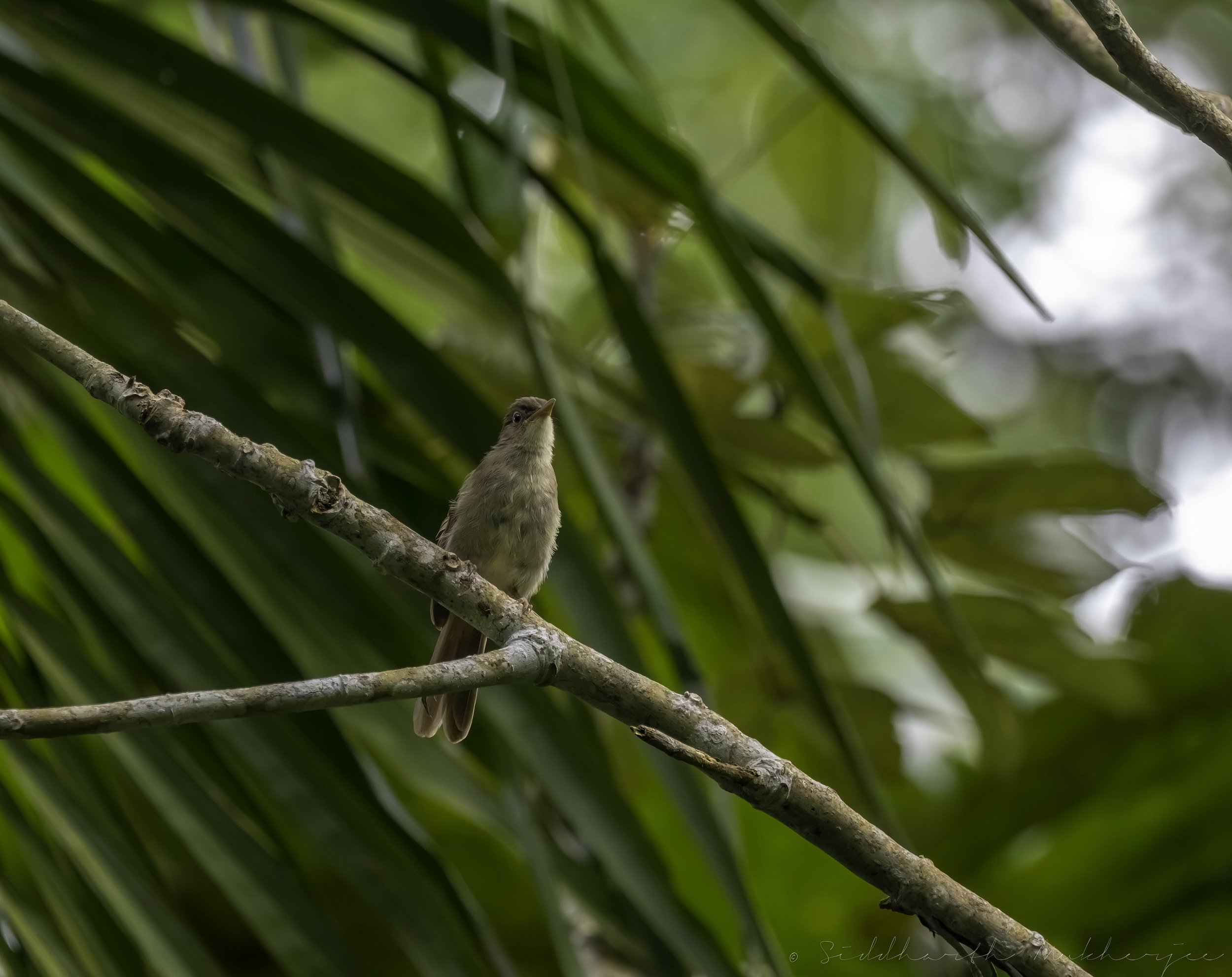
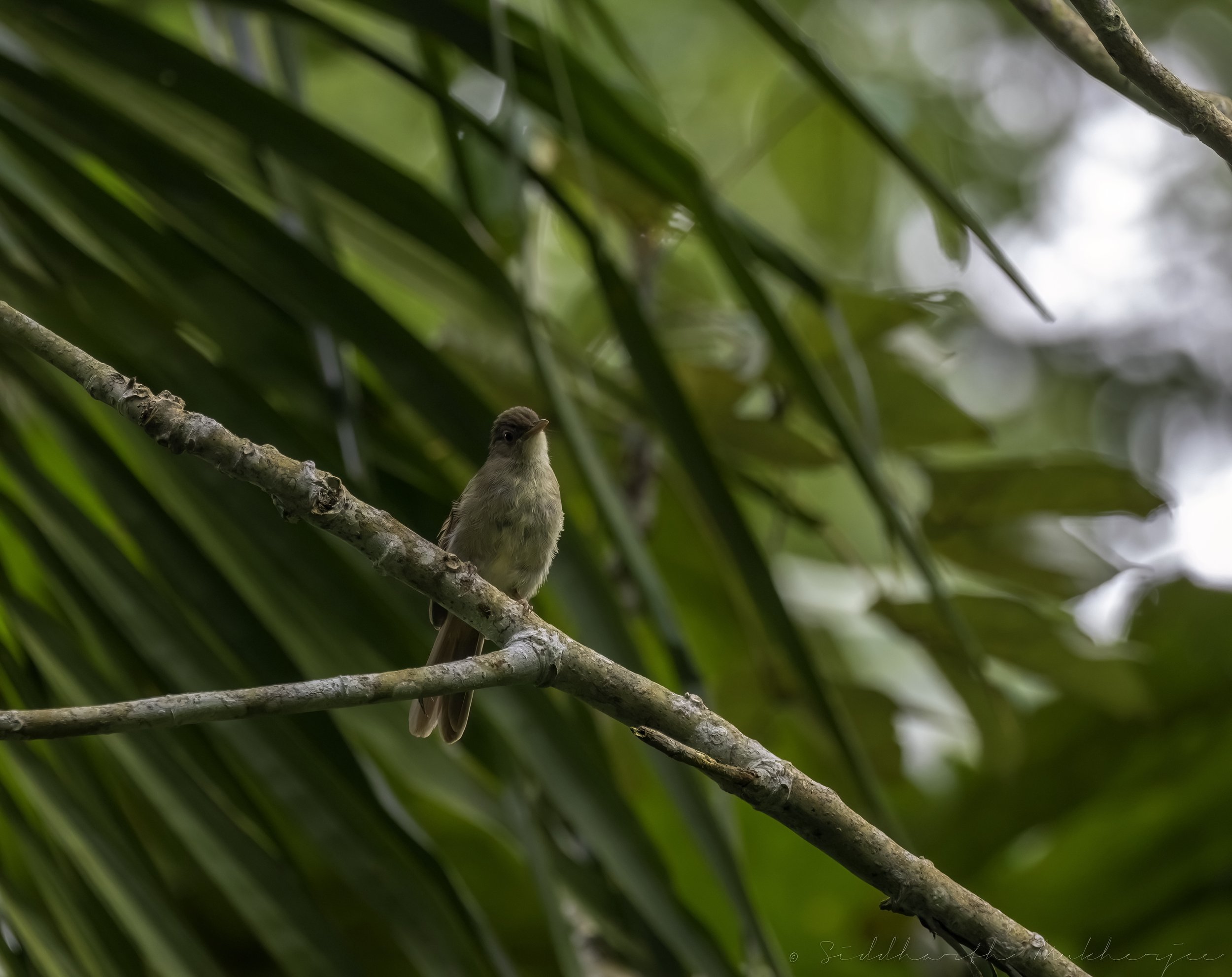
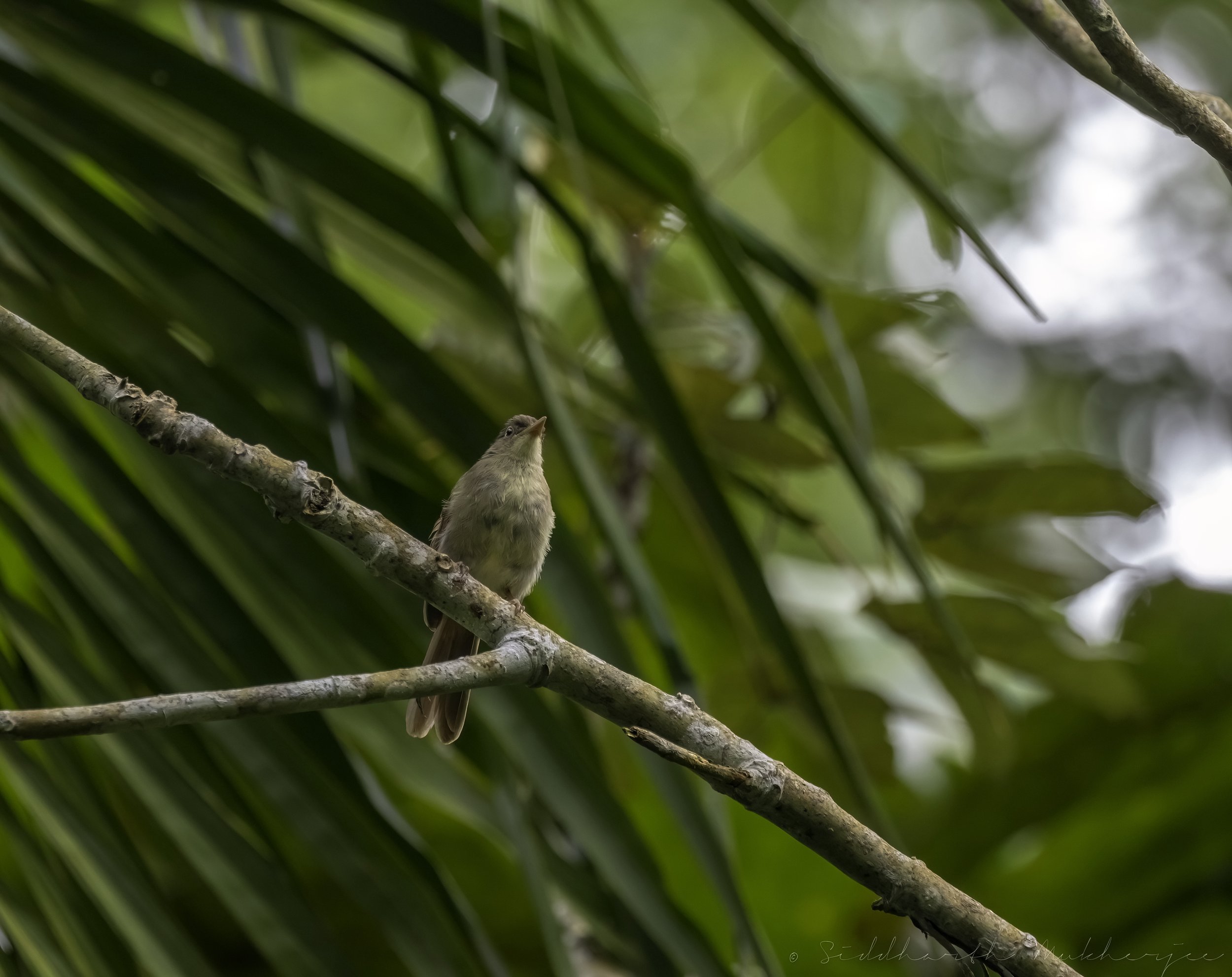
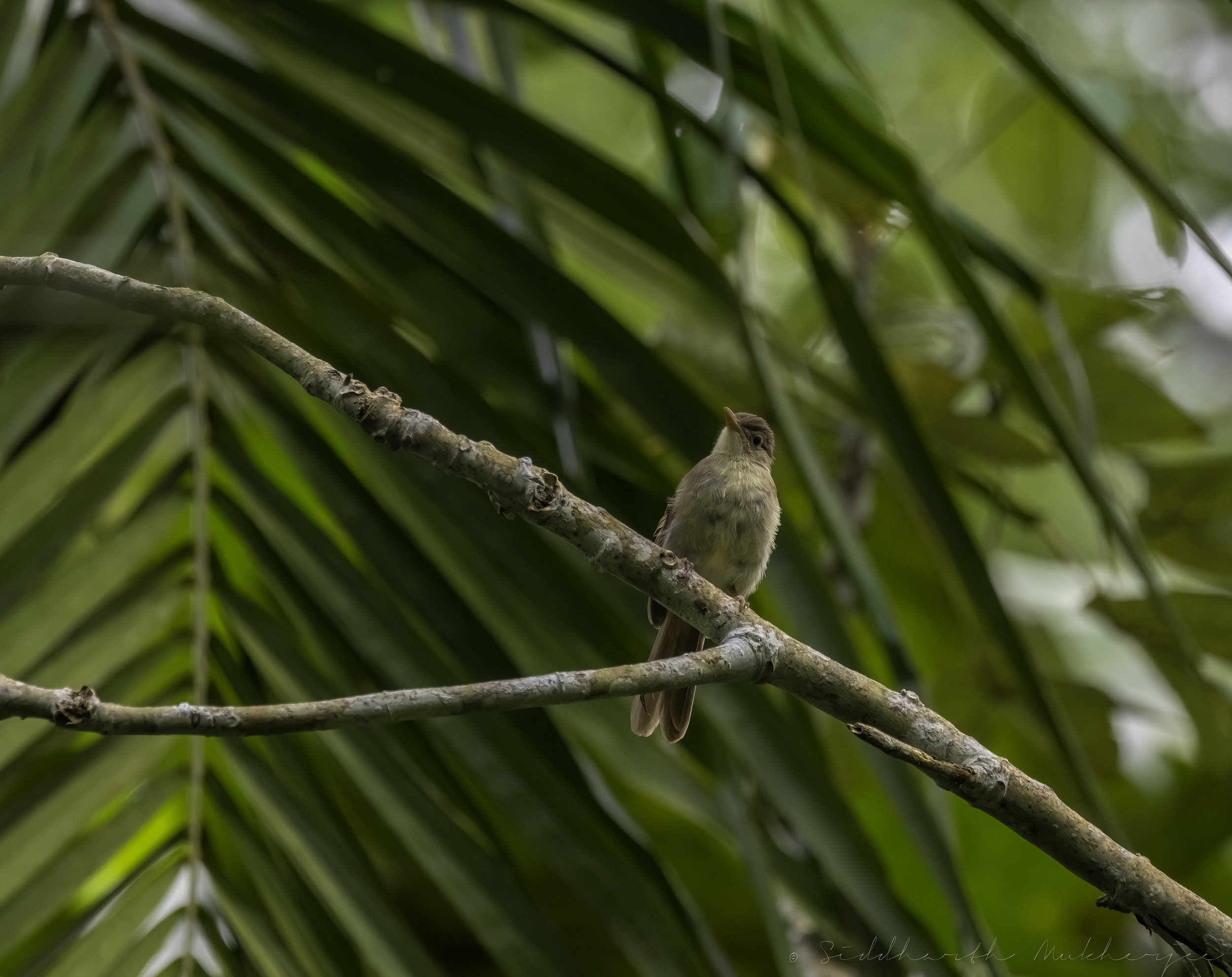
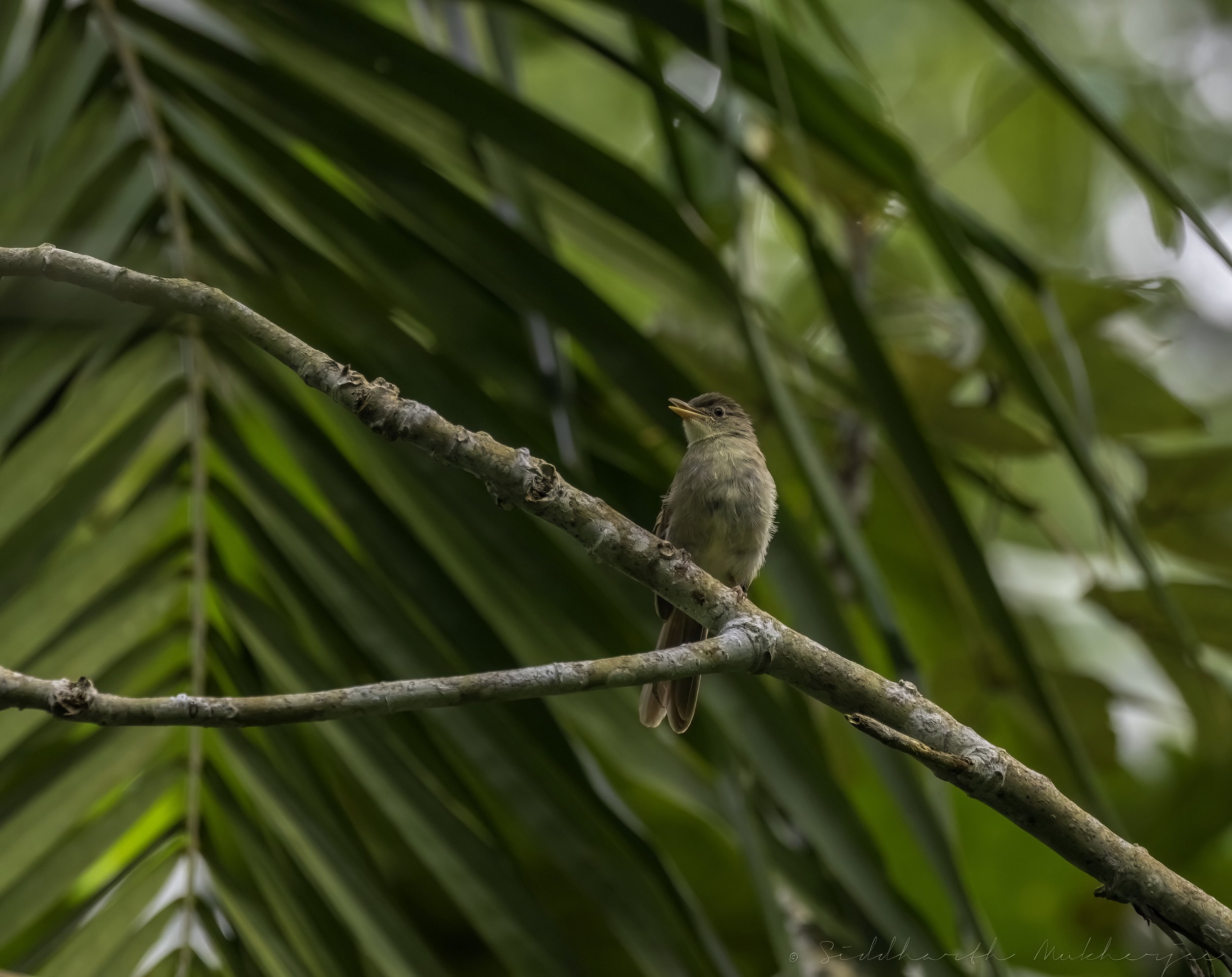
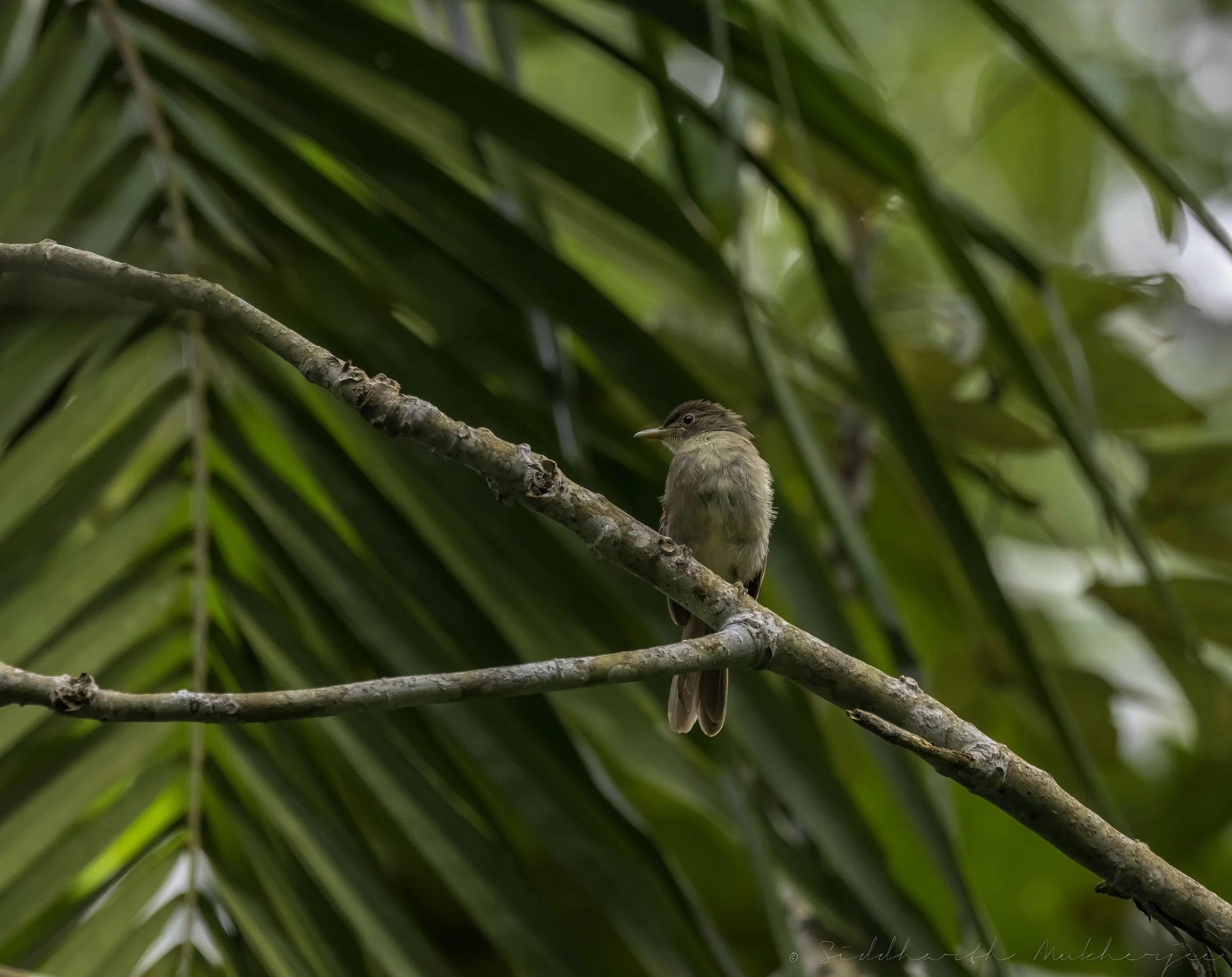
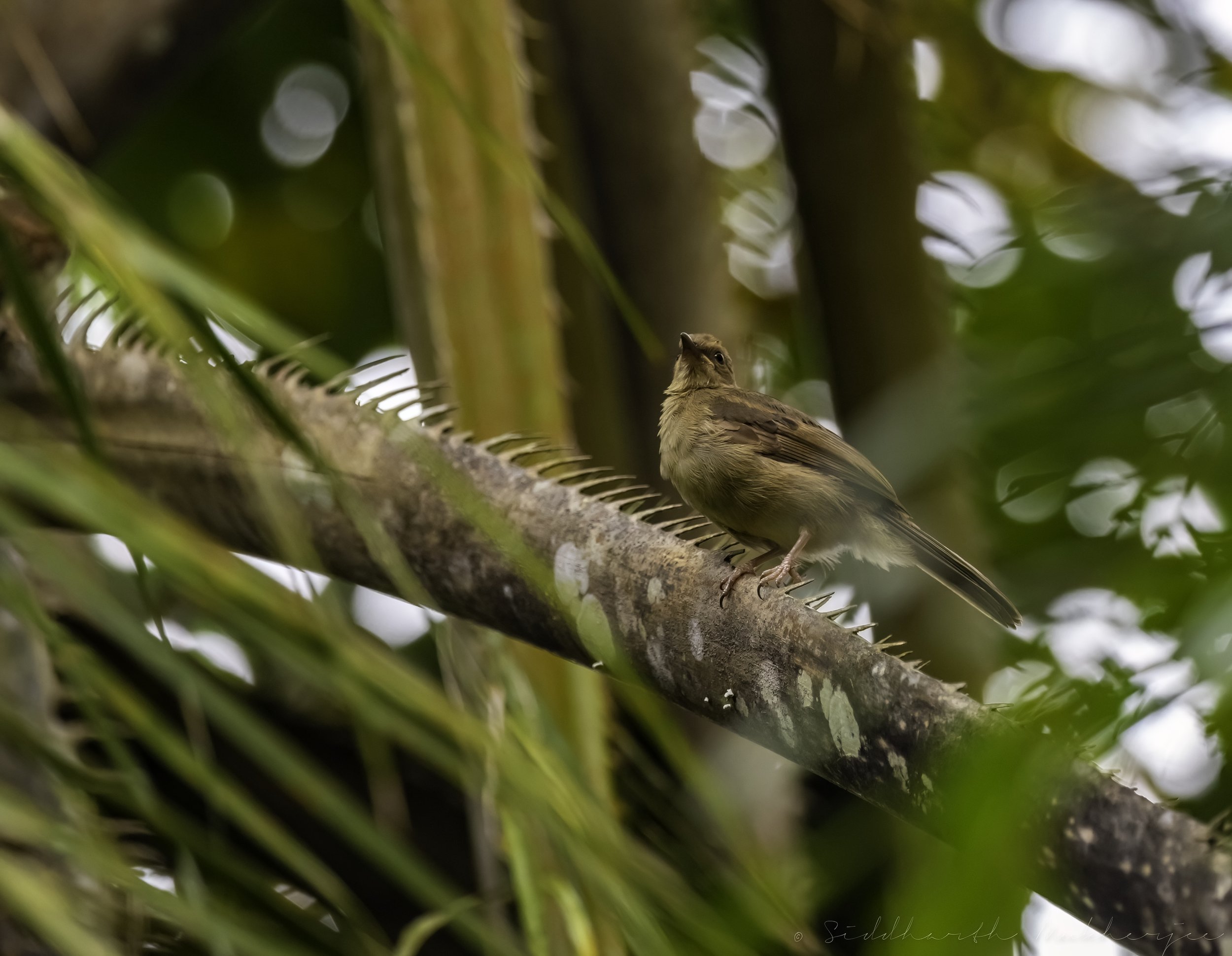
At first glance, the Brown Fulvetta is an exercise in stylistic restraint. It possesses an unassuming, plain appearance devoid of flashy masks, eye-rings, or vibrant wing bars. However, a closer look through a high-magnification lens reveals an elegant, finely tuned anatomy perfectly adapted to life within the dense tropical understory. The bird is notably petite, typically measuring between 14.5 to 15 centimetres in total length from the tip of its bill to the end of its tail. It exhibits a compact, aerodynamic physique with an average weight ranging from 14.5 to 16 grams. Its wings are short and noticeably rounded, a classic evolutionary adaptation for a non-migratory, sedentary lifestyle. These short wings grant the bird incredible agility, allowing it to dart seamlessly through hyper-dense tangles of rattans, vines, and ginger stalks where a longer-winged bird would flounder. The tail is moderately long and squared, providing crucial stability as it maneuvers through uneven foliage.
Its coloration is a masterclass in forest camouflage. Both sexes are completely monomorphic, meaning males and females share an identical wardrobe. The crown, nape, and cheeks are washed in a nondescript, drab grey. This neutral grey head is a definitive marker, cleanly transitioning into the warm browns of the body without any harsh lines of demarcation. The back, mantle, and scapulars feature a soft, muted, brownish-grey tint. This shifts into a slightly warmer, darker mid-brown hue along the upper tail-coverts and primary flight feathers. The throat is a clean, pale whitish colour, which subtly blends into a soft, pale greyish-brown across the breast and flanks. The belly features a lighter, creamy or buff tone. The eyes are dark, soulful beads that absorb the ambient light of the dim understory. Its bill is short, straight, and horn-coloured, with the upper mandible slightly darker than the lower, and it features broad nostrils flanked by fine rictal bristles that aid in capturing fleeing insects. Its legs are a pale greyish-pink, strong and supple enough to grasp slick, moss-covered twigs at impossible angles.
To truly understand the Brown Fulvetta of Gunung Bekok, one must clear up a common source of confusion in Asian ornithology: its relationship with its regional namesakes. The true Brown Fulvetta (Alcippe brunneicauda) belongs strictly to the Sundaic region of Southeast Asia. It does not naturally occur in India or the broader South Asian landmass.
| Feature | Brown Fulvetta (Alcippe brunneicauda) | Brown-cheeked Fulvetta (Alcippe poioicephala) | Brown-throated Fulvetta (Fulvetta ludlowi) |
|---|---|---|---|
| Geographic Range | Sundaic SE Asia (Malaysia, Sumatra, Borneo, S. Thailand) | India, Bangladesh, Mainland SE Asia (Myanmar, Thailand) | Eastern Himalayas (NE India, Bhutan, Tibet, N. Myanmar) |
| Elevation Habitats | Lowlands to Foothills (0-1200 Metres) | Lowlands, Moist Deciduous Hills, Scrub Jungles | High-altitude Montane/ Alpine (2125-4000 metres) |
| Primary Plumage Distinctive Marks | Uniform grey head, drab mid-brown uperparts plain | Grey crown, dark cheeks, warm buff underparts, dark short bill | Dark brown body, prominent throat streaking, rufous-chestnut rump |
| Taxonomic Family | Alcippeidae/ Leiothrichidae | Alcippeidae/ Leiothrichidae | Paradoxornithidae (Sylviid group) |
The South Asian Namesakes
When birdwatchers speak of "fulvettas" in India, they are referencing entirely distinct evolutionary branches:
The Brown-cheeked Fulvetta (Alcippe poioicephala): Widely distributed across peninsular India, the Western Ghats, and parts of mainland Southeast Asia, this bird is slightly larger (15 cm). It differs from the true Brown Fulvetta by displaying a much warmer, orange-buff tone across its entire underbelly and possessing dark, prominent cheeks that contrast sharply against a grey crown.
The Brown-throated Fulvetta (Fulvetta ludlowi): Found in the high-altitude rhododendron and bamboo forests of Northeast India (Arunachal Pradesh) and Bhutan, this species is structurally different. It features heavy, dramatic throat streaking, a rich chestnut-colored rump, and belongs to a completely separate genus (Fulvetta) closely tied to the parrotbills.
Within the true Sundaic population of Alcippe brunneicauda, scientists recognize two distinct subspecies that show how geography shapes evolution across island chains:
Alcippe brunneicauda brunneicauda: The nominate subspecies found here on the Malay Peninsula, extending into Sumatra, the Batu Islands, and southern Thailand. It is characterized by its slightly more muted, drab tones.
Alcippe brunneicauda eriphaea: Endemic to the grand island of Borneo and the northern Natuna Islands. This insular variant often exhibits a subtle, richer olive-brown cast to its mantle, a result of millions of years of isolation across the South China Sea.
The Sungai Bantang Recreational Forest is a textbook playground for Alcippe brunneicauda. The species is a classic terrestrial resident of primary and older, mature secondary evergreen broadleaved forests. It shows a strong preference for the lower to middle storeys of the forest canopy, spending its life between the leaf-littered floor and about ten metres up into the understory vegetation. The altitudinal range of the Brown Fulvetta is primarily focused within the lowlands and lower foothills, generally spanning from sea level up to 1,000 to 1,200 metres. On the slopes of Gunung Bekok, which rises to 953 metres, the bird finds its perfect ecological sweet spot. It thrives in the moist environments near permanent rivers, rushing forest streams, and humid interior ravines.
While it rules the foothill understory, it participates in a fascinating spatial dance with other altitudinal specialists. As one climbs higher up the trails of Gunung Bekok towards the true montane zone, the Brown Fulvetta begins to phase out, yielding its territory to mountain-loving species like the Mountain Fulvetta (Alcippe peracensis). This precise stratification ensures that resources are efficiently split, preventing direct competition for food in the forest.
Observing a pair of Brown Fulvettas in Sungai Bantang reveals a complex array of behavioral traits. They are highly social, yet evasive, landbirds. While they occasionally travel in pairs during the peak breeding season between April and July, they are most frequently encountered as integral members of mixed-species foraging flocks.
Within these mixed flocks, the Brown Fulvetta acts as a core sentinel. They move restlessly through the foliage, gleaning small invertebrates—such as beetles, caterpillars, tiny grasshoppers, and spiders—directly from the undersides of leaves and rough bark. Their foraging style is remarkably acrobatic and often described as tit-like. They will fearlessly dangle upside down from the tips of hanging vines or perform short, hovering sallies to snatch insects startled by larger birds moving through the upper canopy. To supplement their protein-heavy diet, they also consume small, fleshy red forest berries and occasionally sip nectar from low-blooming wild gingers.
Because the understory of Sungai Bantang is visually dark and choked with dense growth, visual communication is limited. To keep the flock together, the Brown Fulvetta relies on a beautiful vocal repertoire. Its song is a distinctive, high, thin, and chime-like whistle, musically transcribed as “tu-dee-tu-dee-tu-dee”. It is a bright, rhythmic sequence that pierces the heavy humidity of the morning. When a predator—such as a raptor or a gliding tree snake—is spotted, this chime instantly shifts into a dry, rattling chatter that serves as a universal alarm call, warning every bird in the immediate area to take cover.
Despite its current presence on the slopes of Gunung Bekok, the long-term outlook for the Brown Fulvetta is shadowed by global conservation concerns. The species is officially classified as Near Threatened (NT) on the IUCN Red List. Its global population is experiencing a steady, documented decline.
The Threat of Landscape Conversion
The core vulnerability of the Brown Fulvetta lies in its high dependency on intact forest ecosystems. The Greater Sundaic bioregion has faced some of the highest rates of forest clearance on earth, driven by intense commercial timber extraction and the systematic conversion of lowland valleys into vast monoculture agricultural plantations, primarily oil palm and rubber.
When a primary lowland forest is completely cleared, the local population of Brown Fulvettas vanishes entirely. Unlike some generalist species that adapt well to urban parks or open farmlands, this bird requires the microclimate of a true closed canopy. The loss of large trees disrupts the humidity levels of the understory, dries out the leaf litter, and eliminates the specific insect populations that the bird relies on for food.
Behavioral Adaptations to Fragmentation
In areas where total destruction is avoided but the forest is heavily logged or fragmented, researchers have observed clear, stressful shifts in the bird's natural behavior:
Edge Avoidance: The Brown Fulvetta shows a strong reluctance to cross wide, open gaps like paved roads, broad logging trails, or power-line clearings. This hesitance effectively traps small populations within isolated forest islands, leading to localized inbreeding and a restricted gene pool.
Flock Dissolution: In highly degraded secondary growth, the complex mixed-species foraging flocks often break down. Without the safety in numbers provided by these diverse flocks, the Brown Fulvetta is forced to spend more time hiding from predators and less time actively foraging, which significantly lowers its overall nesting success.
Altitudinal Retreat: As climate change accelerates and lower valleys dry out due to surrounding agricultural pressures, there is a subtle trend of populations shifting their territory further up the slopes of mountains like Gunung Bekok. They seek the cooler, more stable humid conditions of higher elevations, which forces them into direct resource competition with montane birds.
Back along the banks of the Sungai Bantang river, the morning sun finally breaks through the upper canopy, casting long, golden beams of light through the rising mist. Suddenly, a tiny form darts onto a low, moss-covered branch hanging over a patch of wild ferns and there it is: the Brown Fulvetta. The bird is far from plain. The gentle gradient from its smoky-grey head to its warm olive-brown back radiates a quiet, natural perfection. It pauses for a brief moment, tilts its head to scan for an insect, lets out a brief, chime-like “tu-dee”, and vanishes back into the safety of the green understory.
This fleeting moment serves as a powerful reminder of what conservation is truly about. Protected enclaves like the Sungai Bantang Recreational Forest are not just scenic spots for weekend hikers; they are vital arks. They are the essential lifelines keeping unique Sundaic species like the Brown Fulvetta alive, ensuring that the ancient rhythms of the Malaysian rainforest continue to play for generations to come.
‡‡‡‡‡
‡‡‡‡‡

Related Posts



The Eurylaimidae are a family of passerine birds that occur from the eastern Himalayas to Indonesia and the Philippines. These strikingly patterned broadbills of Asia are forest canopy birds, often revealed only by their throaty staccato calls. The Near Threatened Banded Broadbill (Eurylaimus javanicus) is a species in this family found in Brunei, Cambodia, Indonesia, Laos, Malaysia, Myanmar, Singapore, Thailand, & Vietnam. It is a large broadbill (21.5–23 cm), with purple, yellow and black plumage. It eats predominantly insects, including grasshoppers, crickets, katydids, various beetles, caterpillars and larvae.
Subscribe if you would like to continue reading the stories.
#wildartworks, #Eurylaimidae, #broadbill, #carnivorousbird, #insectivorous, #birdinginthewild, #birdphotography, #conservationphotography, #bandedbroadbill, #Malaysia, #SungaiCongkak, #HuluLangat, #WildBirds, #naturephotography, #your_best_birds, #planetbirds, #earthcapture, #bbcearth, #photo_pond, #earthpix, #naturyst, @bbcearth, @wild.planet, @wildlifeonearth, @earthpix, #best_birds_planet, @discovery, #natgeowild, #Malaysia, #CongkakHuluLangat, #Congkak, #lanchang