
Pied Triller
Lalage nigra nigra
Singapore
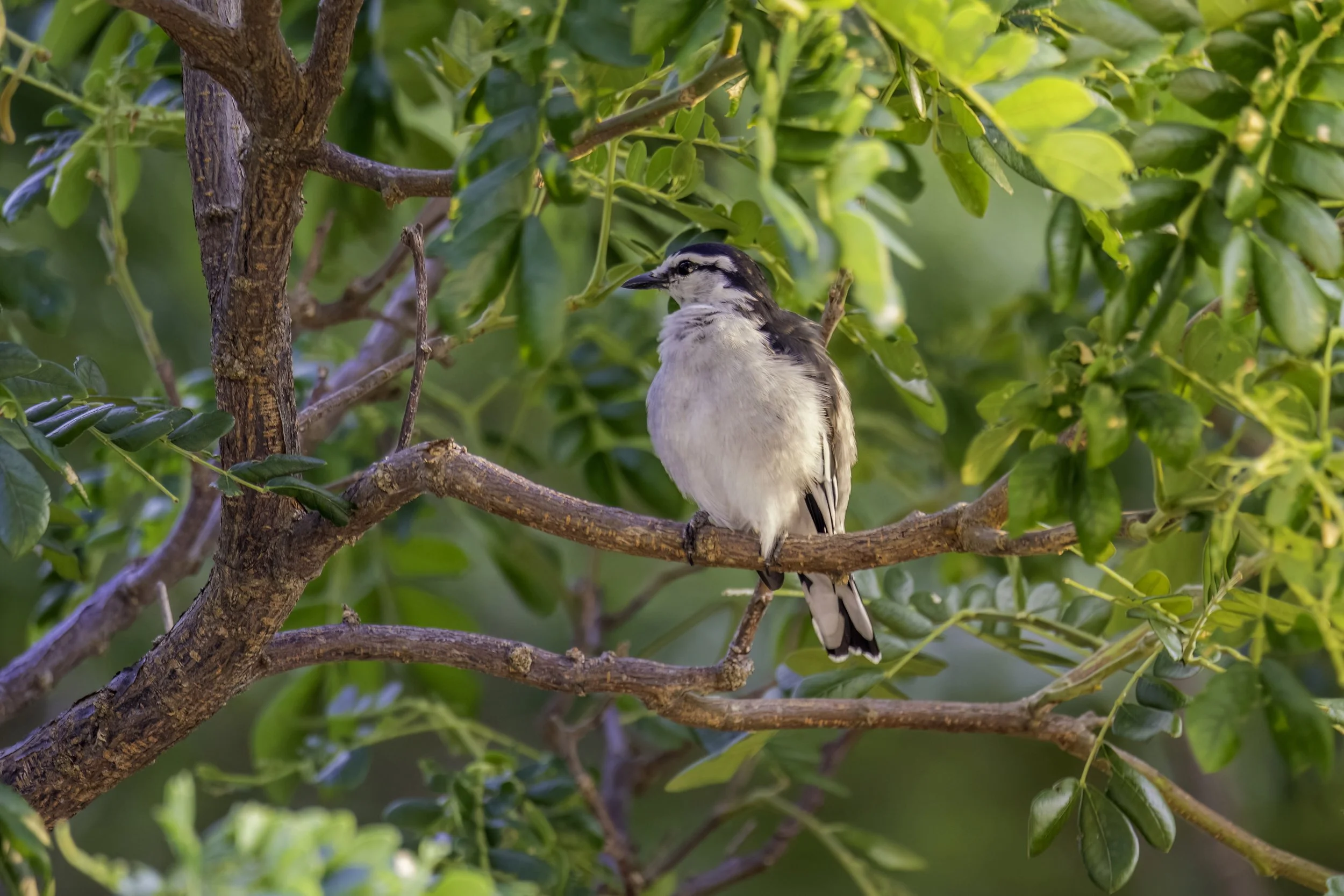
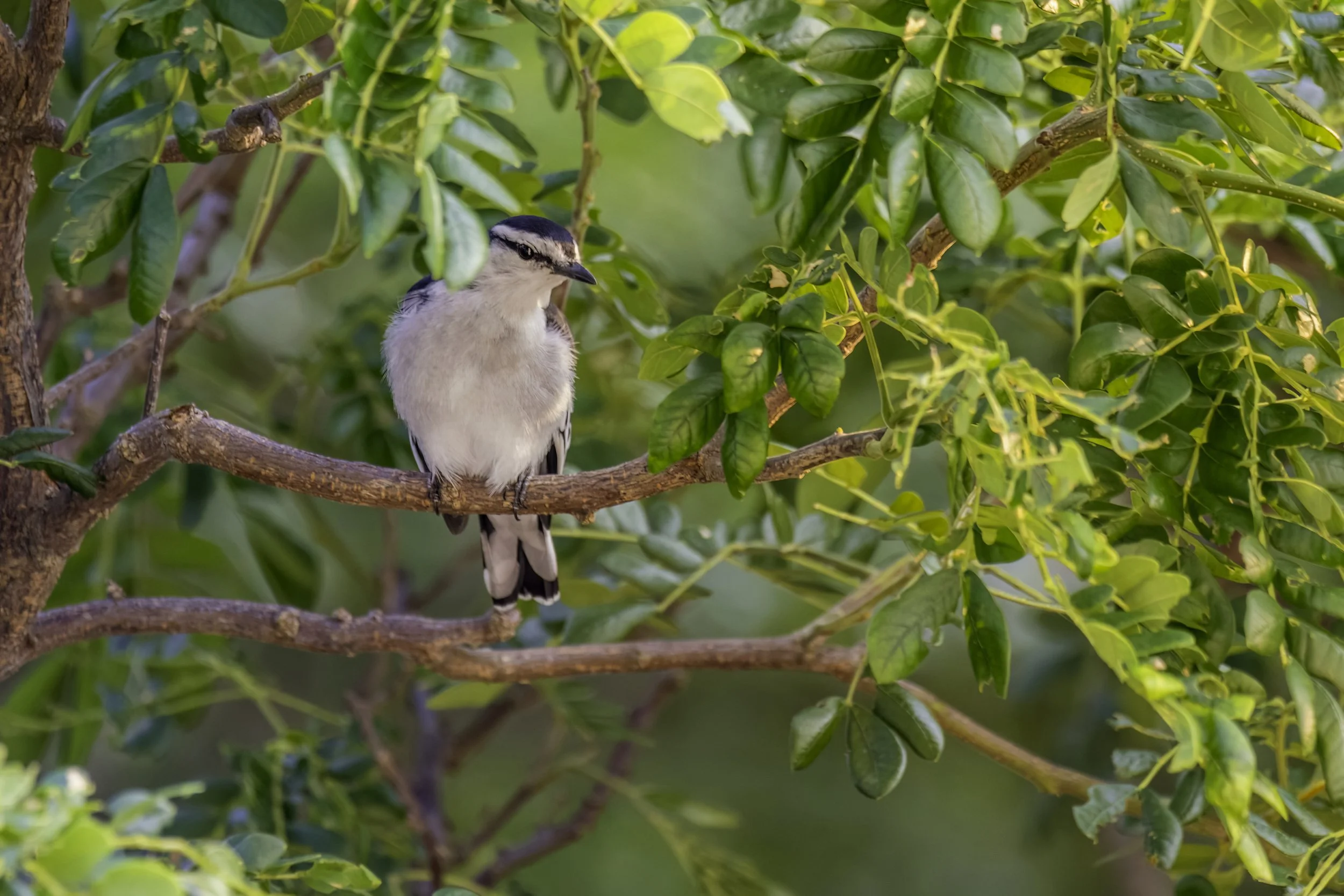
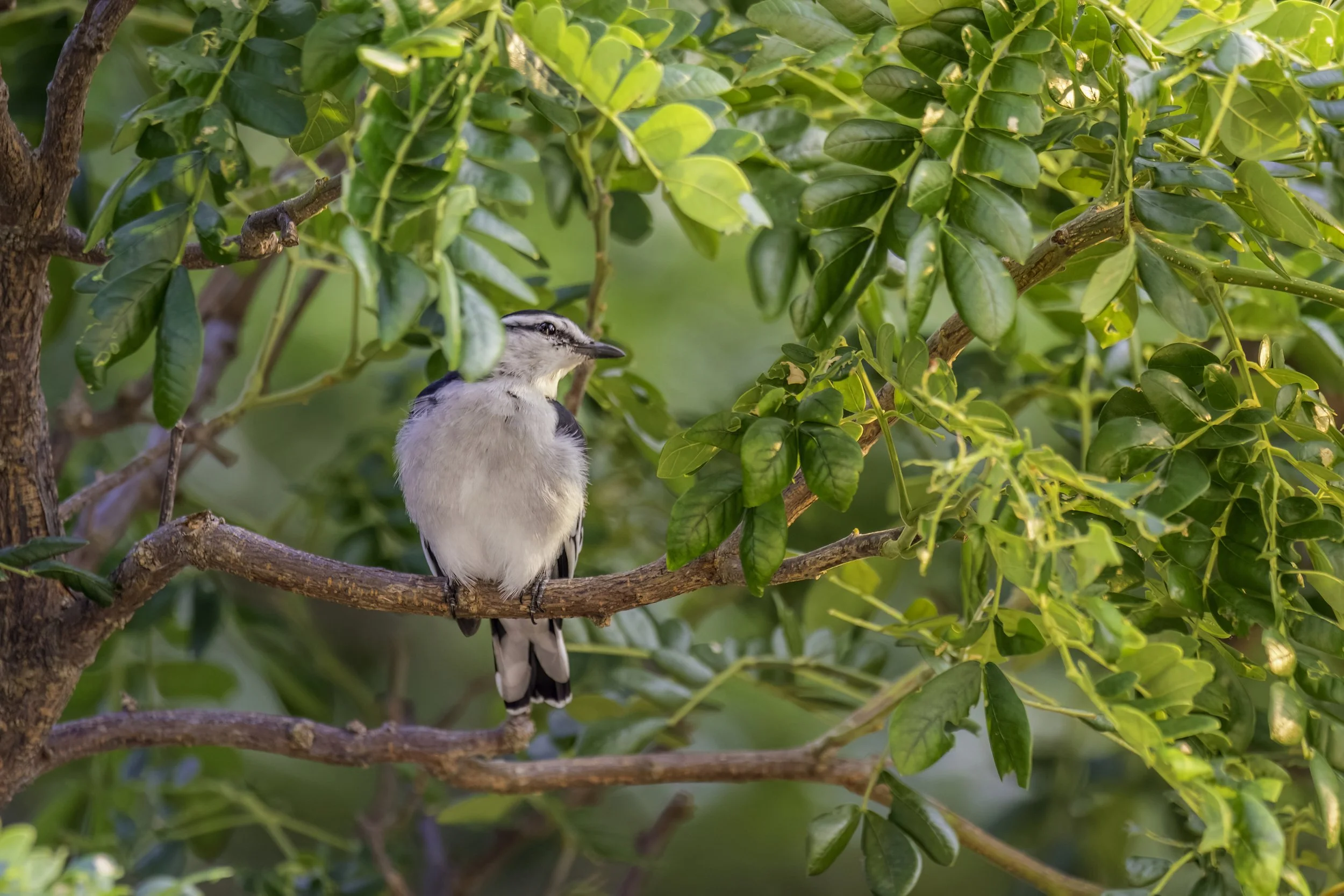
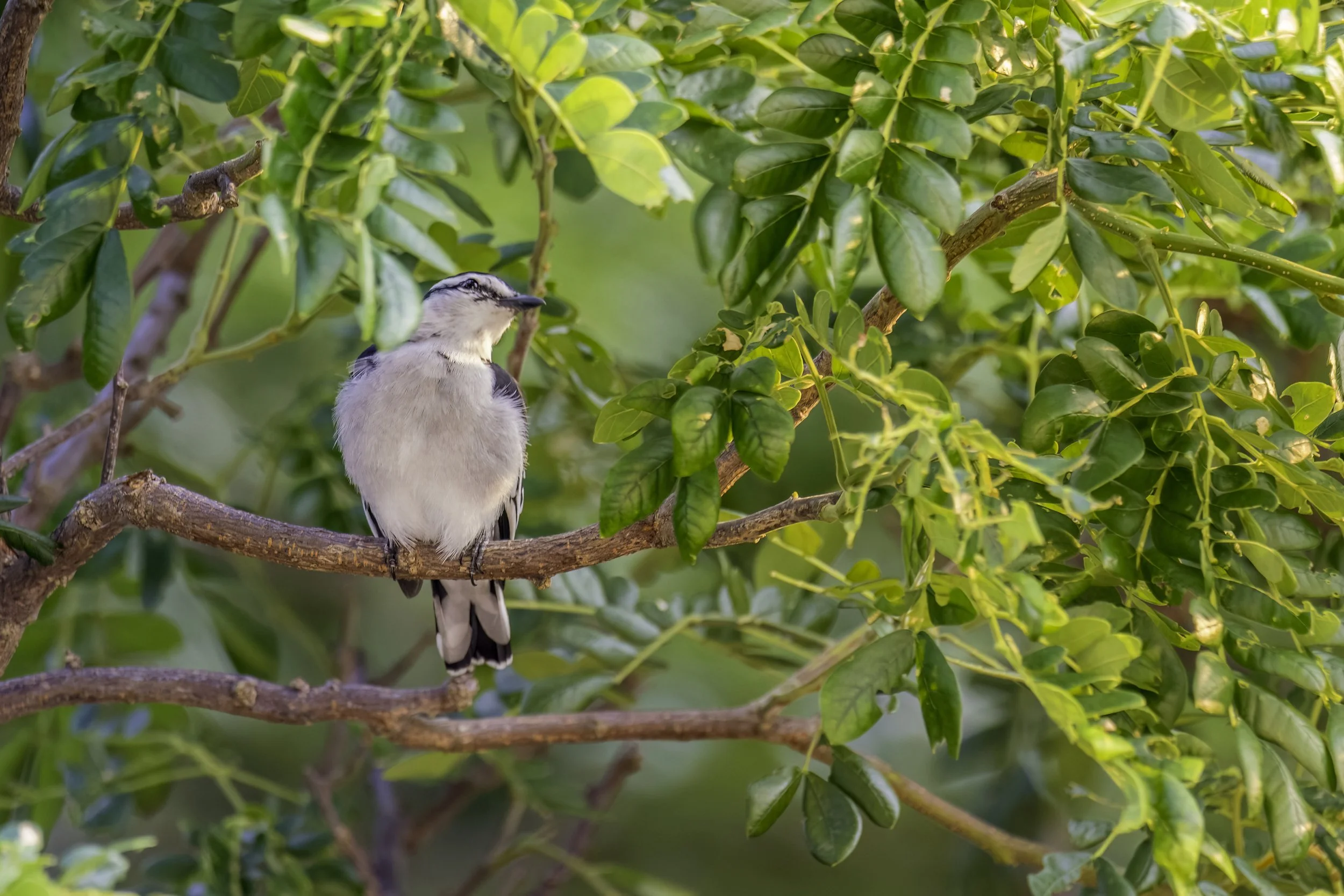
For a bird photographer in Singapore, the Pied Triller (Lalage nigra), a handsome bird which looks like a slender thrush, is a masterclass in subtlety. It doesn’t possess the iridescent flash of a sunbird or the raucous personality of a kingfisher. Instead, it offers a clean, architectural beauty—a study in grayscale that blends seamlessly into the dappled light of the island’s garden canopies. Finding one requires a "soft eye": looking not for color, but for a specific, rhythmic movement against the leaves.
Sungei Buloh Wetlands
The Sungei Buloh Wetlands are a wetland nature reserve in the northwest area of Singapore. It is the first wetlands reserve to be gazetted in Singapore (2002), and its global importance as a stop-over point for migratory birds was recognised by the inclusion of the reserve into the East Asian Australasian Shorebird Site Network. The reserve, with an area of 130 hectares, was listed as an ASEAN Heritage Park in 2003. It is one of those natural forests that play a big part in creating an ecological balance in the region.
The site only gained prominence in 1986 when a call was made to conserve the area by members of the Singapore Branch of the Malayan Nature Society. Particularly significant was its unusually high variety of bird species, which included migratory birds from as far as Siberia on their way to winter in Australia. Their suggestion was taken up by the government, and a site with an area of 0.87 km² was given nature park status in 1989. The Parks & Recreation Department, a precursor to today's National Parks Board, developed and managed the nature park with a team of experts. The most notable names from the team included the Wildfowl & Wetlands Trust from the United Kingdom and World Wide Fund for Nature. Sungei Buloh Wetland Reserve, then known as Sungei Buloh Nature Park, was officially opened on 6 December 1993 by then Prime Minister Goh Chok Tong.
Among the many birds that can be spotted feeding on the diverse fauna variety of worms and molluscs, are the Eurasian whimbrel, common greenshank, common redshank, Mongolian plover, curlew sandpiper, marsh sandpiper and the Pacific golden plover, the yellow and the cinnamon bitterns. There is a resident family of smooth otters as well as the rare lesser whistling-duck, and the rare milky stork. The reserve forms part of the Kranji-Mandai Important Bird Area (IBA), identified as such by BirdLife International because it supports Chinese egrets, greater spotted eagles and greater crested terns. Atlas moth, the largest species of moth in Southeast Asia can be found in the back mangrove.
Observation hides are available where visitors can observe the flora and fauna in the surroundings in tranquility and at a distance from the animals and birds. Saltwater crocodiles (Crocodylus porosus) are occasionally seen in the reserve, although it is not known whether or not these are individuals that had wandered over from Malaysia/ Indonesia or a remnant localised population. (This species was once common in Singapore but was said to be extinct.). It is one of the four nature reserves to be gazetted in Singapore.
Pied Triller
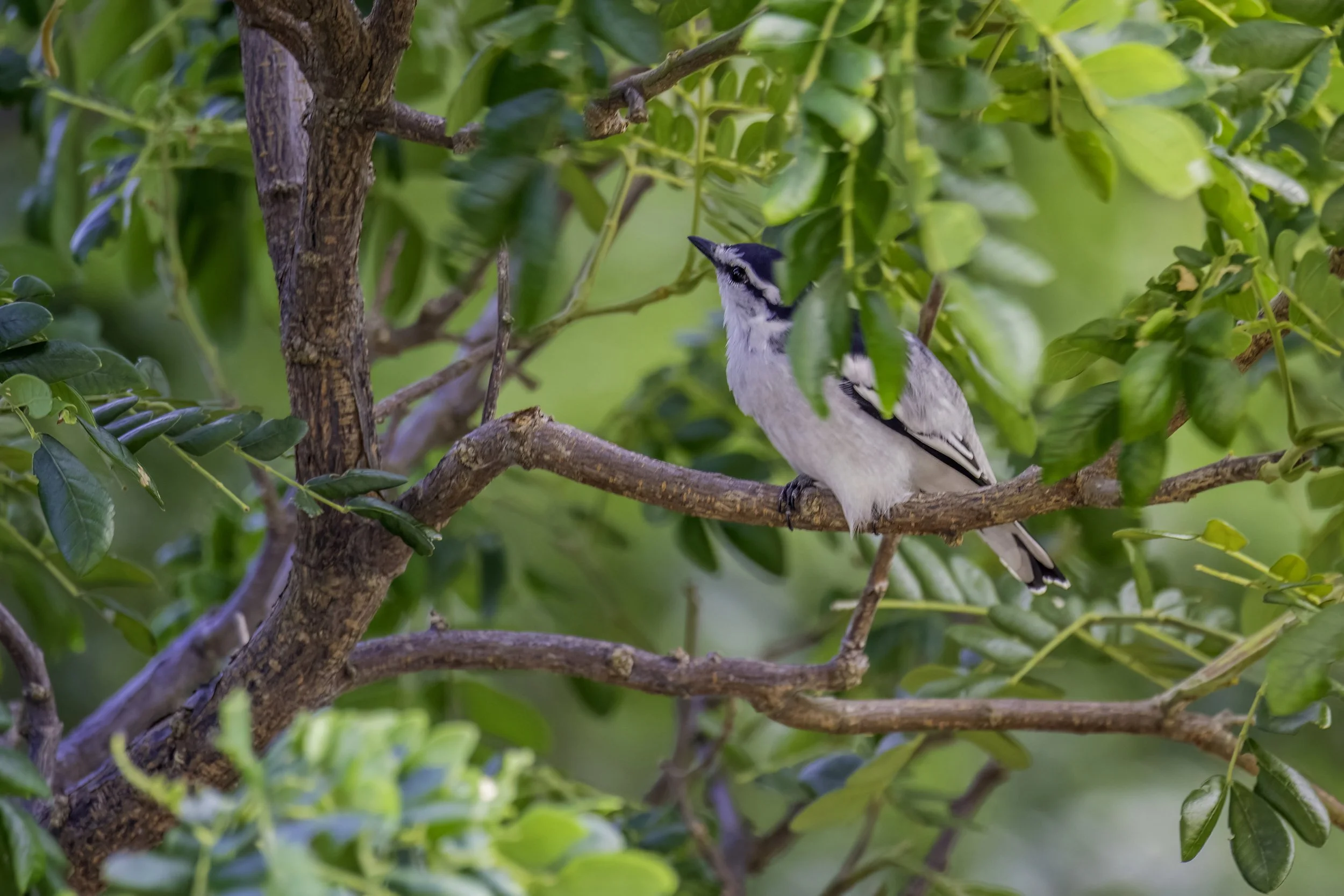
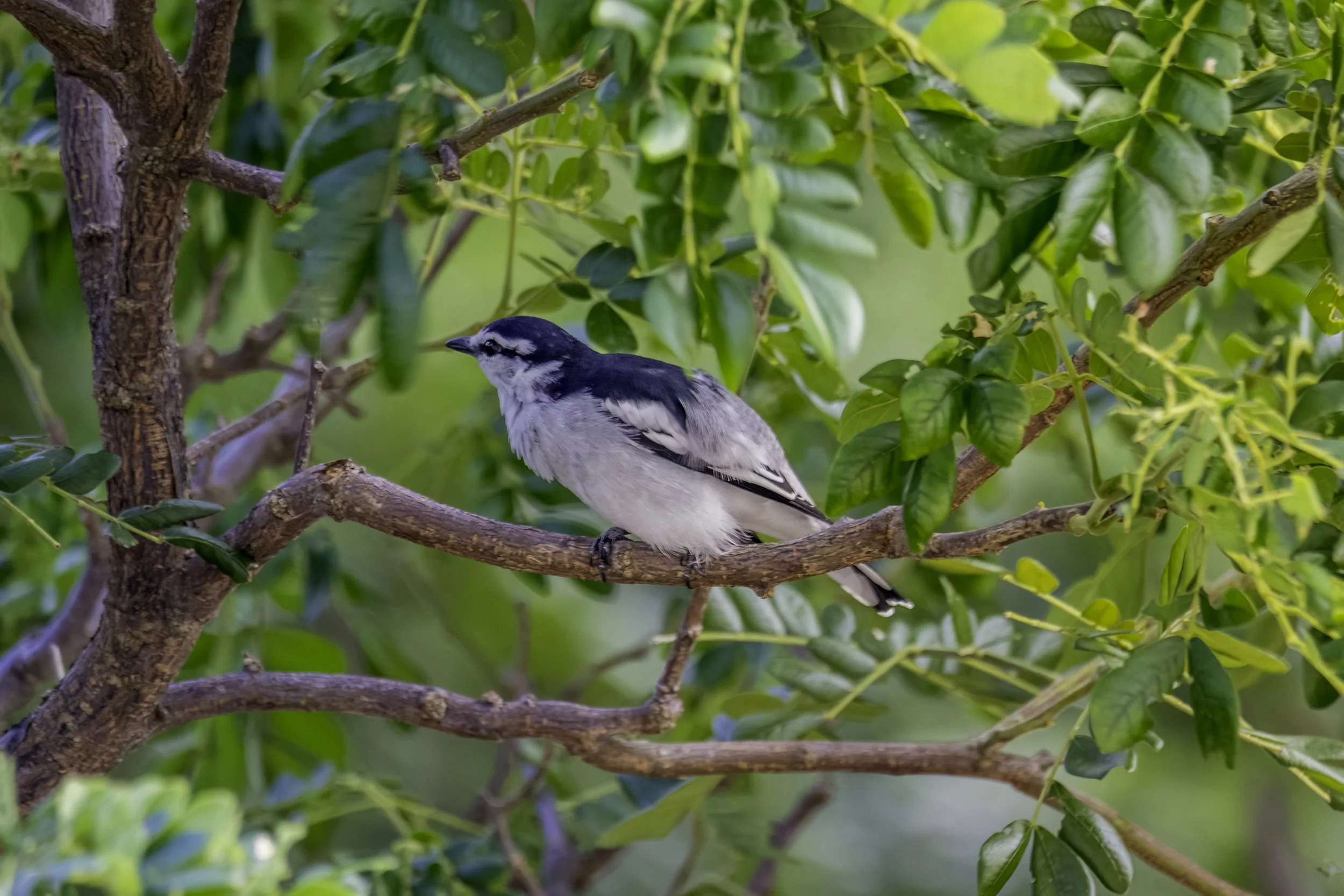
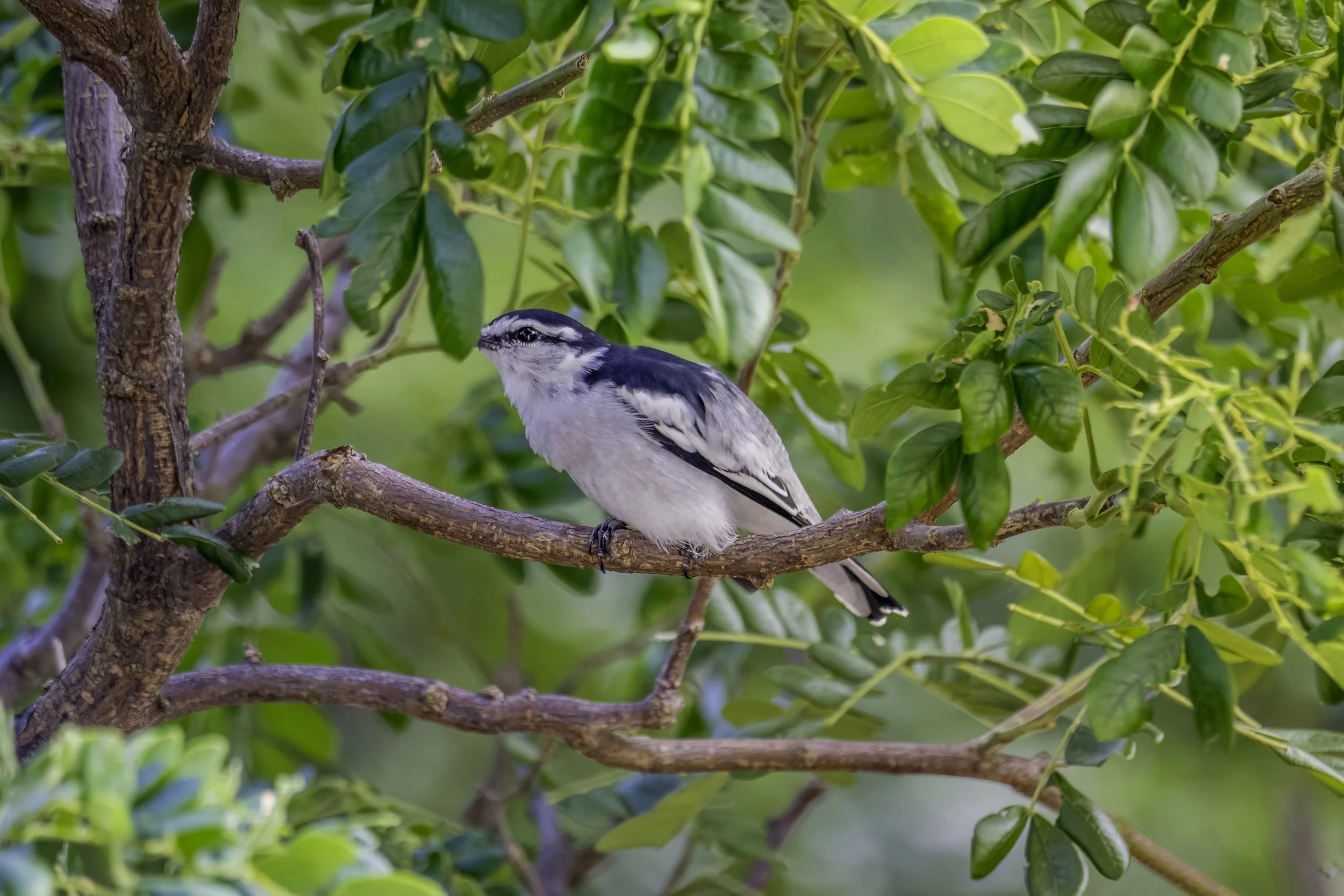
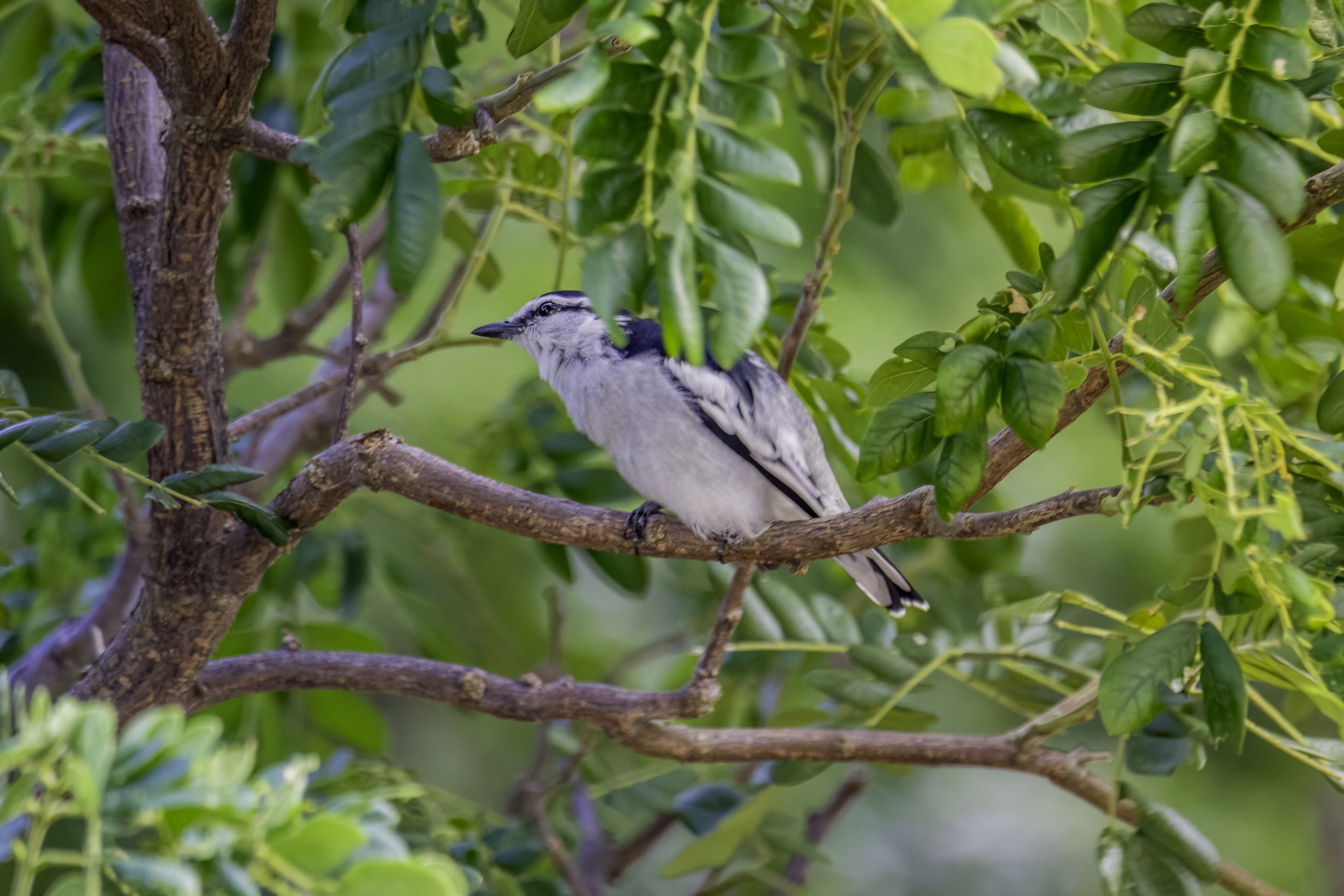
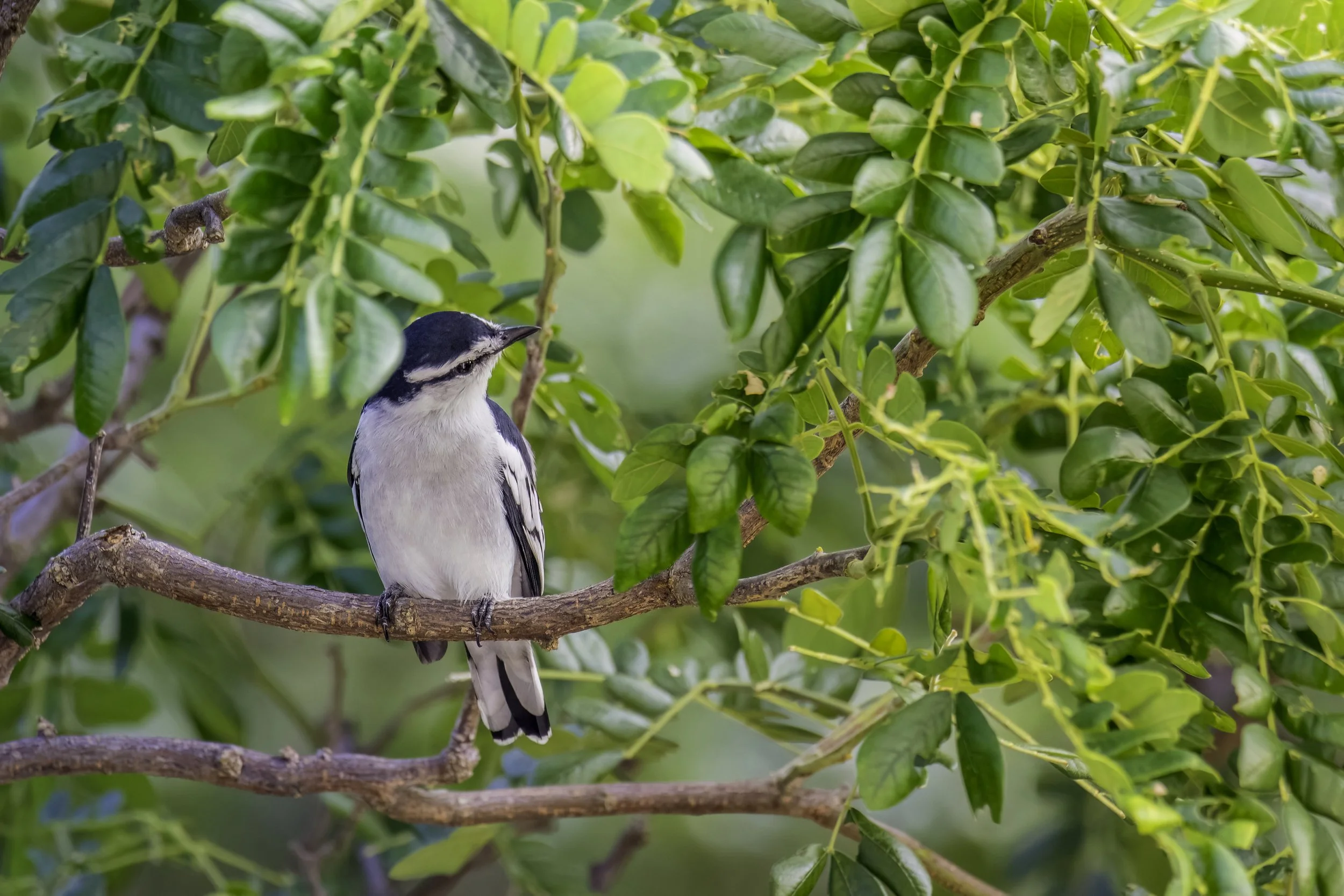
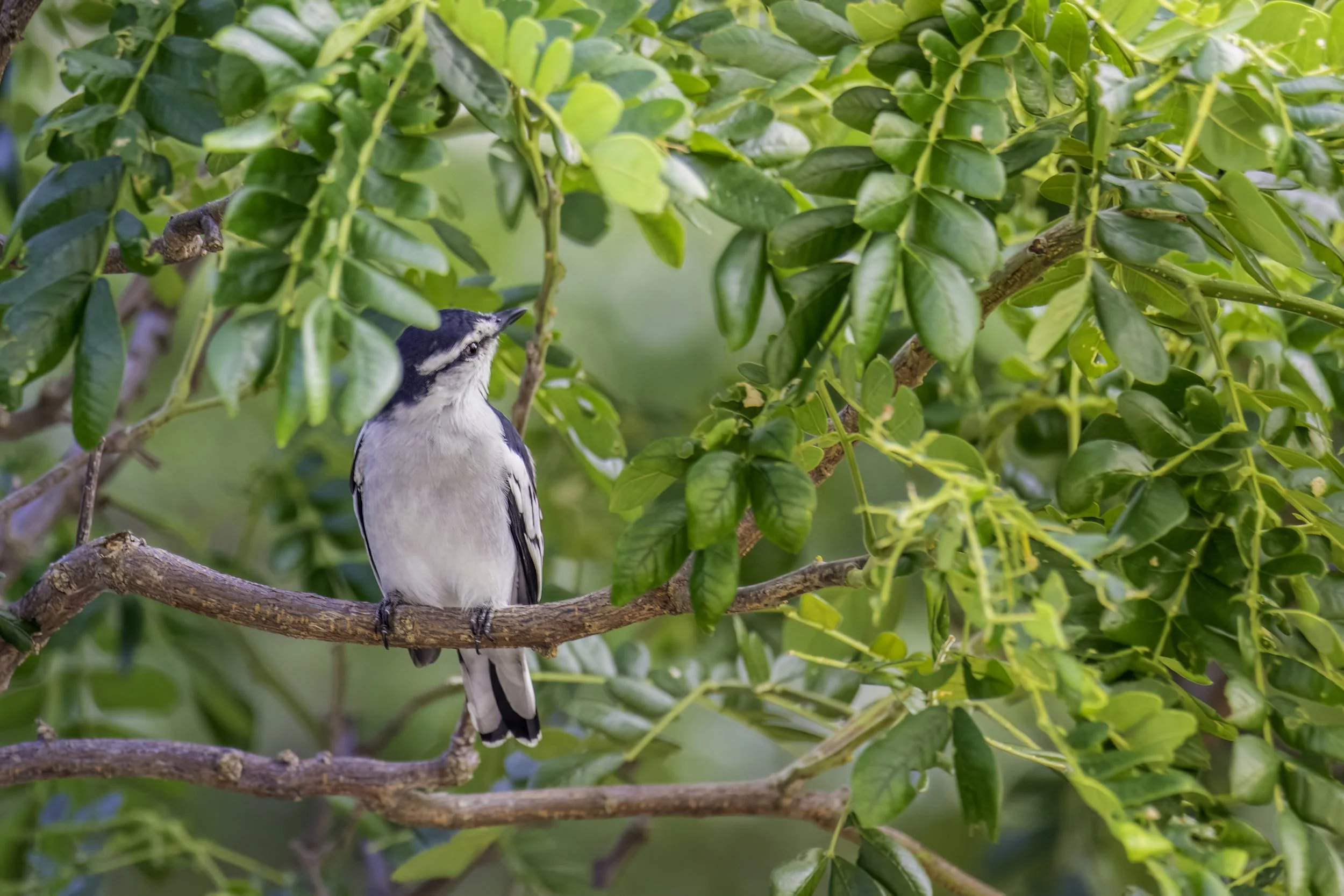
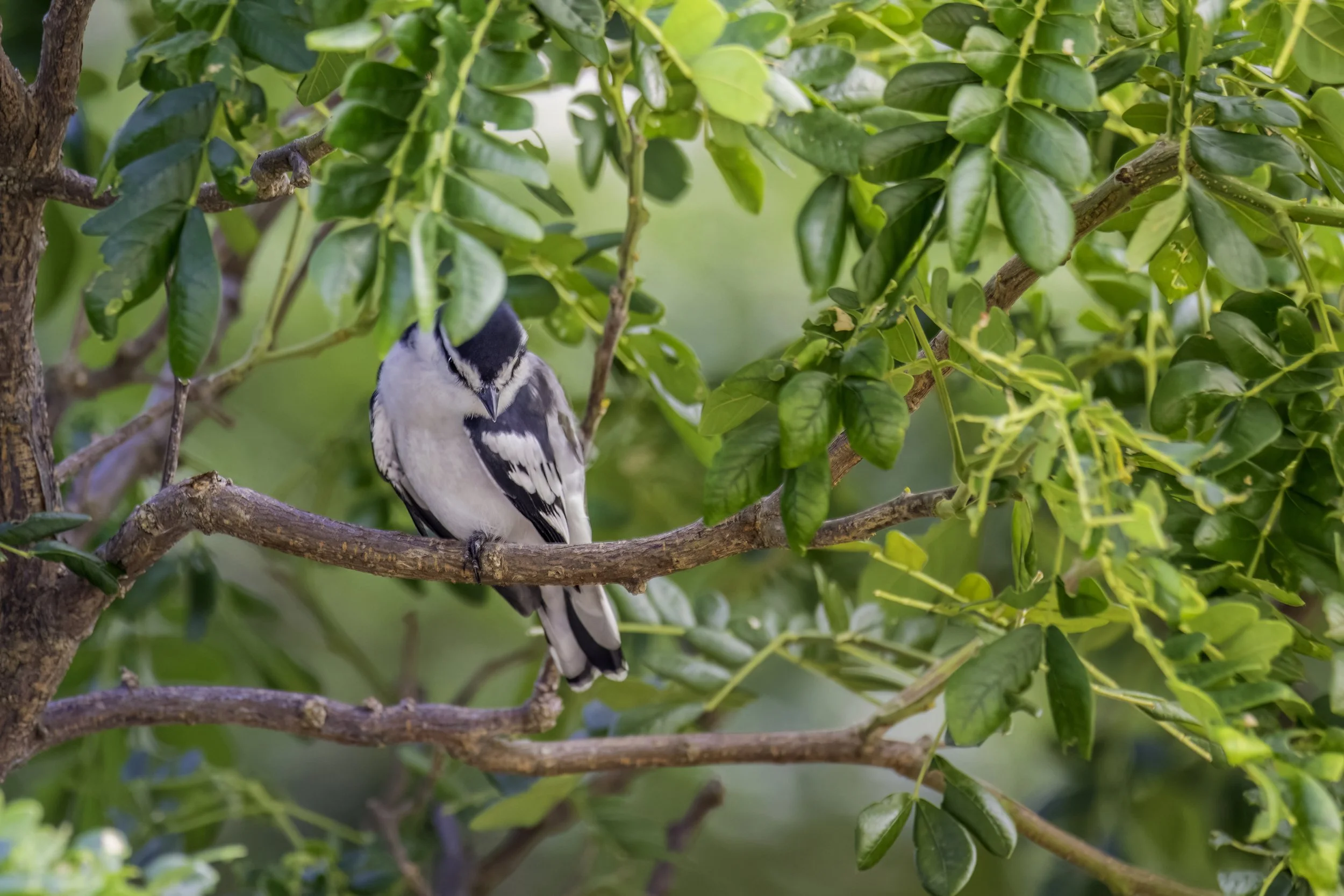
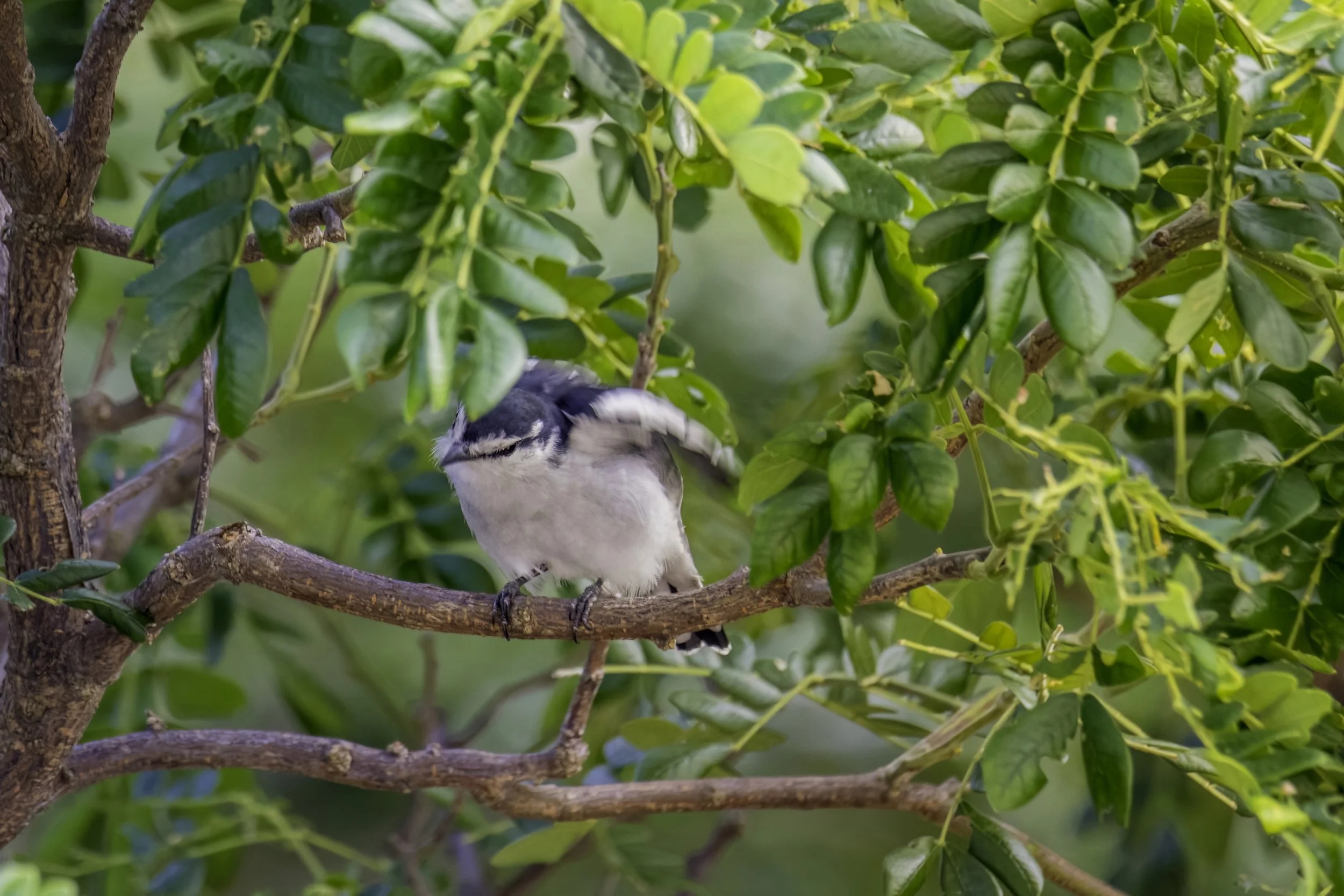
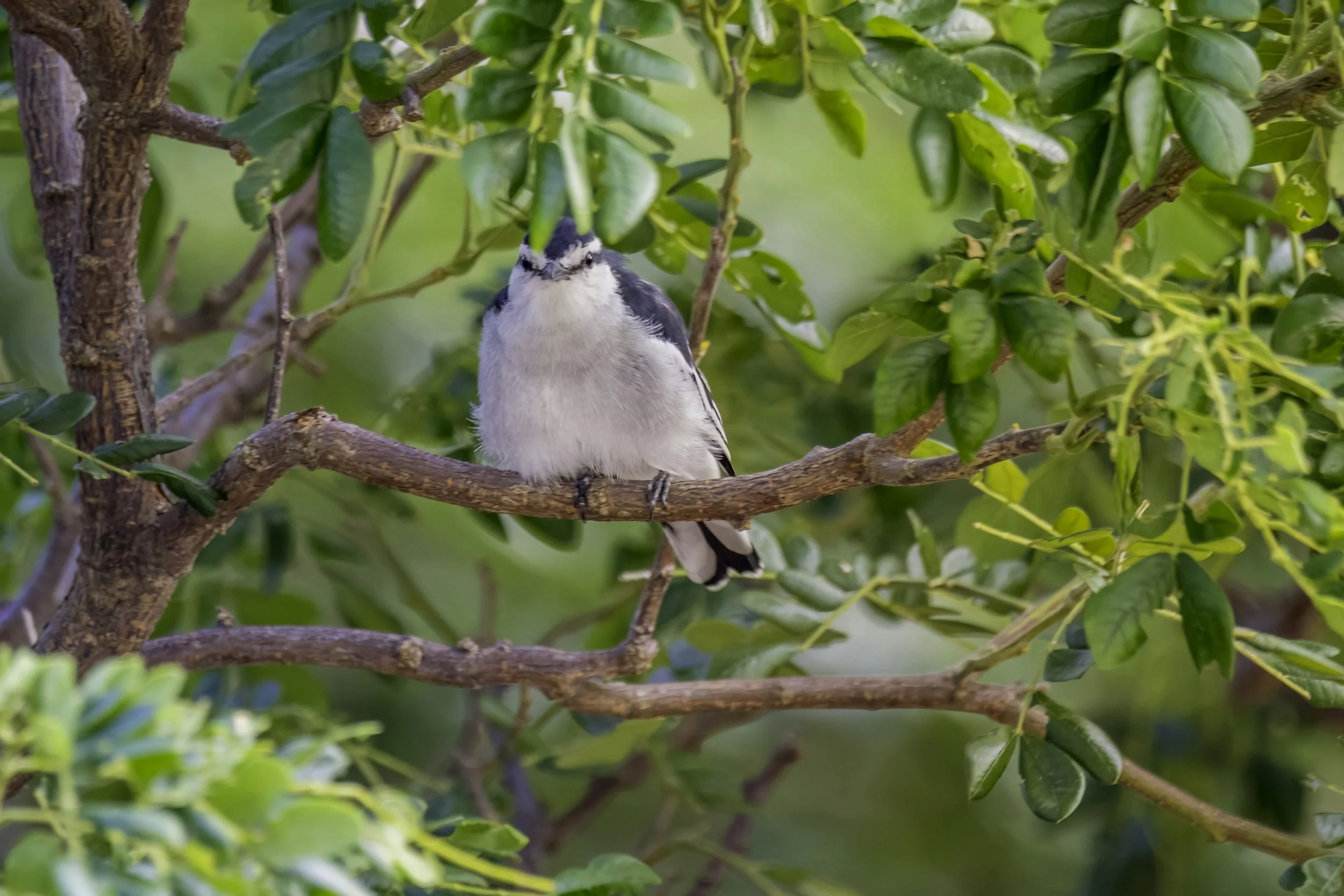
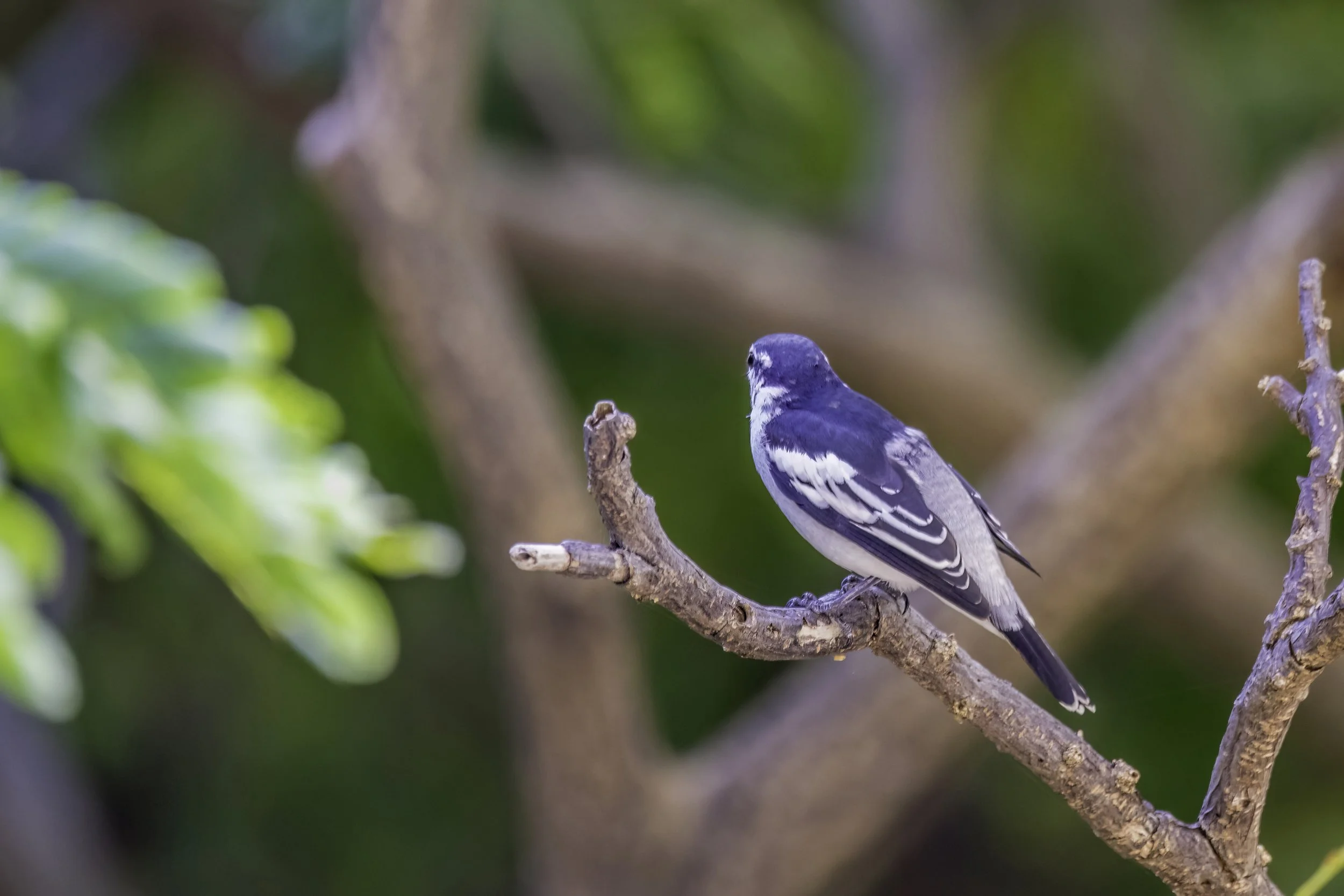
The Pied Triller (Lalage nigra) is a species of bird in the cuckooshrike family Campephagidae. It is found in Brunei, India, Indonesia, Malaysia, the Philippines, Singapore, and Thailand. A handsome bird which looks like a slender thrush. Black-and-white male is distinctive, with a white brow, extensive white wing patches, and clean white underparts. Female and juvenile are grungier-looking, with gray-brown replacing much of the black and rather dingy, dirty-looking underparts. Inhabits lowland and foothill forests, parks, and gardens. Contrary to its name, this bird does not usually trill; rather, it gives a range of low notes, particularly a nasal “checka-checkuh” and a rapid series of rattling, clacking, or whistled notes.
The Pied Triller is a small, energetic passerine. Seeing one through a telephoto lens reveals a bird that looks like it was sketched in charcoal and ink. It is approximately 15 to 18 cm in length and weighs generally ranges between 20 and 30 grams. They are sexually dimorphic.
The Pied Triller is a quintessential Southeast Asian species. Its range extends from the Philippines and Thailand through the Malay Peninsula to Sumatra, Java, and Borneo. Across this range, several subspecies are recognized. In Singapore and Peninsular Malaysia, we primarily see the nominate subspecies, Lalage nigra nigra. Other subspecies, such as Lalage nigra striga or Lalage nigra chilensis, may show slight variations in the intensity of the gray on the rump or the breadth of the white wing bars, but the core "pied" (black and white) look remains consistent.
n Singapore, the Pied Triller is a resident species, meaning it stays with us year-round rather than migrating. They favor open woodlands, mangroves, cultivated gardens, and urban parks. You are just as likely to spot one in the manicured greens of Pasir Ris Park or the Singapore Botanic Gardens as you are in the wilder stretches of Pulau Ubin. They are restless birds. They don't sit still for long, moving with a characteristic "hitch" or a shallow, undulating flight pattern from tree to tree. They are primarily insectivorous. Watching a Triller hunt is a lesson in patience; they glean caterpillars, beetles, and small insects from the undersides of leaves, occasionally performing short aerial sallies to catch prey in mid-air. They feed on arthropods, mainly caterpillars (Lepidoptera) and “hard insects”; some fruit, mostly small berries (e.g. of euphorbs such as Breynia), are also taken. Usually solitary, in pairs or in small flocks. They forage at all levels in trees, less often in bushes and hedgerows taking prey mostly from outer foliage, but also from dead or leafless branches. Items usually captured in an upward hop from a perch to a surface; snatches flushed insects, and sometimes makes sallies of several metres. They occasionally hunt on ground, taking prey from short-grass areas.
The biggest hurdle in photographing the Pied Triller is the dynamic range. Their bright white bellies and deep black mantles can easily lead to "blown out" highlights or "crushed" shadows in midday sun.
Field Tip: Look for the "Trill." True to its name, the bird emits a rapid, chattering trrrr-trrrr-trrrr sound. If you hear it, look toward the mid-canopy. They rarely sit on the very top of a tree, preferring the shaded interior branches where they can blend in.
Distinguishing from similar species:
In Singapore, they are sometimes confused with the Ashy Minivet. However, the Triller is stockier, lacks the Minivet's extremely long tail, and possesses a much more distinct white supercilium.
They build neat, cup-shaped nests, often tucked into the fork of a branch high above the ground. Both parents are known to participate in raising the chicks, displaying a high level of territoriality during the nesting season.
The Pied Triller is currently classified as Least Concern on the IUCN Red List. In Singapore it is a common resident. Because it has adapted well to "garden city" environments and urban greenery, its population remains stable despite the island's rapid development.
‡‡‡‡‡

Related Posts



The Bay-backed Shrike is a brightly-colored small shrike, reminiscent of the Long-tailed Shrike in overall coloration. It has a black mask, rufous flanks & back, a clean white throat, and its small size makes it distinctive within its range. It prefers open areas, often in dry regions, with scattered vegetation. Often perches up on exposed snags, fenceposts, or telephone lines.
#wildartworks, #Canon, #Bird, #Birdinginthewild, #BirdWatching, #Wildlife, #WildBirds, #naturephotography, #your_best_birds, #planetbirds, #earthcapture, #photo_pond, #earthpix, #naturyst, #conservationphotography, #yesbbcearth, #indian_wildlifes, #indianwildlifeofficial, #wildlifeonearth, #bbcearth, #natgeowild, #natgeoindia, @globalcapture, #TelanganaBirds, #HyderabadBirds, #Tellapur, #GHMCUrbanForestryNursery, #TelanganaUrbanForestry, #Nallagandla, #baybackedshrike, #shrike