
Eastern Cattle Egret
Ardea coromanda
Lakes & Water Bodies of Telangana & India
There is a specific kind of stillness found in the rural heartlands of Telangana. As the sun begins to burn through the morning haze over the cheruvu (lake) systems of Medak or the backwaters of the Sri Ram Sagar Reservoir, a flash of brilliant white usually breaks the emerald green of the paddy fields. This is the Eastern Cattle Egret (Ardea coromanda), a bird that has mastered the art of living alongside both water and man. Photographing them is a lesson in patience and observation. Unlike the shy Bitterns, the Cattle Egret is bold, often hitching a ride on the back of a water buffalo, creating a classic frame of symbiotic harmony.
Telangana's landscape is dotted with ideal habitats, from the urban oases of Ameenpur Lake, Osman Sagar, HImayat Sagar, Kistareddypet Lake near Hyderabad to the sprawling Singur Dam, the Sri Ram Sagar Reservoir and the Dindi Reservoir. It is truly an amazing experience to capture the intricate details of their breeding plumes during the peak season. Renowned for its extensive natural resources, breathtaking scenery, and rich cultural legacy Telangana is the eleventh largest state in India situated on the south-central stretch of the Indian peninsula on the high Deccan Plateau. It is the twelfth-most populated state in India with a geographical area of 112,077 km² of which 21,214 km² is forest cover. The dry deciduous forests ecoregion of the central Deccan Plateau covers much of the state, including Hyderabad. The characteristic vegetation is woodlands of Hardwickia binata and Albizia amara. Over 80% of the original forest cover has been cleared for agriculture, timber harvesting, or cattle grazing, but large blocks of forest can be found in the Amrabad Tiger Reserve and elsewhere. The more humid Eastern Highlands moist deciduous forests cover the Eastern Ghats in the eastern part of the state. The Central Deccan forests have an upper canopy at 15–25 meters, and an understory at 10–15 meters, with little undergrowth.
The dry sub-humid zone or Dichanthium-cenchrus-lasitrrus type of grasslands are prevalent here and cover almost the entirety of peninsular India except the Nilgiris. One sees thorny bushes like the Acacia catechu or Khair as it is known in Hindi, Mimosa, Zizyphus (Ber) and sometimes the fleshy Euphorbia, along with low trees of Anogeissus letifolia or Axle Wood, Soymida febrifuga - the Indian Redwood - and other deciduous species. Sehima (grass) which is more prevalent on gravel is about 27% of the cover and Dichanthium(grass) which flourishes on level soil is almost 80% of the coverage.
Telangana's extensive network of lakes, which enhance the state's scenic appeal and serve a vital role in delivering water for irrigation, home usage, and industrial reasons, is one of the state's most notable natural characteristics. Telangana has lakes due to its geography and the copious amounts of rain that fall there during the monsoons. Telangana is home to some of India's most stunning and ecologically significant water features, with over 6,000 natural and man-made lakes. Endowed with a rich natural resource base and a diverse environment, there are many lakes in the area, both natural and man-made, which are significant water supplies for industry, domestic use, and irrigation. The lakes of Telangana are a crucial component of the area's ecosystem and provide a habitat for many different plant and animal species. Many of the state's numerous lakes, which range in size and depth and provide visitors with breathtaking views and leisure activities like boating, fishing, and bird watching, are well-liked tourist destinations. Telangana's lakes visually represent the state's natural beauty and ecological diversity, from the picturesque Hussain Sagar Lake in Hyderabad to the tranquil Pakhal Lake in the Warangal district.
Sri Ram Sagar Project Environs
The Sri Ram Sagar Reservoir (SRSP), also known as the Pochampadu Project, is a critical multipurpose wetland ecosystem located on the Godavari River in the Nizamabad and Nirmal districts of Telangana. While primarily an irrigation and hydroelectric project, its vast backwaters and diverse catchment areas have evolved into a vital refuge for regional wildlife.
The reservoir and its environs support a complex mosaic of aquatic and terrestrial habitats, including deep open waters, shallow marshes, reedbeds (Phragmites and Typha), and adjacent deciduous forest patches like the Mallaram Forest. The backwaters are a major destination for migratory birds. Notable sightings include the Common Crane, which migrates from Europe to winter here, and various species of storks, ducks, and teals. Resident species such as Peacocks and various "rare birds" are frequently observed in the surrounding scrub and forest areas. The environs are home to various ungulates, including Spotted Deer/Chital, which roam the project area. The proximity to forest patches allows for a crossover of smaller mammals such as Indian Hares and Jackals.
The Godavari River system at this location supports over 26 fish species, dominated by the order Cypriniformes. Common fish include major carps and various catfish, which sustain both the local avian predators and a vibrant fishing industry. The riverbed and banks feature a diversity of aquatic macrophytes, including 30 different species of submerged, free-floating, and emergent plants (e.g., Typha angustifolia) that provide essential nesting material for birds like the Streaked Weaver.
Criticality as a Habitat
The SRSP serves as a "lifeline" for wildlife in the Deccan plateau for several reasons:
Water Security: It provides a perennial water source in a semi-arid region, crucial for both resident and migratory species during the dry summer months.
Nesting Grounds: The dense reedbeds along the shoreline are indispensable for communal nesters like the Streaked Weaver and various heron species.
Migratory Stopover: As a significant inland wetland, it serves as a critical stopover and wintering site along migratory flyways for waterbirds.
Despite its ecological importance, the reservoir faces several escalating threats:
Sedimentation: India's reservoirs, including SRSP, are losing significant storage capacity due to siltation caused by agriculture-driven soil erosion and deforestation in the upstream catchment areas. As of 2025, SRSP's actual retention capacity is significantly lower than its original 90 TMC design due to this silt build-up.
Water Quality Issues: Extensive upstream water utilization in Maharashtra has led to high alkalinity and salinity in the reservoir, which can be detrimental to sensitive aquatic life and cattle.
Structural and Safety Risks: In late 2025, dam safety warnings issued for related projects (like the Singur Dam) highlighted the broader risk of structural damage and the need for restricted storage levels, which can disrupt the stable water levels required for shore-nesting birds.
Invasive Species: The spread of exotic aquatic plants can choke native vegetation and alter the habitat structure of the marshes.
The backwaters of SRSP offer a serene, lush landscape perfect for bird photography.
Cattle Egret/ Eastern Cattle Egret
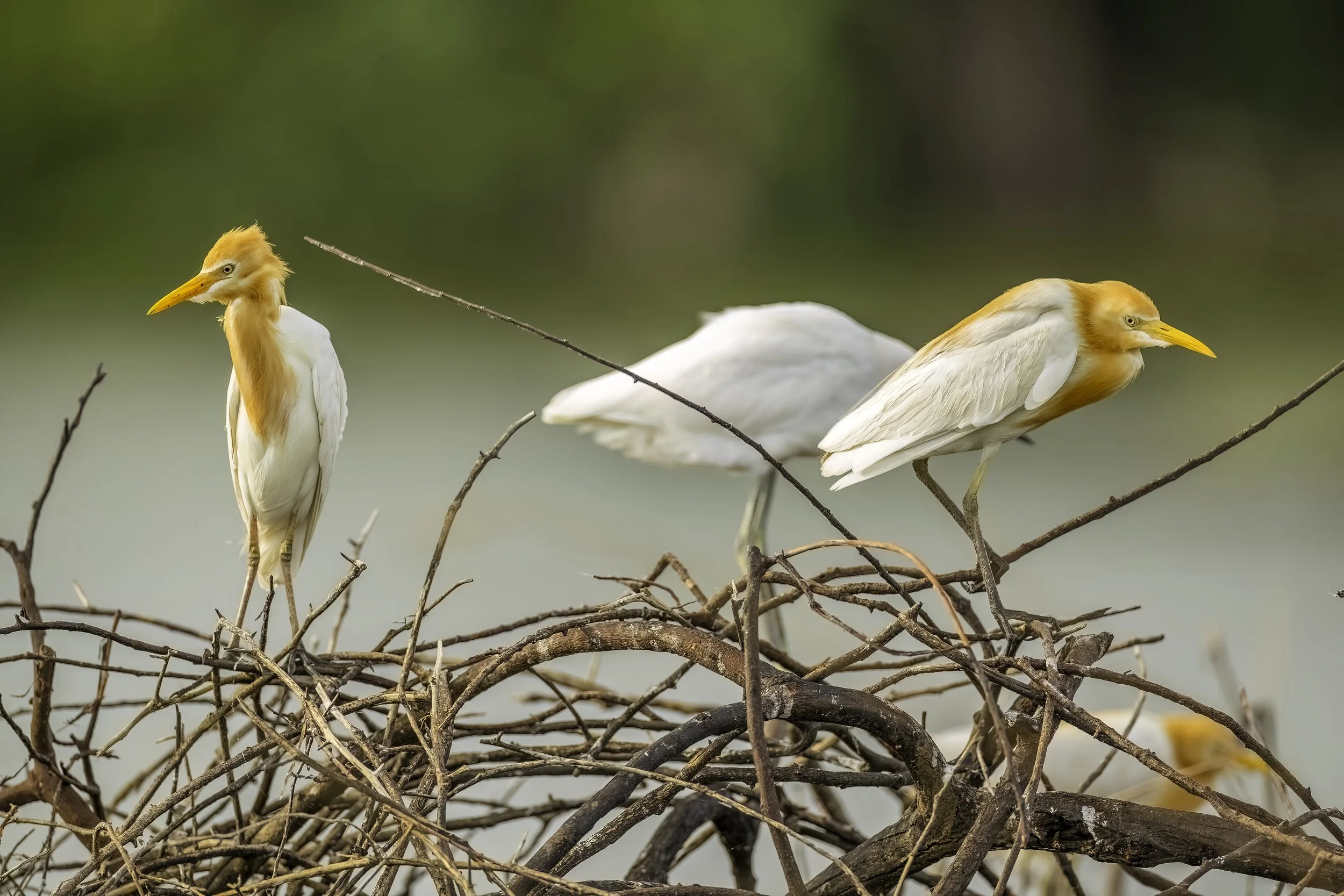
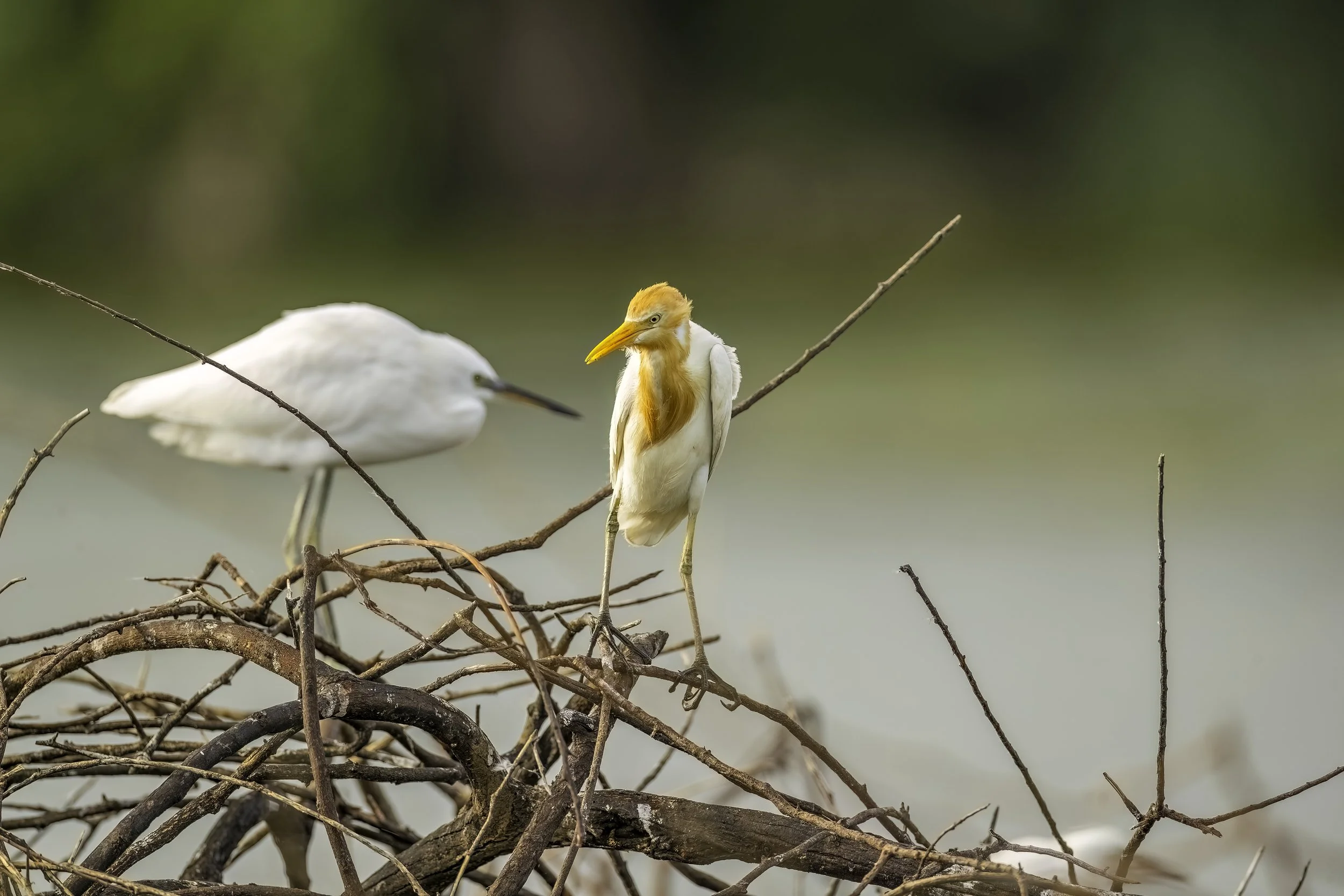
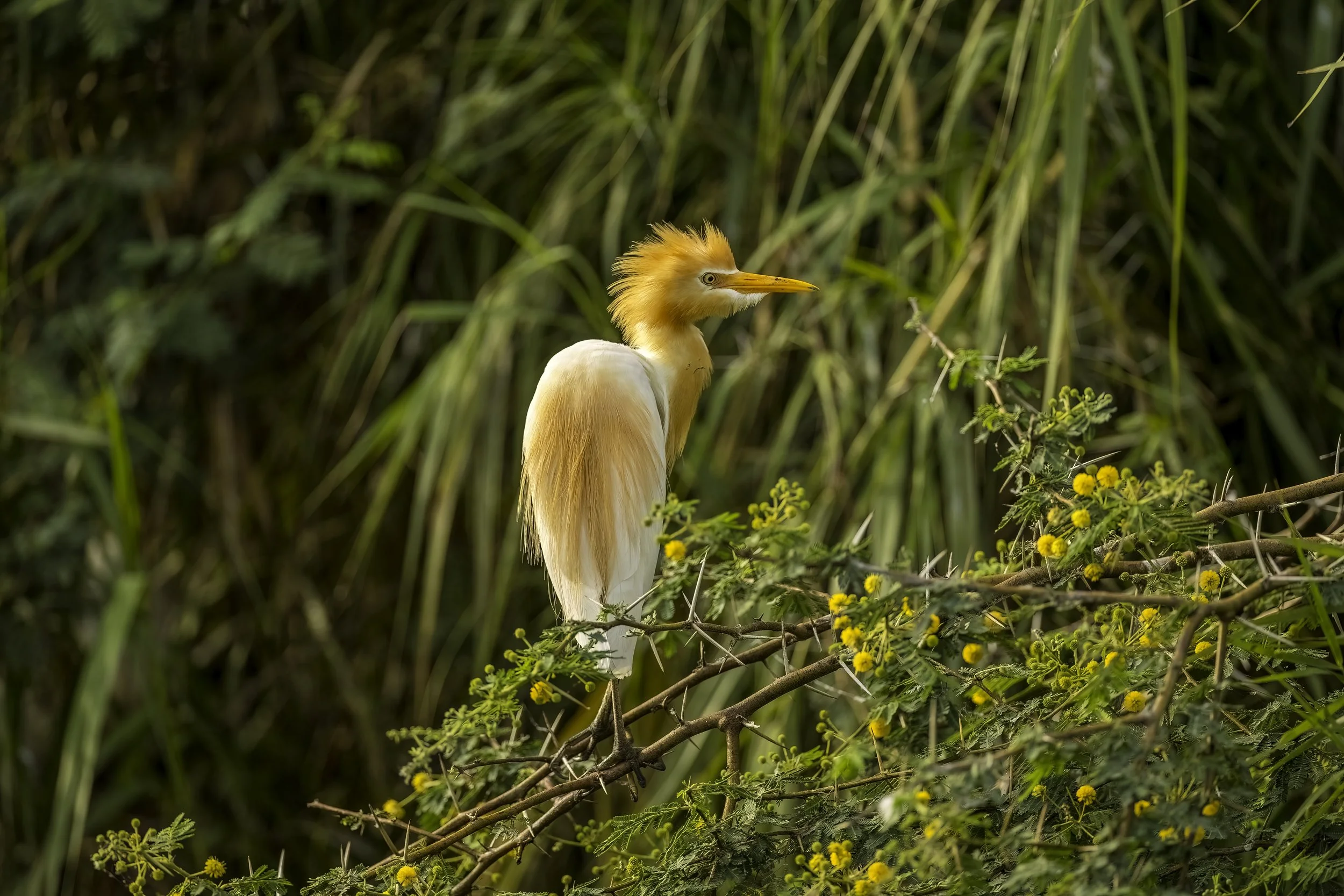
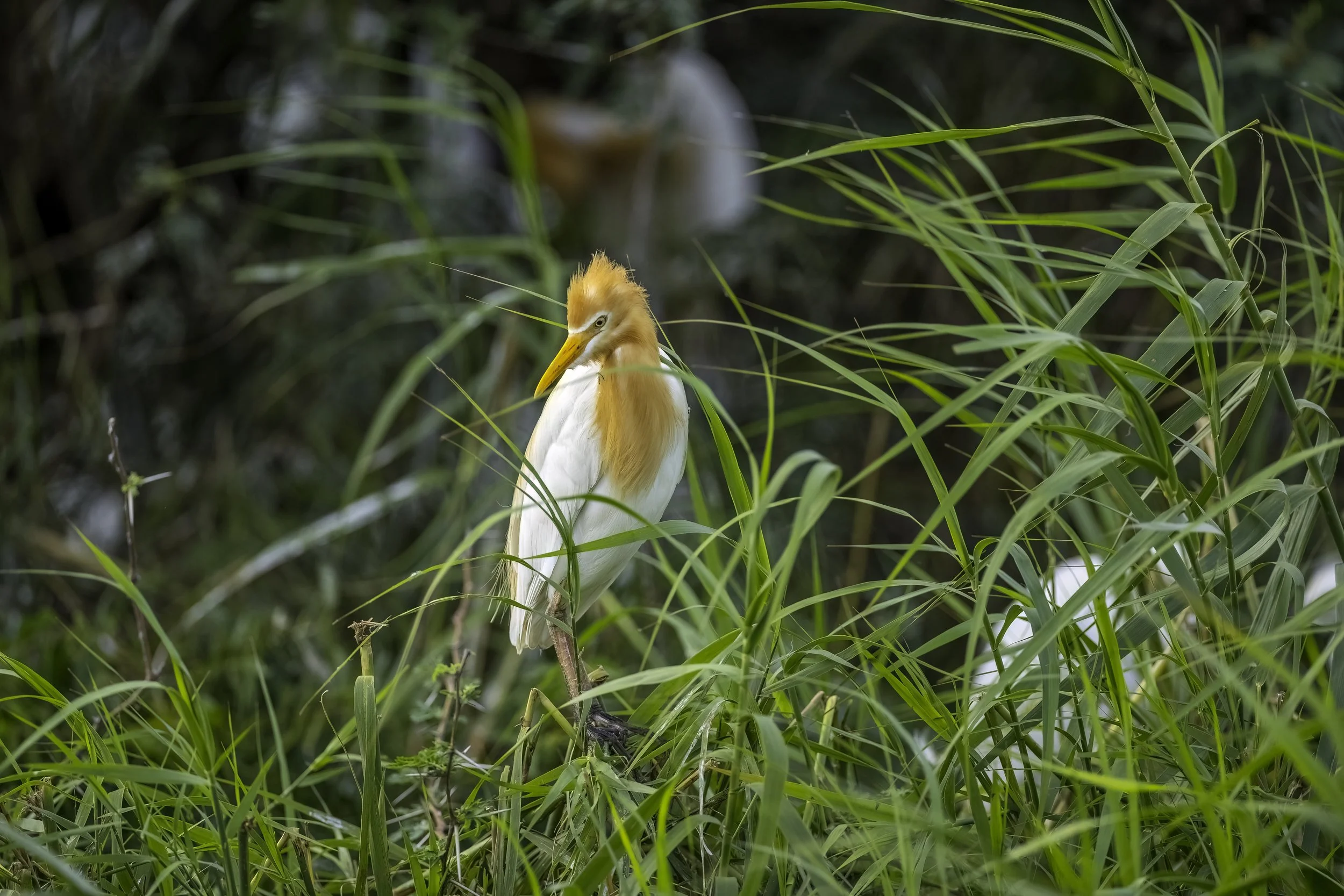
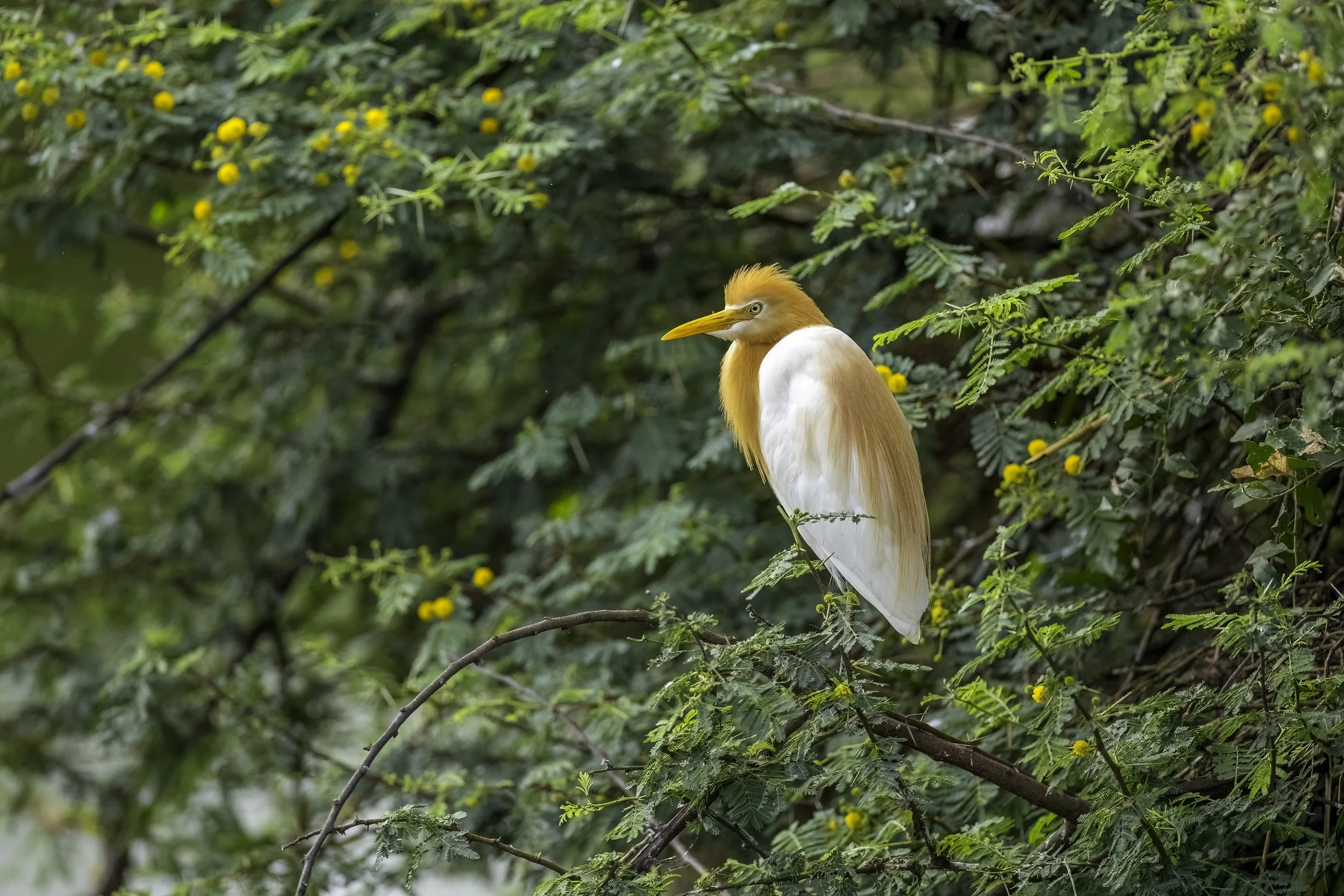
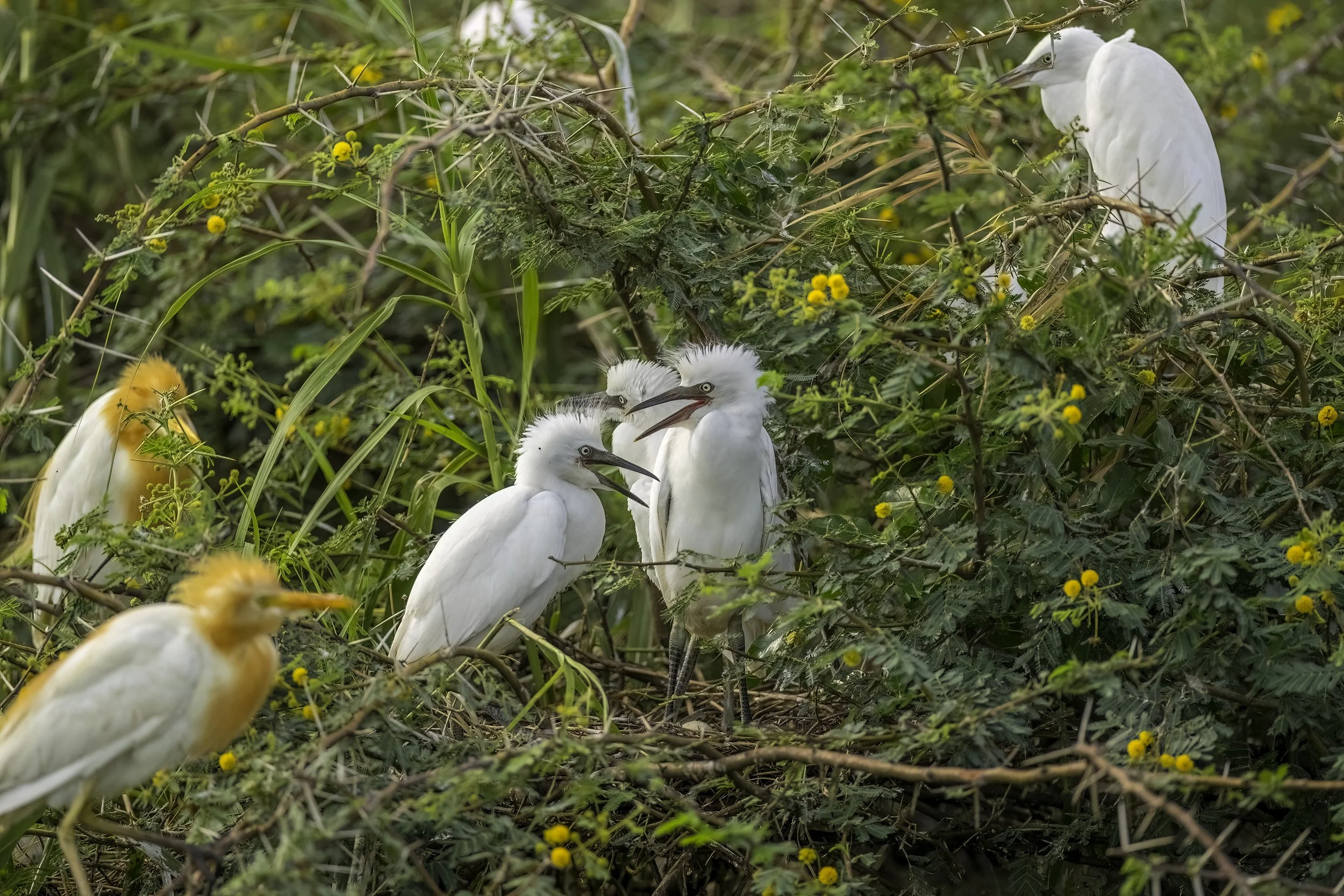
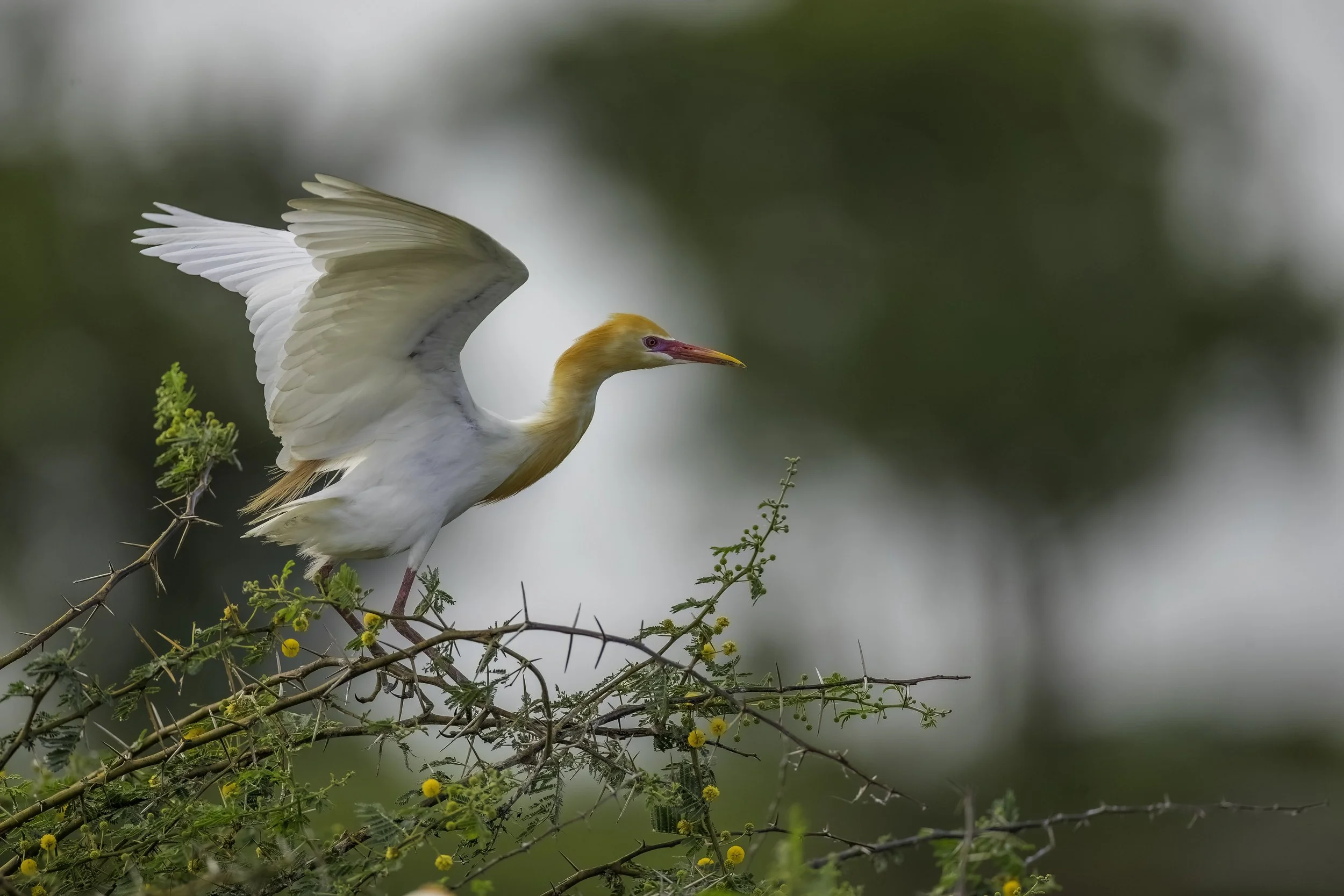
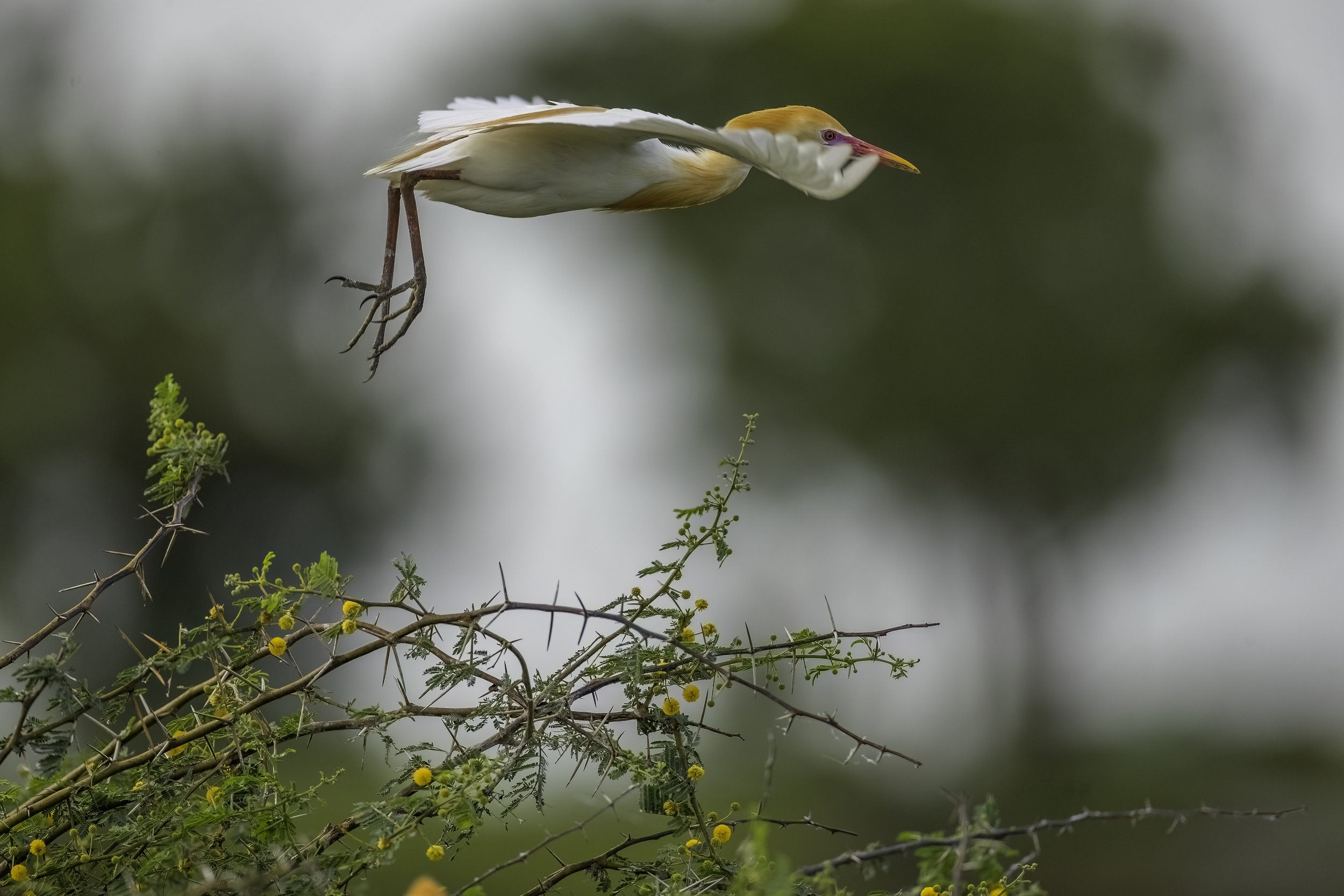
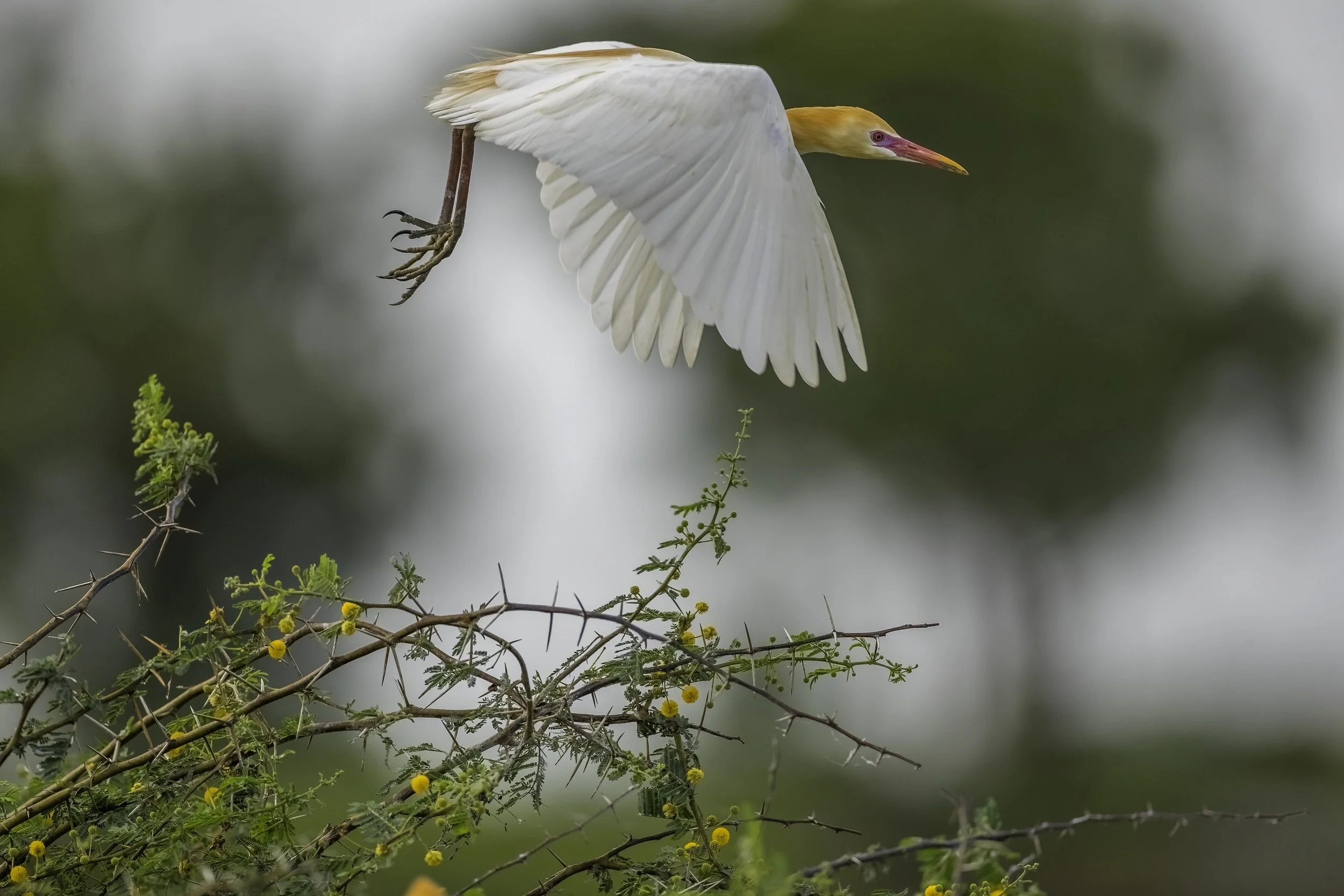
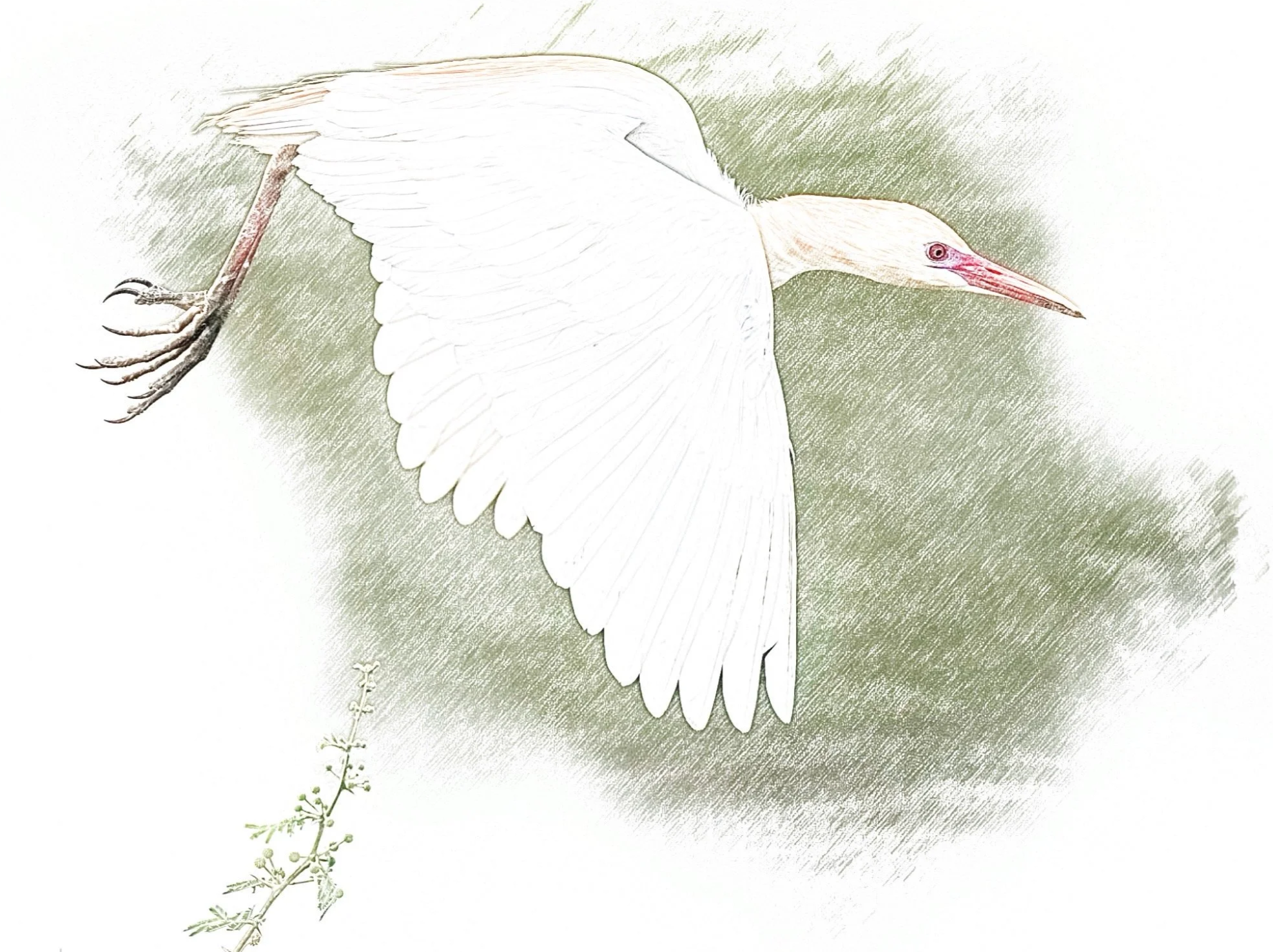
The Eastern Cattle-Egret is a gregarious, white, upland ardeid (Ardeidae), easily recognized by its foraging association with grazing animals and its exaggerated, head-pumping strut. Its predilection for grasslands, lawns, pastures, and grazing animals is quite unlike other herons and egrets which generally feed in or along water and not in close association with livestock. It differs from the Western Cattle-Egret in having more buffy-orange breeding plumage in the head and neck regions. The Cattle Egret often gathers in flocks, frequently following cattle or tractors in fields.
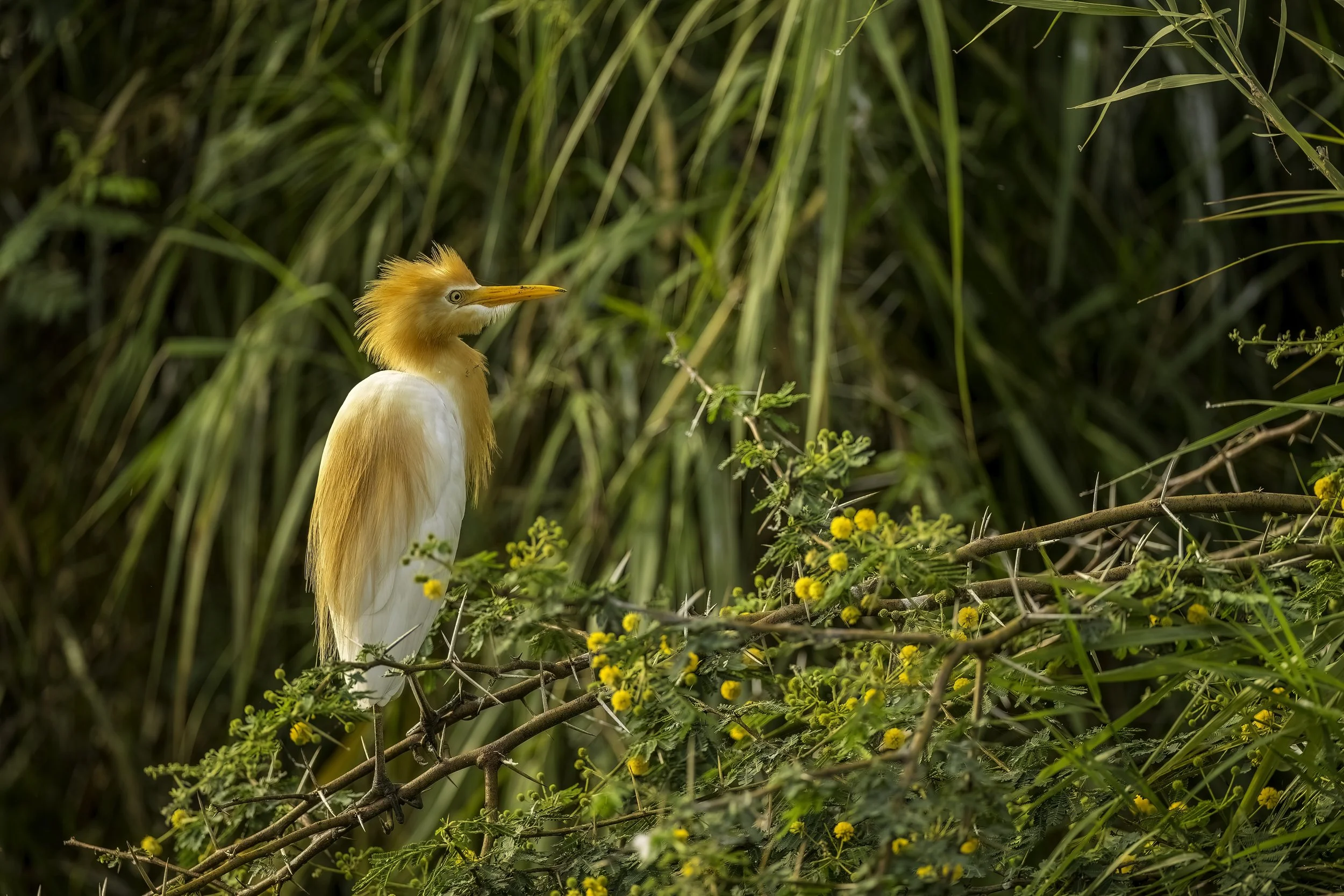
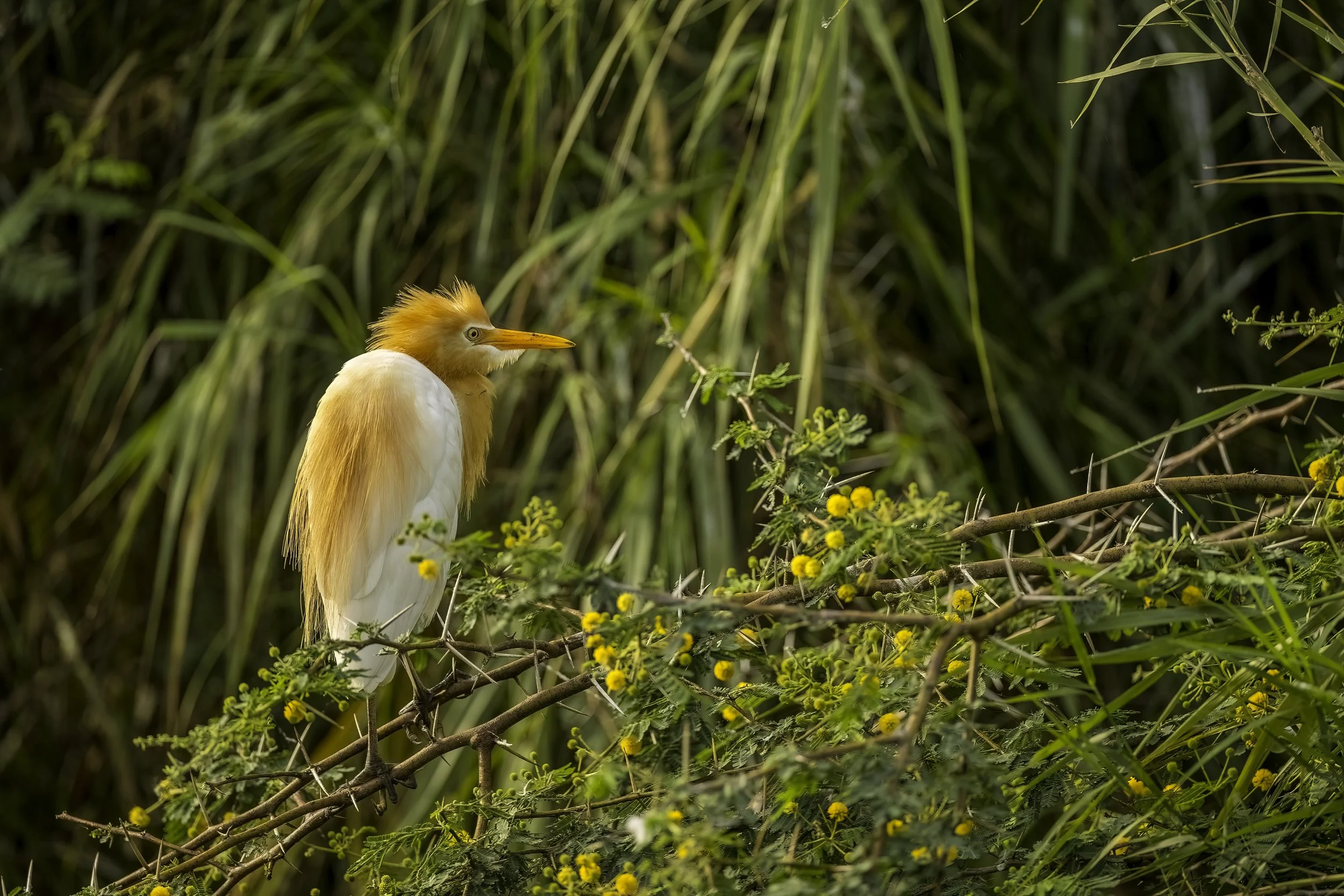
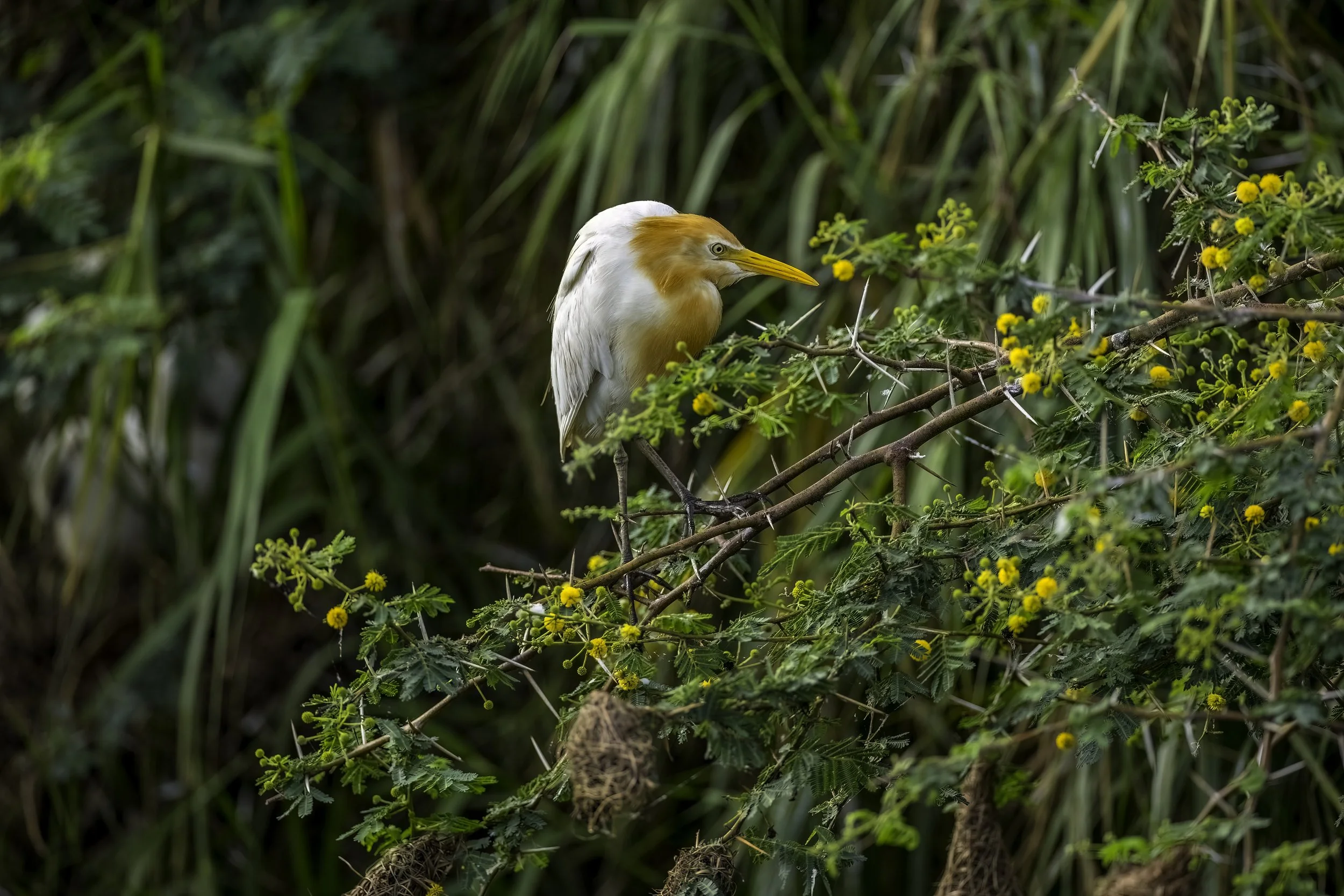
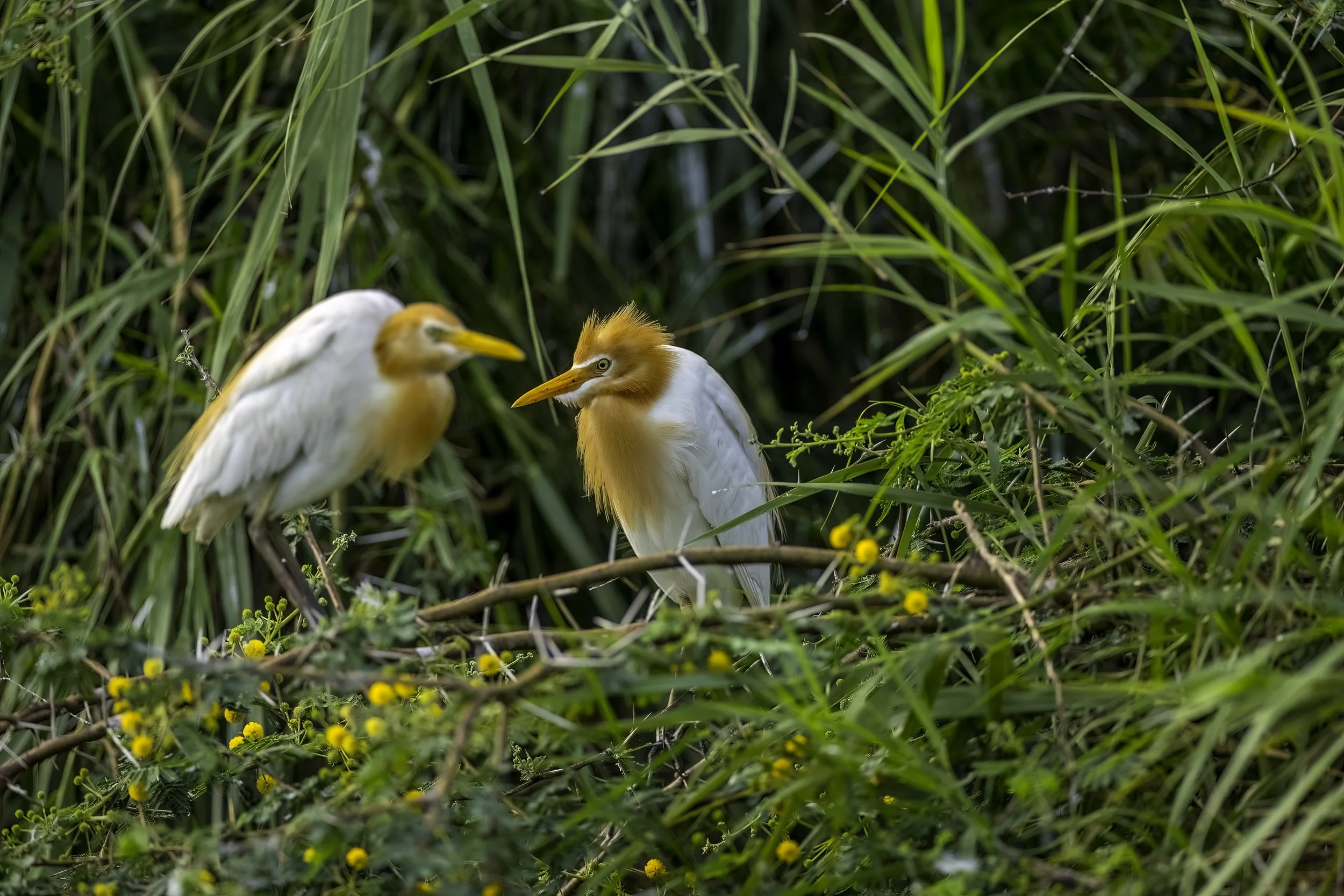
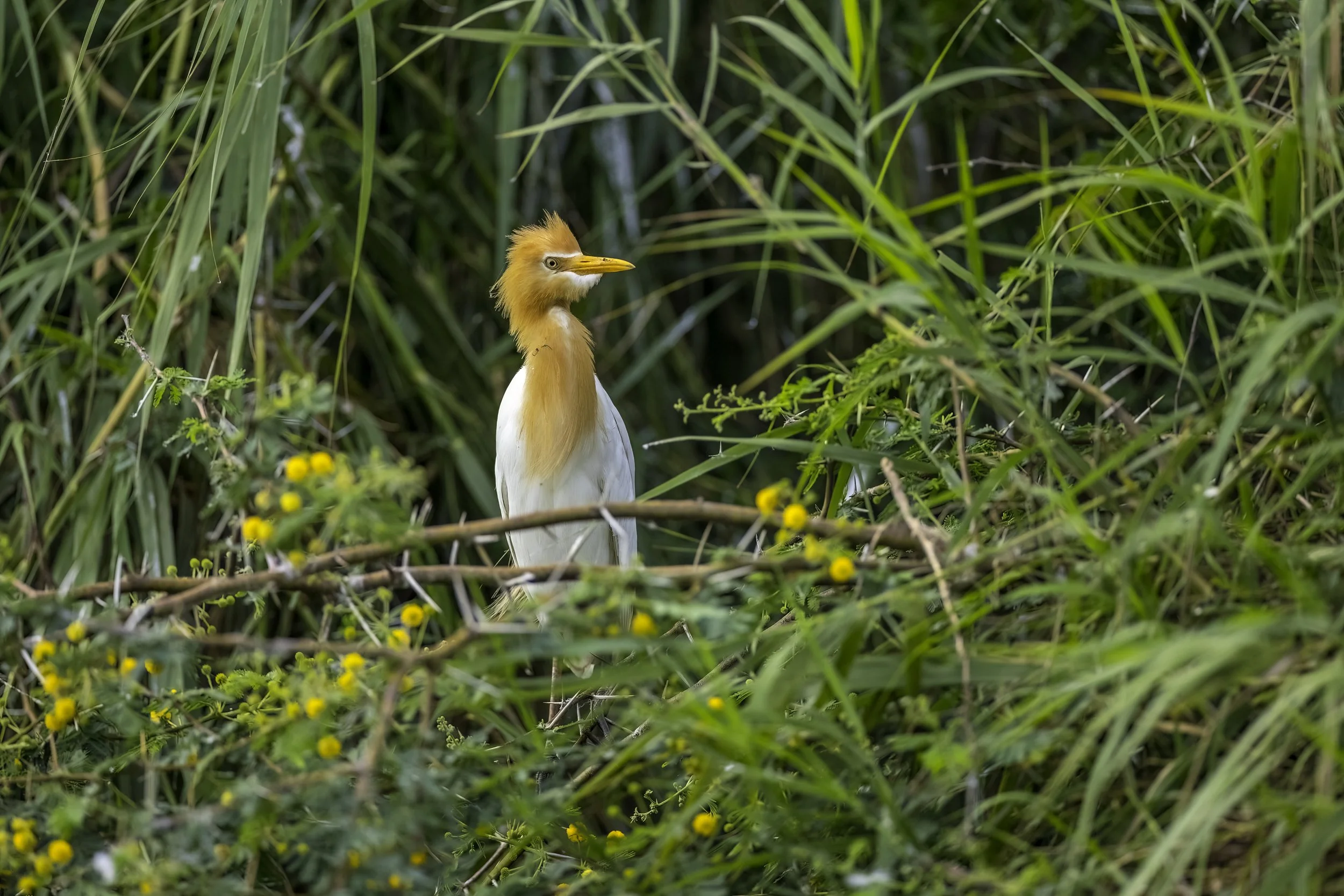
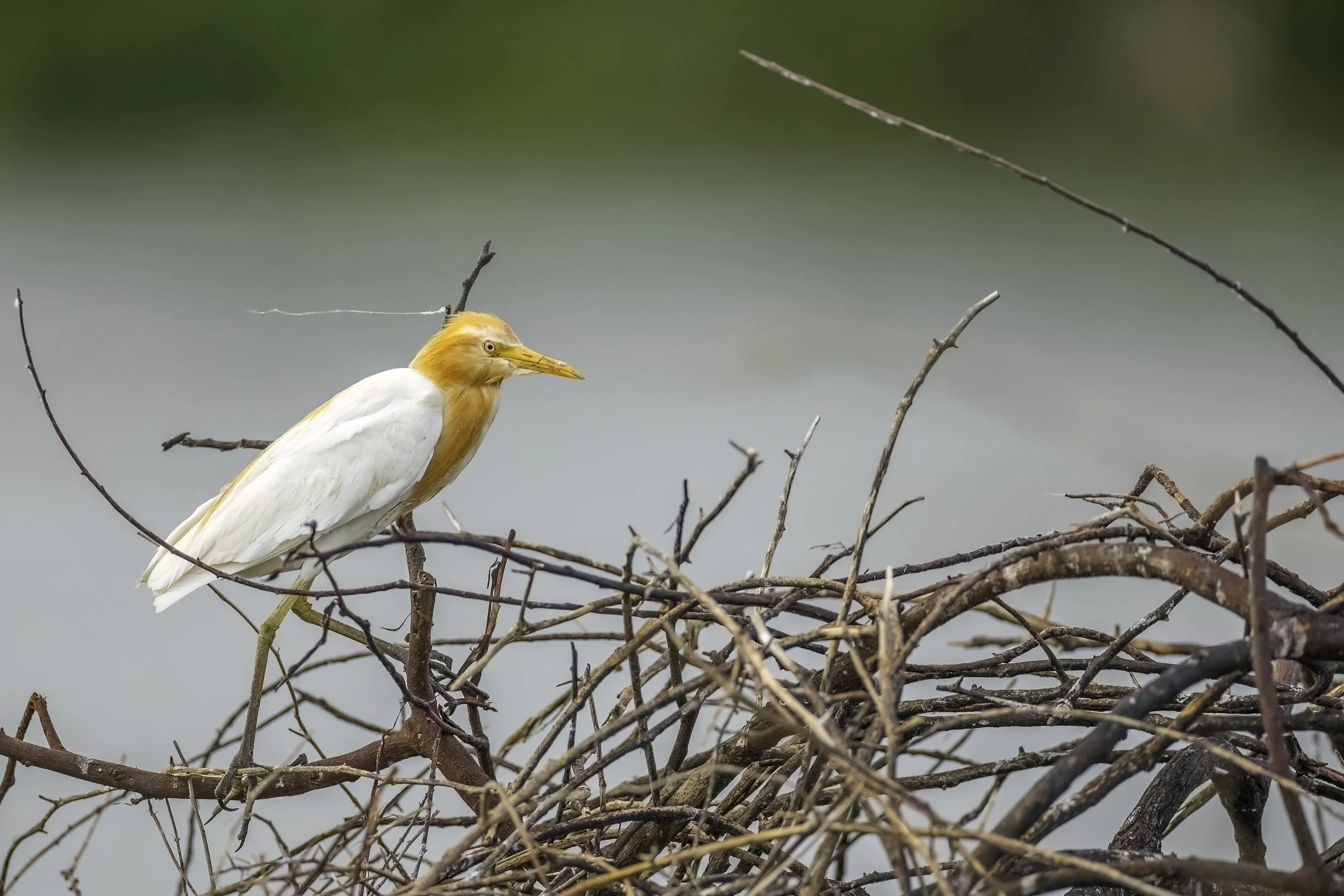
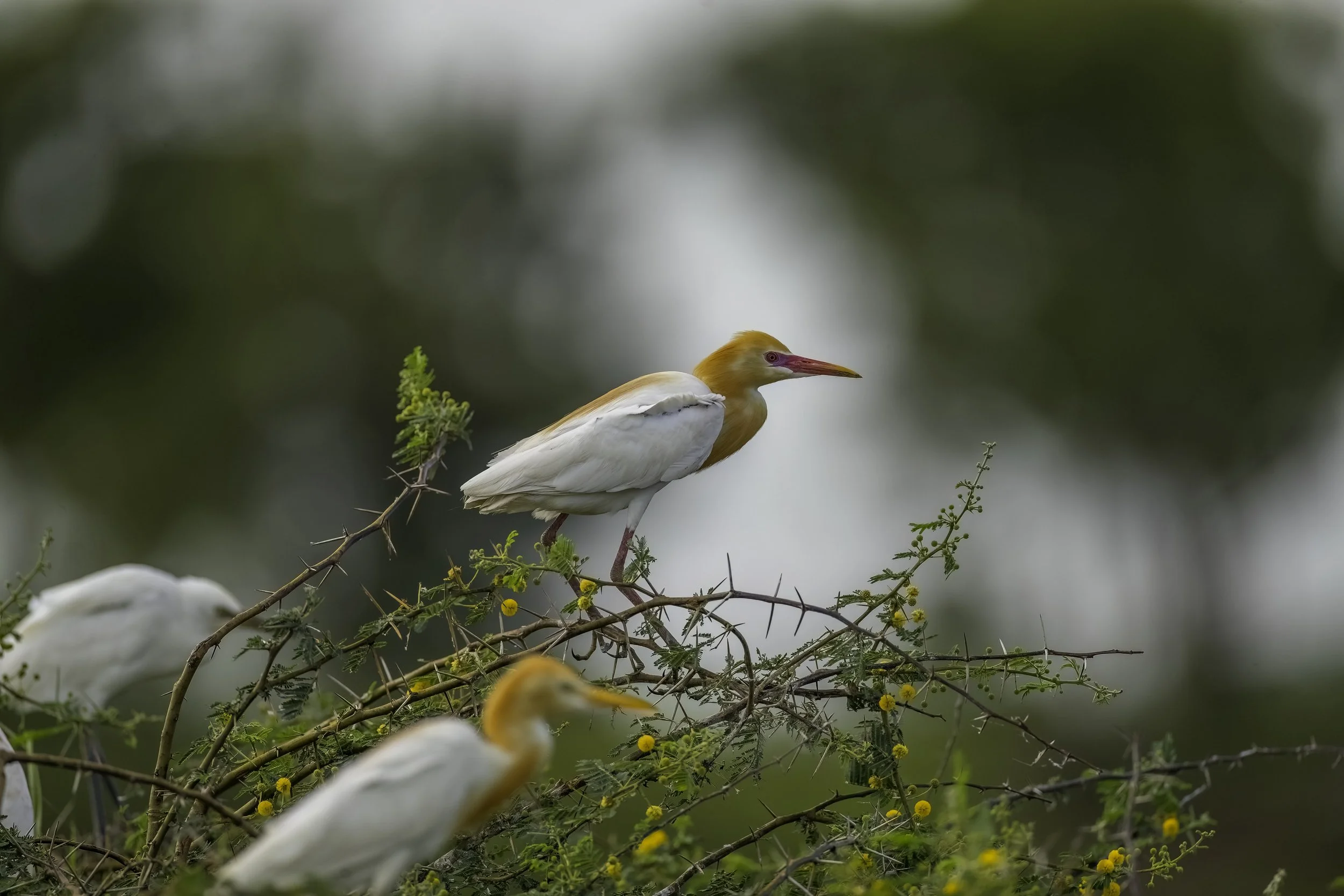
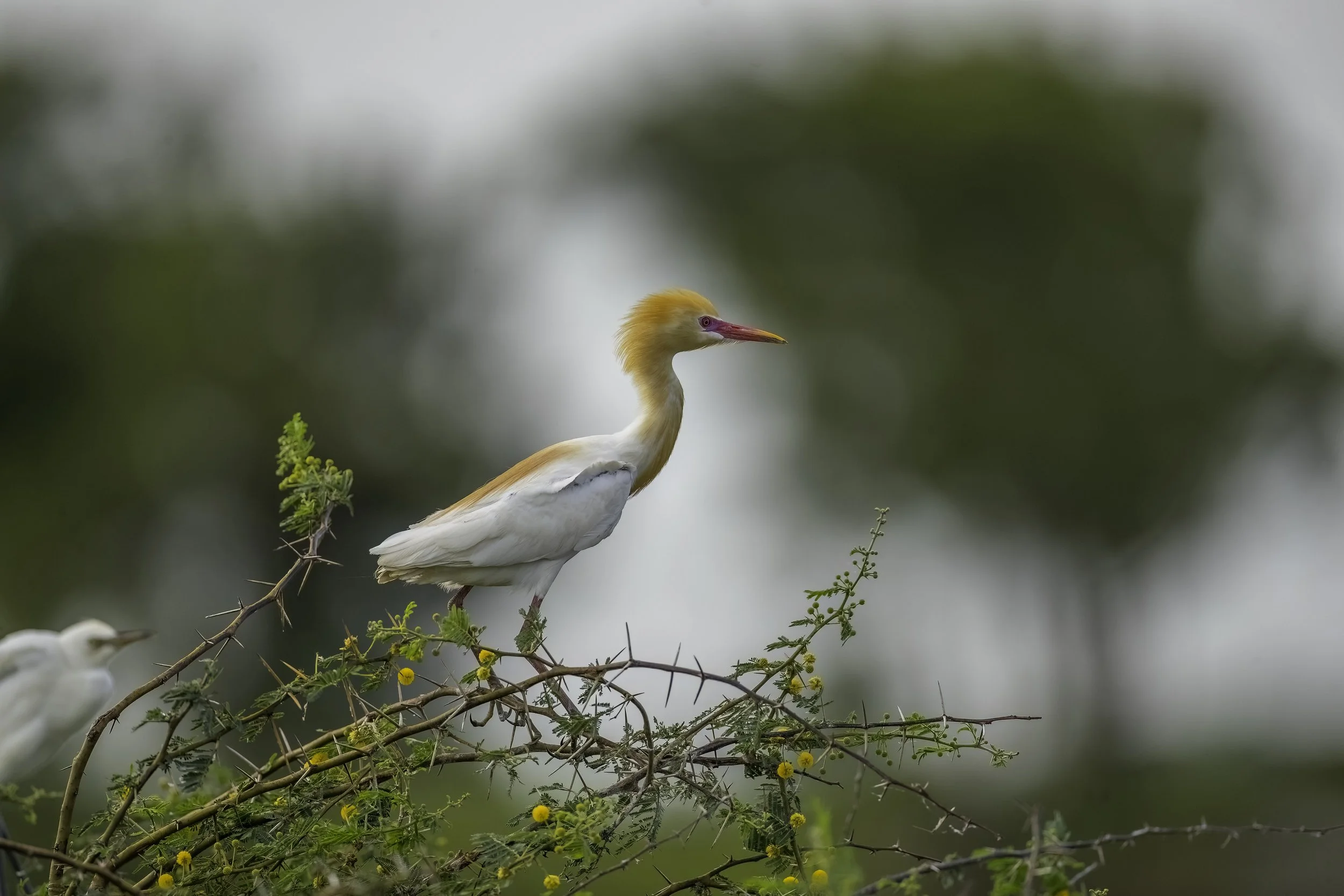
The Eastern Cattle Egret is a relatively small, stocky heron. It lacks the long-necked elegance of the Great Egret, opting instead for a "hunched" silhouette that makes it look sturdy and focused. It is approximately 45–53 cm in length with a wingspan of 88–96 cm and its weight typically ranges between 300g and 400g. The best way to identify is to look for a relatively short, thick yellow bill and a slight "jowl" under the chin. Their legs are usually dark (grey-black), though they flush pinkish-red during the peak of courtship.
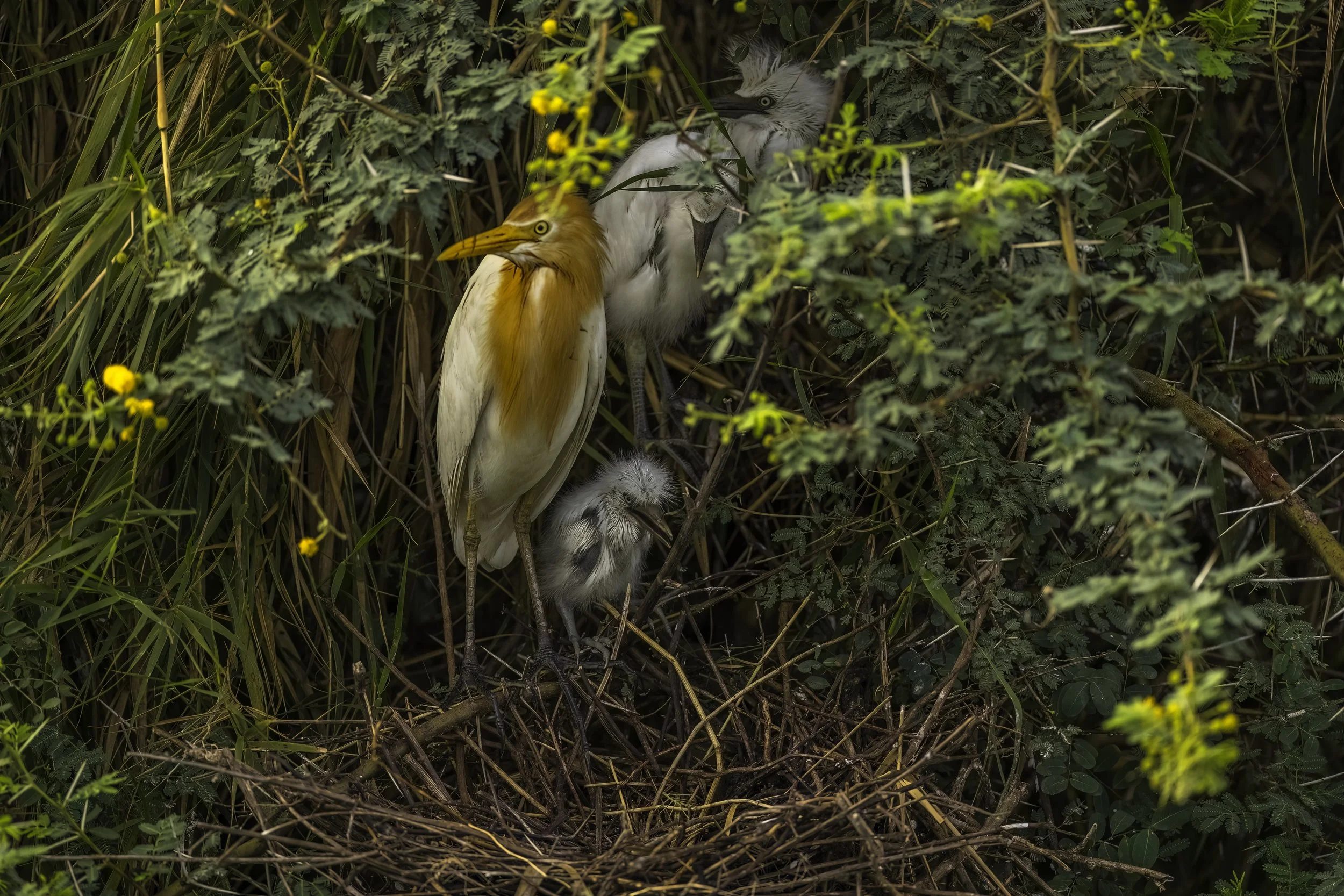
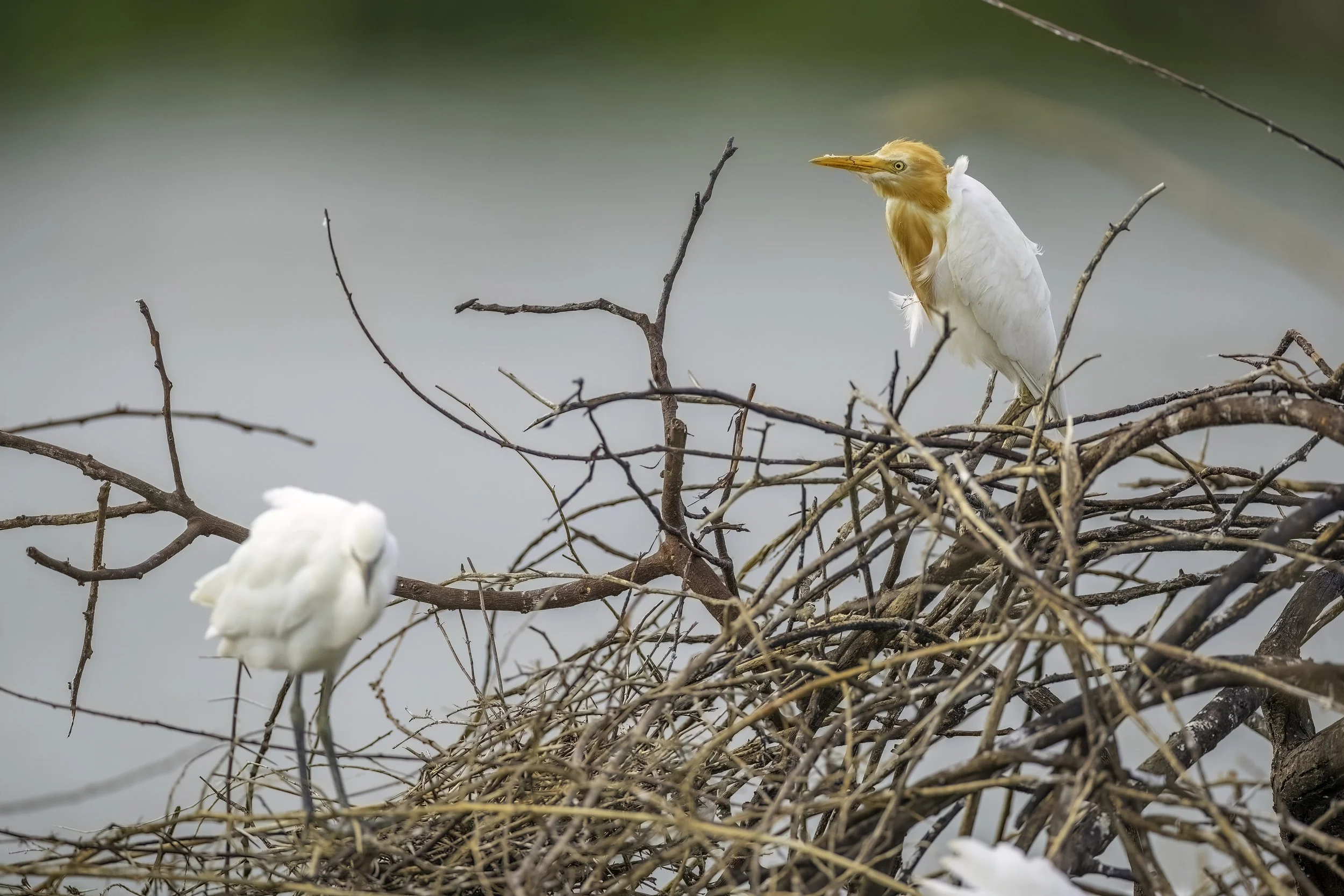
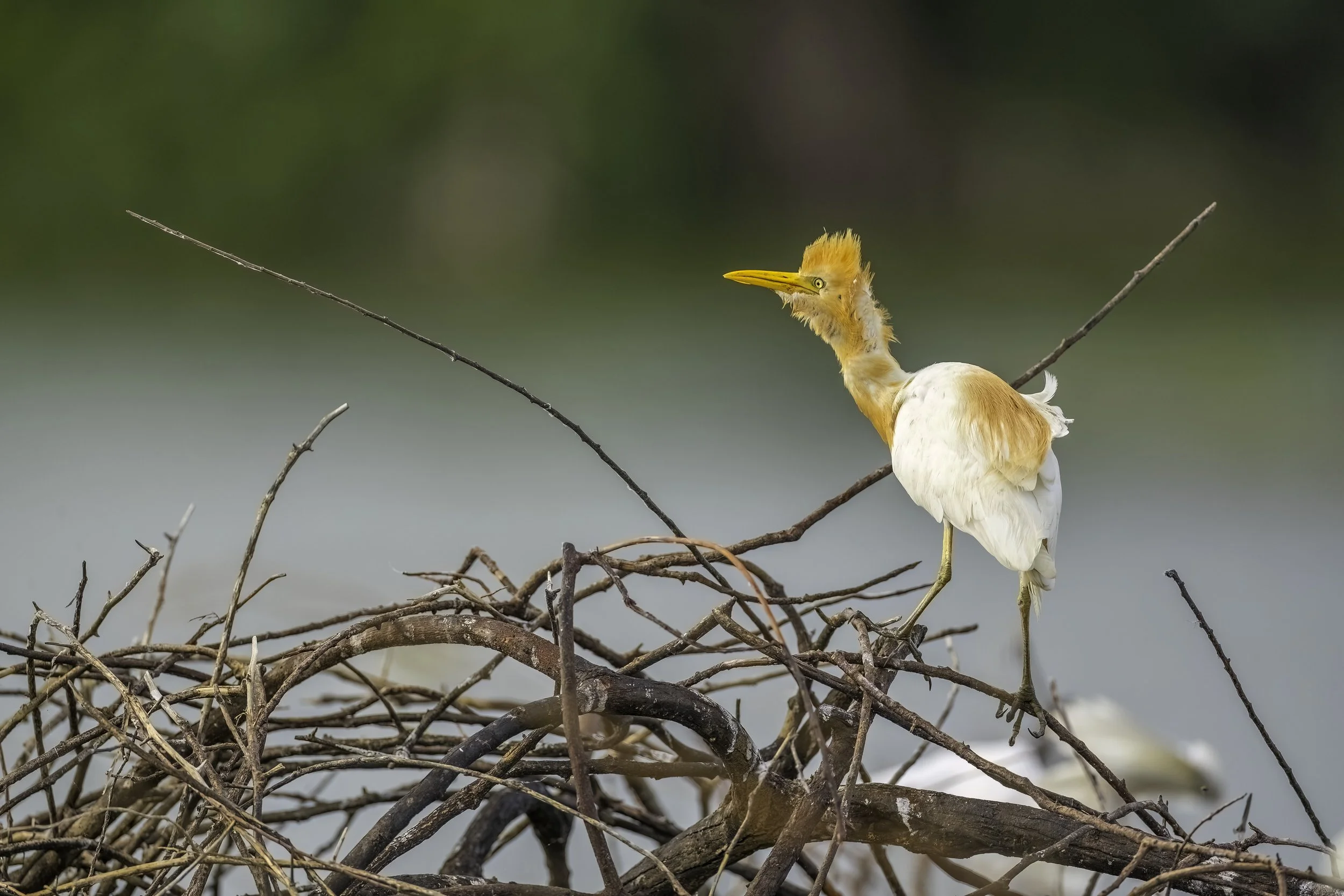
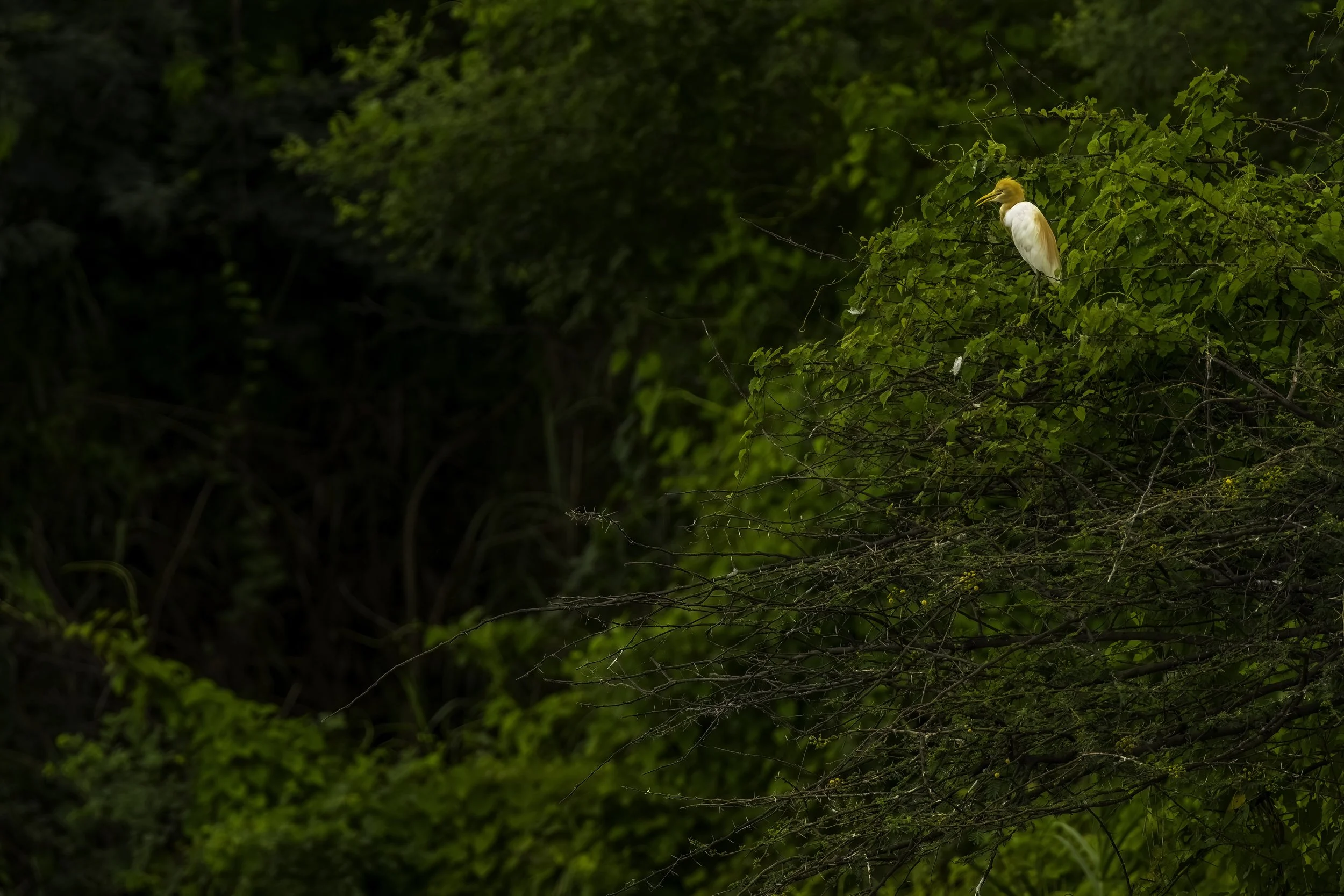
For a long time, it was considered a subspecies of the Western Cattle Egret, but the Eastern Cattle Egret is now widely recognized as a full species. While no major sub-variants are currently recognized within Ardea coromanda, its plumage varies drastically by season. During non-breeding it is a pure white, indistinguishable to the casual observer from other small white herons. But the breeding season is when the photographer's "gold" appears. The bird develops rich cinnamon-buff or golden-orange plumes on its head, neck, and back. In the Eastern species, this golden wash often extends further down the body compared to its Western cousin.
The Eastern Cattle Egret enjoys a massive range, spanning from southern and eastern Asia to Australasia. In Telangana - they are ubiquitous. From the urban wetlands of Ameenpur Lake in Hyderabad to the vast agricultural stretches of Karimnagar and Warangal. In Telangana, they are largely resident. However, they exhibit "post-breeding dispersal," meaning they move locally based on water availability and the timing of the monsoon. You might see hundreds following the rains to newly flooded fields.
While categorized as a water bird, the Cattle Egret is perhaps the least "aquatic" of the heron family. Their preferred habitat are the edges—where water meets pasture. In Telangana, they are most common in inundated rice paddies, damp grasslands, and open floodplains. Their most famous behavior is following large herbivores (and increasingly, tractors). As the cattle move through the grass or the plough turns the soil, insects are disturbed. The egret waits for this "free meal," darting forward with lightning speed.
They are opportunistic carnivores. While they will take small fish and frogs from the shallow edges of Telangana's tanks, their primary diet consists of: Grasshoppers and Crickets, Flies and Moths, Spiders and Earthworms, Small Lizards.
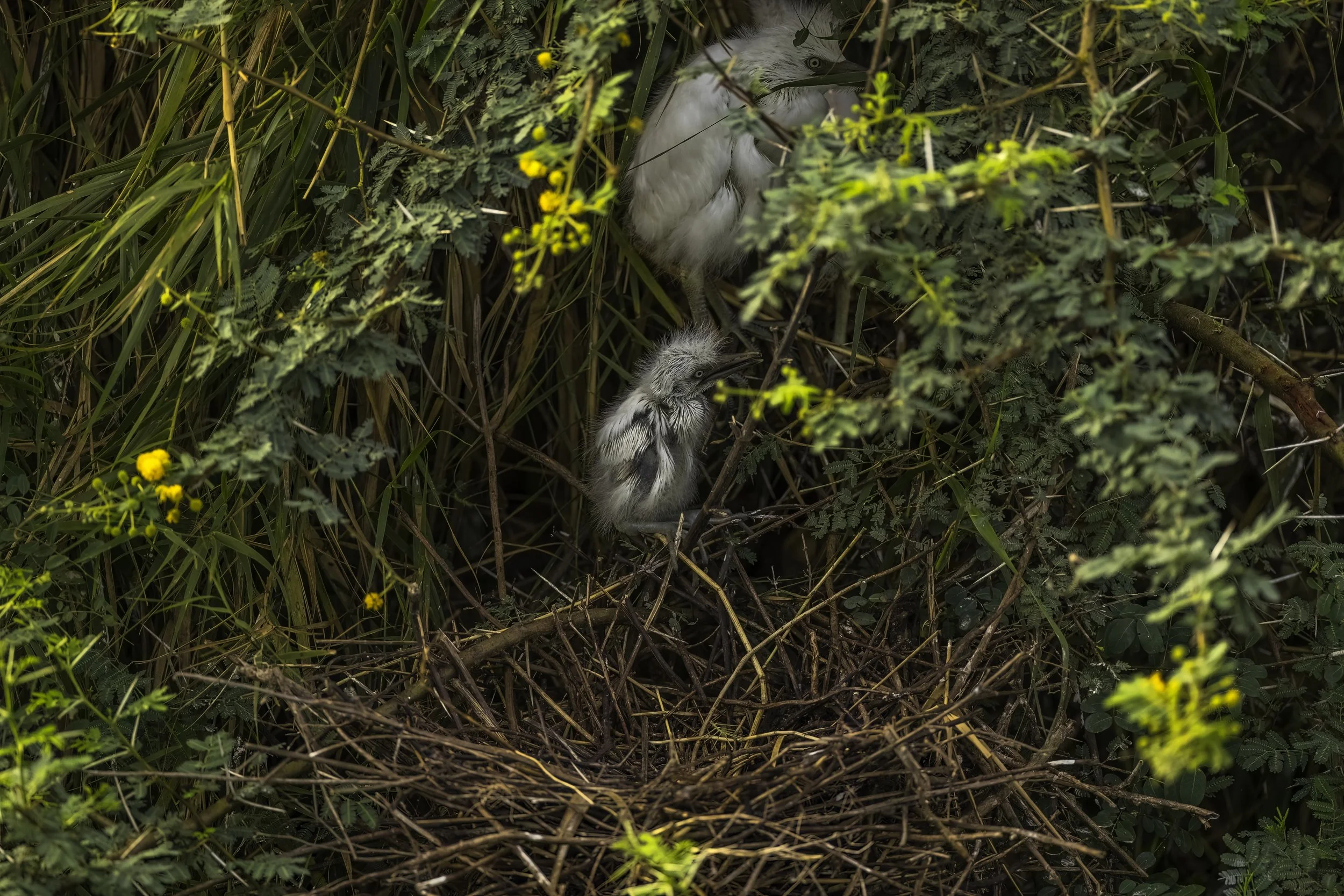
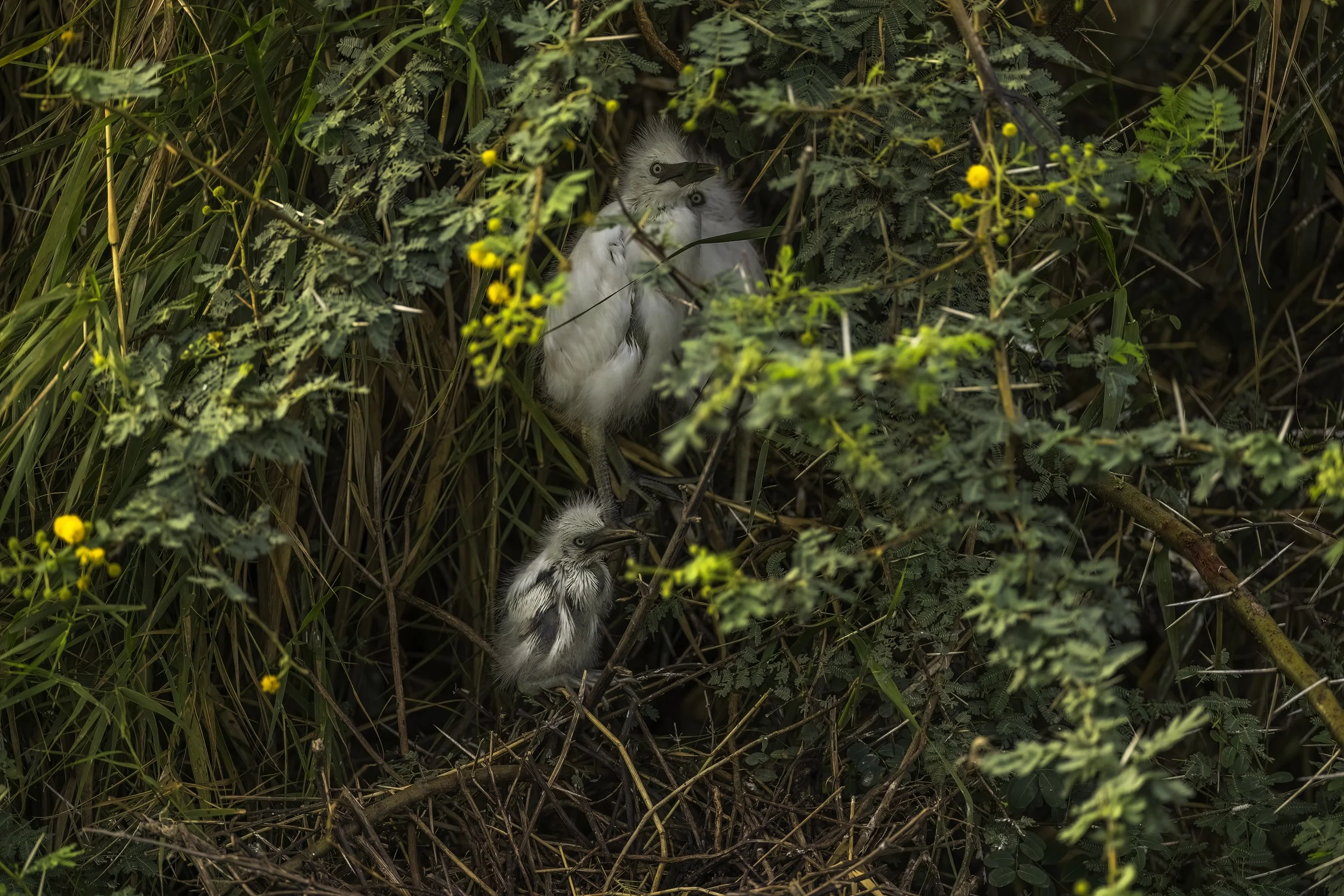
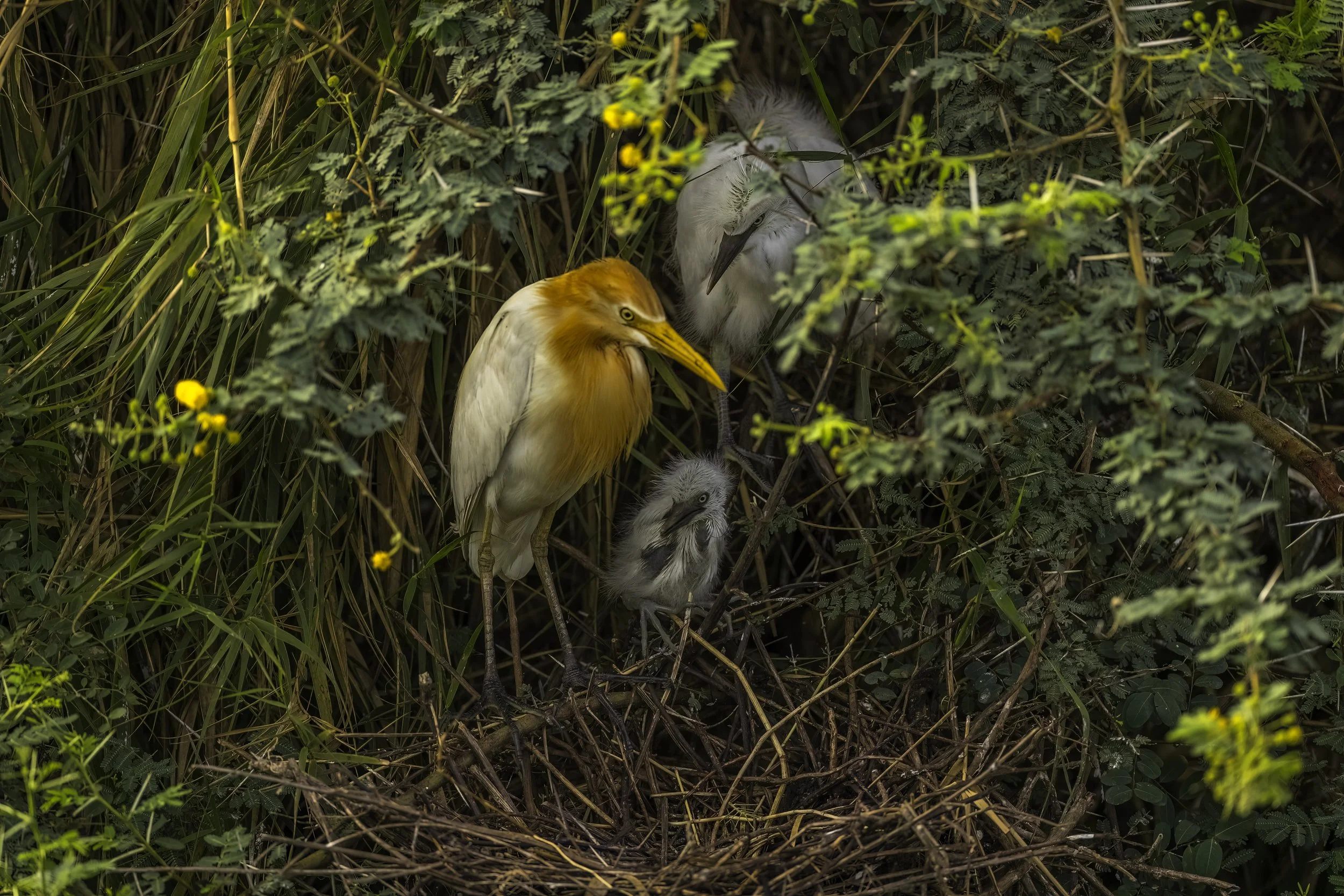
Breeding season in Telangana typically aligns with the Southwest Monsoon (June–September). They are highly colonial nesters, often crowding into "heronries" alongside Black-crowned Night Herons and Little Egrets. They are listed as Least Concern and their population trend is stable. They face threats from pesticide runoff in agricultural fields and loss of nesting trees but are not globally threatened (Least Concern). Prior to being split into Eastern Cattle-Egret and Western Cattle-Egret (Ardea ibis), the "Cattle Egret" was certainly the most abundant heron worldwide. Its habit of nesting close to humans in sometimes huge numbers has brought it into occasional conflict with man due to noise, smell, health issues and water quality concerns, although to date persecution has been only local. Eastern Cattle-Egret has greatly expanded its range, albeit perhaps somewhat less dramatically than Western Cattle-Egret
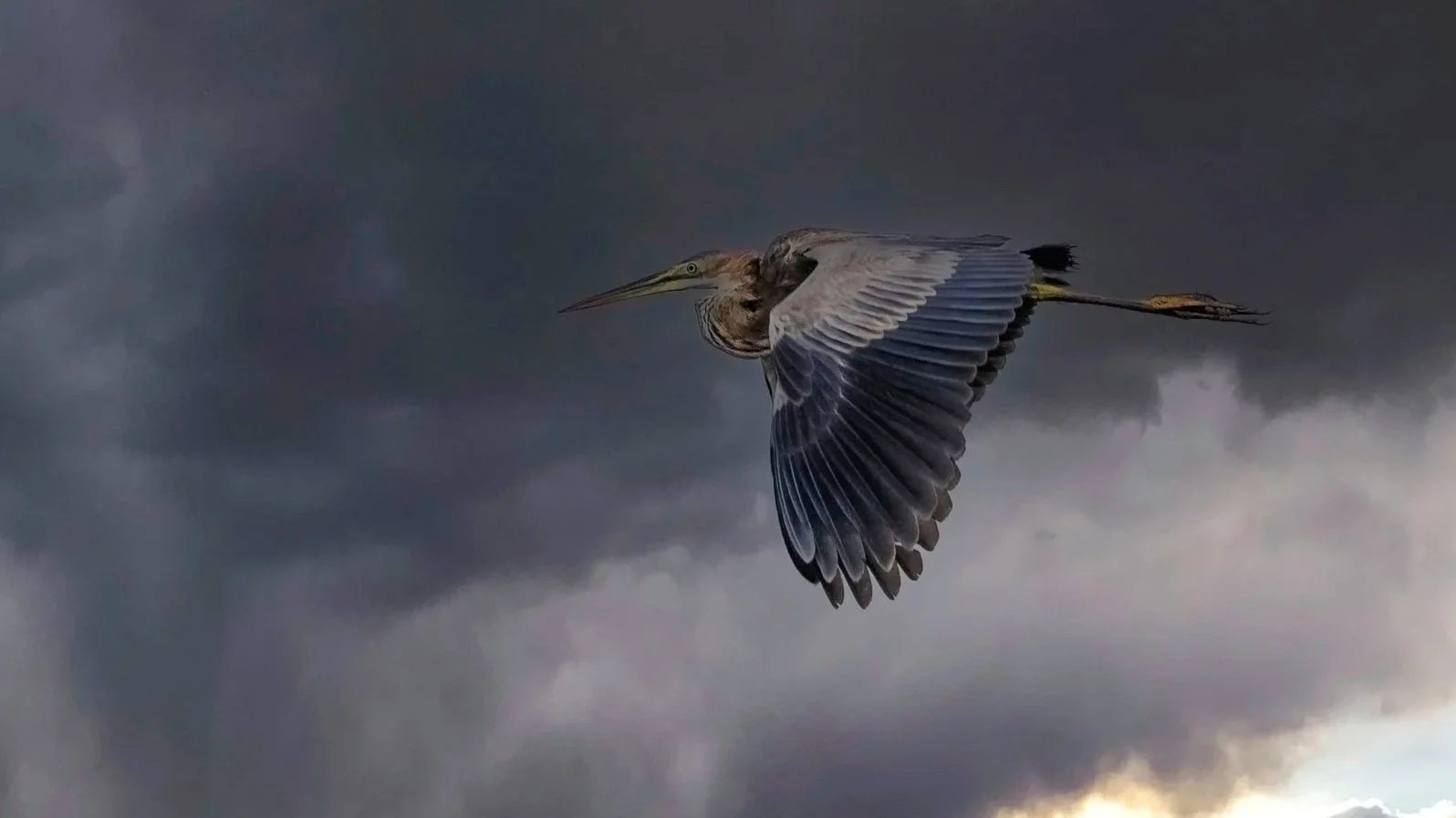
Photographer’s Note: To capture the best "breeding flush" colors, visit the lakeside trees in rural Telangana during July. The contrast of the golden plumes against a stormy monsoon sky is breathtaking.
‡‡‡‡‡

Related Posts

The Little Egret (Egretta garzetta) remains a quintessential subject for wildlife photographers across Telangana’s vibrant wetland ecosystems. Often referred to locally as Chinna Tella Konga, these graceful herons provide a dynamic photography experience as they "dance" through the shallows of urban and rural lakes.
#wildartworks, #Canon, #Wildlife, #naturephotography, #earthcapture, #conservationphotography, #wildlifeonearth, #bbcearth, #natgeowild, #natgeoindia, #Kawal, #KawalTigerReserve, #hyticos, #nirmal, #wildtelangana, #telanganawildlife, #waterbodies, #littleegret, #egret, #Egrettagarzetta,