
Little Pied Flycatcher
Ficedula westermanni
Chiang Mai, Thailand
In the mist-shrouded montane forests of Chiang Mai’s northern peaks—the "Dois"—finding and photographing the Little Pied Flycatcher (Ficedula westermanni), a species of bird in the family Muscicapidae, is an exercise in speed and precision. Often encountered at high-elevation sites like Doi Inthanon and Doi Ang Khang, this diminutive bird is a prize for photographers seeking high-contrast subjects in the soft mountain light. It is native to the Himalayas and Southeast Asia.
The “Old World” - a fascinating term seemingly like something out of the Lord of the Rings and Jurassic Park put together. But in our case the term "Old World" is used commonly to refer to Asia, Africa and Europe (Afro-Eurasia or the World Island), regarded collectively as the part of the world known to its population before contact with the "New World" (the Americas). In the context of archaeology & world history, the term "Old World" includes those parts of the world which were in (indirect) cultural contact from the Bronze Age onwards, resulting in the parallel development of the early civilisations, mostly in the temperate zone between roughly the 45th and 25th parallels, in the area of the Mediterranean, Mesopotamia, Persian plateau, Indian subcontinent and China. The concept of the three continents in the Old World, viz. Asia, Africa, and Europe, goes back to classical antiquity. Their boundaries as defined by Ptolemy and other geographers of antiquity were drawn along the Nile in what is now Egypt and the Don river in Russia. This definition remained influential throughout the Middle Ages and the Early Modern period.
The Old World Flycatchers are a large family, the Muscicapidae, of small passerine birds mostly restricted to the Old World (Europe, Africa & Asia). These are mainly small arboreal insectivores, many of which, as the name implies, take their prey on the wing. The family includes 324 species & is divided into 51 genera. The name Muscicapa for the family was introduced by the Scottish naturalist John Fleming in 1822. The word had earlier been used for the genus Muscicapa by the French zoologist Mathurin Jacques Brisson in 1760. Muscicapa comes from the Latin musca meaning a fly and capere to catch. The appearance of these birds is very varied, but they mostly have weak songs and harsh calls. They are small to medium birds, ranging from 9 to 22 cm in length. Many species are a dull brown in colour, but the plumage of some can be much brighter, especially in the males. Most have broad, flattened bills suited to catching insects in flight, although the few ground-foraging species typically have finer bills. Old World flycatchers live in almost every environment with a suitable supply of trees, from dense forest to open scrub, & even the montane woodland of the Himalayas. The more northerly species migrate south in winter, ensuring a continuous diet of insects.
The family Muscicapidae contains many subfamilies and each sub family contains many tribes. I wrote about the genus Phoenicurus – Redstarts and the genus Myophonus - Whistling Thrushes in earlier blogs.
The Dois of northern Thailand have been very kind to me from a birding perspective. There are so many I have already talked about and so many still remaining. I have written an overview here on the Birds of the Dois and have now started to break them up into individuals like the Gray-backed Shrike, Long-tailed Shrike, Spectacled Barwing, Siberian Rubythroat, the stunning Mrs. Gould’s Sunbird and the numerous other birds I have seen here.
About 685 kilometers to the north of Bangkok lies the former seat of the ancient Lanna Kingdom and is considered one of the most scenic provinces in the country given its mountain ranges, valleys, flora and fauna. A land of misty mountains and colourful hill tribes, a playground for seasoned travellers, and a delight for adventurers. Despite its relatively small size and blissful calm, Chiang Mai truly has it all, a city that is still firmly Thai in its atmosphere and attitude. It is the second-largest changwat (province) of Thailand. Bordered by Chiang Rai to the northeast, Lampang & Lamphun to the south, Tak to the southwest, Mae Hong Son to the west and the Shan State of Myanmar to the north. Located in a verdant valley on the banks of the Ping River, Chiang Mai was founded in 1296 as the capital of the ancient Lanna Kingdom. Today it is a place where past and the present seamlessly merge with modern buildings standing side by side with venerable temples. Of all the places I have visited in Thailand, Chiang Mai with its forests and mountains and the historic city of Ayutthaya are by far my favourites.
The word Chiang itself is from North Thai, or Lanna, meaning town or city and Mai means new making Chiang Mai the New City as it was founded later than Chiang Rai, the earlier capital of King Meng Rai. The districts in the province are called amphoe, and sub-districts are called tambon. Another twist is the use of Nakhon (or Nakorn or Nakhorn), derived from the Sanskrit word Nagara, also means city, though strictly speaking it refers to a capital city such as Nakorn Sri Ayutthaya (more on Ayutthaya later). Indeed to emphasise its former status you may sometimes see Chiang Mai referred to as Nakhon Ping. Other common names of geographical features include mae (river) and doi which is north Thai for mountain - for example Doi Inthanon and Mae Ping.
The four Dois we spent our time on were Doi Inthanon, Doi Ang Khang, Doi Luang and Doi SanJu.
Doi Ang Khang is a mountain belonging to the Himalayan foot hill range, located at the Myanmar (Burmese) border. The highest point is 1,928 metres. Although chiefly deforested, this is still one of Northern Thailand’s most prominent bird watching areas, due to more and rarer bird species being in residence, as well as being a popular resting point for numerous migratory birds. Examples of rare and beautiful birds inhabiting this area include the Mountain Bamboo Partridge, Spot-breasted Parrotbill, Tickell’s Leaf Warbler and the Red-faced Liocichla. It is not so uncommon to spot the Red-tailed Laughing Thrush here. Around The Royal Agricultural Project Station you can find Brown, Burmese and Long-tailed Shrike and also Fire-capped Tits and Silver-eared Mesia, White – tailed Robin & Maroon Oriole.
We didn’t have the good fortune to see all the species on all the mountains, that would have been impossible, but we did rack up quite a number of species - about 95 of them.
The beautiful road to the top of Doi Angkhang.
Read about the other birds from these beautiful mountains. These are only a few of the huge number I have spotted and recorded there.
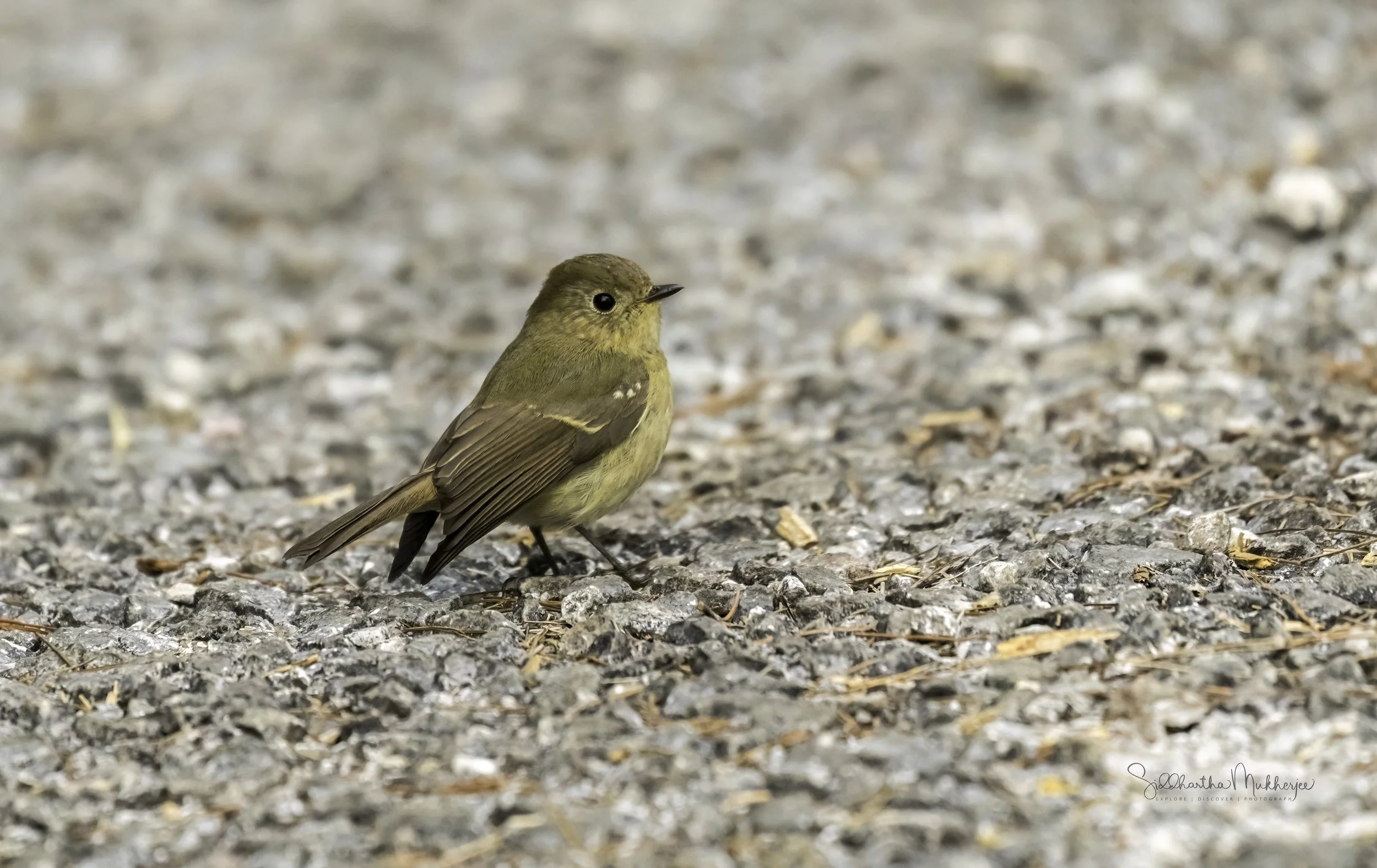
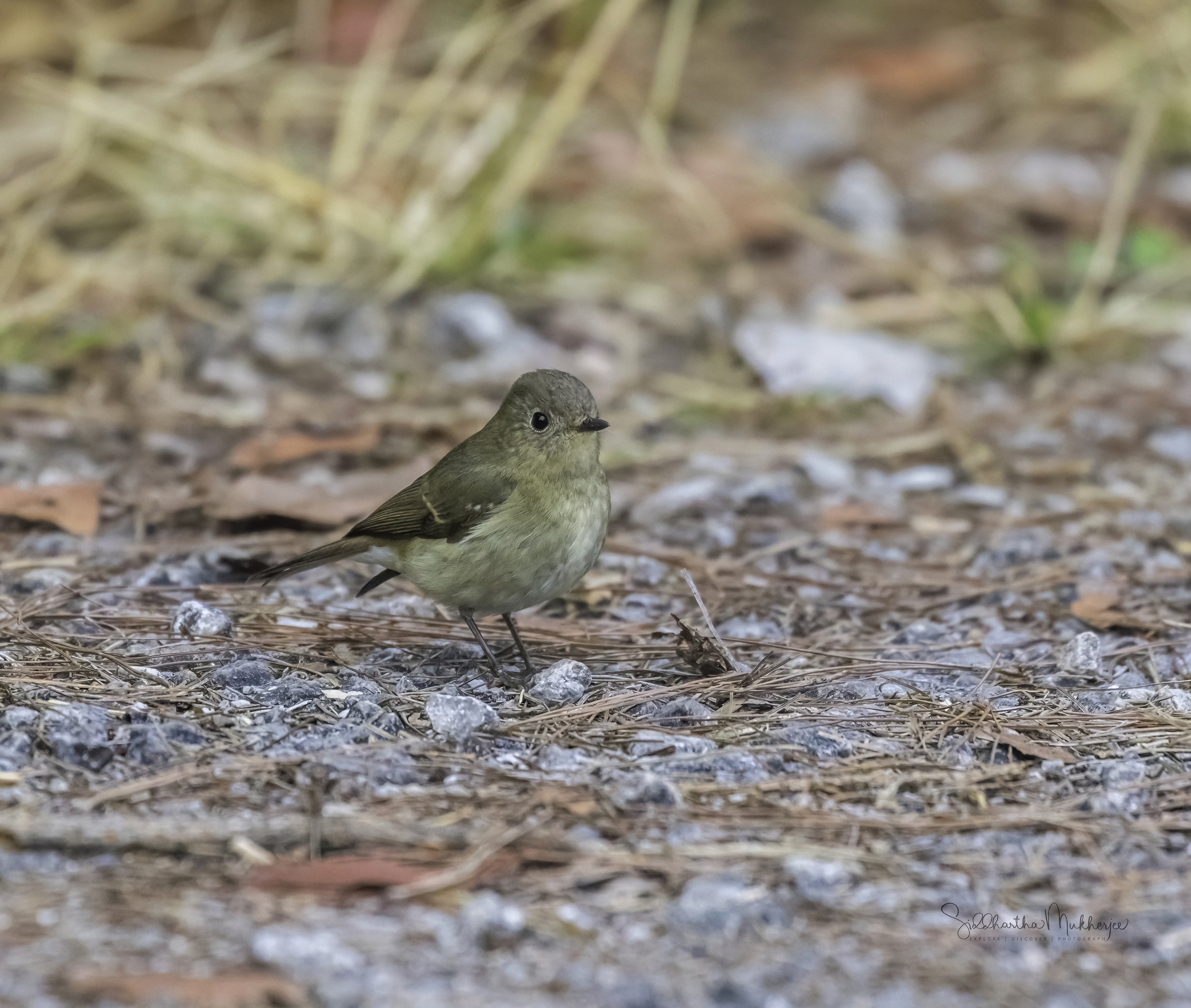
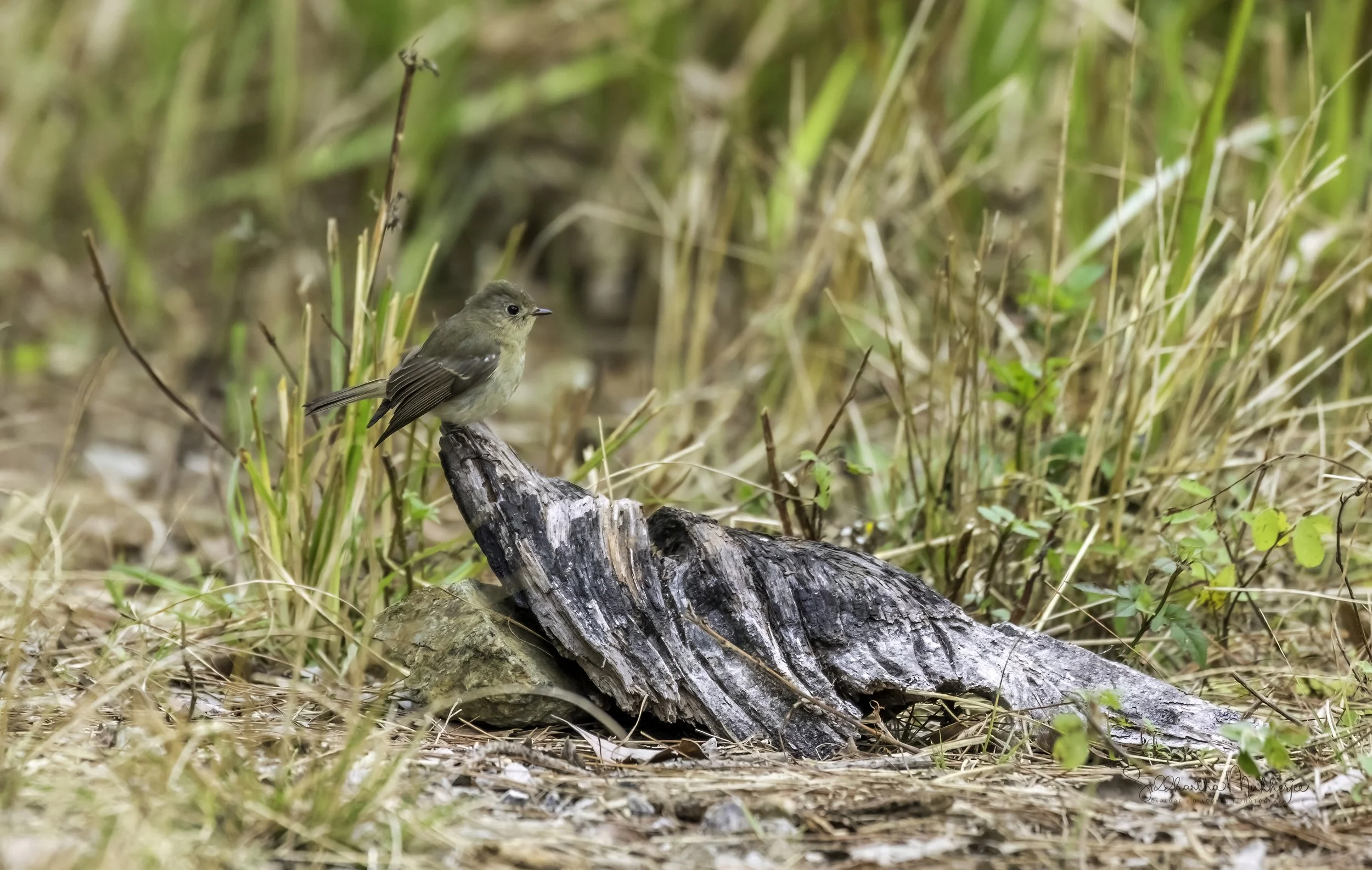
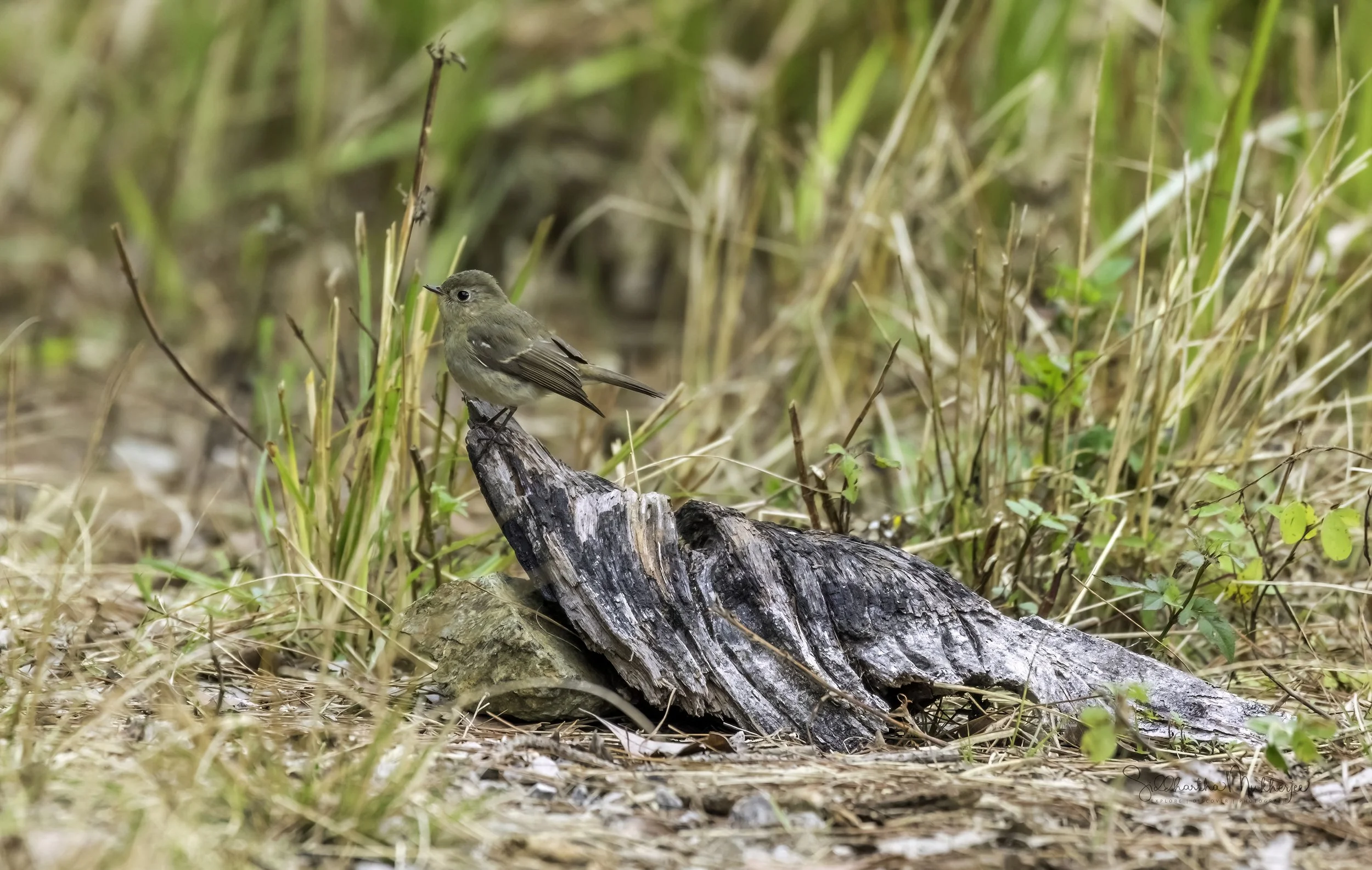
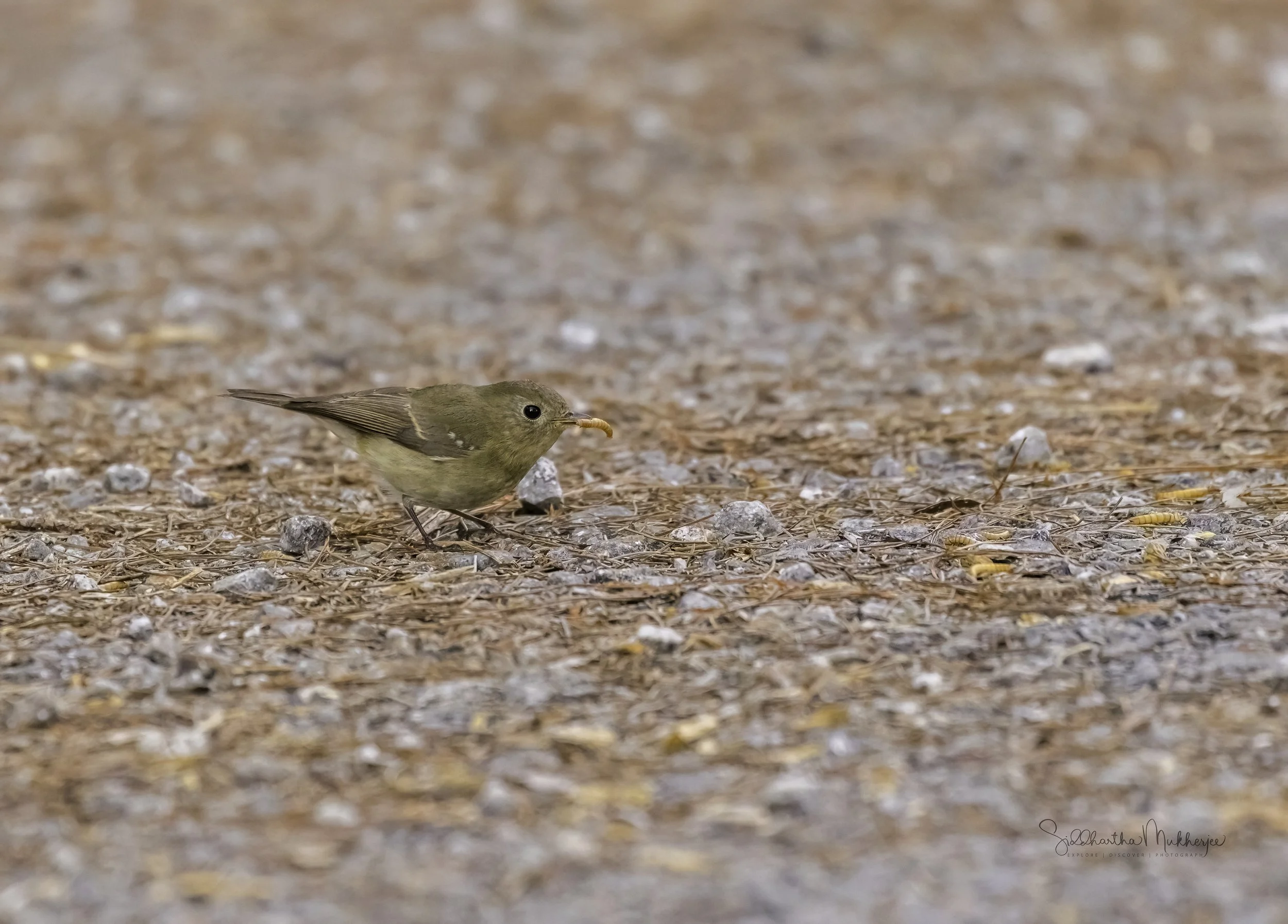
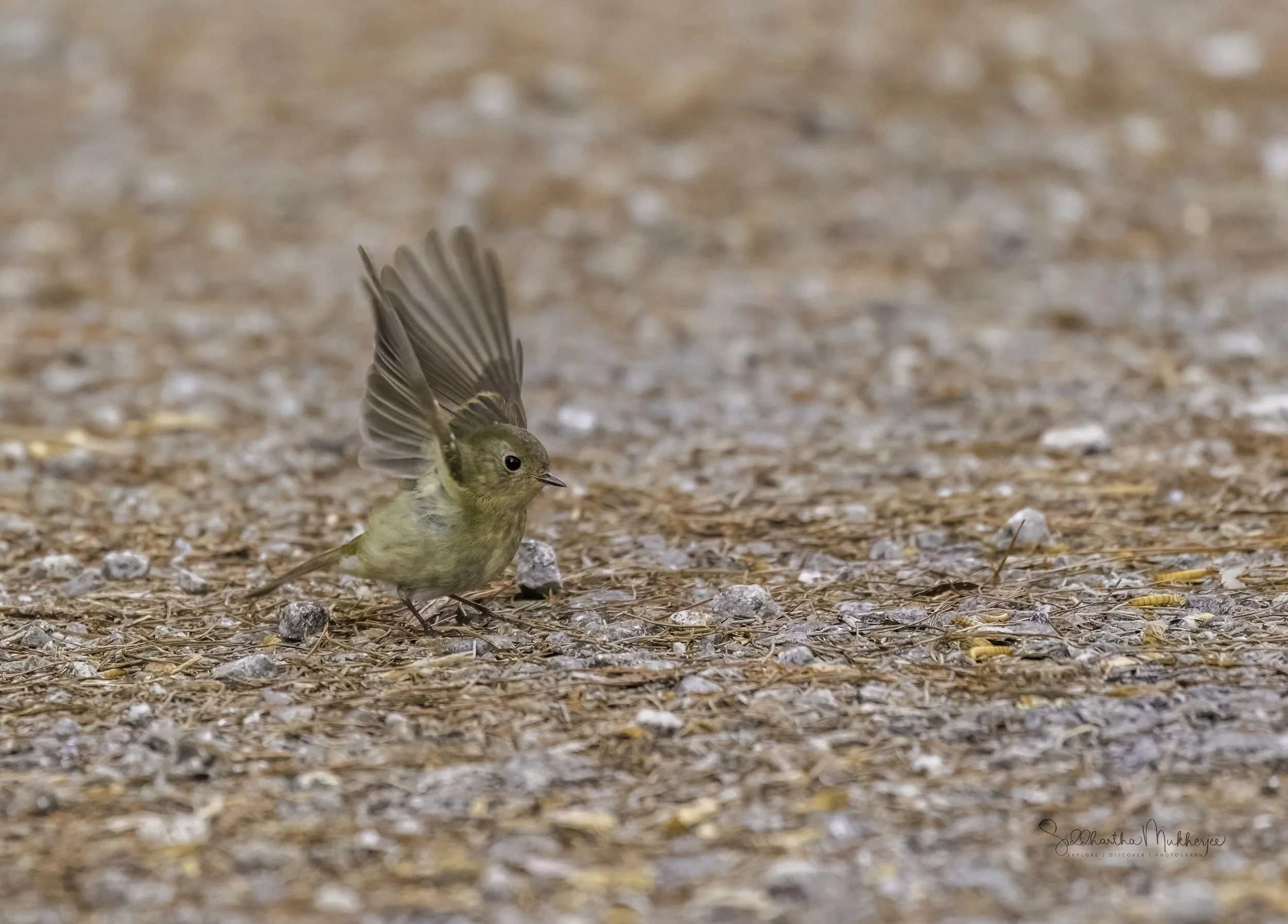
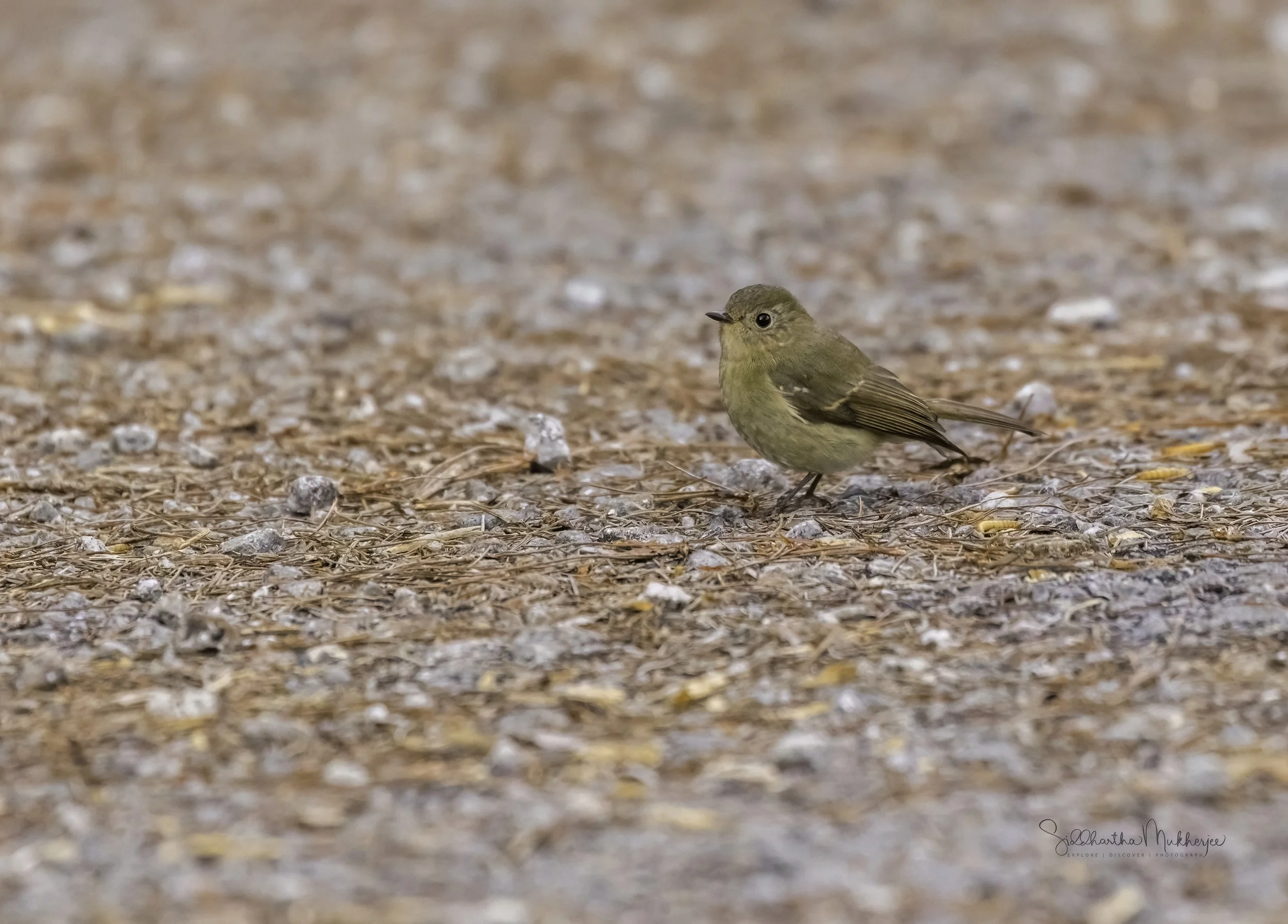
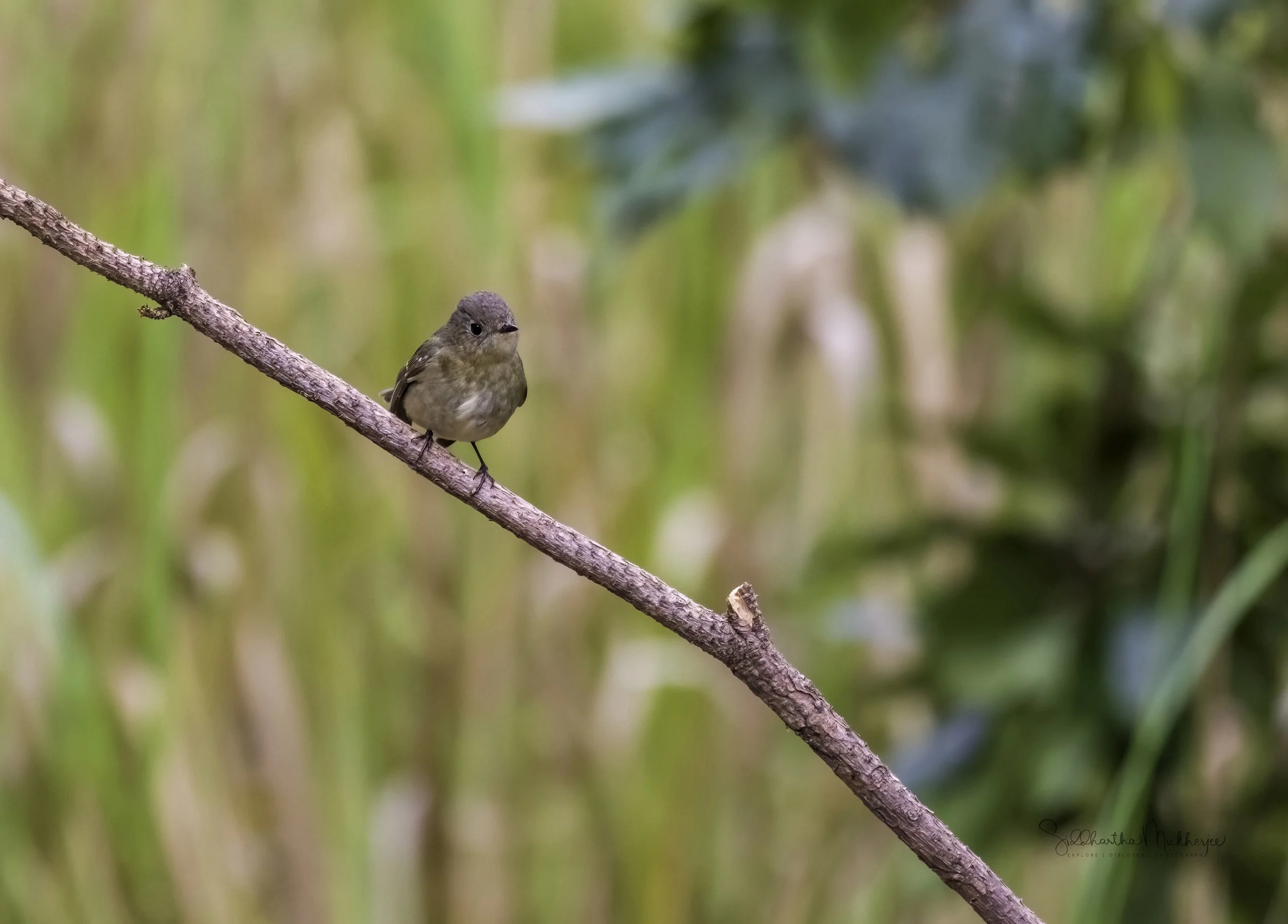
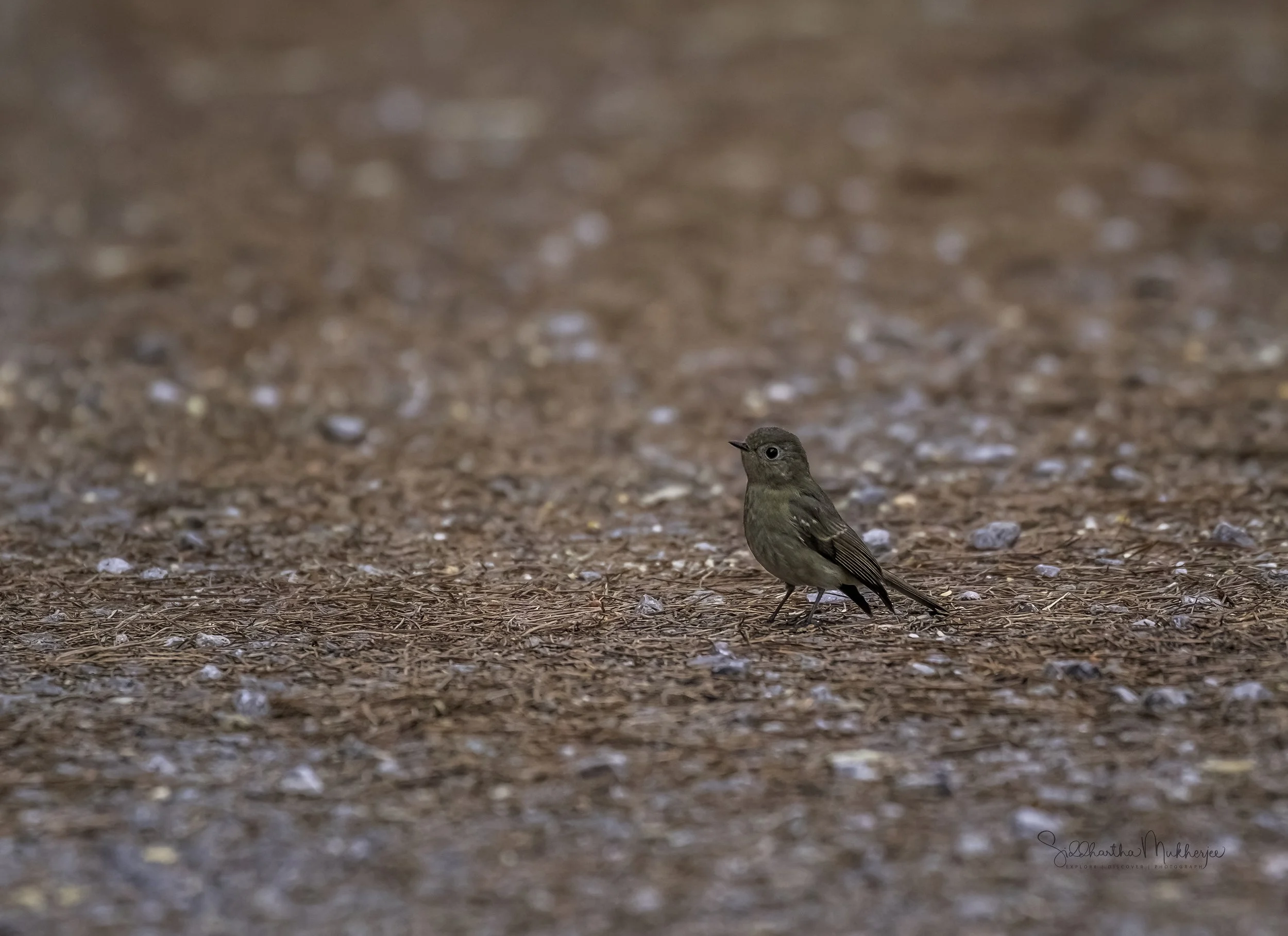
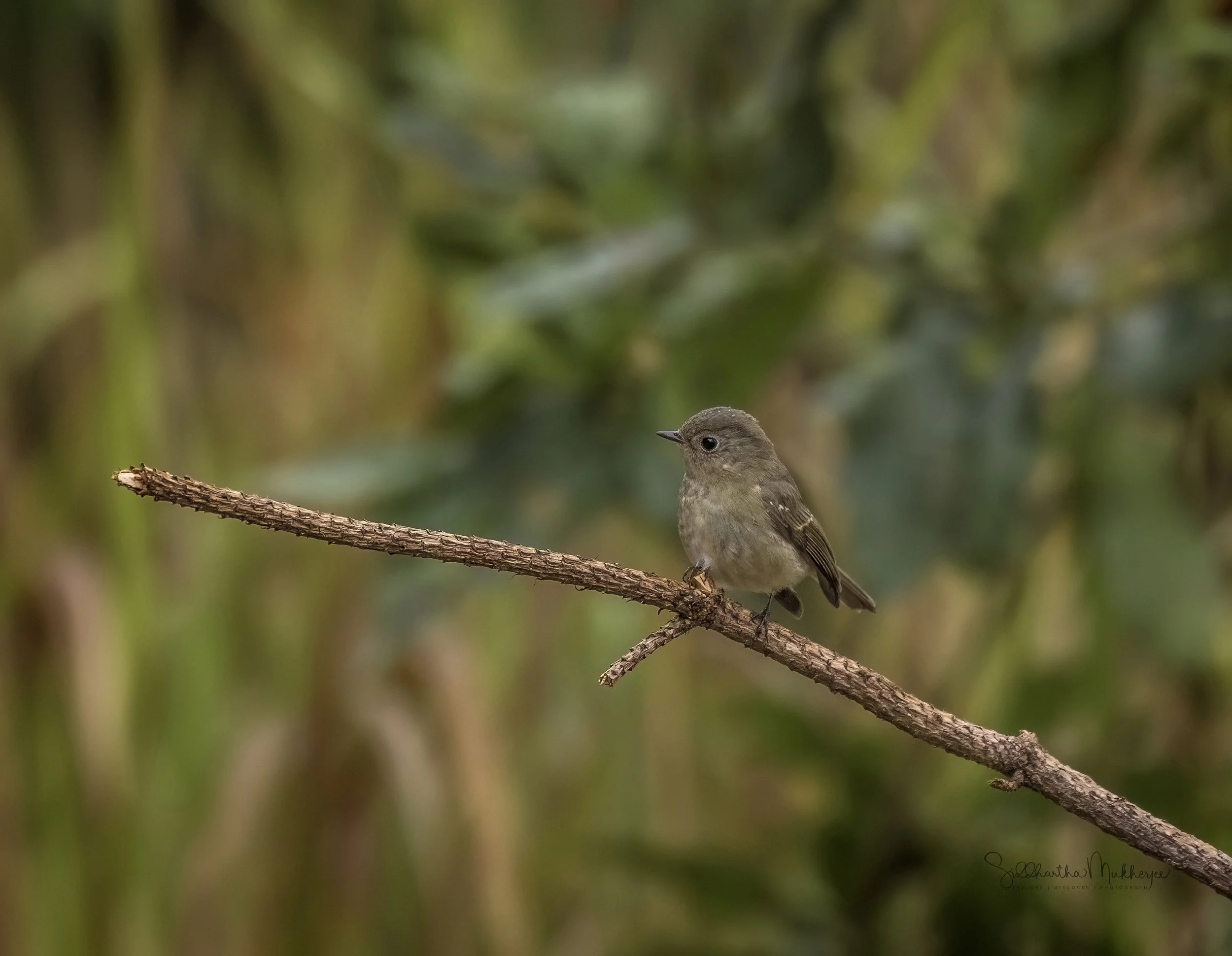
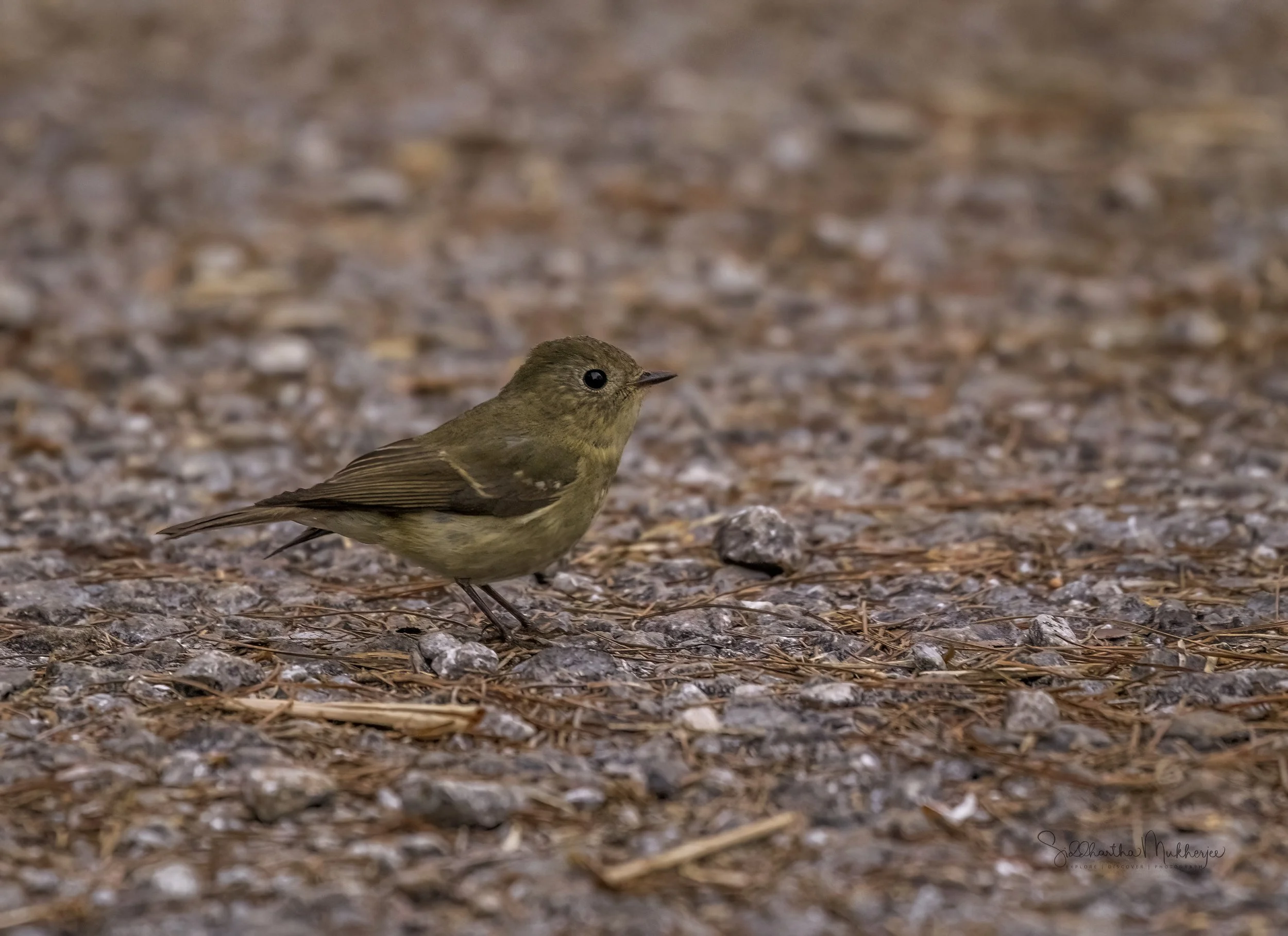
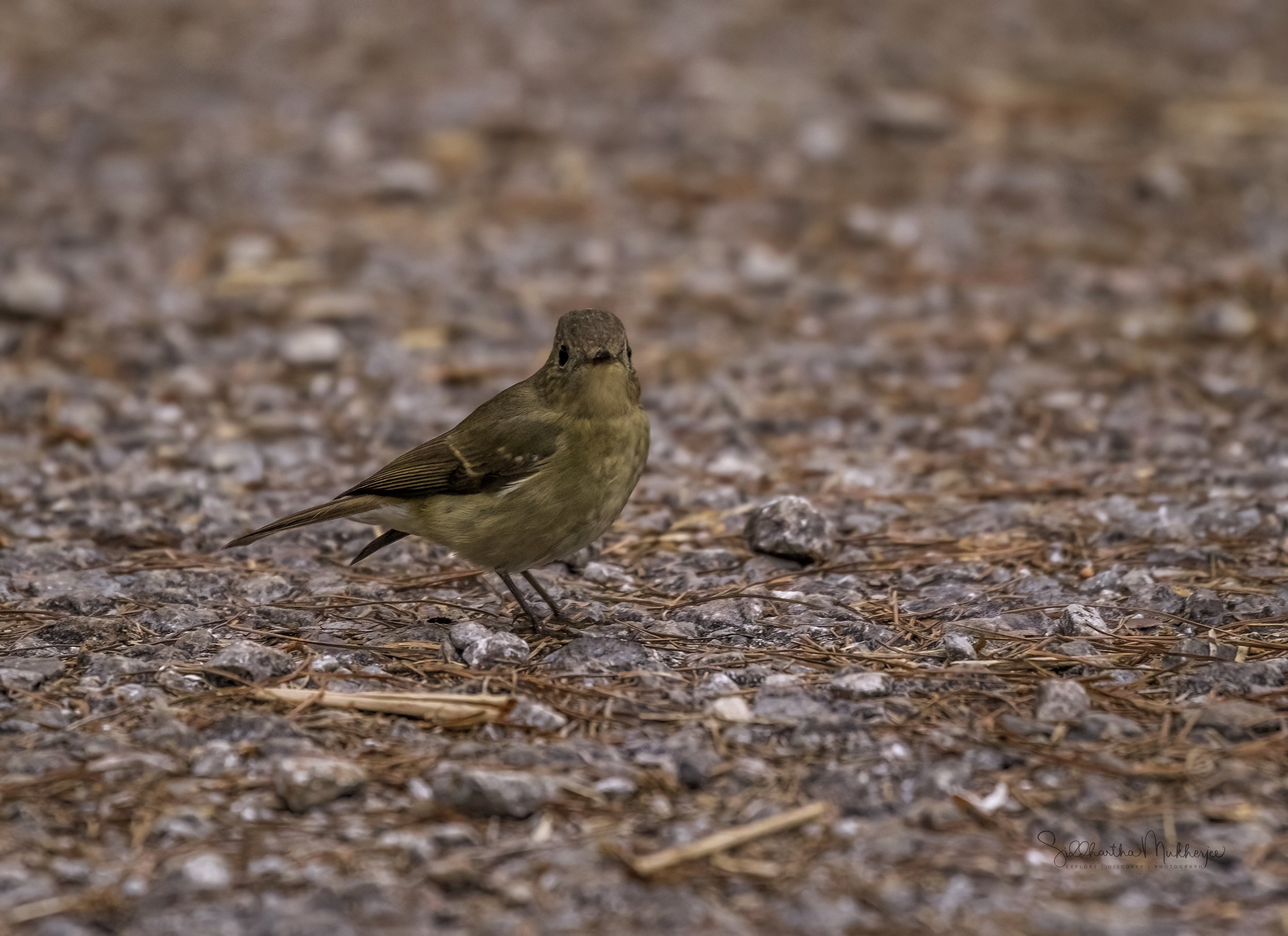
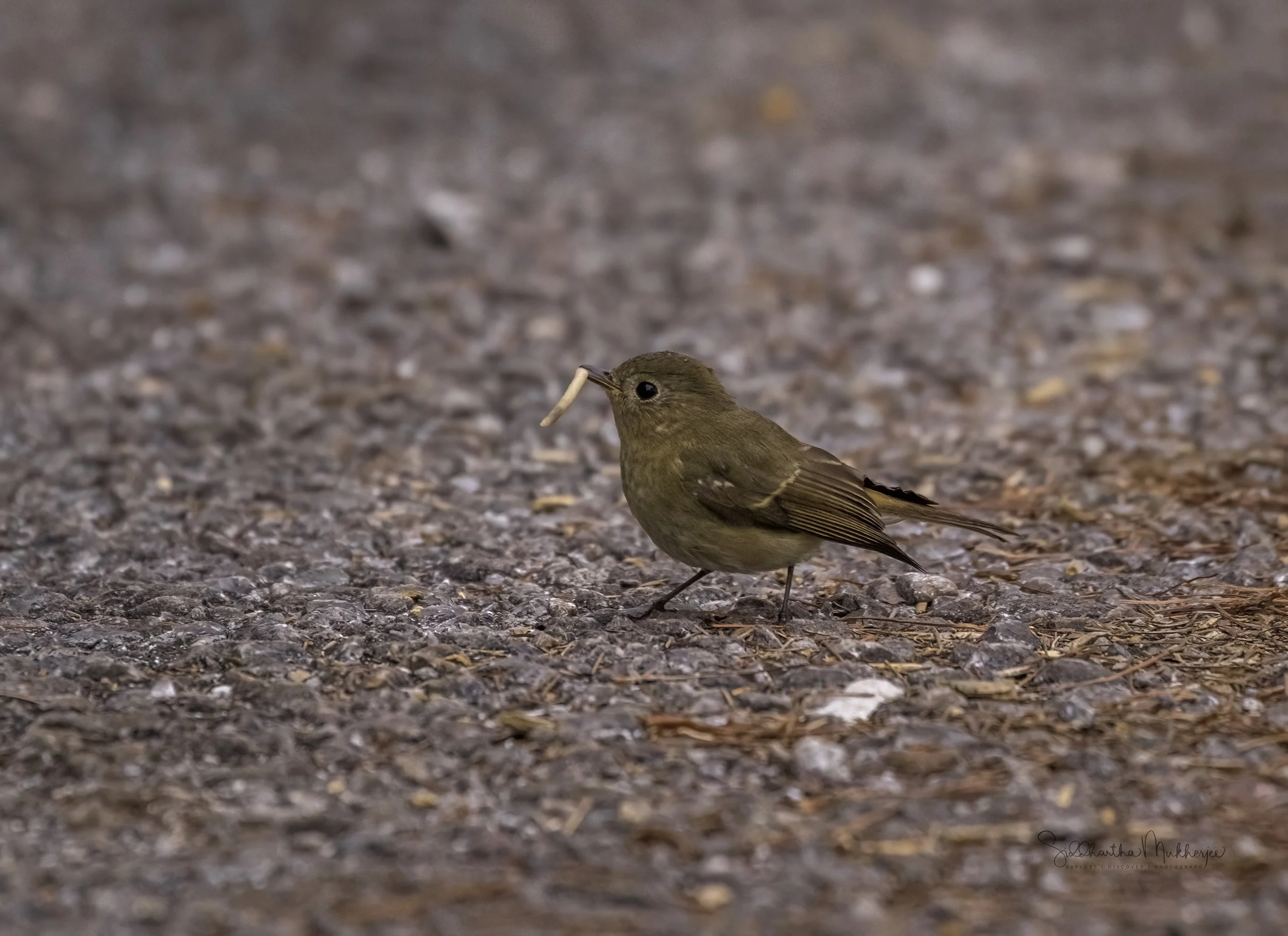
With that said, meet this beautiful flycatcher, one of many from the mountains of Chiang Mai. I could only spot the female, the male however could only be heard and didn’t once come out.
‡‡‡‡‡
Little Pied Flycatcher
The Little Pied Flycatcher (Ficedula westermanni) is a species of bird in the family Muscicapidae. It is native to the Himalayas and Southeast Asia. The species was given the binomial Muscicapula westermanni by R.B. Sharpe in 1888 based on a specimen collected by Leonard Ray in Malaysia and named after Gerardus Frederik Westerman. Its natural habitats are subtropical or tropical moist lowland forest and subtropical or tropical moist montane forest.
The male is strikingly unique with his bold black-and-white patterning while the female is unique in her plainness - a somber gray-brown above with pale underparts and a slightly cinnamon tint to the rump. It breeds in broadleaf, coniferous, and mixed forests in foothills and montane areas. The Himalayan birds descend into lower foothills in the winter. They can be spotted sallying from exposed perches in the upper and middle levels of the forest and moving with mixed flocks in the non-breeding season. Their vocalizations are variable, and include a series of high notes followed by buzzing and tinkling notes (“chi-chi-chi-brr-titititi”), a steadily accelerating series of chiming notes, and a series of clear bell-like phrases followed by a short buzzy sputtering. Calls include high notes and rolling low rattles.
Photographing these birds in the Dois, particularly during the winter months (November–February), offers distinct advantages. On Doi Inthanon, the higher elevations near the summit and Kew Mae Pan trail are prime spots. At Doi Ang Khang, they are frequently seen around the military base and campsite area. They are restless and "always on the move" and to capture a sharp shot, one will often need to wait near exposed perches where the birds sally out to catch insects which is what I had done. In the dense, mossy forests of the summit, light can be low. A fast shutter speed (minimum 1/800s to 1/1000s) and high ISO are typically necessary to freeze their sudden flitting movements.
The Little Pied Flycatcher is a tiny, large-headed flycatcher measuring 10–11 cm and weighing only 7–8 g. The male is strikingly black and white with a long white supercilium (eyebrow), bold white wing patches, and white bases on the outer tail feathers. While the female is an understated gray-brown above with a cinnamon-tinted rump and pale underparts. The subspecies found in the northern mountains of Thailand is Ficedula westermanni australorientis. In this race, the female has a mouse-gray crown and nape, becoming pale brown on the back with a rich rufous-brown rump.
The Little Pied Flycatcher is widespread across the Indian Subcontinent and Southeast Asia. It is common in the North and Northwest mountains of Thailand and resident in hill forests generally above 700 m. Their preferred habitat is subtropical and tropical moist montane forests, including broadleaf, coniferous, and moss-covered forests.
The Little Pied is a resident & short-range altitudinal migrant. The Himalayan populations may descend to lower foothills in winter, but in Chiang Mai, they remain mostly within high-altitude montane zones. They actively forage in the middle to upper canopy and are principally insectivorous, consuming small invertebrates like flies, beetles, weevils, spiders, and caterpillars. The breeding season runs from mid-March to August. Both sexes build a cup-shaped nest of moss and plant fibers, usually tucked into epiphytes or tree roots typically laying a clutch of 2–3 eggs.
Field Identification Tips
Call: Listen for a thin, high-pitched song or a rolling "pi-pi-pi-pi" followed by a rattling "churrr".
Confusing Species: The male may be confused with the Ultramarine Flycatcher, but the Little Pied is distinguished by its white eyebrow and lack of blue.
Visual Cue: Look for the characteristic wing-flicking and tail-cocking while they perch prominently on roadside wires or exposed branches.
The Little Pied Flycatcher is classified as Least Concern (LC). While their population trend is believed to be decreasing due to habitat loss, they remain common in protected areas like Doi Inthanon National Park.
‡‡‡‡‡


Related Posts



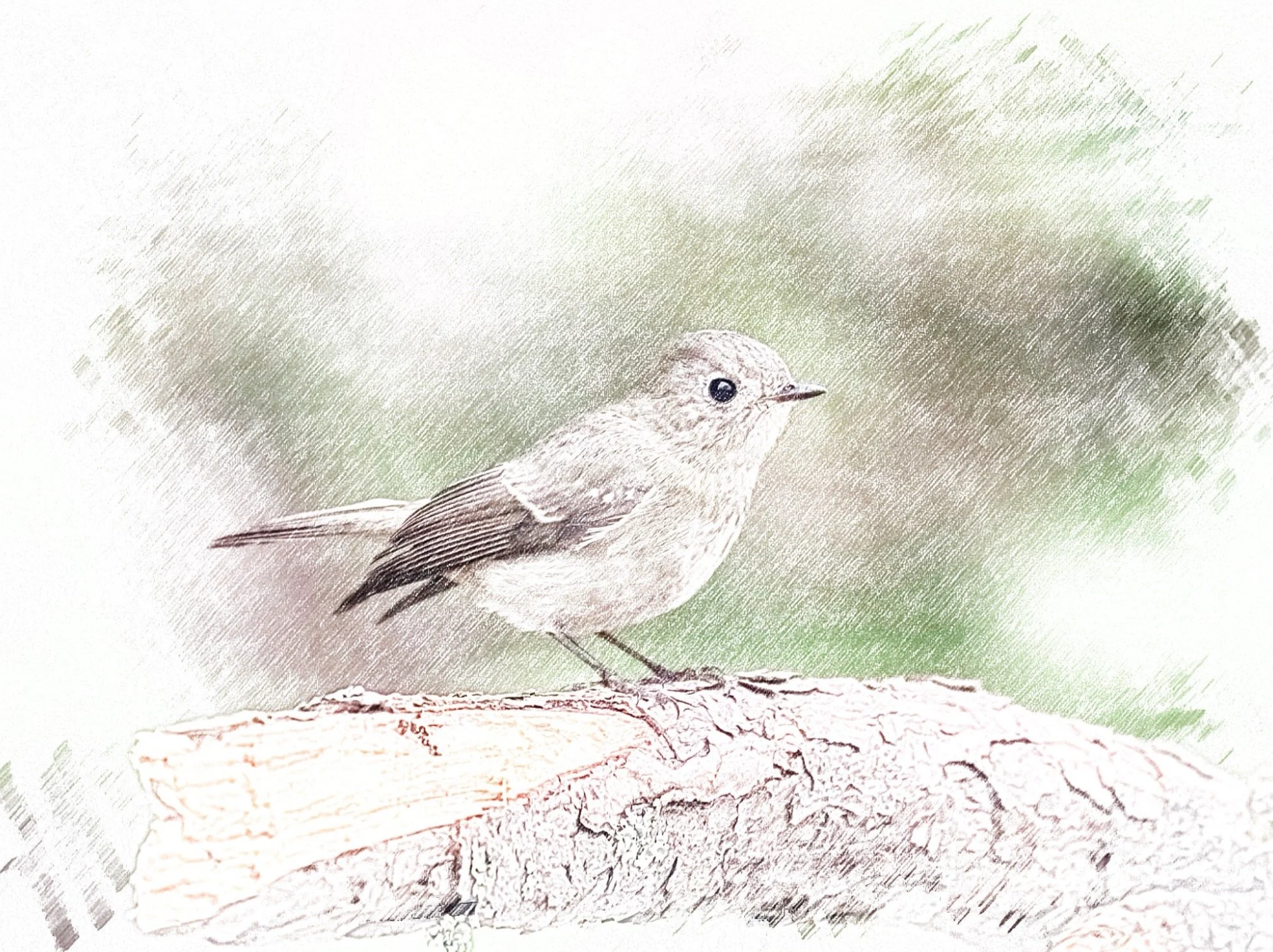
The Slaty-blue Flycatcher (Ficedula tricolor) is a species of bird in the family Muscicapidae found in the Indian Subcontinent & Southeast Asia, ranging across Bangladesh, Bhutan, India, Laos, Myanmar, Nepal, Pakistan, Thailand, and Vietnam. Its natural habitat is subtropical or tropical moist montane forests.
#wildartworks, #Canon, #PromediagearTR424L, #Bird, #Birdinginthewild, #BirdWatching, #Wildlife, #WildBirds, #naturephotography, #your_best_birds, #planetbirds, #earthcapture, #photo_pond, #earthpix, #naturyst, #conservationphotography, #wildlifeonearth, #bbcearth, #natgeowild, #natgeoindia, #animalsofinstagram, @globalcapture, #flycatcher, #DoiSanJu, #DoiLuang, #DoiPhaHomPokNationalPark, #DoiPhaHomPok, #Thailand, #slatyblueflycatcher