
Great Grey Shrike
Lanius excubitor
The legendary "butcherbird" of the scrublands
The sun had barely broken over the horizon, casting a pale gold tint across the sweeping expanses of the Baramati Grasslands. Located a short distance from the famous Bhigwan Bird Sanctuary in Maharashtra, India, this semi-arid grassland acts as an evolutionary stage for some of the subcontinent's most specialized avian species. On a crisp September morning, a flash of silver, white & stark black cut through the air. The bird landed with absolute precision. It was the Great Grey Shrike (Lanius excubitor), the legendary "butcherbird" of the scrublands, displaying a stark, regal beauty that immediately demanded attention.
South of Pune lies the Baramati Grasslands—a sun-baked, semi-arid expanse on the Deccan Plateau that breathes life into an often-overlooked wild frontier. Contiguous with the famous Bhigwan Bird Sanctuary, this rolling dry savannah stands in stark, dramatic contrast to the thriving aquatic backwaters of the Ujni Dam. Across the arid terrains of Shirsuphal, Kadbanwadi, and Saswad, stunted Acacia trees struggle against nutrient-poor soils and a harsh climate that yields less than 70 cm of annual rain.
Yet, to dismiss these plains as "semi-arid wastelands" is a profound mistake. This unique landscape forms a critical dual-habitat matrix with the adjacent wetlands, serving as a vital stronghold for roughly 25 mammal species and over 330 bird species. Having previously tracked and documented the shadows of the Near Threatened Striped Hyena and the Endangered Indian Grey Wolf here, I invite you now into a different chapter of this wilderness. This chronicle explores the striking plumage of one of Baramati's avian wonders against a shifting habitat—a definitive guide crafted for birders and wildlife photographers alike.
Grasslands
UNESCO defines savannah grasslands as ‘land covered with herbaceous plants with 10 - 40% tree and shrub cover’ (White, 1983). Globally, they cover about 46% of the land surface and contribute to the livelihood of over 800 million people through supporting pastoralism, dairy sector and the agricultural economy (Murray et al., 2000, Sala et al., 2017). Tropical savannah grasslands support the highest diversity of wild herbivores and carnivores globally (Shankaran & Ratnam, 2013). Grasslands are also natural carbon sinks and therefore crucial to the global carbon cycle due to their high rates of productivity, enhanced carbon sequestration rates & geographical extent keeping global temperatures more or less in balance. They are also breeding grounds for many migratory and endangered species like the Indian Grey Wolf of which only about 3,000 are left in the wild. It is a common response from people to think forests when green cover is mentioned but grasslands are of equal import. These open natural ecosystems urgently need attention and government initiatives for protection and conservation.
In India, savannah grassland ecosystems cover various biomes (high-elevation Sholas in the Western Ghats, low-lying peninsulas, Himalayan plateaus, etc.) and occupy 17% of the geographical area of the country (White et al., 2000). In Maharashtra, these ecosystems (patches of >10 km²) take up over 8% of geographical area, including permanent pastures, grazing lands, and fallow land, according to a recent Open Natural Ecosystem (ONE) mapping study (Madhusudan & Vanak, 2021). Indian grasslands come under five categories based on grass species composition & climate (Dabadghao & Shankarnarayan, 1973); these are Sehima - Dichanthium grasslands (Peninsular India and the Aravalli range); Dichanthium - Cenchrus - Lasiurus grasslands (Sub-tropical arid and semiarid region); Phragmites - Saccharum - Imperata grasslands (Gangetic plains, Brahmaputra valley, and Punjab); Themeda - Arundinella grasslands (Himalayan foothills); and temperate/alpine grasslands (high altitude Himalaya).
From Right: Ganesh, Sandip & yours truly
Savannah grasslands in India support at least 46 different nomadic & settled pastoralist communities and greatly subsidise agricultural livelihoods (Kishore & Köhler-Rollefson, 2020). Pastoralism-based economies are the backbone of Indian agriculture, contributing 3% to the national GDP and providing employment and livelihood for 70% of the population in rural areas (Kishore & Köhler-Rollefson, 2020). The number of practising pastoralists is estimated to be close to 13 million in India (Kishore & Köhler-Rollefson, 2020), out of which at least 1-2 million are in Maharashtra. The latter includes communities like Hatkar Dhangar,
Grasslands are not wastelands. It is important to amplify scientific evidence that show ecological value of grasslands & address the identity crisis that is preventing effective interventions. Grassland patches in Maharashtra are found across Marathwada, Vidarbha, Solapur, Satara and other isolated patches along the Western Ghats. According to the Forest Survey of India, permanent pastures, grazing lands, and fallow land account for just 8% of the state’s geographical area. However, there is no estimation or study on how much of this falls within forest areas. Management of grasslands fall under different government departments. An inter-ministerial agency can enable more effective governance.
These grasslands play host to some magnificent eagles and harriers too like the Endangered Steppe Eagle, the Vulnerable Greater Spotted Eagle, the rare and Vulnerable Eastern Imperial Eagle, Bonelli’s Eagle & harriers like the Pallid Harrier, Montagu’s Harrier & Eurasian Marsh Harrier. Apart from these there are other spectacular species like the Short-eared Owl, Spotted Owlets & the Indian Courser inhabiting the grasslands.
I was hosted by & had the expert help of Sandip Nagare and his team of knowledgeable guides from the Agnipankha Bird Watcher group, especially Ganesh Bhoi, who went out of their way to ensure I had fantastic opportunities to explore, discover, observe & photograph my target species on this trip. As always, I was based at Sandip’s homestay and once again had the added pleasure of indulging in delectable home cooked food.
Read about my birds from Kumbhargaon & the Bhigwan Bird Sanctuary and watch the videos on my Youtube channel - WildArtWorks.
Baramati Grasslands
The Baramati Grasslands, situated in the semi-arid Deccan Plateau region to the south of Pune, form a critical open natural ecosystem contiguous with the famous Bhigwan Bird Sanctuary. Unlike the thriving aquatic ecosystem found in the backwaters of the Ujni Dam reservoir, the surrounding regions of Shirsuphal, Kadbanwadi, and Saswad feature a dry savannah landscape. Characterized by an annual rainfall of less than 70 cm, these rolling terrains are covered with shallow, nutrient-poor soils, patches of native scrub, and stunted Acacia vegetation that rarely tops six metres in height. Despite their historical, official categorization as "semi-arid wastelands," these grasslands host an surprisingly rich spectrum of life, acting as a stronghold for roughly 25 mammal species and over 330 bird species. This unique dry-land expanse functions alongside the adjacent wetlands to create an essential dual-habitat matrix, offering varied foraging and breeding grounds for a massive range of terrestrial and avian wildlife.
The region is famous for apex canids and specialized desert fauna, providing a sanctuary for the elusive Indian Grey Wolf, the Striped Hyena, the Bengal Fox, & the Golden Jackal. Small mammals, such as the Indian Gazelle (chinkara), Blackbuck, Jungle Cat, and Black-naped Hare, browse the scrubby vegetation. Concurrently, the birdlife is incredibly diverse. Resident grassland specialists like the Indian Courser, Yellow-wattled Lapwing, Chestnut-bellied Sandgrouse, Painted Francolin, Rock-bush Quail, and various species of Larks (such as Sykes's and Rufous-tailed Larks) perfectly blend into the dry terrain to forage and build ground nests. Nocturnal hunters like the Indian Rock Eagle-Owl occupy the rocky outcrops. During winter, this landscape becomes highly dynamic with the arrival of long-distance migratory birds using the Central Asian Flyway. While waterbirds like the Greater Flamingo and Painted Stork take over the shores of the Ujni reservoir, the dry plains fill up with migratory raptors. Large numbers of wintering Pallid Harriers, Montagu’s Harriers, Steppe Eagles, and Greater Spotted Eagles swoop over the open grass to track rodents, insects, and small lizards.
Ecological Significance and Habitat Disruption
The immense value of these grasslands lies in their role as primary breeding grounds for endemic species and wintering zones for threatened migratory birds. Because many of these birds are ground-nesters, they serve as vital bioindicators for the overall health of the environment. Unfortunately, the Baramati and Saswad ecosystems are experiencing rapid and unusual ecological degradation. Historically viewed by state departments as unproductive territory, large tracts of open lands are continuously subjected to misplaced afforestation initiatives. Planting exotic trees, such as neem or Gliricidia, alters the structure of the landscape. Studies from organizations like the Centre for Policy Design at ATREE reveal that tree plantations make the landscape completely unlivable for open-country specialists like the Indian Courser and Tawny Pipit, which need clear visibility to avoid predators. Instead, these specialists are driven out by generalist woodland birds.
Furthermore, the expansion of modern irrigation has led to intense agricultural cultivation and land conversion. Low-intensity pastoral grazing lands are being converted into dense monoculture fields of sugarcane and groundnut. This rapid habitat loss leaves ground-nesting birds vulnerable to trampling by domestic livestock and predation by stray dogs. Large-bodied specialist species, including the critically endangered great Indian bustard—which once roamed these regional corridors—have suffered a catastrophic, near-total local decline. Insectivorous birds are also dropping in numbers due to heavy pesticide use in the newly cultivated farms. Protecting the remaining unploughed patches of the Baramati grasslands is absolutely necessary. Preserving this habitat balance is vital to protecting the delicate food chains that support Maharashtra's unique dry-land wildlife and iconic winter migrations.
| Why it is categorised as a "Wasteland" (Flawed Metric) | The ecological reality (Why it is a Thriving System) |
|---|---|
| Lack of Commercial Timber: Because it lacks tall trees & dense forest canopies, it is deemed unproductive by traditional forestry metrics. | Evolutionary Architecture: The lack of trees is a natural state. The flora is perfectly adapted to survive on low rainfall, providing the exact low-cover terrain needed by ground nesting birds and sprinting ungulates. |
| Seasonal Aridity: The dry, brown appearance during the summer months gives an illusion of a dead, barren landscape. | Resilient Adaptability: The ecosystem possesses a unique underground vitality. Perennial grass roots stay alive, waiting to rapidly regenerate and blossom with the very first drop of monsoon rain. |
| Target for Diverted Land-Use: Being labeled as a "wasteland" makes it vulnerable to being cleared for industrial plants, solar farms or inappropriate afforestation drives. | Ecological Disruption: Planting non-native trees (like Eucalyptus or Prosopis juliflora) in an attempt to "green" these spaces destroys the native biome, wiping out the habitat of endangered species like the Indian Grey Wolf. |
The Pune Forest Department has shifted its focus from treating semi-arid regions as "wastelands" to executing structured, scientific habitat protection plans. These strategic operations aim to protect the delicate dry-savannah web across the Baramati, Indapur, Daund, and Saswad ranges.
Targeted Predator Conservation & Ecological Mapping
The department launched a dedicated meso-carnivore conservation project specifically targeting the five primary predators dominating the grassland food chain: the Indian Grey Wolf, Striped Hyena, Bengal Fox, Golden Jackal, and Civet. In collaboration with local non-profits like The Grassland Trust, the department deploys extensive camera-trapping networks across Pune district. This monitoring helps biologists track wolf pack movements, understand denning habits, and study the impact of expanding leopard populations on smaller carnivores. Additionally, the department uses geographic information systems to carry out extensive grassland and wetland mapping to visually monitor and prevent illegal land encroachment.
The "Grassland Safari" Ecotourism Model
To curb illegal vehicle entry and manage human foot traffic, the department established a regulated Grassland Safari program covering over 2,160 hectares of protected landscape across Kadbanwadi (Indapur) and Shirsuphal (Baramati). Managed through an official online reservation system, this initiative replaces unmonitored off-roading with authorized, controlled eco-tours.
Community-Led Protection: Instead of completely sealing off the land, the department partners with local villages through Joint Forest Management Committees (JFMC). Local residents are trained as official nature guides and naturalists, turning former poachers or farmers into active defenders of the wildlife.
Mitigating Land Conflict: Because parts of the grasslands sit on private property, the department actively offers landowner compensation and designs alternative transit routes for locals to reduce human activity in ecologically sensitive zones.
Den Restoration and Anti-Poaching Interventions
A critical field strategy involves physical intervention to protect underground wildlife. Local poachers frequently smoke out or block multi-entry underground dens with heavy stones to capture Porcupines or target small canids. The Pune Forest Department actively works alongside rescue groups to unblock and restore active Hyena and wolf dens, implementing strict penalties for interference. To safeguard prey species like the Chinkara (Indian Gazelle) and Blackbuck, the department has focused on habitat restoration—moving away from planting invasive trees to instead preserving open fields and clearing out dangerous feral dog packs that threaten ground-nesting birds.
Recognizing Baramati as a rich, distinct ecosystem rather than a wasteland is the primary step toward saving its threatened wildlife and ensuring the survival of India's open-country species.
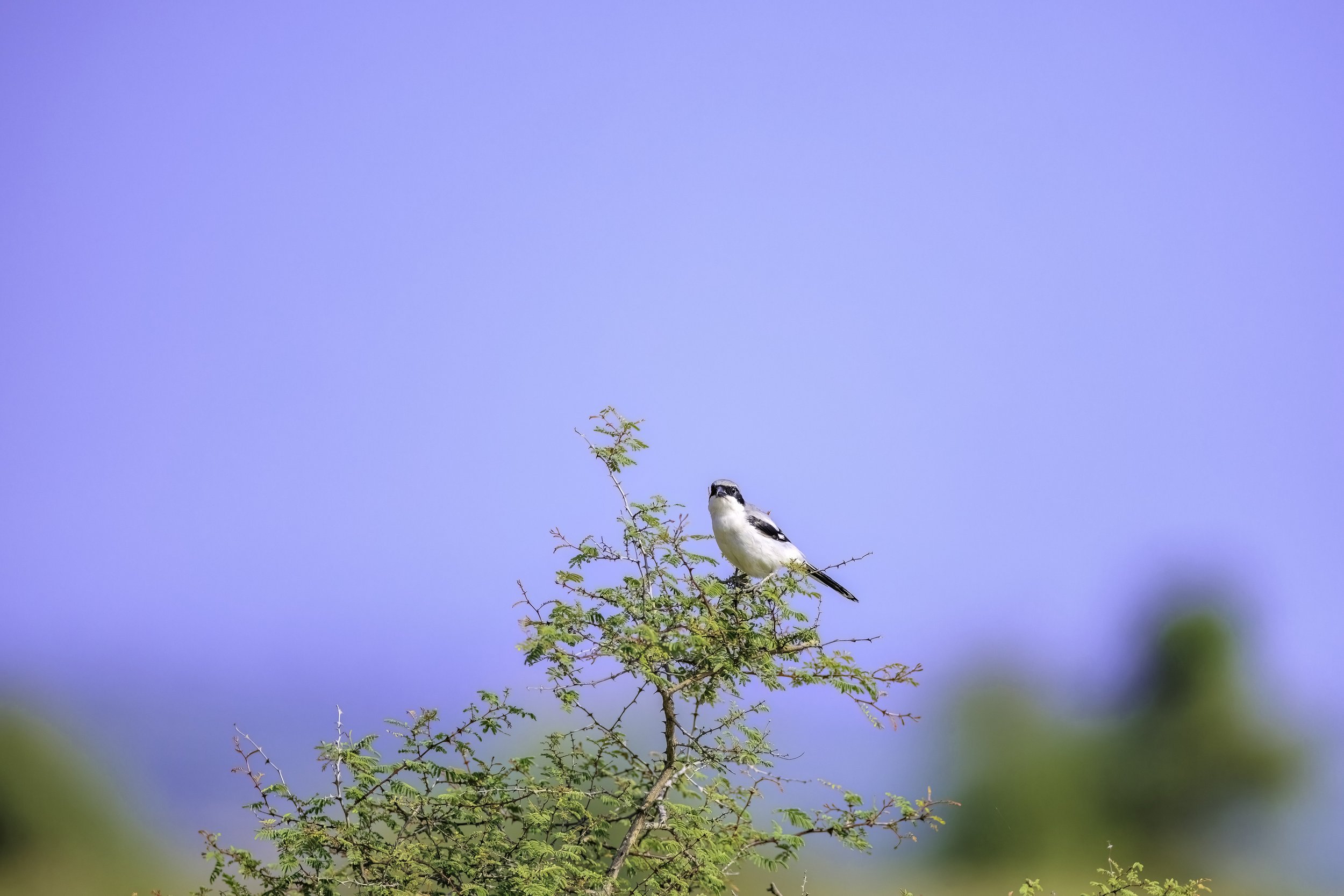
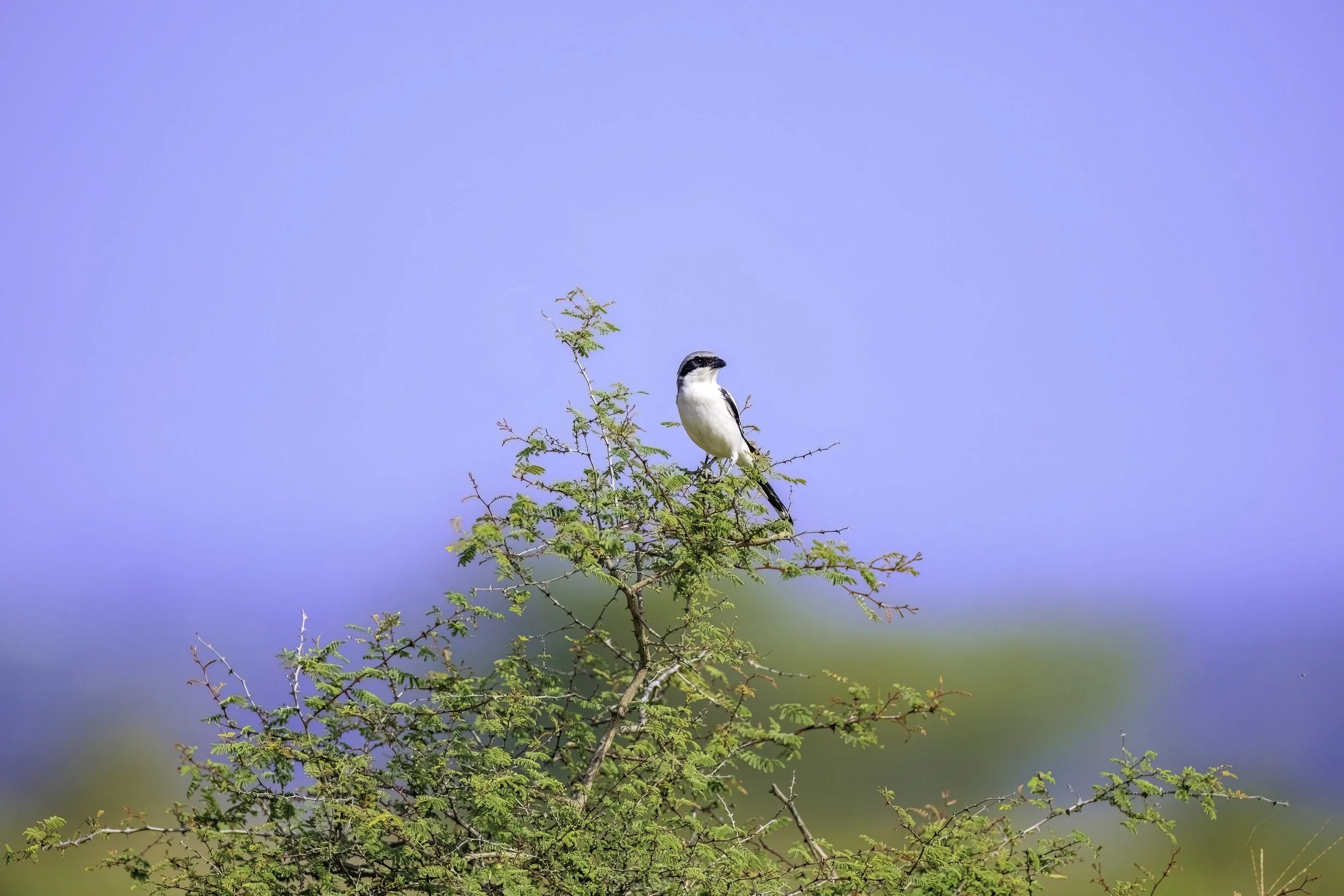
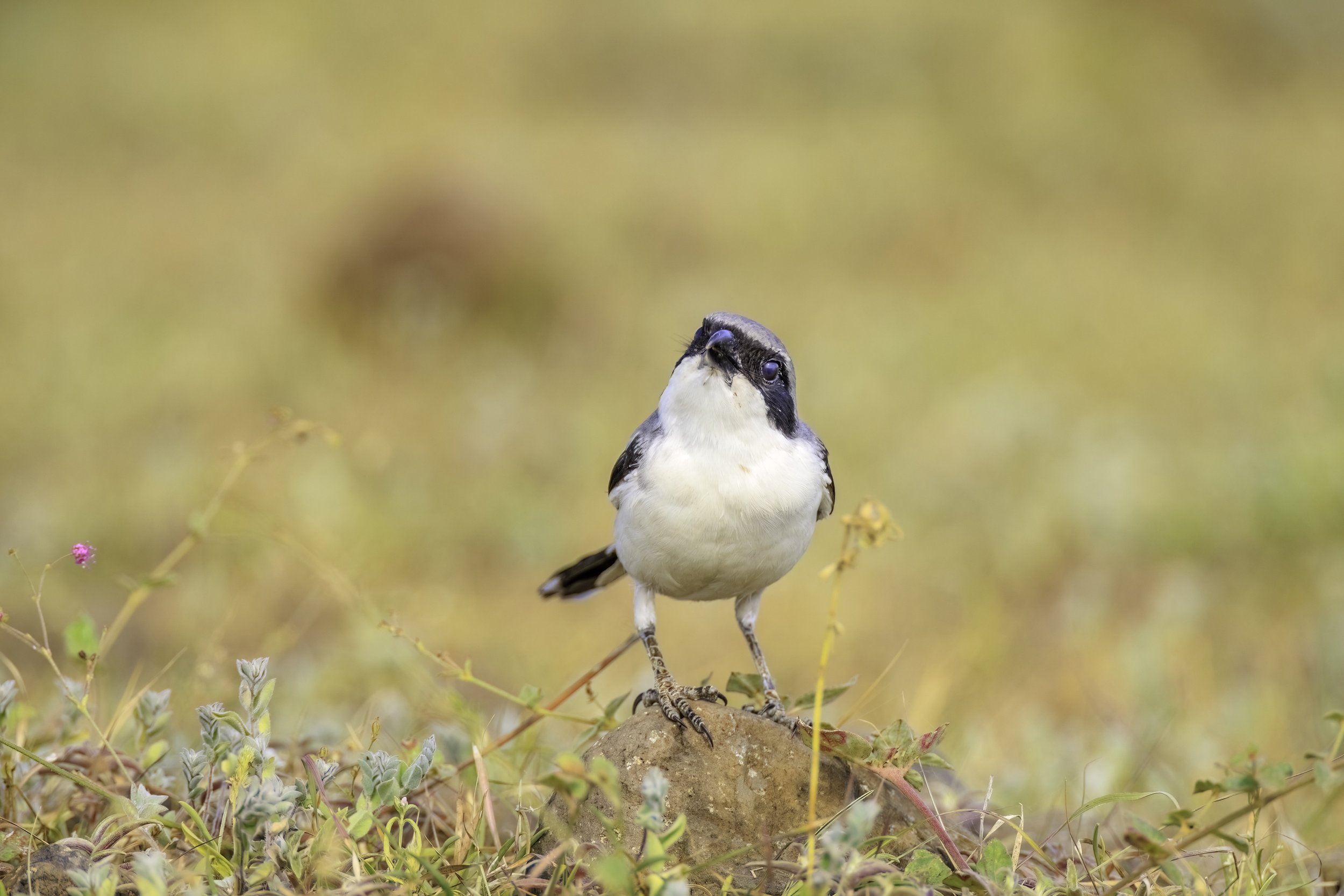
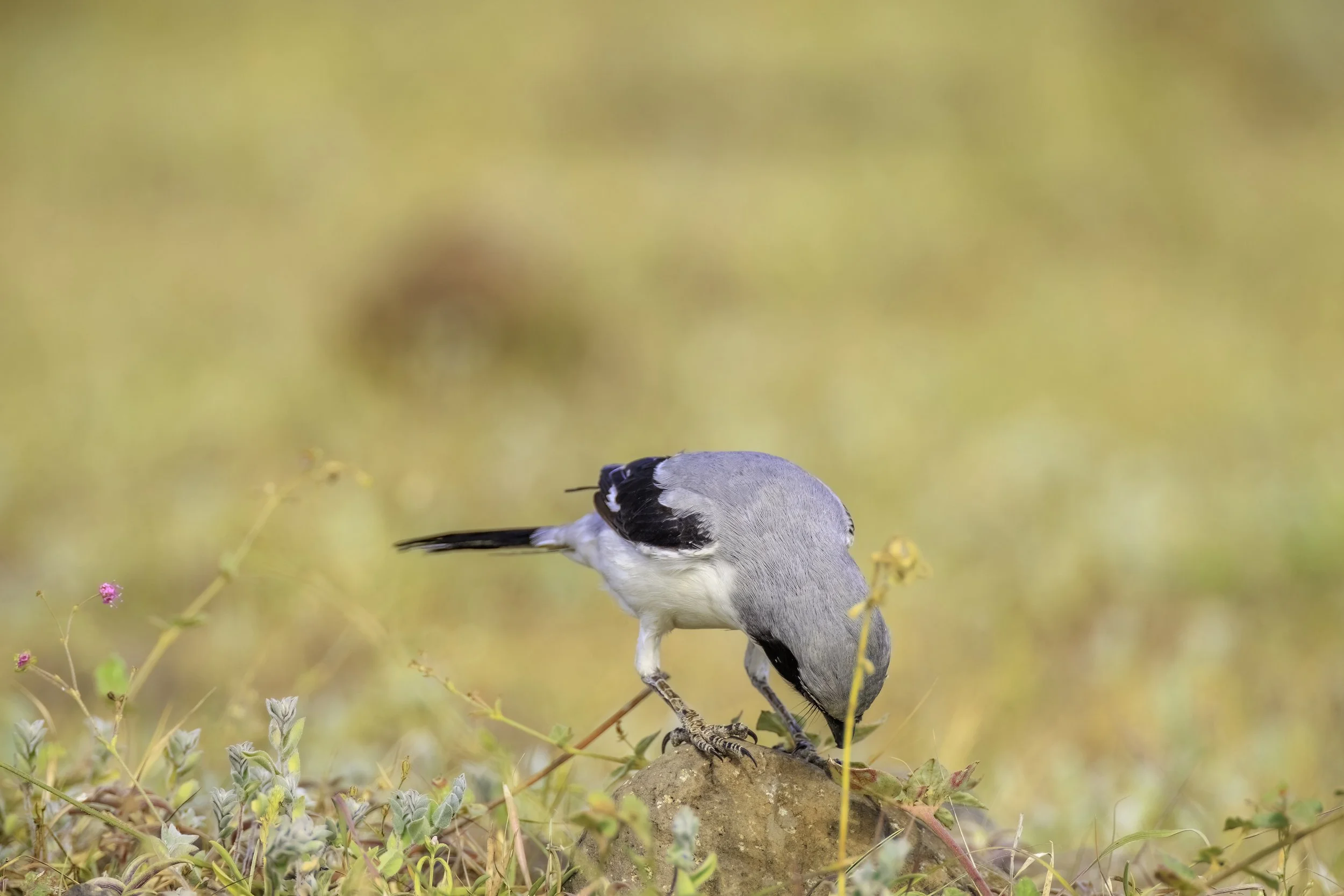
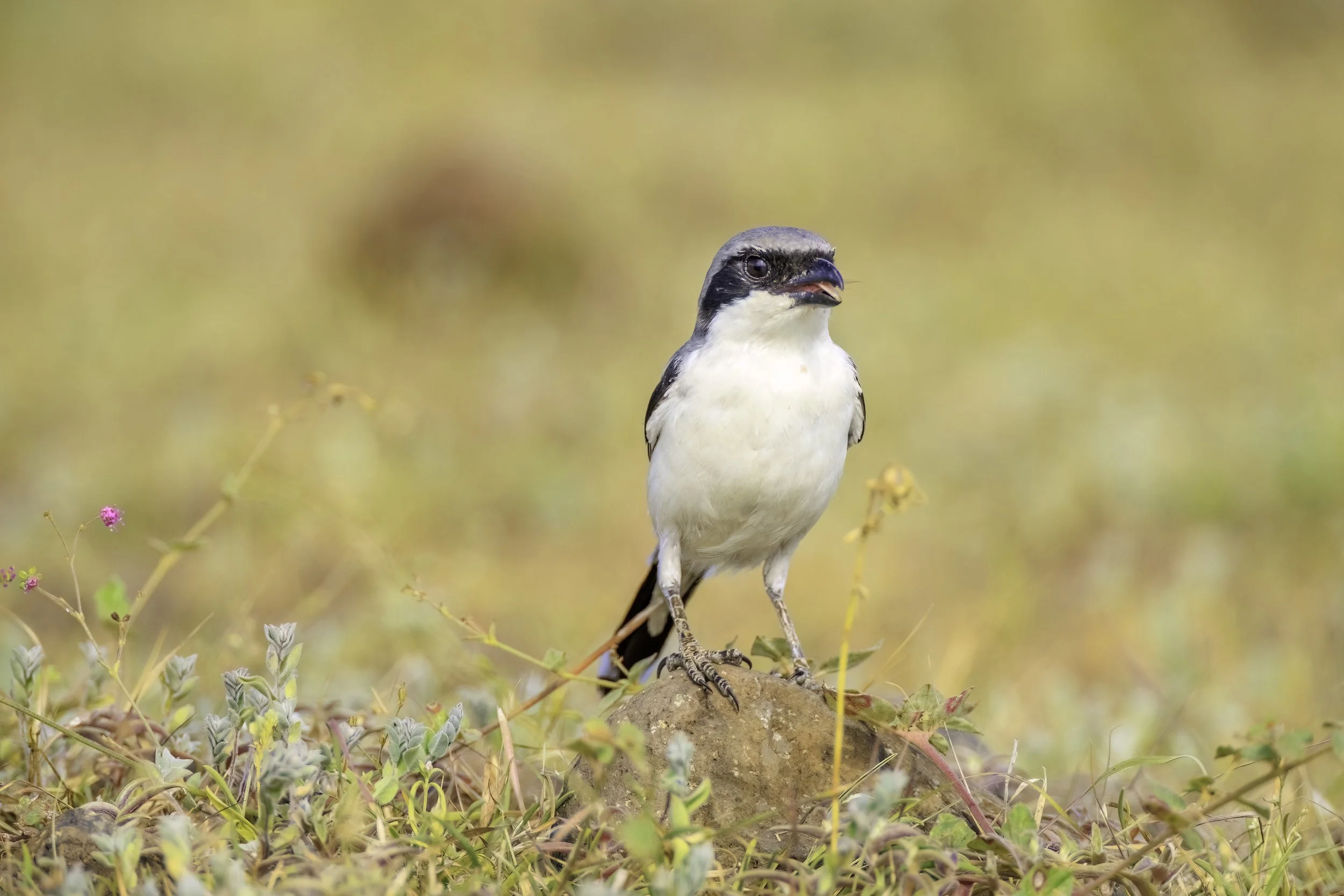
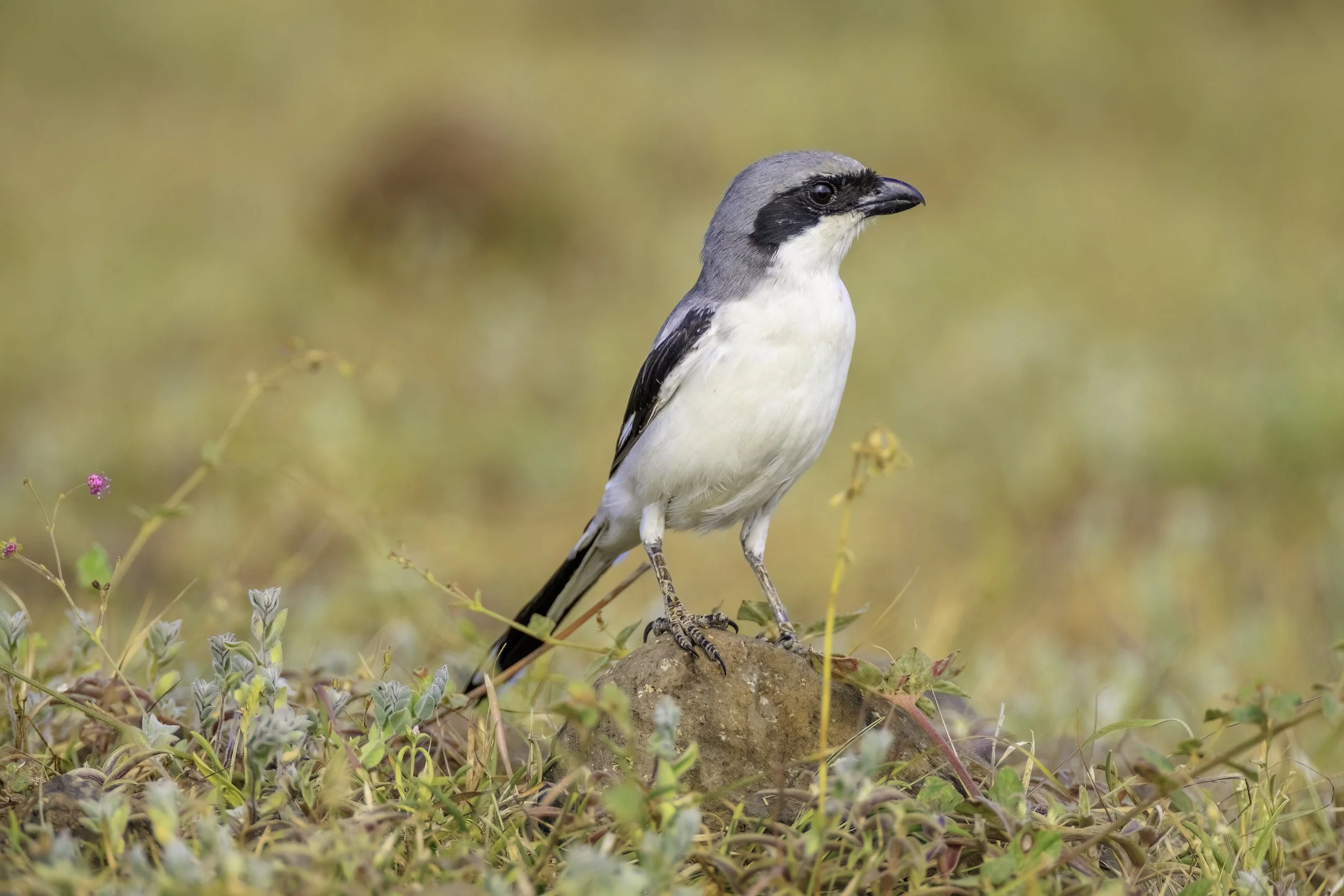
Great Grey Shrike
The broader ecosystem encompassing the Baramati Grasslands and the adjacent Bhigwan Bird Sanctuary represents a magnificent convergence of wetland and semi-arid terrestrial habitats. Around the backwaters of the Ujni Dam at Bhigwan, the landscape transitions into a thriving aquatic haven. Vast mudflats and shallow waters attract thousands of migratory waterbirds each winter. The region becomes alive with the vibrant pink hues of Greater Flamingos, the elegant striding of Painted Storks, and the frantic feeding behaviors of numerous sandpipers, ruffs, and plovers. Osprey circle overhead, while Eurasian Spoonbills and Bar-headed Geese form dense, vocal congregations along the shoreline, utilizing the nutrient-rich waters to replenish their energy after grueling trans-Himalayan journeys.
Just a few kilometers away from these sodden banks lies the contrasting domain of the Baramati Grasslands. This open, dry deciduous scrub and short-grass ecosystem supports a completely different, yet equally vital, community of specialized wildlife. Indian Gazelles (Chinkara) bound across the rocky terrain, while Indian Foxes and Golden Jackals slip quietly through the high dry grass. For birdwatchers, it is a treasure trove of terrestrial avifauna. The critically endangered Great Indian Bustard has historically traversed these tracts, which today still support healthy populations of Indian Courser, Chestnut-bellied Sandgrouse, and various species of larks and pipits. It is within this thorny, sun-baked savanna that apex avian predators of the micro-faunal world, such as the Great Grey Shrike, find their perfect hunting grounds.
The Great Grey Shrike complex holds a sweeping global footprint, though its specific lineage in the Indian subcontinent showcases a distinct adaptation to dry, open spaces. Historically categorized under a broad superspecies, the birds residing in India are often treated under the distinct lineage of the Southern Grey Shrike (Lanius meridionalis), specifically the subspecies Lanius meridionalis lahtora. While not micro-endemic to a single valley, this bird is highly endemic in its habitat specialization, entirely restricted to the arid and semi-arid biomes of South Asia. Across India, it maintains a strong presence throughout the dry plains of Rajasthan, the desert margins of Gujarat (such as the Little Rann of Kutch), the scrubby interiors of Madhya Pradesh, and the rain-shadow regions of the Deccan Plateau within Maharashtra and Karnataka.
Expanding the lens across Asia, the wider Great Grey Shrike complex stretches dynamically from the steppes of Central Asia to the arid belts of the Middle East and the windswept plains of Mongolia and northern China. In winter, northern populations migrate southwards, overlapping with resident populations in warmer latitudes. However, the South Asian lahtora subspecies remains largely sedentary, fiercely defending its chosen territories year-round. This localized distribution highlights the absolute ecological importance of patches like Baramati; they serve as critical, non-migratory strongholds for a species that relies entirely on uncultivated, wild grasslands to survive.
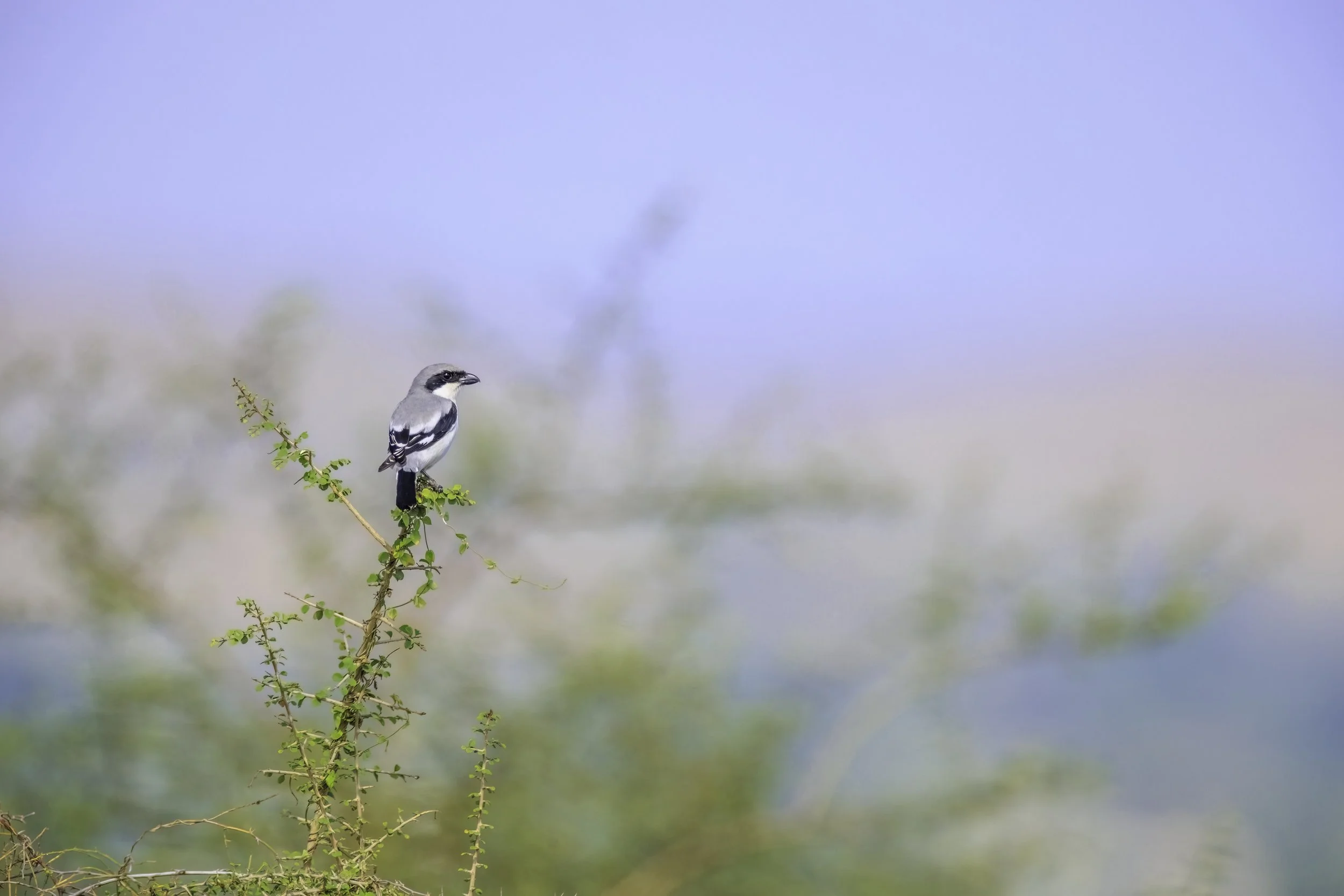
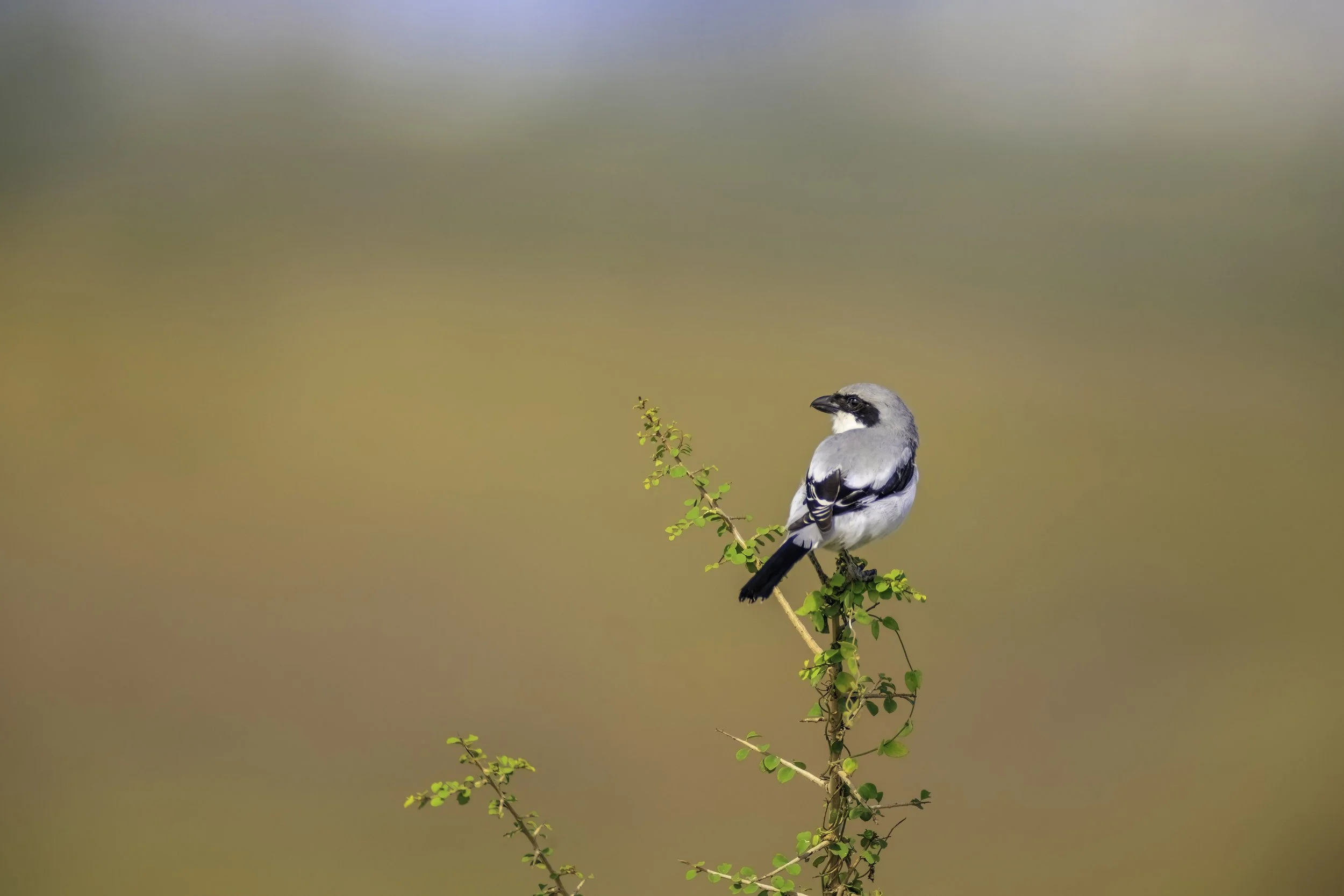
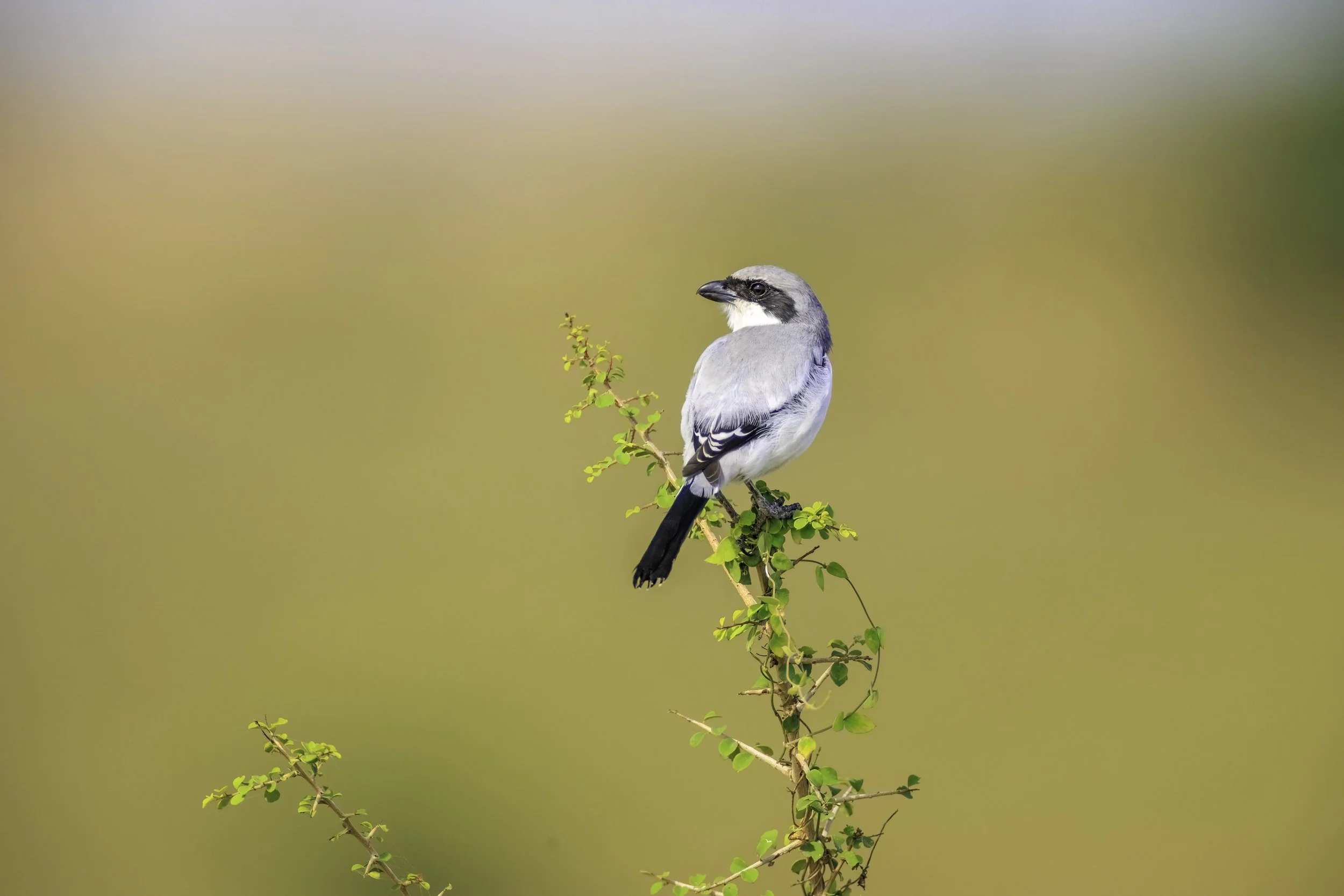
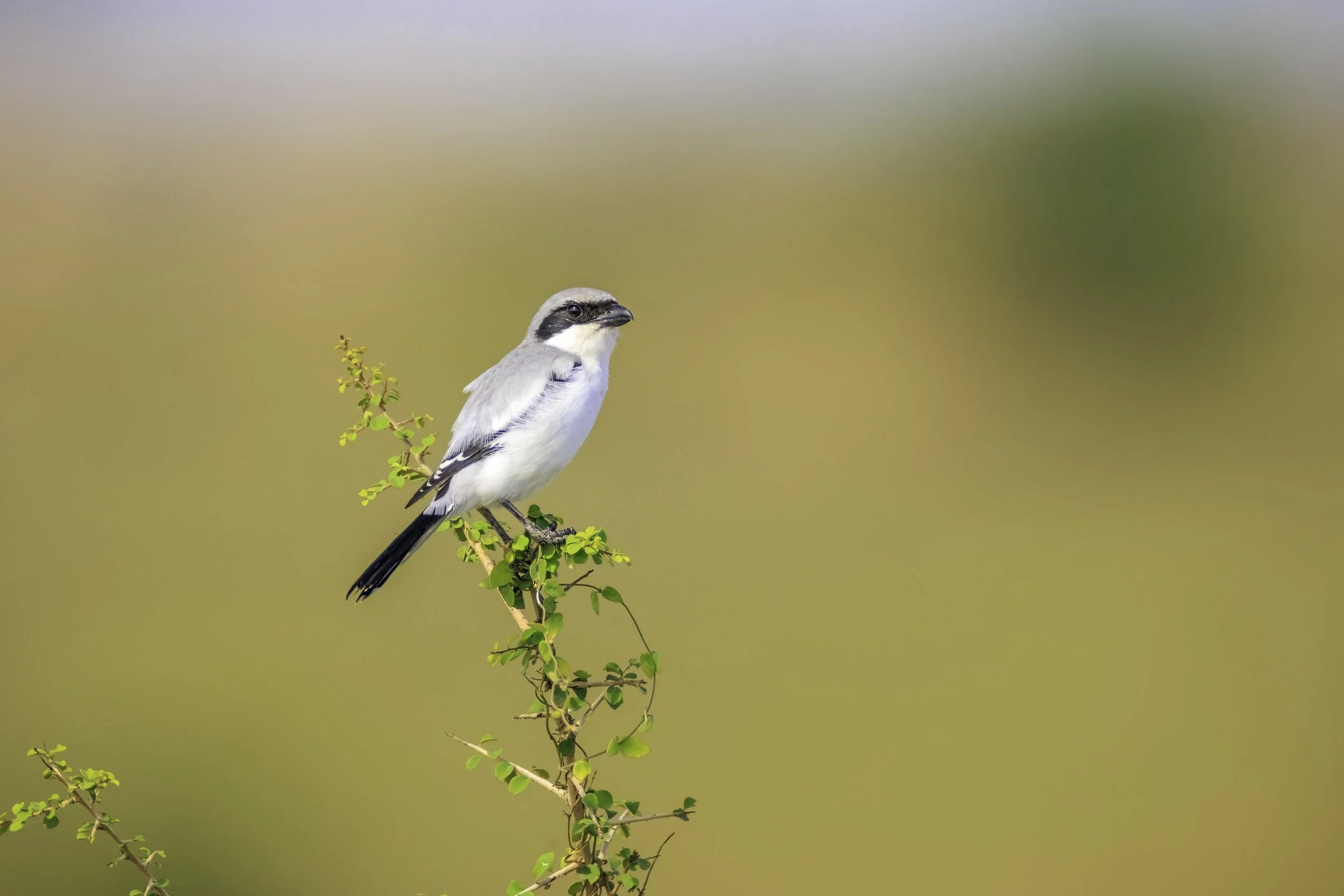
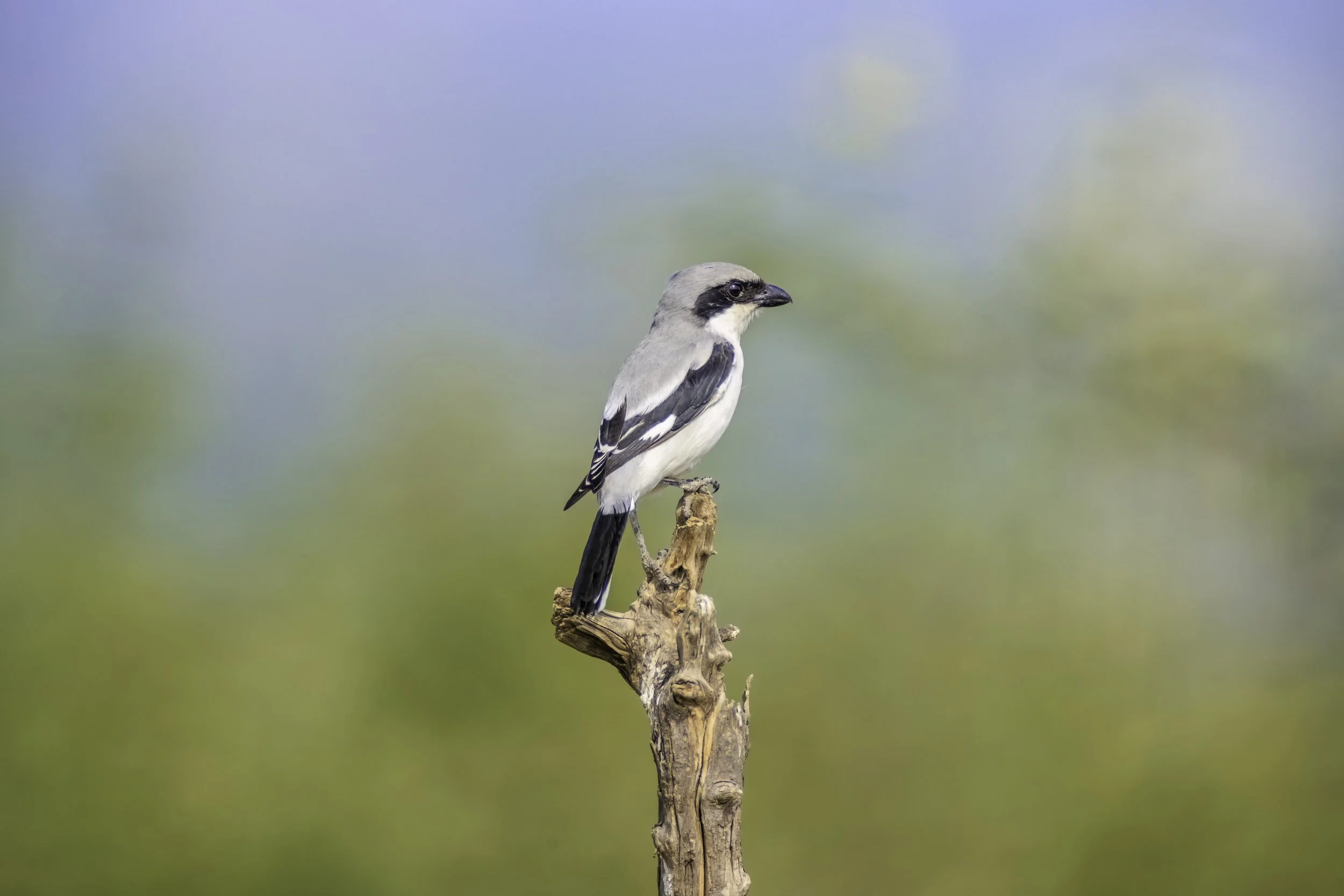
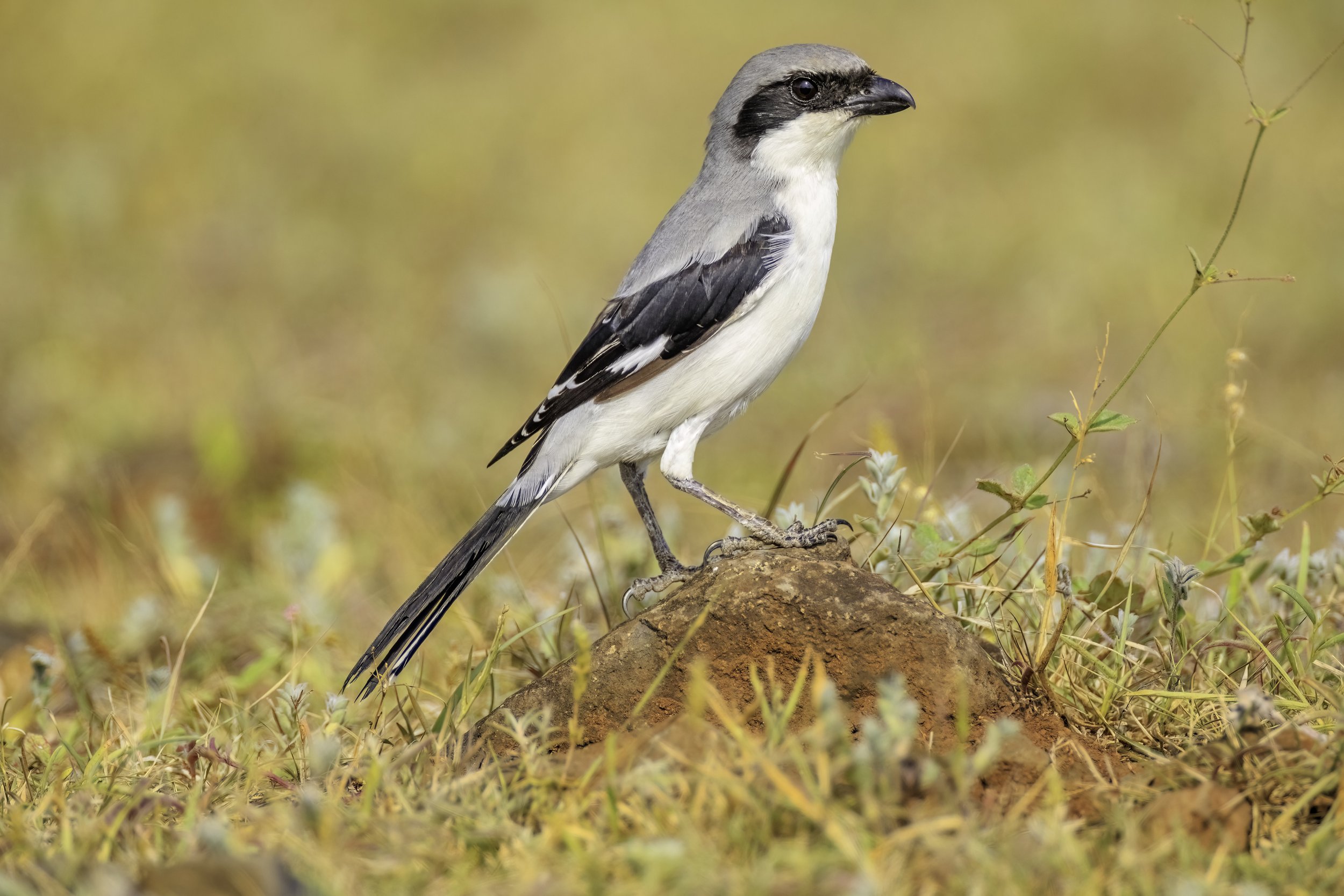
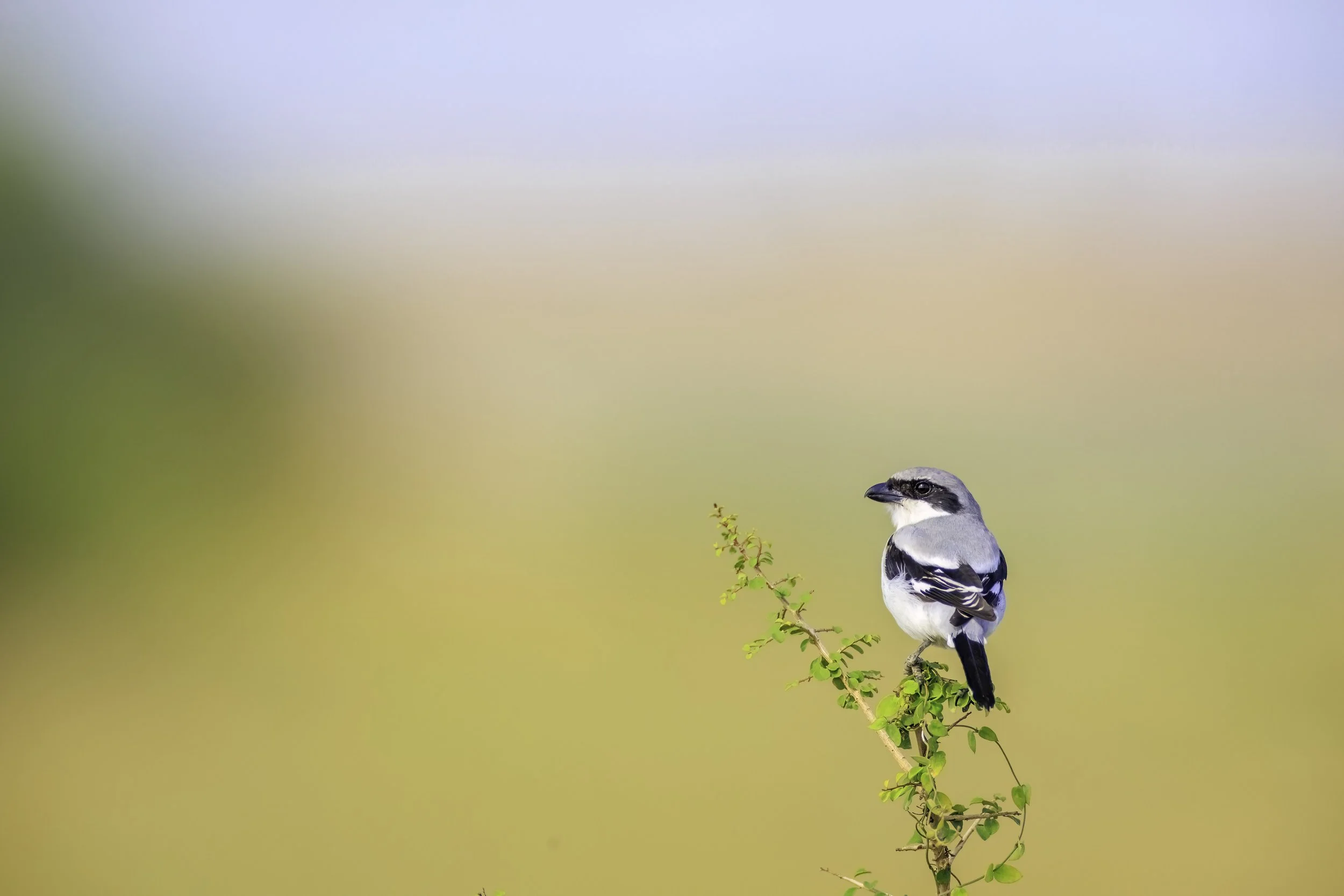
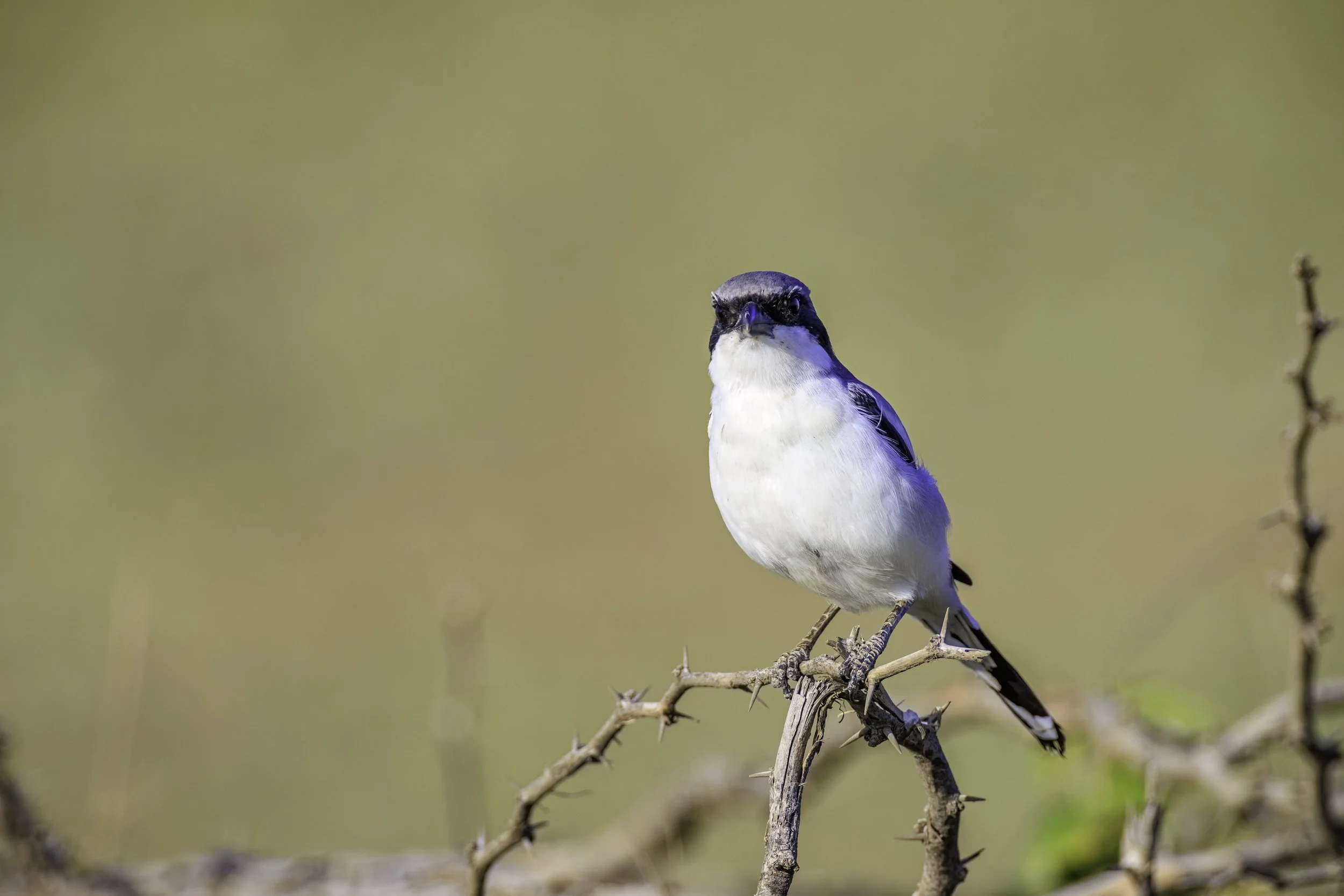
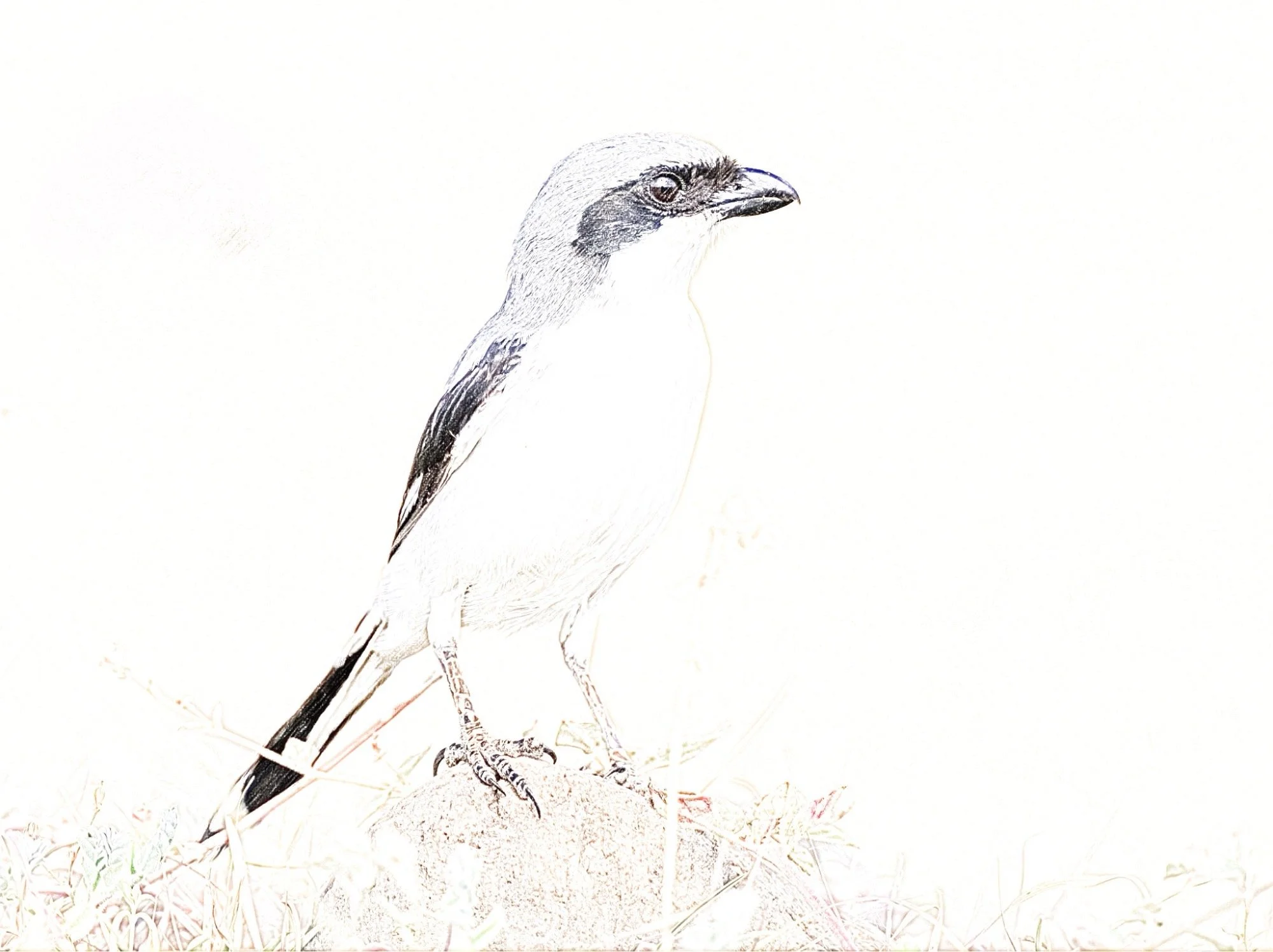
To appreciate the Great Grey Shrike, one must examine its striking physical adaptations. Measuring roughly 24 to 25 centimeters in length with a wingspan averaging 30 to 35 centimeters, it is the largest shrike found within the Indian subcontinent. The bird weighs between 50 to 70 grams, possessing a robust, muscular build that allows it to overpower relatively large prey. Its most defining facial feature is a bold, jet-black "bandit mask" that extends from the lores, straight through the eyes, and wraps around the ear coverts, contrasting sharply against a clean white forehead and supercilium.
The upperparts—including the mantle, back, and rump—are enveloped in a smooth, slate-grey plumage. The underparts are a pristine, unbarred white or pale cream, giving the bird a remarkably clean and sharp silhouette when viewed from below. Its wings are black, highlighted by a conspicuous white patch at the base of the primaries, which transforms into a dazzling white flash during flight. The long, wedge-shaped tail is predominantly black with stark white outer feathers. Its bill is heavy, powerful, and deeply hooked at the tip of the upper mandible, featuring a distinct tooth-like projection known as a "tomial tooth"—a raptorial tool shared with falcons, designed explicitly to snap the neck of insects, rodents, and small lizards.
Distinguishing the Great Grey Shrike from its regional cousins requires looking closely at size, coloration, and markings:
Brown Shrike (Lanius cristatus): Significantly smaller (approx. 18-20 cm), defined by a warm, uniform brownish-grey mantle and a heavily rufous-brown tail. Unlike the clean white belly of the Great Grey, the Brown Shrike exhibits a buffish-wash on its underparts, often with faint scaling in females and juveniles.
Isabelline Shrike (Lanius isabellinus): Lighter and more washed out, featuring a sandy, isabelline-grey upper body and a contrasting rufous tail. It lacks the intense, deep slate-grey coloration and massive bill structure of the Great Grey Shrike.
Bay-backed Shrike (Lanius vittatus): A much smaller, colorful relative (approx. 18 cm). It features a rich maroon-bay back, a grey crown, and a much wider black mask that extends over the forehead. The Great Grey Shrike entirely lacks these deep chestnut tones.
Long-tailed Shrike (Lanius schach): Highly common across India, it is easily separated by its extraordinarily long tail, bright rufous lower back, flanks, and sides. The Great Grey is noticeably stockier, colder grey on the back, and far whiter underneath.
Grey-backed Shrike (Lanius tephronotus): A montane species that winters in the plains, it shares a dark grey mantle but is differentiated by its dark rufous rump, dark grey upper-tail coverts, and lack of the prominent white wing-flash characteristic of the Great Grey Shrike.
The Great Grey Shrike is a strict specialist of open, dry country. It favors tropical thorn forests, semi-arid scrublands, desert edges, and dry, overgrazed grasslands dotted with thorny bushes like Acacia and Ziziphus. These thorny trees are vital, serving both as high-visibility hunting perches and functional toolkits for their predatory habits.
In landscapes like Baramati, this species experiences notable spatial overlaps with other shrikes. During the winter months, the migratory Brown Shrike and Isabelline Shrike arrive, filtering into the denser thickets and lower scrub layers. Simultaneously, the resident Long-tailed Shrike and Bay-backed Shrike patrol the agricultural fringes and canal banks nearby. While the Long-tailed Shrike comfortably adapts to lush fields and suburban gardens, the Great Grey Shrike remains resolutely bound to the driest, most pristine zones of the open grassland, avoiding dense canopy cover or highly humid zones entirely.
The behavior of the Great Grey Shrike is defined by its solitary, highly predatory nature. It selects prominent, elevated perches—such as the topmost twig of a thorny bush, a fence post, or a telephone wire—where it sits perfectly still, scanning the ground with incredible visual acuity - as you can see in some of the photographs in the gallery below. Once prey is sighted, it drops down in a steep, undulating dive, seizing the victim in its strong feet or crushing bill.
Because shrikes lack the powerful, grasping talons of true raptors like hawks or owls, they have evolved a unique behavioral adaptation to process their food. The Great Grey Shrike carries its prey to a thorny bush or a barbed-wire fence and deliberately impales the carcass onto a sharp thorn or barb. This "larder" serves two critical purposes: it secures the meal firmly in place so the bird can tear off bite-sized pieces using its hooked bill, and it acts as a storage mechanism for times when food is scarce. Furthermore, it plays a key role in courtship, as males with large, well-stocked larders are highly favored by females during the breeding season. Its diet is remarkably diverse, ranging from large grasshoppers, beetles, and scorpions to small birds, rodents, and skinks.
Tragically, the unique habitats that the Great Grey Shrike relies on are disappearing at an alarming rate. Grasslands in India are frequently misclassified as "wastelands" in state land-use records, making them primary targets for industrial development, solar power farms, real estate expansion, and intensive monoculture forestry. Additionally, livestock overgrazing and the conversion of scrublands into irrigated agricultural fields have fractured the continuous territories these birds need to survive.
In response to this severe habitat loss and deforestation, scientists and birdwatchers have observed subtle, troubling behavioral adaptations. In fragmented zones, Great Grey Shrikes are increasingly forced to utilize artificial structures, such as chain-link fences, electricity pylons, and roadside cables, for nesting and hunting. As natural thorny bushes are cleared, they rely heavily on artificial barbed wire to create their iconic larders. This brings them into dangerous proximity with human activity, exposing them to vehicular collisions and pesticide poisoning from feeding on contaminated insects near crop fields. The shrinking of their habitat has also intensified territorial battles with the more adaptable Long-tailed Shrike, gradually pushing the specialized Great Grey Shrike out of its historic home ranges.
Protecting the delicate balance of the Baramati Grasslands is no longer just about preserving a beautiful landscape for photography. It is an urgent ecological necessity to ensure that this magnificent, masked predator of the scrublands continues to rule its thorny domain for generations to come.
‡‡‡‡‡

Related Posts



The Bay-backed Shrike is a brightly-colored small shrike, reminiscent of the Long-tailed Shrike in overall coloration. It has a black mask, rufous flanks & back, a clean white throat, and its small size makes it distinctive within its range. It prefers open areas, often in dry regions, with scattered vegetation. Often perches up on exposed snags, fenceposts, or telephone lines.
#wildartworks, #Canon, #Bird, #Birdinginthewild, #BirdWatching, #Wildlife, #WildBirds, #naturephotography, #your_best_birds, #planetbirds, #earthcapture, #photo_pond, #earthpix, #naturyst, #conservationphotography, #yesbbcearth, #indian_wildlifes, #indianwildlifeofficial, #wildlifeonearth, #bbcearth, #natgeowild, #natgeoindia, @globalcapture, #TelanganaBirds, #HyderabadBirds, #Tellapur, #GHMCUrbanForestryNursery, #TelanganaUrbanForestry, #Nallagandla, #baybackedshrike, #shrike