
Streaked Weaver
Ploceus manyar
Boath Buzurg & Nirmal, Telangana
Finding and photographing the Streaked Weaver (Ploceus manyar) at the Sri Ram Sagar Reservoir (SRSP) in Nirmal, Telangana, is an immersive experience in one of the state's most vital wetland ecosystems. Located on the banks of the Godavari River, this massive reservoir serves as a critical habitat for various bird species, especially during the monsoon and winter months.
As part of my ongoing collaboration with the Hyderabad Tiger Conservation Society, I have been exploring the Northern jungles of Telangana including the Kawal Tiger Reserve and the Gond villages within the area. I did some nightscapes in the vicinity of one of those villages published earlier. I have also done a piece about one of nature’s most spectacular performers - the Firefly - specifically the species Abscondita chinensis. In Telangana, zoologists and biodiversity experts have confirmed that bioluminescent fireflies, locally called जुगनू or మిణుగురు పురుగు, have almost disappeared from urban and semi-urban areas while their number is dwindling in villages. They are now seen only in forest tracts and undisturbed jungles. Light pollution and excessive use of pesticides are the prime reasons for their disappearance.
Fact: Andhra Pradesh and Telangana state account for 24% of pesticide use in the country, the highest for any state.
This is akin to the decline in the population of honey bees. It has been recorded that the decline of honey bees is affecting pollination and government organisations are apathetic about biodiversity. Their only focus being charismatic species like the tiger, the elephant and the lion. There is a need to identify the problem and mitigate it
Telangana is the eleventh largest state in India situated on the south-central stretch of the Indian peninsula on the high Deccan Plateau. It is the twelfth-most populated state in India with a geographical area of 112,077 km² of which 21,214 km² is forest cover. The dry deciduous forests ecoregion of the central Deccan Plateau covers much of the state, including Hyderabad. The characteristic vegetation is woodlands of Hardwickia binata (Anjan Tree or నరేపా) and Albizia amara (నార్లింగ నల్ల రెంగా). Over 80% of the original forest cover has been cleared for agriculture, timber harvesting, or cattle grazing, but large blocks of forest can be found in the reserve areas like Kawal, Amrabad and the huge Nagarjuna Sagar - Srisailam Tiger Reserve. The more humid Eastern Highlands moist deciduous forests cover the Eastern Ghats in the eastern part of the state. The Central Deccan forests have an upper canopy at 15–25 meters, and an understory at 10–15 meters, with little undergrowth.
The Kawal Tiger Reserve located in the North Eastern part of Telangana (the old Adilabad district) is bounded by the mighty Godavari River on one side and the Maharashtra border on the other. It lies within the Jannaram mandal of Adilabad district. The Government of India declared Kawal Wildlife Sanctuary a Tiger Reserve in 2012. At present the reserve has a low tiger density but promises tremendous potential as a source area with stepped up protection and habitat amelioration under Project Tiger. The Kawal Wildlife Sanctuary was established in 1965 and later declared as a Protected Area (PA) in 1999 under the WPA, 1972. Incidentally, when I went through my photographs over the years, I realized that a lot of the wild and birdlife I had photographed were from the areas in the Godavari River basin and its tributaries. Read about them here.
Kawal is well known for its abundant flora and fauna. The reserve is catchment for the rivers Godavari and Kadam, which flow towards the south of the sanctuary. The Kawal Tiger Reserve (KTR) is spread over a total area of 2015.44 km² of which the Core Area is 893 km² extending in the districts of Nirmal, Mancherial, Adilabad and Kumuram Bheem Asifabad. Geographically the reserve is situated in the southern-most tip of the Central Indian Tiger Landscape, having linkages with the Tadoba-Andhari (Maharashtra) and Indravati (Chhattisgarh) Tiger Reserve. Thus, the habitat has tremendous significance for tiger conservation in the region. After being listed as a Tiger Reserve in April 2012, it was developed as a tiger habitat with the release of 150 Chital as the prey population and today it is home to a whole multitude of species.
To reduce poaching, new check-posts have been created and traditional sources of water improved. HyTiCoS is also leading from the front conducting regular threat assessments and snare removal surveys, monitoring the Tigers which are in and passing through, conducting large-scale occupancy surveys and monitoring the prey base. They map corridors, conduct Bird Walks and Biodiversity Documentation Checklists and much more.
There has been an impactful decision taken on 30 May, 2025 - “The Telangana State government on Friday (May 30, 2025) issued orders declaring the tiger corridor area connecting the Kawal Tiger Reserve in the State with the Tadoba-Andhari Tiger Reserve in Maharashtra as the ‘Kumram Bheem Conservation Reserve’, as per the provisions of the Wildlife Protection Act, 1972… Apart from tigers, the proposed area is home to a variety of other carnivores such as leopard, wild dog, sloth bear, wolf, hyena, honey badger, jungle cat, and supports diverse prey such as gaur, sambar, nilgai, chital, four-horned antelope, muntjac, and Indian gazelle.”
Sri Ram Sagar Project Environs
The Sri Ram Sagar Reservoir (SRSP), also known as the Pochampadu Project, is a critical multipurpose wetland ecosystem located on the Godavari River in the Nizamabad and Nirmal districts of Telangana. While primarily an irrigation and hydroelectric project, its vast backwaters and diverse catchment areas have evolved into a vital refuge for regional wildlife.
The reservoir and its environs support a complex mosaic of aquatic and terrestrial habitats, including deep open waters, shallow marshes, reedbeds (Phragmites and Typha), and adjacent deciduous forest patches like the Mallaram Forest. The backwaters are a major destination for migratory birds. Notable sightings include the Common Crane, which migrates from Europe to winter here, and various species of storks, ducks, and teals. Resident species such as Peacocks and various "rare birds" are frequently observed in the surrounding scrub and forest areas. The environs are home to various ungulates, including Deer(Spotted Deer/Chital), which roam the project area. The proximity to forest patches allows for a crossover of smaller mammals such as Indian hares and jackals.
The Godavari river system at this location supports over 26 fish species, dominated by the order Cypriniformes. Common fish include major carps and various catfish, which sustain both the local avian predators and a vibrant fishing industry. The riverbed and banks feature a diversity of aquatic macrophytes, including 30 different species of submerged, free-floating, and emergent plants (e.g., Typha angustifolia) that provide essential nesting material for birds like the Streaked Weaver.
Criticality as a Habitat
The SRSP serves as a "lifeline" for wildlife in the Deccan plateau for several reasons:
Water Security: It provides a perennial water source in a semi-arid region, crucial for both resident and migratory species during the dry summer months.
Nesting Grounds: The dense reedbeds along the shoreline are indispensable for communal nesters like the Streaked Weaver and various heron species.
Migratory Stopover: As a significant inland wetland, it serves as a critical stopover and wintering site along migratory flyways for waterbirds.
Despite its ecological importance, the reservoir faces several escalating threats:
Sedimentation: India's reservoirs, including SRSP, are losing significant storage capacity due to siltation caused by agriculture-driven soil erosion and deforestation in the upstream catchment areas. As of 2025, SRSP's actual retention capacity is significantly lower than its original 90 TMC design due to this silt build-up.
Water Quality Issues: Extensive upstream water utilization in Maharashtra has led to high alkalinity and salinity in the reservoir, which can be detrimental to sensitive aquatic life and cattle.
Structural and Safety Risks: In late 2025, dam safety warnings issued for related projects (like the Singur Dam) highlighted the broader risk of structural damage and the need for restricted storage levels, which can disrupt the stable water levels required for shore-nesting birds.
Invasive Species: The spread of exotic aquatic plants can choke native vegetation and alter the habitat structure of the marshes.
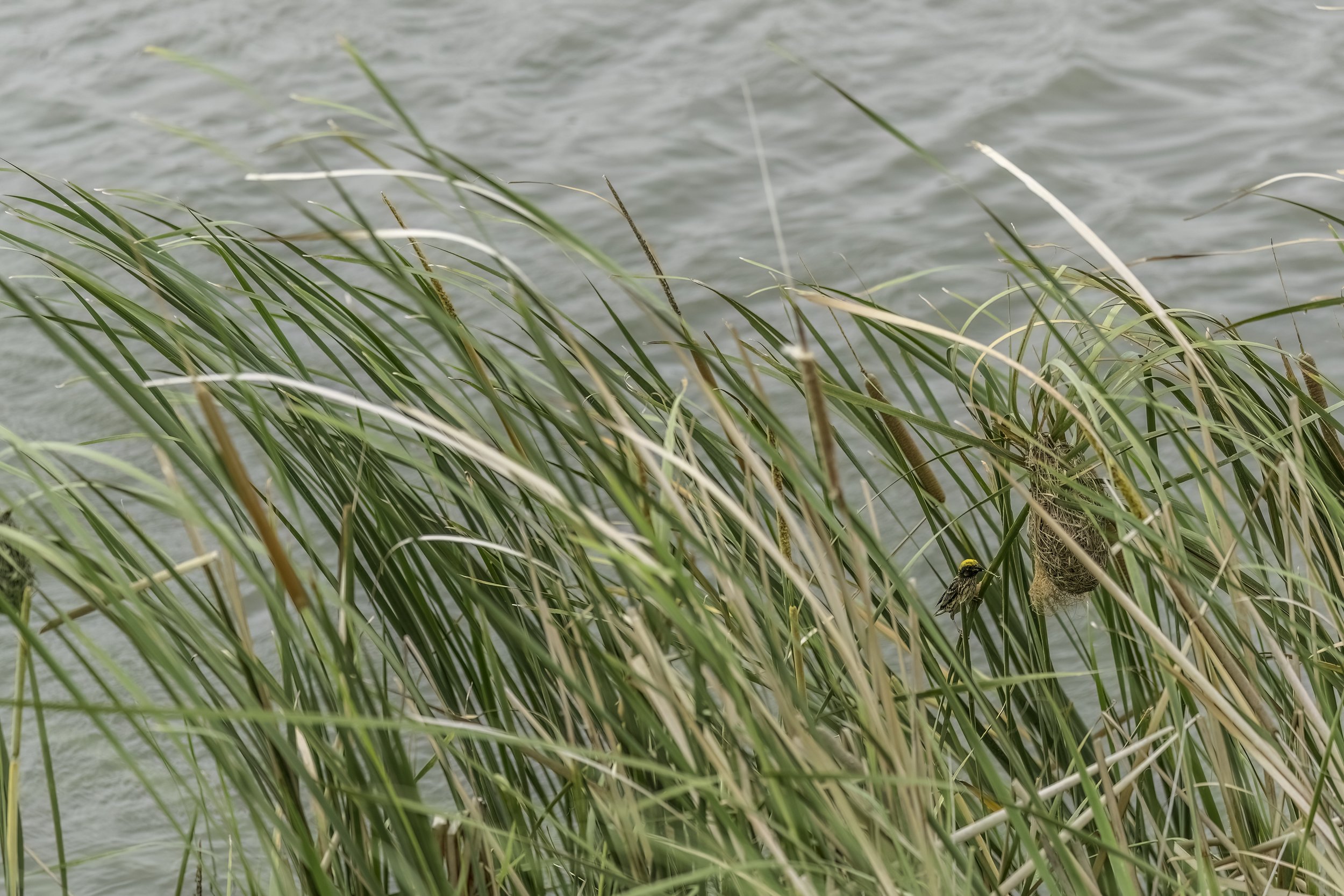
The backwaters of SRSP offer a serene, lush landscape perfect for bird photography. The most productive months for photographing these weavers are during the monsoon (June to September) when males are in their vibrant breeding plumage and actively building nests. Look for dense patches of reeds (Phragmites) and cattails (Typha) along the shoreline, which are their preferred nesting sites. They are highly social; you will often find them in large, vocal flocks.
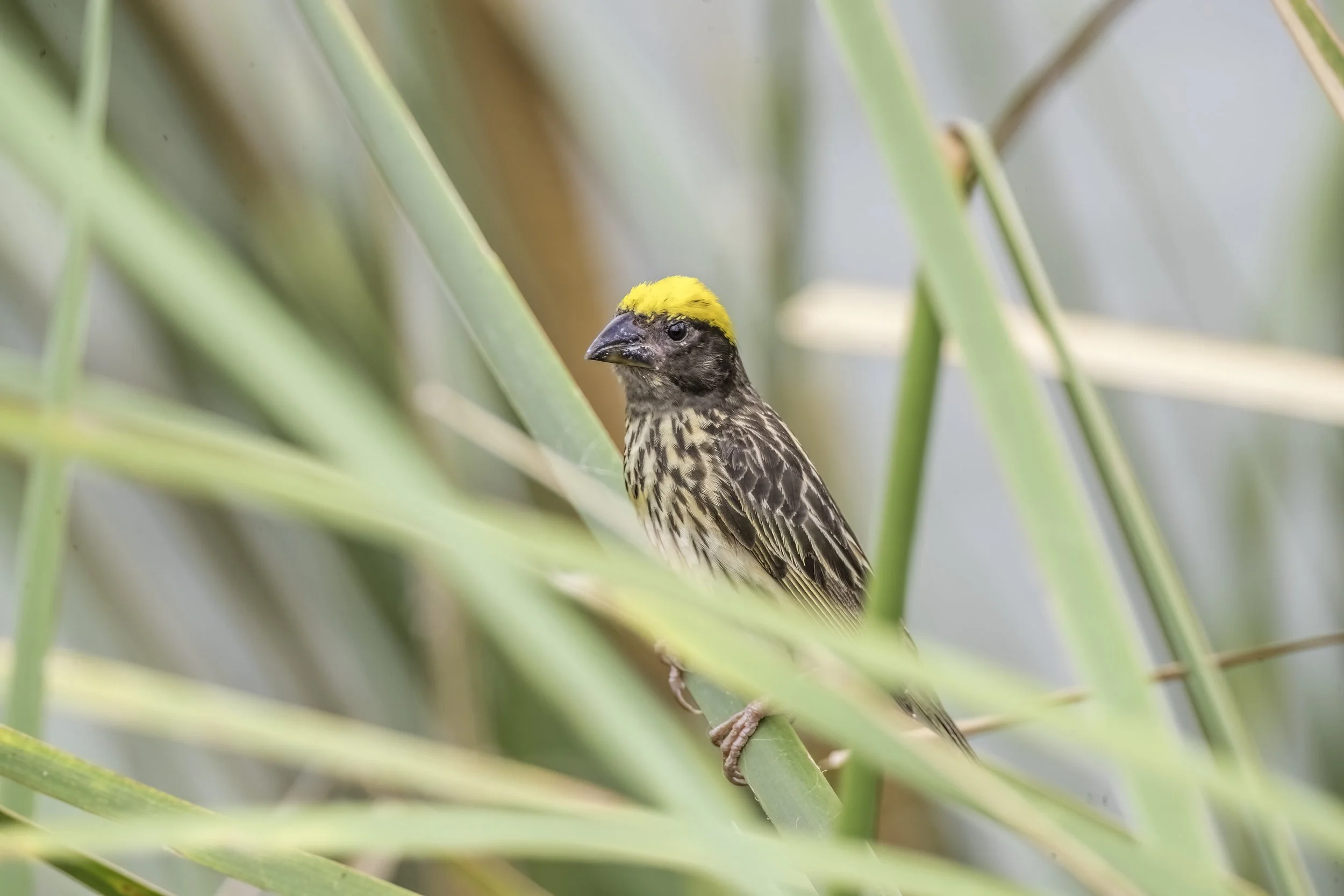
Streaked Weaver
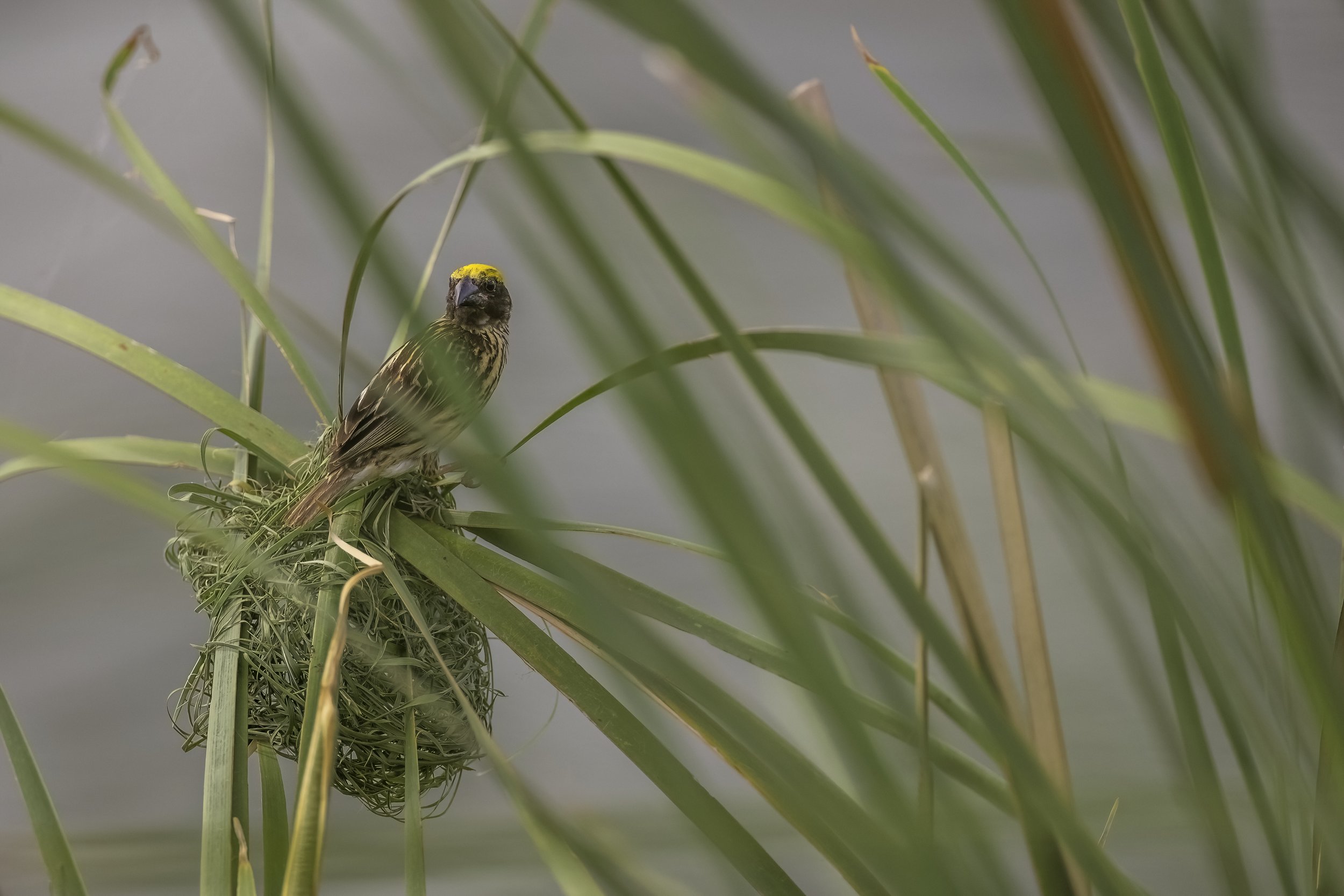
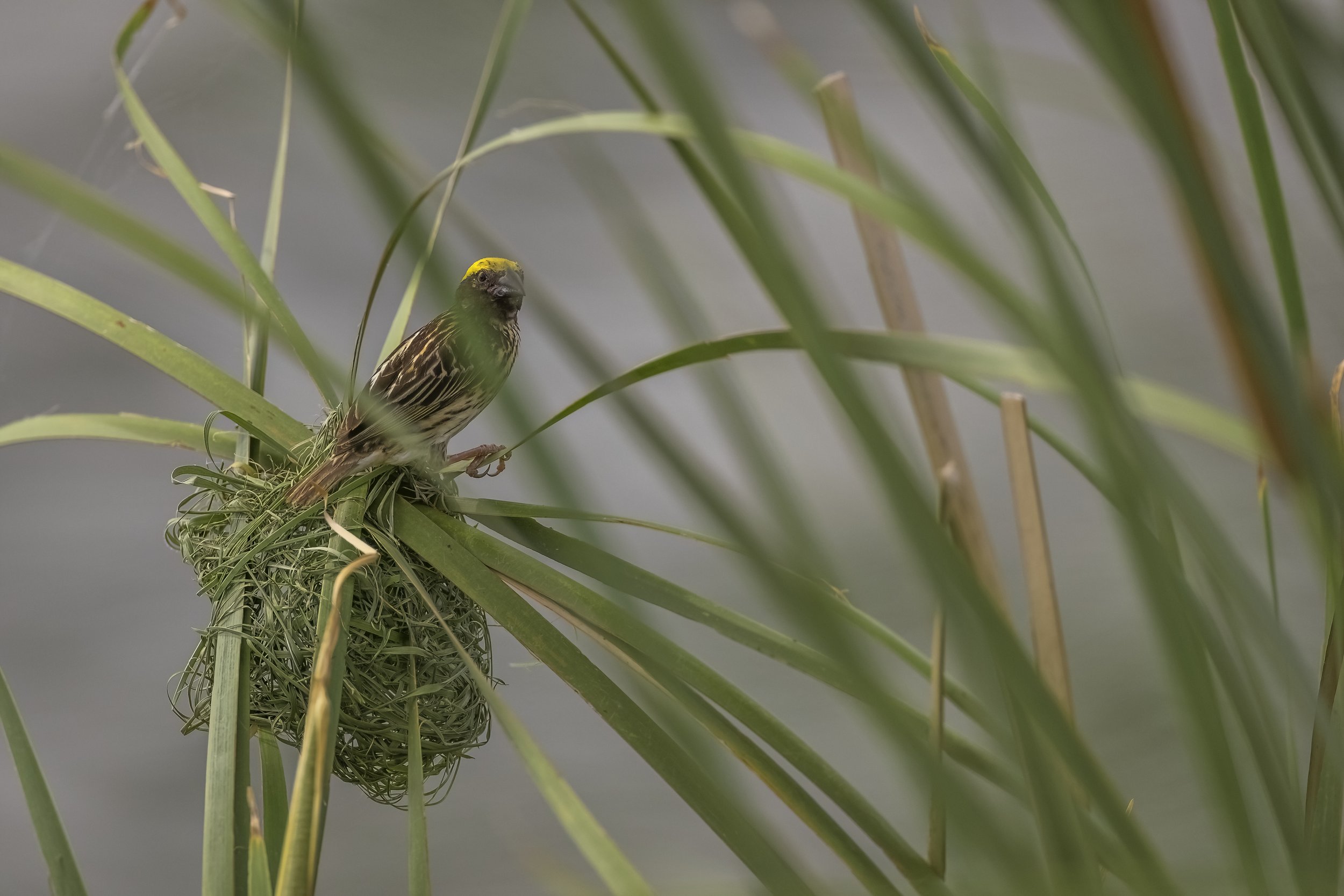
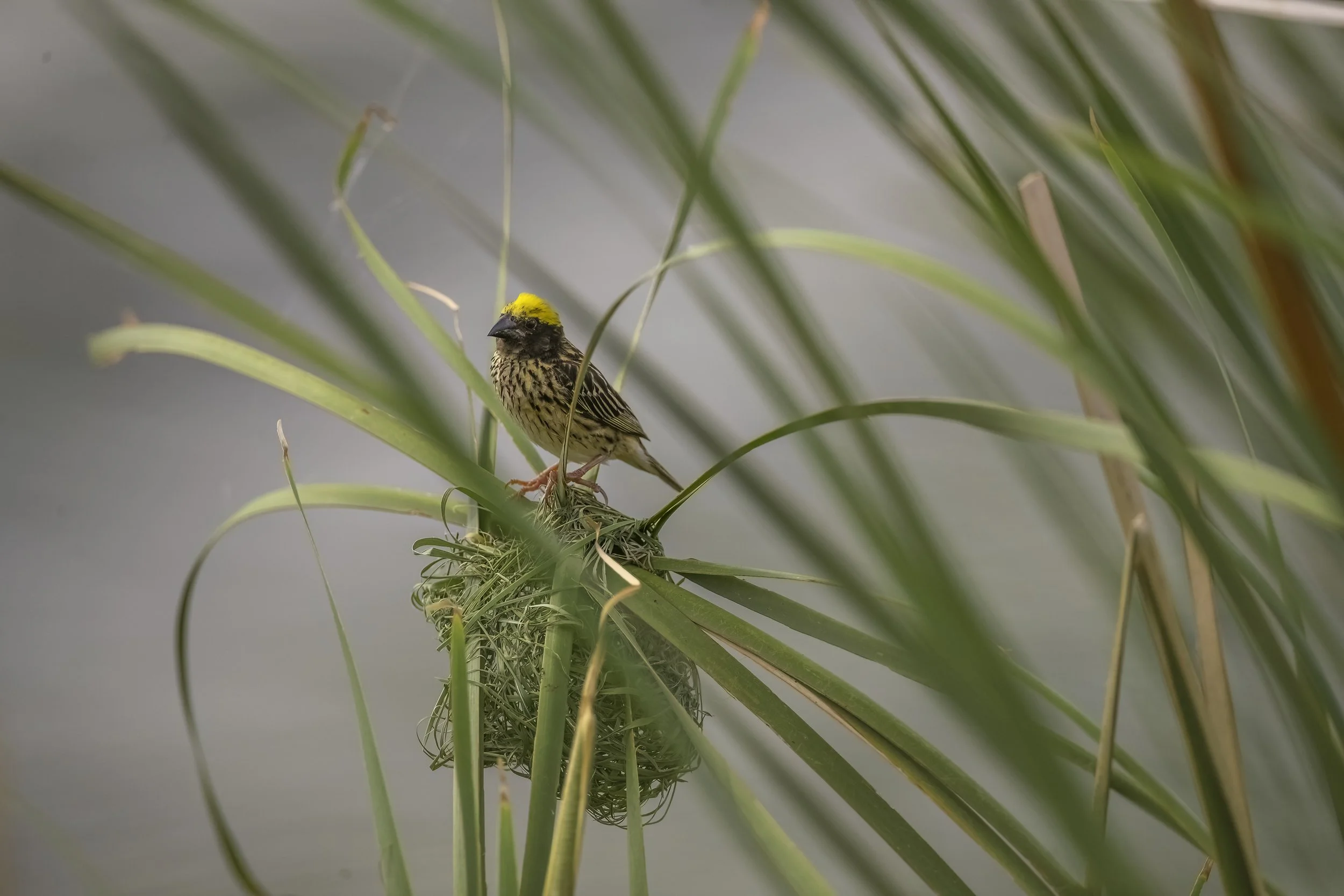
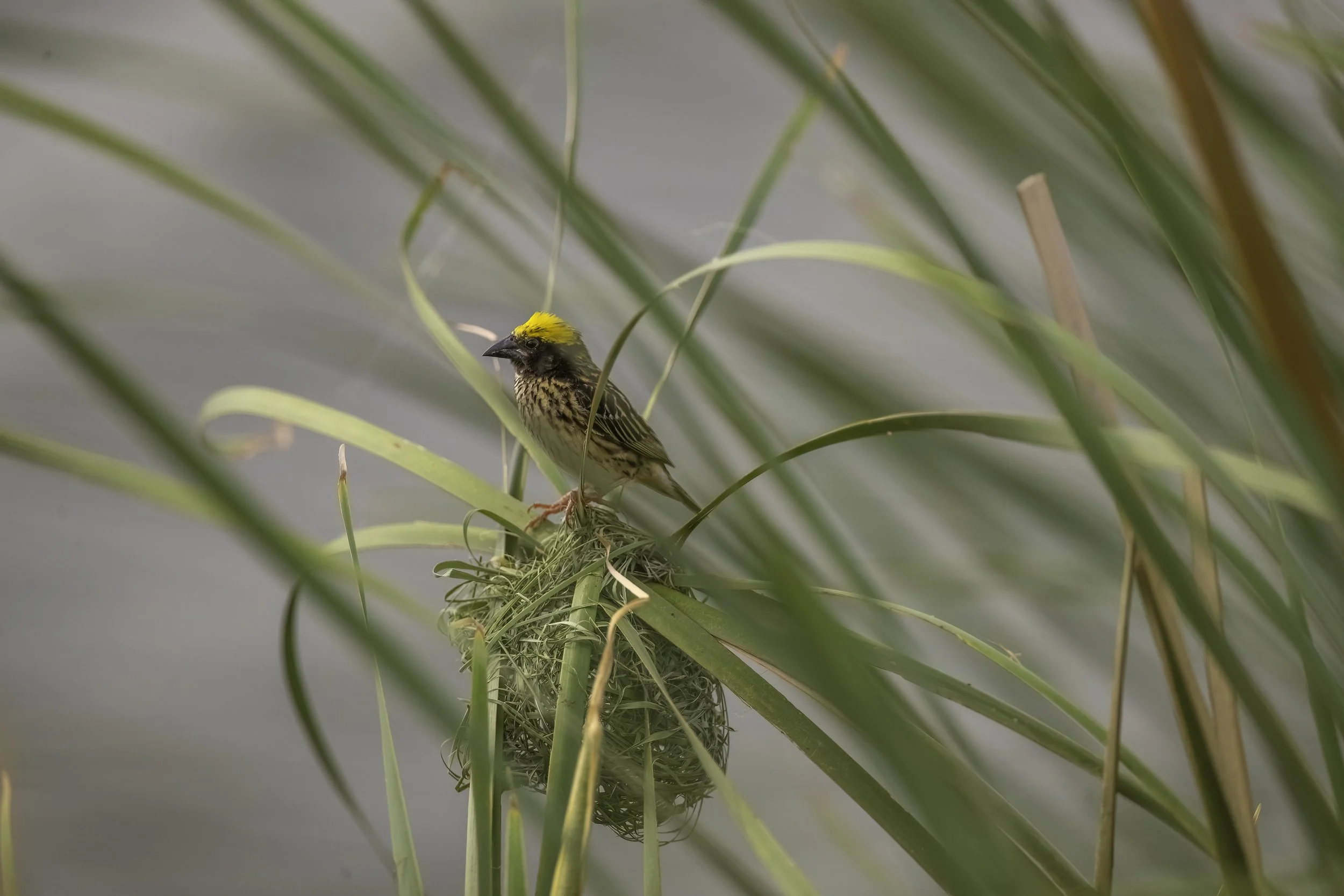
The Streaked Weaver (Ploceus manyar) is a species of weaver bird found in South Asia and South-east Asia in the countries of Bangladesh, Bhutan, Cambodia, China, Egypt, India, Indonesia, Myanmar, Nepal, Pakistan, Singapore, Sri Lanka, Thailand, Vietnam and also introduced in Qatar and United Arab Emirates (UAE). These are not as common as the Baya Weaver but are similar looking with streaked underparts. They nest in small colonies often in reed beds near water bodies.
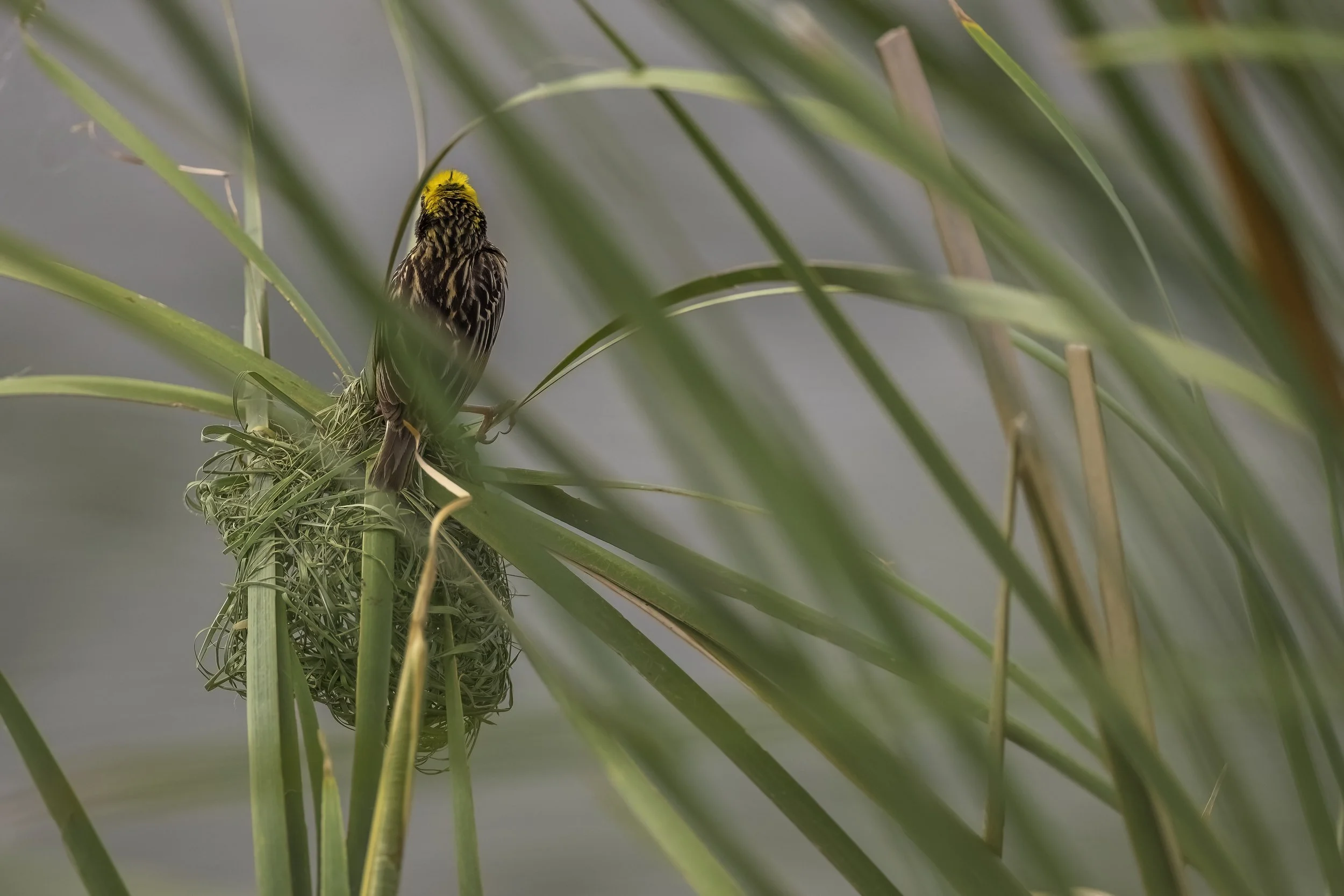
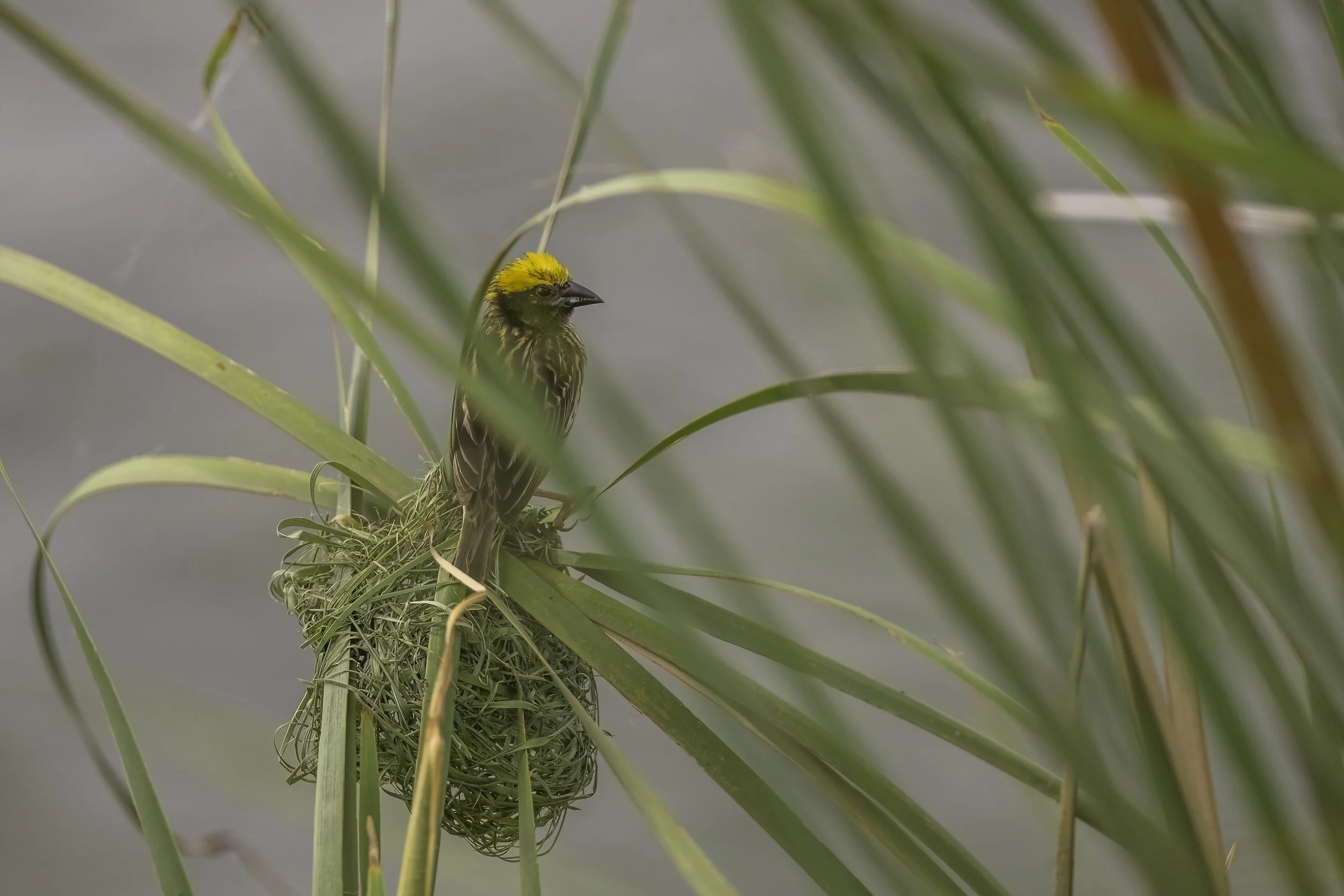
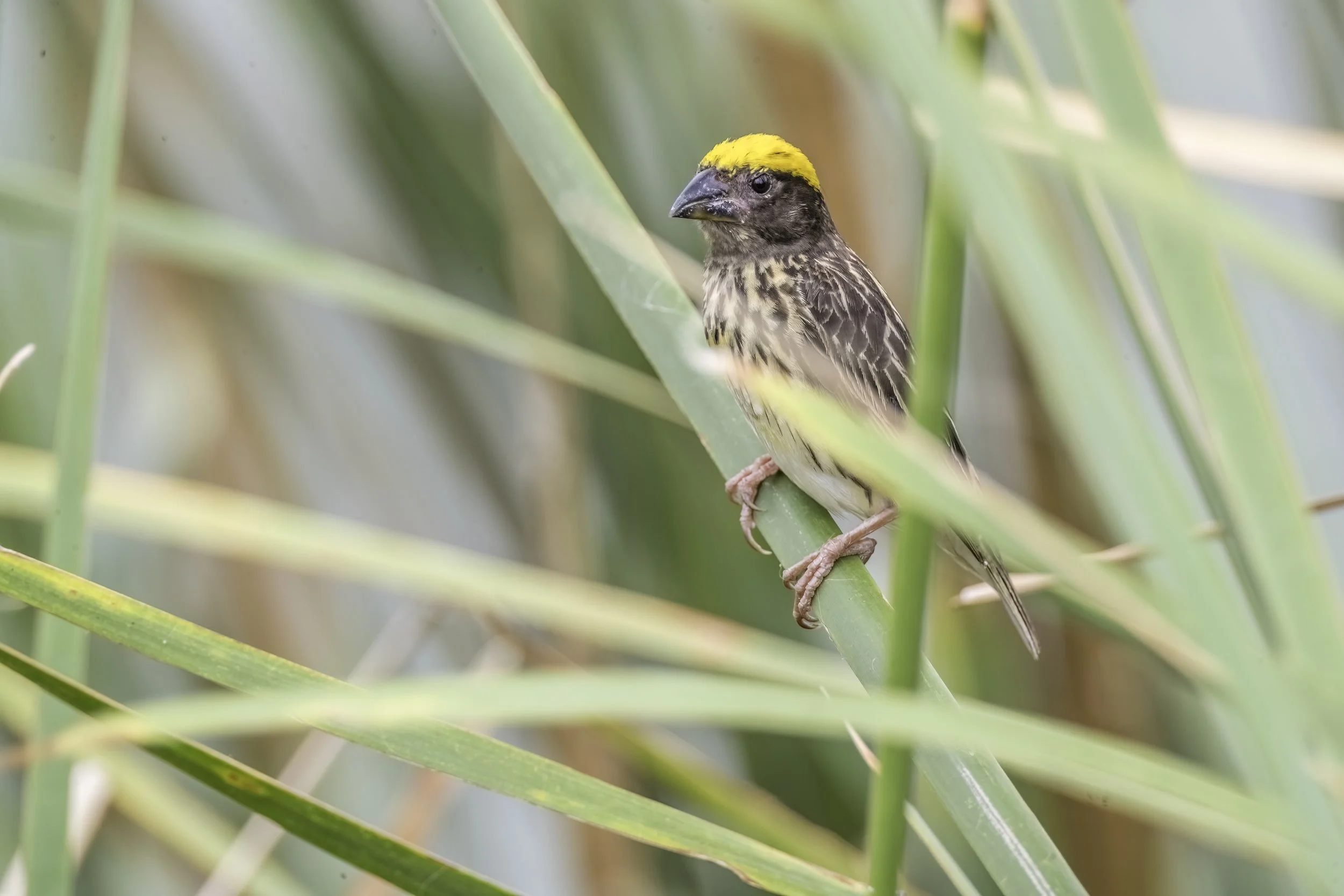
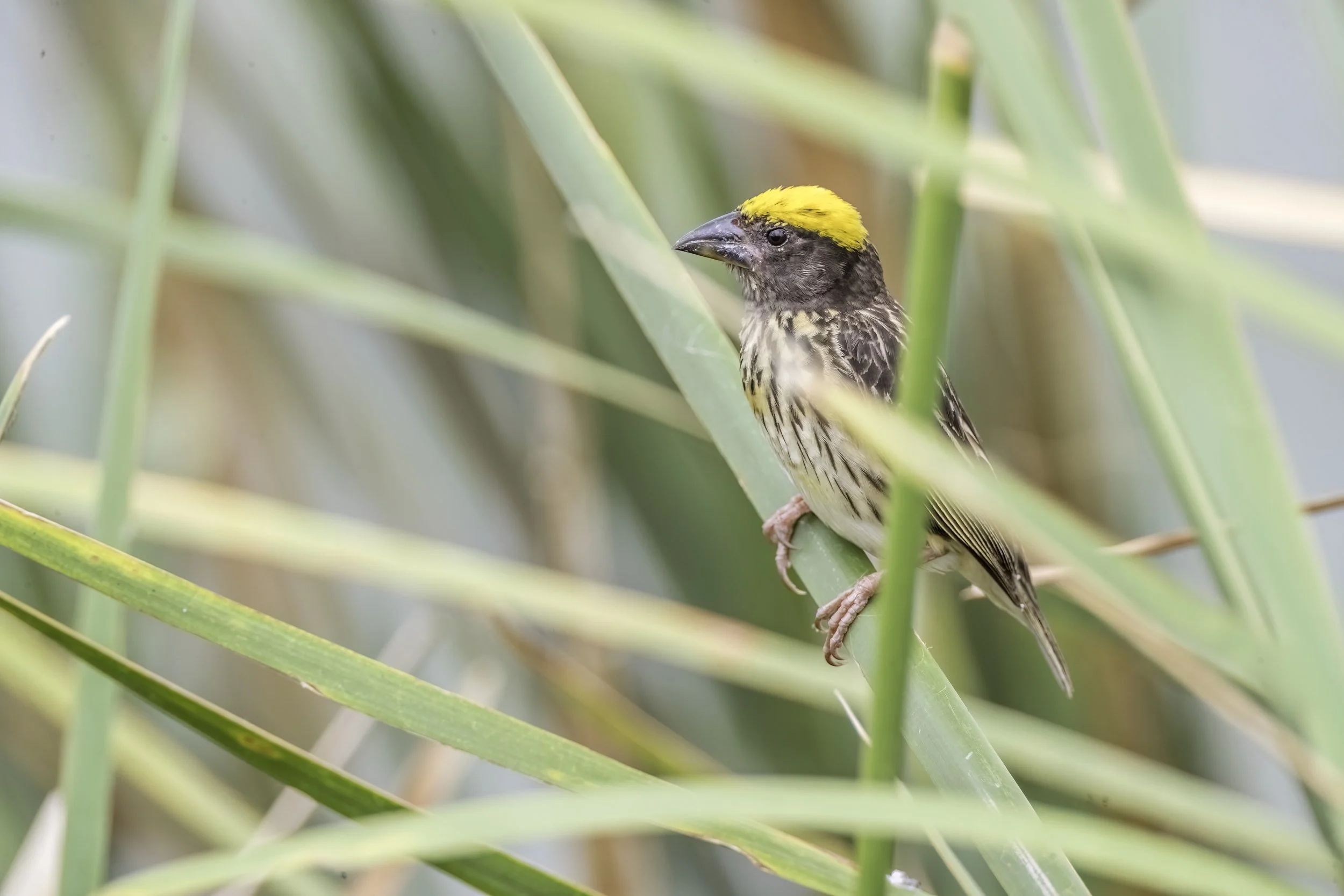
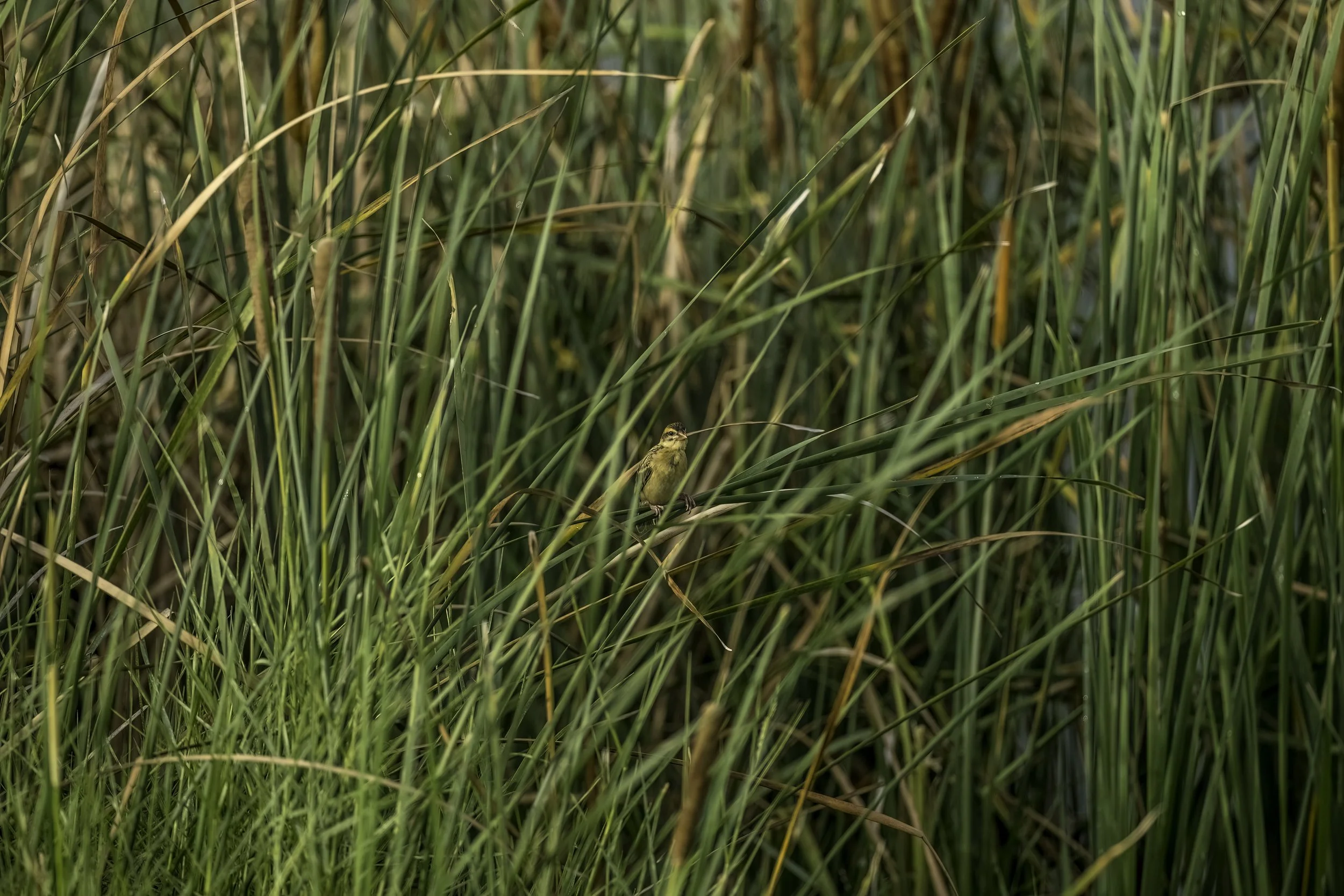
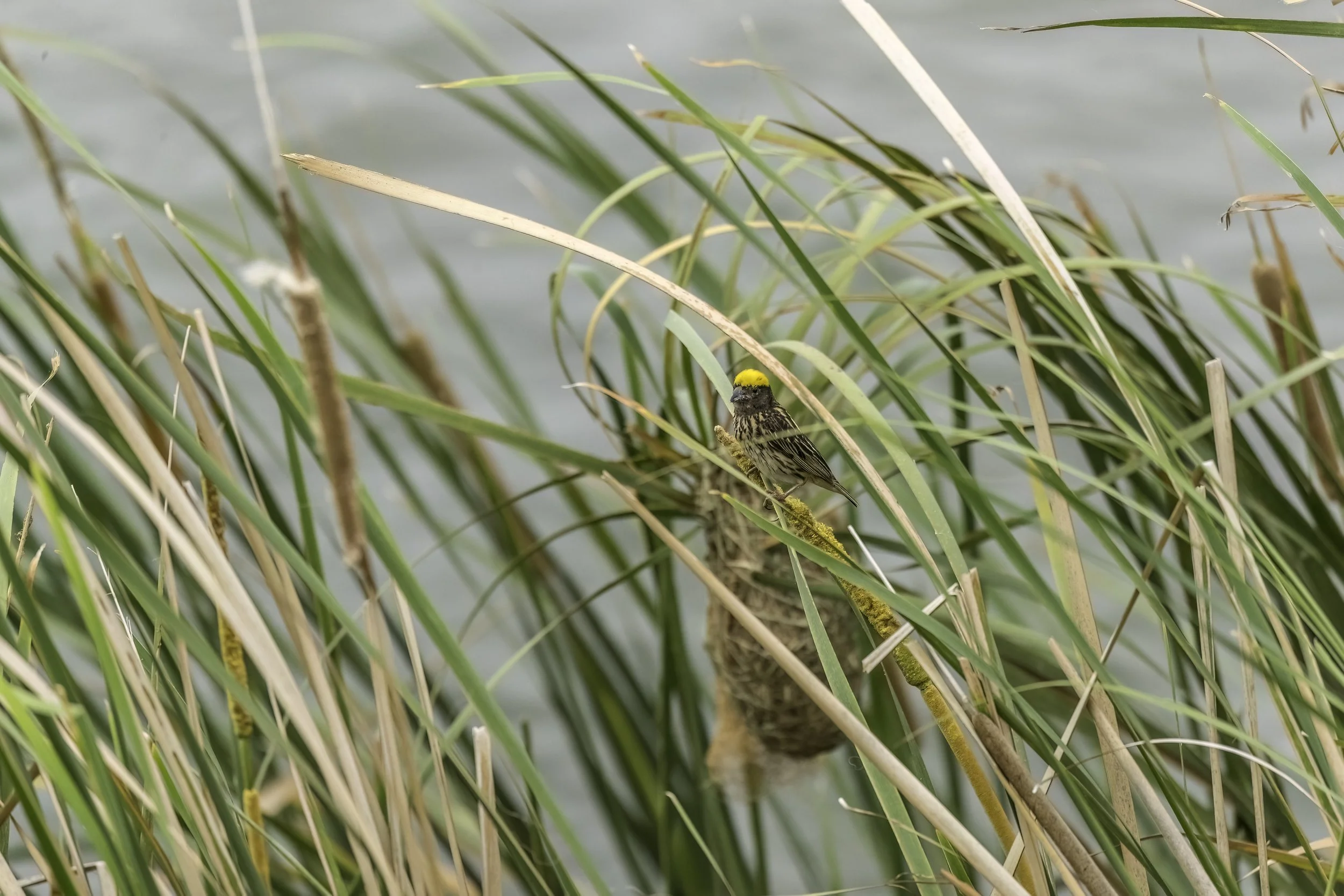
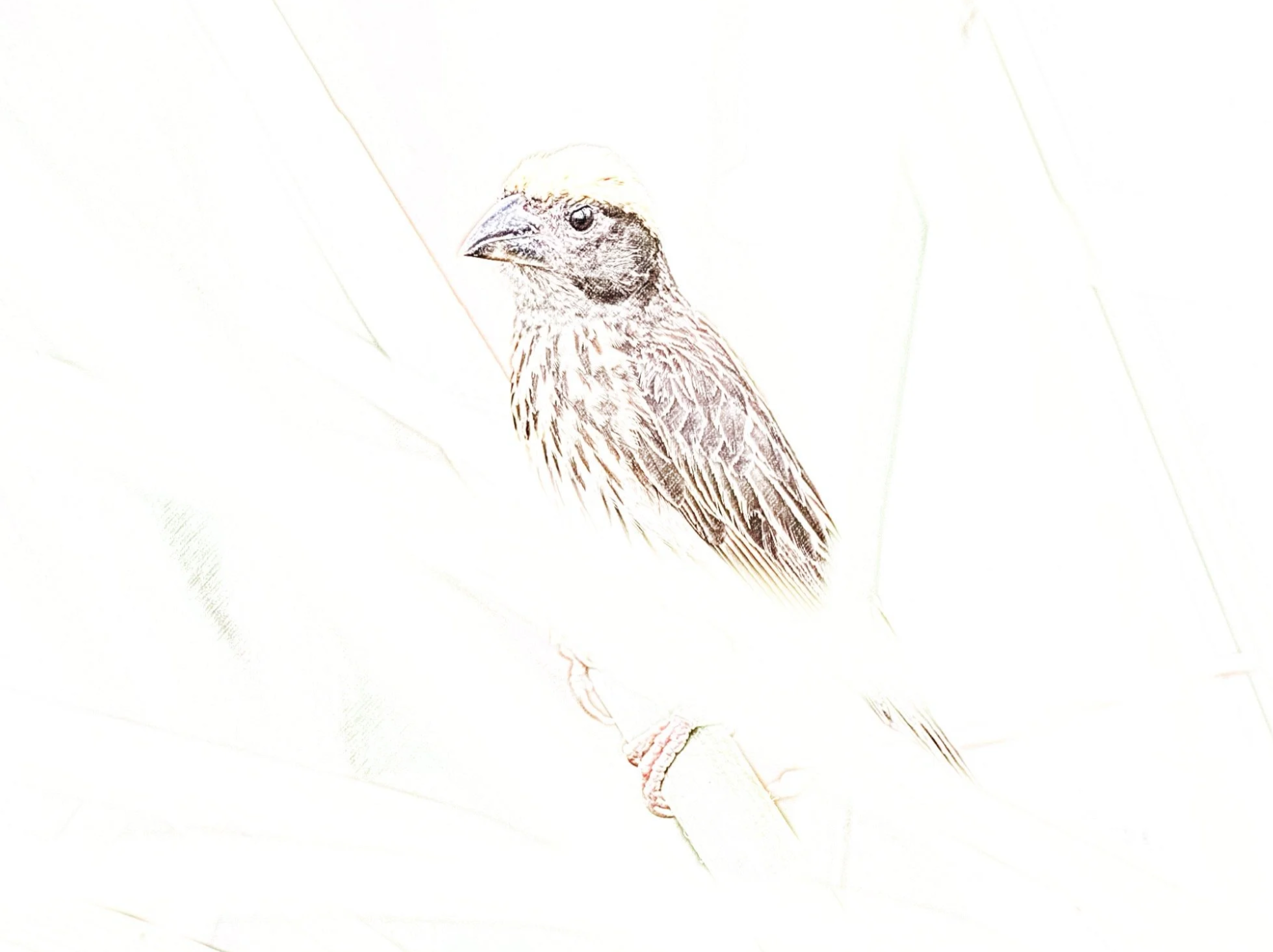
Male in breeding plumage has a golden-yellow cap covering the forehead and crown, and a blackish face and throat. Dark brown above with rusty edges to feathers, and buffy white below with longitudinal dark streaks on the flanks and upper breast. Non-breeding males, females, and juveniles more similar to other weavers; they have a yellowish buff eye-brow that extends down around the back of the face, streaky flanks, and dark brown upperparts with long streaks on the back. More partial to water than Baya Weaver, nesting around reedbeds in wetlands. Noisy near breeding colonies. Males make a continuous chirpy “cheer” or “teaur” call, not as loud as Baya Weaver’s.
The Streaked Weaver is easily distinguished from the more common Baya Weaver by its heavily streaked underparts. It is approximately 15–18 cm in length and weighs between 20–30 grams. The breeding male features a striking golden-yellow crown, dark brown face/throat, and heavy blackish-brown streaks on its breast and flanks. While the non-breeding/female has a muted appearance with prominent streaking on the throat, breast, and sides.
The following subspecies are recognised:
Ploceus manyar flaviceps - Distributed in Pakistan (Indus Valley), India (Punjab, Gujarat, and scattered records E to West Bengal) and SE Nepal, S to Sri Lanka (dry zone).
Ploceus manyar peguensis - Distributed in NE India (West Bengal, Assam), Bangladesh, SE Bhutan, Myanmar (except Tenasserim), S China (W Yunnan) and N Laos.
Ploceus manyar williamsoni - Distributed in NW, C and SE Thailand, Cambodia, S Laos and S Vietnam.
Ploceus manyar manyar - Distributed in Java, Bawean (off N Java) and Bali.
The race found in this region of India is typically Ploceus manyar flaviceps.
The Streaked Weaver is found across South and Southeast Asia, including India, Pakistan, Sri Lanka, and Bangladesh. From a habitat perspective it is specialized to wetlands, marshes, and reedbeds, often near agricultural fields like rice paddies. A generally resident bird, but they exhibit local movements in response to water availability and seasonal resources.
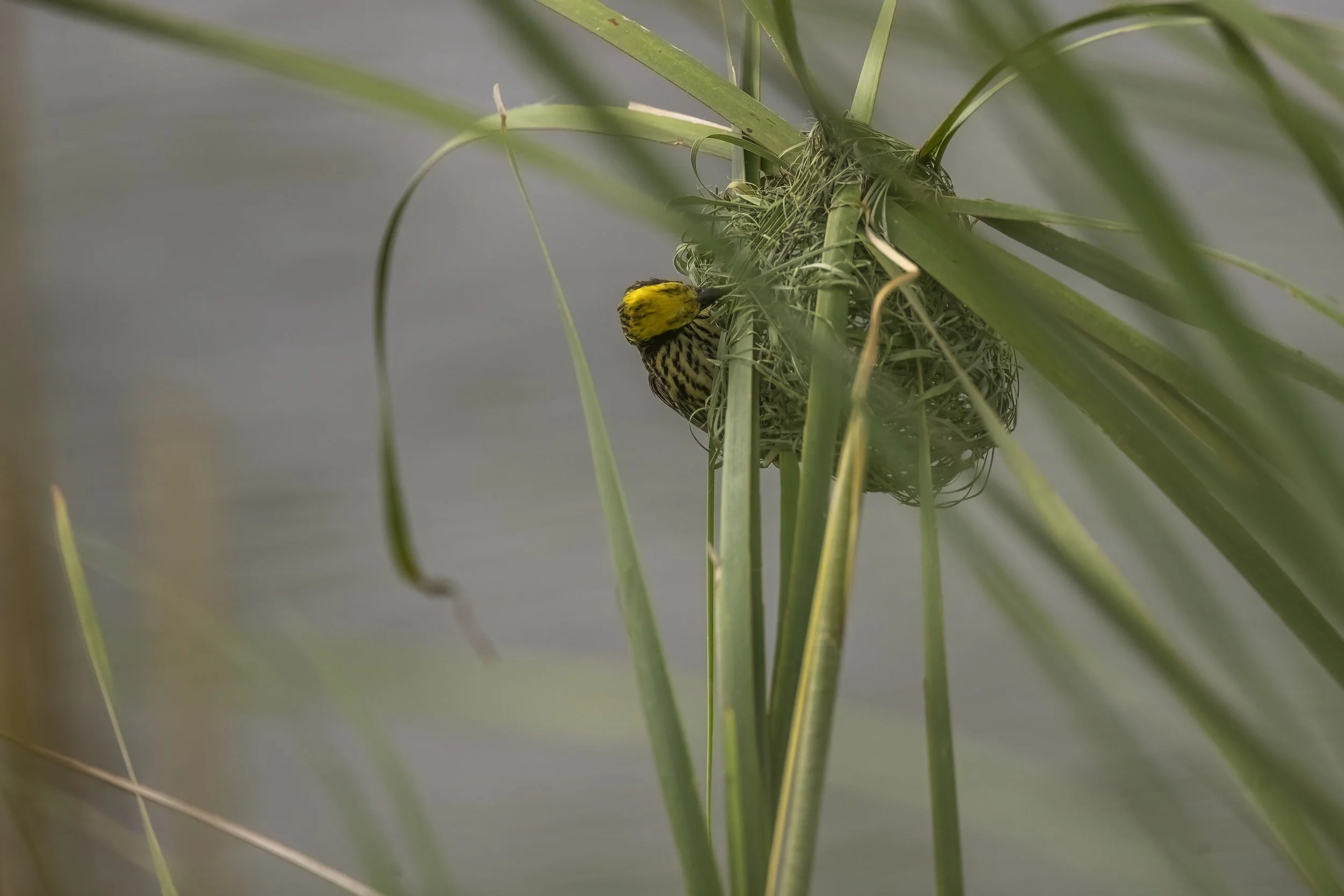
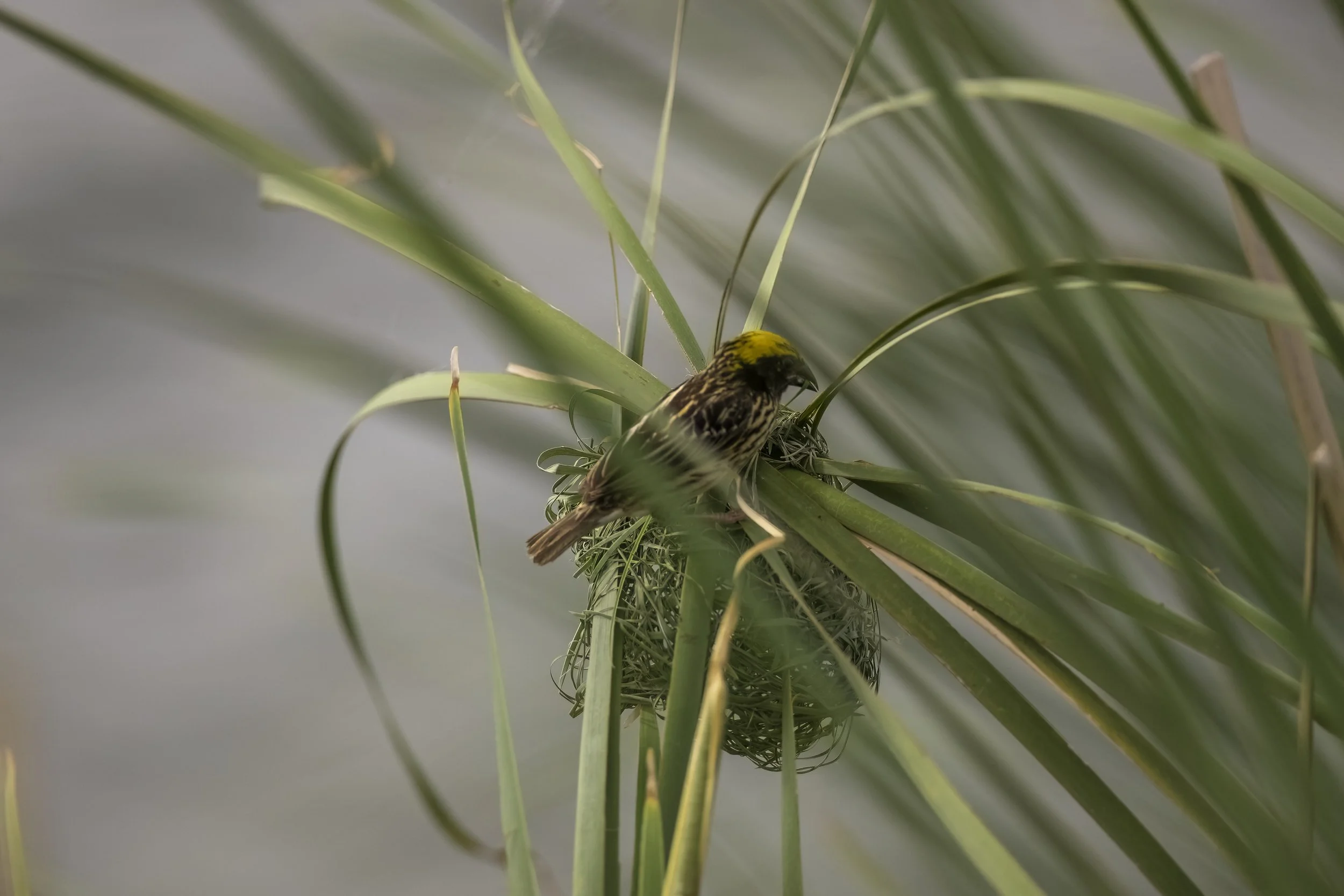
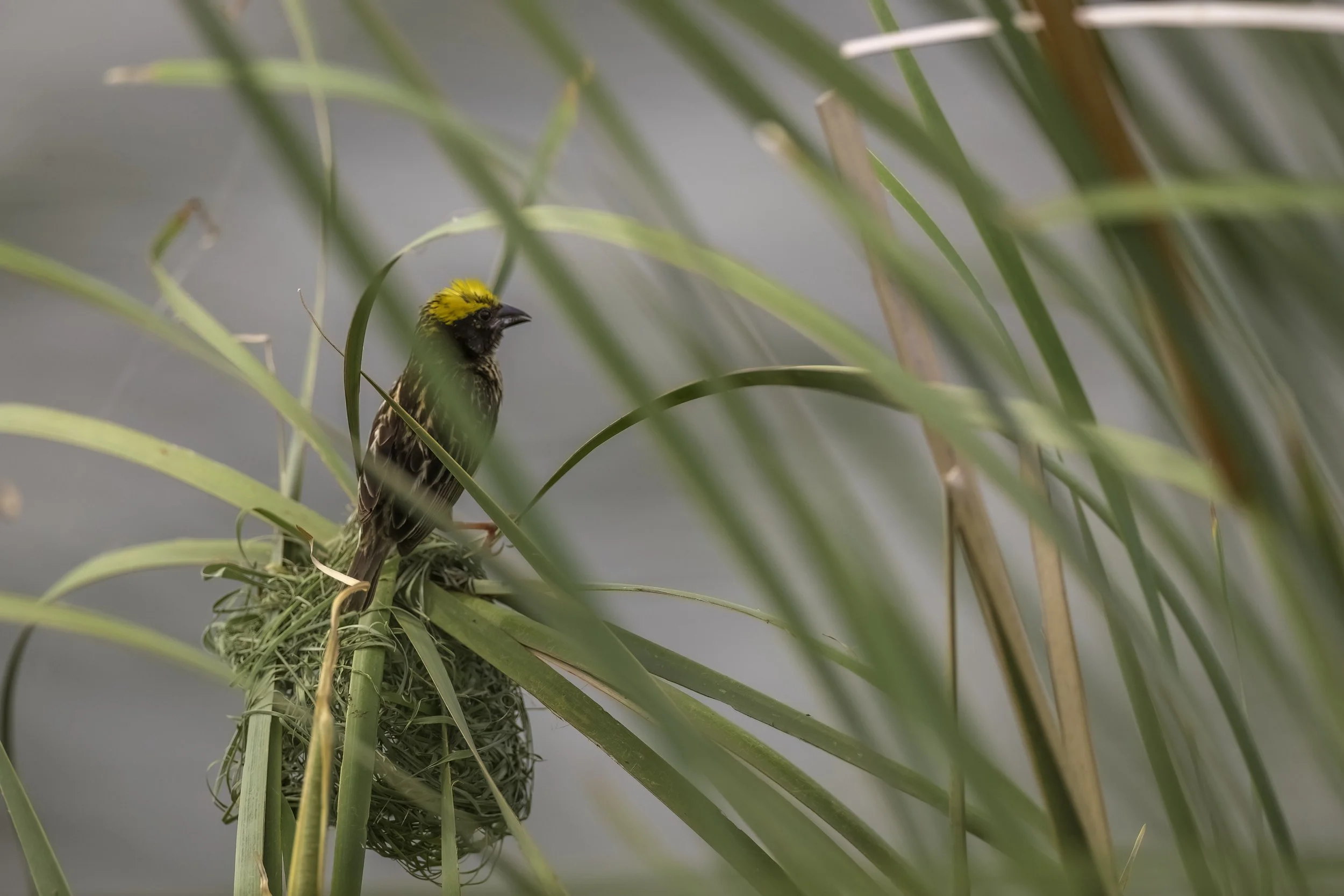
Its diet is primarily granivorous, feeding on seeds and grains (rice, wheat, millet). During the breeding season, they shift to insects like grasshoppers and caterpillars to provide protein for their chicks. They are communal nesters. Males construct small, helmet-shaped nests often reinforced with cow dung. Unlike the Baya Weaver's long-tubed nests, Streaked Weaver nests are smaller and typically built deeper within reedbeds. Common predators near SRSP include House Crows and Shikras and sometimes the Muggers.
The SRSP catchment area is a biodiversity hotspot supported by the tropical climate of the Deccan plateau. The banks are dominated by aquatic vegetation such as Typha angustifolia (cattails) and various marsh grasses. The surrounding landscape features agricultural lands (59% of the basin) and patches of deciduous forest. Aside from weavers, the reservoir hosts Painted Storks, Flamingos, and various migratory ducks. The waters are rich in fish, supporting local livelihoods and avian predators.
The Streaked Weaver is listed as Least Concern. It is listed under Schedule-II of the Wild Life Protection Act in India. While common, they face threats from wetland drainage and habitat loss due to agricultural expansion.
‡‡‡‡‡

Related Posts



The Bay-backed Shrike is a brightly-colored small shrike, reminiscent of the Long-tailed Shrike in overall coloration. It has a black mask, rufous flanks & back, a clean white throat, and its small size makes it distinctive within its range. It prefers open areas, often in dry regions, with scattered vegetation. Often perches up on exposed snags, fenceposts, or telephone lines.
#wildartworks, #Canon, #Bird, #Birdinginthewild, #BirdWatching, #Wildlife, #WildBirds, #naturephotography, #your_best_birds, #planetbirds, #earthcapture, #photo_pond, #earthpix, #naturyst, #conservationphotography, #yesbbcearth, #indian_wildlifes, #indianwildlifeofficial, #wildlifeonearth, #bbcearth, #natgeowild, #natgeoindia, @globalcapture, #TelanganaBirds, #HyderabadBirds, #Tellapur, #GHMCUrbanForestryNursery, #TelanganaUrbanForestry, #Nallagandla, #baybackedshrike, #shrike