
Purple Heron
Ardea purpurea
Lakes and wetlands all over Asia Pacific
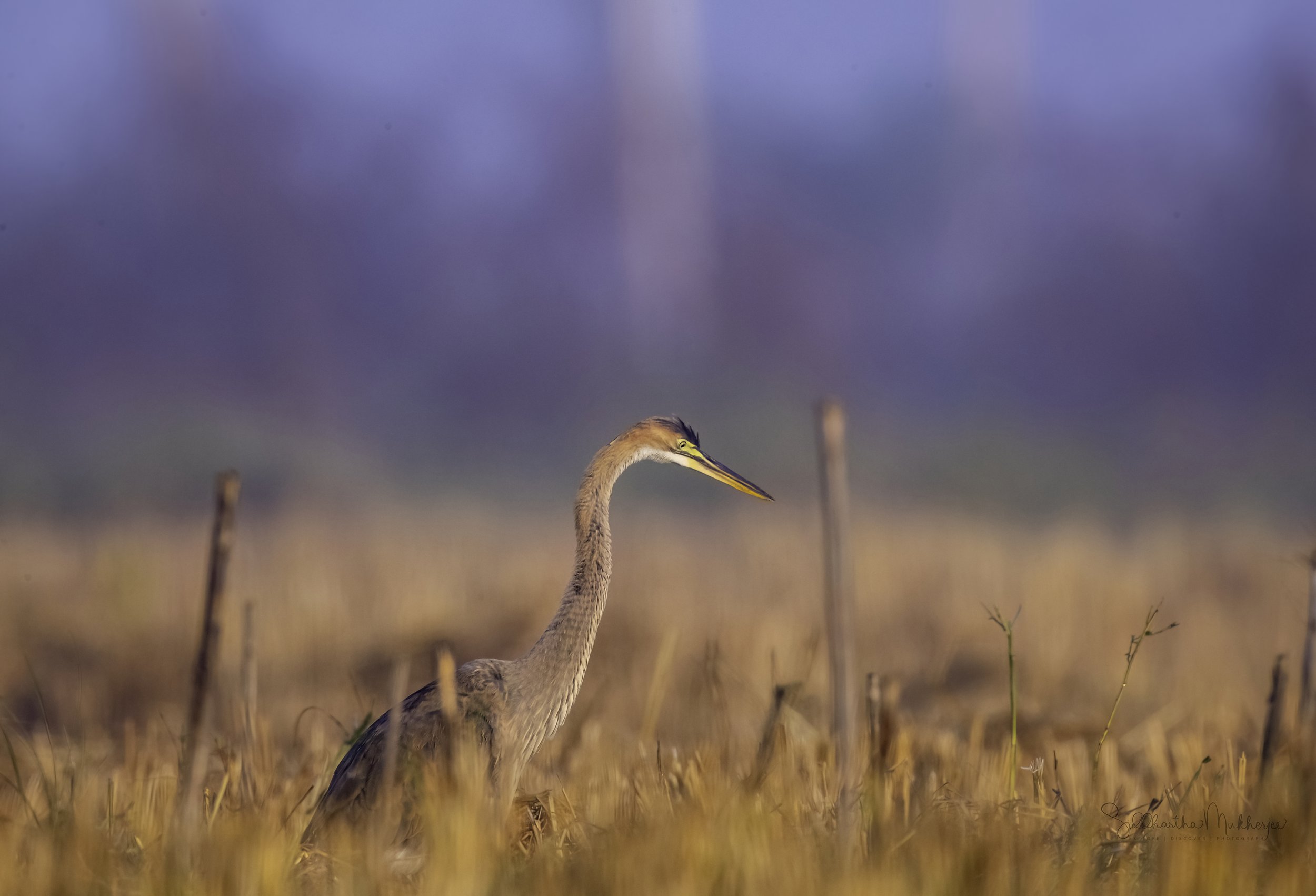
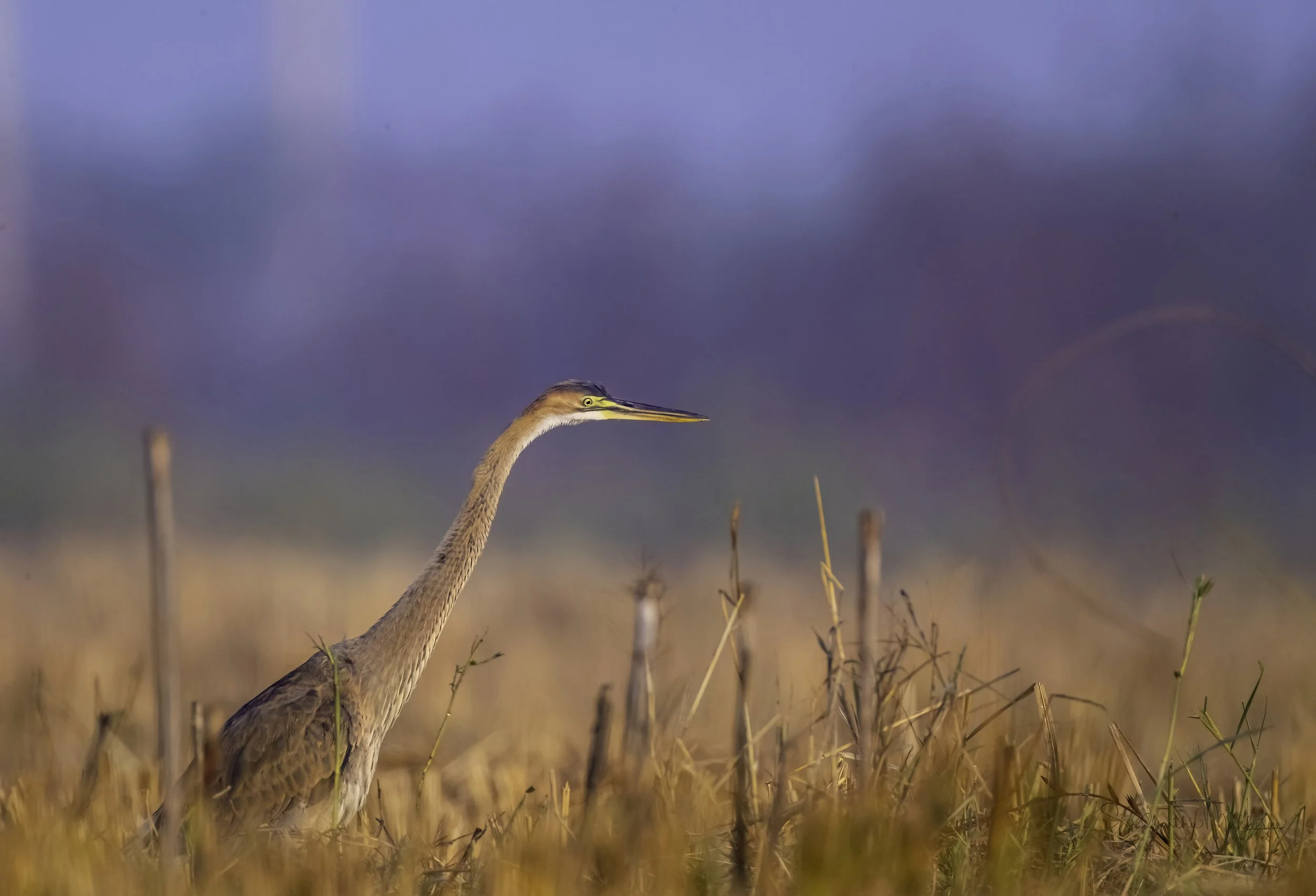
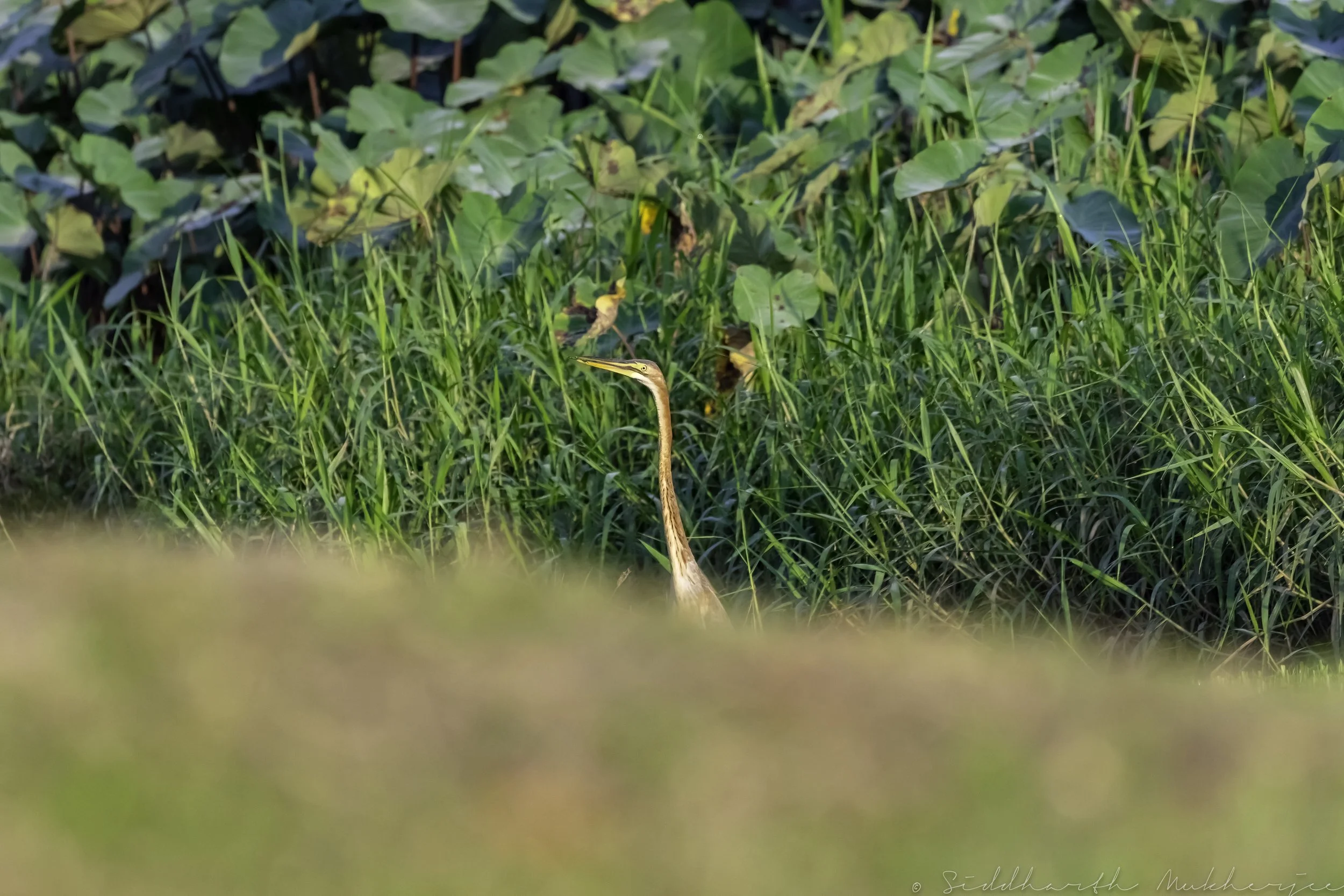
Finding the Purple Heron (Ardea purpurea) often requires patient observation in dense, freshwater wetlands like those near the Ameenpur Lake or the Manjeera Wildlife Sanctuary. Unlike the bolder Gray Heron, this species is a master of camouflage within reed beds. The Purple Heron is a wide-ranging heron species breeding in Africa, central and southern Europe, and southern and eastern Palearctic.
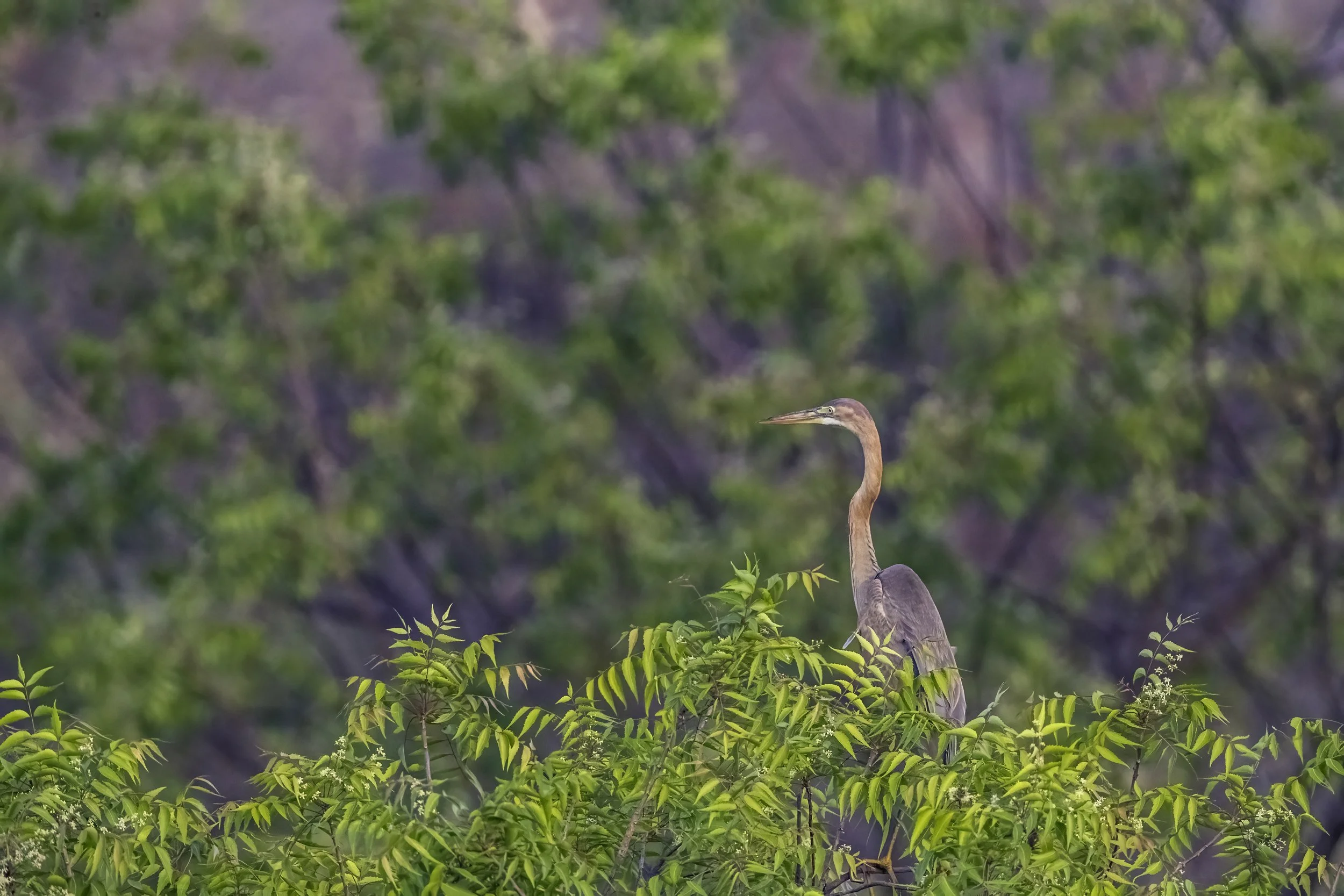
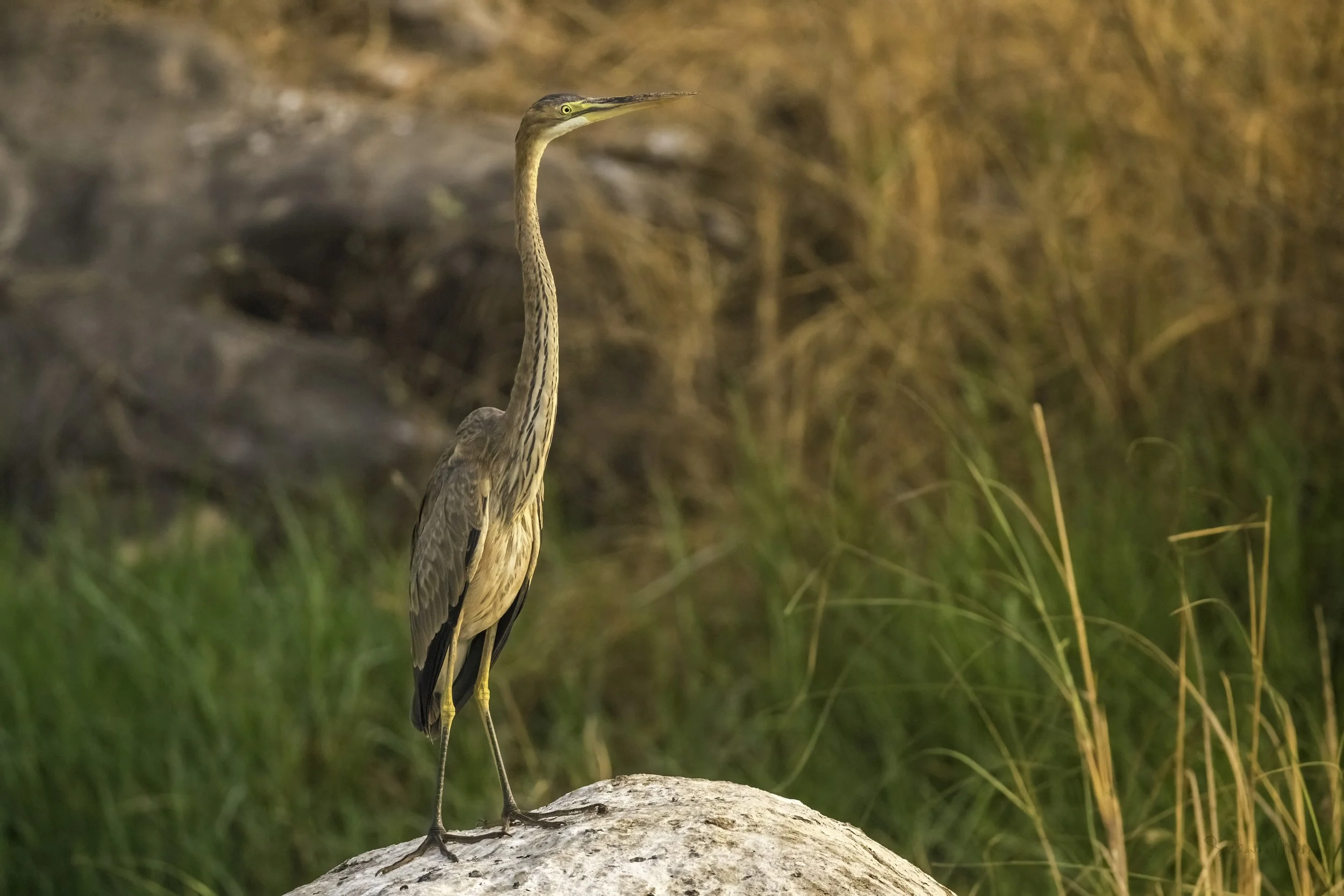
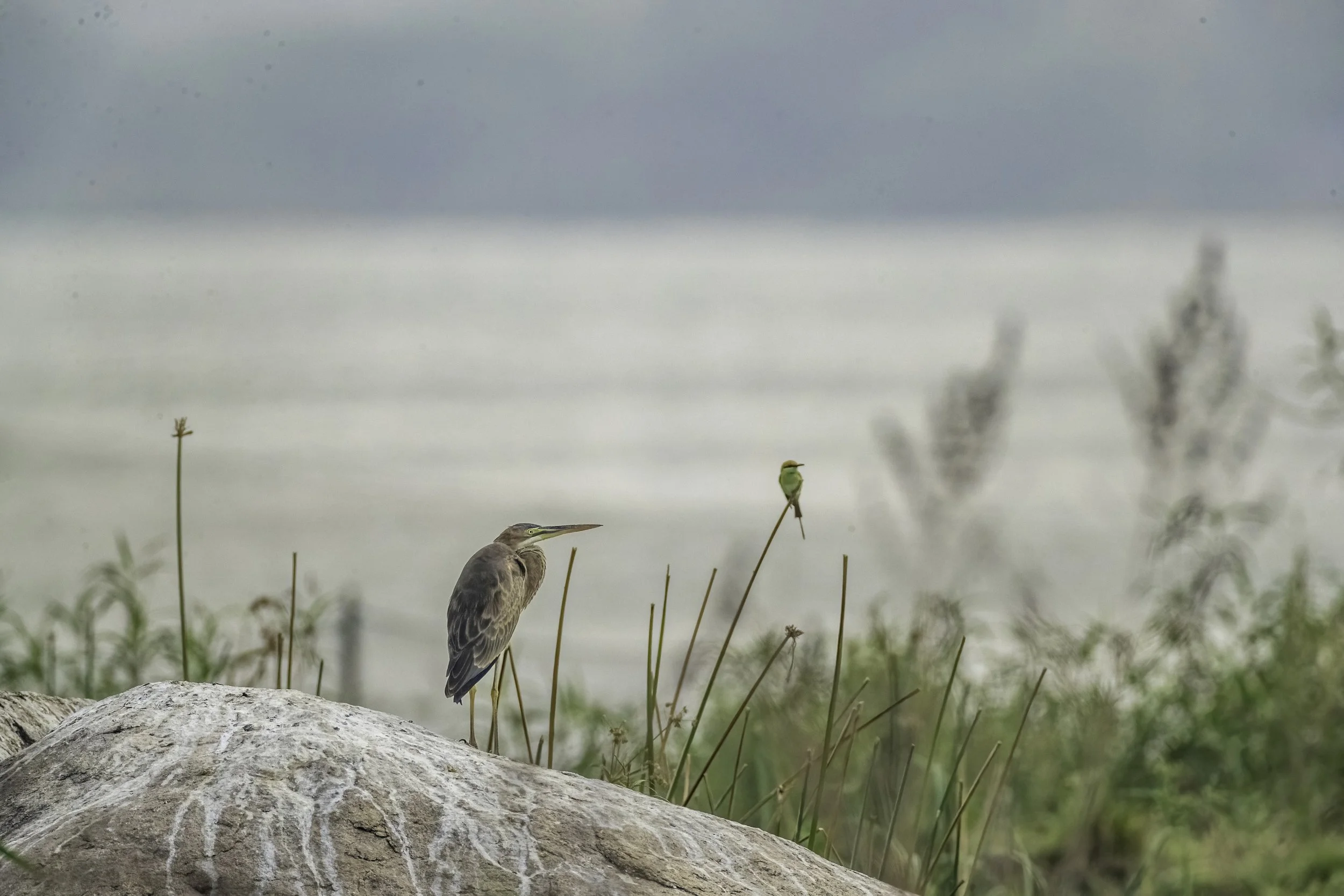
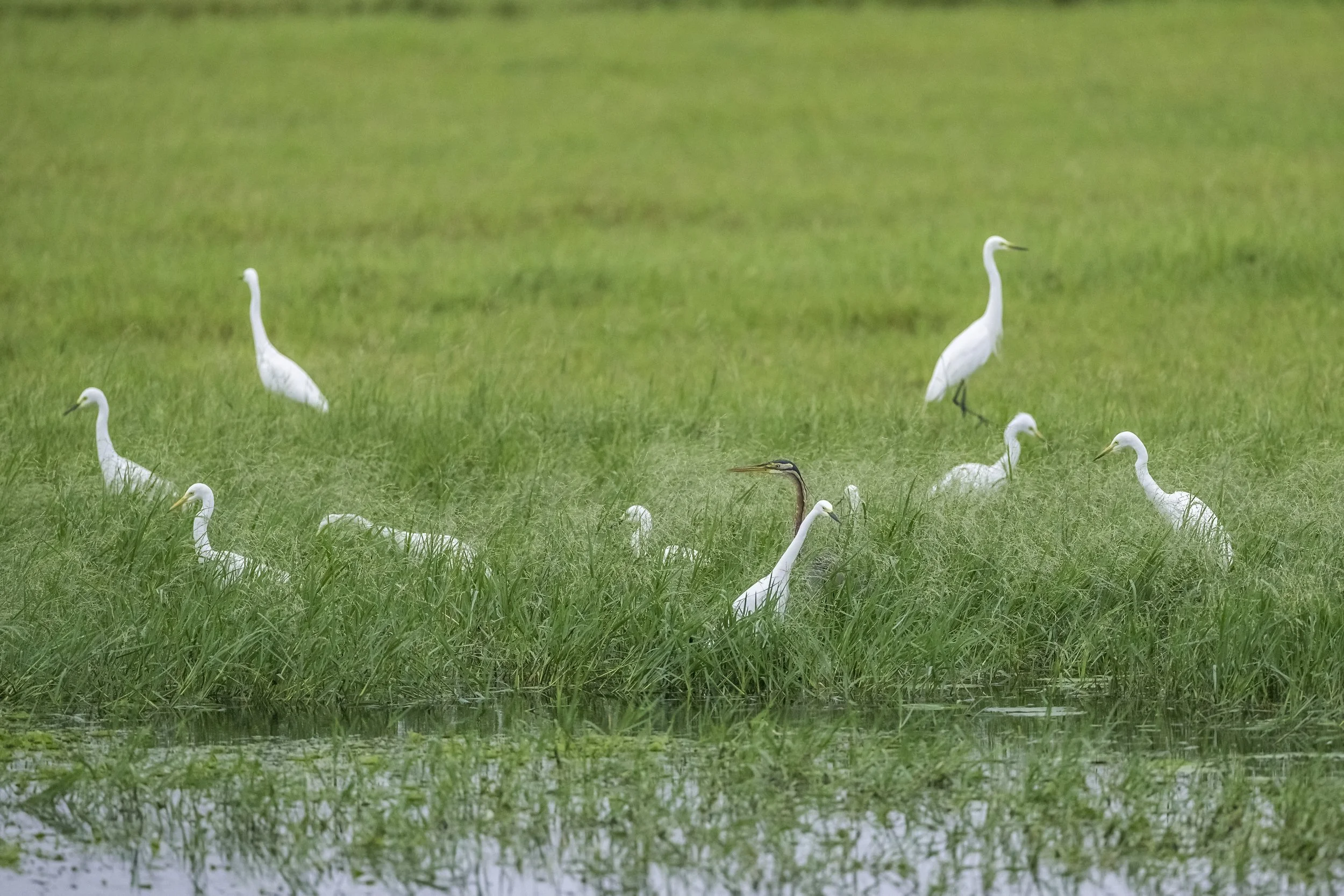
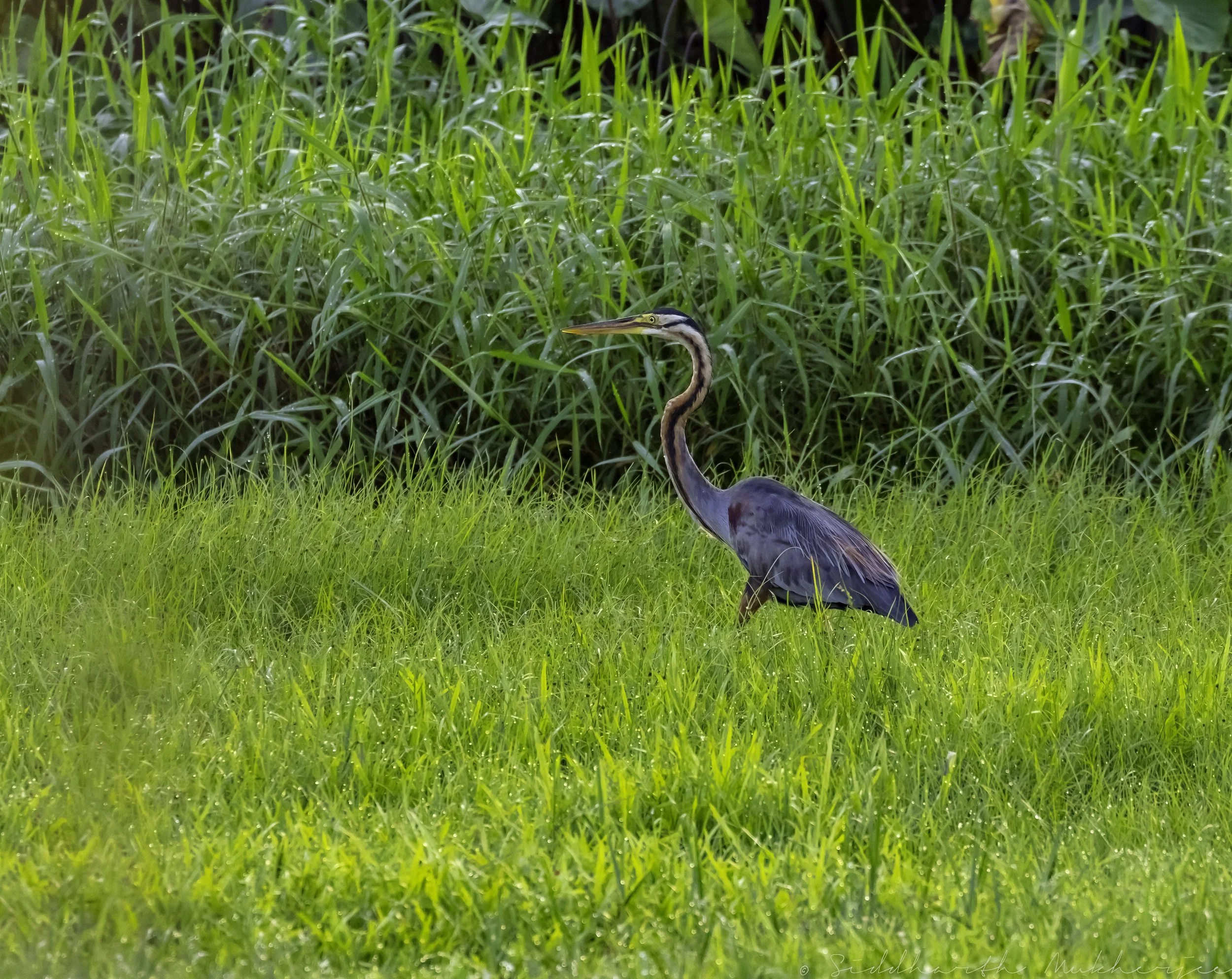
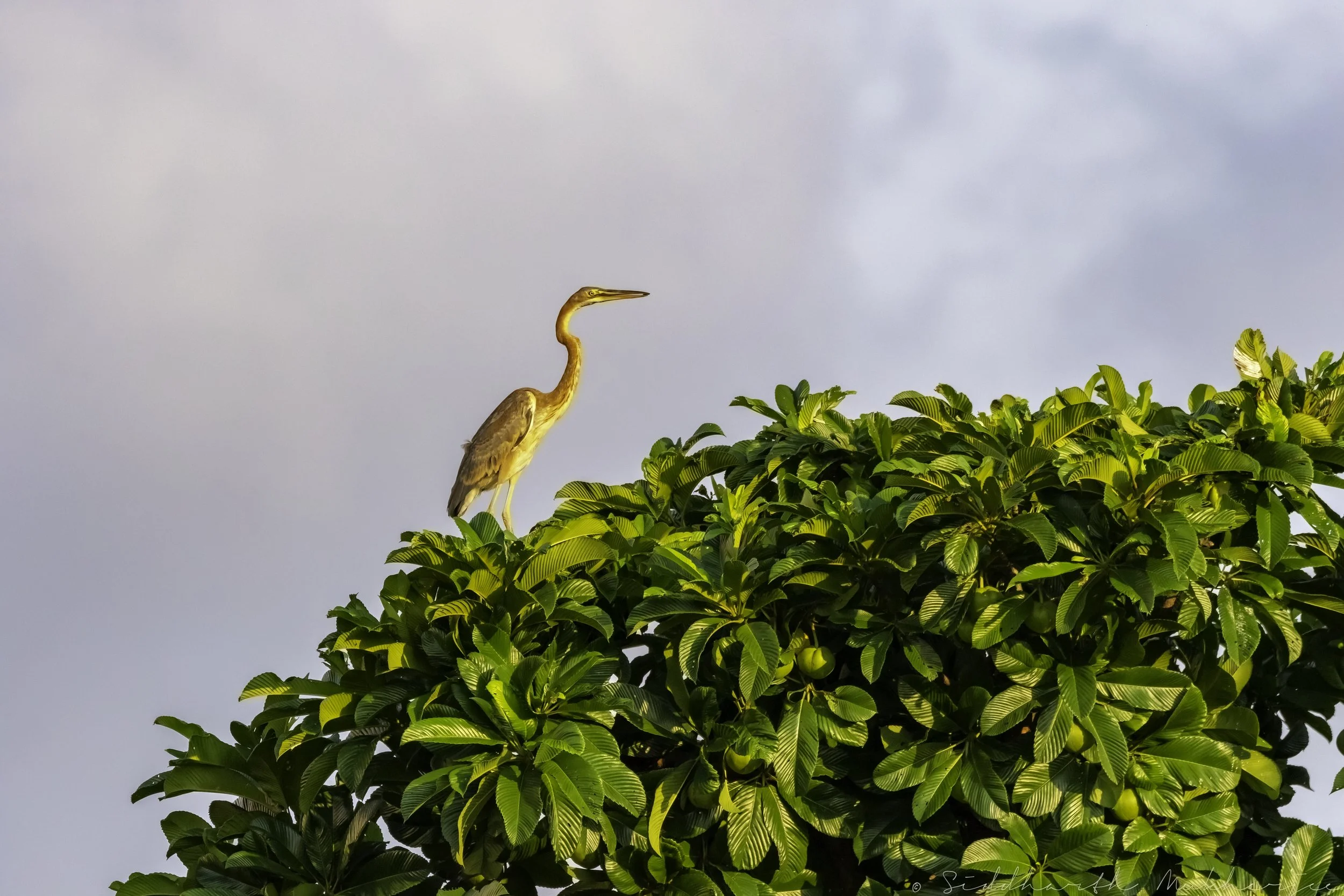
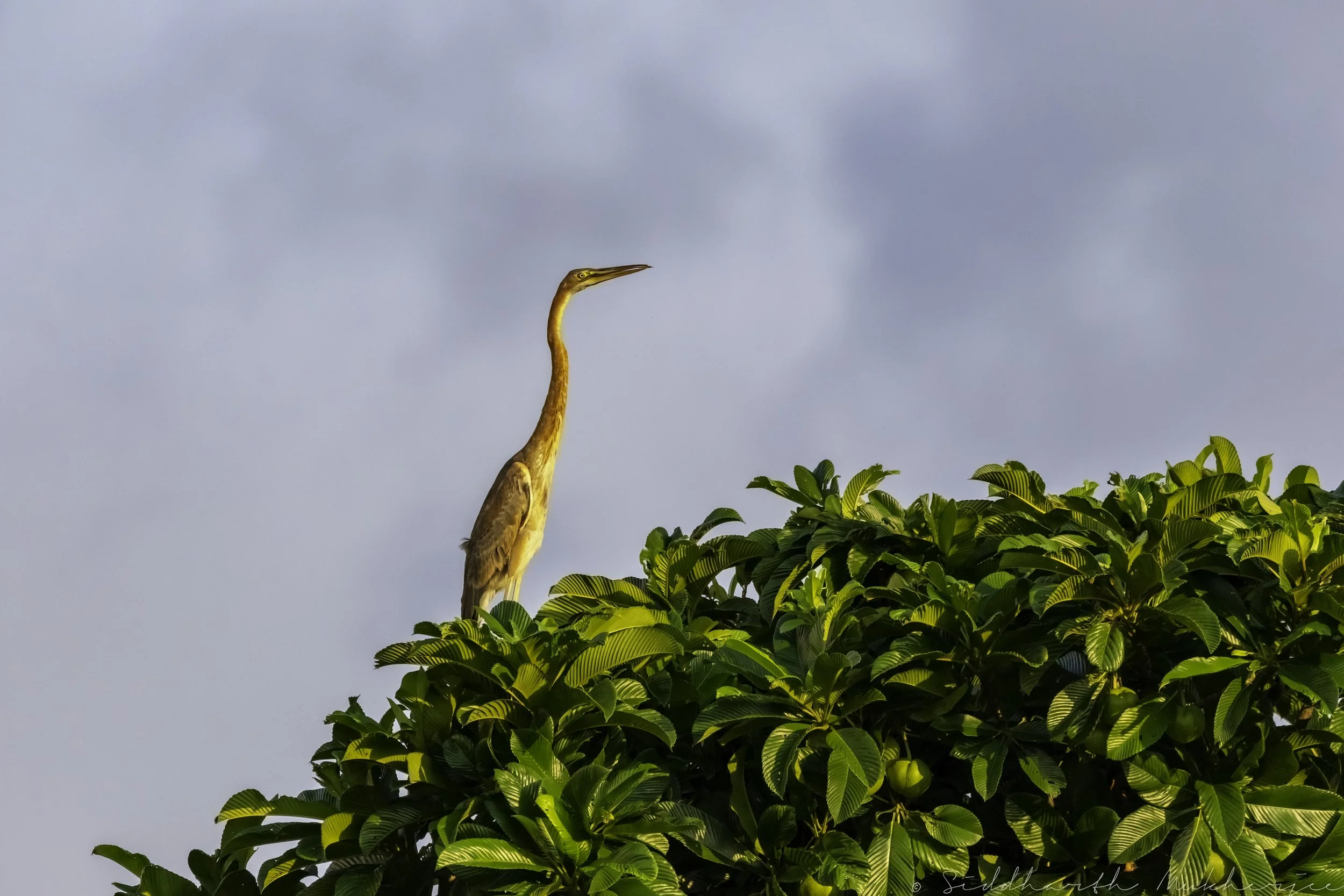
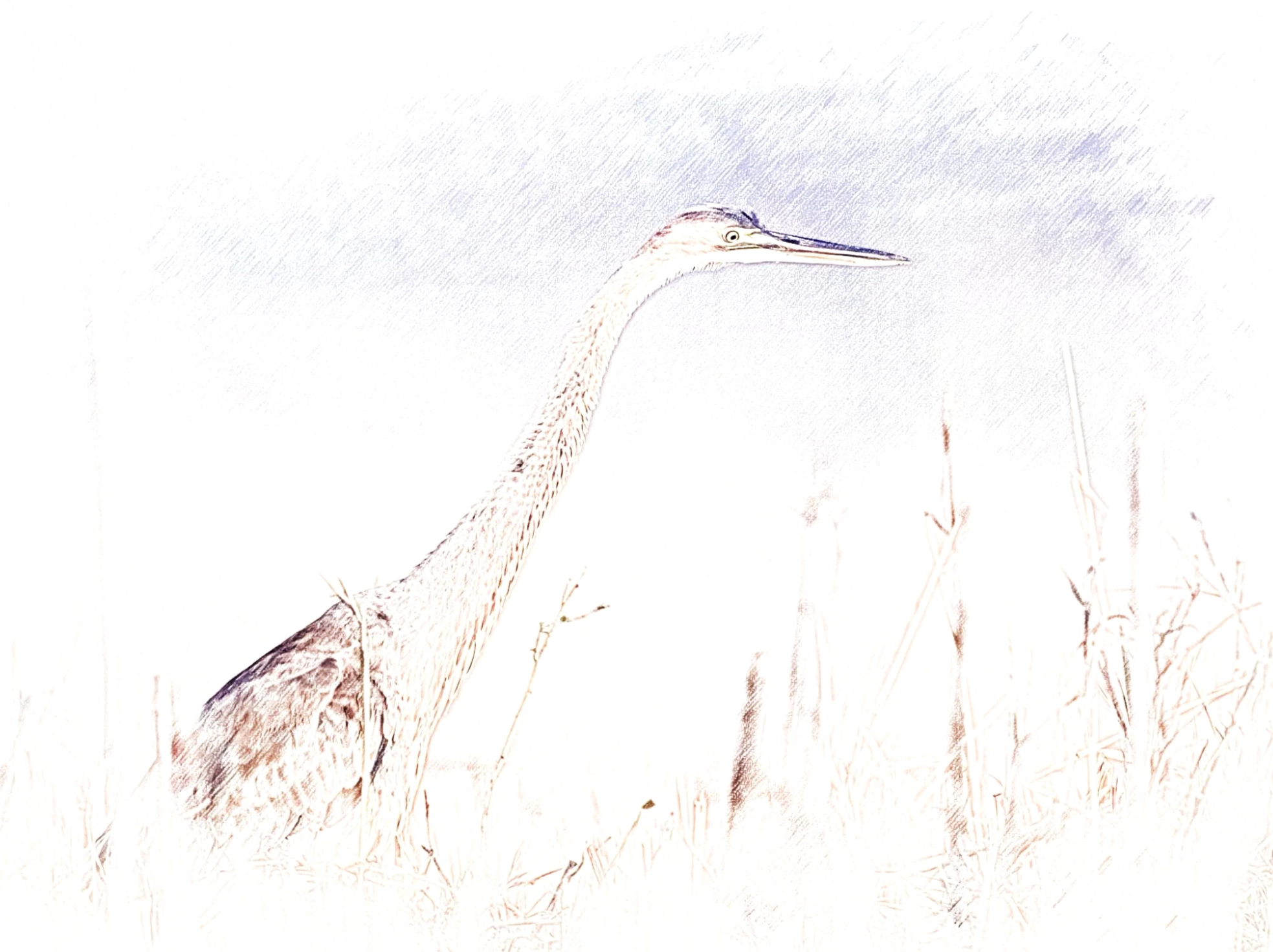
The Purple Heron is a large heron with a rusty head and streaky neck. It favours fresh marshes with tall reeds and other vegetation. Often more retiring than Gray Heron and rarely seen in open situations. It is only likely to be confused with the larger and bulkier Gray Heron, which is paler and grayer overall, with a stouter bill.
The birds you see here are from a number of varied locations and habitats like the Loyang Rock, Himayath Sagar Lake, Ammavaripeta Cheruvu, the Bhigwan Bird Sanctuary and a few from lesser known locations like the Kantegaon Lake in Boath Buzurg and the a city hotspot, the Kistareddypet Lake.
Lakes and water bodies in Telangana are locally known as cheruvu, kunta & tanks. Quite a few of these lakes, like Tigal Kunta, Somajiguda Tank, Mir Jumla tank, Pahar Tigal Kunta, Kunta Bhawani Das, Nawab Saheb Kunta, Afzalsagar, Nallakunta, Masab Tank etc, have completely disappeared and the surface area of most of the surviving lakes have shrunken and turned into tiny ponds and cesspools. Lakes like the Hussain Sagar Lake, Kunta Mallaiyapalli have shrunk drastically. Of the thousands of water bodies existing in 1970s in various sizes in and around Hyderabad, today only about 70 to 500 of them have survived. Most of them have disappeared due to encroachment or have been illegally drained for real estate projects by private or government agencies. The existing lakes have been used to dump garbage and sewage water. The Kudikunta Lake a recently restored lake which will, hopefully, in the next few years recover and regain its lost avian population.
Most of these lakes and tanks around Hyderabad were built during the regime of the Qutb Shahis in 16th and 17th century and later by the Nizams as sources of drinking water for the residents of Hyderabad. The area of Hussain Sagar, which is the largest lake in Hyderabad shrunk by more than 40% i.e. from 550 ha to 349 ha in just 30 years. This lake was built in 1575 AD and since 1930 is not being used as a source for drinking water. Another such lake is the Ameenpur Lake on the western fringe of Hyderabad, surrounded by fantastic primordial rock formations, modern apartments, factories and a village. Ameenpur Lake is an ancient sprawling man-made lake dating back to the time of Ibrahim Qutb Shah, who ruled the kingdom of Golconda between 1550 and 1580. According to one account, the tank was excavated to irrigate a large public garden. The lake is now divided into two parts called Pedda Ameenpur and Chinna Cheruvu.
Manjeera Wildlife Sanctuary
The Manjeera Wildlife Sanctuary is situated along the river Manjeera at a distance of 5 km from the quaint town of Sangareddy and about 50 kms northwest of the capital city of Hyderabad. The sanctuary, spread over 20 km², follows the course of the Manjeera River, a tributary of the mighty River Godavari, for 36 kms and is also home to the Manjeera Bird Sanctuary and has a manmade reservoir which provides drinking water to the twin cities of Hyderabad & Secunderabad. It has nine small islands, including Puttigadda, Bapangadda, Sangamadda and Karnamgadda containing extensive marshy fringes, which act as nesting sites for aquatic birds. Additionally, a thick cover of trees provide nesting spots for other birds.
The vegetation found around this freshwater ecosystem is of the dry savannah type and the reservoir supports both submergence & emergent types of vegetation. The periphery is abundantly covered by the plant species of Typha, Ipomoea and Acacia while agricultural fields surround the reservoir and river.
Originally this riverine habitat was developed as a crocodile sanctuary to protect the Vulnerable Mugger Crocodile, a medium-sized broad-snouted crocodile, native to freshwater habitats from southern Iran to the Indian Subcontinent. Today between 400 and 700 crocodiles call this home along with over 70 species of birds, fresh water turtles, prawns, molluscs and various varieties of fish. I have also seen monitor lizards & cobras and am told there are Indian Hares, Wild Boar, Mongoose & Jackals.
By some counts there are over 73 species of birds seen here like the large flocks of Common Teals, Cotton Pygmy Goose & Ruddy Shelduck. Upstream is home to a significant number of cranes and bar-headed geese and the native breeders like the Darter, Asian Openbills, Painted Storks, Eurasian Coot and the Black-crowned Night Heron.
On the banks of the Manjeera river, in a village called Kalabgoor, there is a temple, Sri Kasi Vishweshwara temple, that is said to have been constructed some 800 years ago during the glorious reign of the Kakatiyas. The temple like all temples of legend has magnificent architecture and is entirely made of stone, with some standing pillars created out of a single block. The temple is dedicated to the lord Shiva and also houses other gods like Lord Krishna, Ganapati & the goddess Saraswati. There are two other famous temples in the vicinity - Sri Anantha Padmanabha Swamy Temple and Sri Venugopala Swamy Temple. Together these are known as Trikootaalayamu - which translates to “a three shrine complex”.
The sanctuary has an Environmental Education Centre consisting of a museum, a library, and an auditorium where films about birds and animals are shown daily. There are boat services available to take the visitors around the sanctuary for bird watching, with binoculars and books to identify birds provided to visitors. The museum has exhibits depicting the complex biodiversity of the wetlands. The best season to visit this sanctuary is from November to March when major migrant birds nest and breed here. Accommodation for visitors is available at inspection bungalows in the town of Sangareddy, Singur and Sadasivapet.
Read about some of the birds of this sanctuary.
Kantegaon Lake
Kantegaon Lake plays a vital role in the local ecosystem, though specific details on its construction (unlike the well-documented Kakatiya-era Laknavaram and Hussain Sagar lakes) are not widely available in public records. It is located in the Adilabad district, an area characterized by hilly and forested regions. Lakes and tanks have historically been crucial in the semi-arid Deccan region for supporting settled agriculture and local livelihoods, and Kantegaon likely serves a similar function for nearby communities. The area around Boath includes numerous villages and is part of a region with a significant tribal population, which makes up over 31% of the Adilabad district's population. They are also blessed with a number of stunning waterfalls which I will detail in following blogs and videos.
The history of the broader region traces back through various powerful South Indian dynasties:
Ancient Period: The region was part of the southernmost extent of the Mauryan Emperor Asoka's kingdom around 250 BC and later came under the rule of the Satavahana dynasty (221 BC - 218 AD).
Medieval Era: Subsequent rulers included the Chalukyas, Rashtrakutas, and the Kakatiya dynasty, the latter of whom were known for their advanced water management systems, building numerous tanks and lakes across Telangana. An excellent example is the Bansilalpet Stepwell. There are over 800 such wells across the state of Telangana.
Post-Medieval & Modern: The area was later part of the Bahamani, Qutub Shahi, and Mughal empires and eventually became a part of the Nizam's dominion (the Hyderabad State). After India's independence, it was part of Andhra Pradesh until the formation of the new state of Telangana in 2014.
The Tribal Communities of the Area
The Boath Buzurg area and the wider Adilabad district are home to several aboriginal tribes who have coexisted with the environment for centuries. The most prominent groups include the Gonds and the Kolams.
The Gonds are one of the largest and most influential tribal communities in Telangana, primarily found in the Adilabad, Warangal, Karimnagar, and Khammam districts.
Culture and Traditions: Gonds have a rich cultural legacy, distinct language (Gondi), and are known for their beautiful art, music, and dance.
Livelihood: Traditionally, the Gonds practiced shifting cultivation and hunting-gathering, but many have transitioned to settled agriculture, growing crops like cotton, jowar, and pulses.
Social Structure: Gond social life is connected to animistic religious beliefs and ancestral worship. Disputes are typically settled by village councils headed by a "peddamanishi" (village elder).
A bit about the Rajgonds whose voices and song became an integral part of my timelapse and made it all the more special.
Rajgonds
The Rajgonds, a landholding and ruling class among the Gonds, have a culture centered on nature worship. This leads to an affinity for the environment and contributions to conservation in the Telangana region. Their culture shows their belief in the interconnectedness of all living beings and nature.
Belief System: Their religion, Koyapunem, is animistic. It reveres gods and goddesses (“Mahadeve” or “Badadev”) who represent natural features like earth, sky, air, fire, and water (భూమి, గగన్, వాయు, అగ్ని, నీర్). They worship ancestral spirits, natural objects, animals, and plants, believing everything in nature has a soul.
Art and Expression: Gond art illustrates their connection to the environment. Paintings often depict animals (peacocks, chameleons, fish, elephants) and plants using natural pigments from flowers, leaves, minerals, and soil.
Songs and Oral Traditions: Their folklore is passed down through songs and stories. These traditions, often performed by the Pardhan community (bards for the Gonds), tell of family lineage, spirituality, the Gond creation myth, and the importance of their surroundings.
Sua Dance: Women perform this dance during harvest, accompanied by songs that praise the parrot and peacock, symbolizing fertility and nature's bounty.
Harvest Songs: These songs express gratitude to the earth and invoke the spirits of rivers and trees, reinforcing their ecological consciousness.
Gussadi Dance: A folk dance performed during festivals like Diwali, for which a Rajgond, Kanaka Raju, received a Padma Shri award for popularizing.
Conservation Efforts with the Telangana Forest Department
The Gonds' traditional knowledge and respect for nature have made them key in modern conservation.
Traditional Practices: They establish sacred groves and sacred ponds along rivers where resource extraction or fishing is prohibited, acting as natural conservation zones. Certain plants and animals have religious importance, regulating sustainable harvesting.
Community-Led Initiatives: In Gond villages, the Gram Sabha (village council) makes decisions about forest management and conservation. Villagers organize patrols to stop illegal tree felling and document local biodiversity through "People's Biodiversity Registers". One such organisation is the Boath Nature Conservation Society formed by the local residents of Boath in collaboration with the Telangana State Forest Department. Society members are actively involved in conservation efforts, protection activities and documentation of the wildlife present in their forests.
Collaboration with the Forest Department: The Telangana Forest Department works with tribal communities on several fronts:
Ecotourism and Livelihoods: Local tribal youth work as ecotourism guides, with training in hospitality and ecotourism management. This connects conservation with livelihood, ensuring communities benefit from protecting their environment.
Awareness Programs: Programs like "Jal Jungle Yatra" involve forest staff trekking with villagers to teach them about forests and wildlife.
Community Involvement: The government of Telangana acknowledges the role of tribal communities in providing a cultural ecosystem and integrating their needs with the objective of enhancing green cover. The department has worked with communities to form Biodiversity Management Committees to conserve local wetlands and promote sustainable ecotourism.
This collaboration uses the Rajgonds' connection to “Jal, Jungle, and Jameen” (water, forest, and land) to foster a sustainable approach to conservation in the region
The Kolams are a smaller, but influential, Particularly Vulnerable Tribal Group (PVTG) in Telangana, largely concentrated in the Adilabad and Khammam districts.
Culture and Livelihood: They speak the Kolami language (a Dravidian language) and traditionally engaged in hunting, gathering, and shifting cultivation.
Current Status: Like other tribal communities, the Kolams have faced challenges due to land acquisition and displacement and have also largely shifted to settled farming practices over time.
These communities share a deep, symbiotic relationship with their natural surroundings, and bodies of water like Kantegaon Lake are integral to their lives, supporting their agricultural practices and daily needs. Efforts are continually made by government and non-governmental organizations to support these communities and preserve their unique cultural identities.
Purple Heron
The Purple Heron (Ardea purpurea) is a wide-ranging heron species breeding in Africa, central and southern Europe, and southern and eastern Palearctic. The Western Palearctic populations migrate between breeding and wintering habitats whereas the African and tropical-Asian populations are primarily sedentary, except for occasional dispersive movements. It is similar in appearance to the more common Gray Heron but is slightly smaller, more slender and has darker plumage. It is also a more evasive bird, favouring densely vegetated habitats near water, particularly reed beds. It hunts for a range of prey including fish, rodents, frogs and insects, either stalking them or standing waiting in ambush.
Purple herons are colonial breeders and build a bulky nest out of dead reeds or sticks close to the water' edge among reeds or in dense vegetation. About five bluish-green eggs are laid and are incubated by both birds. The young hatch about four weeks later and fledge six weeks after that. The International Union for Conservation of Nature notes that the global population trend is downwards, largely because of the drainage of wetlands, but assesses the purple heron's conservation status as being of "least concern".
Four subspecies are recognised:
Ardea purpurea purpurea – Linnaeus, 1766: nominate, found in Africa, Europe north to the Netherlands, and southwestern Asia east to Kazakhstan.
Ardea purpurea bournei – de Naurois, 1966: Bourne's heron. Found in the Cape Verde Islands, included in purpurea by some authors, but treated as a distinct species Ardea bournei by some others.
Ardea purpurea madagascariensis – van Oort, 1910: found in Madagascar.
Ardea purpurea manilensis – Meyen, 1834: found in Asia from the Indian subcontinent east to the Philippines and Indonesia, and north to Primorsky Krai, Russia.
In Ancient Egypt, the deity Bennu was depicted as a heron in New Kingdom artwork. In Ancient Rome, the heron was a bird of divination. Roast heron was once a specially prized dish; when George Neville became Archbishop of York in 1465, 400 herons were served to the guests.
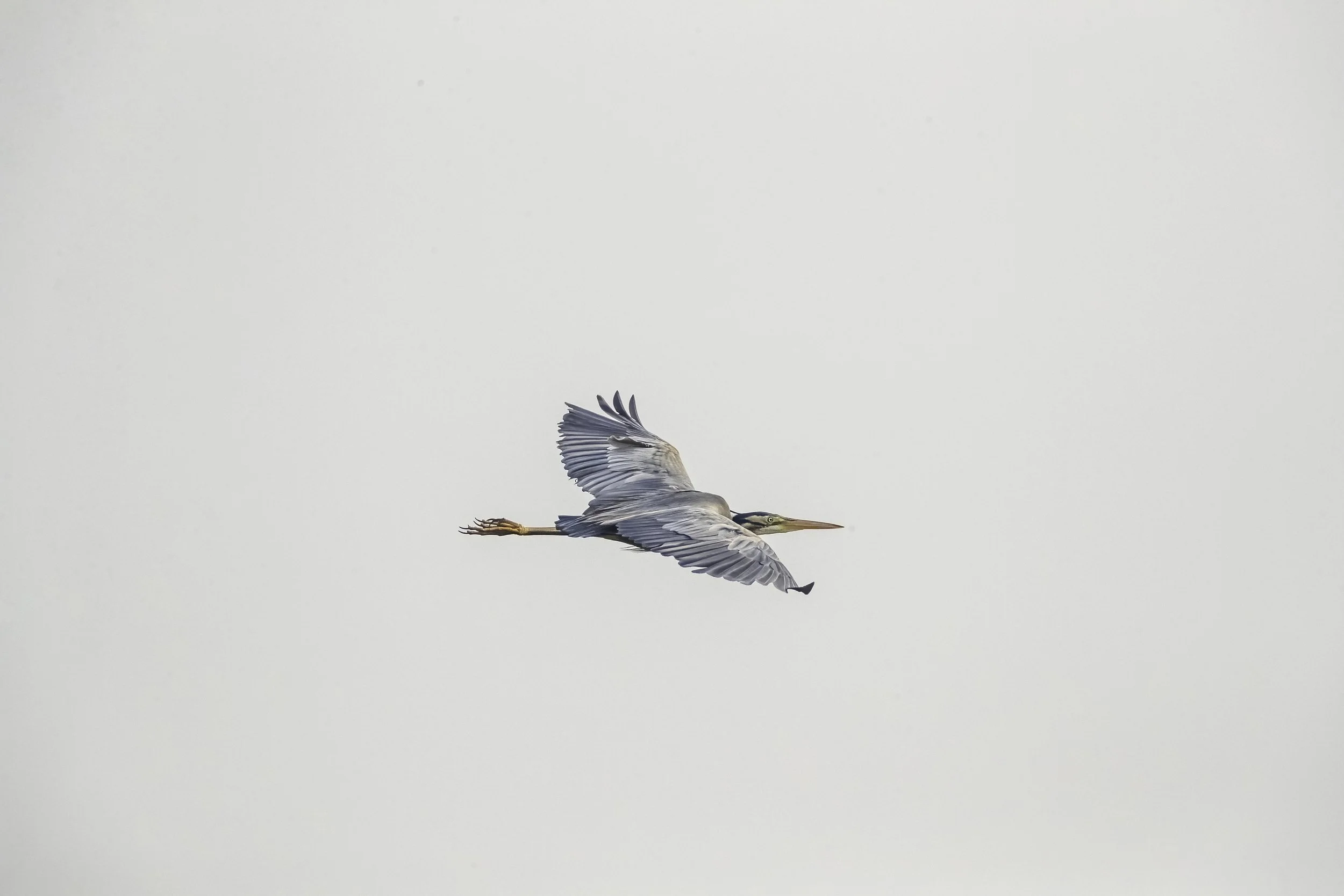
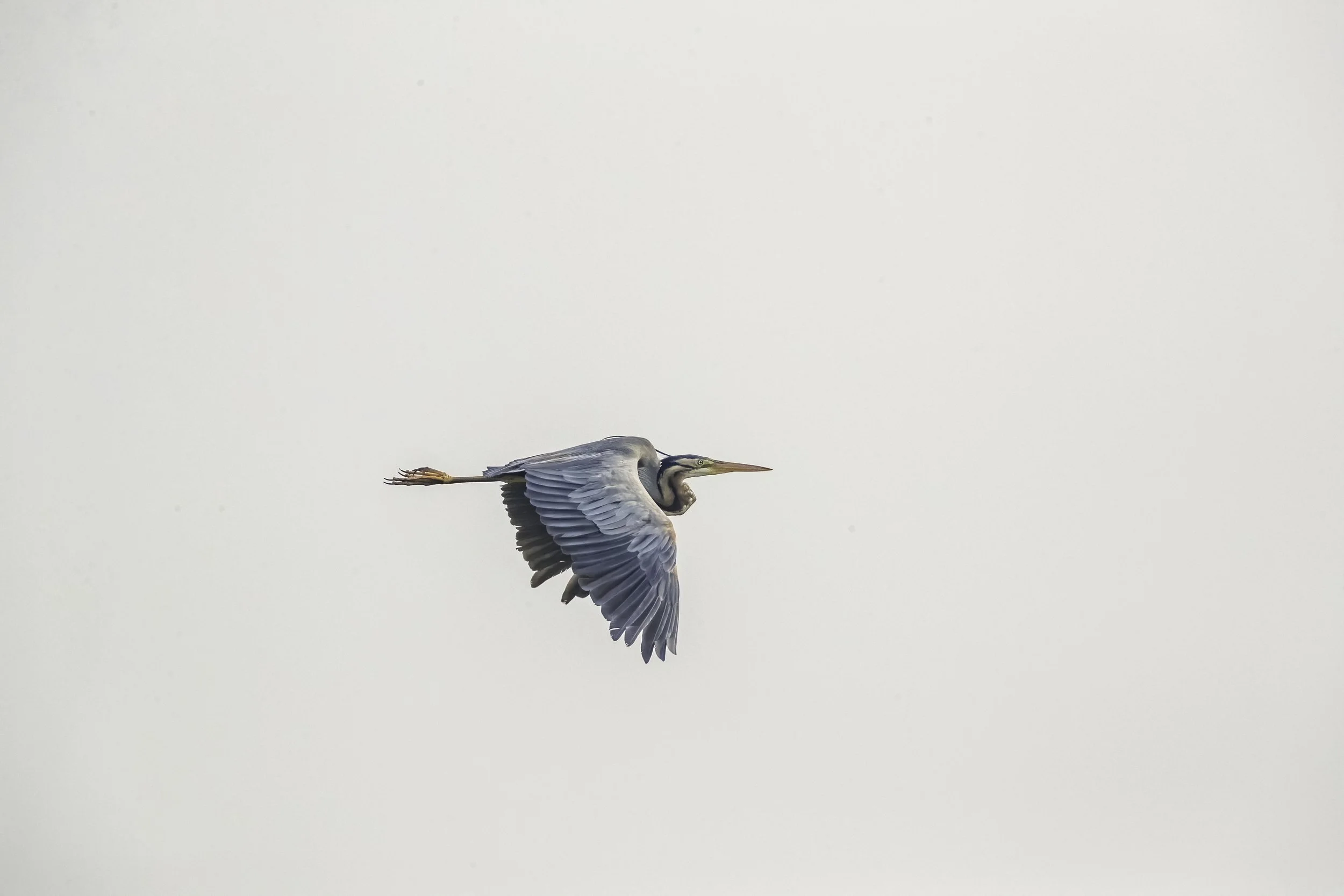
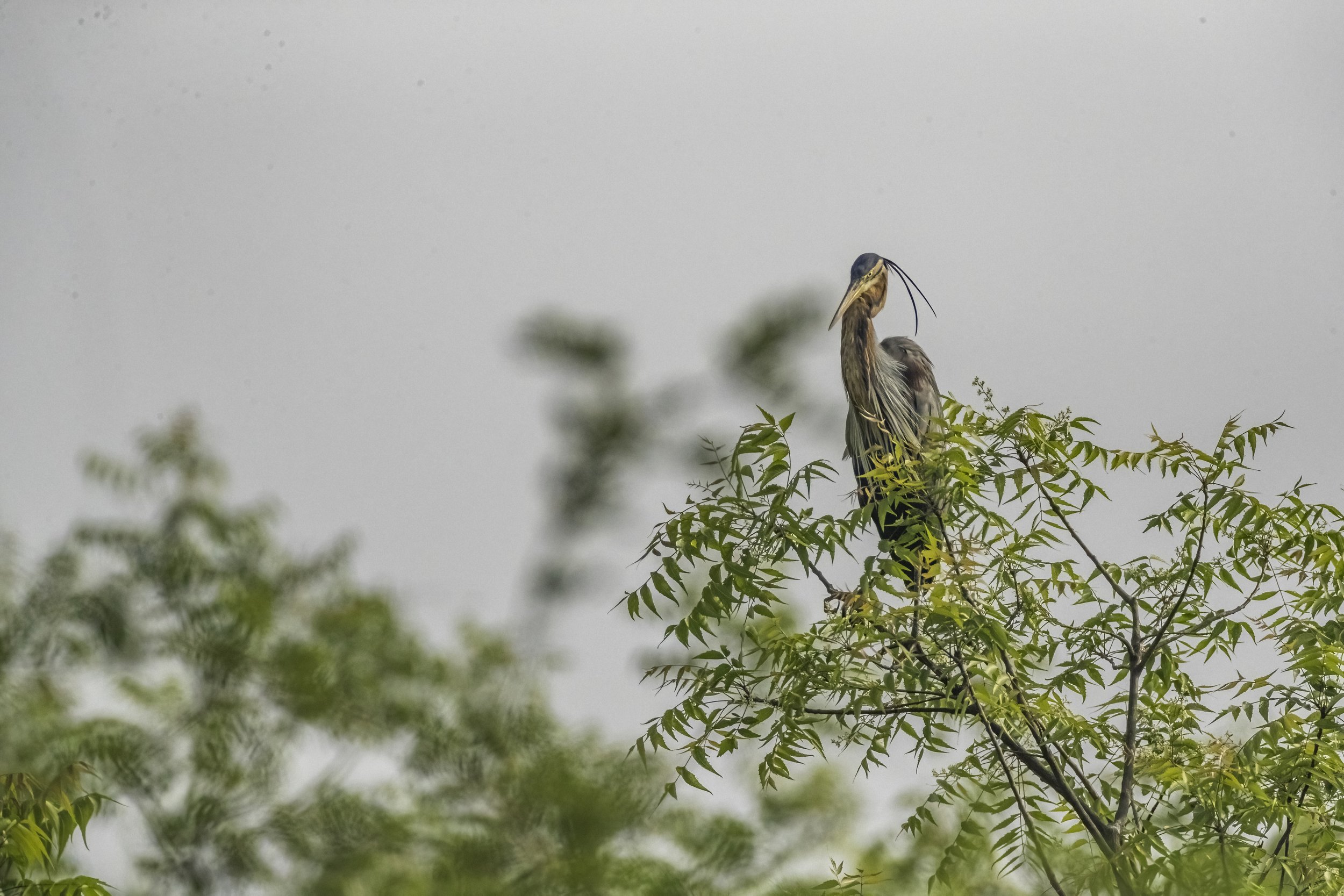
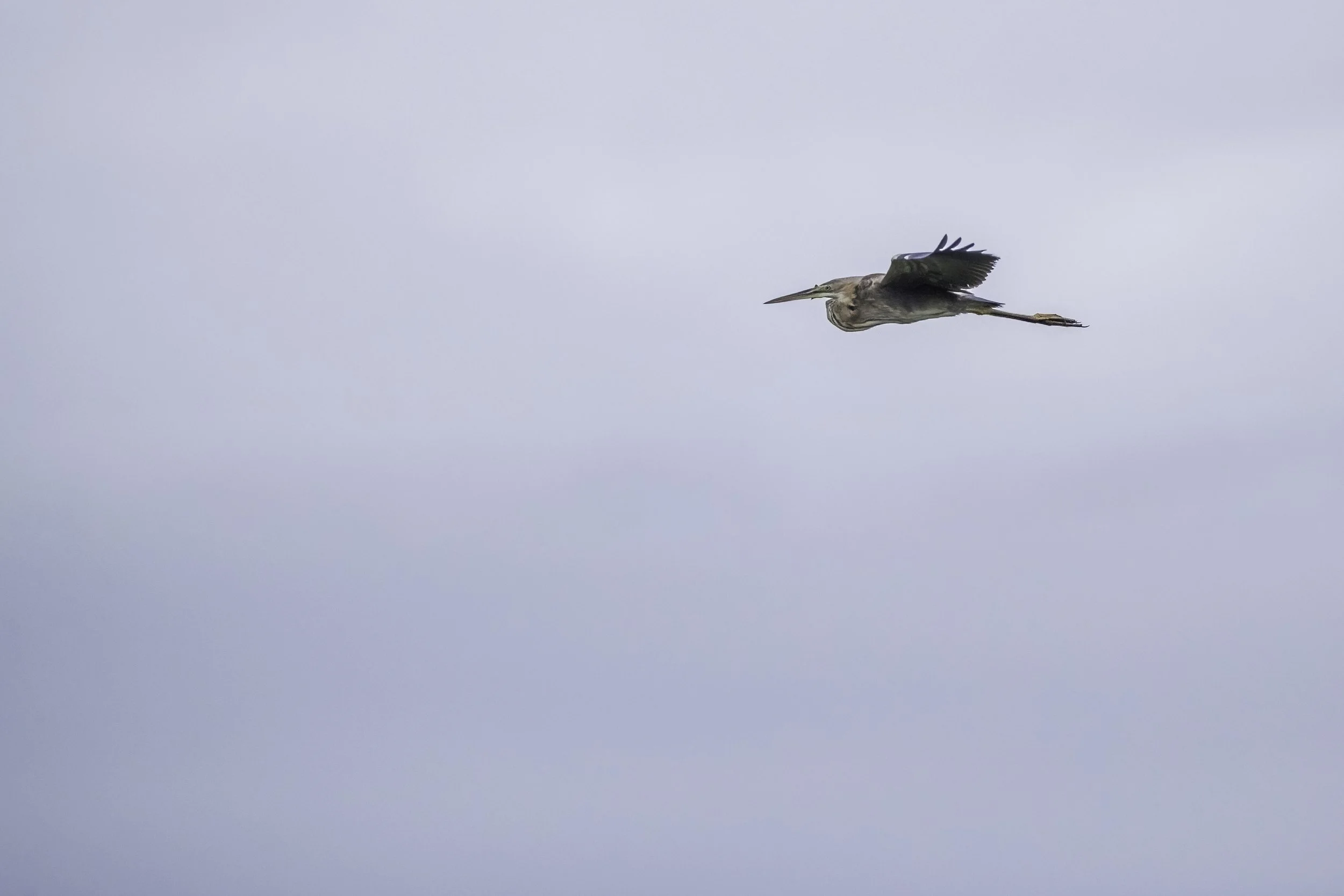
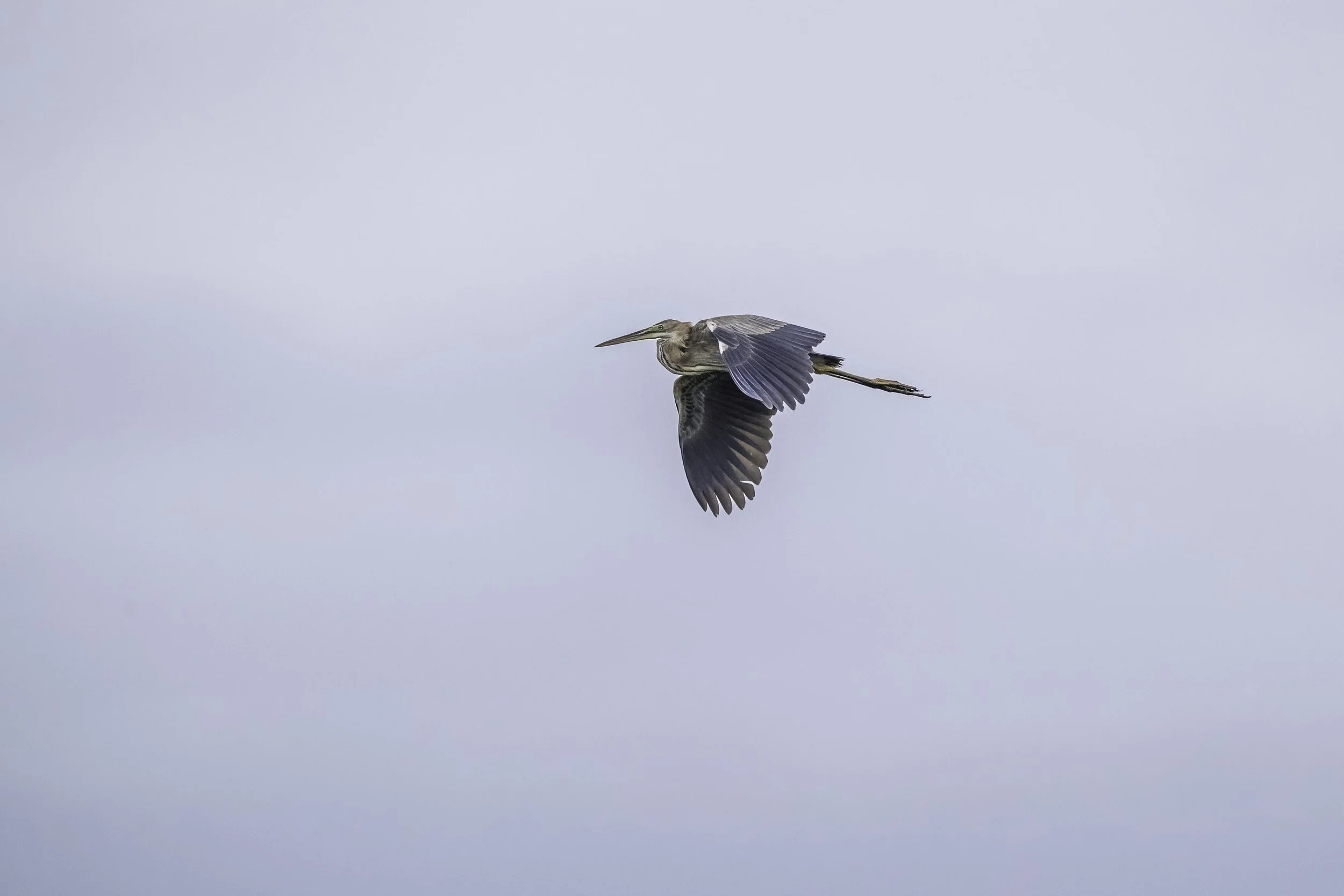
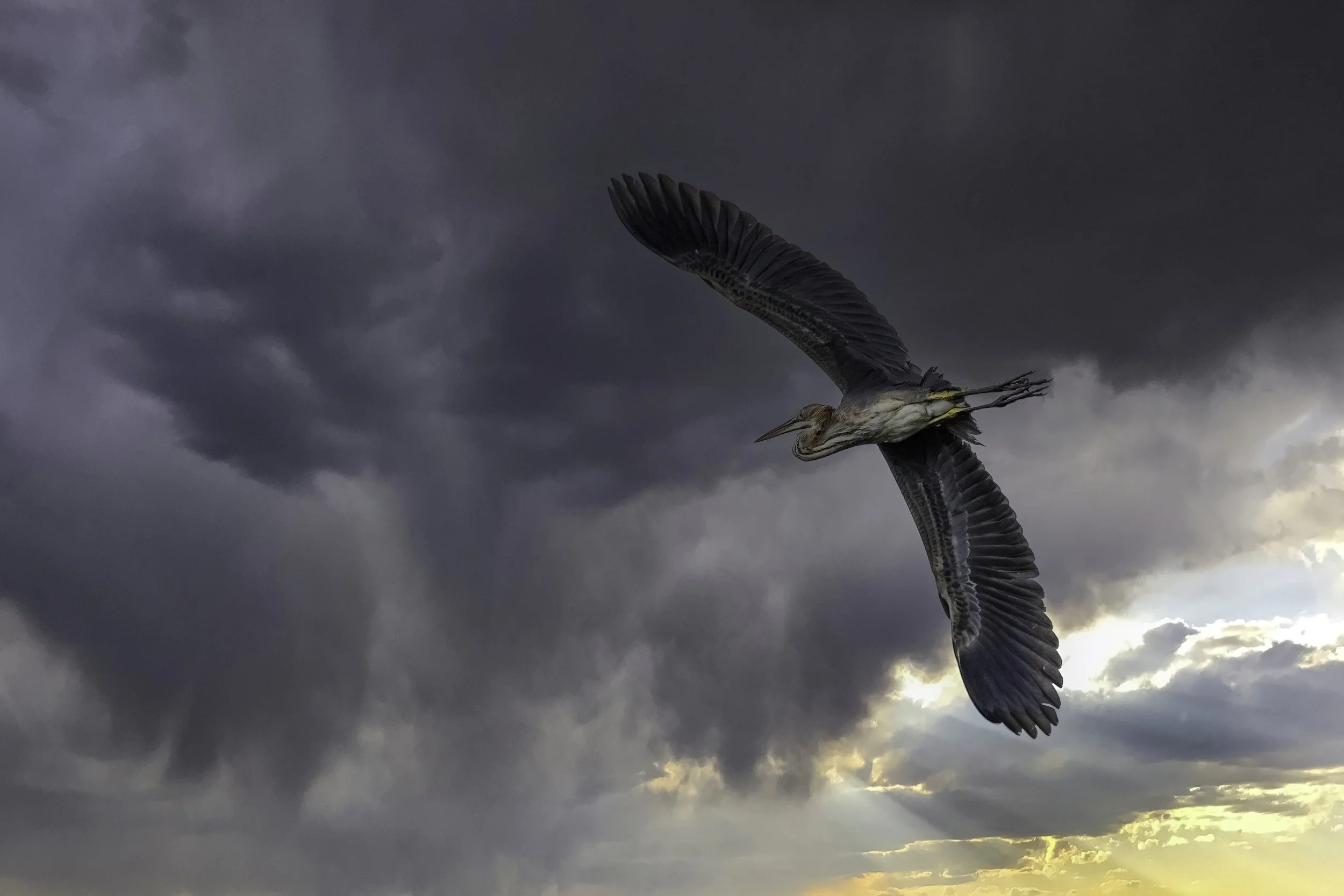
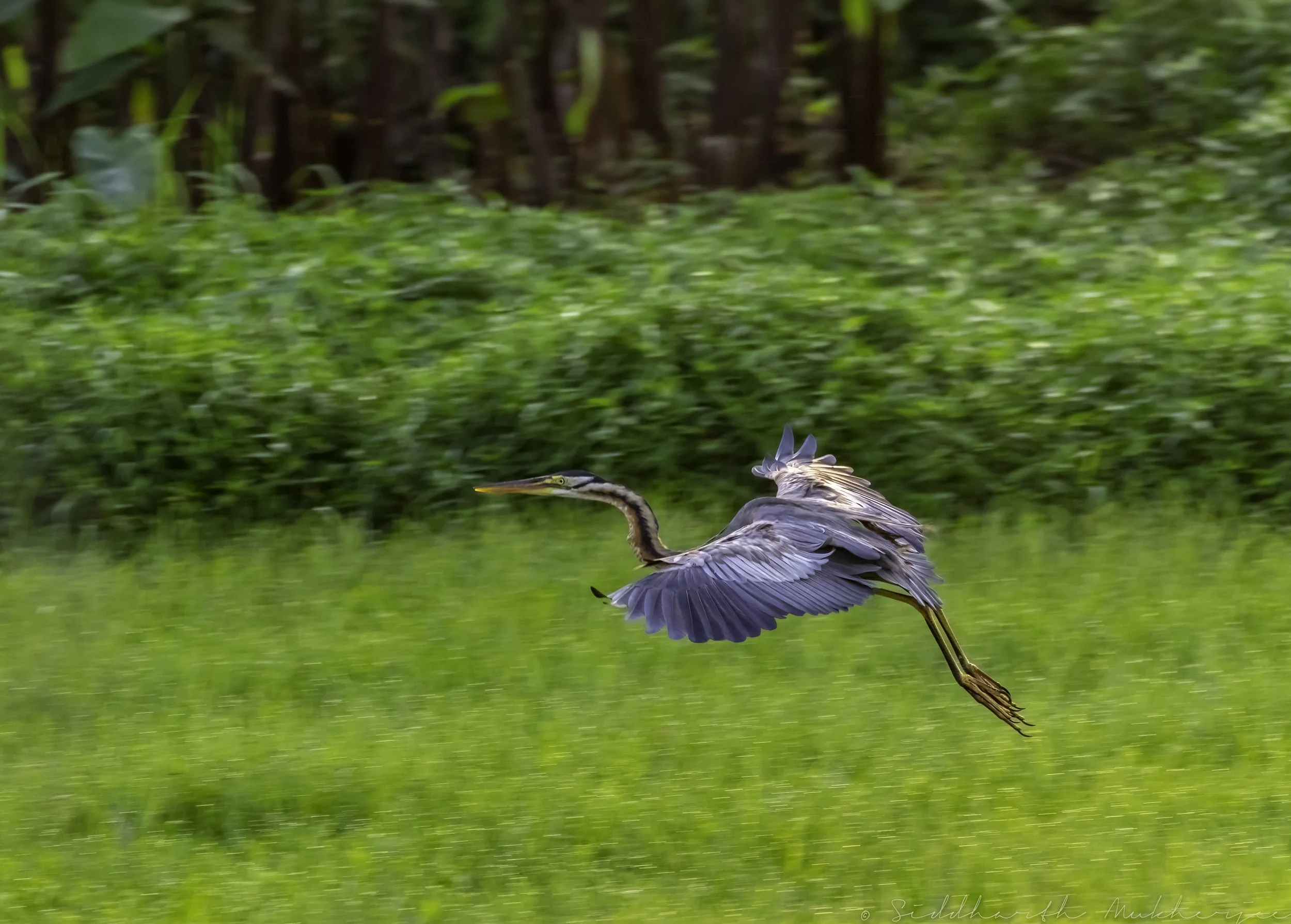
Physically the Purple Herons stand 78-97 cm tall with a wingspan of 120-152cm. They are remarkably slender for their height, adults typically weigh between 0.5kg and 1.35kg. Four subspecies are recognised with, with Ardea purpurea manilensis being the race found across India and the rest of Asia. The subspecies Manilensis is generally paler and grayer on its upperparts than the nominate European race, with less distinct black spotting on the throat and whiter chest plumes. In the field, from a plumage perspective look for rich chestnut-purple hues, a black crown with two fine plumes, and distinctive black stripes running down a slender, snake-like neck. In flight they retract their neck into a tight “S“ shape, but their exceptionally long toes extend far beyond the tail. They are often seen with the neck extended obliquely (diagonally) rather than vertically.
Their flight is slow, with the neck retracted and the legs extending a long way behind the tail. This is characteristic of herons and bitterns, and distinguishes them from storks, cranes and spoonbills, which extend their necks in flight. It is a secretive bird, spending less time out in the open than the Gray Heron and tending to skulk in reed beds. Its long toes mean it can walk on floating vegetation, and it sometimes walks over bushes in the same way, not making any attempt to grip the branches. It seldom perches in trees, preferring more terrestrial sites to rest.
The global range of the Purple Heron is widespread across Africa, central and southern Europe, and southern/eastern Asia. In India, they are found throughout the Indian subcontinent except for the high Himalayas. While northern populations are highly migratory, tropical Asian populations (including those in Telangana) are largely sedentary residents, though they may perform local dispersive movements based on water availability.
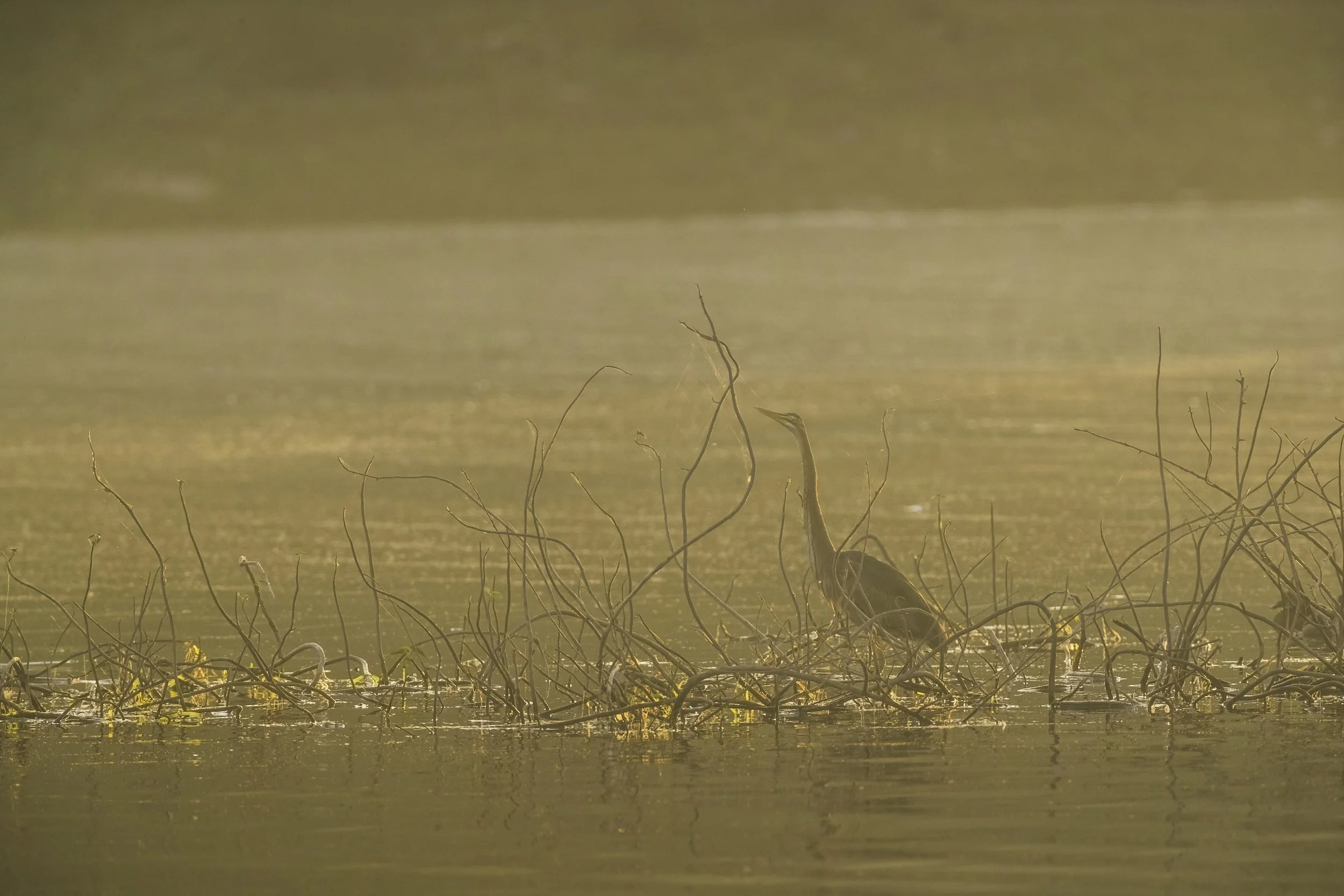
The Purple Heron is specialized for dense reed beds (Phragmites and Typha) in freshwater marshes, lakes, and rivers - their preferred habitat. They are less likely to be seen in open water than other herons. They are primarily piscivorous (fish-eaters), they also consume frogs, snakes, lizards, insects, and small rodents. They are crepuscular, most active at dawn and dusk. They also exhibit certain specific behaviours - while hunting, they use an "ambush" strategy, standing motionless for hours or stalking with a slow, methodical gait. When threatened, they point their bill skyward to blend in with tall reeds - this is known as the Bittern Stance.
They are colonial breeders, building bulky stick or reed nests low over the water. In southern India, breeding typically occurs from November to March. Although not globally threatened, their population trend is decreasing due to the drainage of wetlands and the destruction of reed bed habitats. The Purple Heron is rated as Least Concern (2025 status). The chief threat is drainage and disturbance of wetland habitats, particularly destruction of reed beds. The Purple Heron is one of the species to which the Agreement on the Conservation of African-Eurasian Migratory Waterbirds (AEWA) applies.
‡‡‡‡‡

Related Posts


The painted stork is a large wader in the stork family with a long yellow bill that curves down at the tip. It is found in the wetlands of the plains of tropical Asia south of the Himalayas in the Indian Subcontinent and extending into Southeast Asia. Their distinctive pink tertial feathers of the adults give them their name.
#wildartworks #canon #Wildlife #wildlifephotography #telanganabirds #natgeoindia #conservationphotography #indian_wildlifes #indianwildlifeofficial #wildlifeonearth #planet_untamed_magazine #bbcearth #natgeowild #birdsofthedeccan #hyderabadbirds #lakesofhyderabad #ameenpur, #biodiversityheritagesite, #HyderabadBiodiversity, #heritagesite, #ameenpurlake, #ancientmanmadelake, #manmadelake, #paintedstork, #stork, #manjeera, #sungeibuloh, #ranganathittubirdsanctuary, #bhigwanbirdsanctuary,