
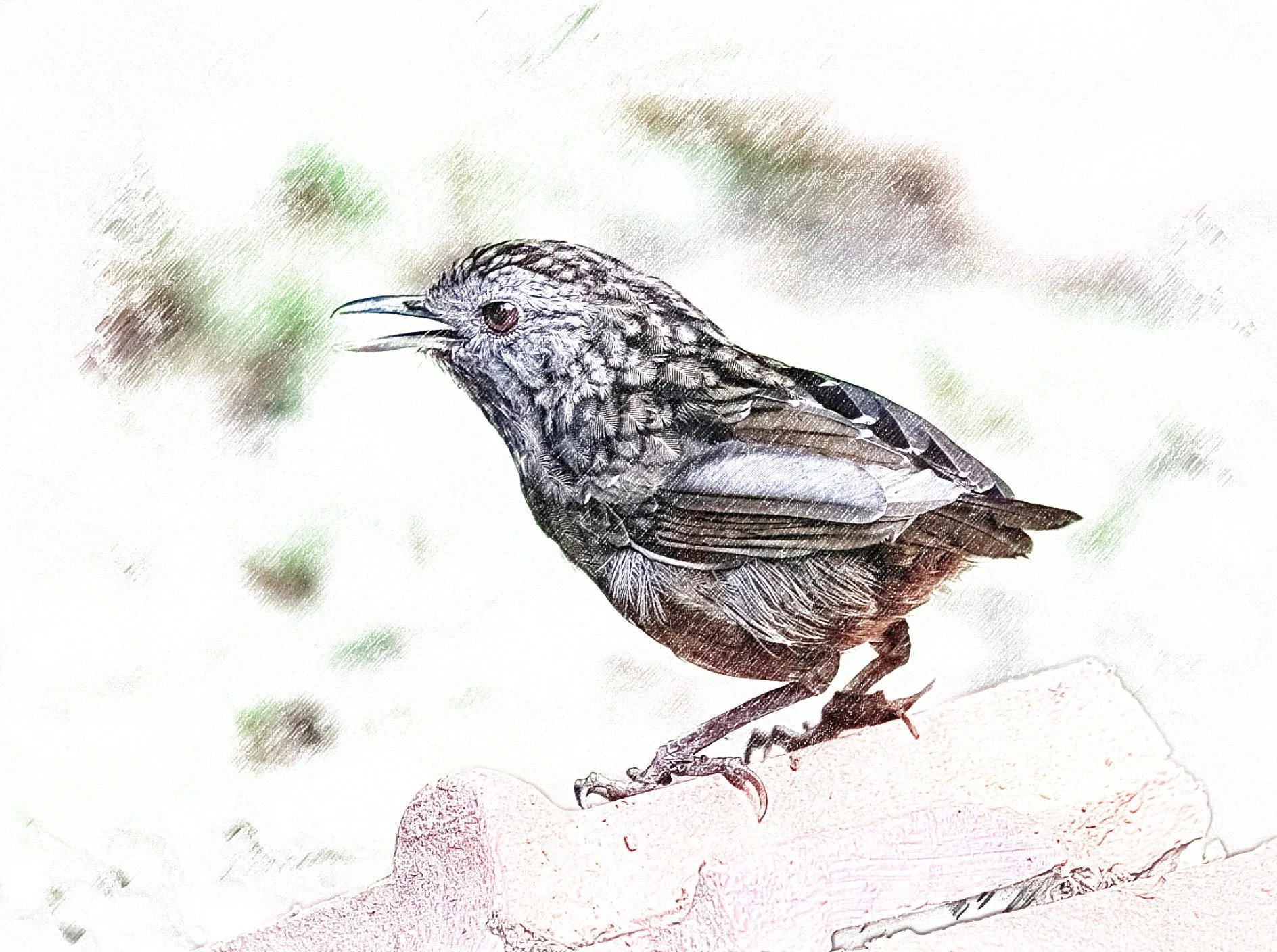
Streaked Wren-Babbler
Gypsophila brevicaudata
Richmond Bungalow, Bukit Fraser, Malaysia
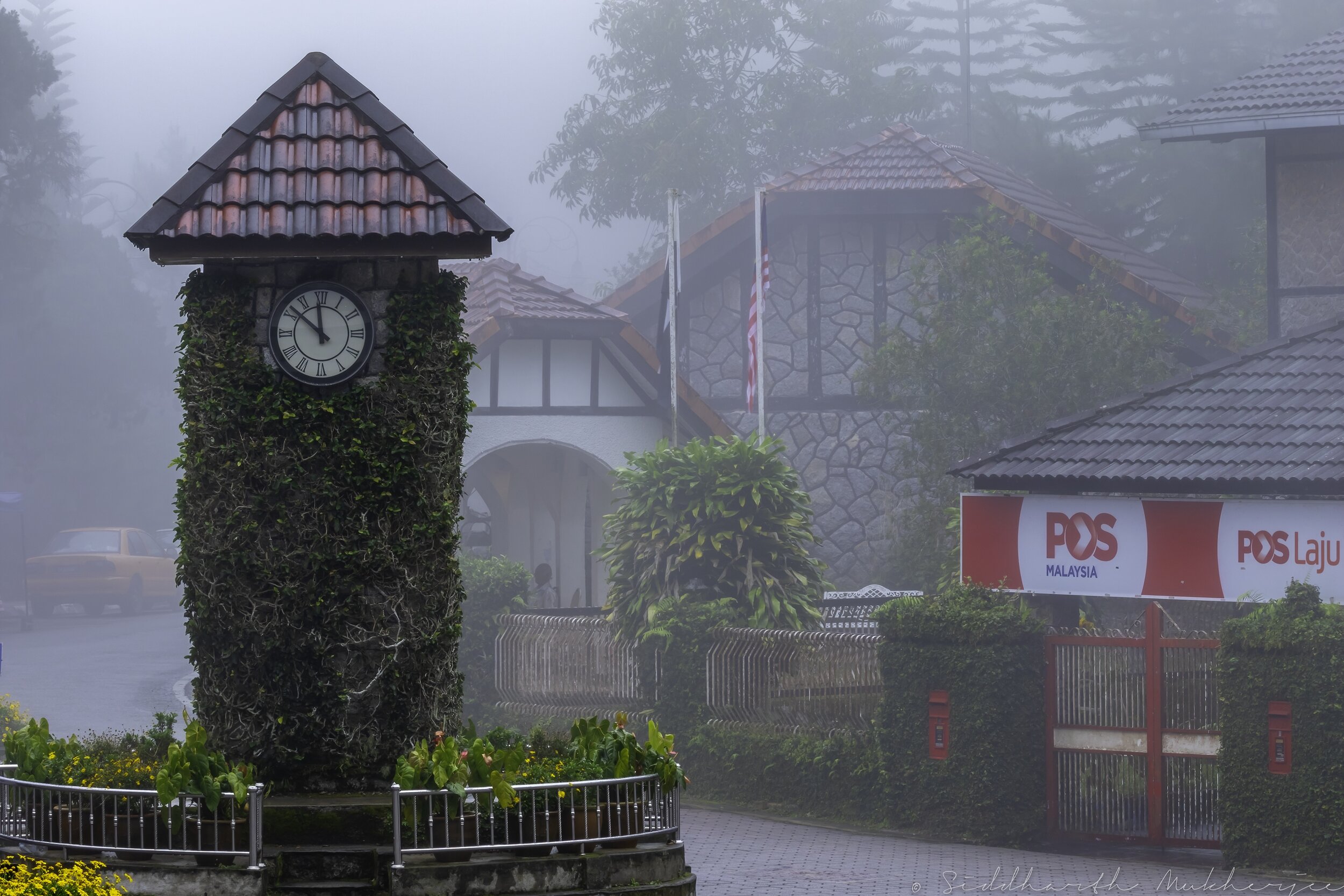
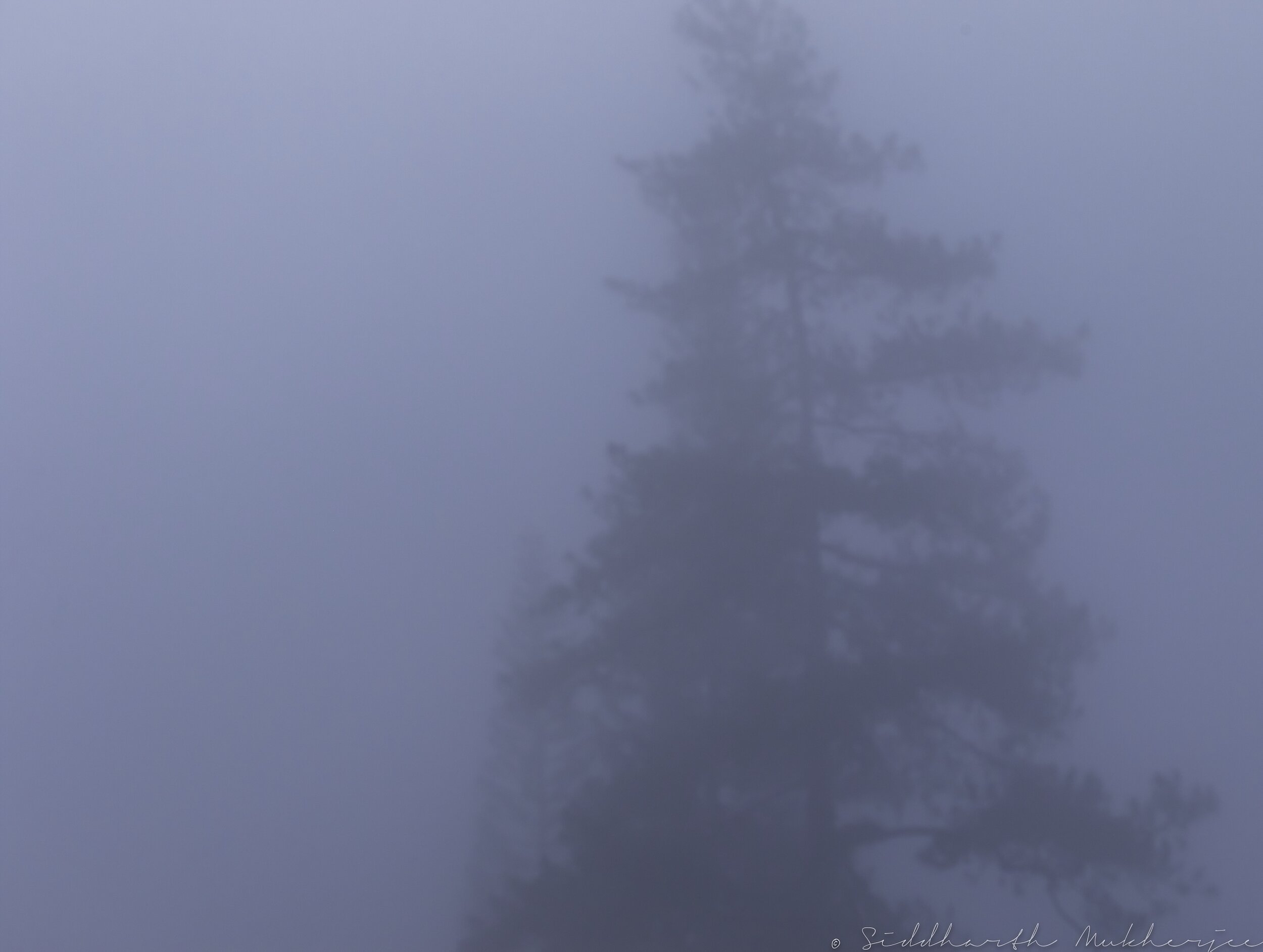
Fraser’s Hill or Bukit Fraser, a cool montane haven in the perpetually warm climate of Peninsular Malaysia, plays host to over 250 species, including unique montane forest birds and a host of migratory visitors. The narrow, winding "Gap" road leading up to the main station sets the tone, transitioning from dense tropical rainforest to a cooler, more temperate environment. The air grows crisp, a welcome change that means a light sweater might be needed in the early mornings—a rarity in Malaysia.
The habitat itself is the key to the rich diversity. Unlike the challenging, leech-ridden trails of Taman Negara, Fraser’s Hill offers excellent road-based birding. The quiet, low-traffic roads like Jalan Mager, Jalan Lady Maxwell, and the personal favorite of many, the Telecom Loop, serve as natural viewing platforms into the dense, often shy, forest canopy. This high-elevation (around 1,400 meters) primary forest environment means that birds often emerge from the dense foliage to forage along the roadside, offering rare, clear views. Nestled within the lush embrace of the Titiwangsa Mountains, the area surrounding Richmond Bungalow in Bukit Fraser serves as a premier habitat for a diverse array of avifauna.
Fraser's Hill is recognized as an Important Bird Area (IBA), home to over 270 species of birds some of which I have documented and listed here. The mix of forest edge, garden foliage, and nearby feeding stations (sometimes unofficially set up by guides) ensures a high density and variety of sightings.
The Habitat of Richmond Bungalow
Certain areas on Fraser’s Hill hold a special magic for specific species. For example the Richmond Bungalow area - this location is legendary for a very specific reason: it offers arguably the best chance in the country to see the elusive Peninsular endemic Malayan Partridge (Arborophila campbelli). These shy ground-dwellers often emerge from the forest edge onto a small patch of gravel near the bungalow, providing a guaranteed encounter with an otherwise incredibly shy bird.
Fraser's Hill was developed into a hill station by the British in 1919 as a cool retreat from the heat of Kuala Lumpur and many bungalows were built during this time in a distinctive Tudor style, using rough stone slabs and featuring sharp triangular roofs and chimneys. Built during the colonial era, the Richmond Bungalow in Fraser's Hill (Bukit Fraser) was a historic colonial residence managed by Aloha Resorts and reserved exclusively for civil servants from Singapore. It was one of the Tudor-inspired bungalows built by the British to evoke the feel of the English countryside. The bungalow is no longer in operation due to a lack of caretakers.
The Richmond Bungalow, along with other properties like the Cicely, Hollebekke, and Cottage bungalows, was managed for employee accommodation. The bungalow was one of many colonial bungalows in Fraser's Hill, which collectively established the destination's "Little England" charm. The Richmond Bungalow was closed to visitors around 2013. The main reason cited for its closure was the difficulty in finding caretakers to manage the property. The closure of the bungalow marked the end of an era where it served as an exclusive retreat for Singaporean civil servants.
Some of the other locations are the start of the Telecom Loop which places you right in the middle of the canopy, a prime location for sightings of Dusky Broadbills and various flycatchers and minivets moving through the mid-story. Another location is the vicinity of the Jelai Resort. While the resort itself may be closed, the surrounding trails and forested areas near the former golf course are known spots to look for harder-to-find species like the Malayan Whistling Thrush, though finding one often requires significant patience and a bit of luck near the streams.
The Richmond Bungalow is situated in an area of mature forest, primarily composed of oak and laurel trees, at an elevation just over 1,000 meters above sea level. The immediate surroundings of the bungalow feature beautiful grounds and gardens that act as a draw for many species, creating prime "birding territory" right at the doorstep. The quiet roads, such as Jalan Richmond and Jalan Mager, which loop around the area, are particularly popular and low-traffic spots where bird activity can be easily observed from the roadside, rather than navigating difficult jungle trails. The avifauna variety is excellent, encompassing everything from tiny sunbirds to larger barbets and trogons. The specific habitat around Richmond Bungalow is particularly noted for a number of highly sought-after species.
Chestnut-capped Laughingthrush - A Near Threatened bird but one of the most common and visible birds in the area, often seen around the bungalows and roadsides.
Streaked Spiderhunter - A ubiquitous and busy visitor to the flowering plants in the gardens, with its distinctive long, curved bill perfect for nectaring.
Black-throated Sunbird - A stunningly colorful bird that is often found among the flowers in the grounds.
Blue Nuthatch - This impossibly beautiful bird can sometimes be spotted through the foliage along the roads.
Fire-tufted Barbet - A vibrant green bird with a striking fire-tuft, a common subject for photographers in the region.
Silver-eared Mesia - A beautiful, social mountain bird with distinctive silver ear patches and colorful plumage.
Long-tailed Sibia - Often seen perching on branches with its elegant long tail.
Red-headed Trogon - Both male and female trogons, known for their vivid colors, have been successfully photographed in the area's natural habitat.
Malayan Partridge - Though sometimes elusive, this shy forest bird is a highly prized sighting, occasionally appearing at feeding spots.
The rich montane ecosystem surrounding the Richmond Bungalow offers an idyllic backdrop for both seasoned birders and nature photographers to document the exceptional avian biodiversity of Bukit Fraser.

Fraser's Hill is not about high-octane adventure; it is a destination for the dedicated birder who appreciates a slower pace and cooler climate. The unique montane habitat provides an experience distinct from other Malaysian birding spots. With a good field guide, patience, and a willingness to work the roads—and those specific hotspots like the area near Richmond Bungalow—anyone can have a fantastic experience here. Each trip will end with a long list of "lifers" and an enduring appreciation for this tranquil, avian paradise.
‡‡‡‡‡
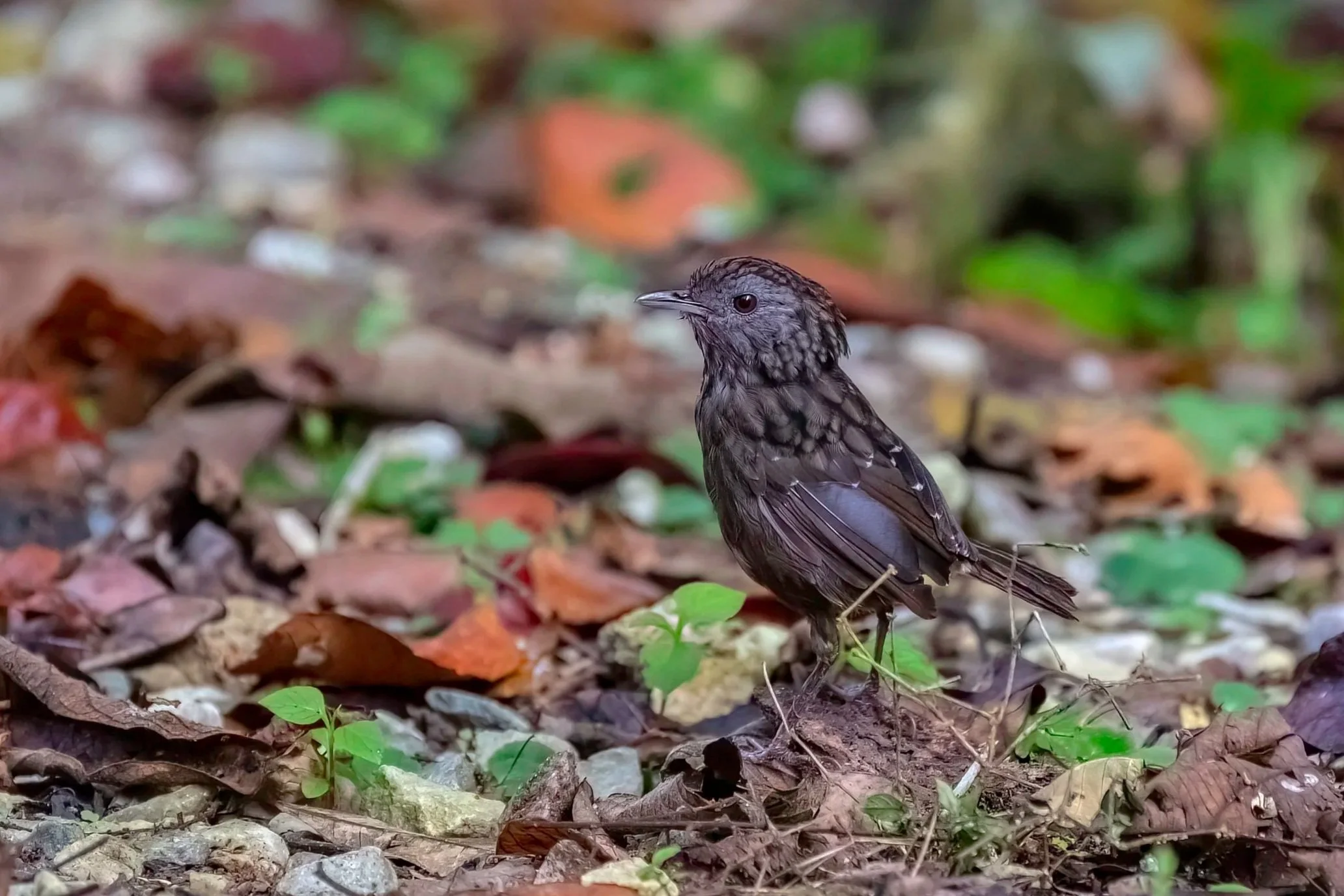
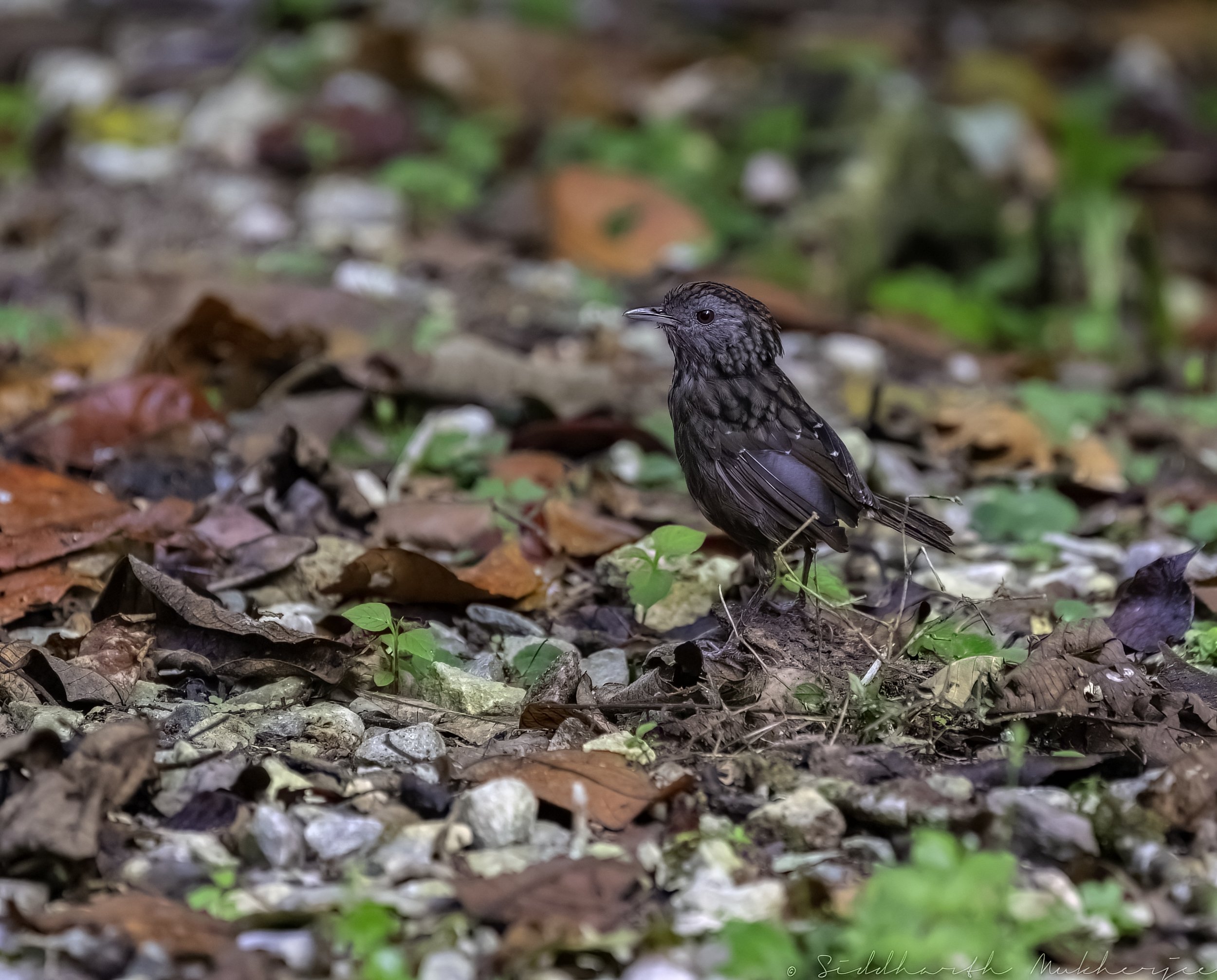
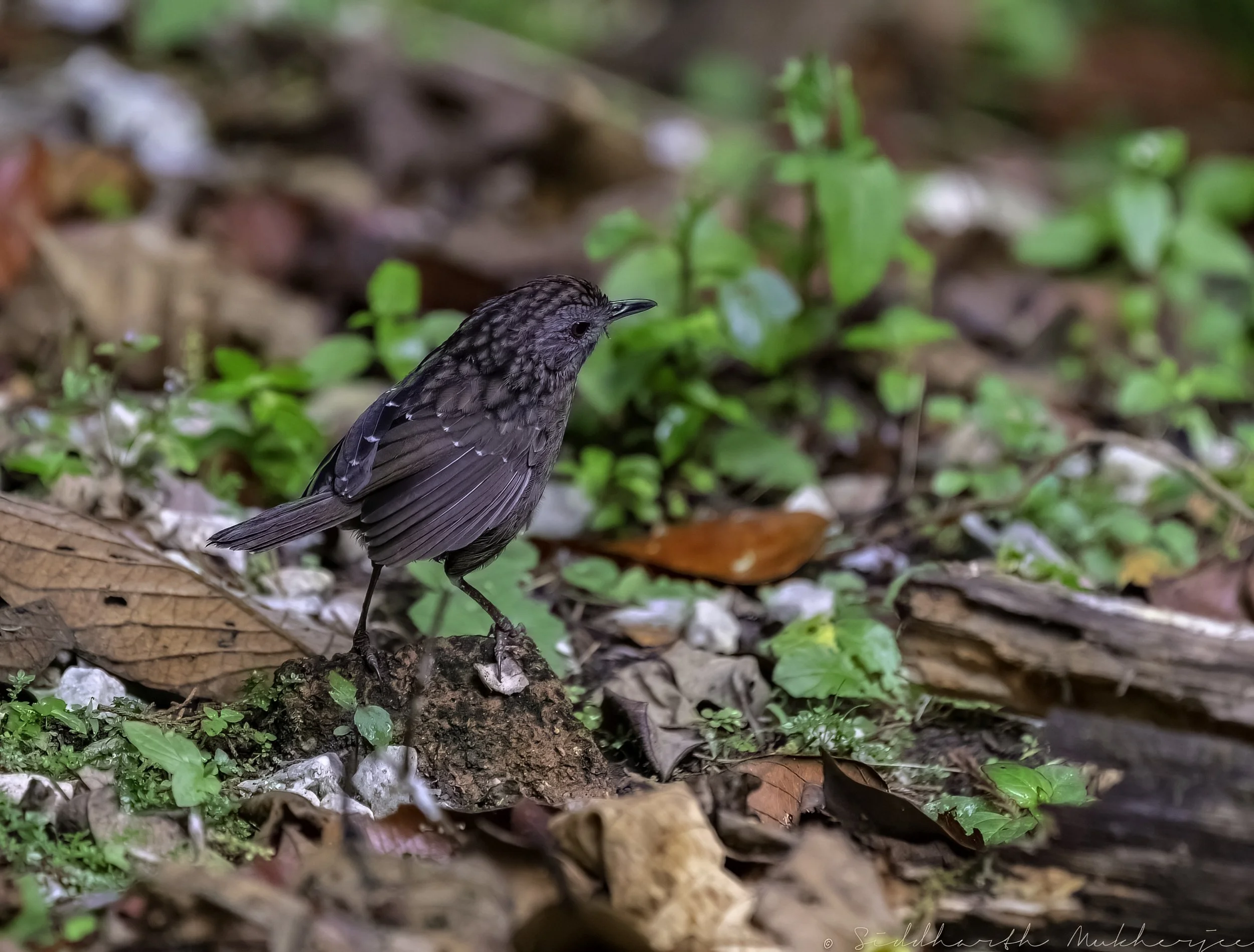
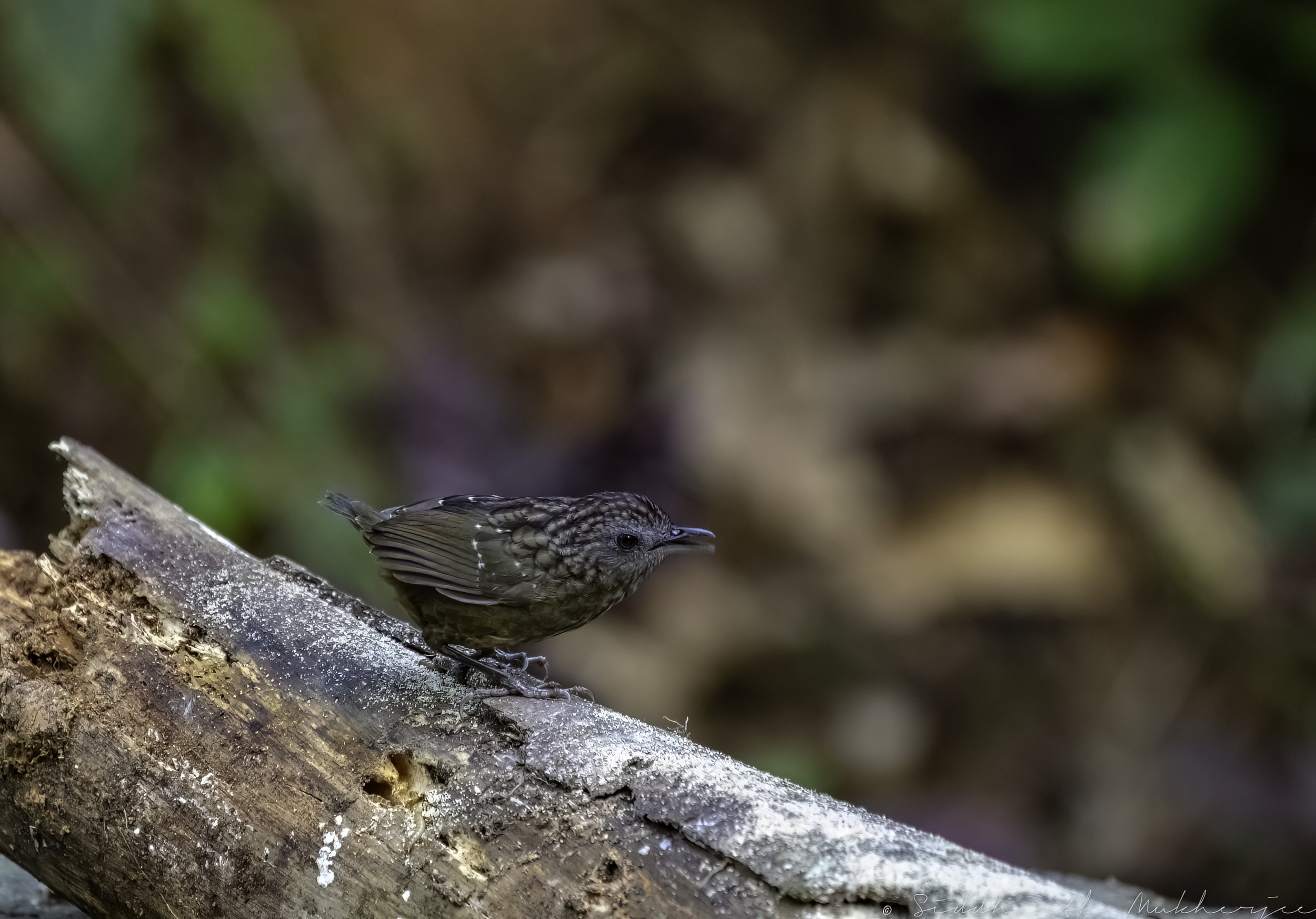
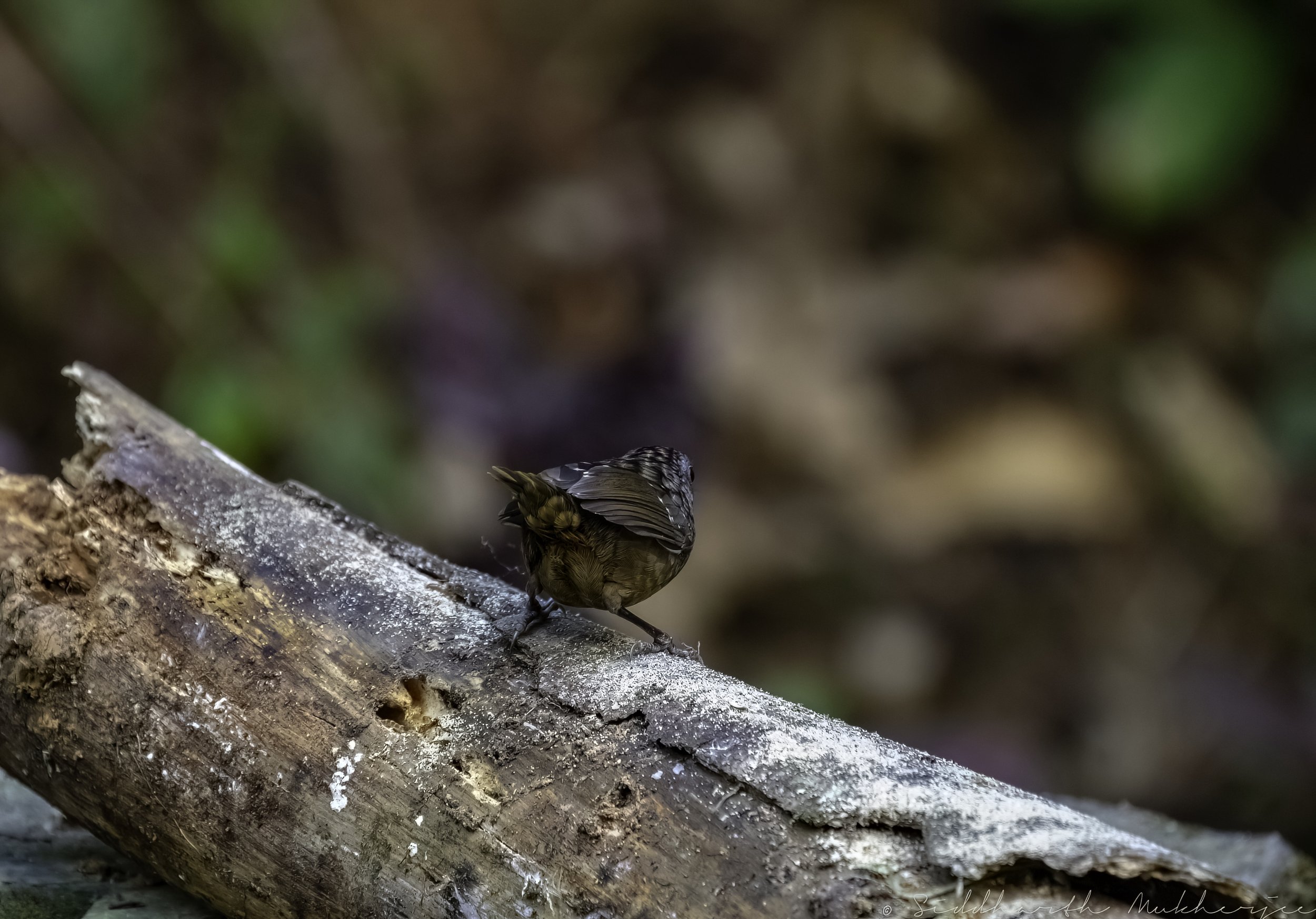
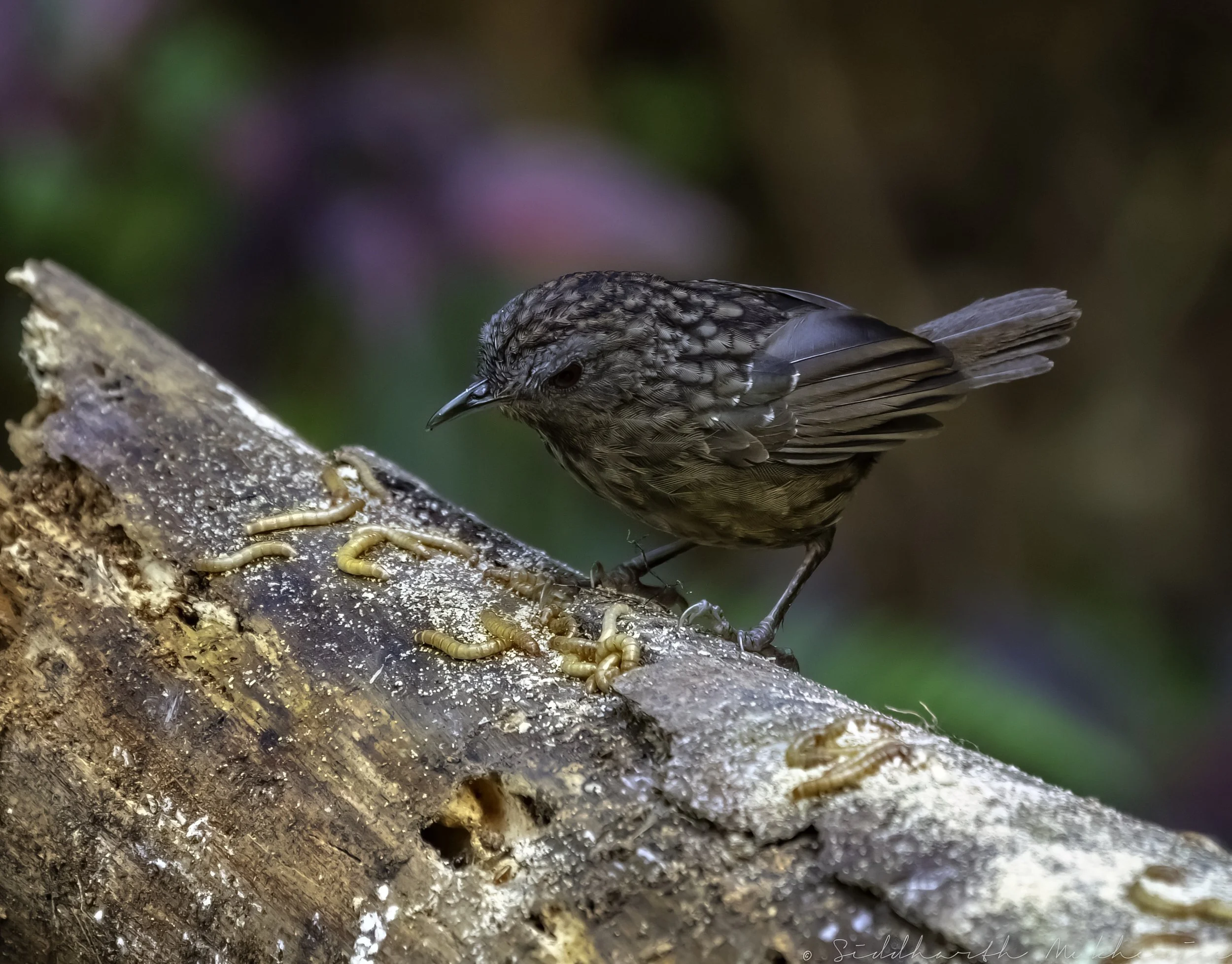
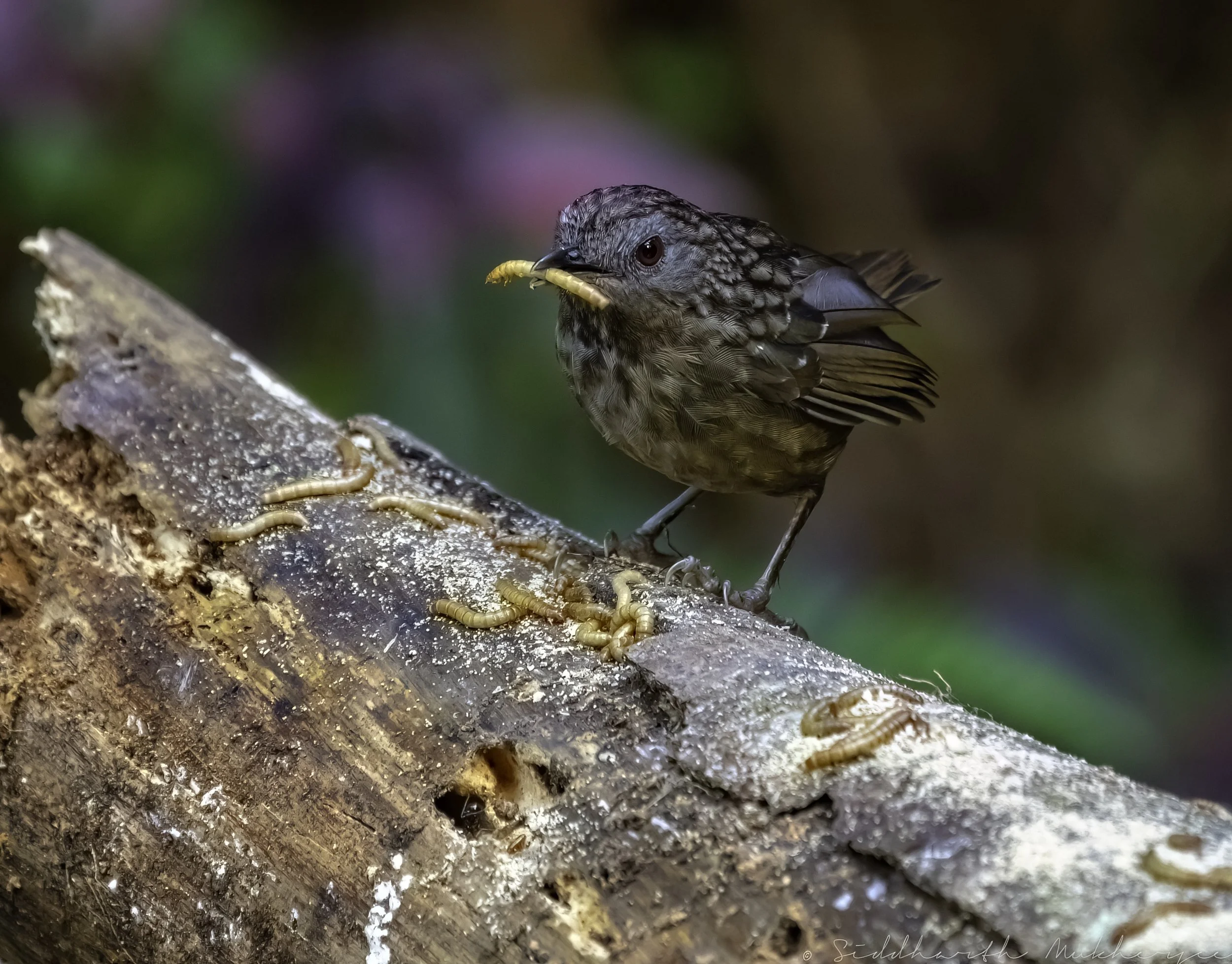
Streaked Wren-Babbler
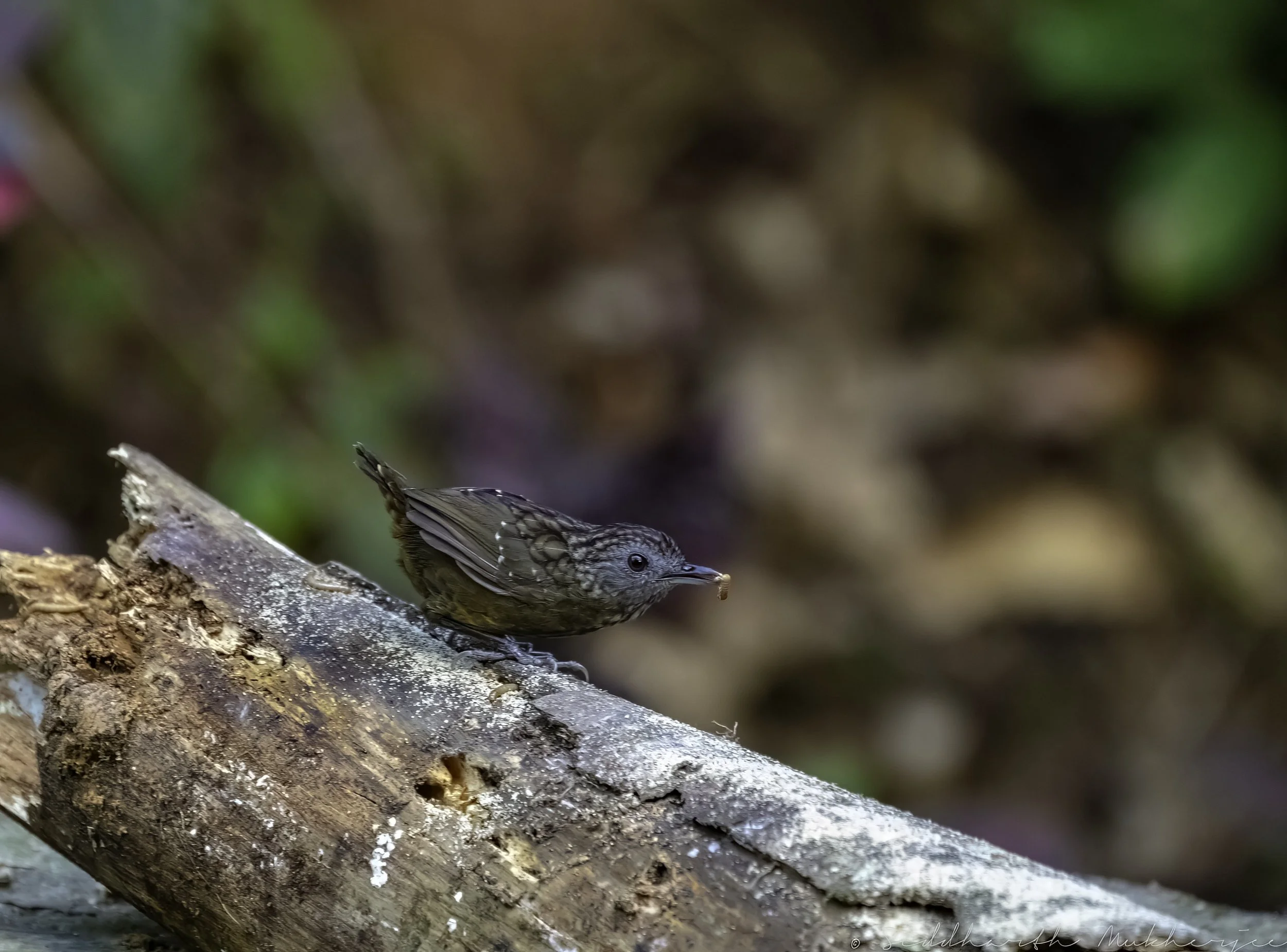
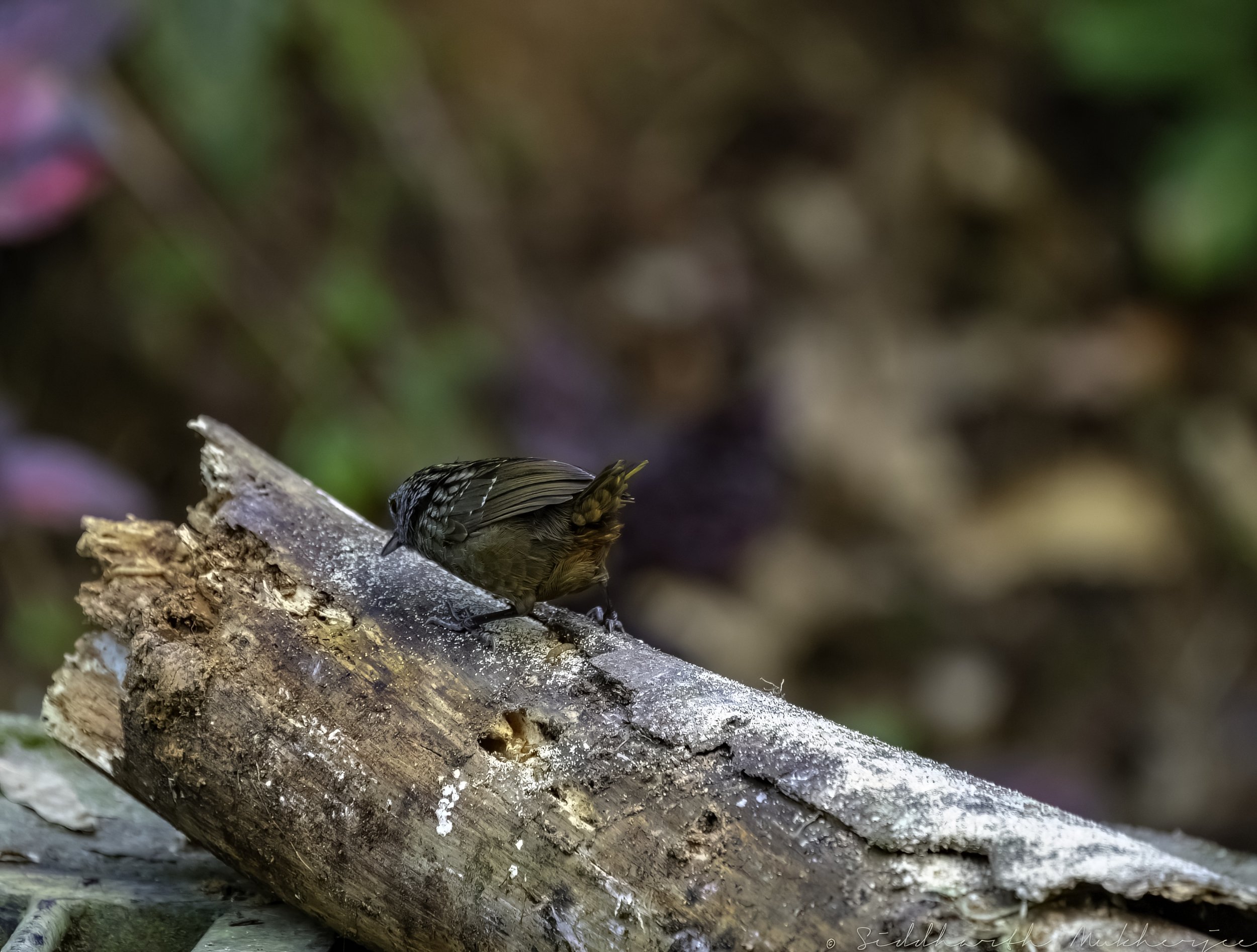
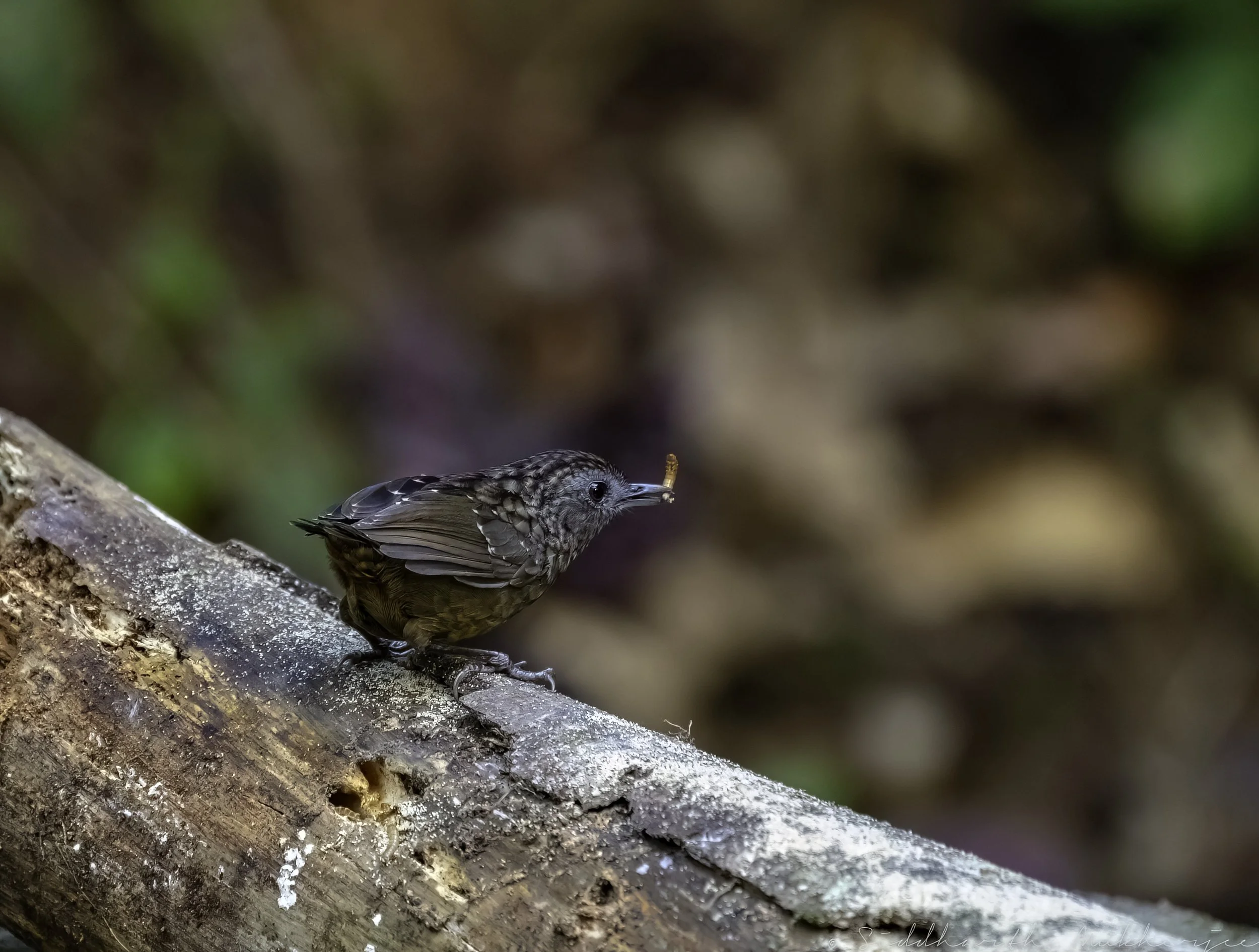
The Streaked Wren-Babbler (Gypsophila brevicaudata) is a small, shy, ground-dwelling bird known for its skulking behavior and distinctive whistling calls within its forest habitat. A skulky brown bird which scurries around among the leaf litter like a mouse. The dark-edged pale feathers on the back and crown give it a scaly-headed appearance. It is gray-faced with rusty tinges in the wings with subspecies in northern Myanmar and India having orange tinges to the underparts. Like other wren-babblers, this too is typically shy and retiring, foraging in dense vegetation, though occasionally it will emerge out into the open. It inhabits mid- to high-altitude forests, in which its high plaintive whistles can often be heard.
It is a small bird, measuring 12–17 cm and weighing 17.3–22.7 grams. Both sexes look similar. Its plumage is primarily brown with heavy blackish streaking on the crown and upperparts, giving it a scaly appearance. The face is greyish, and the chin and throat are greyish-white with olive-brown streaks, which extend to the rufous lower parts. The wings are dark brown with olive-brown edges, and the tail is dark chestnut-brown. It has a red iris, a dark bill, and dark legs. This species is found across South and Southeast Asia, including countries like India, China, Thailand, and Vietnam. It is a resident species in the hills of these areas.
Seven subspecies are recognized, showing minor differences in plumage and size. These include
Gypsophila brevicaudata striata - Distributed in North East India South of River Brahmaputra (including South East Arunachal Pradesh) and North West Myanmar.
Gypsophila brevicaudata venningi - Distributed in South China (western Yunnan) to North East Myanmar
Gypsophila brevicaudata brevicaudata (the nominate) - Distributed in North Thailand south to South Myanmar
Gypsophila brevicaudata stevensi - Distributed in South China (south eastern Yunnan East to West Guangxi), North East and Central Laos and North Vietnam (Tonkin, North Annam).
Gypsophila brevicaudata proxima - Distributed in South Laos and Central Vietnam (Central Annam).
Gypsophila brevicaudata griseigularis - Distributed in South East Thailand and South West Cambodia.
Gypsophila brevicaudata rufiventer - Distributed in South Annam (Vietnam).
Gypsophila brevicaudata leucosticta - Distributed in South Thailand and Peninsular Malaysia, including Tioman Islands.
Variations include differences in the shade of upperparts, the distinctiveness of throat streaks, and the color of the underparts.
It prefers broadleaf evergreen forests, particularly in areas with rocky or limestone features, at elevations between 300–2100 m depending on the region. The species is largely resident, with some unverified reports of minor seasonal movements. Found at 300–2100 m in India, to 1830 m in SE Asia and China, but only above 610 m in Peninsular Malaysia. The Streaked Wren-Babbler is shy and often moves through leaf litter like a mouse. While hard to spot, its loud calls are frequently heard. It forages on the ground or in dense vegetation in pairs or small groups, mainly eating insects, grubs, and small molluscs. Its song is a loud, clear, whistling series, often repeated, such as "chi-oo" or "peee-oo". Alarm calls are harsh, buzzy sounds like "trrreeettt" or "chrrreerrrrt", mixed with plaintive "wher" notes. There are reports of some seasonal altitudinal movements which require substantiation while other evidence suggests it is completely sedentary.
It typically feeds on Insects, grubs and small molluscs and forages in pairs or small groups on the ground, just above the ground in dense or tangled vegetation, or around rocks and boulders. Breeding occurs from January to July. The nests are bulky structures of leaves, moss, and rootlets, typically placed on the ground or in a hollow with a clutch size of 2-4 white eggs with colored markings which both parents incubate for about 10 days. The nest can be described as an upright dome with an entrance near top, a semi-dome or a deep cup made of dead leaves, dead bracken, grasses, rootlets, tendrils, semi-decayed bracken and fern fronds, and moss (materials often in rotten condition; the nest can closely resemble a lump of rotting vegetation), lined with dry dead leaves or fine, pale hair-like material, often placed on ground, generally between boulders, but sometimes up to 0·6 m up in hollow in pile of boulders, recess in roadside or trailside bank, wedged in hollow near base of tree, or on mossy bank; often in a damp situation, with the outside of the nest often sodden.
The Streaked Wren-Babbler is listed as Least Concern (LC) on the IUCN Red List. The main threat to wren-babblers is the loss of primary forest habitat. It is generally common across its range and locally it is fairly common in the North Eastern hills of India, where it is fairly common in Namdapha National Park (Arunachal Pradesh). It is local and uncommon in China, where it is rare in Shiwandashan National Nature Reserve and uncommon in the Diding Nature Reserve (Guangxi). It is locally common in Myanmar and Thailand. Common in Cardamom Mountains, in Cambodia. In Laos, it is occasional to frequent in Dong Hua Sao National Biodiversity Conservation Area (NBCA), and common in Nam Kading NBCA, Khammouan Limestone NBCA and part of Nakai-Nam Theun NBCA. In Vietnam, common in Tam Dao National Park but scarce in Cuc Phuong National Park; present in Thuong Da Nhim and Chu Yang Sin Nature Reserves (Da Lat Plateau, in S Annam), and in eight protected areas in the Annamese Lowlands Endemic Bird Area.
Photographing the Streaked Wren-Babbler requires patience and an understanding of its behavior. Pre-focusing on likely areas, getting to eye level, and using a fast shutter speed and continuous autofocus are helpful techniques. Using a long lens and wide aperture can help isolate the subject from a busy background. It is important to minimize disturbance to the birds.
‡‡‡‡‡










Related Posts



The Black-throated Sunbird is a species of bird in the family Nectariniidae. It is found in the Indian subcontinent and adjoining regions of Southeast Asia, ranging across Bangladesh, Bhutan, Cambodia, China, India, Laos, Malaysia, Myanmar, Nepal, Thailand and Vietnam.
#wildartworks, #Canon, #PromediagearTR424L, #Bird, #Birdinginthewild, #BirdWatching, #Wildlife, #WildBirds, #naturephotography, #your_best_birds, #planetbirds, #earthcapture, #photo_pond, #earthpix, #naturyst, #conservationphotography, #wildlifeonearth, #bbcearth, #natgeowild, #natgeoindia, #blackthroatedsunbird, #sunbird, #BukitFraser, #FrasersHill, #Malaysia