
Western Yellow Wagtail/ Sykes's Wagtail
Motacilla flava beema
Bhigwan Bird Sanctuary, Ujni Backwaters, Kumbhargaon & Amrabad Tiger Reserve
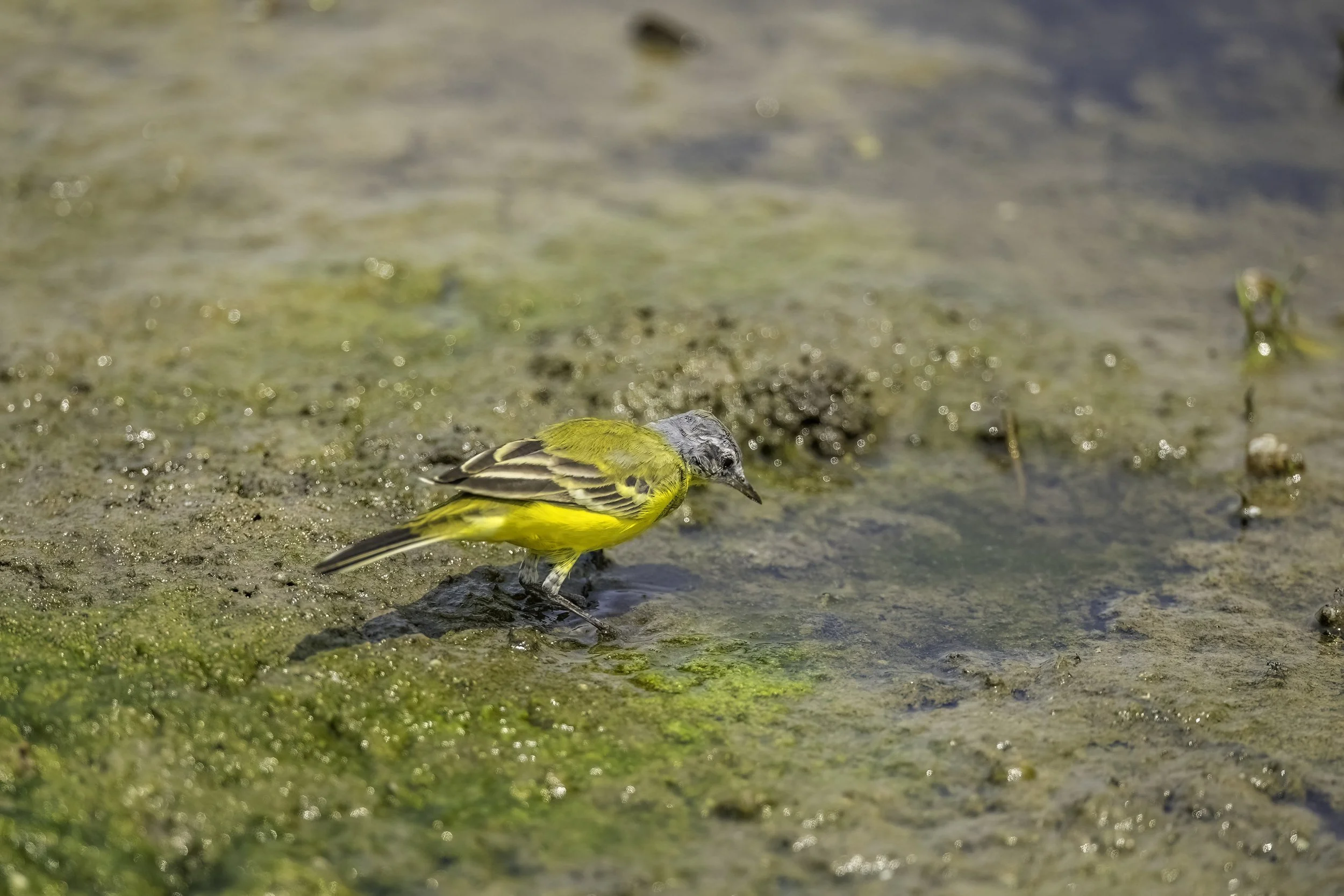
The morning sun at Bhigwan Bird Sanctuary doesn't just rise; it dissolves the mist over the backwaters of the Ujni Dam in a soft, golden glow. As the boat glides silently through the shallow waters, past the silhouettes of Greater Flamingos and Painted Storks, a sudden flash of brilliant yellow darts across the mudflats. It is the Western Yellow Wagtail (Motacilla flava), a restless traveler that has flown thousands of miles from the temperate meadows of Europe and Asia to spend its winter in this "Mini Bharatpur of Maharashtra".
To the south of Bhigwan, bereft of any hills, lie the wide Ujni backwater wetlands. A shallow waste water reserve formed by the discharge of water from the Pune region dams like Panshet, Pawna, Khadakwasla, Varasgaon, Temghar, etc. This semi waste water has created an excellent wetland based ecosystem supporting a large variety of water birds, both endemic and migratory, and also helped with the local agriculture. Nearly 300 species of endemic and migratory birds have been recorded here. The rainfall in the Pune region decides the water level in Ujni dam. Lesser the water, the shallower it is and therefore more birds make it their home in the winter.
From Right: Ganesh, Sandip Nagare & yours truly
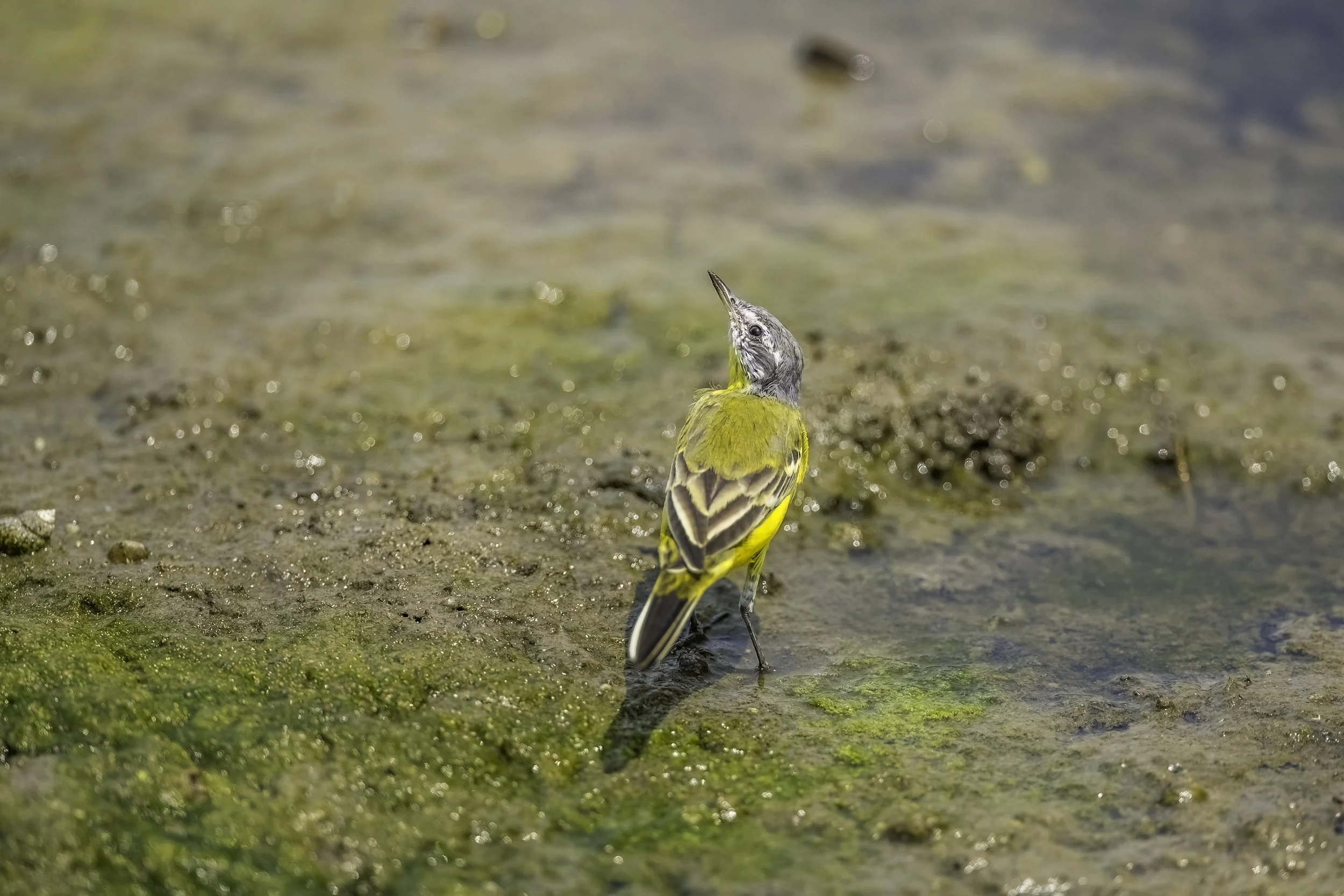
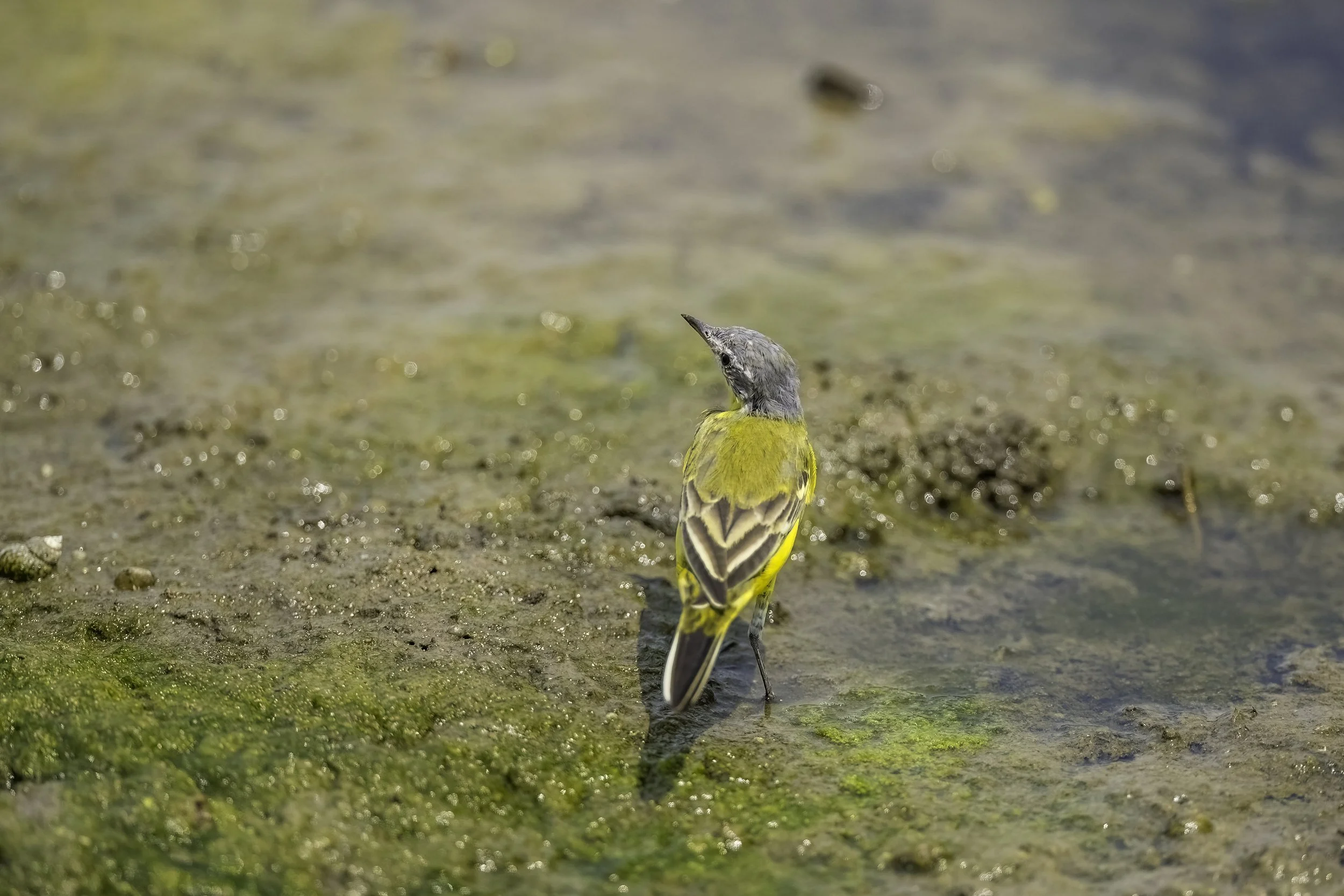
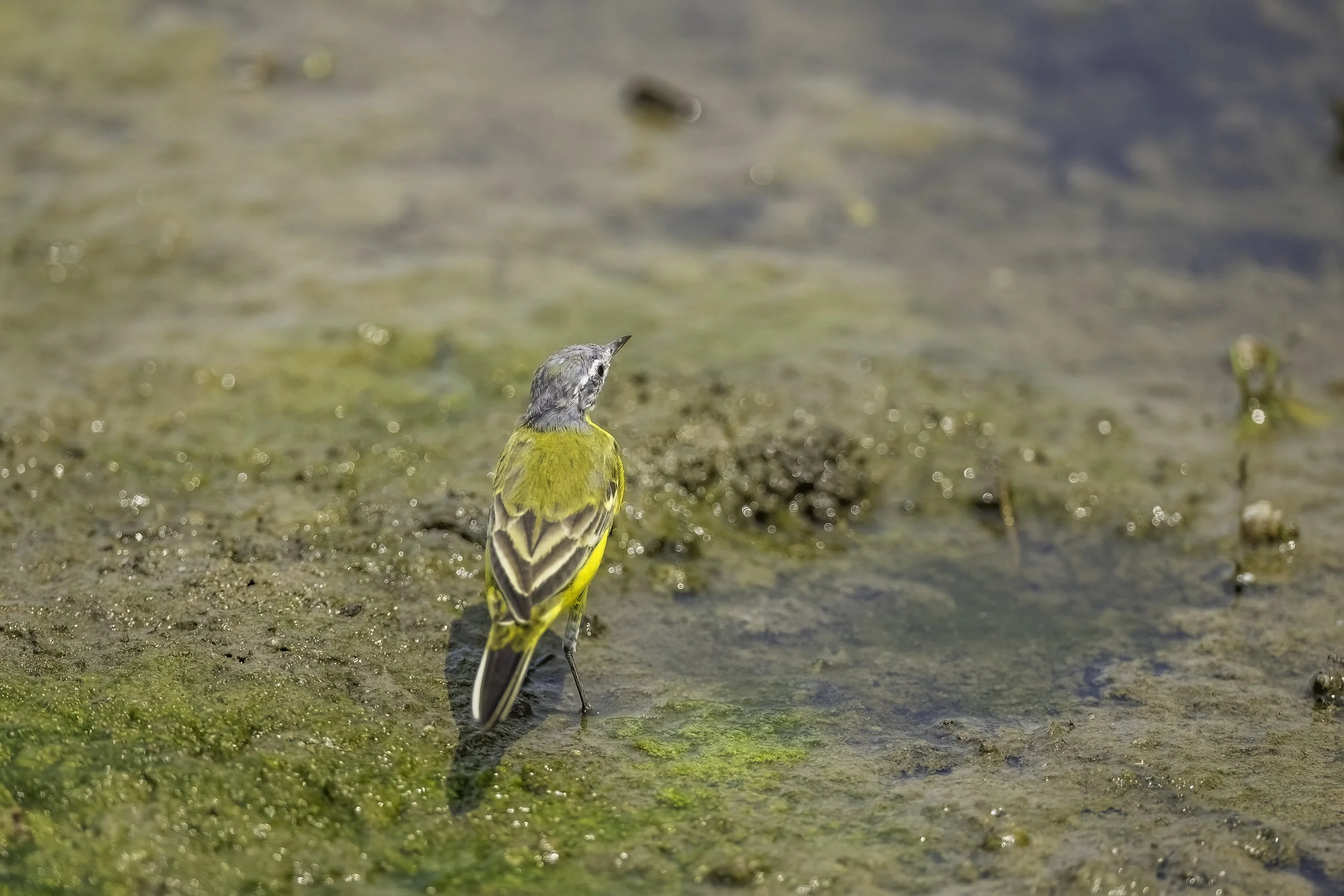
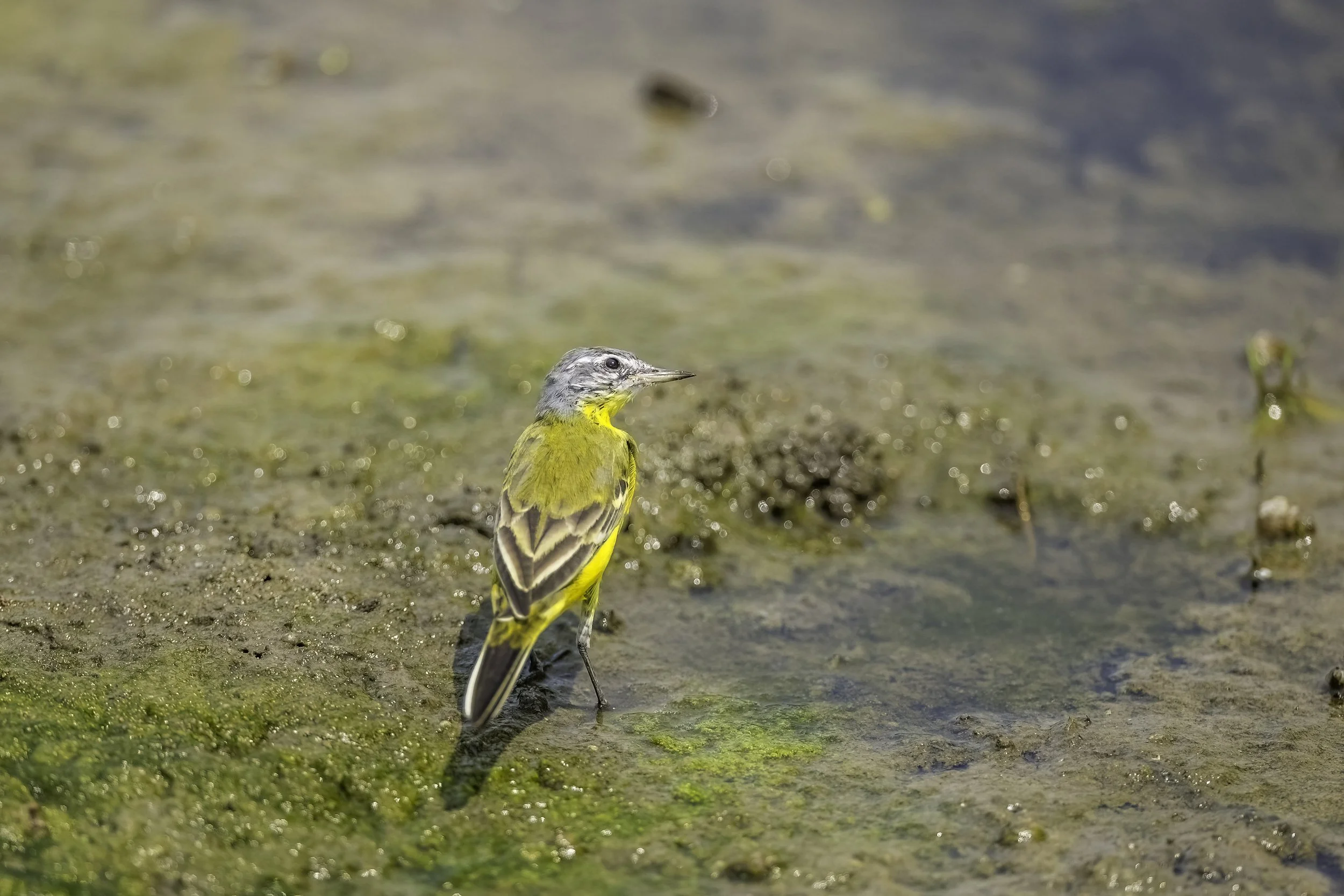
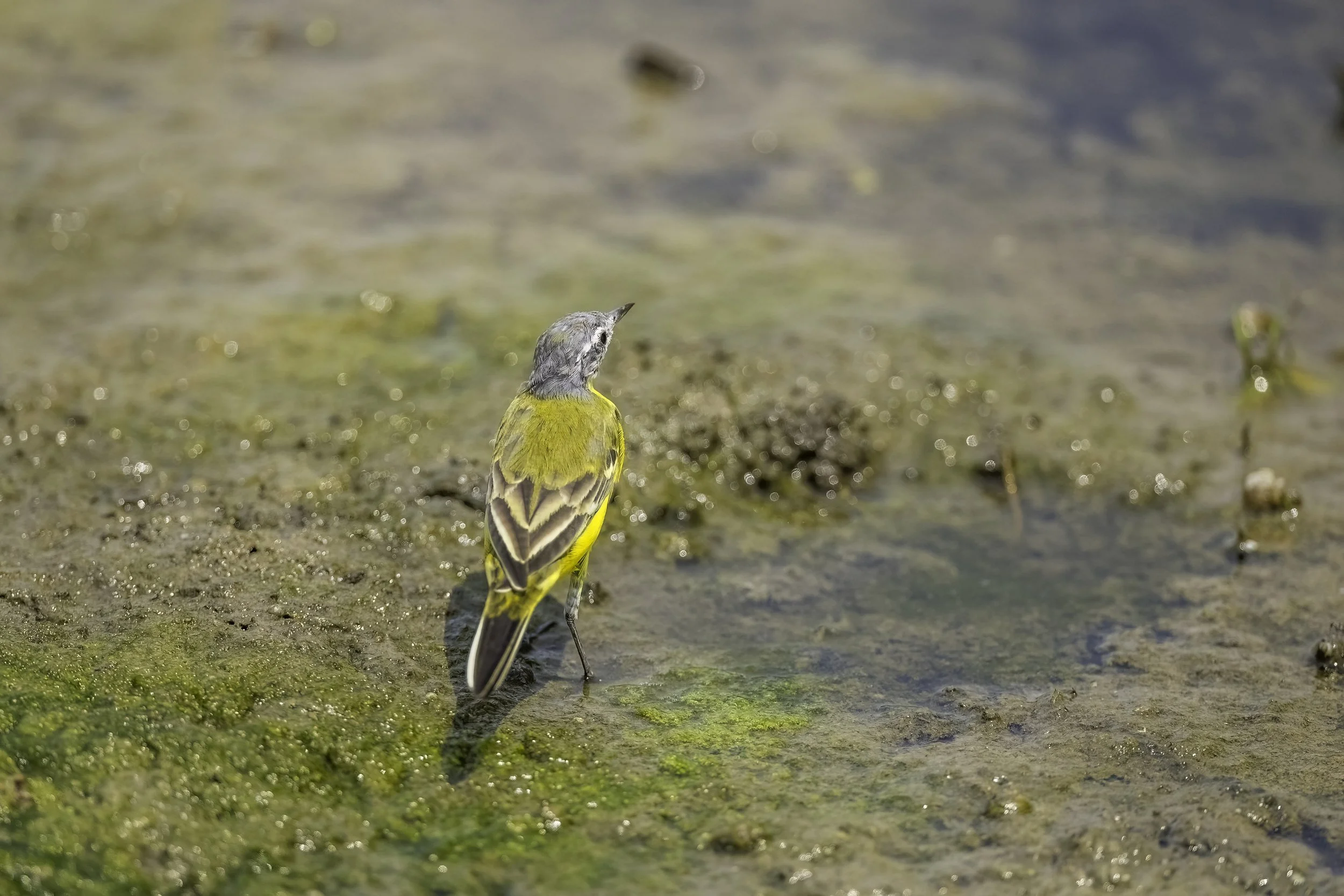
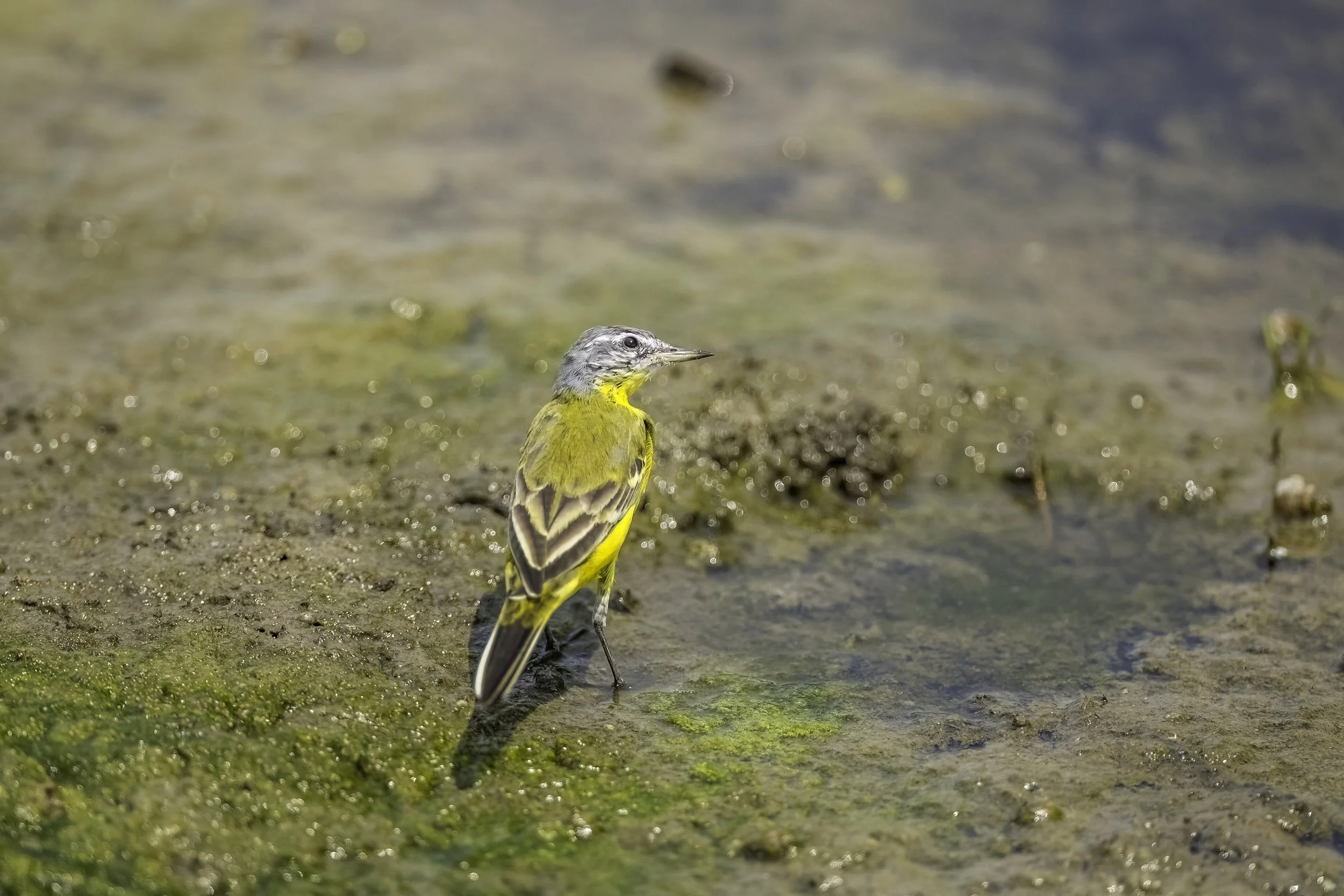
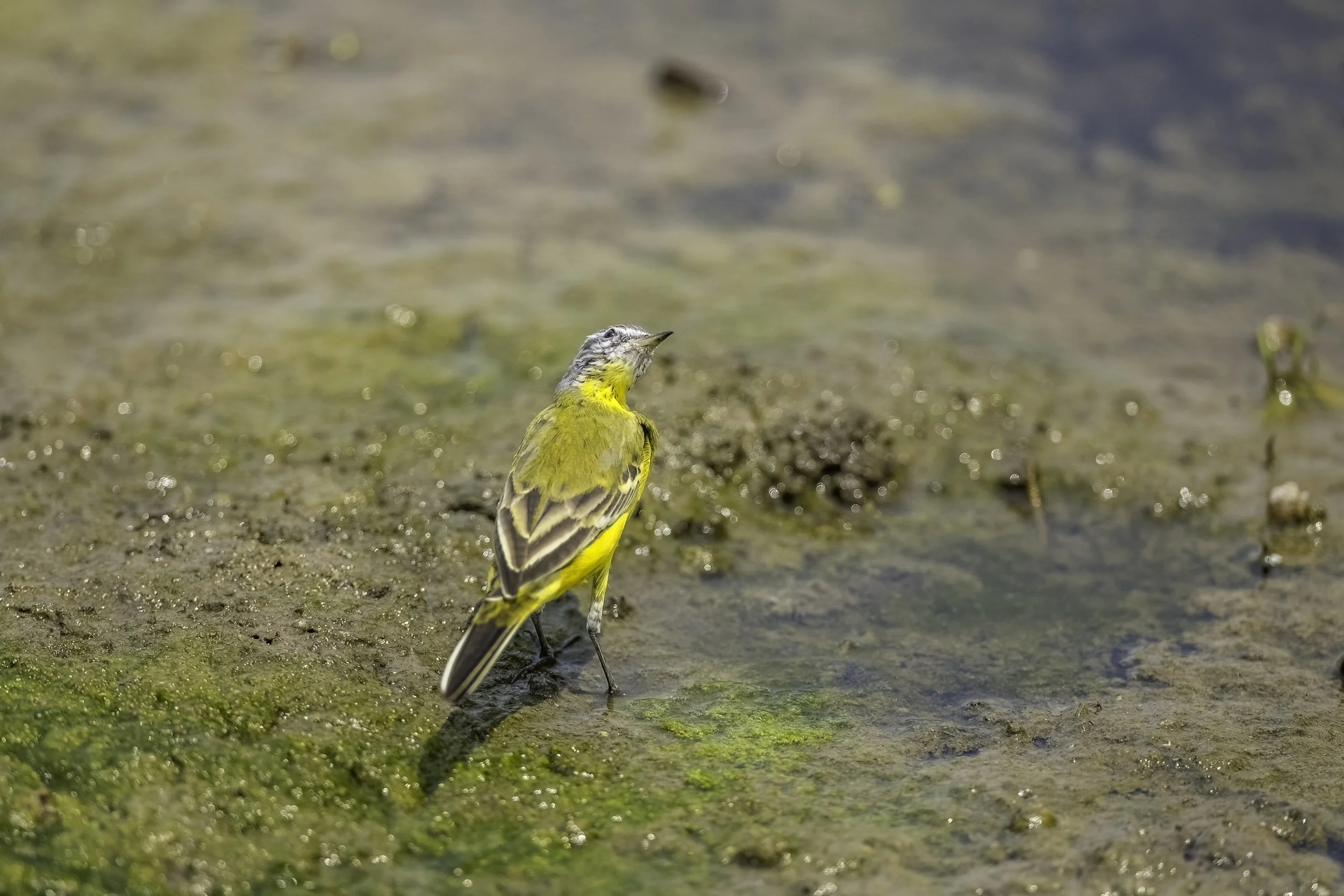
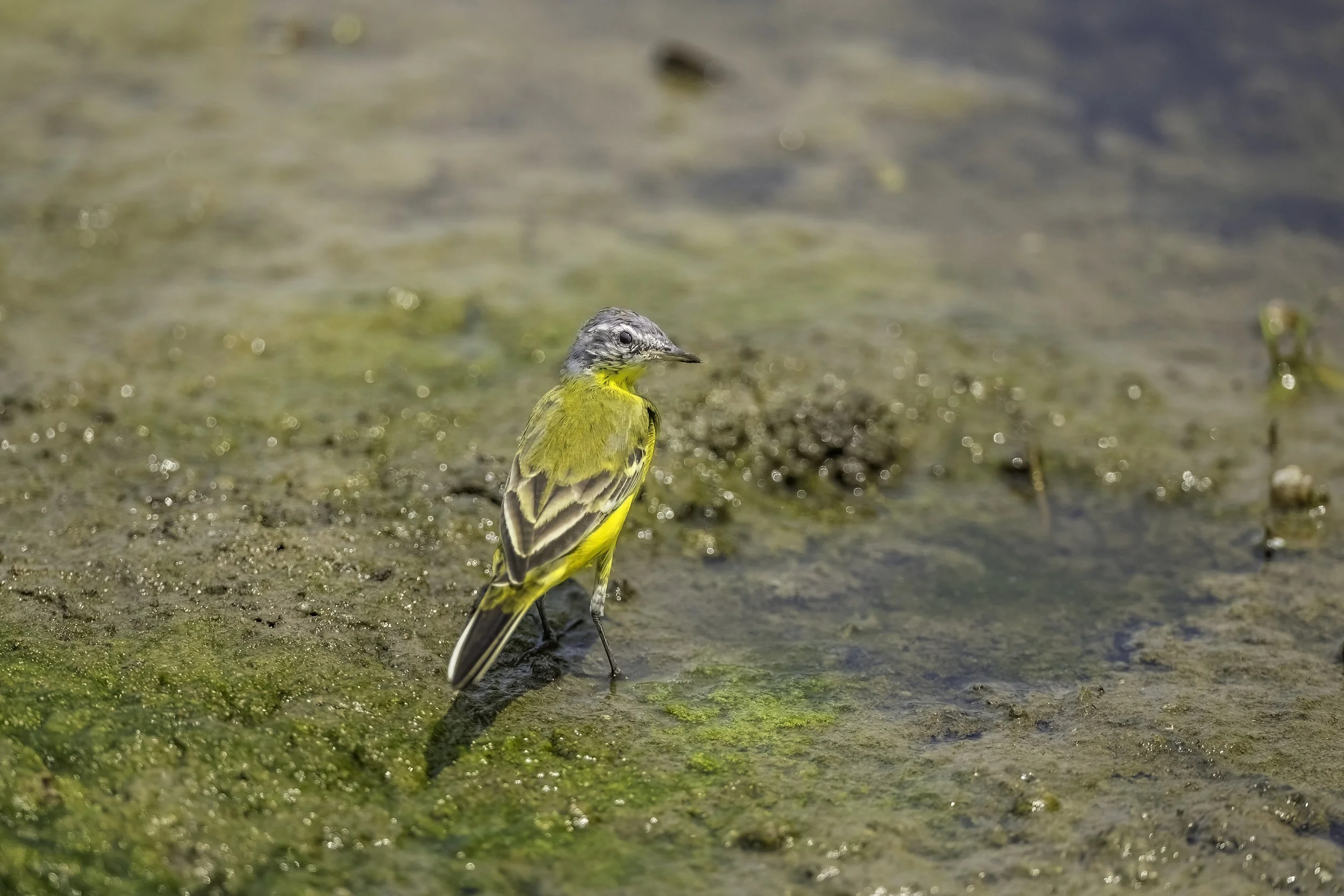
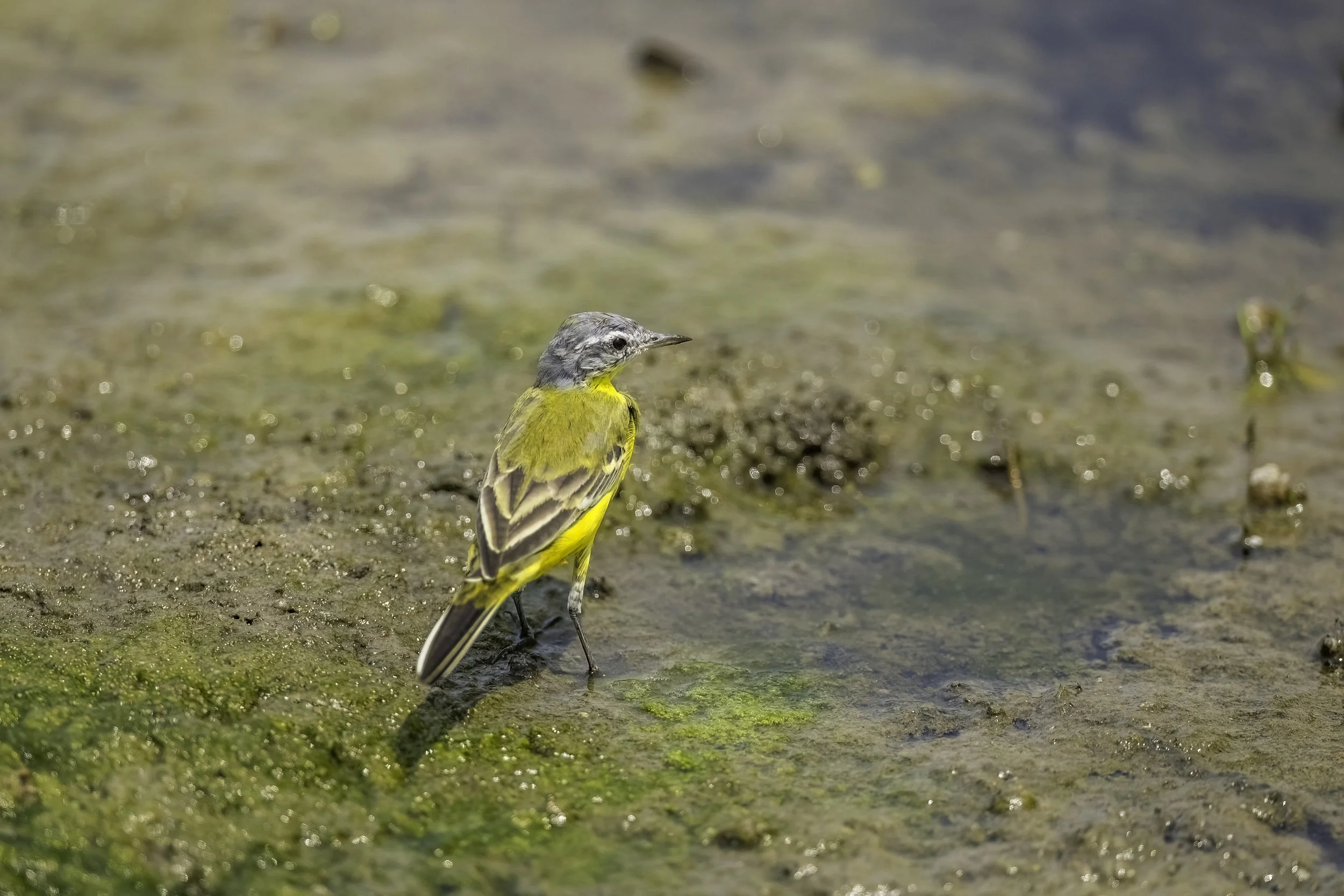
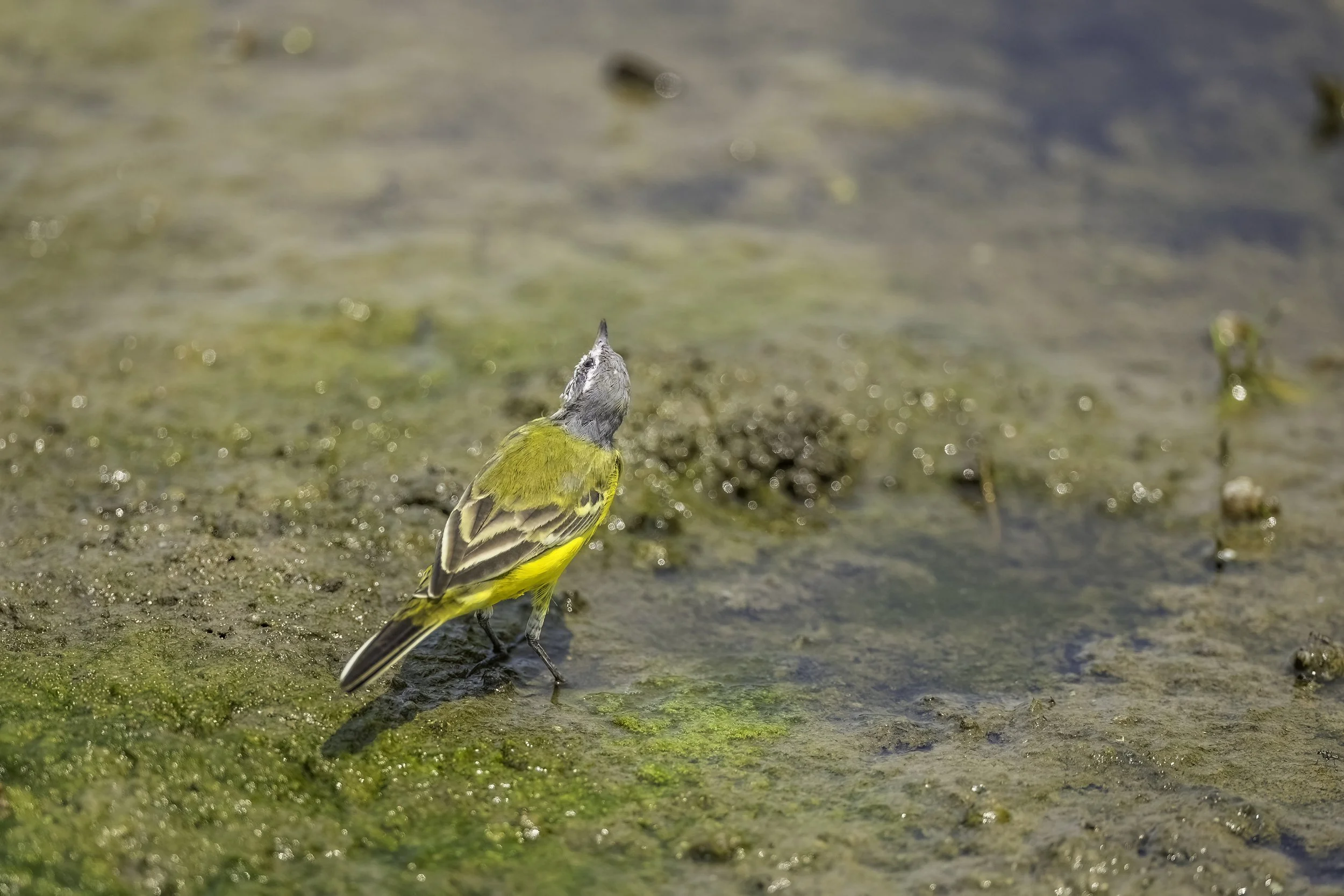
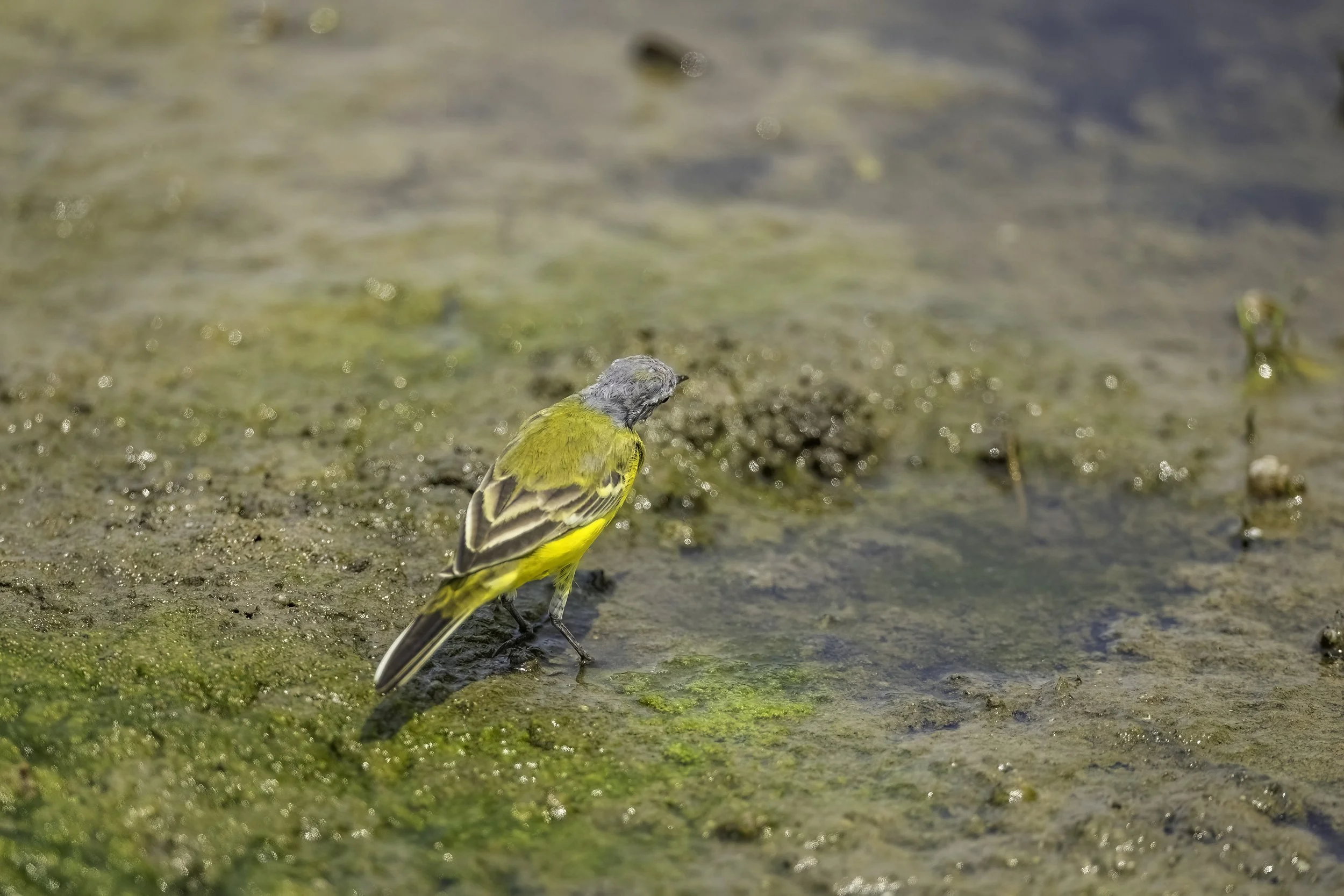
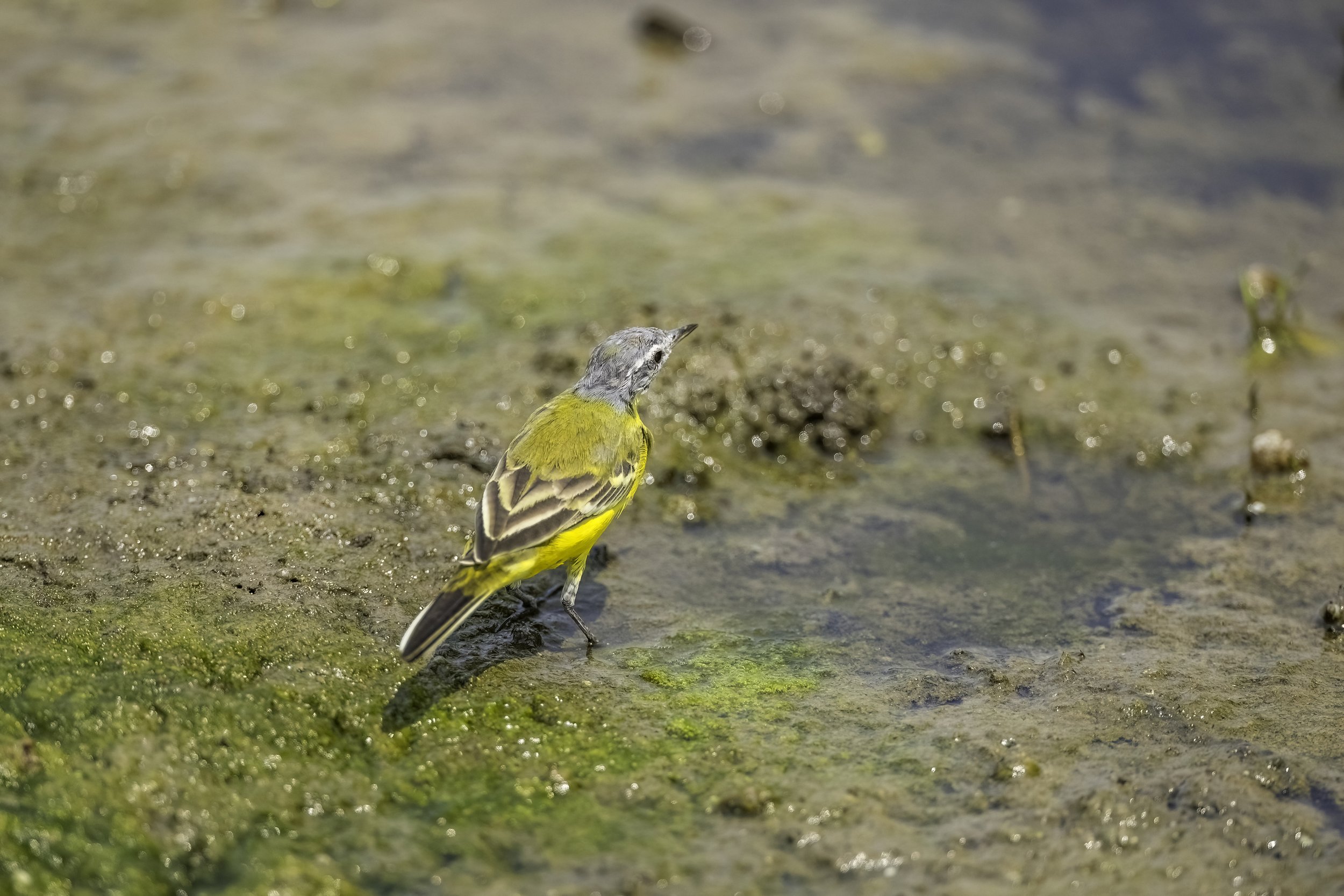
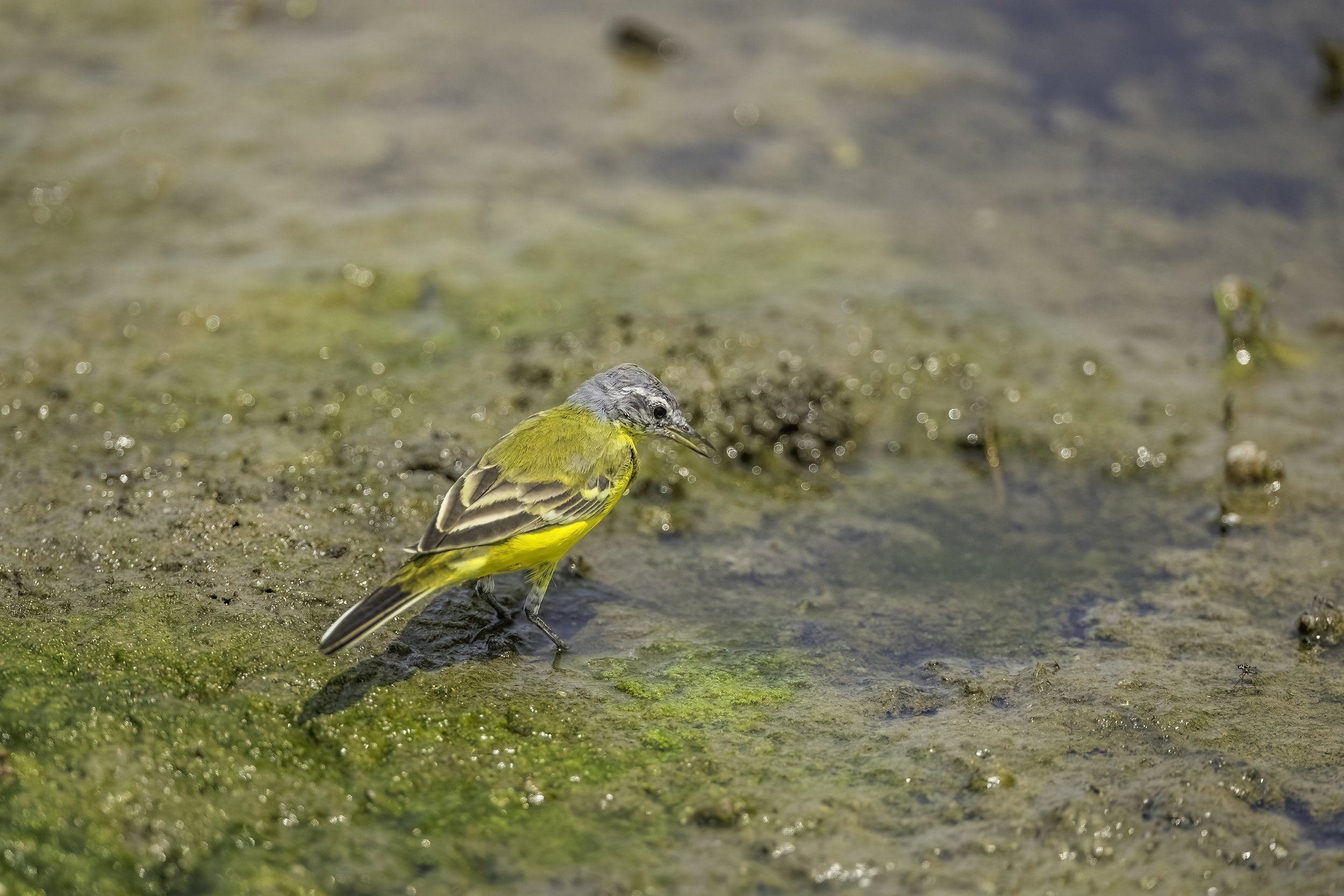
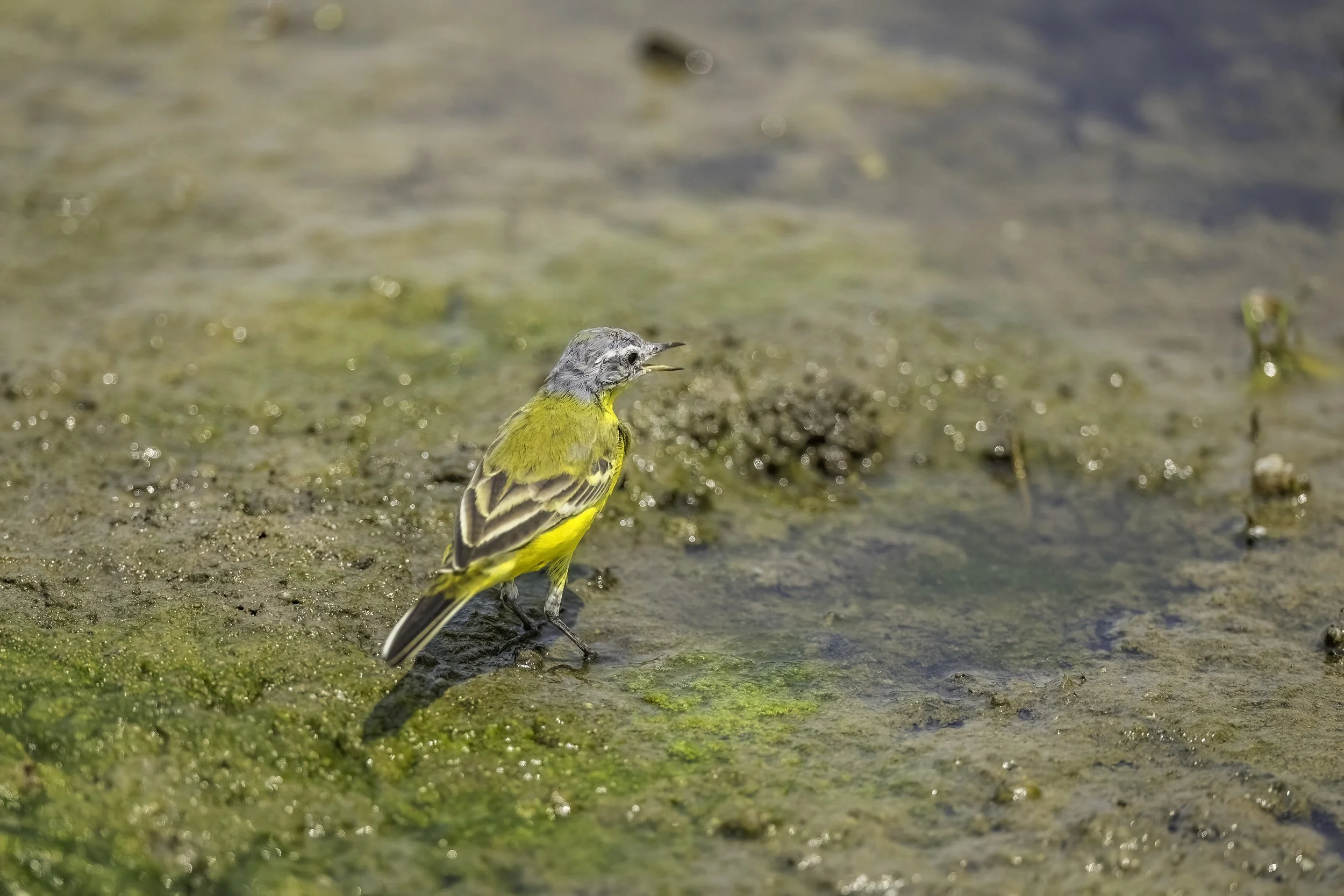
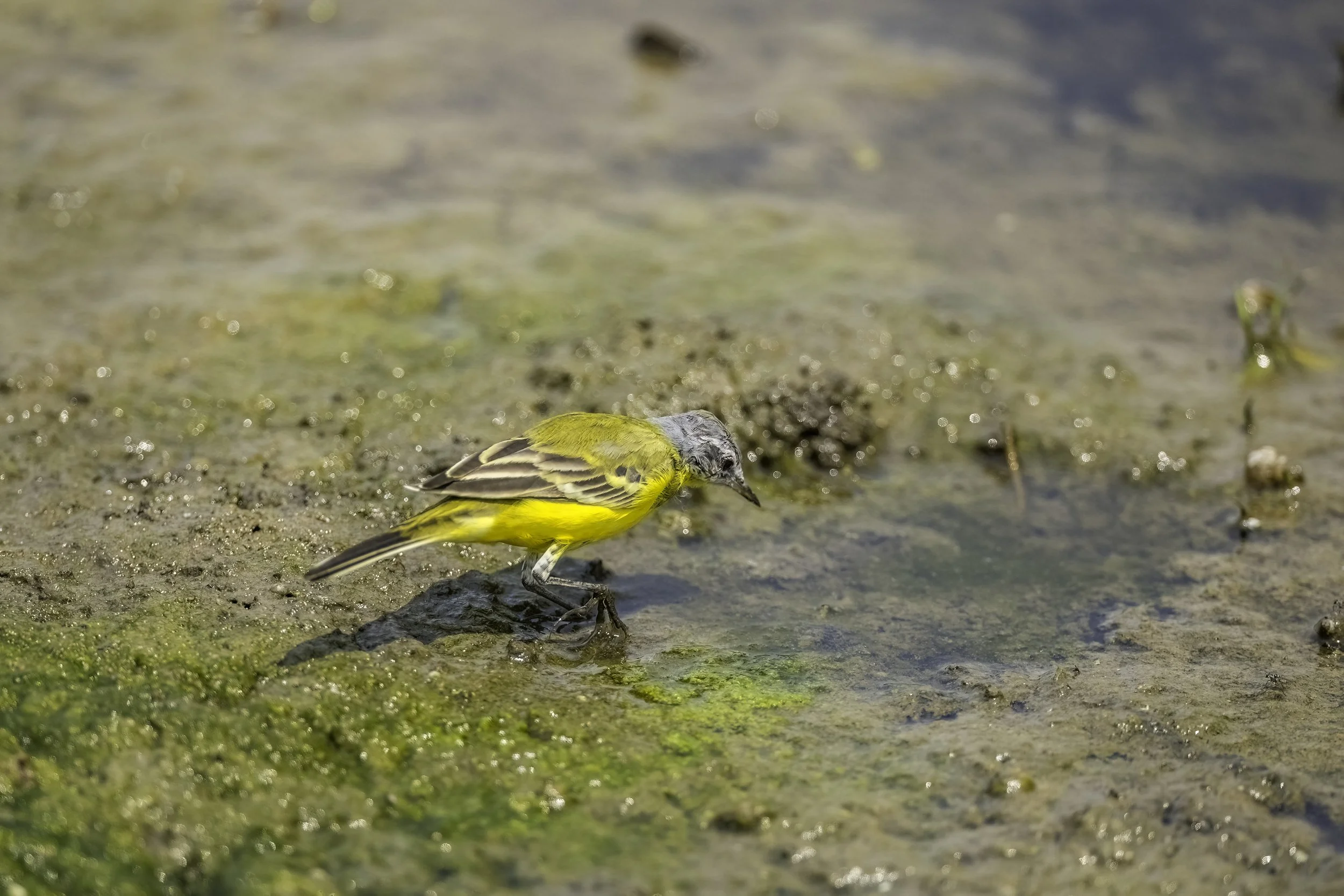
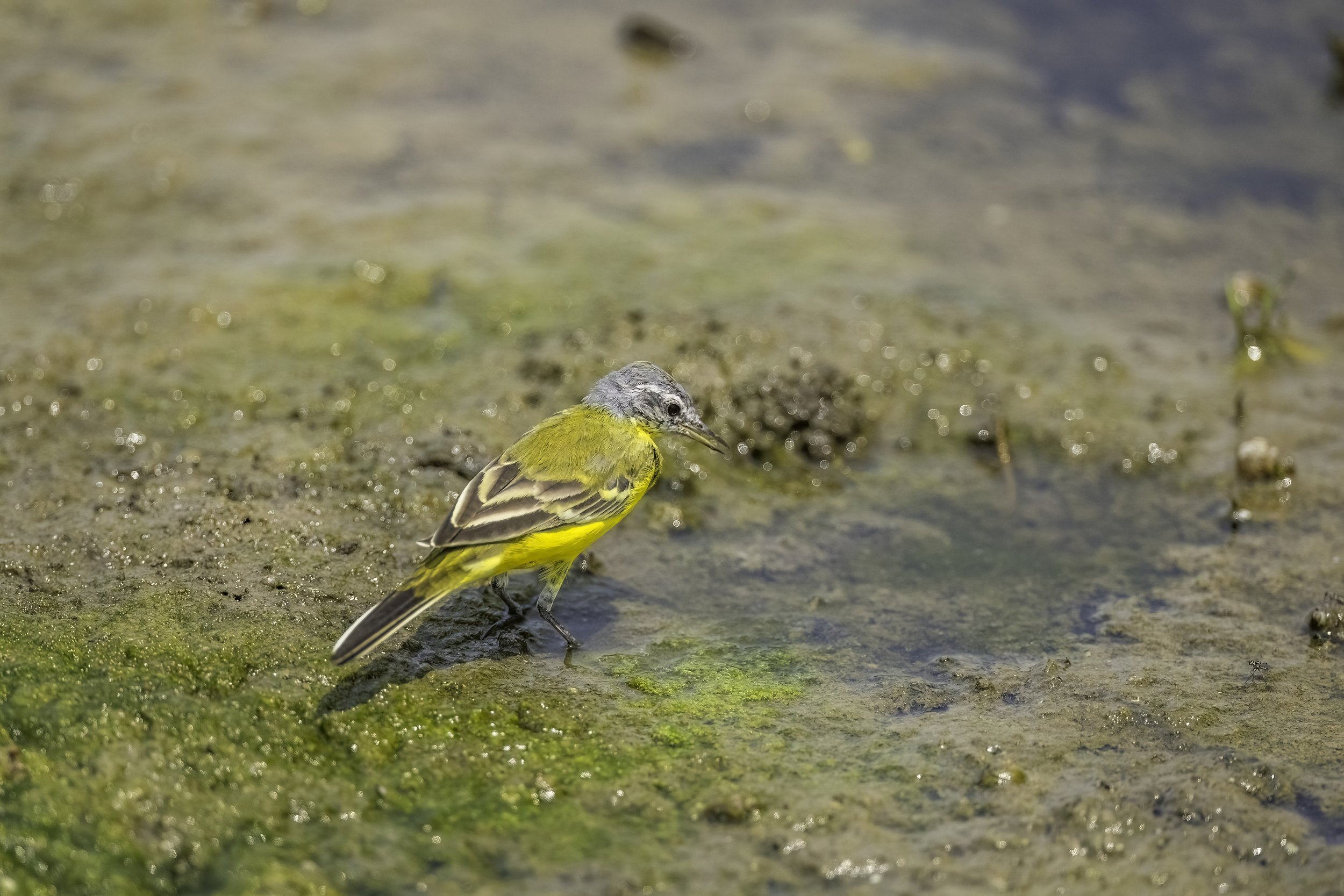
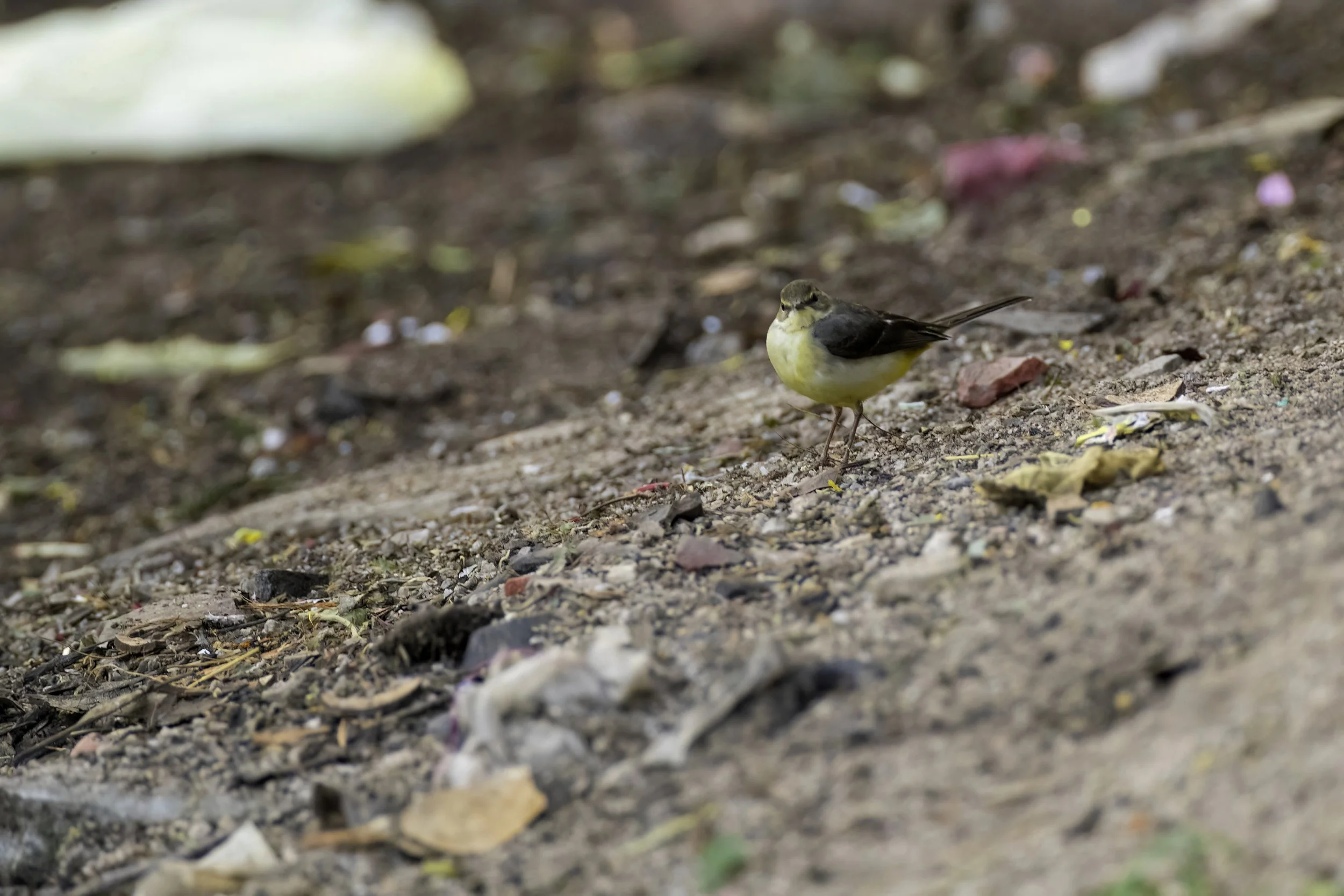
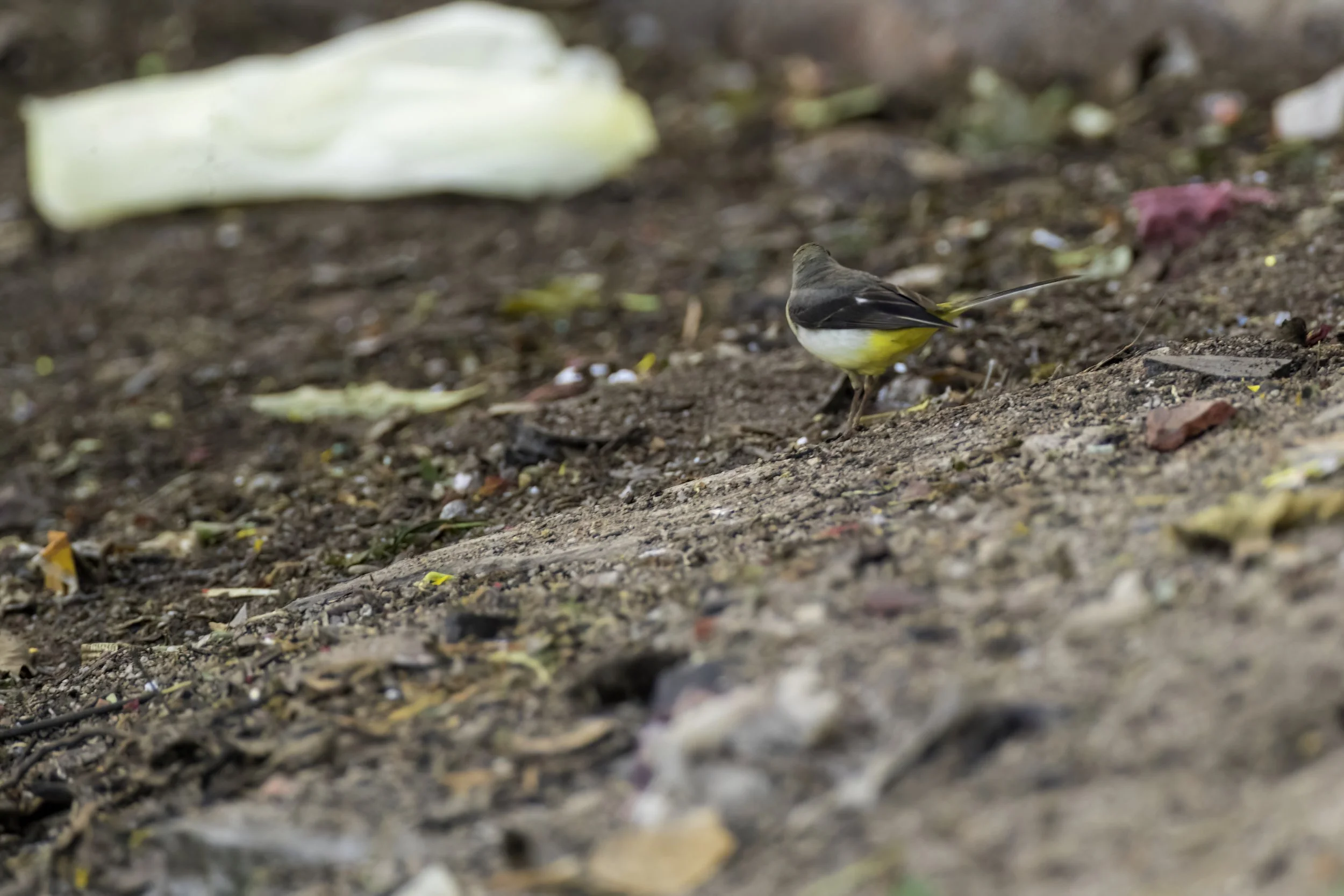
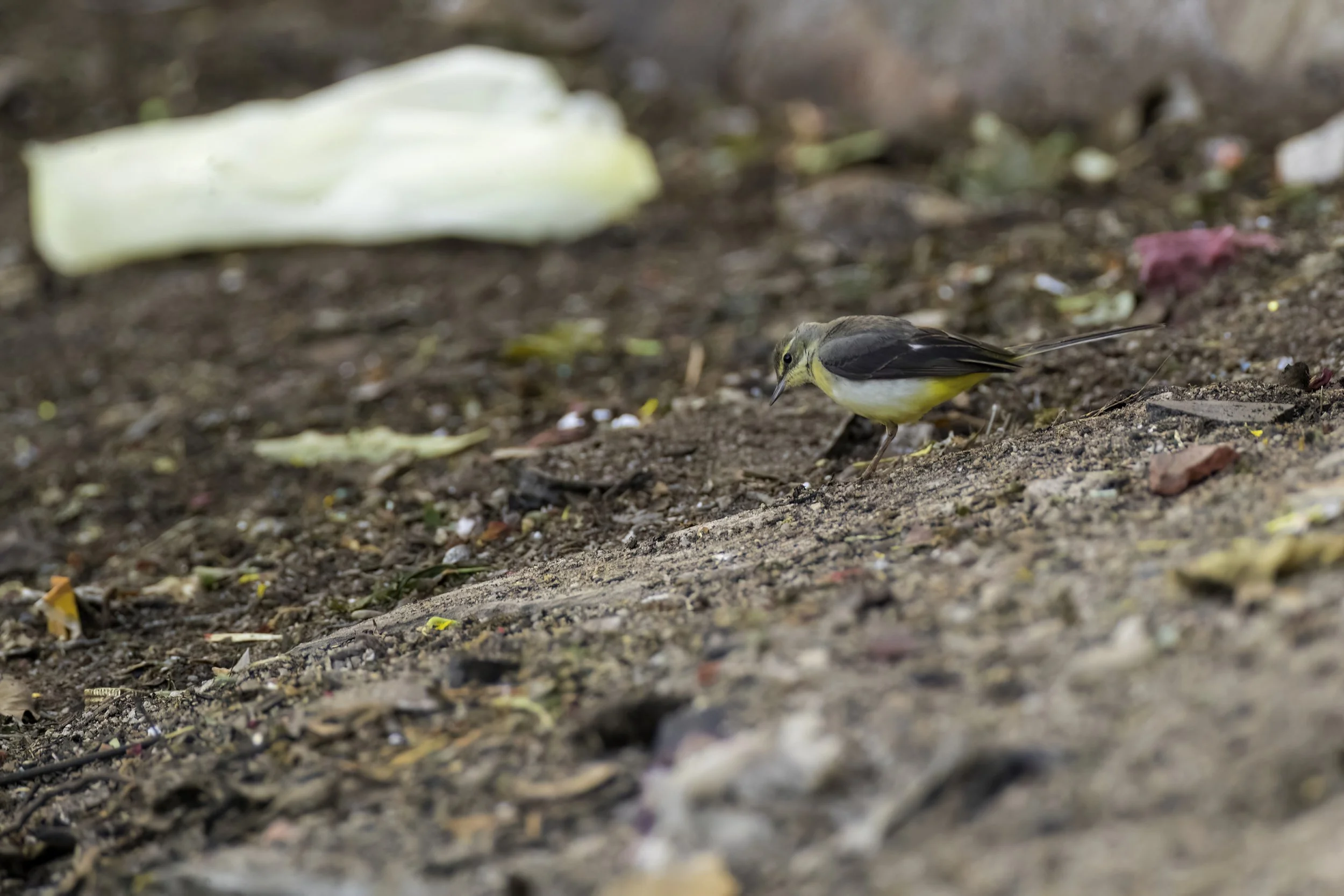
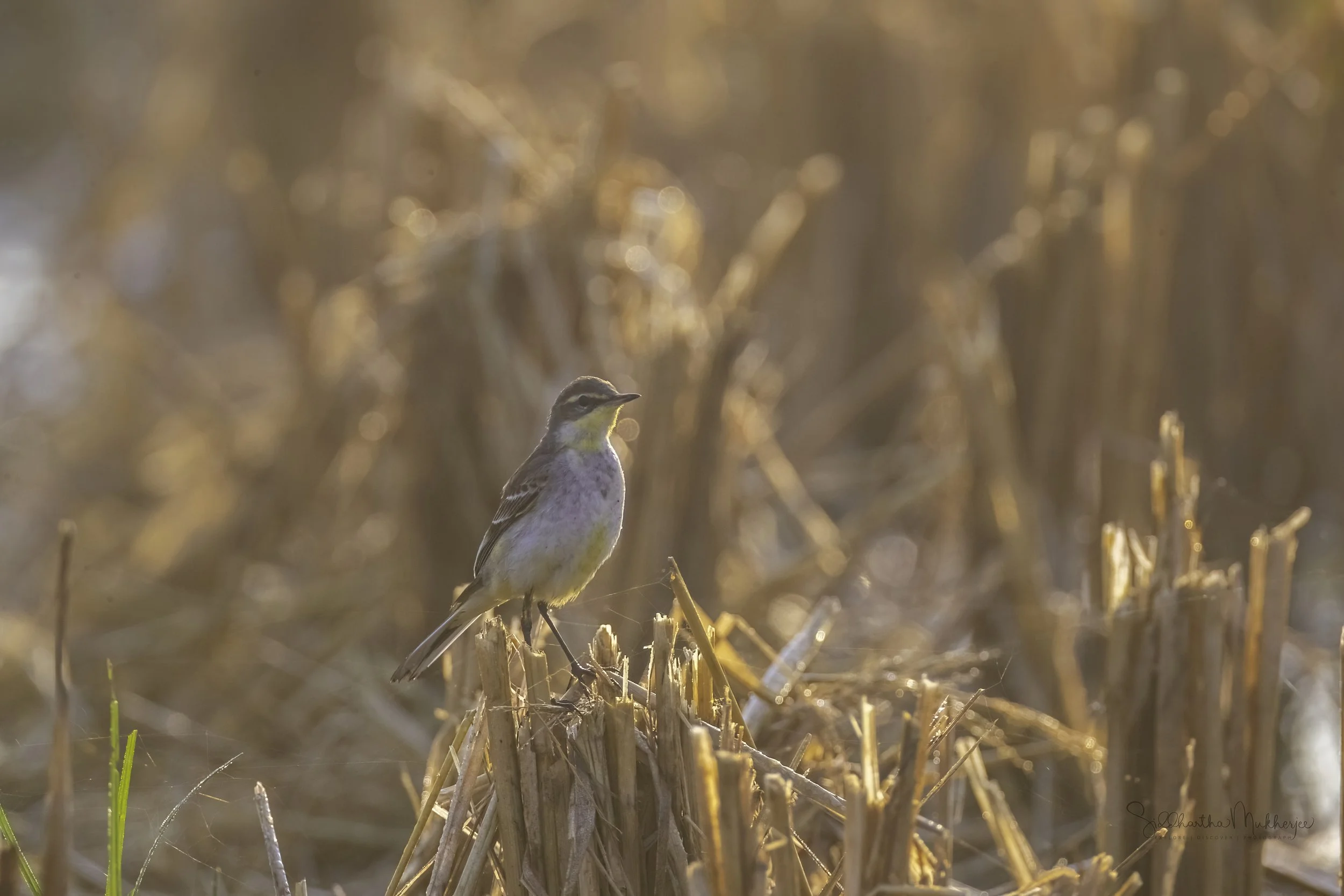
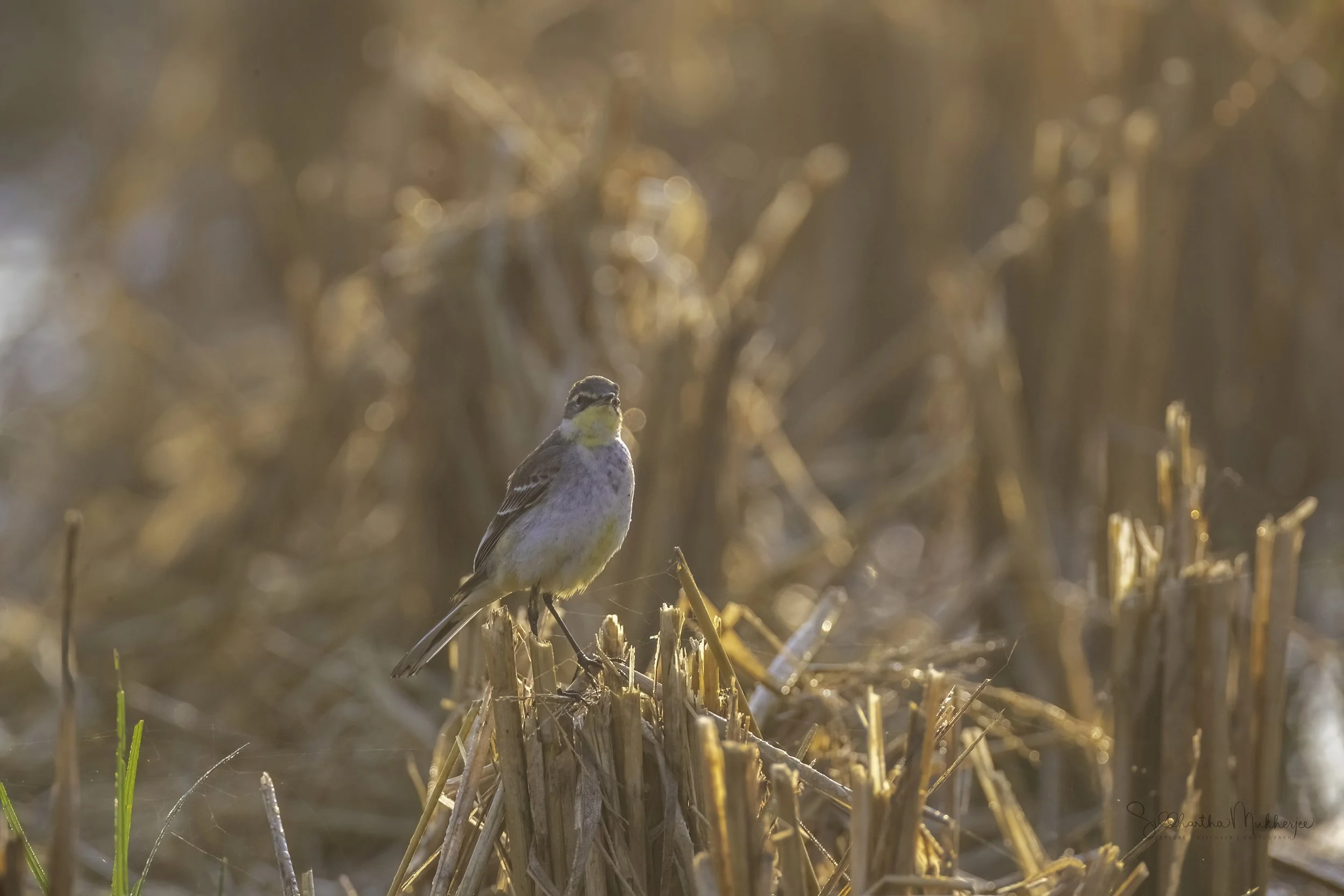
Surrounding this lush ecosystem are the rich grasslands and fertile farms home to an impressive list of birds, mammals and reptiles. The area around these backwaters are also unique with rich farmlands and dry deciduous scrub forest with interspersed grasslands. Home to an impressive list of birds, mammals and reptiles they protect many mammals like the Chinkara, Indian Mongoose, Near Threatened Striped Hyena, the Endangered Indian Grey Wolf & Indian Fox and are also popular for grassland birds and the birds of prey, including some magnificent eagles & harriers. My trip this time was focused only a few species like the Striped Hyena, Indian Grey Wolf and Jungle Cat. On our way back from the grasslands Ganesh and after spending some time with the Great Thick-Knee and the Kentish Plover we came across this Western Yellow Wagtail at close quarters. This is the only position I could see it from and the only photos I got before it flew away.
But these water birds aren’t the only ones there, there are some magnificent eagles and harriers too like the Endangered Steppe Eagle, the Vulnerable Greater Spotted Eagle, the rare and Vulnerable Eastern Imperial Eagle & the Pallid Harrier, Montagu’s Harrier & Eurasian Marsh Harrier.
Apart from these there are other spectacular species like the Short-eared Owl, Spotted Owlets & the Indian Courser inhabiting the grasslands.
During my time here I was hosted by & had the expert help of Sandip Nagare and his team of knowledgeable guides from the Agnipankha Bird Watcher group, especially Ganesh Bhoi, who went out of their way to ensure I had fantastic opportunities to explore, discover, observe & photograph my target species on this trip like the Near Threatened Striped Hyena. Like earlier, I stayed at Sandip’s homestay and once again had the added pleasure of indulging in delectable home cooked food.
Read about my birds from Kumbhargaon & the Bhigwan Bird Sanctuary here and watch the videos on my Youtube channel - WildArtWorks.
Great Stone-curlew/ Great Thick-knee (Male)
But that was a while back. This time what I saw was very alarming. The summers of the last two years have been harsh and the rains have been scanty leading to extensive evaporation and receding of the waterfront. My friend and local guide, Ganesh, said that the backwaters have receded almost two kilometers from where they used to be. I have here a couple of photographs of what used to be and what it is now. This exposed land is now used for cattle grazing and some degree of farming.
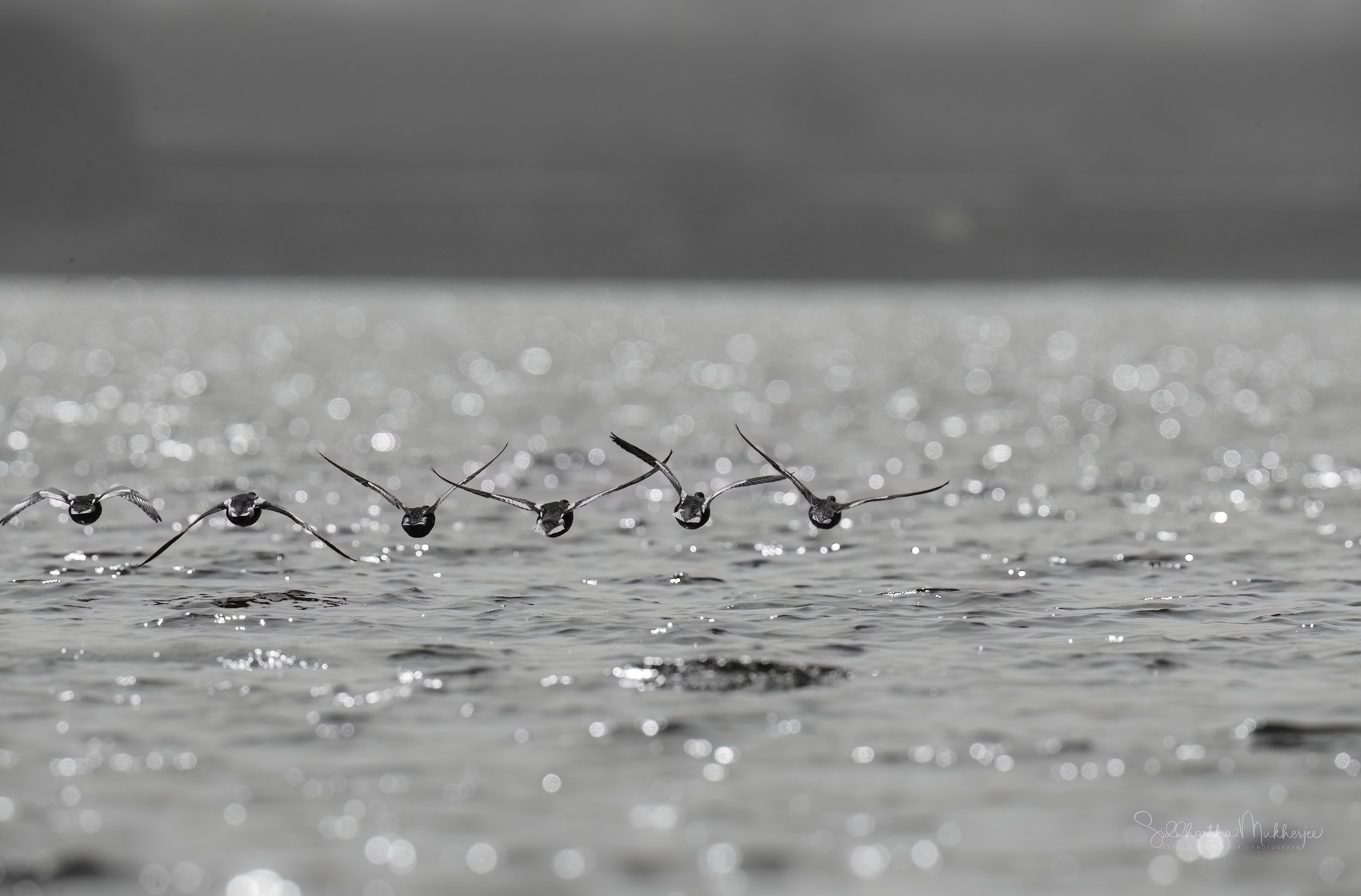
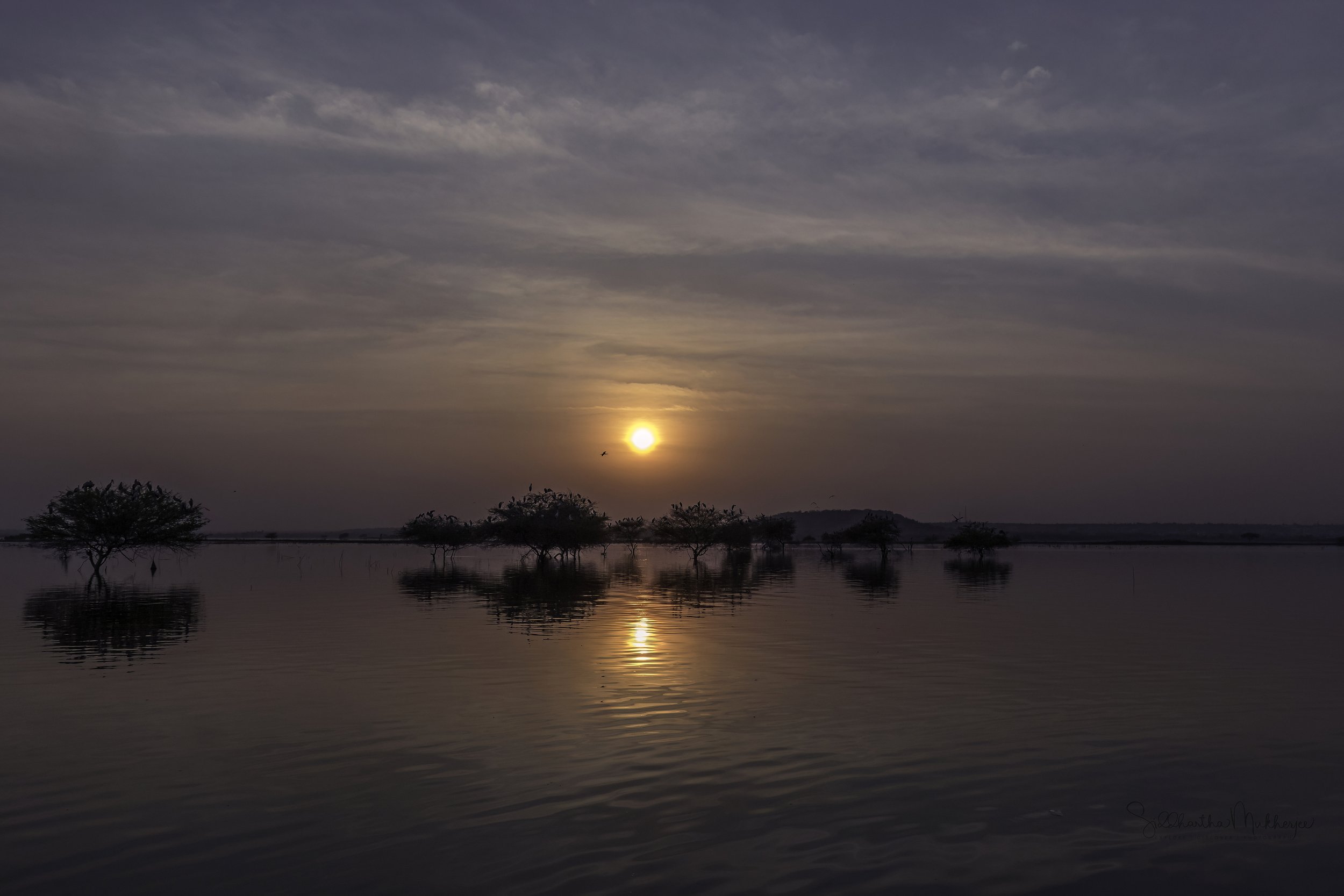
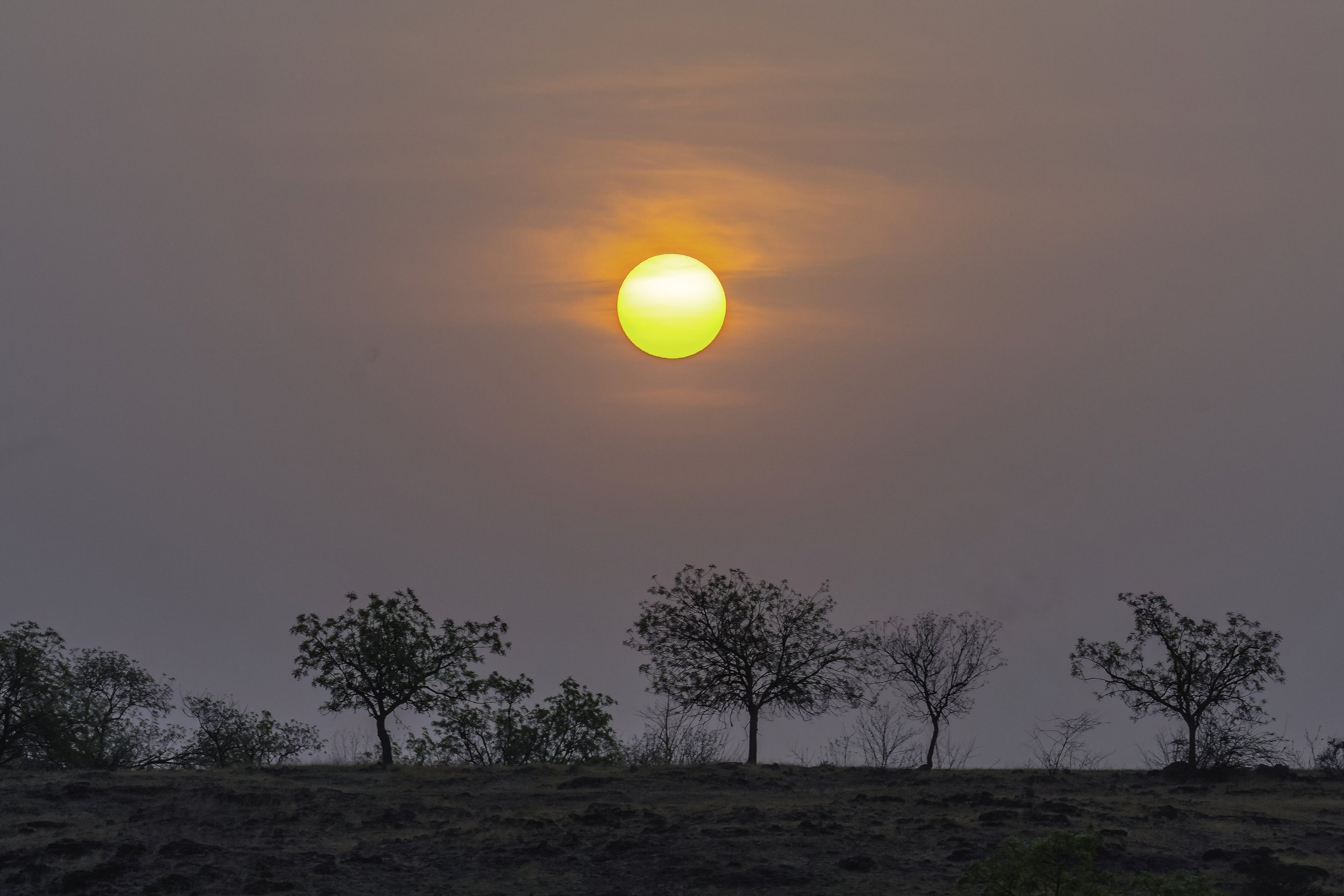
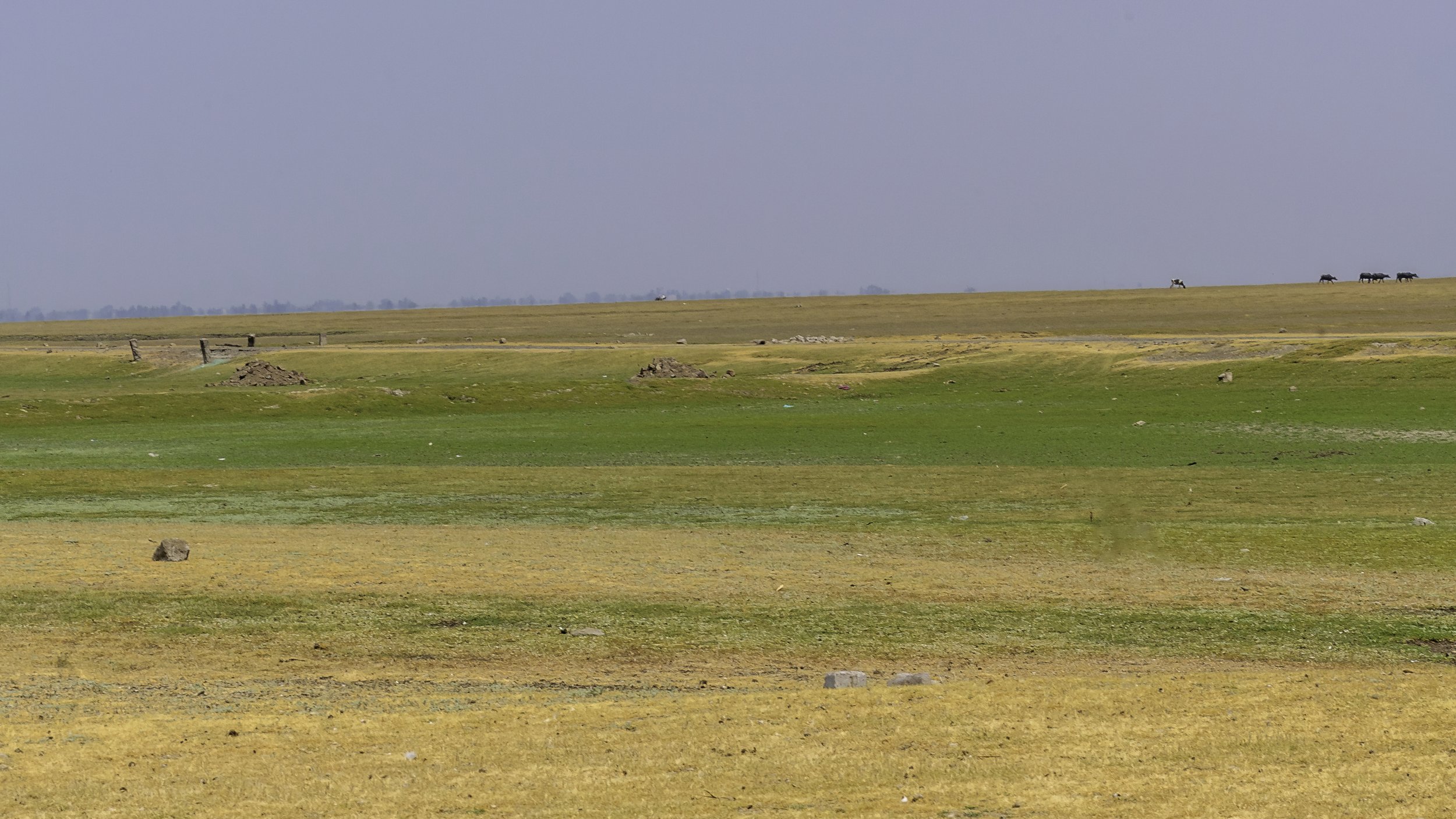
Ujni Backwaters, Bhigwan Bird Sanctuary
The Ujni or Ujjani Dam, also known as Bhima Dam or Bhima Irrigation Project, on the Bhima River, a tributary of the Krishna River, is an earth-fill cum Masonry gravity dam located near the Ujjani village of Madha Taluk in the Solapur district of the state of Maharashtra in India. The Bhima River, which originates in Bhimashankar of the Western Ghats, and forms the Bhima Valley with its tributary rivers and streams, has twenty-two dams built on it of which the Ujjani Dam is the terminal dam on the river and is the largest in the valley that intercepts a catchment area of 14,858 km² (which includes a free catchment of 9,766 km²). The construction of the dam project including the canal system on both banks was started in 1969 at an initial estimated cost of ₹400 million and when completed in June 1980 the cost incurred was of the order of ₹3295.85 million.
The reservoir created by the 185 feet high earth cum concrete gravity dam on the Bhima River has a gross storage capacity of 3.320 km³. The annual utilisation is 2.410 km³. The project provides multipurpose benefits of irrigation, hydroelectric power, drinking, and industrial water supply and fisheries development. The irrigation supplies benefit 500 km² of agricultural land, particularly in the Solapur district. Water supplied from the reservoir to irrigate agricultural areas primarily aims to reduce the incidence of famines and scarcity during drought conditions. The reservoir operation also lessens the threat due to floods to cities such as Pandharpur (an important religious pilgrimage centre for the Hindus). As a result of irrigation facilities, some of the important crops grown under irrigated conditions are sugarcane, wheat, millet and cotton.
This huge reservoir, almost seeming like a sea, is home to hundreds of birds - flamingos with their slender necks, egrets, Painted Storks, Ruddy Shelducks and many more (refer my Species Directory). A man-made wetland, these backwaters are a winter sojourn of many migratory birds like the Brown-headed Gulls & Bar-headed Geese making it a mesmerising spectacle. This reservoir is one of the largest backwaters in India created by the Ujni dam. This life giving and sustaining reservoir fulfils multiple purposes - irrigation for agriculture, particularly in the Solapur district, being the primary one - but it also has rural, urban and industrial activities that are equally consuming.
Presently India has 26 sites designated as wetlands of International Importance according to Ramsar Convention. As far as Maharashtra goes, of its multiple natural and man-made reservoirs, none are designated as a Ramsar site. But according to Ramsar’s important identification criteria of population of migratory birds, the Ujni backwaters are amongst the six important wetlands of Maharashtra hosting around 250 species of migratory and resident birds ranging from the Pied Kingfisher, Northern Shoveler, Bar-headed Geese, Great Egret, Painted Stork, Indian Cormorant, Eurasian Coot, Common Moorhen, Black-headed Ibis, Asian Open-bill, the list is pretty long.
With such a blessed habitat harbouring many species of flora and fauna, this wetland has tremendous benefits to the villages around it. Sufficient water for agriculture, livelihoods to many through fishing and tourism, flood control and shoreline stability are some of the aspects this wetland caters to. Though created strategically for economic development, today, the value of these wetlands function far beyond the scope of any instrument of economic growth.
But the modern day demands on this resource are tremendous. Cash crops requiring huge irrigation, unmonitored use of pesticides, untreated and excessive sewage and industrial waste disposals, uncontrolled urban growth and the changing mindsets of people for newer lifestyles are slowly and steadily affecting this huge wetland. Decline in the fish density in the major tributaries of River Krishna, increase in exotic weed species in water are some of the indicators of quality degradation of the wetland recorded by researchers. This isn’t the only threat to this spectacular habitat and its wildlife but it also has long term adverse effects on the present and future human population who are consumers of this wetland in the various ways they utilise it.
The conservation of such a large reservoir isn’t a simple task. It requires judicious water usage for local, agricultural and industrial purposes, advocating advanced irrigation technologies to avoid and minimise wastage and banning diversions of water for non-priority purposes can be some of the large-scale measures possible with equal participation of the Government and people alike. Conservation awareness among the local communities for wetlands and its flora-fauna can help in a long run.
On a smaller scale the villagers are doing their bit by consciously avoiding plastic litter, controlled fishing and adopting rowing instead of engines for tourist boats wherever possible. These are some of their simple but effective ways to stop draining these life giving wetlands.
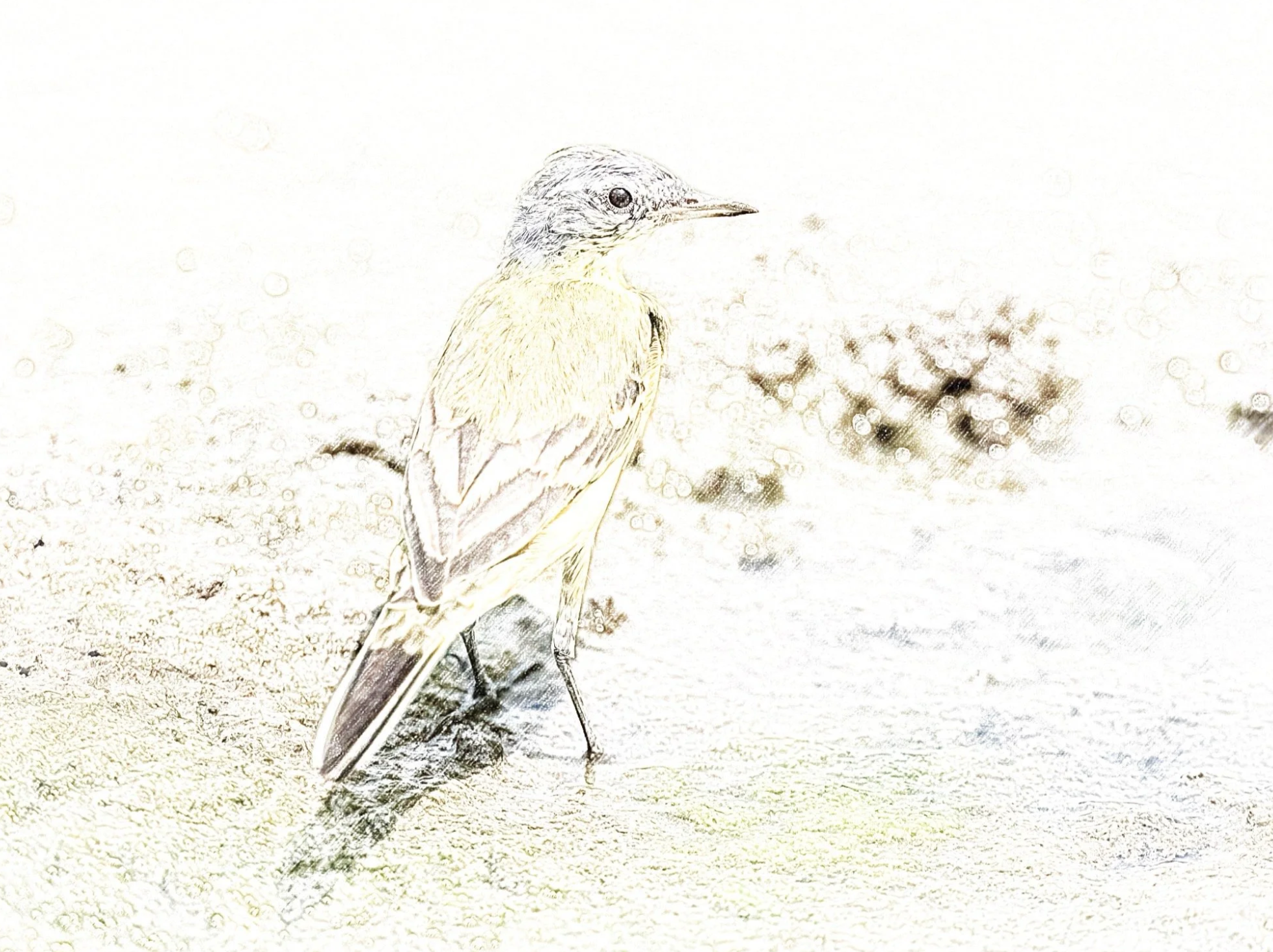
Western Yellow Wagtail
The Western Yellow Wagtail is a slender, energetic songbird, measuring roughly 15–17 cm in length. While its plumage can vary significantly depending on the subspecies — such as the
Sykes's Wagtail (Motacilla flava beema) or the
Grey-headed Wagtail (Motacilla flava thunbergi)
It is most easily identified by its vibrant yellow underparts and olive-green back. Its long, black tail with white outer feathers is in a state of near-constant motion, wagging rhythmically as it runs briskly across the ground. The Western Yellow Wagtail is a masterclass in subtle variation. Measuring roughly 15–17 cm and weighing between 11.2–26.4 g, it possesses a streamlined, elegant silhouette. However, to call it "yellow" is a simplification. At Bhigwan, one might encounter several distinct subspecies, each a transcontinental migrant from the Palearctic.
The Sykes's Wagtail (Motacilla flava beema) is perhaps the most frequent guest, distinguished by its pale grey crown and a prominent white "eyebrow" (supercilium). Then there is the Grey-headed Wagtail (Motacilla flava thunbergi), sporting a dark slate-grey hood that provides a stunning contrast to its vibrant sulfur-yellow underparts. Seeing these birds side-by-side on a single mudflat is like witnessing a living map of global migration, each bird carrying the genetic blueprint of a different corner of the Northern Hemisphere.
Unlike many of the larger waders at Bhigwan, the Western Yellow Wagtail is a ground-feeding insectivore. It is not endemic to India but is a common winter visitor found throughout the subcontinent from October to March. In Bhigwan, it is typically seen in:
Wet meadows and marshes: Foraging for small flies, beetles, and aquatic invertebrates.
Grassy river banks and reservoirs: Often seen near the water's edge or running through low vegetation.
Open country near livestock: True to its old English name "Drover Washerwoman," it frequently associates with cattle, catching insects disturbed by their grazing.
Photographing at Bhigwan is a test of patience and a celebration of light. The best experience begins at dawn (around 6:00 AM) when the low-angled sun illuminates the vibrant plumage of the birds against the tranquil blue of the Ujni Backwaters. While the Flamingos are the headliners, the sanctuary hosts over 230 species, providing endless frames for a bird/ wildlife lover and photographer. The Western Yellow Wagtails most defining characteristic is its restless energy. It doesn't merely walk; it scurries with a frantic, clockwork precision, its tail in a state of perpetual motion. This rhythmic pumping is more than a quirk; it’s a tactical maneuver designed to startle insects like midges, flies, and small beetles into flight.
In the protected water bodies of Bhigwan, these wagtails frequent the transition zones—the "liminal spaces" where the water meets the shore. They are ground-feeding insectivores, often following the local buffaloes. This commensal relationship is a joy to witness: as the heavy beasts trudge through the marshy grass, they disturb a cloud of insects, providing an effortless feast for the wagtails darting around their hooves.
Photographing the Western Yellow Wagtail at Bhigwan is an exercise in "pre-visualization," a concept I’ve often explored in my work. Unlike the stationary Painted Storks, a wagtail is a blur of motion. To capture the "shot"—the moment a Sykes’s Wagtail pauses atop a dried clump of mud with the golden morning light hitting its breast—you need a shutter speed of at least 1/2500s. Because they are small and skittish, a 600mm lens is almost mandatory. The challenge is the boat; the gentle rocking of the Ujni waters makes a tripod useless. Instead, we use bean bags draped over the gunwales of the local fishing boats, providing a stable yet flexible base to track the bird’s erratic movements.
Beyond the Wagtail: The Bhigwan Ecosystem
This journey into the backwaters echoes the themes of silence and authenticity I have explored in my earlier work. My goal has always been to document the "uniquely intense mood" of our wild spaces. Whether it’s the rugged scrublands where the Indian Wolf roams or the shimmering gold of the Bhigwan backwaters, the story remains the same: our planet is a tapestry of fragile, interconnected lives. The Western Yellow Wagtail, a bird no heavier than a few coins that travels across continents, is a shimmering thread in that tapestry.


Related Posts
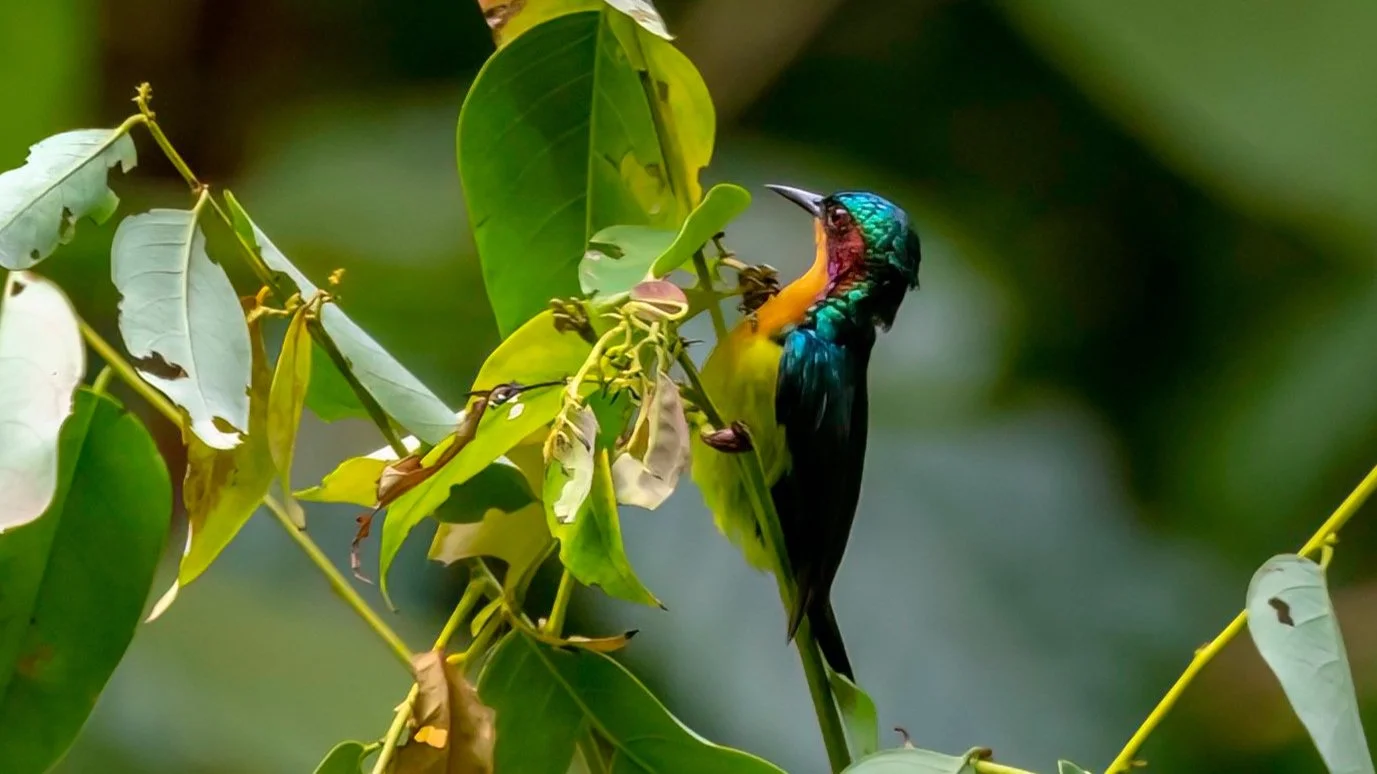


The Paddyfield or Oriental pipit is a small passerine bird in the pipit and wagtail family. It is a resident breeder in open scrub, grassland and cultivation in southern Asia east to the Philippines.
A sparrow-sized, resident pipit with brown plumage that varies in tones in different parts of its range. All birds have a bi-coloured bill with a curve to the tip of the upper bill. The breast is streaked and the upperparts have variable amounts of streaking. It is common in open habitats such as wetlands, farms, fields & even large parks. Very similar to Blyth’s and Richard’s Pipits, but relatively compact and has a more distinct eyebrow, fainter or no streaking on the back of the neck, a larger head, and a shorter tail than either Blyth’s or Richard’s.
#wildartworks, #Canon, #Birdinginthewild, #BirdWatching, #WildBirds, #naturephotography, #your_best_birds, #planetbirds, #earthcapture, #photo_pond, #earthpix, #naturyst, #conservationphotography, #yesbbcearth, #indian_wildlifes, #indianwildlifeofficial, #wildlifeonearth, #bbcearth, #natgeowild, #natgeoindia, @globalcapture, #TelanganaBirds, #Narsapur, #ammavaripetacheruvu, #warangalbirding, #Bhattupalle, #ameenpurlake, #BhigwanBirdSanctuary, #Kumbhargaon, #UjniBackwaters, #paddyfieldpipit, #orientalpipit, #pipit,