

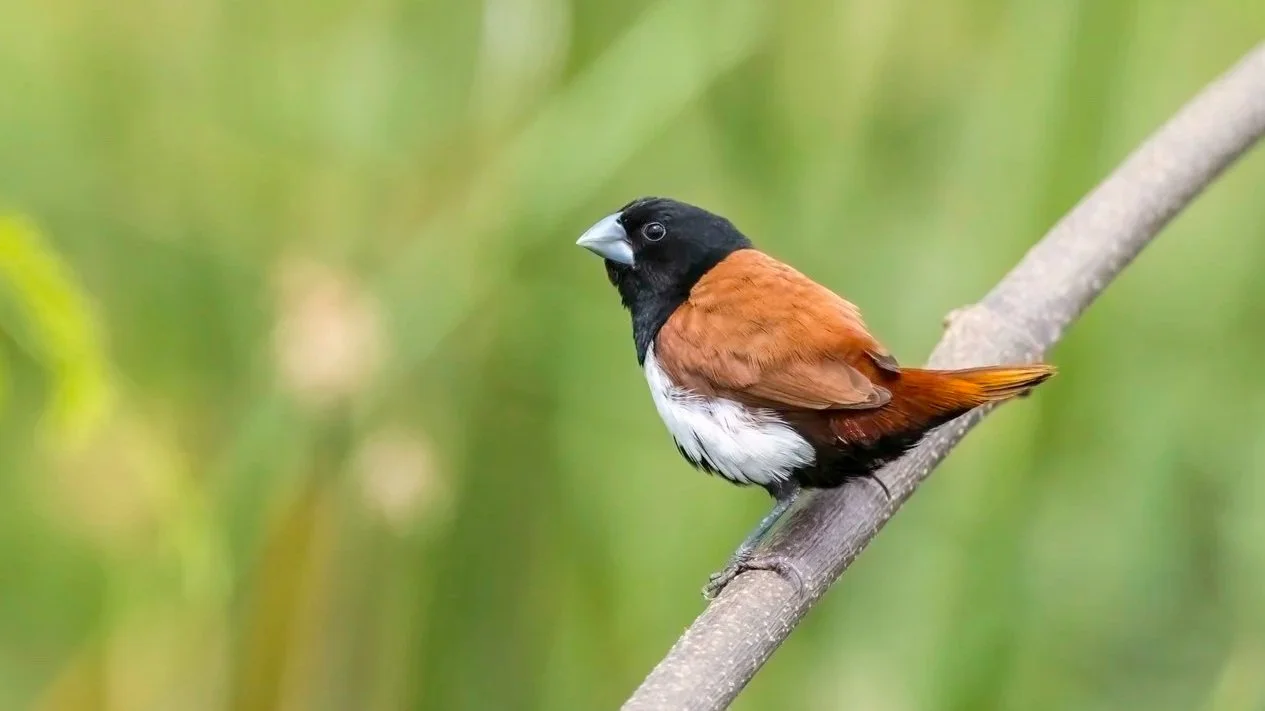
Tri-coloured Munia
Golden hour at the extensive reed beds near the quaint village of Kumbhargaon. A gentle breeze rippled through the tall grasses, making the reed heads sway in rhythmic unison. To the untrained eye, the marshy edges look quiet. But to a patient observer, the reeds come alive with frantic motion as a tiny avian jewel - the Tri-coloured Munia - prepared for its evening routine.
#wildartworks #Canon #CanonC50 #C50 #kadbanwadi #Birdinginthewild #BirdWatching #conservationphotography #bhigwan #BhigwanBirdSanctuary #Kumbhargaon #munia #tricolouredmunia

Purple Sunbird
Early mornings over the scrub forests of the Amrabad Tiger Reserve provide a fantastic opportunity to study a tiny bird with iridescent feathers. High on a skeletal branch of a teak tree, a tiny silhouette shakes off the dawn chill. As the first ray of the Telangana sun cuts through the canopy, the drab, dark bird suddenly transforms. It erupts into an electric shimmer of metallic blues, deep purples, and glossy blacks. This is the male Purple Sunbird (Cinnyris asiaticus), a living gemstone of the Indian subcontinent.
From the wild, deciduous expanses of Amrabad to the bustling, urban wetlands of Hyderabad—like Ameenpur Lake and the suburban oasis of Kudikunta Lake—this resilient avian wanderer navigates a changing world. This is the story of its life, its identity, and its struggle against a vanishing landscape.
#wildartworks, #Wildlife, #naturephotography, #conservationphotography, #yesbbcearth, #wildlifeonearth, #bbcearth, #natgeowild, #natgeoindia, #india, #ananthagiri, #ameenpurlake #amrabadtigerreserve, #purplesunbird, #sunbird
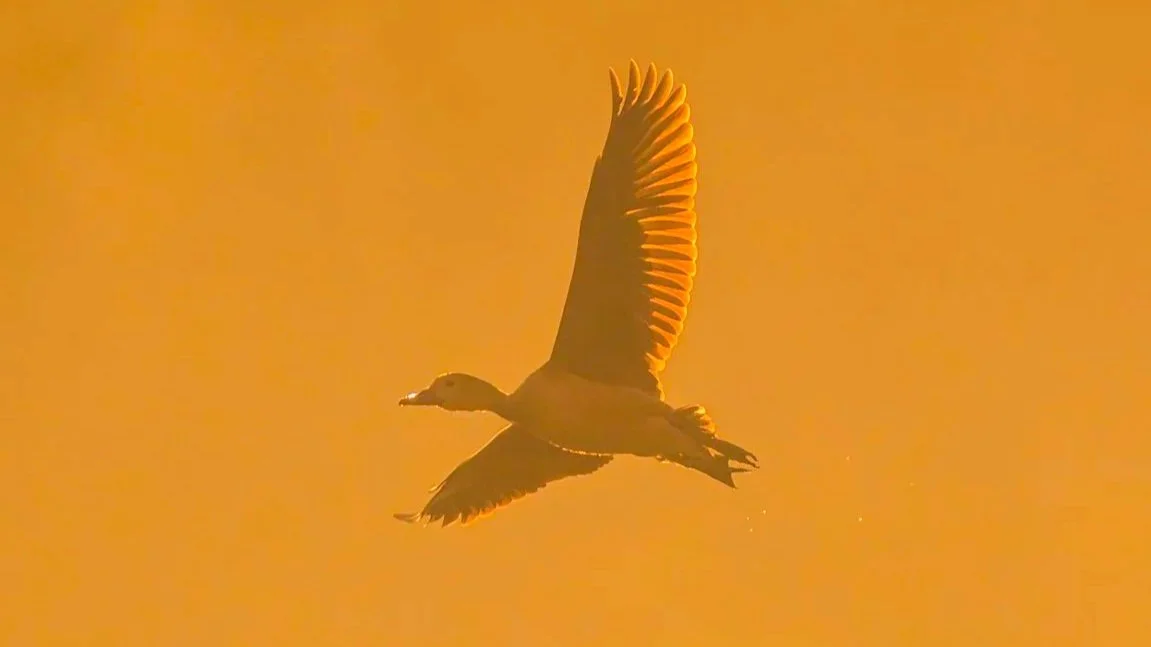
Lesser Whistling Duck
Explore how the Lesser Whistling Duck thrives amid change in Amrabad and Ameenpur Lake. Discover its beautiful physical traits, unique whistling calls, and incredible resilience across India and Southeast Asia. Read our uplifting wildlife guide today!
#WildArtWorks #AmrabadTigerReserve #TelanganaTourism #WildlifeConservation #NallamalaHills #EcoTourism #IndiaBiodiversity #AmmavaripetaCheruvu #AmeenpurLake #ManjeeraWildlifeSanctuary #HimayatSagar #OsmanSagar #LesserWhistlingDuck #Duck
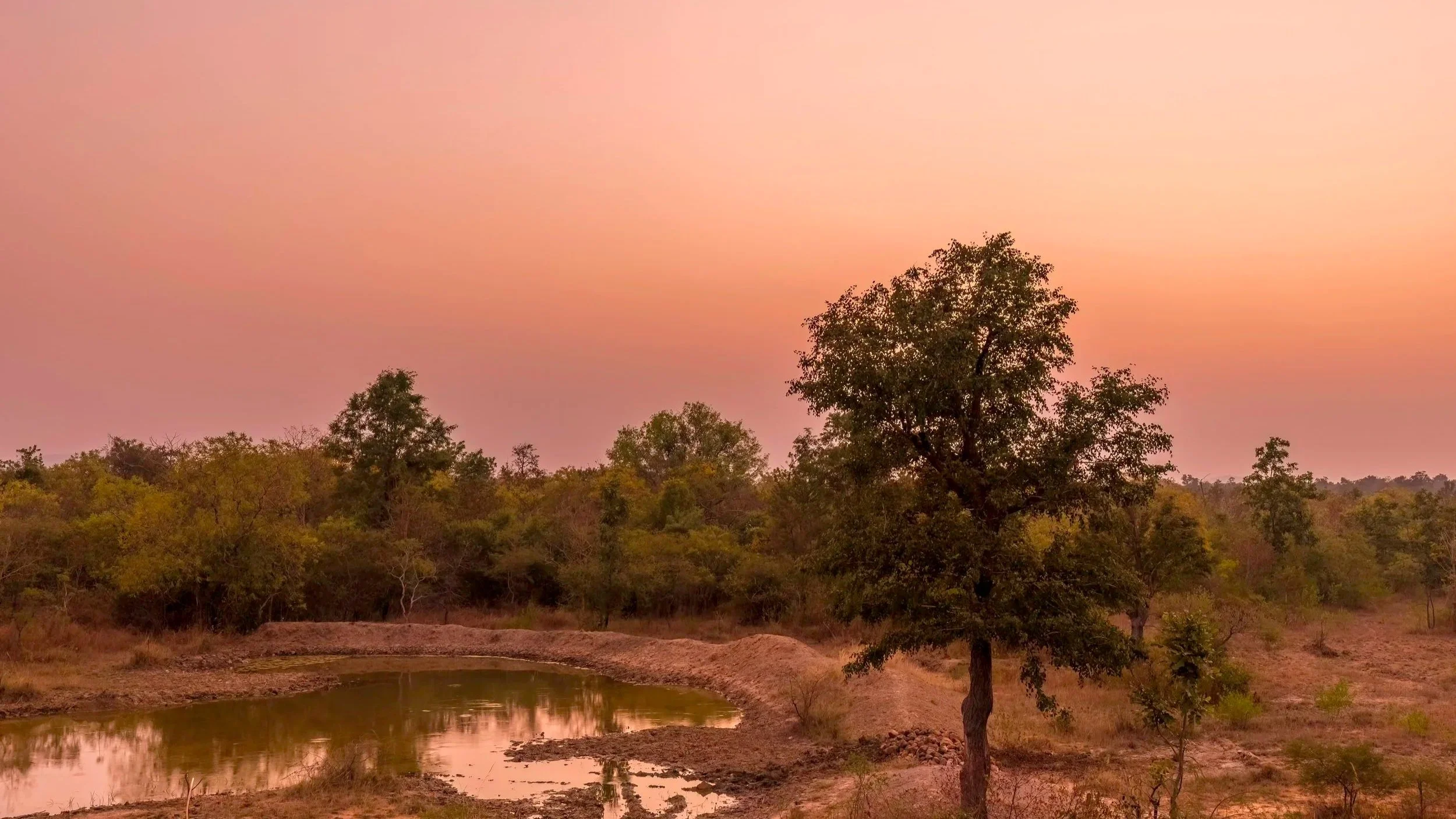
Amrabad - A Cradle of Life
Dawn did not simply break over the Nallamala Hills; it dissolved into view, bleeding a soft, amber light through a sea of ancient canopy that forms the Amrabad Tiger Reserve. Below this sweeping ocean of green, the forest did not merely exist—it breathed, exhaled a cool, heavy mist, and stirred with the restless, collective vitality of a literal cradle of life.
#WildArtWorks #AmrabadTigerReserve #TelanganaTourism #WildlifeConservation #NallamalaHills #EcoTourism #IndiaBiodiversity #CradleofLife
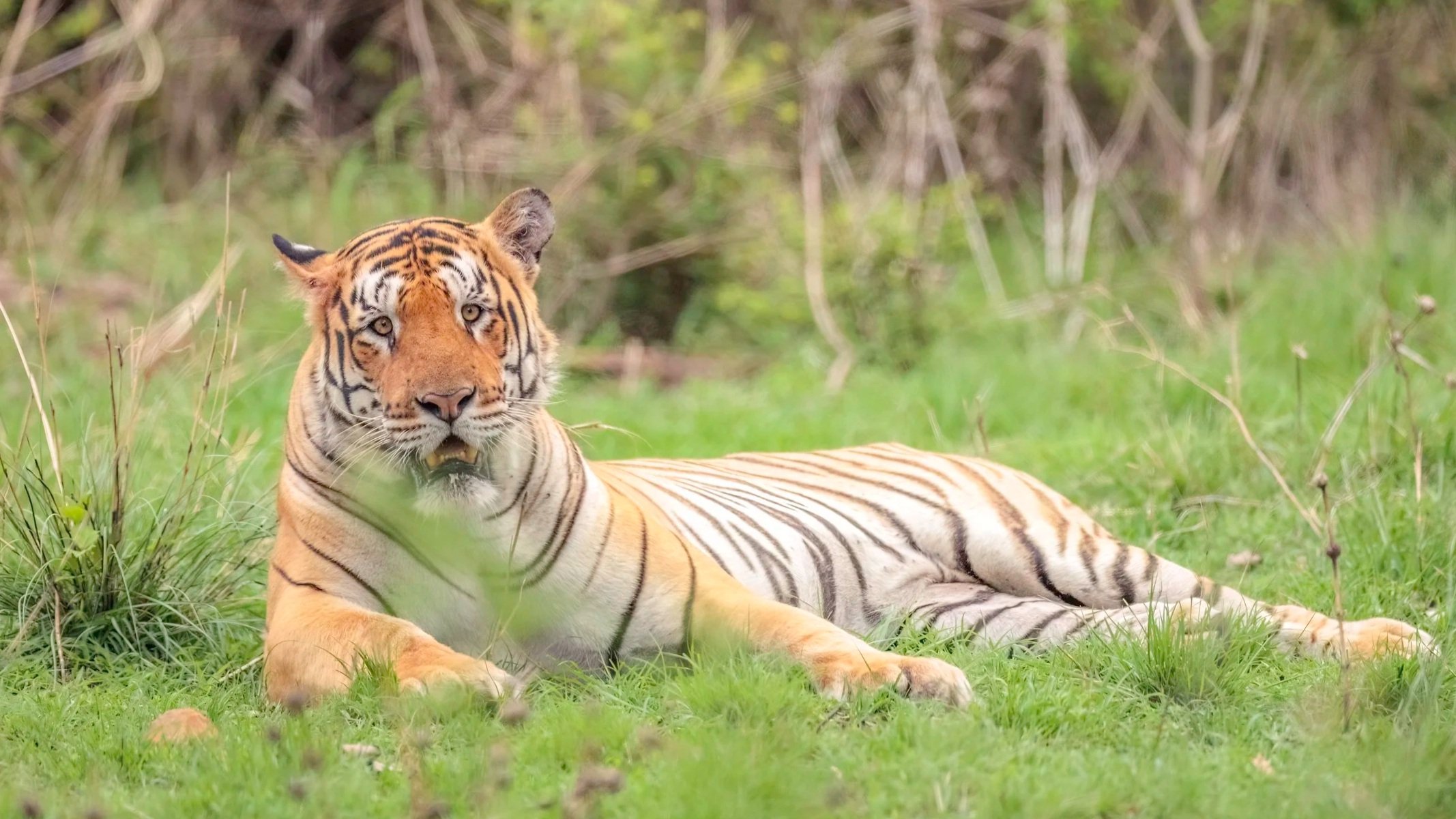
Rudra
I sat in absolute silence, my vehicle tucked discreetly beneath the overhanging canopy of an ancient anogeissus tree. My eyes were anchored to a small, vibrantly green grassy knoll that rose like an emerald island amidst the dry, dusty brushwood of the Gundam area.
Resting squarely upon that verdant knoll was the undisputed lord of the Gundam Range: a magnificent young male tiger known to conservationists as Rudra, catalogued in the official monitoring sheets as M56.
#WildArtWorks #AmrabadTigerReserve #TelanganaTourism #WildlifeConservation #NallamalaHills #EcoTourism #IndiaBiodiversity #tiger #GundamRange #Rudra #M56
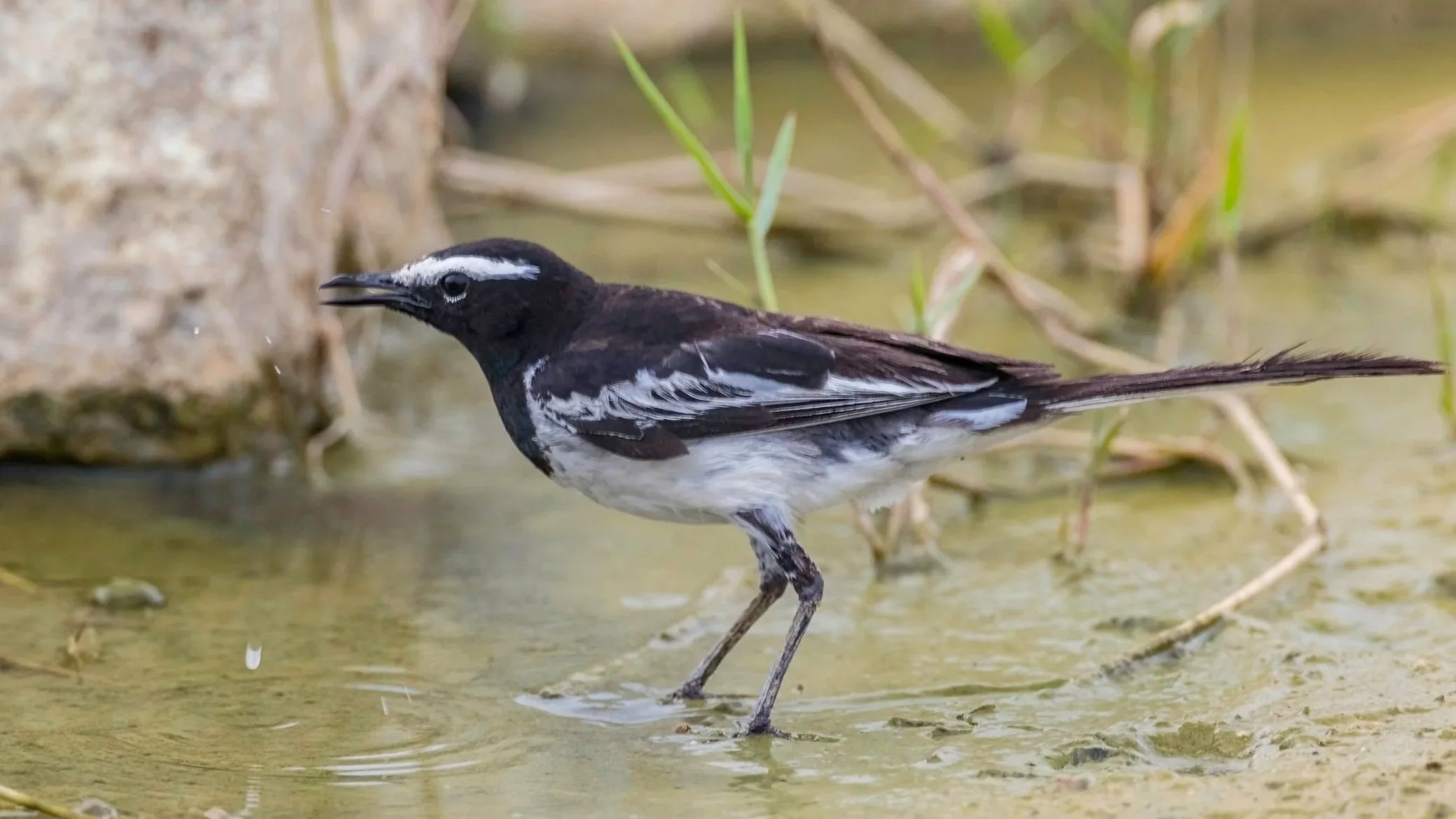
White-browed Wagtail
The morning mist over the Krishna River at the edge of the Amrabad Tiger Reserve does not lift so much as it dissolves, turning the water into a sheet of liquid pewter. Silence dominates the dawn, broken only by the distant, deep whoop of a langur. Then, a sharp, metallic chiz-zit rings out from a slick basalt boulder jutting from the current.
A small, starkly monochromatic bird drops from the overhanging bamboo canopy. It lands on the wet stone, its long tail immediately setting into a rhythmic, hypnotic up-and-down pumping motion. This is the White-browed Wagtail (Motacilla maderaspatensis), the largest of the Asian wagtails, and a permanent resident of the rugged riverine ecosystems of Telangana.
#WildArtWorks #AmrabadTigerReserve #TelanganaTourism #WildlifeConservation #NallamalaHills #EcoTourism #IndiaBiodiversity #UmaMaheshwaram #Kawal #whitebrowedwagtail #wagtail #largepiedwagtail
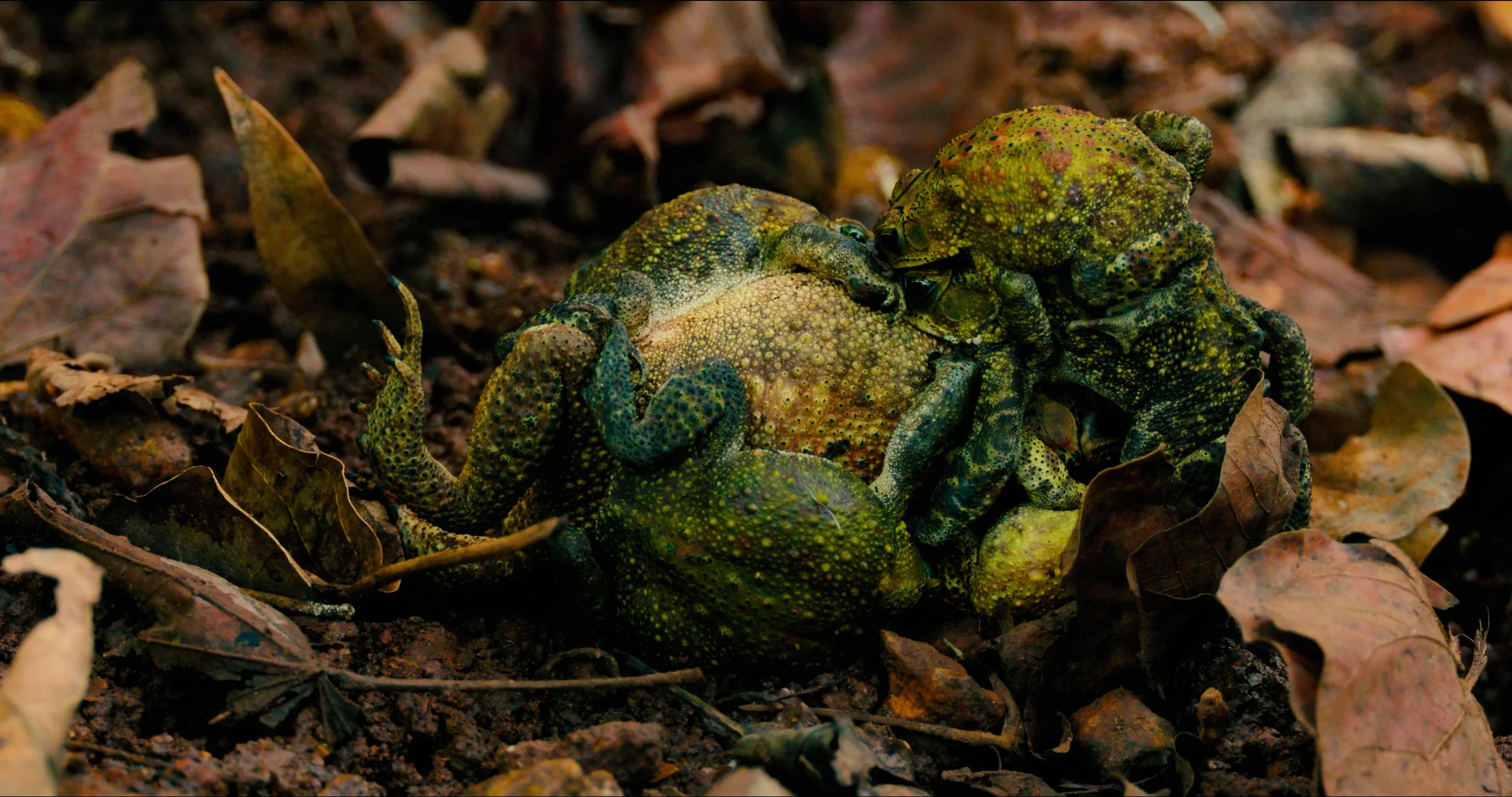
Asian Common Toad
The Asian Common Toad (Duttaphrynus melanostictus) is a resilient generalist across Telangana's forests. An explosive, monsoon-triggered breeder, its mating window lasts just 24–48 hours after first rains. To stand out in chaotic pools, males turn from dull brown to neon yellow for two days, helping identify females. Following an intense scramble for amplexus, females lay 40,000 eggs. However, climate change now disrupts this highly synchronized, weather-dependent cycle.
#WildArtWorks #AmrabadTigerReserve #TelanganaTourism #WildlifeConservation IndianCommonToad #IndiaBiodiversity #Toad #Amplexus #MatingBehaviour #monsoontriggeredbreeder #monsoonbreeder
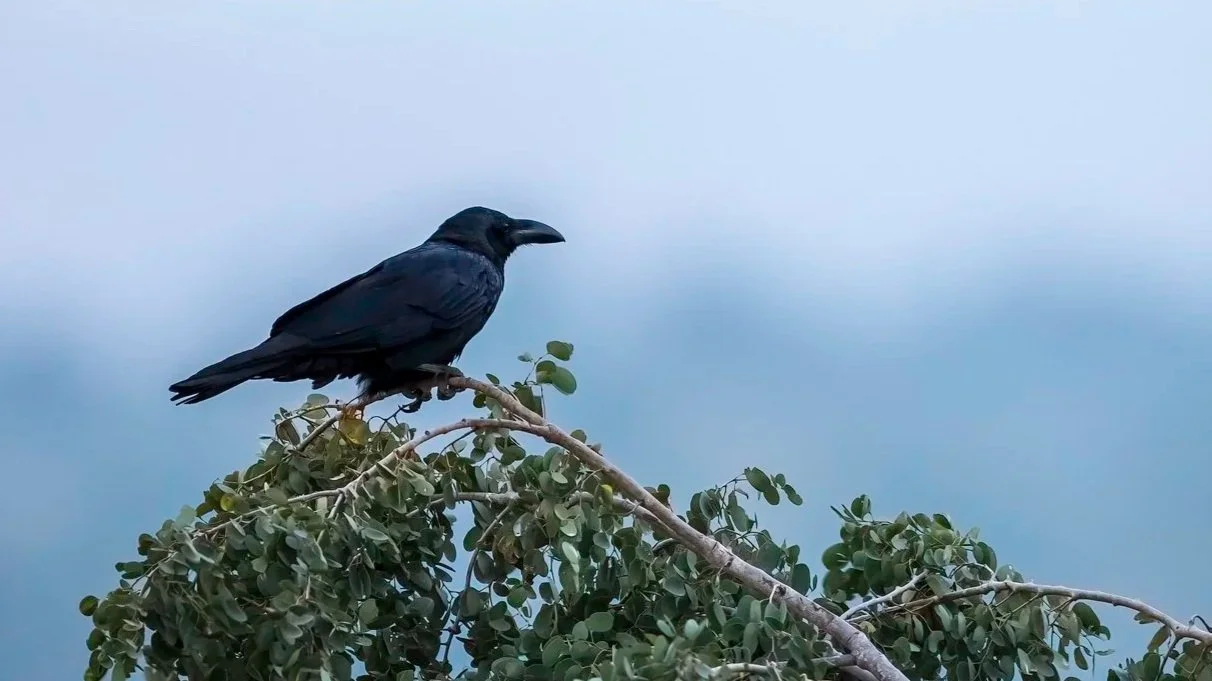
Indian Jungle Crow
The Indian Jungle Crow reminds us that every creature plays a vital role in our ecosystems. As human activity continues to change the landscapes of Telangana, the survival and adaptability of this intelligent bird will offer crucial lessons on how wildlife responds to a changing world.
#WildArtWorks #AmrabadTigerReserve #TelanganaTourism #WildlifeConservation #NallamalaHills #EcoTourism #IndiaBiodiversity #Panchgani #UmaMaheshwaram #Kawal #IndianJungleCrow #Crow #intelligentbird