
Lesser Whistling Duck
Dendrocygna javanica
The Whistling Nomads of Telangana
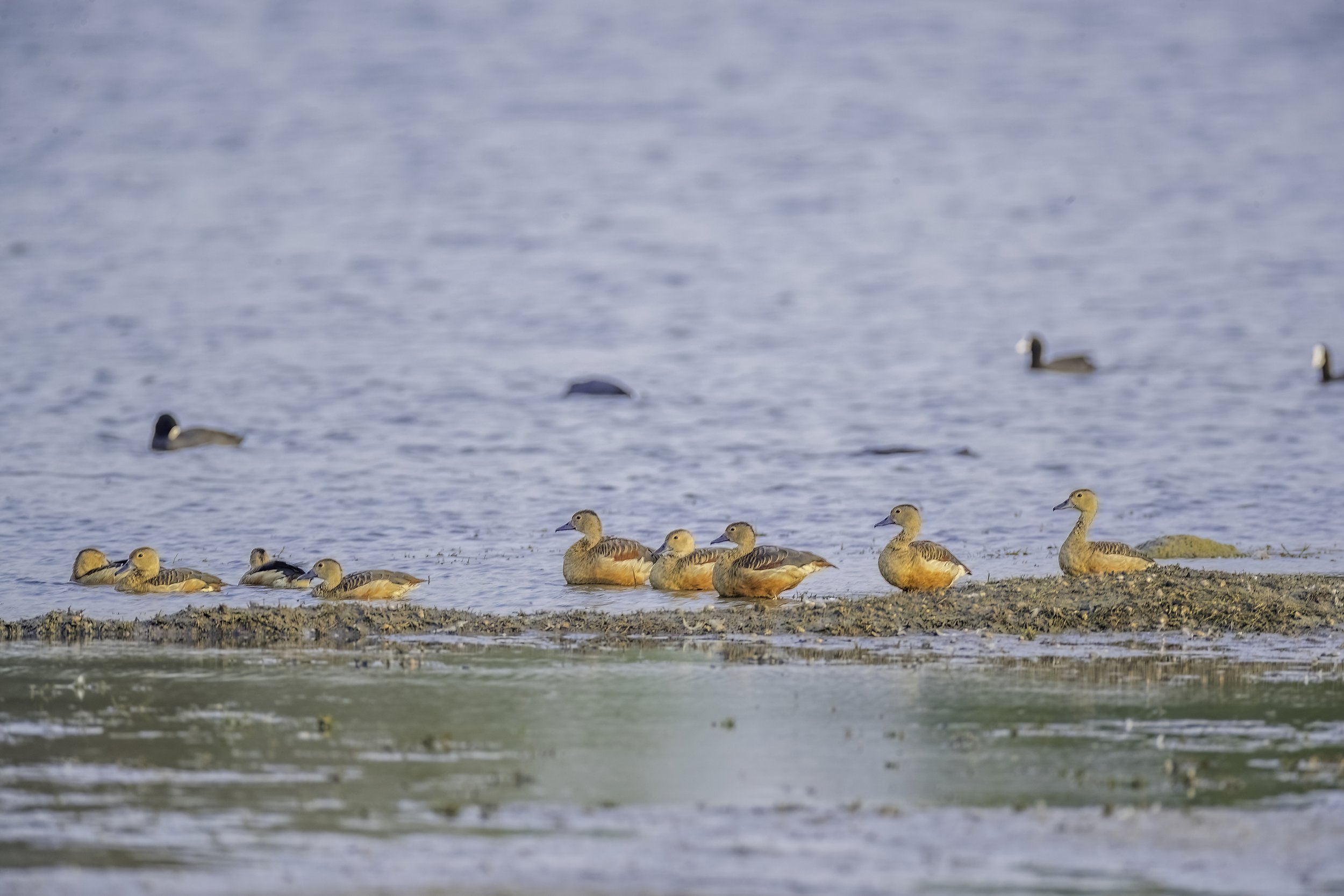
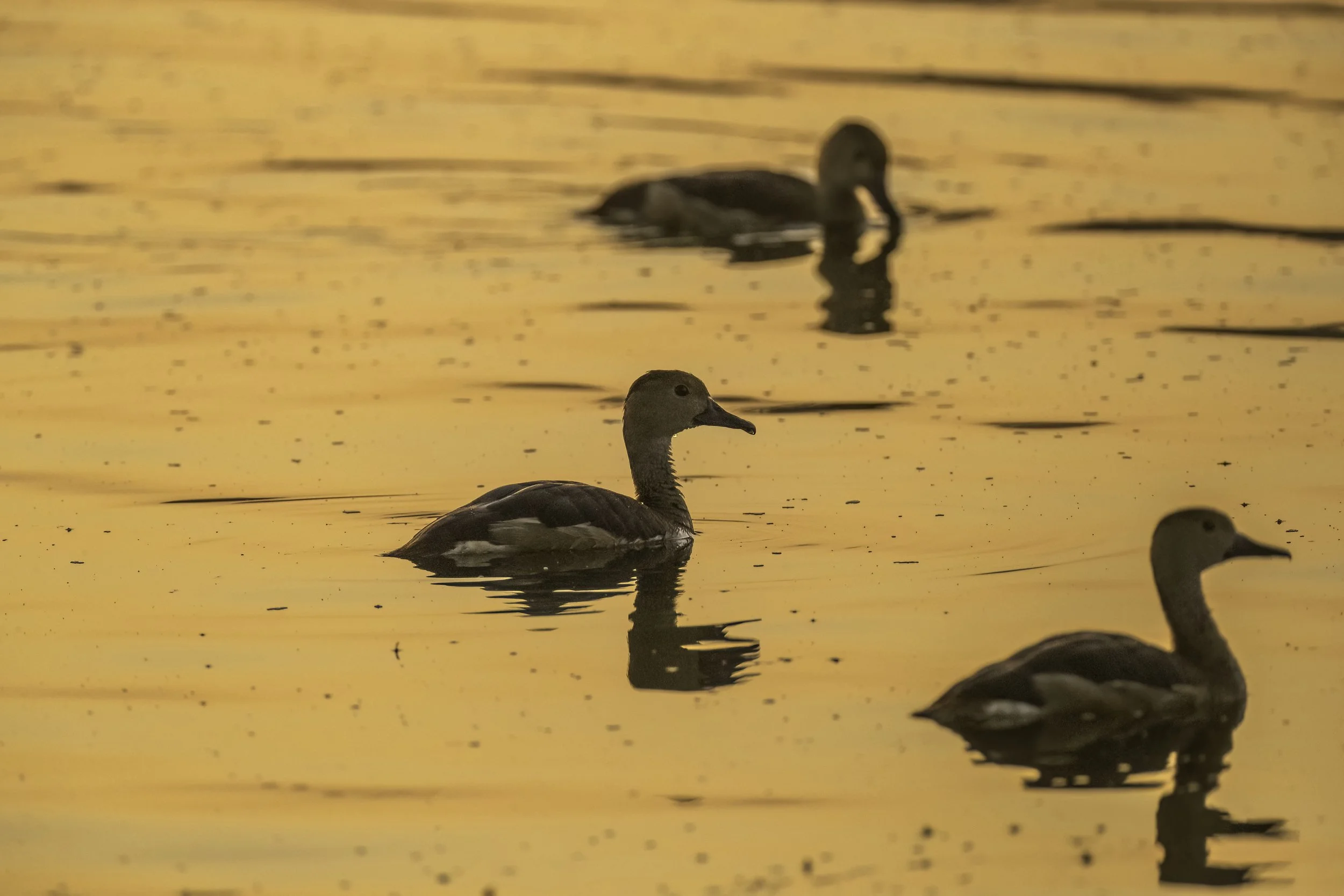
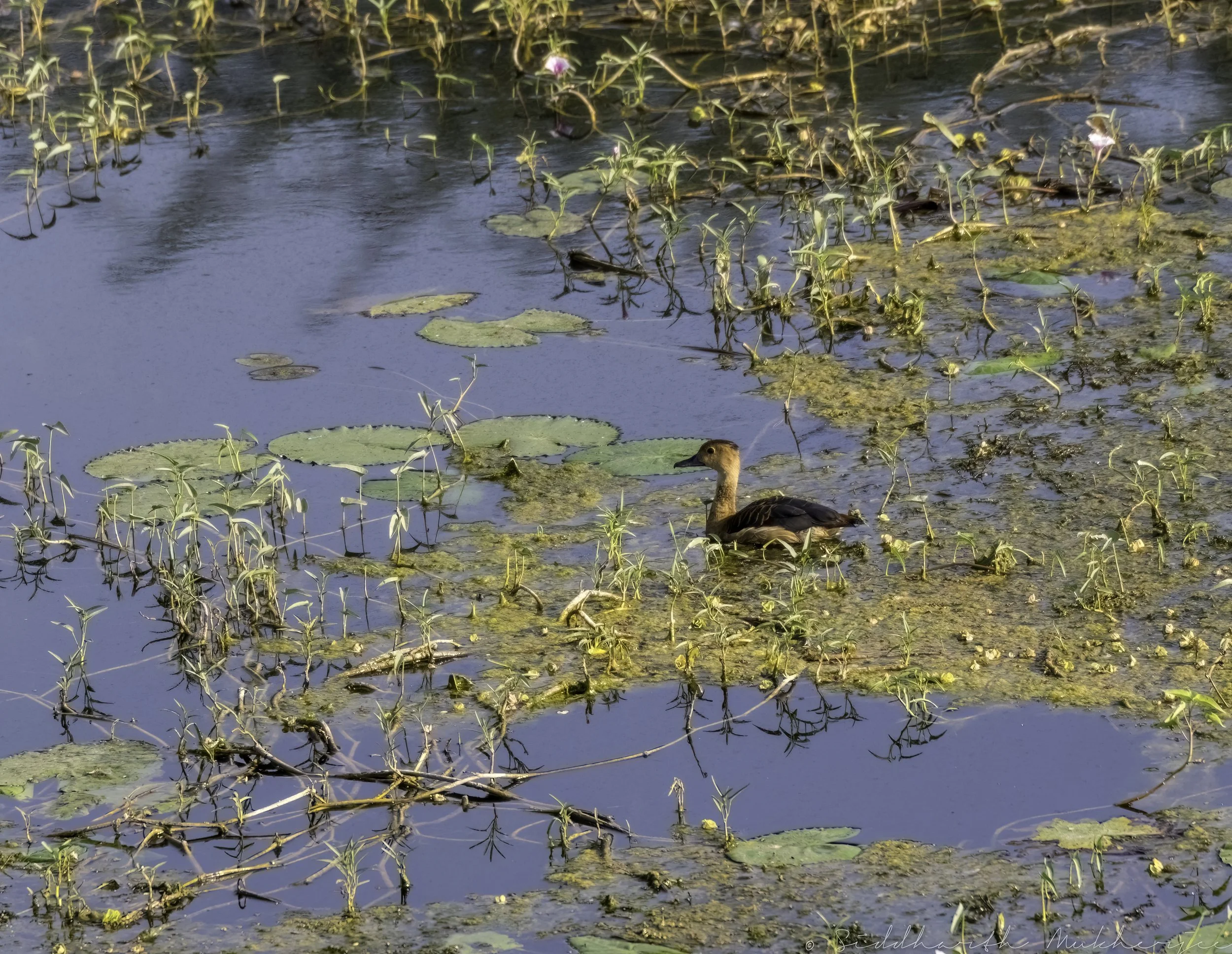
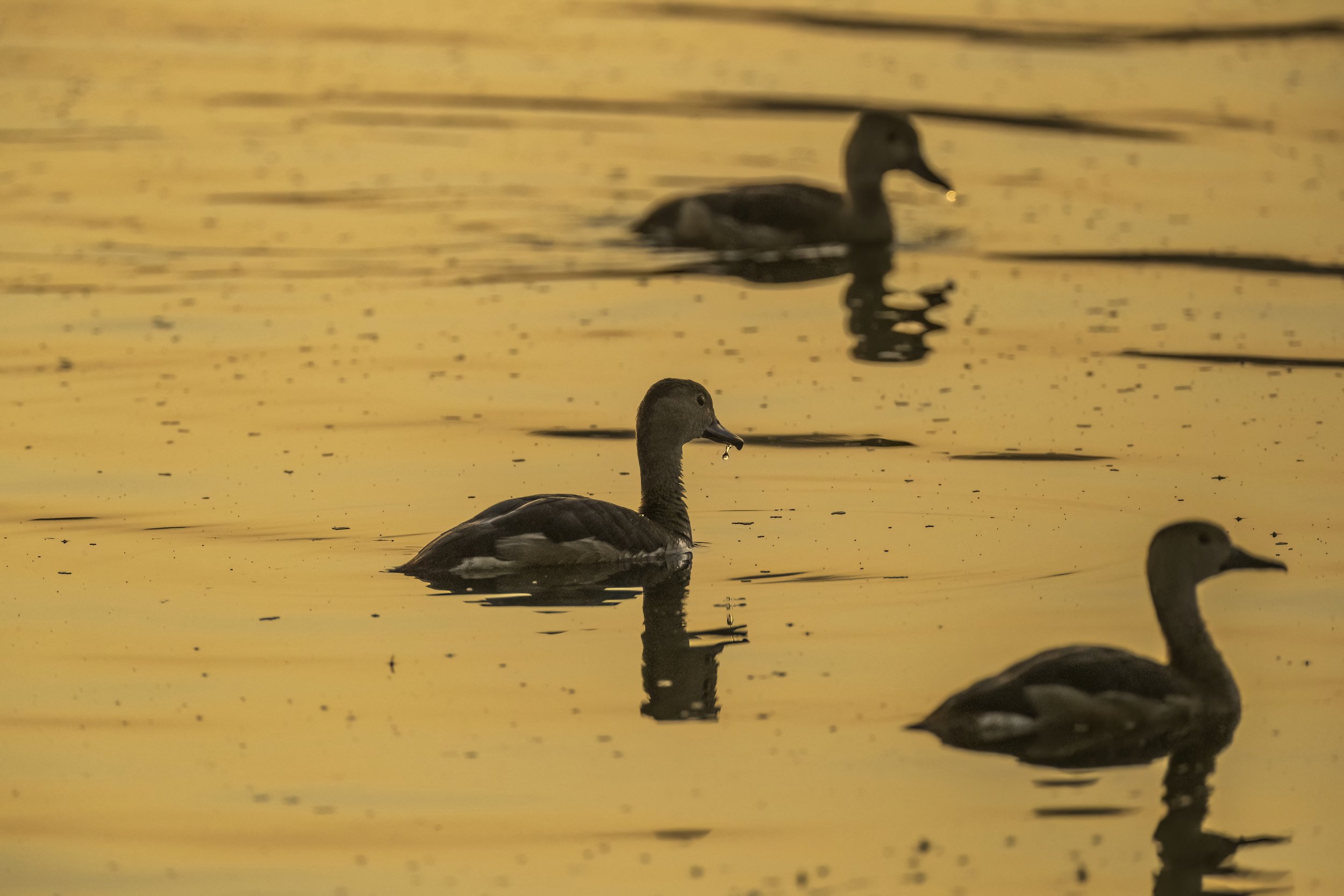
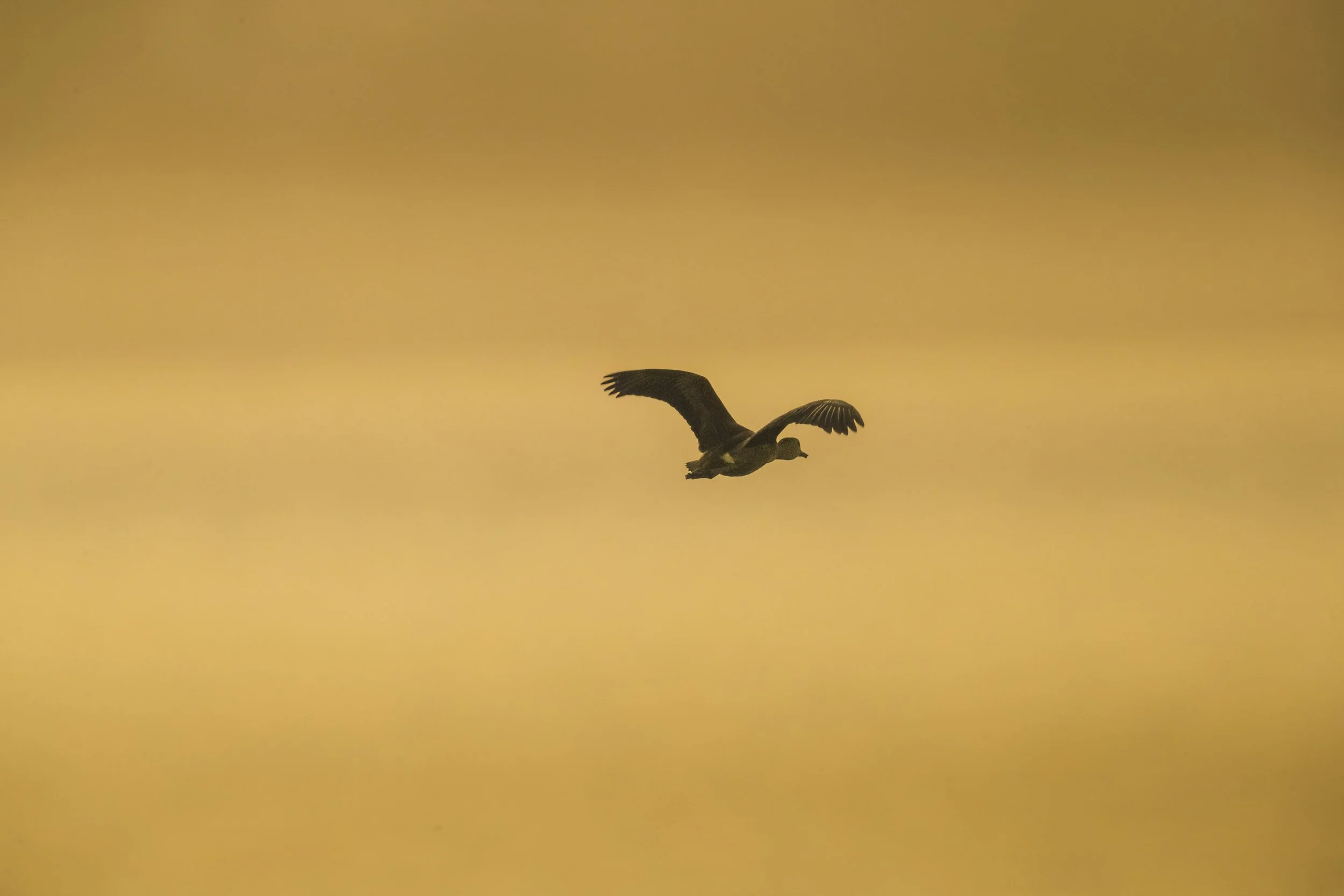
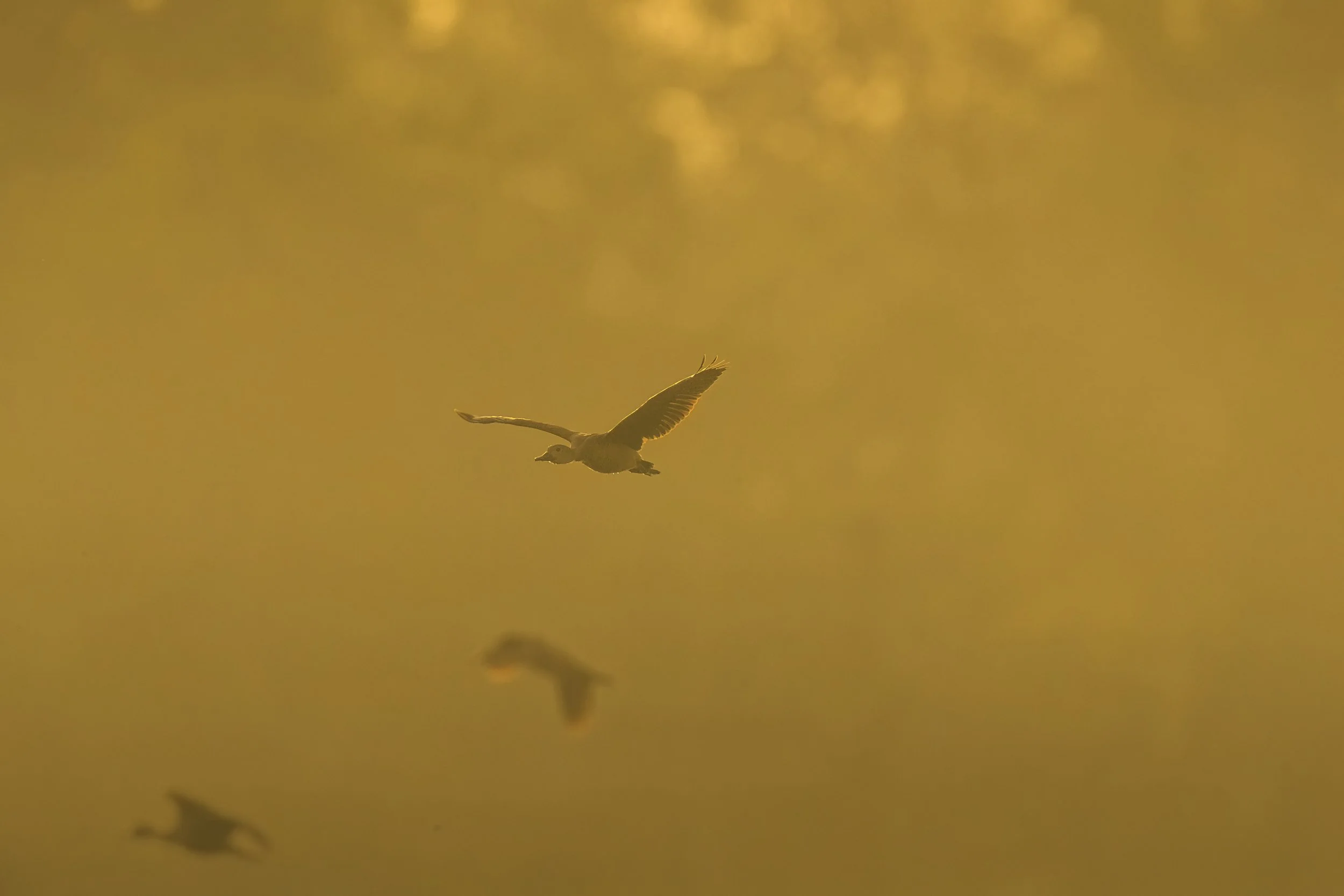
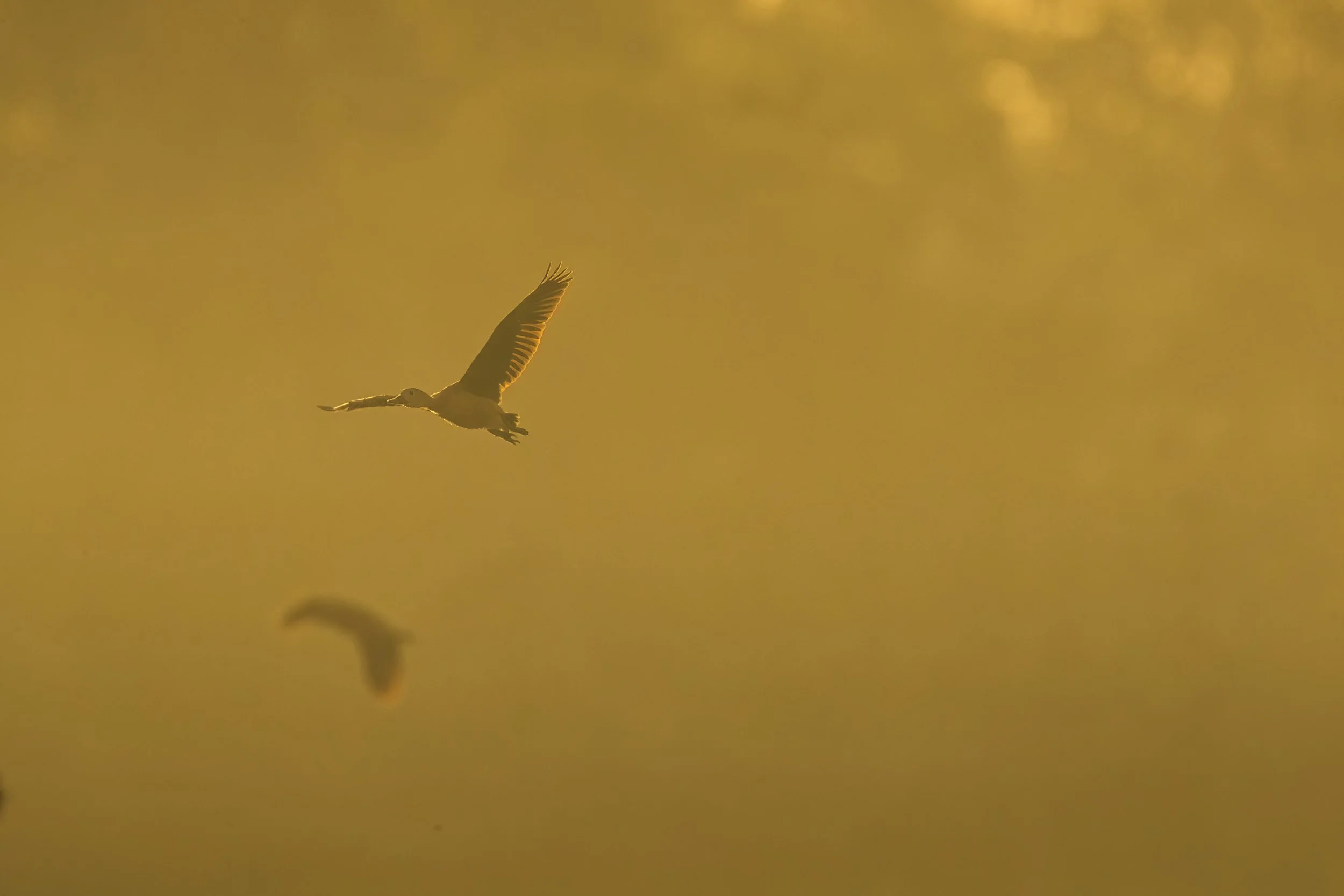
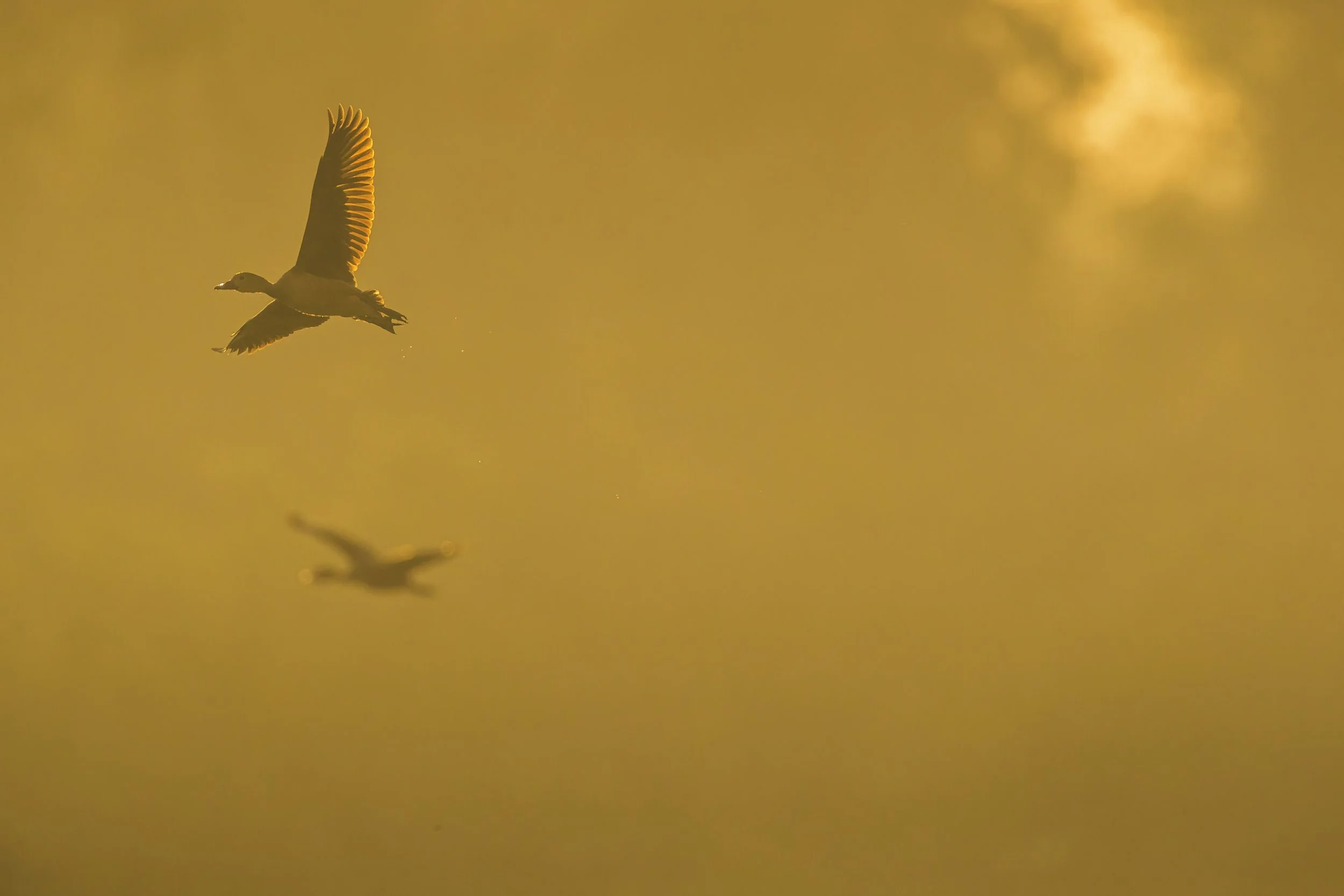
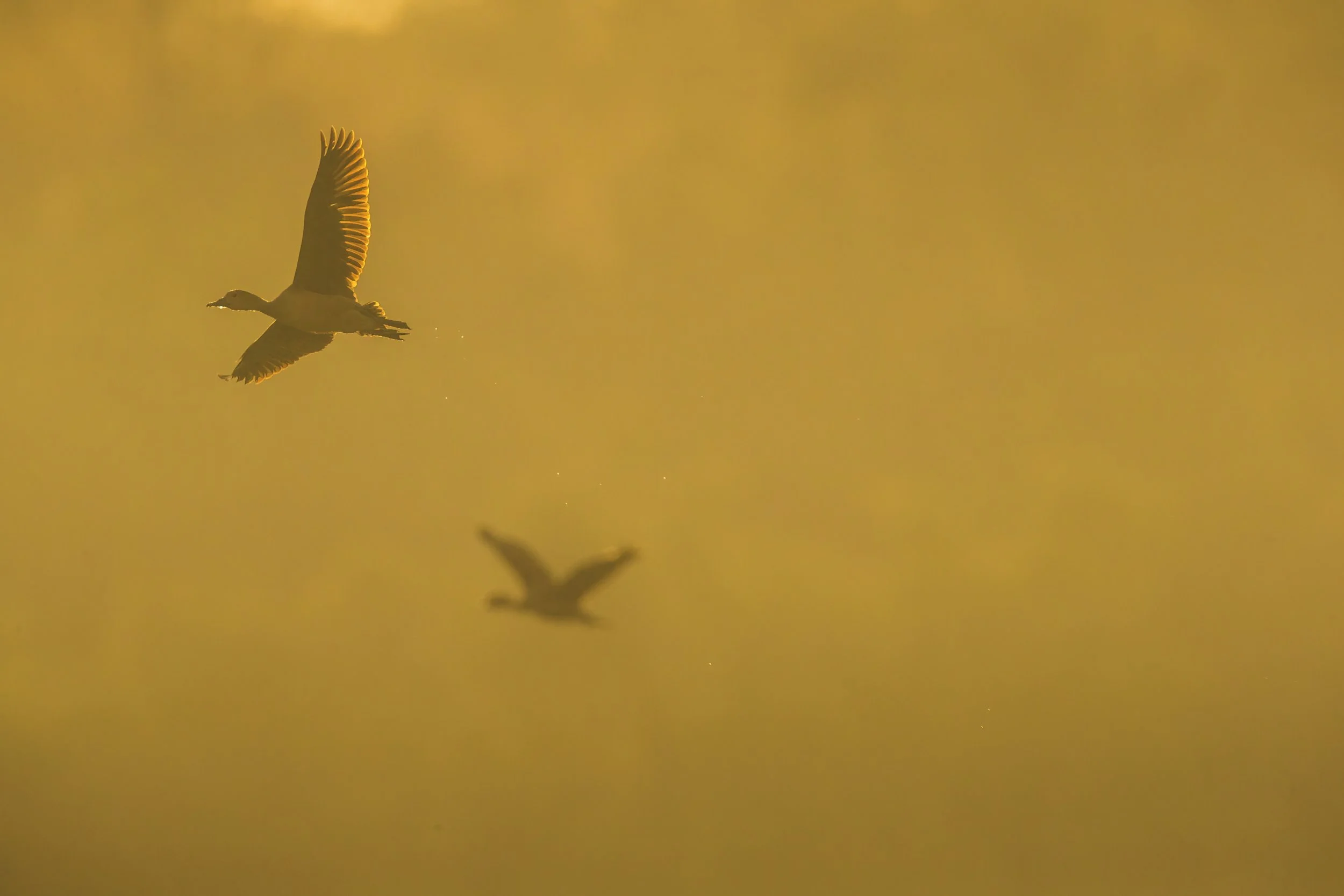
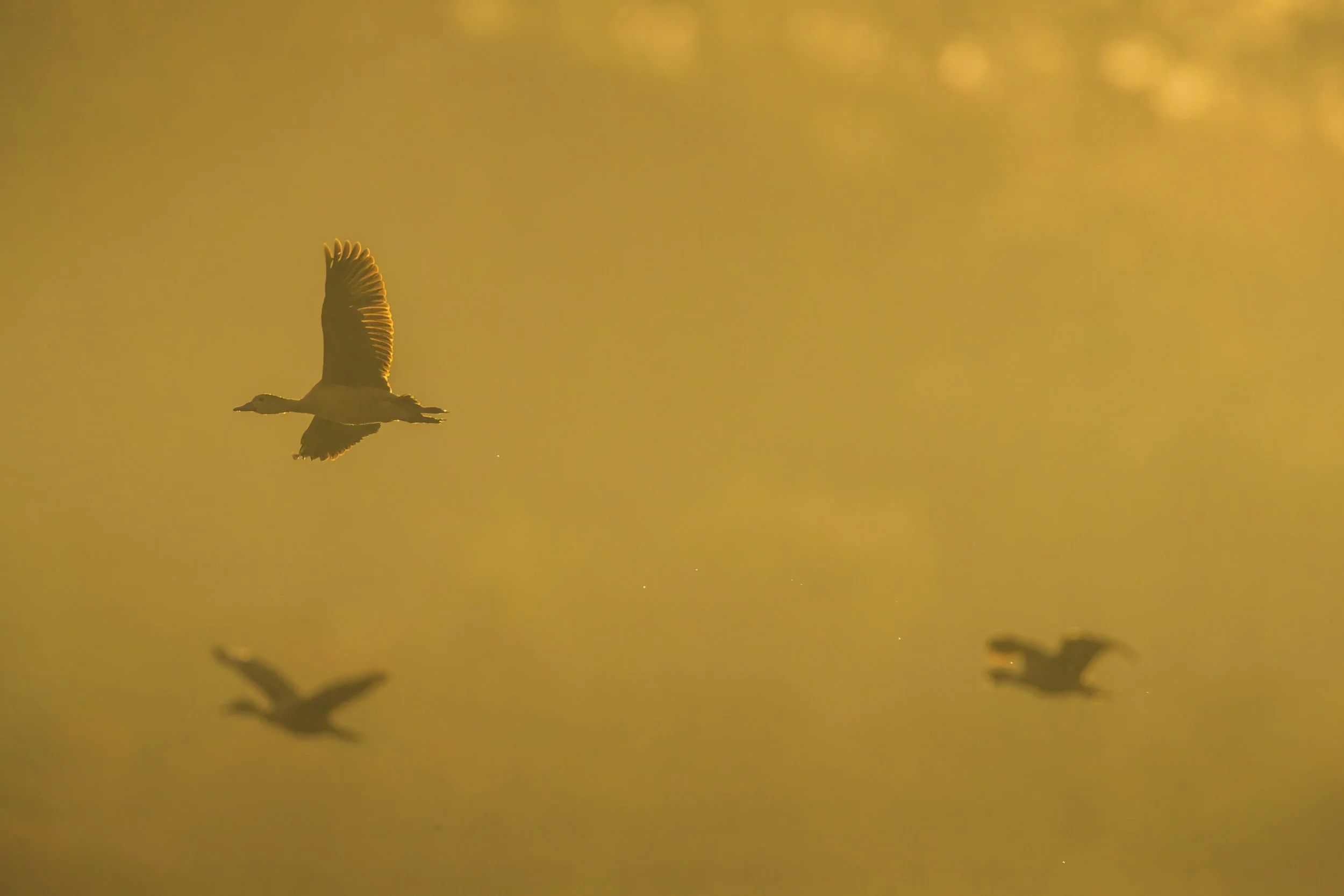
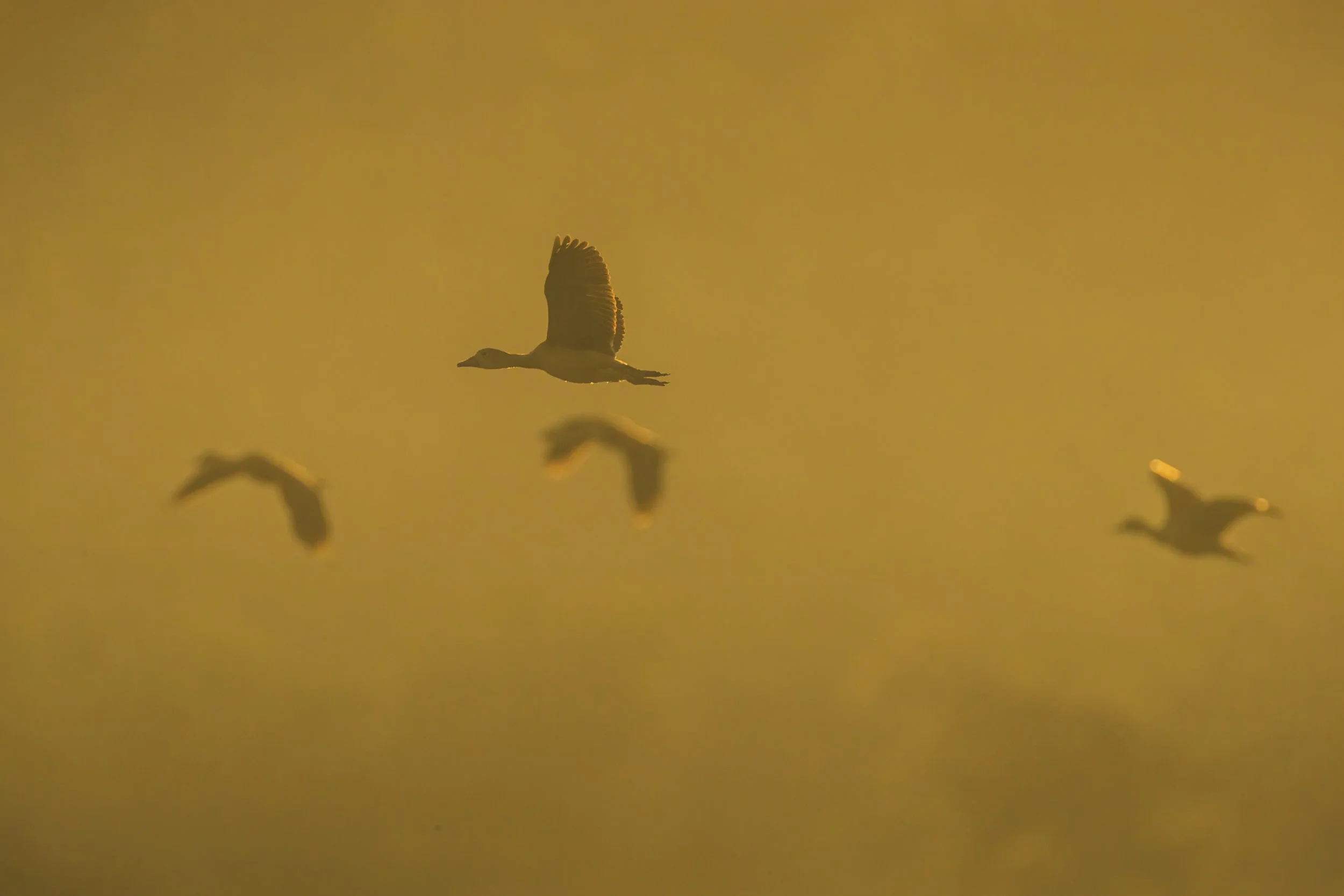
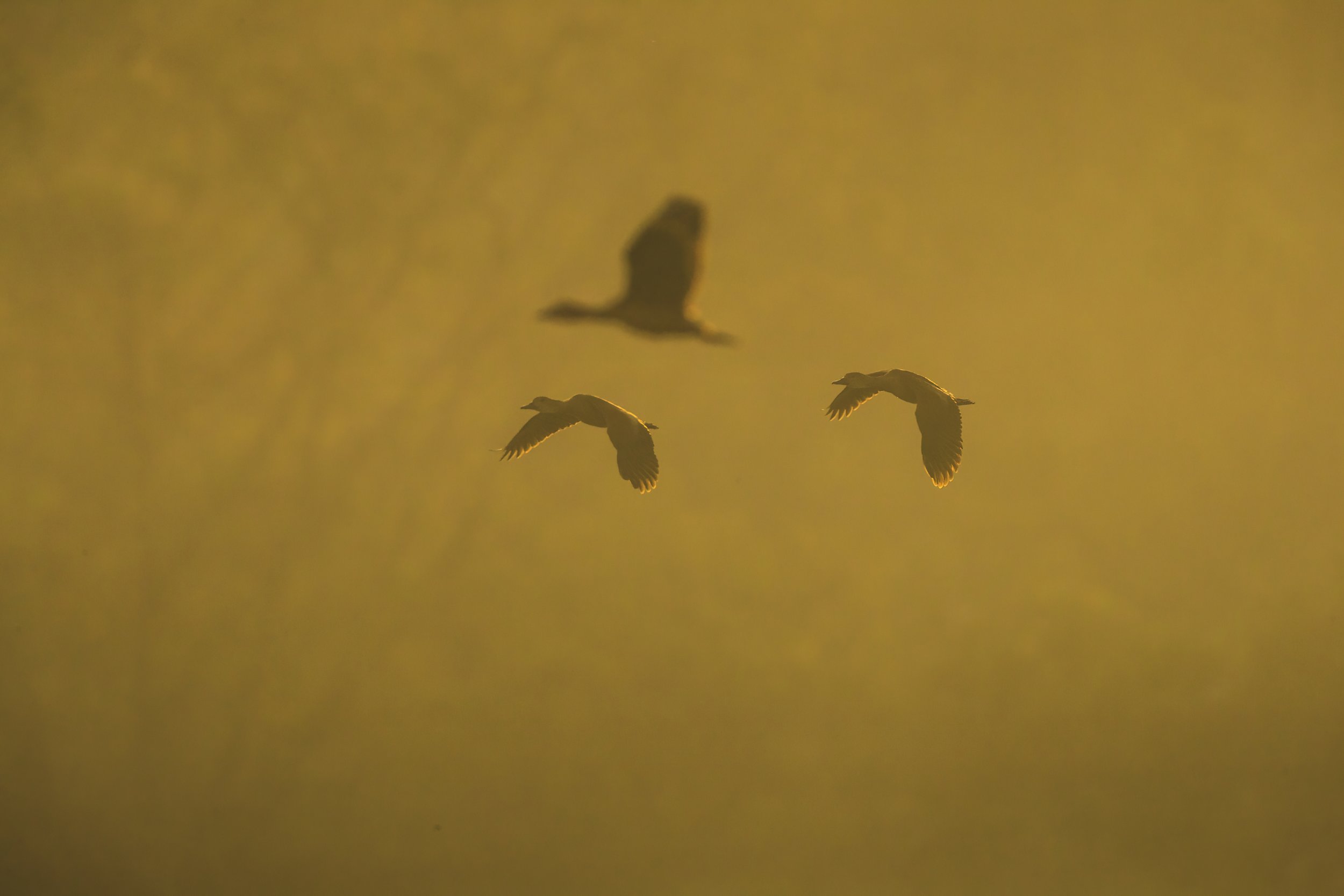
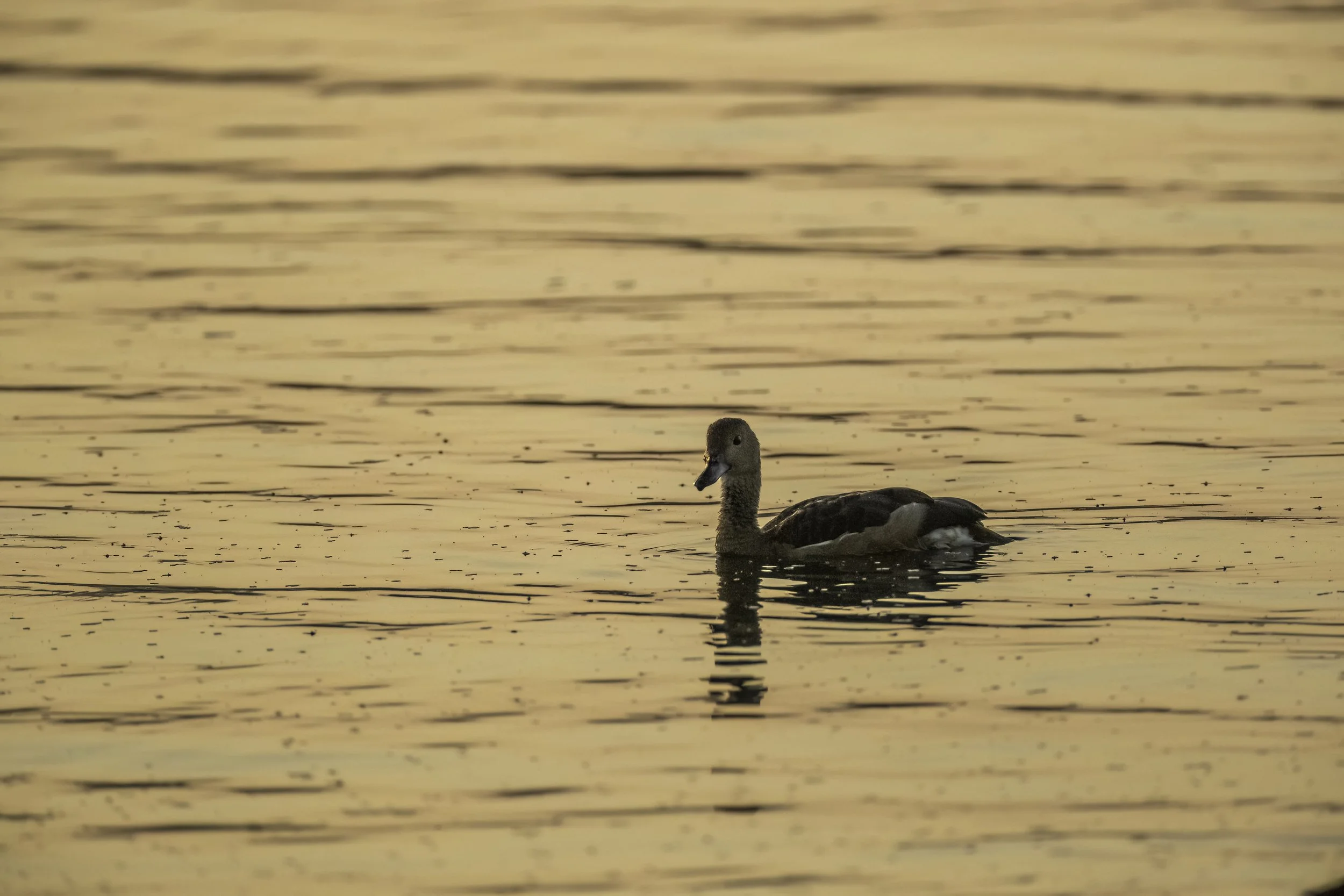
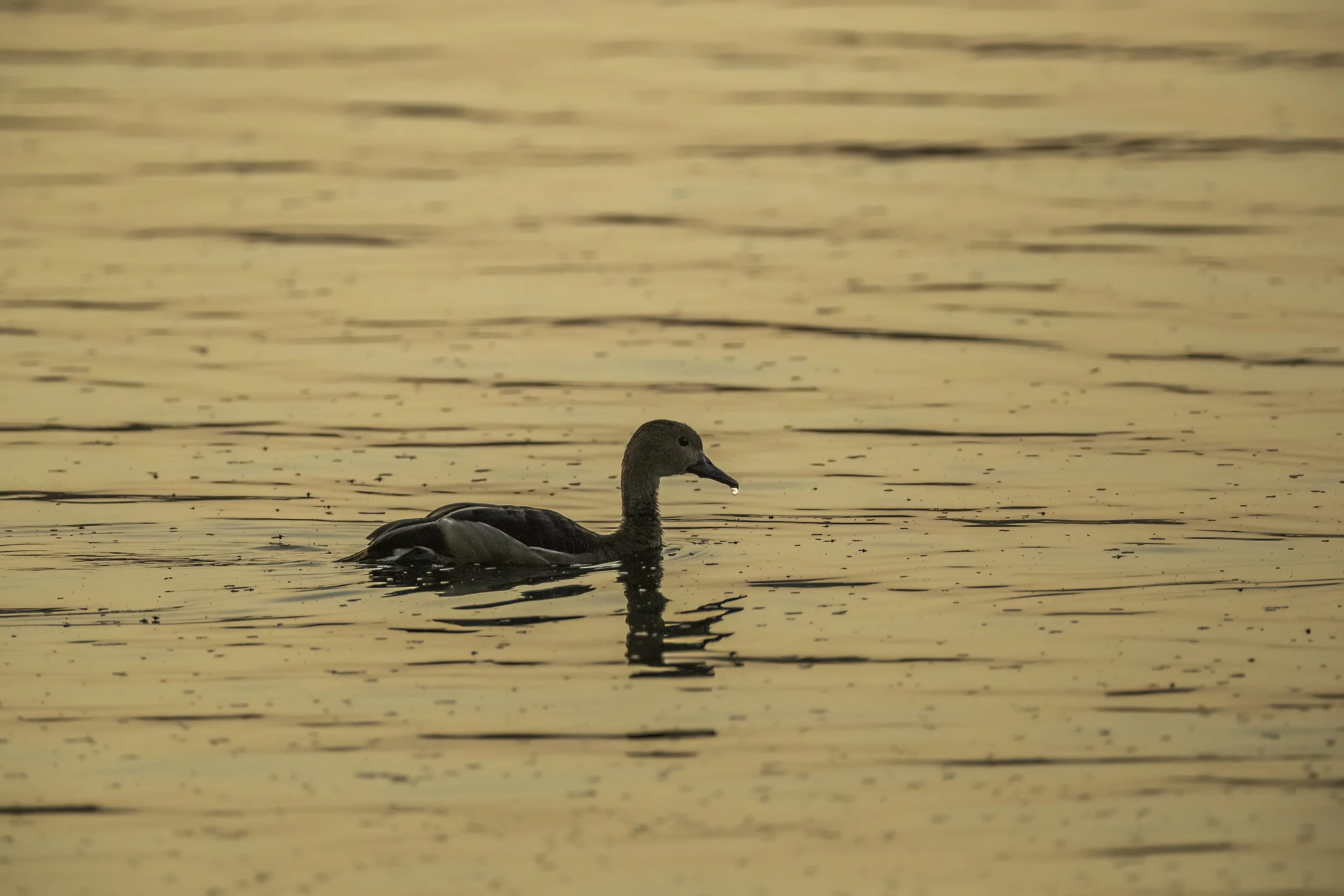
The mist hangs heavy over the secluded Mallucheruvu forest lake deep within the Amrabad Tiger Reserve, one of India's largest protected wild landscapes stretching across the rugged Nallamala Hills of Telangana. As the first amber rays of the sun pierce the dense canopy of teak and bamboo, the stillness of the water is broken not by a tiger's roar, but by a high-pitched, musical wheezing that echoes through the trees. A flock of medium-sized, long-necked waterfowl glides effortlessly out of the morning haze. These are Lesser Whistling Ducks (Dendrocygna javanica), known locally for their distinctive, cricket-like whistling calls that define the soundscape of India's tropical wetlands. These birds present an image of perfect evolutionary adaptation. They sit high in the water, their silhouettes distinctly upright, resembling miniature geese more than typical dabbling ducks. In the pristine confines of Amrabad, where human disturbance is strictly limited, their behavior remains tied to ancient rhythms. Yet, outside this protected haven, the story of the Lesser Whistling Duck shifts from one of serene survival to a complex battle against rapid ecological transformation.
Telangana is endowed with rich diversity of flora and fauna (Species Directory). It has dense teak forests on the northern part along the banks of river Godavari and to the south along the banks of the Krishna. As per the Champion & Seth Classification of Forest Types (1968), the forests in Telangana belong to three Forest Type groups, which are further divided into 12 Forest Types. The State Government’s massive greening programme, 'Telangana Ku Harita Haram', aims at achieving the twin objectives of increasing the forest cover and reduce pressure on the existing forest resources, through massive community participation by Vana Samrakshna Samithis (VSS) and Eco-Development Committees (EDCs) in Protected Areas and Watershed Development Committees in the Watershed areas. Recorded Forest Area (RFA) in the State is 26,904 km² of which 20,353 km² is Reserved Forest, 5,939 km² is Protected Forest and 612 km² is Unclassed Forests.
Three National Parks and nine Wildlife Sanctuaries constitute the Protected Area network of the State covering 5.08% of its geographical area and our focus area today is within the north western fringe of the Nallamalla forest - the Amrabad Tiger Reserve - India's second-largest tiger reserve by core area (2,611 km²). Known for its rugged terrain, deep gorges, and dry deciduous forests, it hosts Bengal tigers, leopards, and over 300 bird species. The river Krishna flows through it, supporting rich biodiversity and the indigenous Chenchu tribes.
Mannanur Range, Amrabad Tiger Reserve
The area surrounding the Uma Maheshwaram Temple (perched at approximately 500m elevation) is a unique microclimate within the Mannanur Forest Range. This is a temple dedicated to the Hindu god Shiva located around 100 km from Hyderabad on the Hyderabad-Srisailam highway, about 4 kms from the village of Rangapur, Achampet. Uma Maheshwaram is the northern gateway of Srisailam — one of the jyotirlingas, on a hill surrounded by high trees. Nearby hills shield the Uma Maheshwaram temple and the 500-metre stretch to PapaNasanam from sunlight for most of the day, maintaining a temperature lower than the surroundings through out the year. The area abounds in flora and fauna.
The "Kinnerasani" Cliffside
The temple is built into a massive rock face. The surrounding vertical cliffs provide nesting sites for raptors and are often shrouded in mist during the monsoon, creating a humid pocket that supports lusher vegetation than the parched plains below. A key feature is the "Papanasanam," a perennial spring that trickles through the rocks year-round. This constant water source makes the temple vicinity a magnet for wildlife, especially during the scorching summer months (March–May). The flora is dominated by Teak (Tectona grandis), Anogeissus latifolia (Tiruman), and Boswellia serrata (Anduk). In the wetter ravines near the temple, you’ll find giant Ficus trees and lush ferns that contrast with the scrubbier bamboo thickets of the lower slopes.
The high verticality and varied canopy of Mannanur host a staggering array of life. This is a prime spot for the elusive and Vulnerable Yellow-throated Bulbul (found among the rocky boulders) and the Painted Spurfowl. The cliffs are home to the Shaheen Falcon and Critically Endangered Indian Vultures. The forest floor is patrolled by Leopards, Sloth Bears, and ungulates like Chital and Sambhar. The rocky terrain is particularly suited for the Four-horned Antelope (Chousingha), while Langurs are ubiquitous near the temple complex. The leaf litter hides the Indian Rock Python and various pit vipers. The area is also a "butterfly hotspot," particularly after the first rains when Common Mormons and Blue Tigers congregate near the forest streams. The Nallamalas are known for medicinal plants like Pterocarpus santalinus (Red Sanders) and various rare orchids that bloom briefly during the wet season. The air here is noticeably cooler than in Mannanur village, and the soundscape is a constant layer of cicadas and the echoing calls of the Malabar Whistling Thrush in the deeper valleys.
There are also numerous Chenchu sacred groves in the vicinity. These “Sacred Groves”, hidden "islands" of dense, untouched vegetation that serve as the spiritual anchors for the Chenchus in their small, bee-hive shaped, traditional settlements, known as pentas. These groves are more than just clusters of old-growth trees; they are the spiritual sanctuaries of the tribe, acting as living temples where deities like Garelamai Sama, the goddess of the forest, are believed to dwell. The tribe, which has 26 distinct gotras (clans), performs rituals for deities like Garelamai Sama and Gangamma (the Water Goddess), often during the month of Shravan.
Because these patches of land are considered the residence of the divine, hunting and logging are strictly forbidden within their boundaries. This traditional belief system has created accidental but vital biodiversity hotspots, preserving rare flora and fauna that thrive under the tribe’s spiritual protection. The Chenchus live by a strict ethos of reciprocity—taking only what is necessary, such as leaving honey larvae behind to ensure the bees return, maintaining a perfect balance between man and nature. To step into a Chenchu Sacred Grove is to enter a space where human law bows to divine order. No axe is ever raised here & even the collection of fallen wood is often forbidden, ensuring these pockets remain pristine refuges for rare medicinal plants and the very wildlife the reserve seeks to protect.
Read more about the Chenchu Sacred Groves.
Lesser Whistling Duck
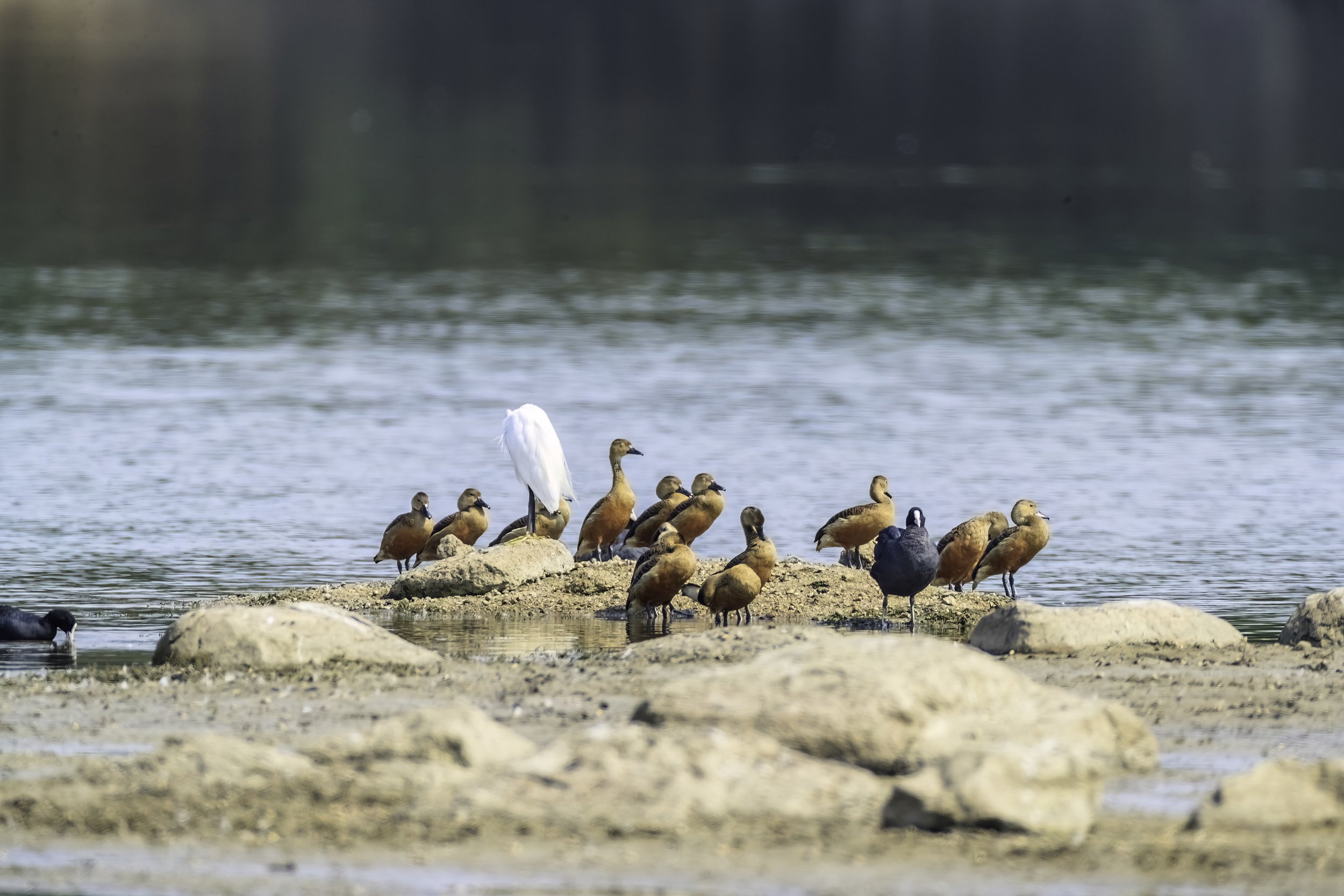
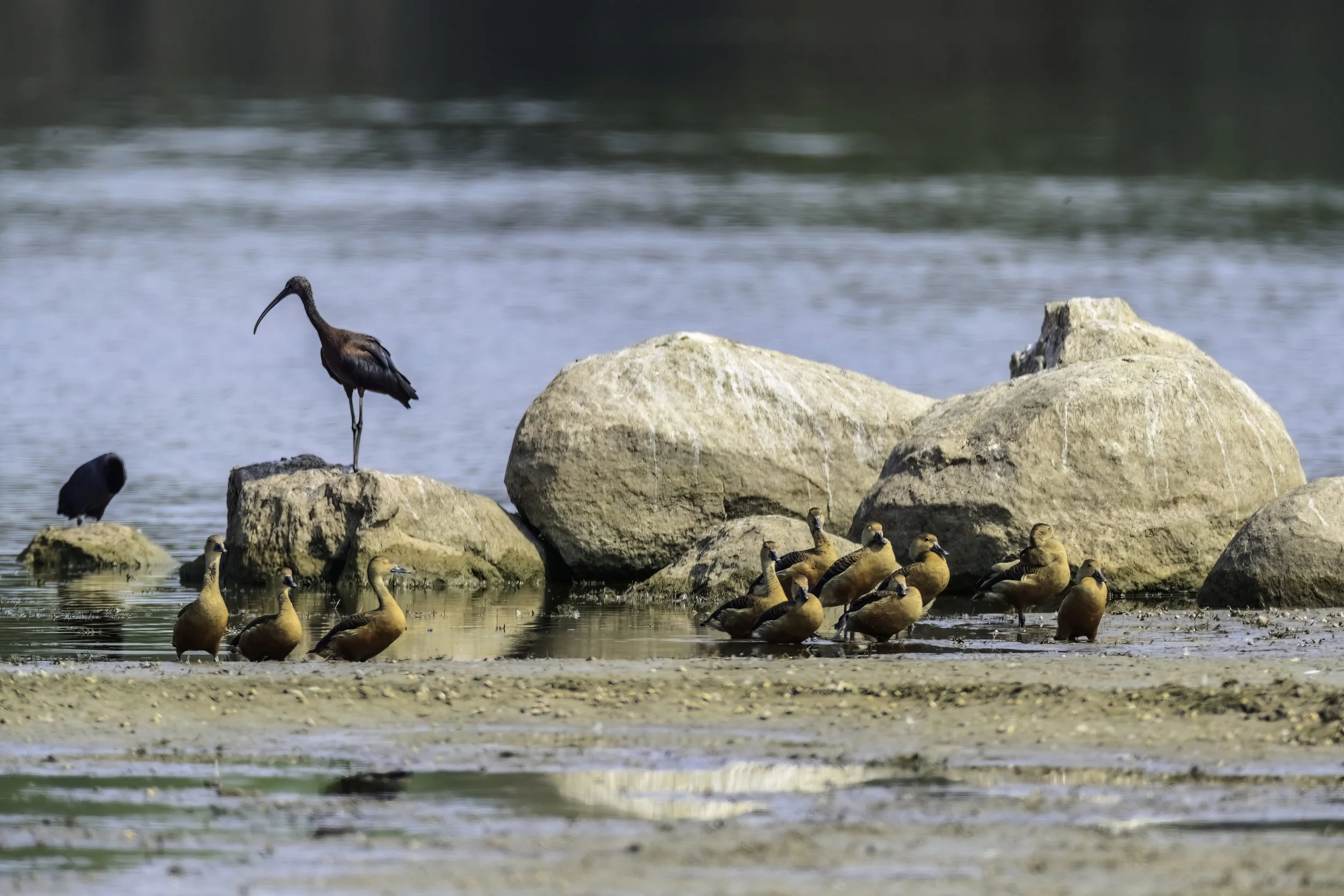
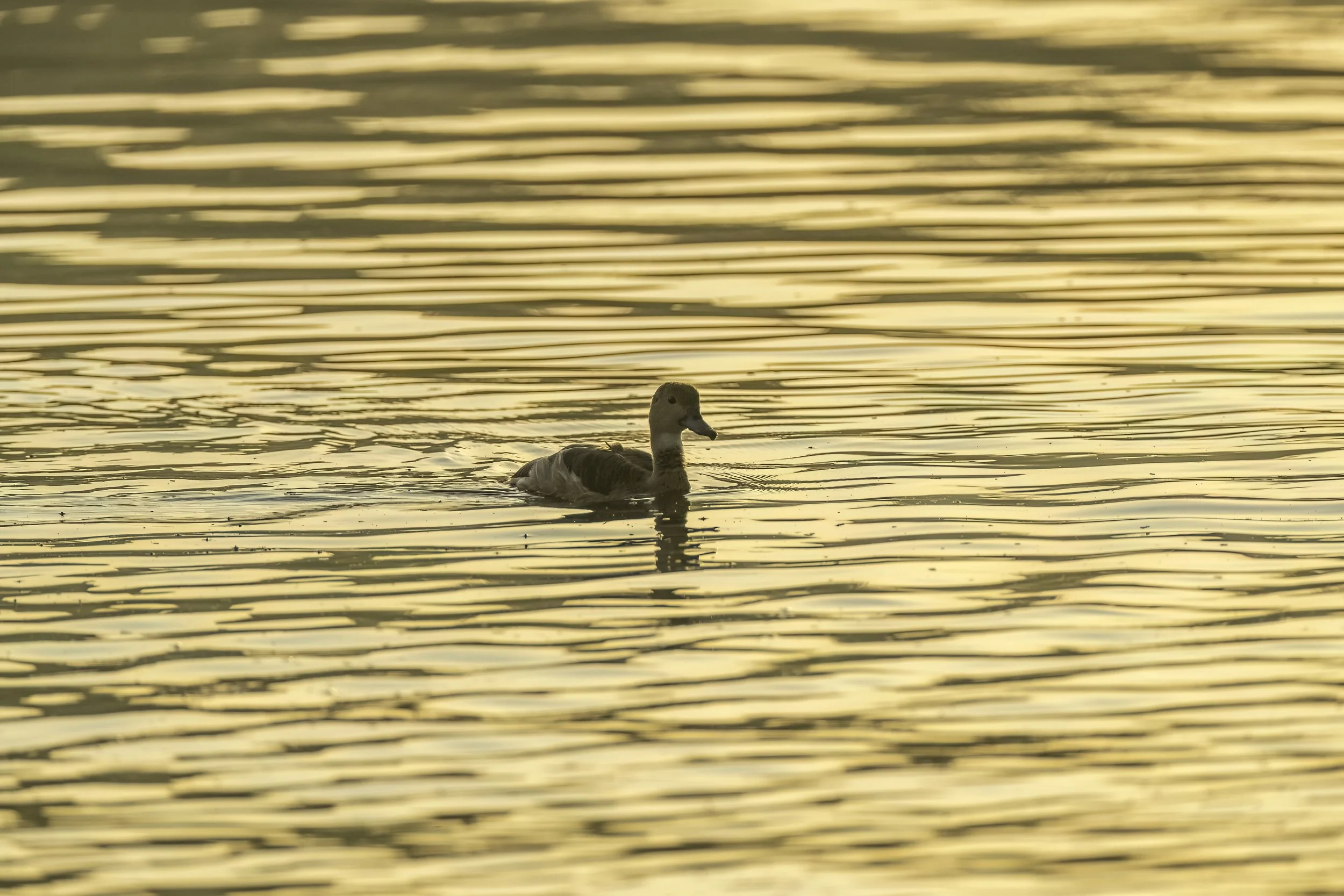
The Lesser Whistling Duck is a taxonomically unique waterfowl belonging to the subfamily Dendrocygninae. Unlike true ducks, whistling ducks share structural features with geese and swans, including elongated necks, long legs, and a synchronized, non-dimorphic plumage where males and females appear virtually identical. Adult specimens exhibit a total length ranging between 38 to 42 centimeters, with an average wingspan stretching across 55 to 60 centimeters. Their physical weight typically falls within 450 to 600 grams, balancing agility in flight with stability in dense aquatic vegetation. Their plumage is a masterclass in warm, earthy tones. The head and neck are a soft, buff-grey, darkening gradually along the crown to form a subtle, brownish cap. The most defining field mark of the species is its prominent, fleshy bright yellow eye-ring, which contrasts sharply against its pale face. The back and wings feature a dark, slate-grey base overlayed with rich, chestnut-rufous fringes on the scapulars, giving the bird a scaled appearance when at rest. In flight, their broad, rounded wings reveal striking chestnut lesser upperwing coverts and contrasting dark flight feathers. The underparts are predominantly a rich, warm chestnut-rufous, transitioning into a pale buff or whitish tone beneath the tail coverts. Their bill is large, robust, and slate-grey to blackish, while their unusually long legs and webbed feet exhibit a dull, bluish-grey coloration.
| undefined | Size/ Length | Key Plumage Marks | Distinctive Vocalisations |
|---|---|---|---|
| Lesser Whistling Duck (Dendrocygna javanica) | 38–42 cm | Chestnut-rufous belly, pale buff upper-tail coverts, bright yellow eye-ring. | High-pitched, wheezy, multi-syllabic whistle. |
| Fulvous Whistling Duck (Dendrocygna bicolor) | 44–51 cm | Larger body, cream-white flank stripes, crisp white upper-tail coverts. | Deeper, lower-pitched double-note whistle. |
| Indian Spot-billed Duck (Anas poecilorhyncha) | 55–63 cm | Scaly grey pattern, bright yellow bill-tip, green wing speculum. | Loud, harsh, characteristic mallard-like quack. |
| Cotton Pygmy Goose (Nettapus coromandelianus) | 26–30 cm | Dimorphic; males white with dark green collar, females duller grey. | Low, rapid, chattering cackle. |
The Lesser Whistling Duck possesses an expansive geographical distribution across the Oriental Zoogeographical Region. On a continental scale, its range encompasses virtually the entirety of the Indian Subcontinent and extends deeply eastward into South East Asia. It is a resident breeder across Pakistan's Indus valley, India, Nepal, Bangladesh, and Sri Lanka. Further east, its continuous distribution spans Myanmar, Thailand, Cambodia, Laos, Vietnam, and southern China, stretching southward through the Malayan Peninsula into the Indonesian archipelagos of Sumatra, Java, and Borneo, as well as the southwestern territories of the Philippines.
While primarily classified as a sedentary or resident species throughout most of its pan-Asian footprint, the Lesser Whistling Duck exhibits pronounced local nomadism. These movements are dictated strictly by the monsoonal calendar and the subsequent availability of freshwater. During the harsh dry seasons, disparate populations undergo massive consolidations, aggregating by the thousands in large, permanent wetlands, perennial reservoirs, and deep inland lakes. Conversely, with the onset of the summer monsoons, these mega-flocks shatter into thousands of localized breeding pairs, dispersing widely into temporary waterbodies, flooded paddy fields, and ephemeral forest pools.
Deep Dive: Local Telangana Wetland Ecosystems
Within the semi-arid, Deccan Plateau terrain of Telangana, the survival of the Lesser Whistling Duck relies on an intricate network of aquatic systems. The state's unique hydrography creates distinct micro-habitats, each serving a specific ecological purpose for the species throughout the year.
Protected Forest Reservoirs: In intact woodland zones like the Amrabad Tiger Reserve and Kawal Tiger Reserve, the ducks inhabit isolated check-dams, natural depression pools, and perennial forest tanks like the Mallucheruvu Lake. These habitats are characterized by low turbidity, high water clarity, and an abundance of surrounding mature hardwood trees. The total absence of agricultural pesticides and industrial chemical runoff fosters a highly stable aquatic food web, while old-growth tree hollows offer prime, predator-secure nesting sites.
Historic Agricultural Tanks (Cheruvus): Across Telangana's rural landscape lie thousands of centuries-old, human-made lakes or irrigation tanks, locally known as cheruvus. Legendary waterbodies like Pakhal Lake and Ramappa Lake in Mulugu district represent archetypes of this ecosystem. These massive expanses feature extensive, shallow margins colonized by floating macrophytes such as water lilies (Nymphaea) and lotus (Nelumbo nucifera). The rich mudflats provide exceptional foraging grounds where the ducks feast on succulent aquatic shoots and freshwater mollusks alongside local rural life.
Urban and Peri-Urban Oases: On the fringes of rapidly expanding urban centers like Hyderabad, the species has adapted to nutrient-rich, wastewater-fed waterbodies. A prime example is Ameenpur Lake, designated as India's first Biodiversity Heritage Site for a waterbody. These urban oases feature high organic loading, triggering dense mats of invasive water hyacinth (Eichhornia crassipes) and submerged weeds. While heavily impacted by human encroachment, these lakes function as high-energy feeding stations and crucial migratory stepping stones during the arid winter months.
Across these diverse ecosystems, the Lesser Whistling Duck faces significant habitat overlaps. It frequently shares its feeding grounds with the larger Fulvous Whistling Duck, leading to direct interspecific competition for prime foraging zones. While the Lesser Whistling Duck prefers shallower margins under 1 meter in depth, the Fulvous Whistling Duck utilizes its longer legs to exploit deeper zones. Additionally, they routinely feed alongside the gregarious Indian Spot-billed Duck, which occupies the muddy shorelines, and the diminutive Cotton Pygmy Goose, which dominates the open water mats of floating vegetation. This multi-species coexistence requires a delicate balance of micro-niches, which is easily disrupted when habitat quality degrades.
In undisturbed wilderness areas, the Lesser Whistling Duck exhibits highly specialized behavioral traits. They are unique among waterfowl for their arboreal inclinations; they are true 'perching ducks,' possessing long, strong hind toes that allow them to grasp branches securely. They routinely roost, preen, and rest high in the branches of trees overhanging water bodies. Their foraging strategy is predominantly crepuscular and nocturnal. As dusk falls, flocks take flight in a noisy, whistling chorus, leaving their daytime roosts to forage throughout the night in nearby shallow wetlands, agricultural paddies, and mudflats, returning to the safety of deep water or high trees at dawn.
However, rapid habitat fragmentation, widespread deforestation, and the drainage of rural wetlands for commercial real estate are forcing profound, systemic alterations in their behavioral biology. Field researchers across Telangana and wider South East Asia have documented alarming behavioral mutations as the species struggles to survive in human-dominated landscapes:
Hyper-Nocturnality and Foraging Shifts: In peri-urban zones like Ameenpur and the fringes of Hyderabad, intense daytime human activity, noise pollution, and boating have eliminated daytime foraging. The ducks have adapted by becoming almost exclusively nocturnal. They spend daylight hours completely inactive, huddled in tight, highly stressed flocks in the center of open waterbodies to maximize distance from shorelines. Their active feeding and social interactions are now squeezed entirely into the dark, relying heavily on artificial urban skyglow and increased auditory signals to maintain flock cohesion.
High-Risk Nesting Ground Evolution: Naturally, Lesser Whistling Ducks prefer nesting securely off the ground, utilizing natural tree hollows, forks of mature branches, or abandoned raptor nests up to 10 meters high. As logging and shoreline development strip away old-growth trees, the ducks face a severe housing crisis. Out of desperation, many populations have transitioned to ground-nesting. They weave rudimentary cups of grass hidden within dense reed beds, water hyacinth mats, or sugarcane fields. This behavioral shift exposes their eggs and fragile precocial ducklings to a catastrophic spike in predation by feral dogs, monitor lizards, rodents and agricultural machinery.
Forced Nomadism and Metabolic Depletion: The systemic filling and conversion of rural cheruvus into industrial zones has fractured their historical flyways. Flocks can no longer rely on predictable seasonal wetlands. This has triggered erratic, unpredictable nomadism. Flocks are forced to fly much longer distances in search of viable waterbodies, causing severe metabolic exhaustion. These energy-depleted birds arrive at breeding grounds late or in poor physical condition, leading to significantly lower nesting success and reduced clutch survival rates.
The presence of the Lesser Whistling Duck in the pristine waters of the Amrabad Tiger Reserve serves as a poignant reminder of what has been lost across much of the fragmented Indian landscape. While the species is currently categorized as 'Least Concern' on the IUCN Red List due to its massive overall population footprint, its rapid behavioral shifts and localized population collapses signal a deeper, structural eco-crisis. Protecting this iconic whistling nomad requires moving beyond isolated forest reserves. True conservation must embrace a landscape-scale approach that protects rural agricultural tanks, enforces strict eco-sensitive zoning around urban jewels like Ameenpur Lake, and preserves the mature, lakeside trees that hold the future of the species in their branches
‡‡‡‡‡

Related Posts



The Near Threatened Great Stone-Curlew/ Great Thick-knee (Esacus recurvirostris) is an odd looking, large wader & a resident breeder in tropical southern Asia from India, Pakistan, Sri Lanka, Bangladesh into South-east Asia. They’re found on the banks of flowing rivers and lakes with rocky or sandy shores & usually seen standing still on shore, though they can be quite shy, often flushing even at a distance.
#wildartworks, #Canon, #Bird, #Birdinginthewild, #BirdWatching, #Wildlife, #conservationphotography, #bhigwan, #BhigwanBirdSanctuary, #Kumbhargaon, #ujnibackwaters, #greatstonecurlew, #greatthickknee, #thickknee, #wader, #indapurgrasslands, #kadbanwadi,