
Taccocua leschenaultii
A secretive, ground-dwelling cuckoo that shuns the open skies in favour of the shadows.
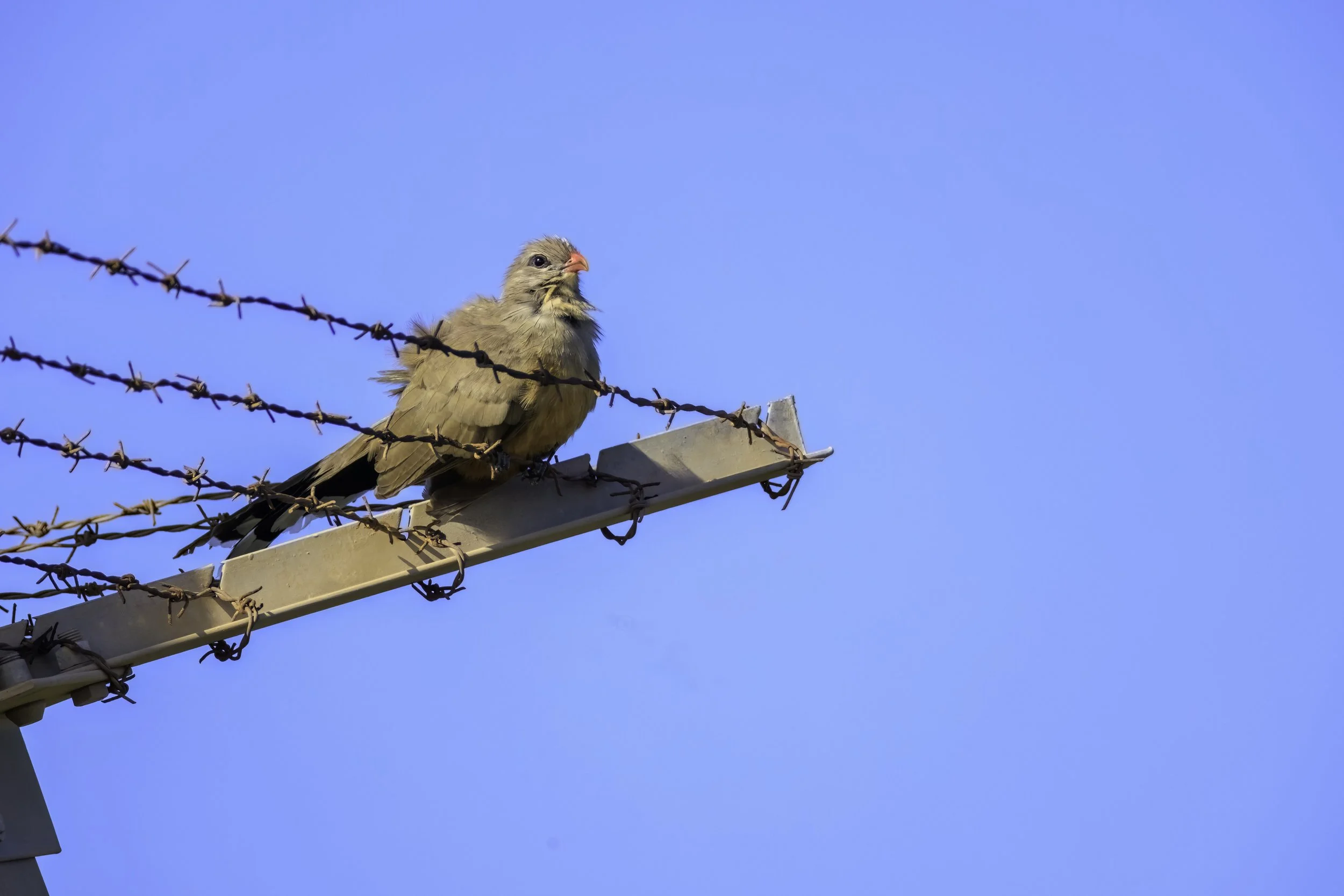
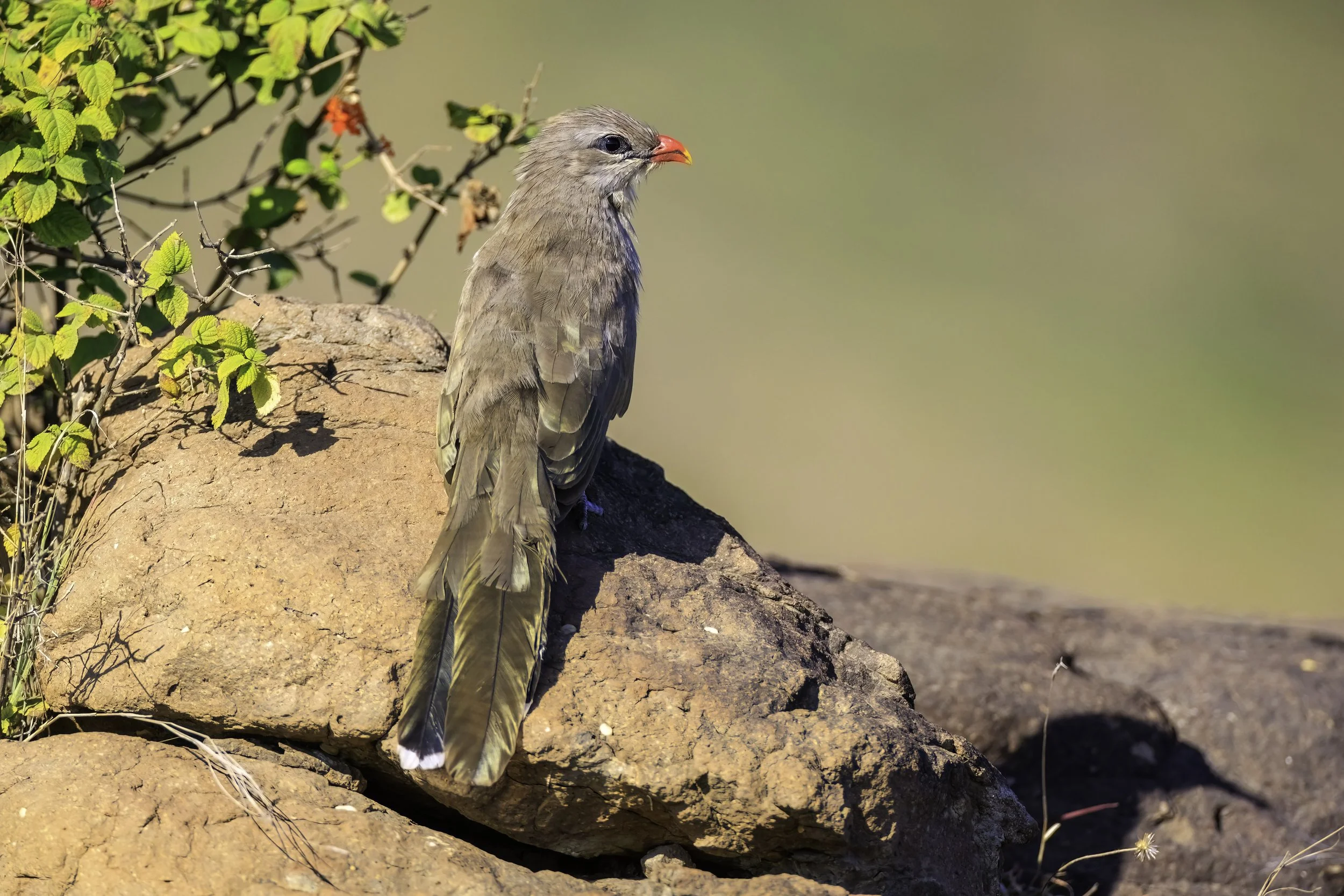
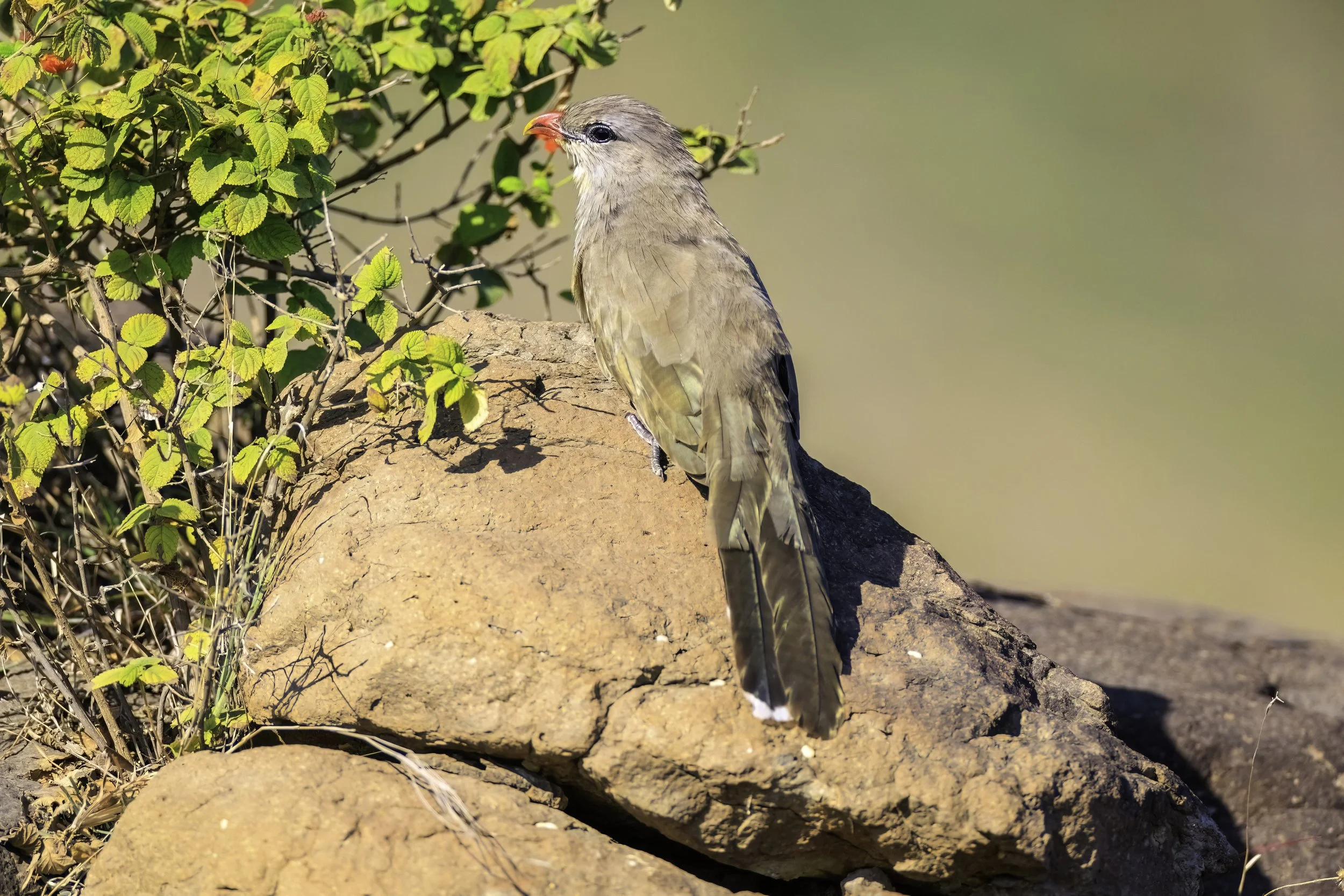
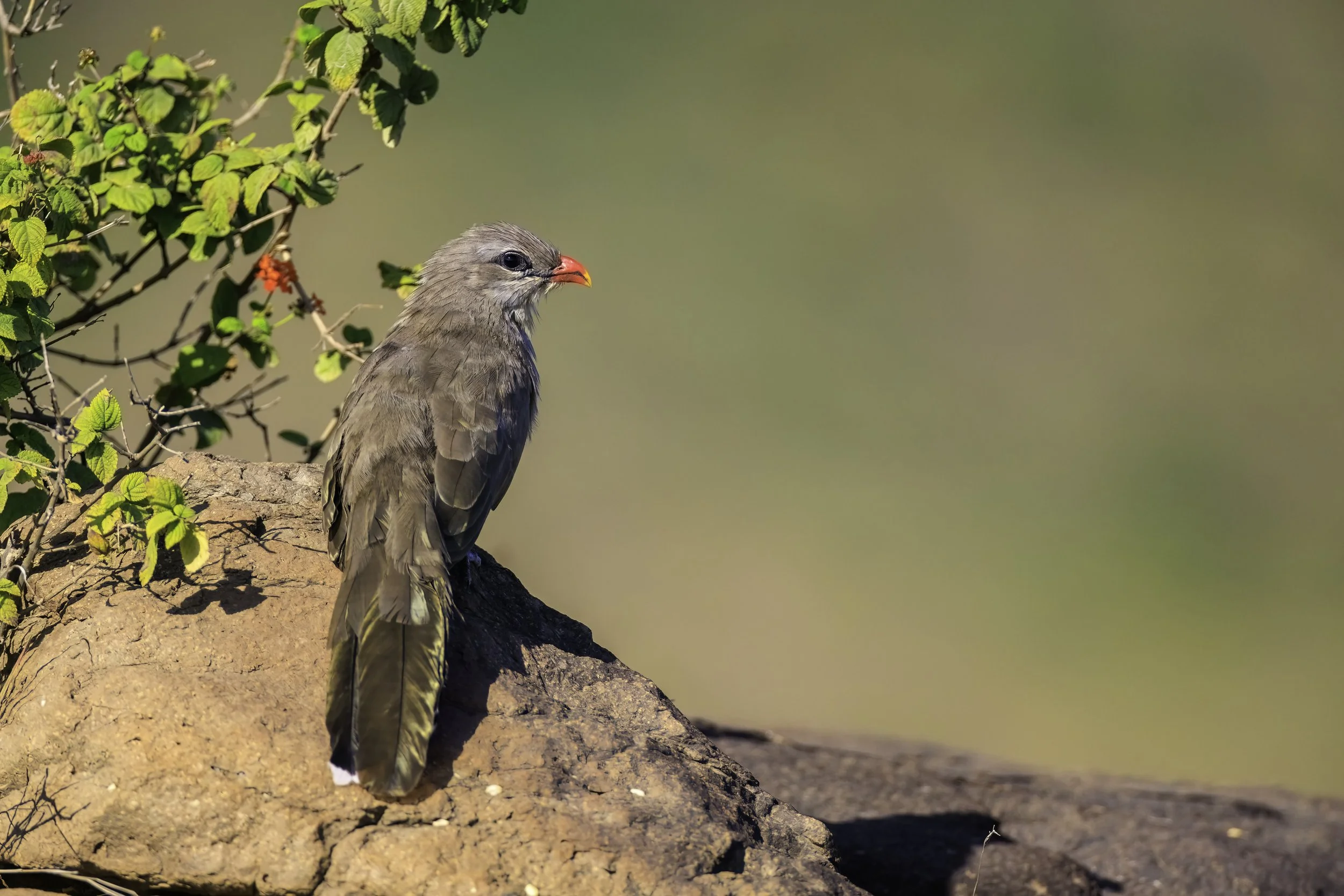
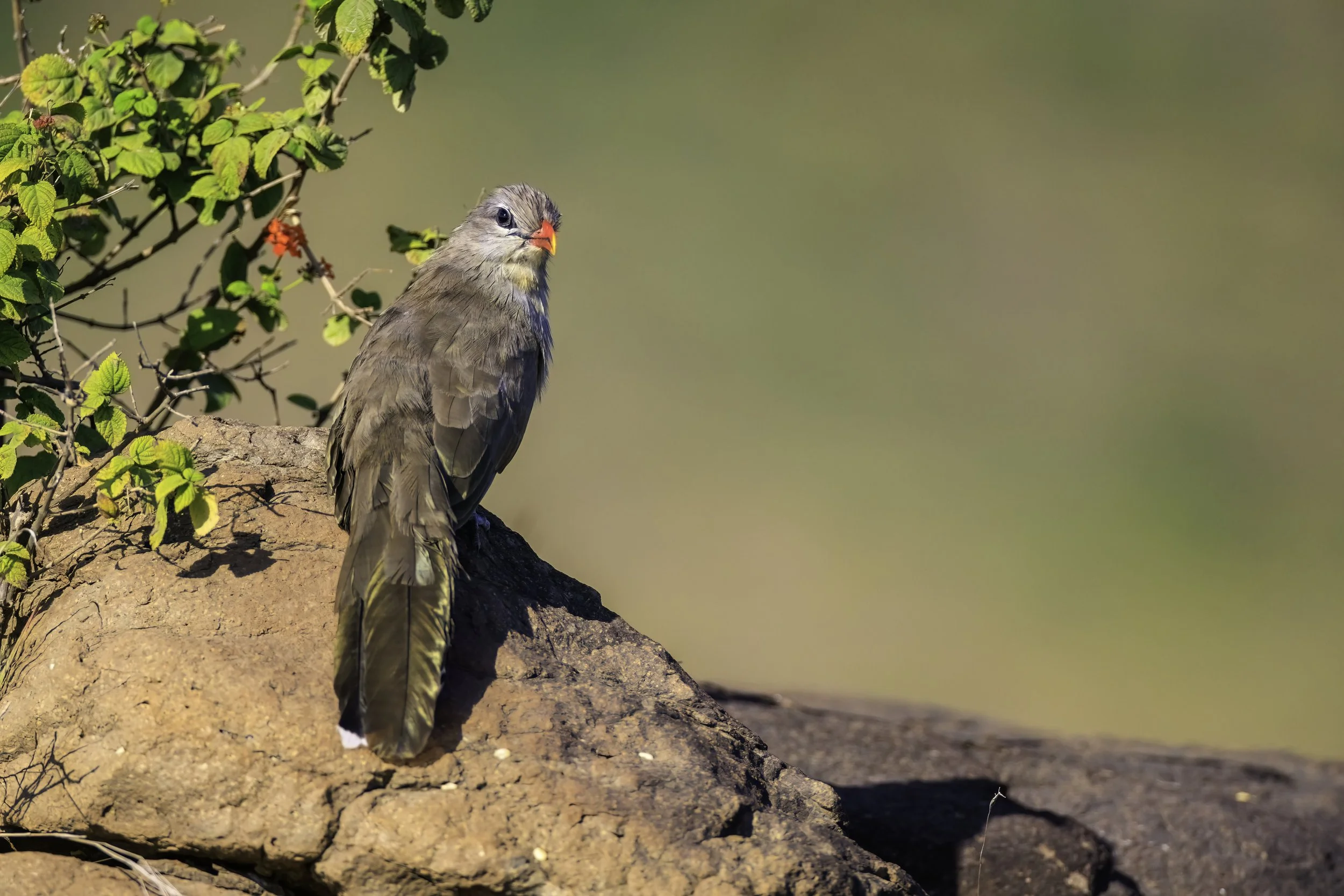
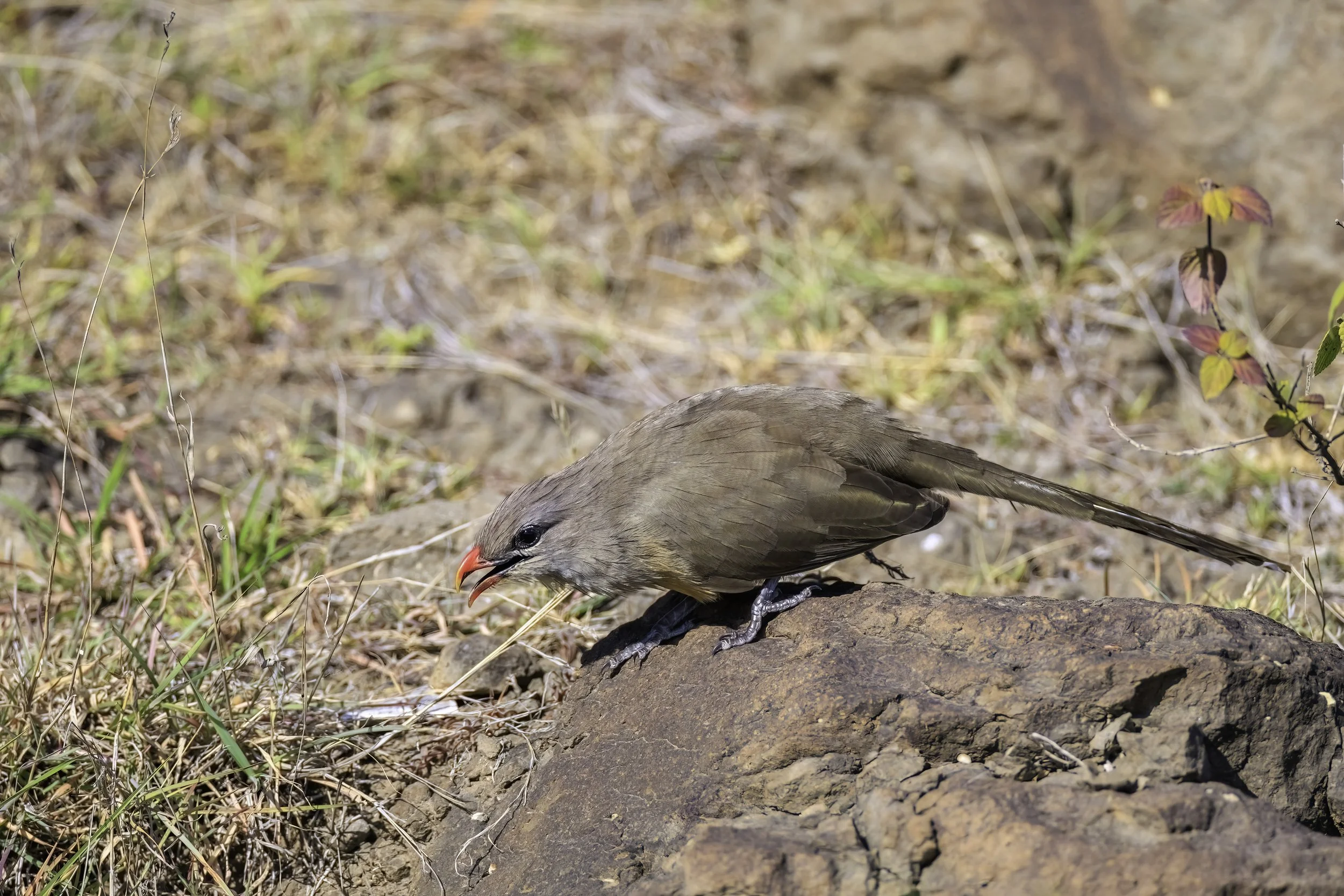
The morning mist hung low over the rugged slopes of the Kaifnath Hills near Pune, painting the basalt cliffs of the Western Ghats in soft shades of grey and charcoal. High up on a boulder-strewn hillside choked with thorny scrub, a subtle movement broke the stillness. A bird, long-tailed and sculpted like a pheasants, stepped stealthily out from the dense cover of a Ziziphus bush. The rising sun caught the brilliant cherry-red of its heavy, curved bill and the striking white streaks bordering its dark face. This was the Sirkeer Malkoha (Taccocua leschenaultii), a secretive, ground-dwelling cuckoo that shuns the open skies in favour of the shadows.
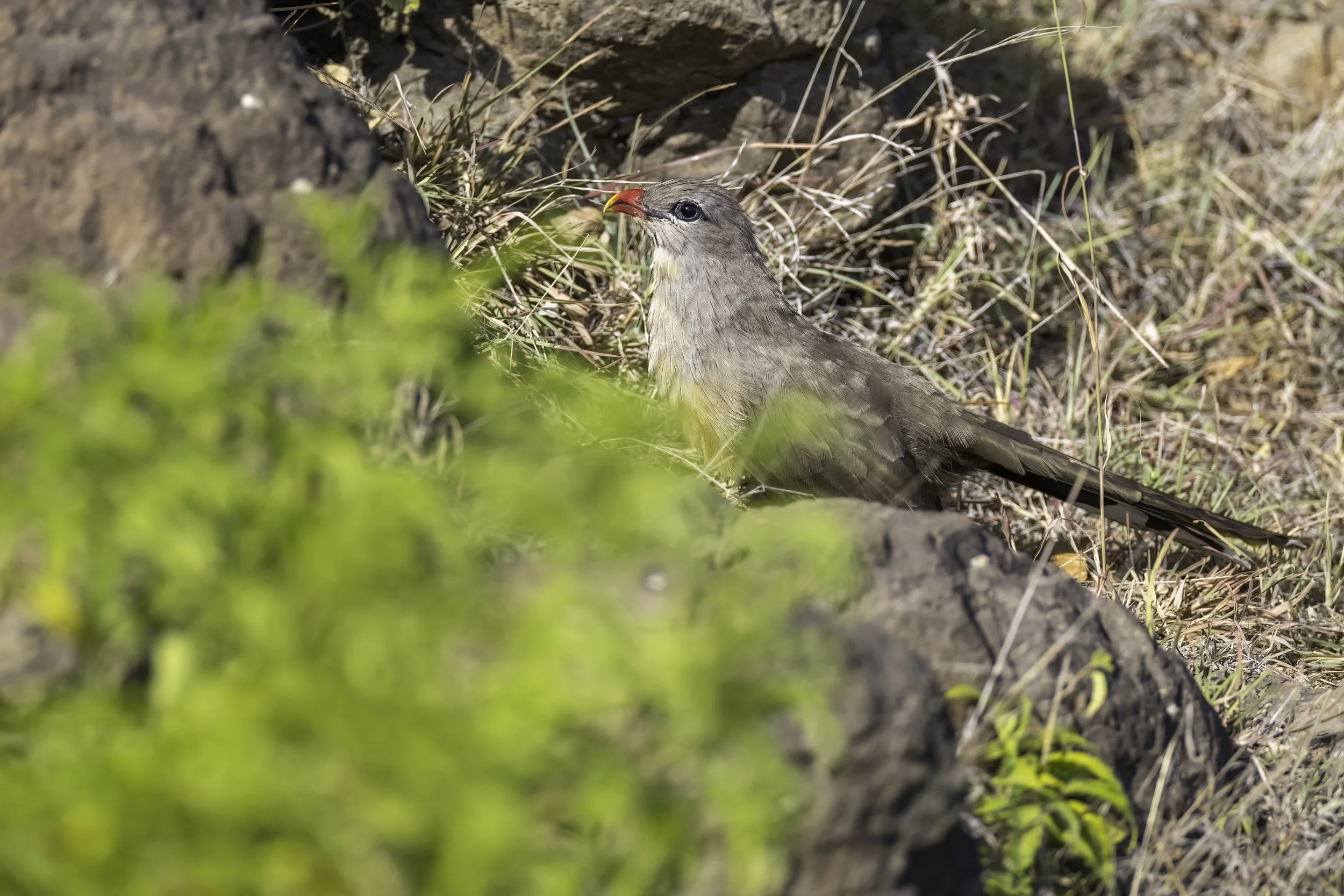
Hundreds of kilometres to the east, deep within the ancient, dry deciduous folds of the Lingal range within the Amrabad Tiger Reserve in Telangana, another individual of the exact same species crouched low against the dusty earth. Here, amidst the sandstone outcrops and bamboo thickets overlooking the Krishna River valley, the bird merged flawlessly with the leaf litter. These two starkly different landscapes—the humid, basaltic edge of the northern Western Ghats and the arid, rugged core of the Eastern Ghats—represent the twin bastions of this enigmatic species, showcasing its remarkable adaptability to the varied, untamed wild spaces of the Indian subcontinent.
From Right: Ganesh, Sandip & yours truly
The Tapestry of the Tekdis: Biodiversity of the Kaifnath Foothills
The extended Sahyadri spur, encompassing the local hilltops, tekdis, and steep ghat regions near Bopgaon, Wadki, and Holkarwadi, constitutes a hyper-localized refuge of immense biological diversity. Far from being a barren wasteland, these dry basaltic slopes are carpeted with highly specialized flora tailored to survive the punishing seasonal shifts of the Deccan Plateau. Spiny Acacia thickets, patches of Anogeissus latifolia (Axlewood), hardy Euphorbia shrubs, and clusters of native Polytrichum moss cling tenaciously to the shifting scree and volcanic rock fissures. During the monsoon, this seemingly dehydrated landscape undergoes a breathtaking metamorphosis, exploding into a vibrant green carpet dotted with ephemeral wildflowers, native grasses, and terrestrial orchids that draw a massive influx of specialized insect life, providing a seasonal banquet for the avian residents.
This unique botanical foundation supports a surprisingly dense web of fauna that shares the rocky terrain with the chat. Stealthy Indian Leopards (Panthera pardus fusca) occasionally traverse these ridgelines under the cover of darkness, while Indian Foxes (Vulpes bengalensis) and Striped Hyenas (Hyaena hyaena) hunt along the edges of cultivation near Holkarwadi. The scrublands crawl with vibrant reptiles, including the Fan-throated Lizard (Sitana marathi), Saw-scaled Vipers, and Barking Geckos. Birdlife thrives in the diverse strata; the open skies are patrolled by Bonelli’s Eagles and Short-toed Snake Eagles, while the undergrowth hums with the melodies of the Yellow-eyed Babbler (Chrysomma sinense), Tickell’s Blue Flycatcher (Cyornis tickelliae), Rufous-tailed Larks (Ammomanes phoenicura), and the ubiquitous Indian Robin (Copsychus fulicatus). It is a complex, delicately balanced biome where every organism has evolved to exploit the narrow microclimates offered by the deep ravines and exposed rocky ledges.
I was hosted by & had the expert help of Sandip Nagare and his team of knowledgeable guides from the Agnipankha Bird Watcher group, especially Ganesh Bhoi, who went out of their way to ensure I had fantastic opportunities to explore, discover, observe & photograph my target species on this trip. As always, I was based at Sandip’s homestay and once again had the added pleasure of indulging in delectable home cooked food.
Read about my birds from Kumbhargaon & the Bhigwan Bird Sanctuary and watch the videos on my YouTube channel - WildArtWorks.
Kaifnath Hills, Holkarwadi, Pune
The Kanifnath Hills, located on the outskirts of Pune near the scenic Bopdev Ghat and Saswad region, represent a critically vital and ecologically mesmerizing landscape. Perched within the Western Ghats' rain-shadow region on the Deccan plateau, this area features a rich mosaic of unique ecosystems, ranging from dense dry deciduous woodlands and thorny open scrub to vast, sweeping rocky grasslands. This topographical diversity nurtures a robust botanical environment dominated by hardy native flora such as Acacia (babul and khair), neem, and various species of ancient Ficus trees, alongside a vibrant layer of seasonal wild grasses that come alive with the monsoons. This complex vegetation serves as a primary sanctuary for an astonishingly dense population of avian species and terrestrial wildlife. The hills are a paradise for bird enthusiasts, frequently recording healthy numbers of specialized species such as the elusive Sirkeer Malkoha, Striolated Bunting, Crested Bunting, Brown Rock Chat, and Long-billed Pipit. Beyond the smaller passerines, the thermal currents rising from the deep valleys of the hills make it an ideal hunting ground for apex avian predators, including the White-eyed Buzzard, Eurasian Sparrowhawk, and Oriental Honey-buzzard. Terrestrial mammals also find a haven here; the rugged terrain and hidden caves support populations of wild deer and adaptively resilient predators like leopards, which utilize the dense scrub for camouflage.
These semi-arid grassland and scrub habitats are of profound ecological importance, serving as a foundational pillar that directly regulates the regional biodiversity of the Pune district. Unlike dense wet forests, the open savannas and rocky plateaus of Kanifnath exhibit a hyper-specialised ecosystem that supports species entirely unequipped to survive anywhere else. The area plays a dual role as both a permanent breeding ground for endemic peninsular Indian wildlife and an indispensable wintering refuge for long-distance migratory birds. During the cooler months, the hills witness the arrival of majestic, threatened migrants like the Steppe Eagle, which fly thousands of kilometres from Central Asia to forage across these open raptor corridors. The presence of these migratory raptors and diverse insectivores highlights the abundance of the local food web, which relies heavily on the uninterrupted cycles of native grasses and seasonal wildflower blooms. By providing a contiguous green corridor that connects the urbanised Pune plains with the wilder Purandar taluka, the Kanifnath range acts as a genetic bridge, allowing wildlife populations to migrate, interbreed, and maintain healthy genetic diversity away from human encroachment.
Despite their ecological grandeur, the Kanifnath Hills are experiencing severe environmental stress due to rapid land-use changes, habitat loss, and uncontrolled anthropogenic pressures. The expansion of urban perimeters, infrastructure development along the Kondhwa-Saswad road, and unscientific afforestation drives have severely fragmented the fragile grassland ecosystems. A particularly unusual and worrying trend in the region is the widespread introduction of non-native, exotic plantation trees such as Gliricidia and Eucalyptus. While well-intentioned for greening the hills, these dense exotic canopies choke out the native, sun-loving grasses and thorny scrubs, effectively turning diverse open savannas into ecological deserts devoid of the insects, rodents, and seeds that local birds rely on. This drastic contraction of natural hunting and foraging grounds has forced significant behavioral shifts in the local wildlife. For instance, apex predators like leopards are increasingly spotted venturing into human-dominated spaces—even wandering onto the steps of the prominent hilltop temple early in the morning—indicating a clear disruption in their natural prey base and territory. Deforestation of the lower slopes and the clearing of wild patches for agricultural plots not only escalate human-wildlife conflict but also threaten to permanently silence the diverse avian chorus that defines this mesmerizing landscape.
Sirkeer Malkoha
The Sirkeer Malkoha is a quintessential creature of the Indian subcontinent. While it is not strictly micro-endemic to a single hill range, its global distribution is largely confined to South Asia, making it a prized sighting for ornithologists. Beyond the specific, mesmerising terrains of the Kaifnath Hills and the protected sanctums of the Amrabad Tiger Reserve, this species maintains a widespread but highly patchy and localized distribution.
In India, its footprint spans from the sub-Himalayan foothills, stretching from Punjab eastwards to West Bengal, and extends southwards across the peninsular plateau. It finds a home in the dry, scrubby underbelly of Rajasthan’s Aravalli range, the dry deciduous forests of Madhya Pradesh, and the thorn forests of Gujarat. Beyond Indian borders, its range creeps into the terai regions of Nepal, the dry zones of western Bangladesh, and the semi-arid, thorn-scrub lowlands of northern and eastern Sri Lanka. It has also been historically recorded in parts of Pakistan's Indus plains, though sightings there remain exceptionally rare. Across all these locations, the bird is non-migratory; it is a permanent resident that spends its entire life within a well-defined territorial home range.
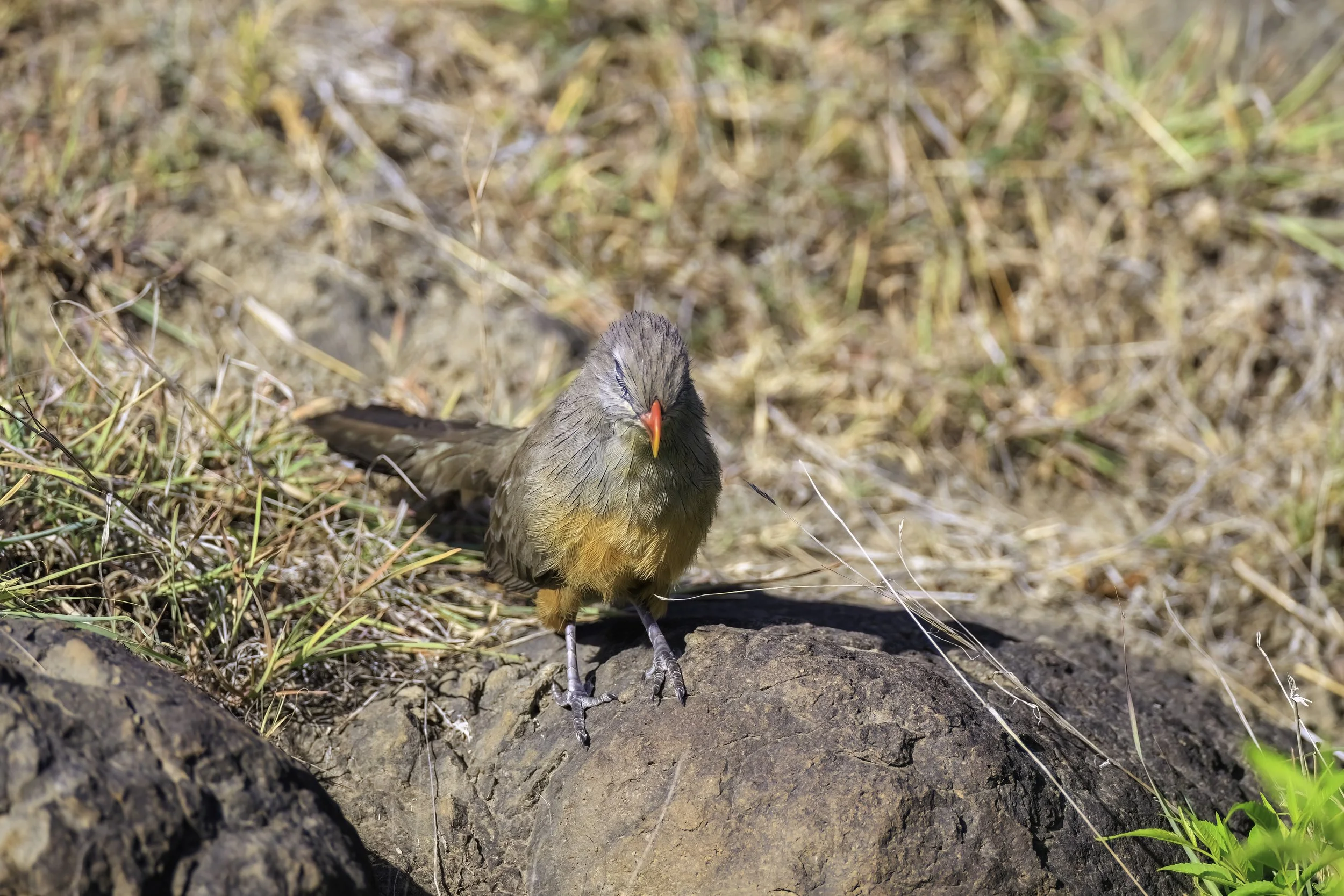
To see a Sirkeer Malkoha up close is to witness an exquisite exercise in camouflage, punctuated by brilliant flashes of color. It is a medium-sized bird, measuring between 42 to 44 centimetres in length, with its remarkably long, graduated tail accounting for well over half of that total dimension. It typically weighs between 100 and 130 grams, possessing a sturdy, elongated body perfectly adapted for navigating dense undergrowth rather than sustained flight.
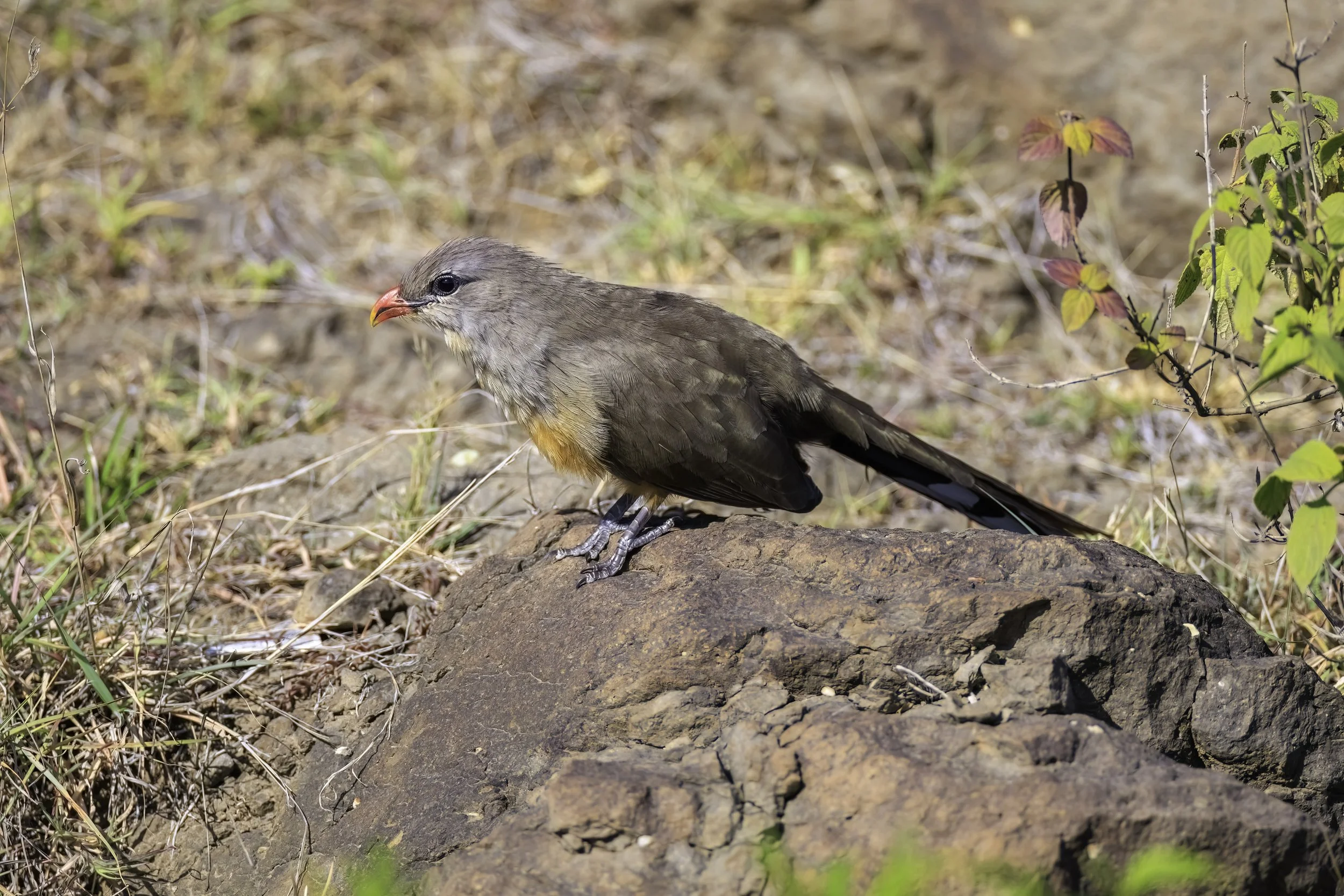
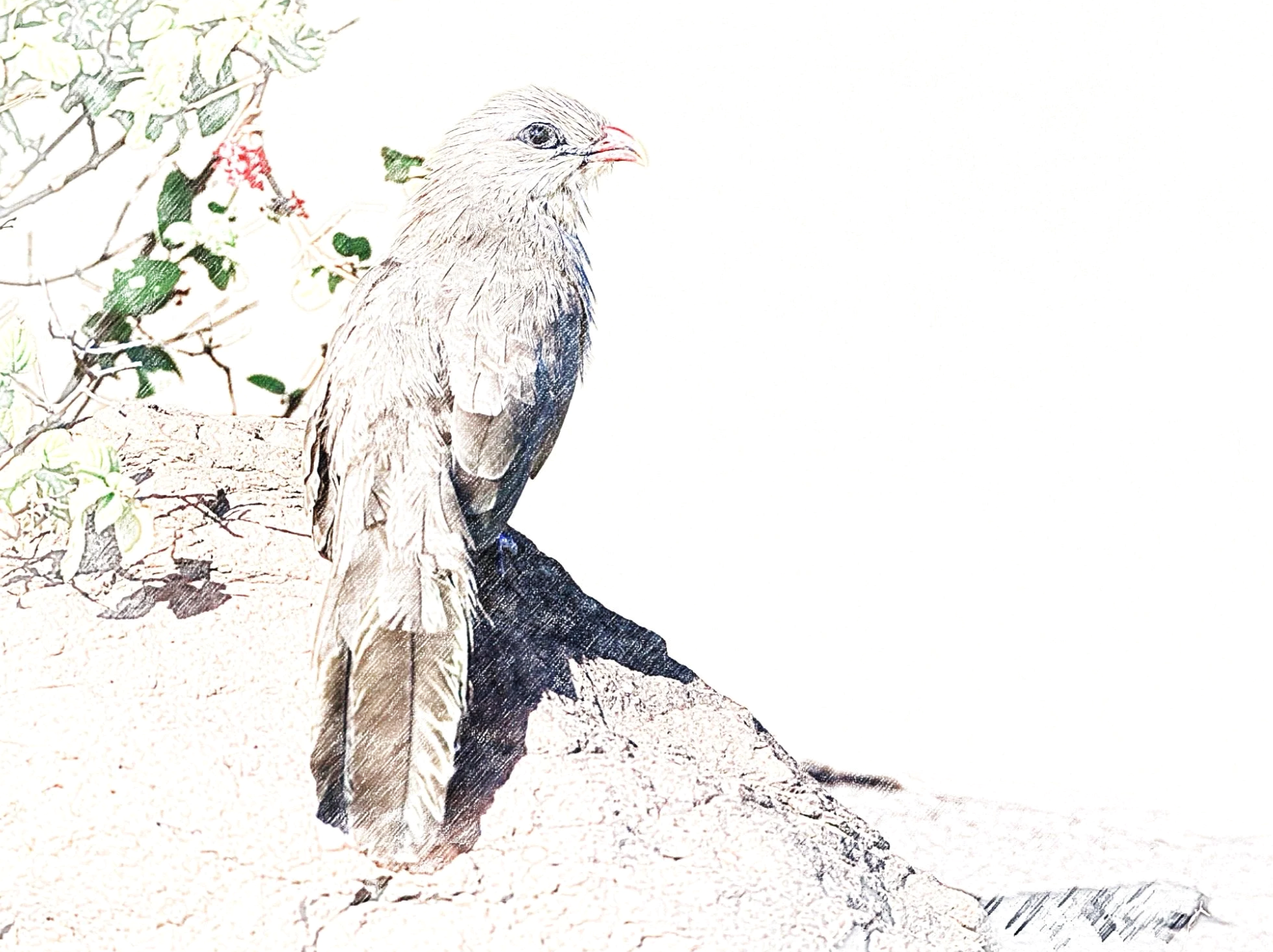
The plumage is predominantly earth-toned. The upperparts are a beautiful, sandy olive-brown to greyish-green, with each feather bearing dark shaft-streaks that create a finely pencilled, textured appearance. The underparts transition into a warm, pale rufous or dull yellowish-khaki, providing excellent countershading when the bird is viewed from below against a bright sky. However, its most defining physical features are concentrated on its head and tail:
The Bill: The bill is heavy, sharply hooked, and a brilliant, vivid crimson-red or cherry-pink, tipped with a stark yellow or blackish culminate point.
The Facial Mask: A prominent, bristly black mask surrounds the eyes, bordered above and below by sharp, white supercilious lines, giving the bird an intensely piercing, masked expression.
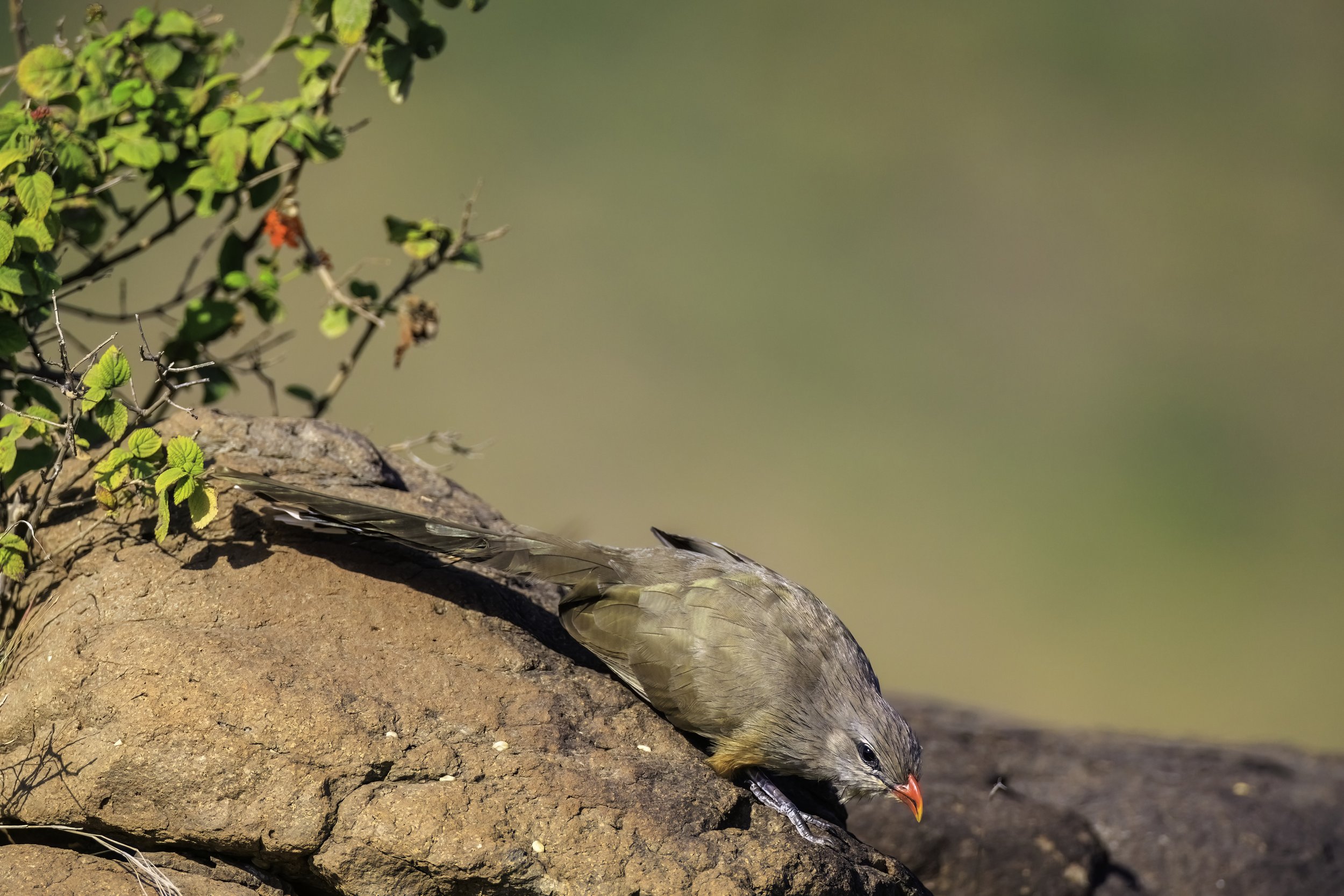
The Tail: The elongated tail feathers are dark olive-brown, but the outer tail feathers are broadly tipped with stark, snow-white spots. When the bird flies or hops, these white tips create a highly visible, flashing chevron pattern.
The Sirkeer Malkoha is the sole member of its genus (Taccocua), a factor that separates it structurally & behaviorally from other Malkohas belonging to the Phaenicophaeus genus found across India and Southeast Asia.
| Feature | Sirkeer Malkoha (Taccocua leschenaulti) | Blue-faced Malkoha (Phanicophaeus viridirostris) | Green-billed Malkoha (Phanicophaeus tristis) | Chestnut-breasted Malkoha (Phanicophaeus curviostris) |
|---|---|---|---|---|
| Primary Region | India, Sri Lanka, Nepal (Dry Scrub) | Southern India, Sri Lanka (Dense Forest) | Northeast India, Southeast Asia (Moist Evergreen) | Sundaland, Southeast Asia (Rainforests) |
| Bill Colour | Vivid crimson-red with yellow tip | Apple-green to Jade-green | Bright apple-green | Deep Olive-green with a reddish base |
| Facial Skin | Black bristly feathers around eye | Large, naked patch of cobalt-blue skin | Large, naked patch of crimson-red skin | Bright red to orange naked orbital skin |
| Plumage Tone | Sandy olive-brown and rufous | Dark oily-green and dusky grey | Dark slate-grey with green gloss | Dark metallic green with rich chestnut belly |
| Locomotion | Strictly terrestrial; runs like a mammal | Arboreal; hops through dense canopies | Arboreal; glides between tree crowns | Canopy-dwelling; agile climber |
The visual differences are immediate. While the Blue-faced and Green-billed Malkohas boast bare, brilliantly coloured facial skin and green bills, the Sirkeer relies on a feathered face, prominent bristly eyelashes, and a bright red bill. Furthermore, Southeast Asian species like the Chestnut-breasted or Raffles's Malkohas feature deep, saturated metallic greens, rich ochres, and massive, heavy bills designed for humid rainforest canopies—starkly contrasting with the Sirkeer’s dusty, desert-fringe palette.
The Sirkeer Malkoha is a specialist of the ecotone—the transitional zone between different ecosystems. It avoids both deep, dark humid rainforests and completely barren deserts. Its preferred habitats include: Dry, thorny scrub jungles, open, secondary deciduous forests, semi-arid hillsides covered in boulders and dense thickets of Acacia, Ziziphus, and Euphorbia, broken, ravined country and abandoned, overgrown cultivation clearings
In the Kaifnath Hills of Pune, its habitat frequently overlaps with the Blue-faced Malkoha. However, a fine ecological segregation keeps them apart. While the Blue-faced Malkoha prefers the taller, leafier trees and denser nullah vegetation, the Sirkeer keeps to the drier, rockier, and more open slopes.
In the Amrabad Tiger Reserve, its habitat matrix overlaps slightly with the Green-billed Malkoha in areas where moist riverine valleys meet dry deciduous plateaus. Here, the Green-billed Malkoha stays glued to the dense bamboo canopies and thick tangled vines, while the Sirkeer patrols the forest floor and the lower structural layers of the dry forest fringe, minimizing direct competition for food and space.
The behaviour of the Sirkeer Malkoha is where the bird truly distances itself from almost all other avian species. Unlike the common cuckoos, the Sirkeer Malkoha is not a brood parasite; it builds its own nest and raises its own young. Watch a Sirkeer Malkoha hunting on the slopes of the Lingal range, and you might easily mistake it for a mongoose or a large squirrel. It is extraordinarily terrestrial. When disturbed, it rarely takes flight. Instead, it drops its long tail, lowers its head, and runs with incredible speed through the grass, weaving around rocks and thorny bushes with nimble, mammalian agility. If forced to fly, its flight is clumsy, heavy, and brief—consisting of a few rapid, noisy wingbeats followed by a low, dipping glide into the next dense thicket.
Its hunting strategy is equally methodical. It stalks through the undergrowth, systematically flipping over dry leaves and peering under stones. It feeds primarily on large insects such as grasshoppers, mantises, caterpillars, and beetles, but will readily dispatch small lizards, chameleons, and mice. It also consumes wild berries and fruits when available. When tackling a large, toxic caterpillar or a struggling lizard, it exhibits a specific behaviour: it will repeatedly beat the prey against a rock or a hard branch to stun it and break its defensive spines before swallowing it whole.
Its vocalizations are infrequent and highly distinct. Unlike the melodic or loud, repetitive calls of true arboreal cuckoos, the Sirkeer utters a low, sharp, metallic kek-kek-kek-kek or a high-pitched, clicking khuk sound, usually given when startled or during the breeding season as it plays hide-and-seek with its mate through the thorny brush.
Despite its resilience, the Sirkeer Malkoha is facing quiet, systemic pressures across its entire South Asian range, vividly illustrated by the changing landscapes of its homes in Maharashtra and Telangana.
In the Kaifnath Hills, the primary threat stems from infrastructure development, unregulated hill tourism, and urban sprawl pushing outwards from the Pune metropolis. The clearing of "wastelands"—a tragic misnomer often applied to the vital scrublands and rocky plateaus—for wind farms, resorts, or agricultural expansion strips the bird of its vital nesting and foraging cover. In the Amrabad Tiger Reserve, while the core forest is protected, the fringes suffer from cattle overgrazing, forest fires, and the gradual invasion of exotic weed species like Lantana camara.
When deforestation and habitat fragmentation occur, the Sirkeer Malkoha exhibits highly unusual behavioural shifts:
Forced Arborealism: Striped of the low-lying bushes and thick ground cover that protect it from aerial predators like raptors, this naturally ground-dwelling bird is forced to spend more time up in the mid-canopy of trees. Here, its clumsy hopping style makes it highly vulnerable.
Altered Nesting Dynamics: The Sirkeer builds a shallow, untidy saucer-shaped nest out of twigs, lined with green leaves, usually placed low down (between 2 to 6 metres) in a thorny bush or a dense clump of parasites like Loranthus. As these native bushes are cleared or replaced by monocultures, birds have been observed nesting higher up in atypical trees, leading to significantly higher rates of nest predation by crows, treepies, and arboreal snakes.
Hyper-Secretiveness and Home Range Expansion: In degraded habitats, the birds become hyper-secretive, abandoning their characteristic sun-basking behaviour on open morning rocks. They are forced to expand their home ranges drastically to find enough large insect prey, expending vital energy and increasing territorial conflicts with neighboring pairs.
The survival of the Sirkeer Malkoha ultimately hinges on the recognition that scrub jungles and rocky, semi-arid hillsides are not barren wastes, but intricate, irreplaceable ecosystems. The flash of a crimson bill against the grey stones of Kaifnath or the deep rustle of dry leaves in the Lingal range serves as a beautiful, urgent reminder of the hidden wonders that thrive when we leave the wild edges of our world untamed.
‡‡‡‡‡

Related Posts



In the rich tapestry of Indian folklore, the Greater Coucal occupies a dual space as both a mysterious shaman of the forest and an omen of impending change. Across several rural communities in Telangana and central India, the bird is known as the Chemooka or Koti-pitta. It is deeply tied to traditional weather lore. Because its deep, resonant coop-coop-coopcalls intensify during periods of high humidity, local farmers view the bird as an infallible rain prophet. Hearing a coucal call repeatedly from the highest branch of a tree is considered a direct signal from nature that the monsoon is about to break over the dry Deccan fields.
#WildArtWorks #AmrabadTigerReserve #TelanganaTourism #WildlifeConservation #NallamalaHills #EcoTourism #IndiaBiodiversity #AchampetRange #GreaterCoucal #Coucal