
Indian Robin
Copsychus fulicatus
A fixture of the Indian landscape
The first light of dawn over the Nallamala Hills in Telangana doesn’t always bring a roar, but there is invariably a melody. While many travel to the Amrabad Tiger Reserve or the Kawal Tiger Reserve in search of the striped predator, I found myself drawn to a smaller, equally spirited resident: the Indian Robin (Copsychus fulicatus). Locally known in Telugu as Nalanchi (నాలాంచి), this bird is a fixture of the Indian landscape, yet its story is as rich as the chestnut feathers hidden beneath its tail.
Telangana's landscape is dotted with ideal habitats, from the urban oases of Ameenpur Lake, Osman Sagar, HImayat Sagar, Kistareddypet Lake near Hyderabad to the sprawling Singur Dam, the Sri Ram Sagar Reservoir and the Dindi Reservoir. Renowned for its extensive natural resources, breathtaking scenery, and rich cultural legacy Telangana is the eleventh largest state in India situated on the south-central stretch of the Indian peninsula on the high Deccan Plateau. It is the twelfth-most populated state in India with a geographical area of 112,077 km² of which 21,214 km² is forest cover. The dry deciduous forests ecoregion of the central Deccan Plateau covers much of the state, including Hyderabad. The characteristic vegetation is woodlands of Hardwickia binata and Albizia amara. Over 80% of the original forest cover has been cleared for agriculture, timber harvesting, or cattle grazing, but large blocks of forest can be found in the Amrabad Tiger Reserve and elsewhere. The more humid Eastern Highlands moist deciduous forests cover the Eastern Ghats in the eastern part of the state. The Central Deccan forests have an upper canopy at 15–25 meters, and an understory at 10–15 meters, with little undergrowth.
The dry sub-humid zone or Dichanthium-cenchrus-lasitrrus type of grasslands are prevalent here and cover almost the entirety of peninsular India except the Nilgiris. One sees thorny bushes like the Acacia catechu or Khair as it is known in Hindi, Mimosa, Zizyphus (Ber) and sometimes the fleshy Euphorbia, along with low trees of Anogeissus letifolia or Axle Wood, Soymida febrifuga - the Indian Redwood - and other deciduous species. Sehima (grass) which is more prevalent on gravel is about 27% of the cover and Dichanthium(grass) which flourishes on level soil is almost 80% of the coverage.
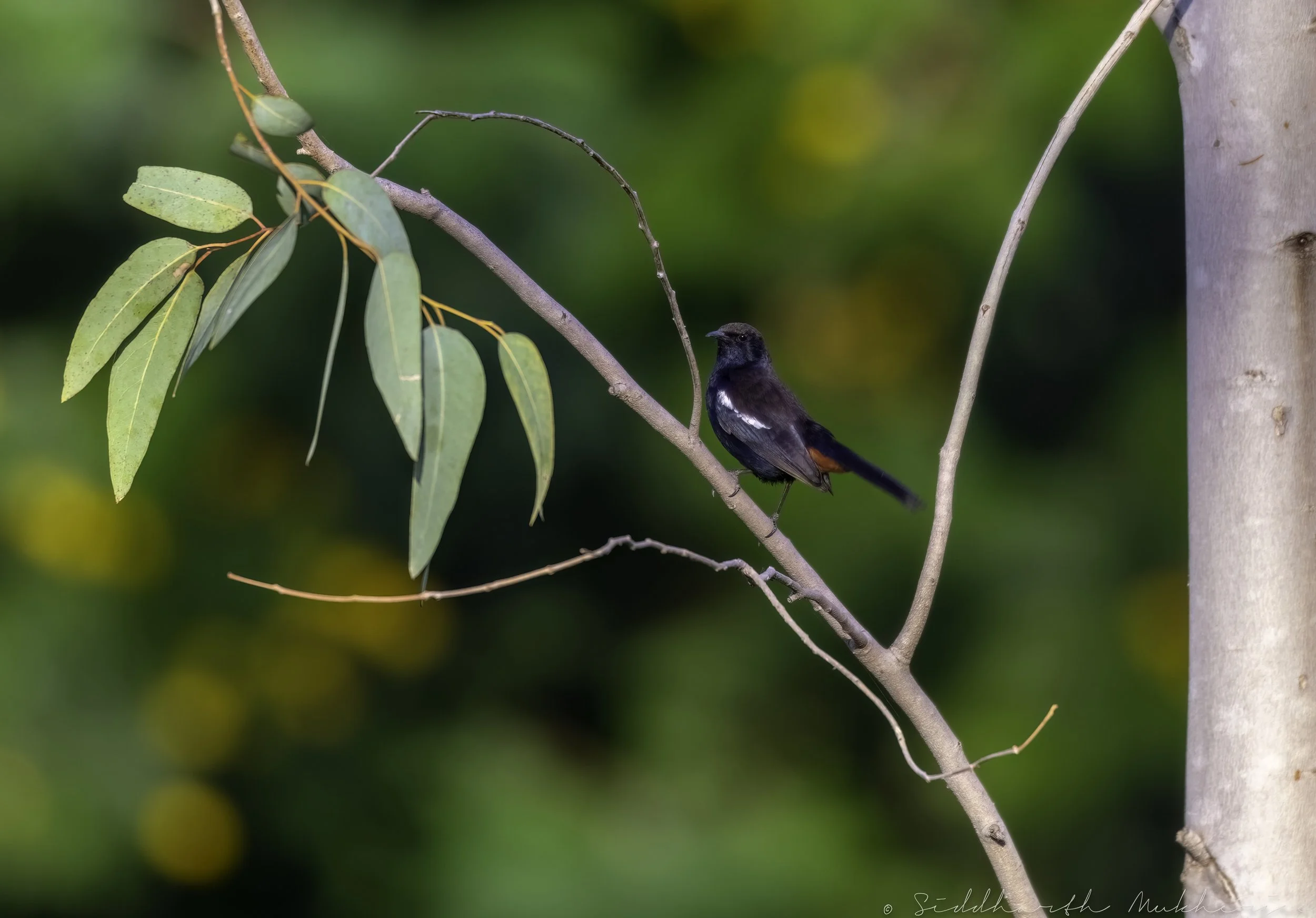
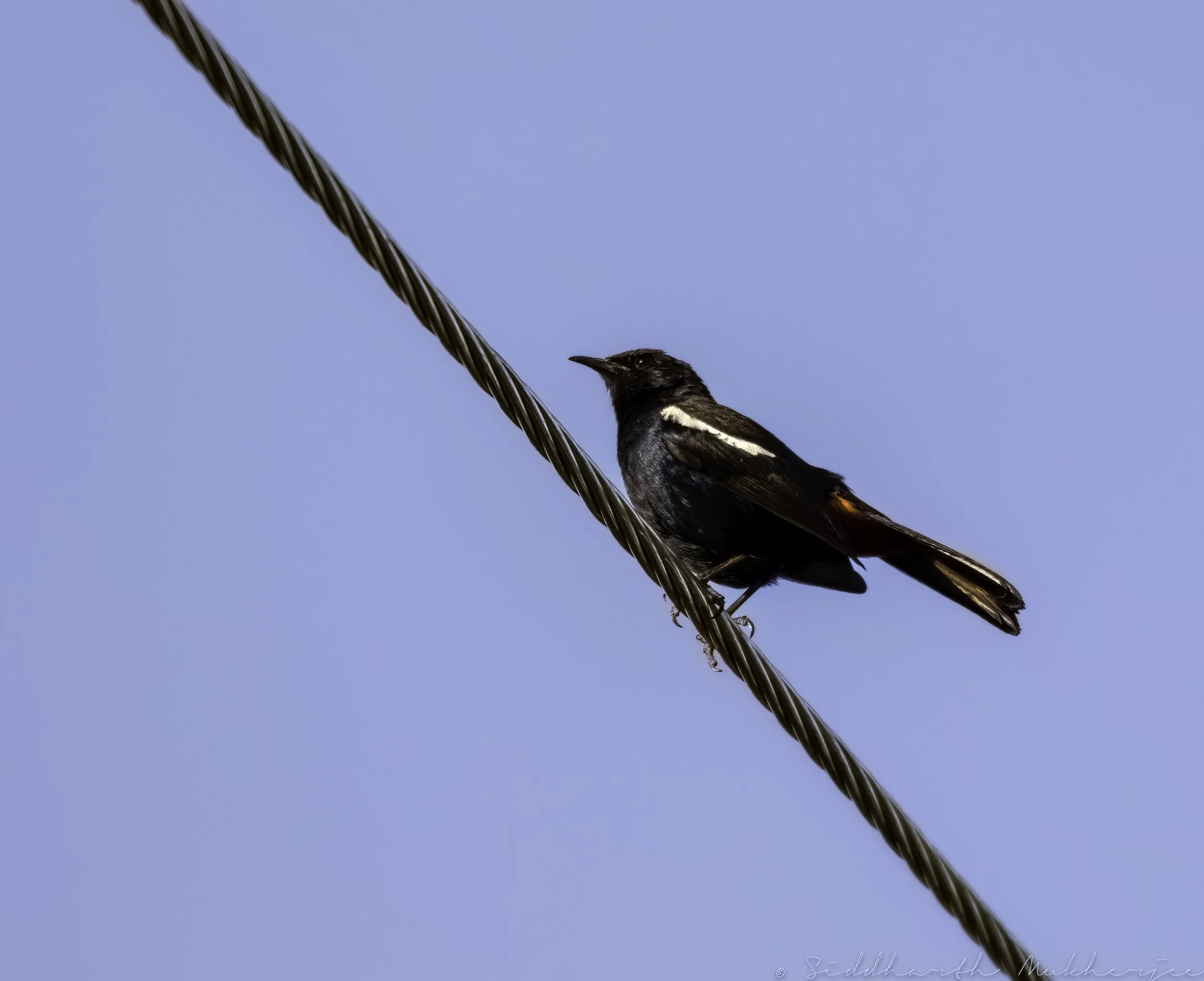
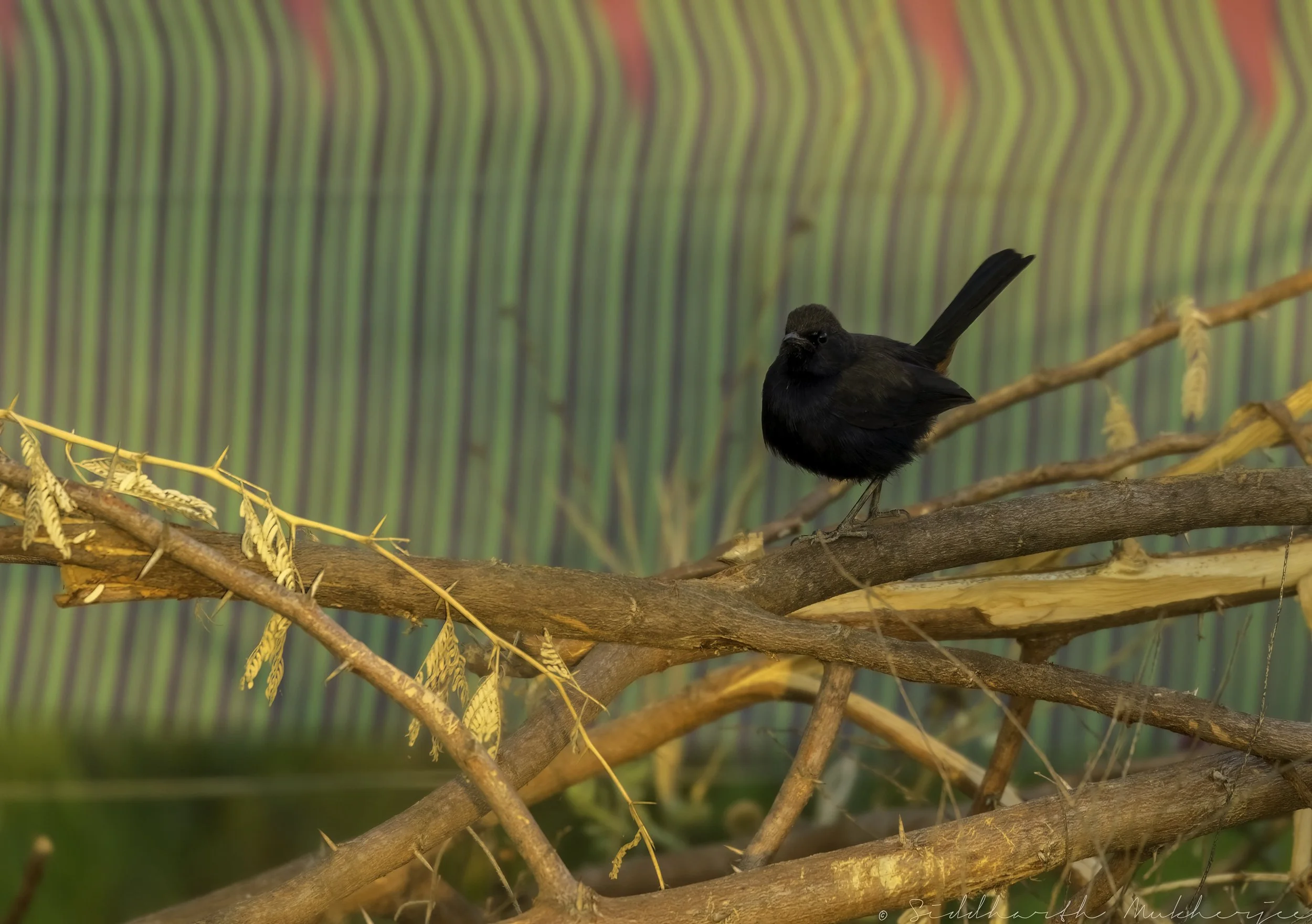
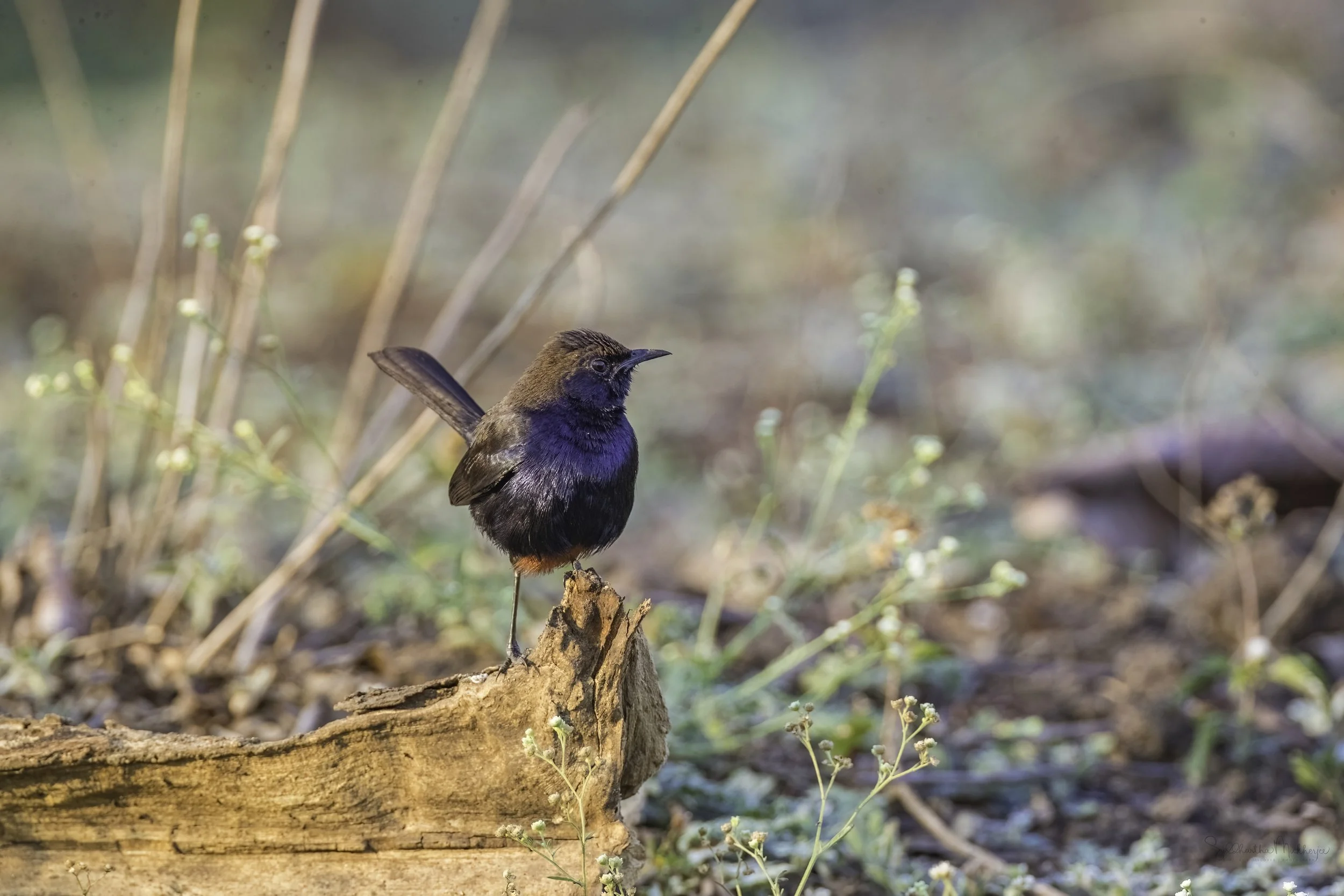
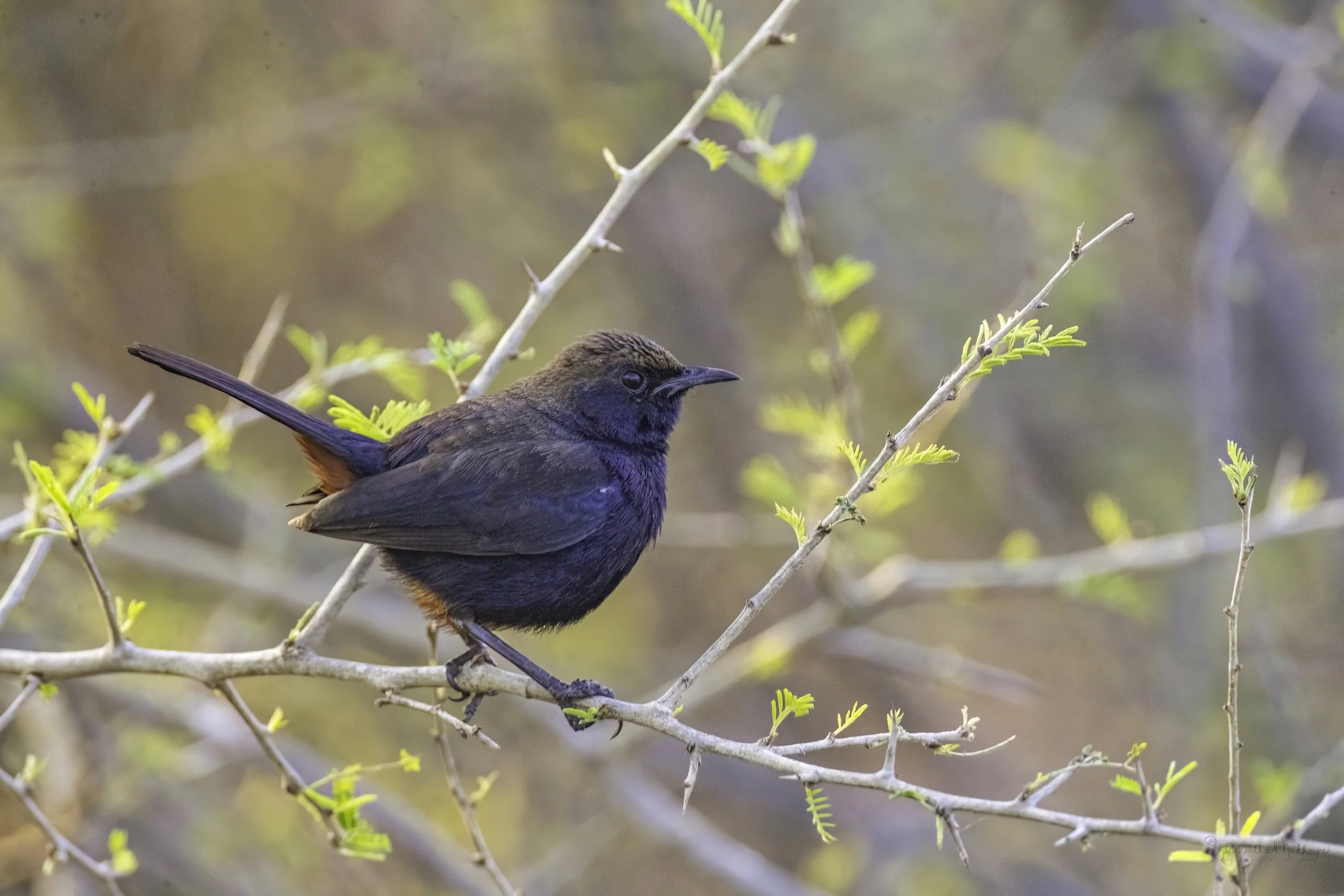
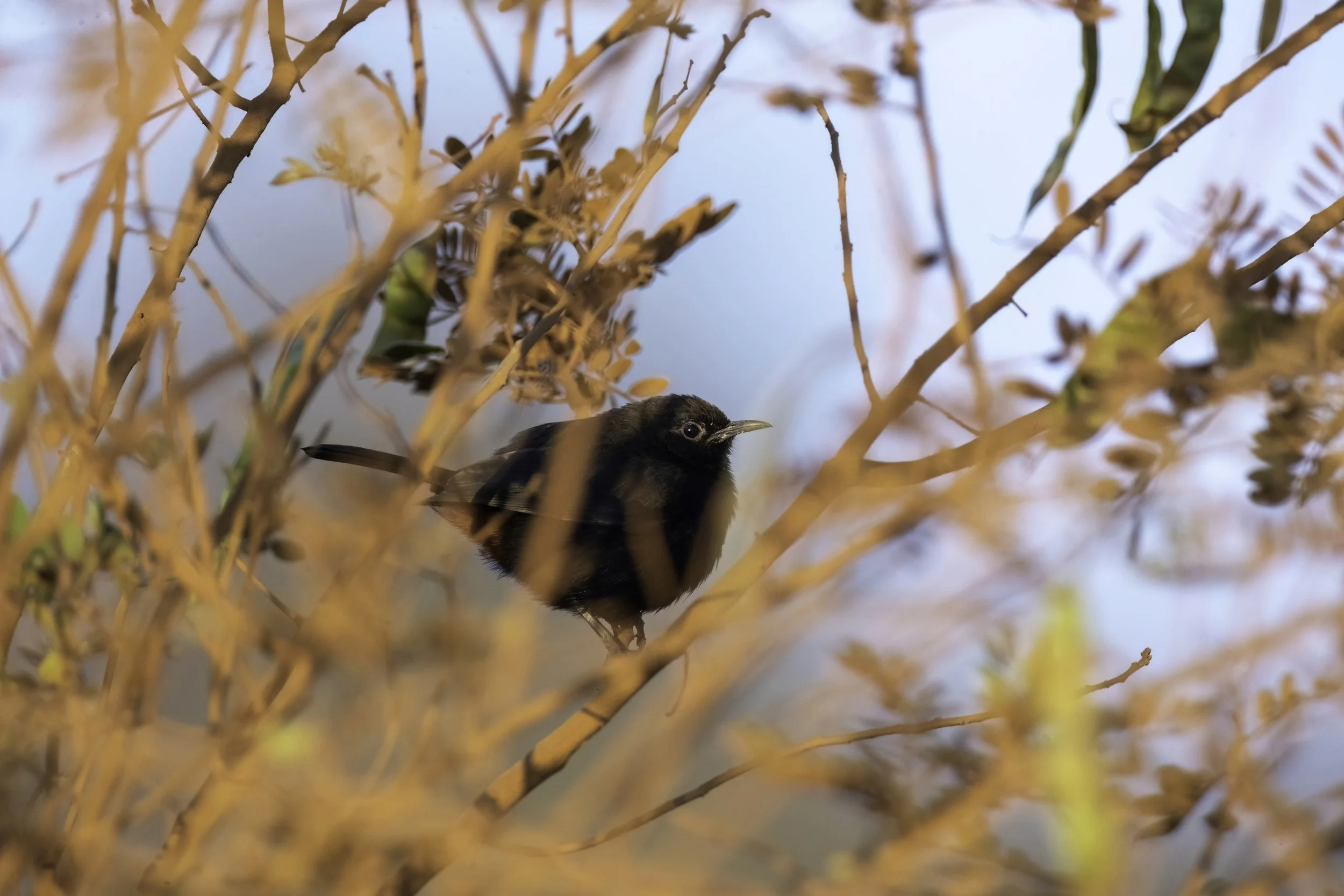
Indian Robin (Male)
Nallamala Hills & forest range
The Nallamala Hills and forest range is a significant geographical feature within the Eastern Ghats of southern India, located in Telangana and stretching into Andhra Pradesh. This ~430 km long range, parallel to the Coromandel Coast, features rugged hills and deep valleys and hosts one of the largest contiguous forest areas in the region, encompassing a significant portion of the Nagarjuna Sagar Srisailam Tiger Reserve. The rugged, sparsely populated hills are composed for the most part of jumbled quartzites and slates and exemplify the mountain scenery of the Eastern Ghats. The range is known for its rich biodiversity, eco-tourism opportunities, and important religious sites like the Srisailam temple. It is bounded by the Krishna River to the north and the Pennar River to the south. The region includes important religious sites like the Srisailam Temple, one of the twelve Jyotirlingas. The Nallamala region has faced threats from proposed uranium mining projects, which would jeopardize the Tiger Reserve and the Chenchu's traditional way of life. Organisations like HYTICOS and local tribes have actively campaigned against these projects to protect the delicate ecosystem.
In the Nallamalla Hills and forest range the predominant vegetation is dry deciduous forest, with species such as Terminalia (తెల్ల మద్ది, అర్జున, ఎర్రమద్ది), Hardwickia (ఏపీ, నరేపీ), and Pterocarpus (ఏగిస, పెద్దగి and ఎర్ర చందనం). The forest also has a variety of medicinal plants. The forest is home to various mammals like Tigers, Leopards, Sloth Bears, Wild Boar, Sambhar, Blackbucks, and Pangolins. A variety of birds, including rare and migratory species, inhabit the sanctuary. Read about some of the species here. It is also host to diverse reptile species, including the King Cobra and Indian Rock Python and the forest is known for unique spider species like the critically endangered Gooty Sapphire Ornamental Tarantula (Poecilotheria metallica). The Chenchus, a forest-dwelling tribe, are the indigenous inhabitants of the Nallamala forest. They traditionally live a semi-nomadic, hunter-gatherer lifestyle and have remained largely cut off from modern society. The Chenchus have a unique, symbiotic relationship with the forest and play a key role in its conservation.
Uma Maheshwaram is the northern gateway to Srisailam — one of the jyotirlingas, on a hill surrounded by high trees. The Uma Maheshwaram temple is dedicated to the Hindu god Shiva located in the Nallamala Forest around 100 km from Hyderabad on the Hyderabad-Srisailam highway, about 4 kms from the village of Rangapur, Achampet. Nearby hills shield the temple and the 500-metre stretch to PapaNasanam (a mysterious spring of unknown source from which water can be drawn continuously through the year) from sunlight for most of the day, maintaining a temperature lower than the surroundings during the entire year. The area abounds in flora and fauna like the beautiful and Vulnerable Yellow-throated Bulbul.
‡‡‡‡‡
For a print of the beautiful wildlife from my various sojourns click on the button below to read my process and order a limited edition canvas from the catalog.
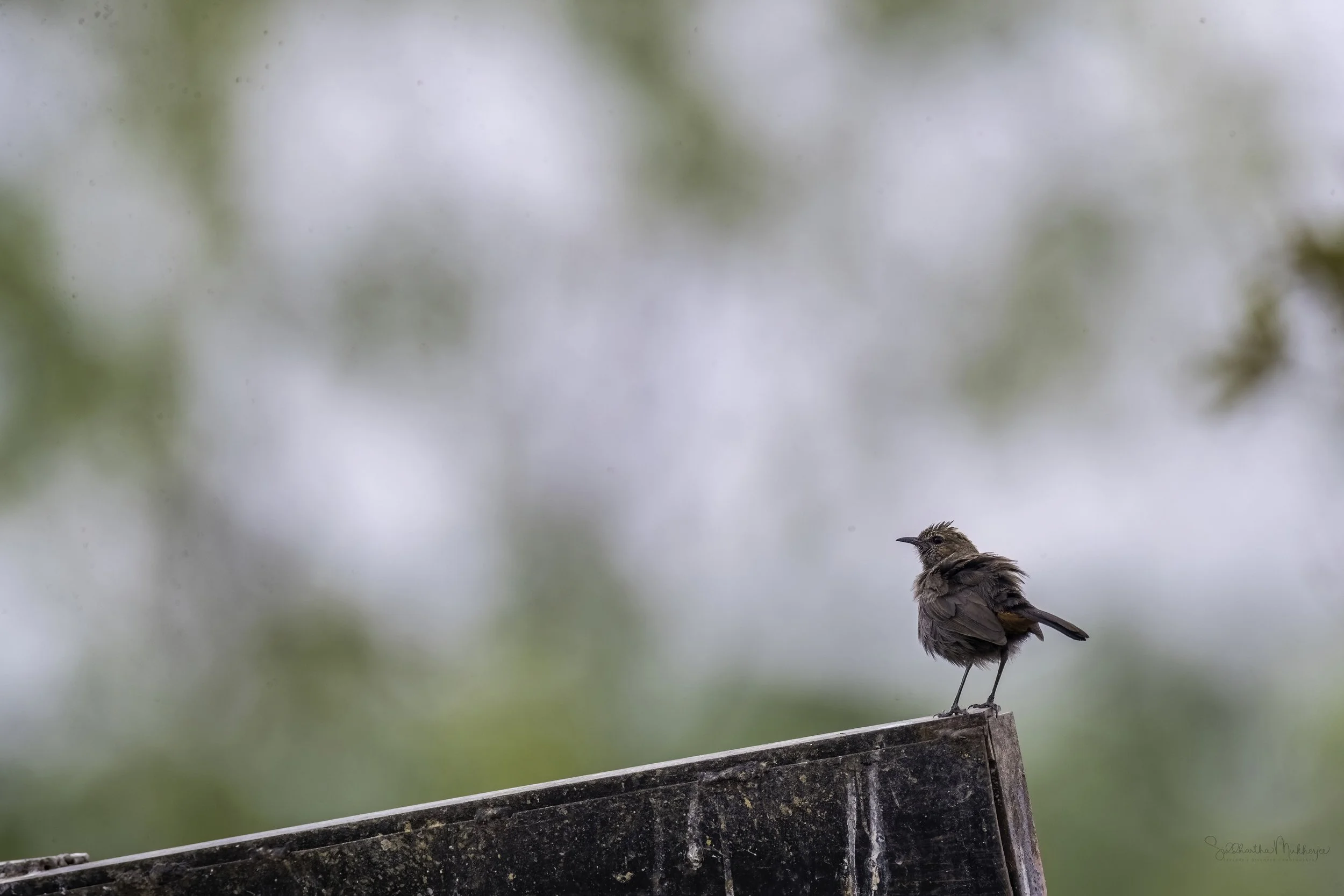
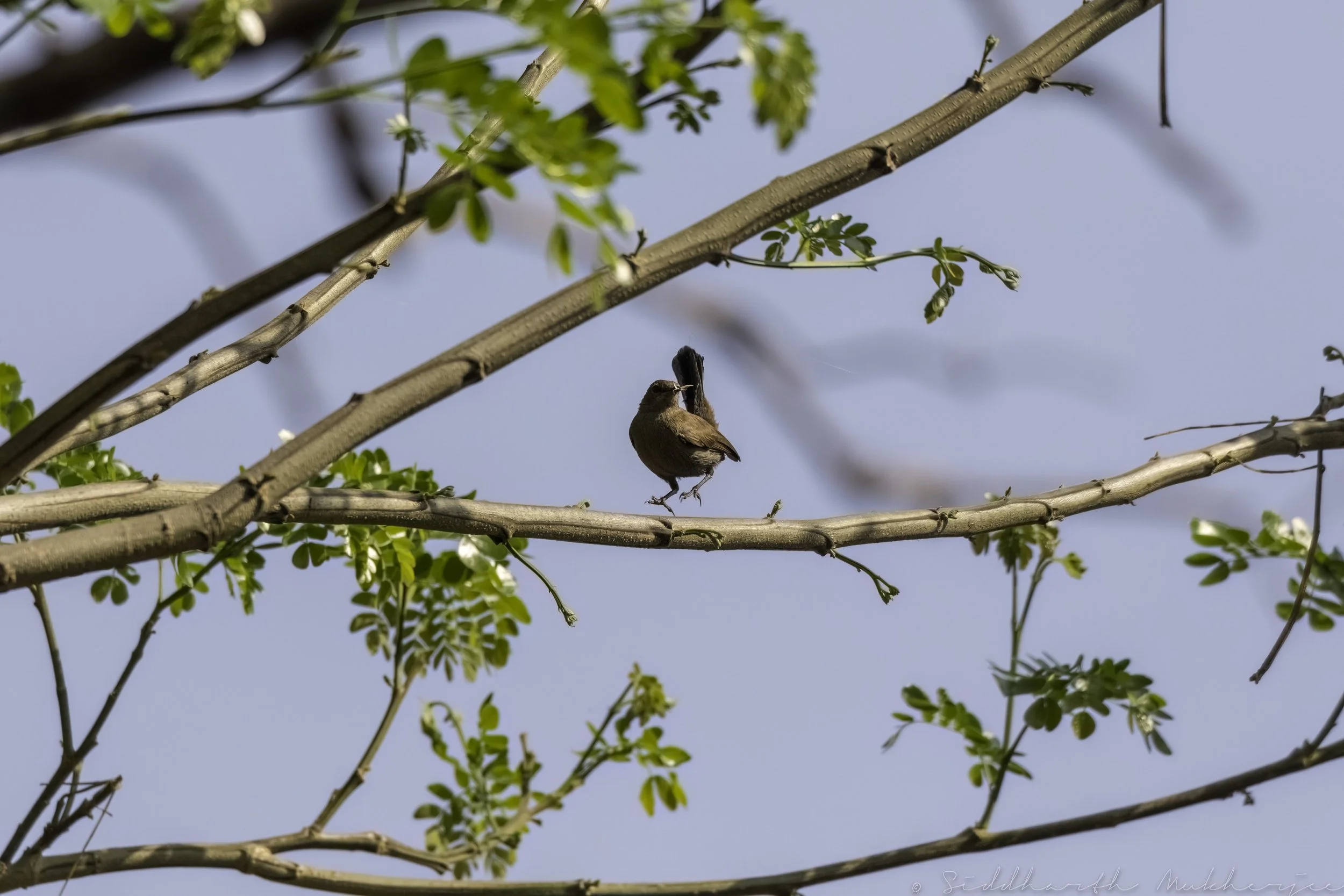
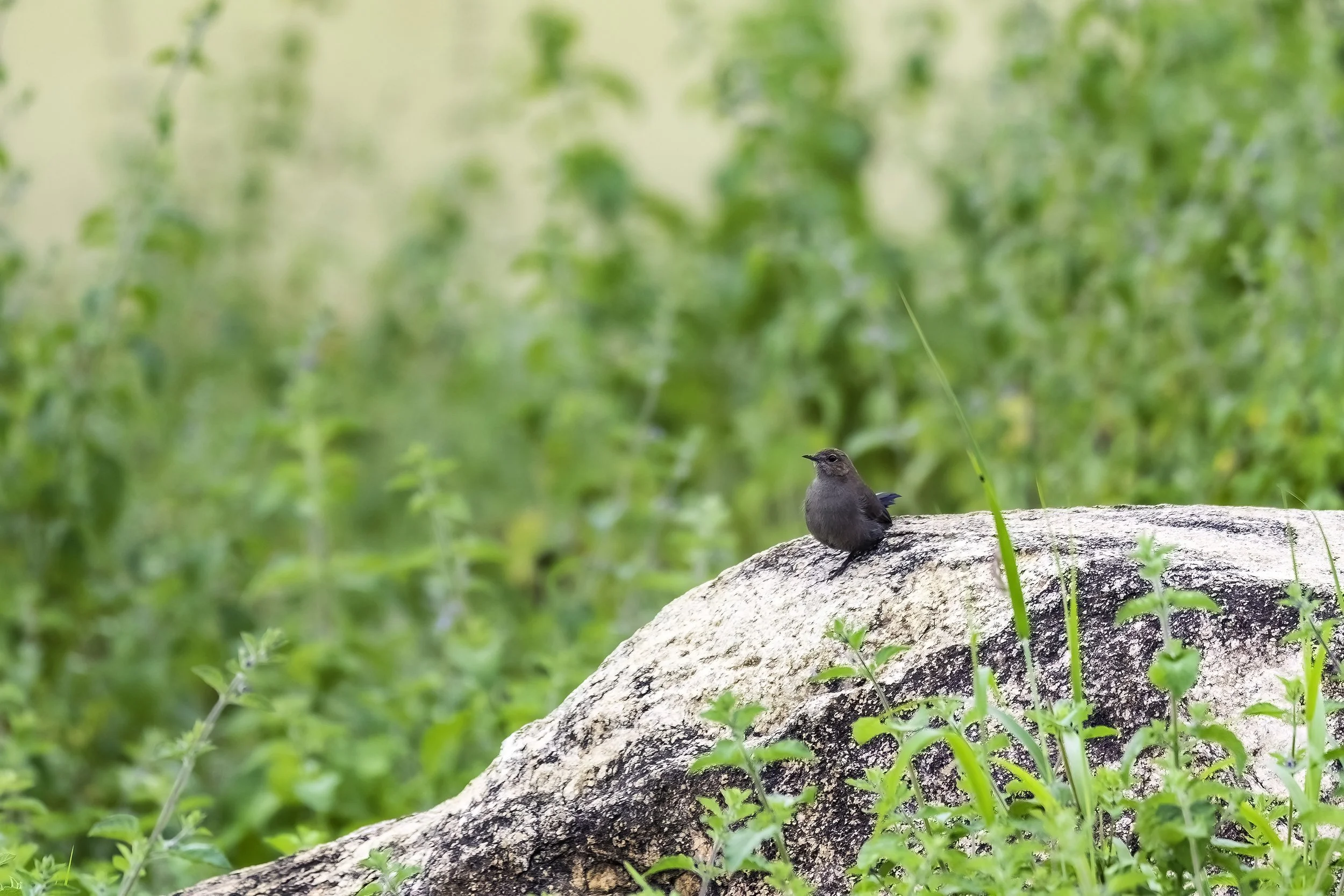
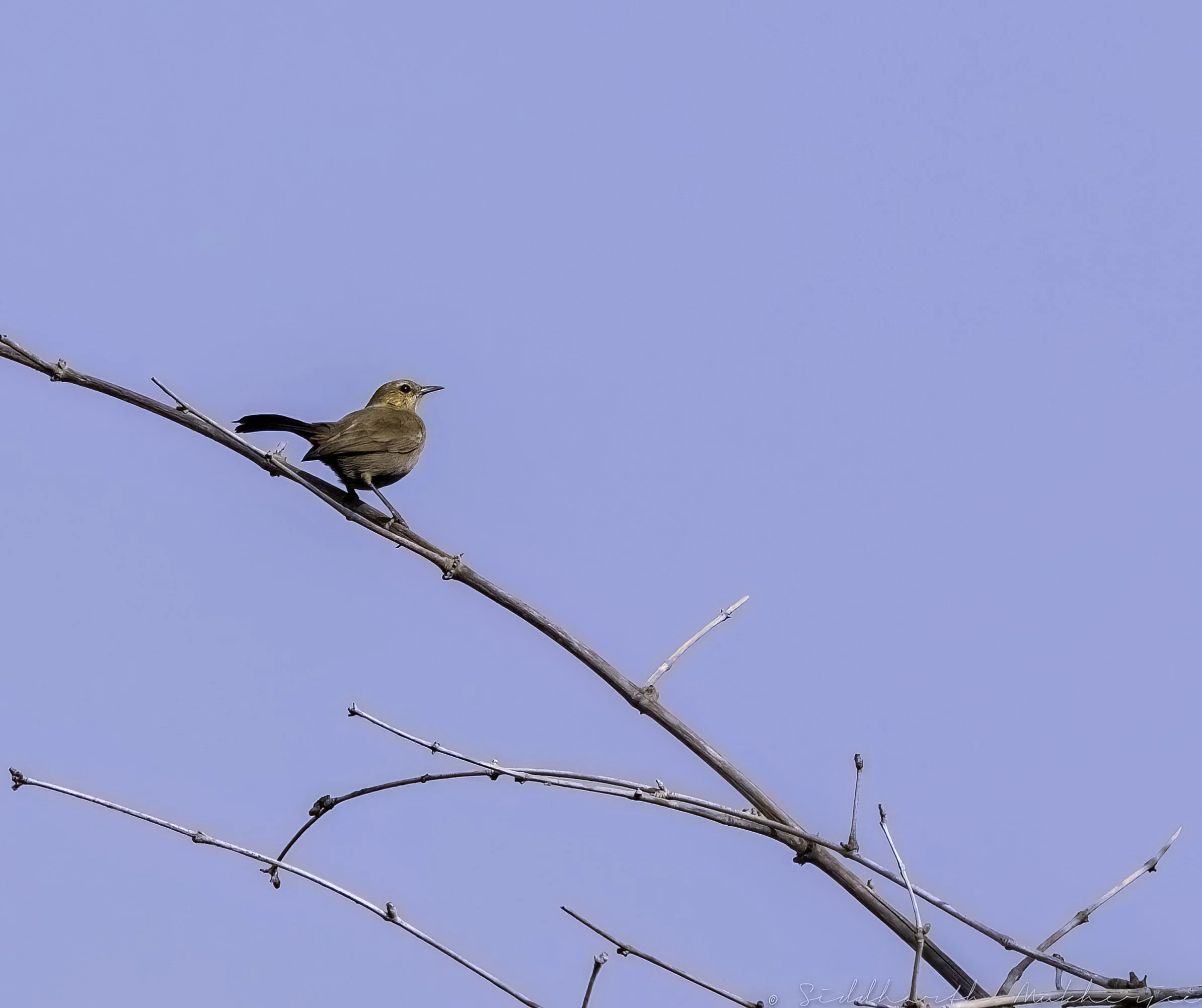
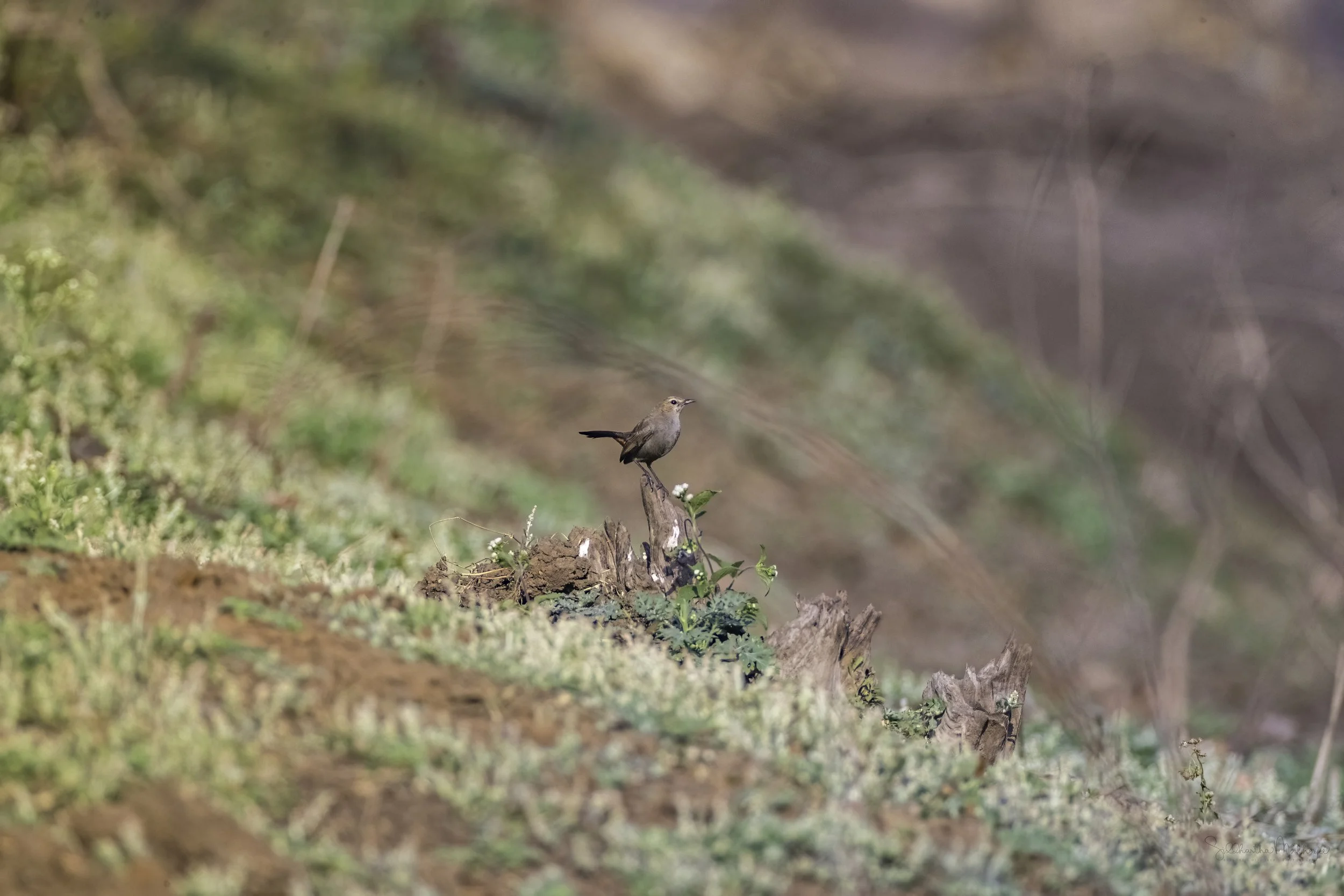
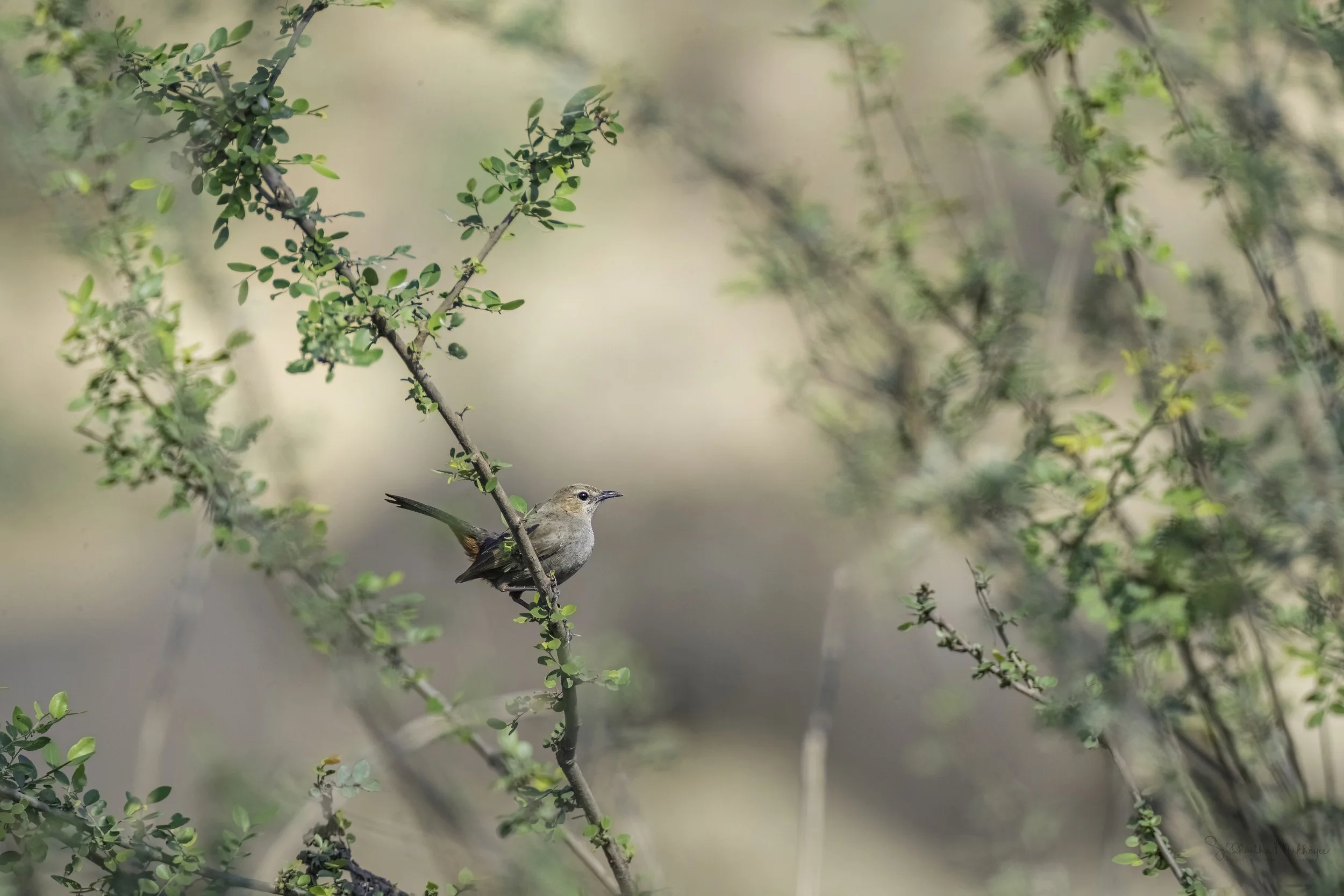
Indian Robin (Female)
Indian Robin
The Indian Robin is not a rare sight; it is a widespread resident breeder across the Indian subcontinent, found in India, Pakistan, Sri Lanka, and Bangladesh. In Telangana, it is common, often seen perching on low thorny shrubs, boundary walls, or rocks. Unlike migratory species, these birds are strictly resident and non-migratory, remaining in their territories throughout the year. It is a small passerine, measuring approximately 15 to 19 cm in length and weighing between 17 and 20 grams. It possesses a distinctive silhouette, often defined by its long, 6–8 cm tail held cocked upright.
There is a striking sexual dimorphism in their plumage:
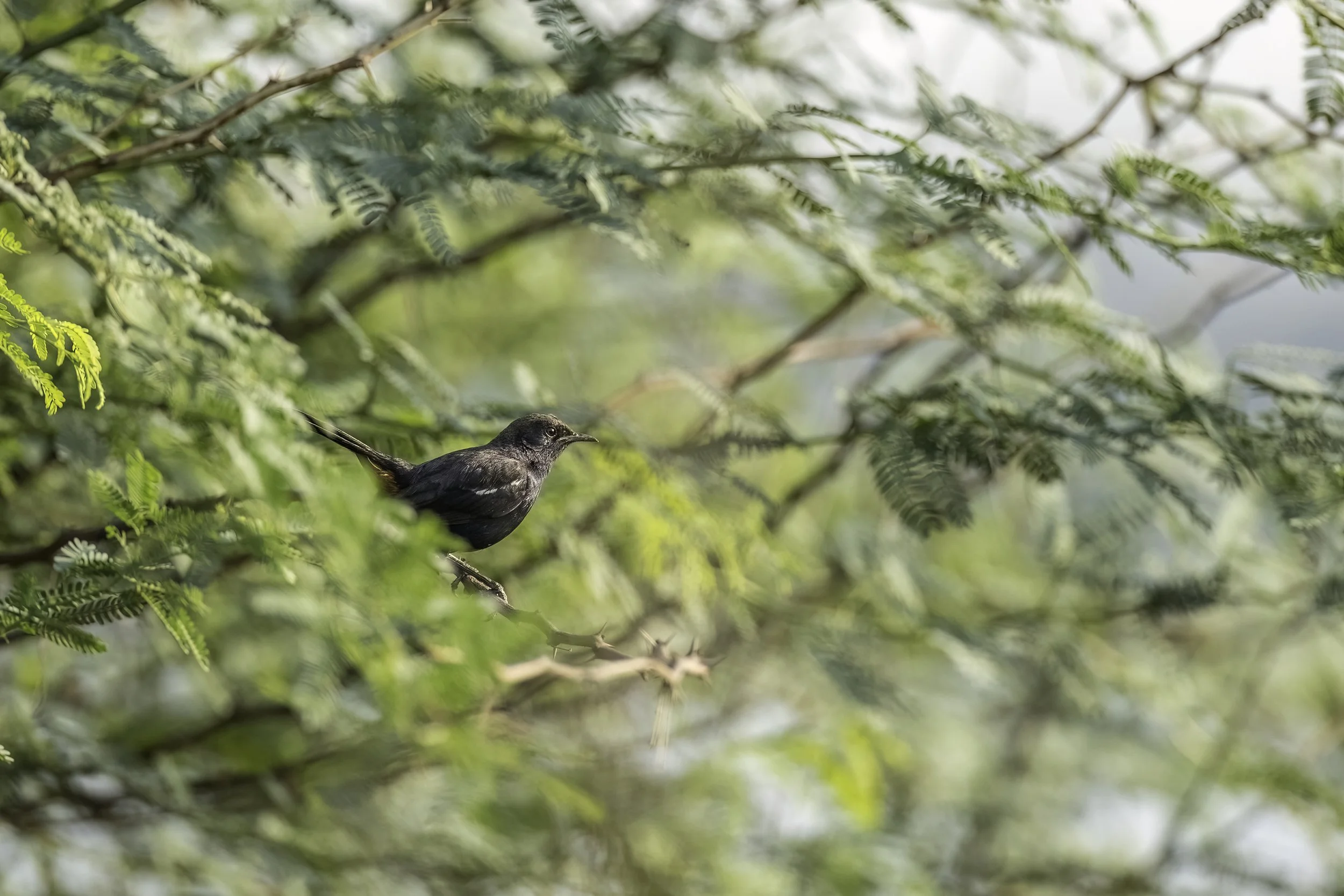
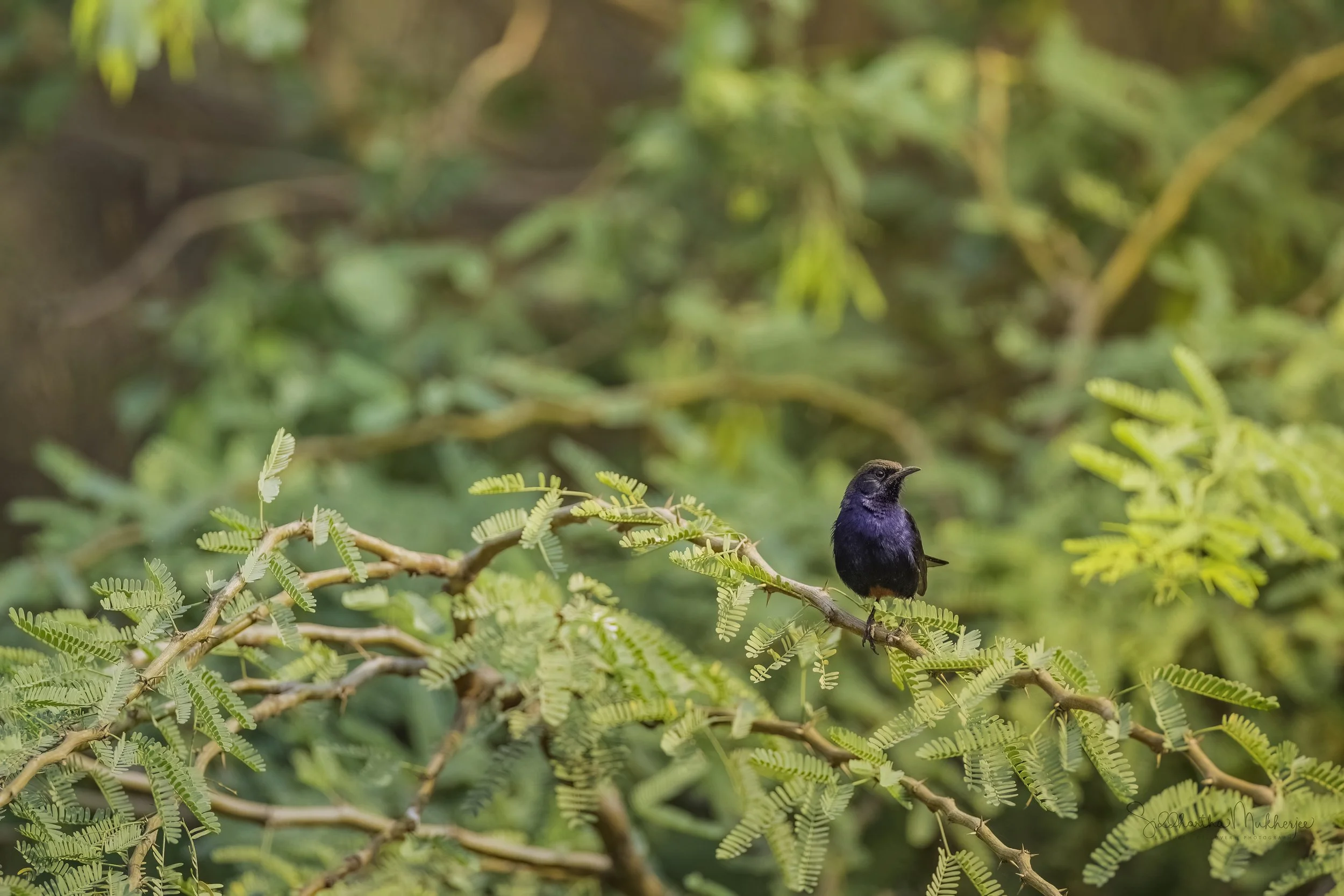
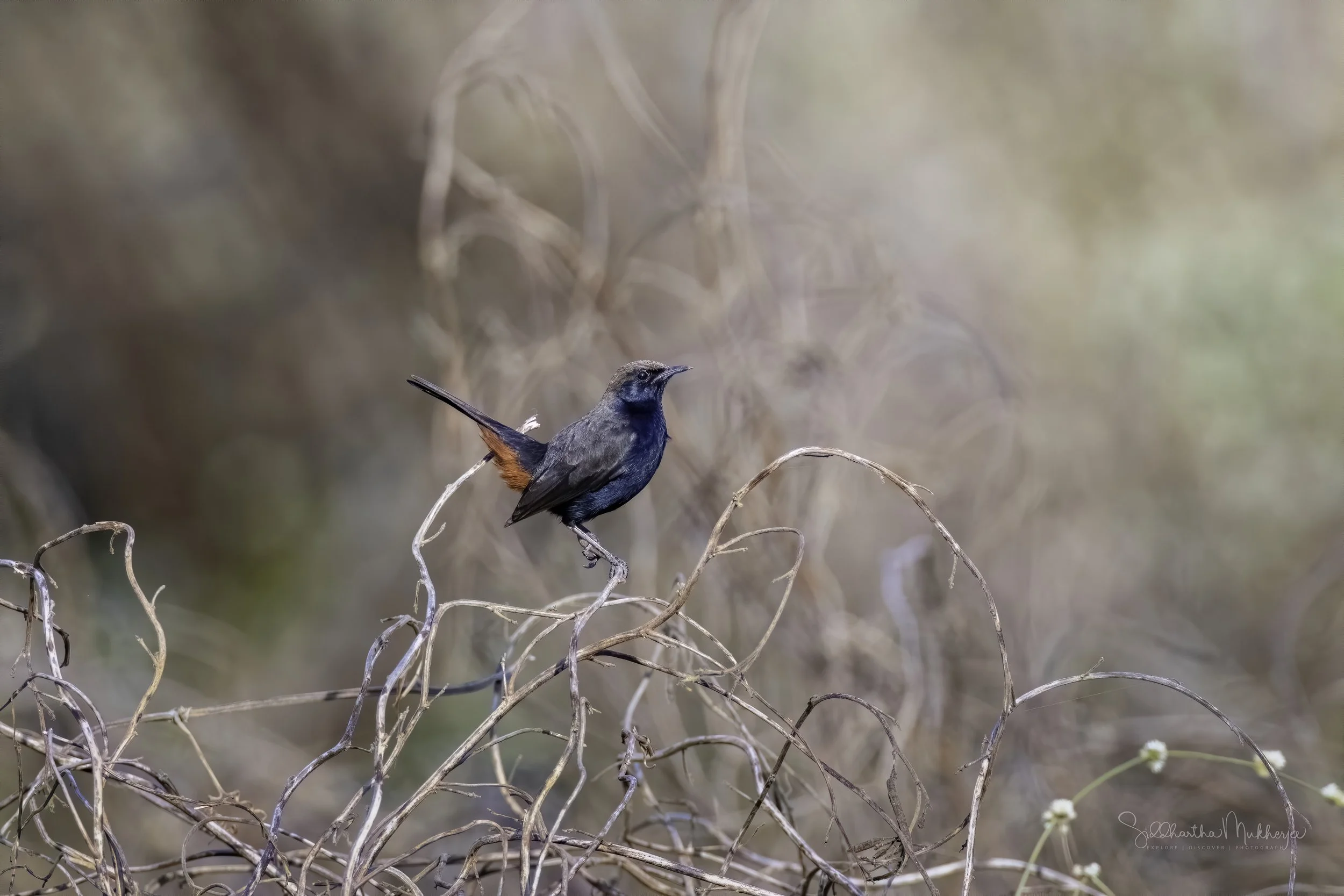
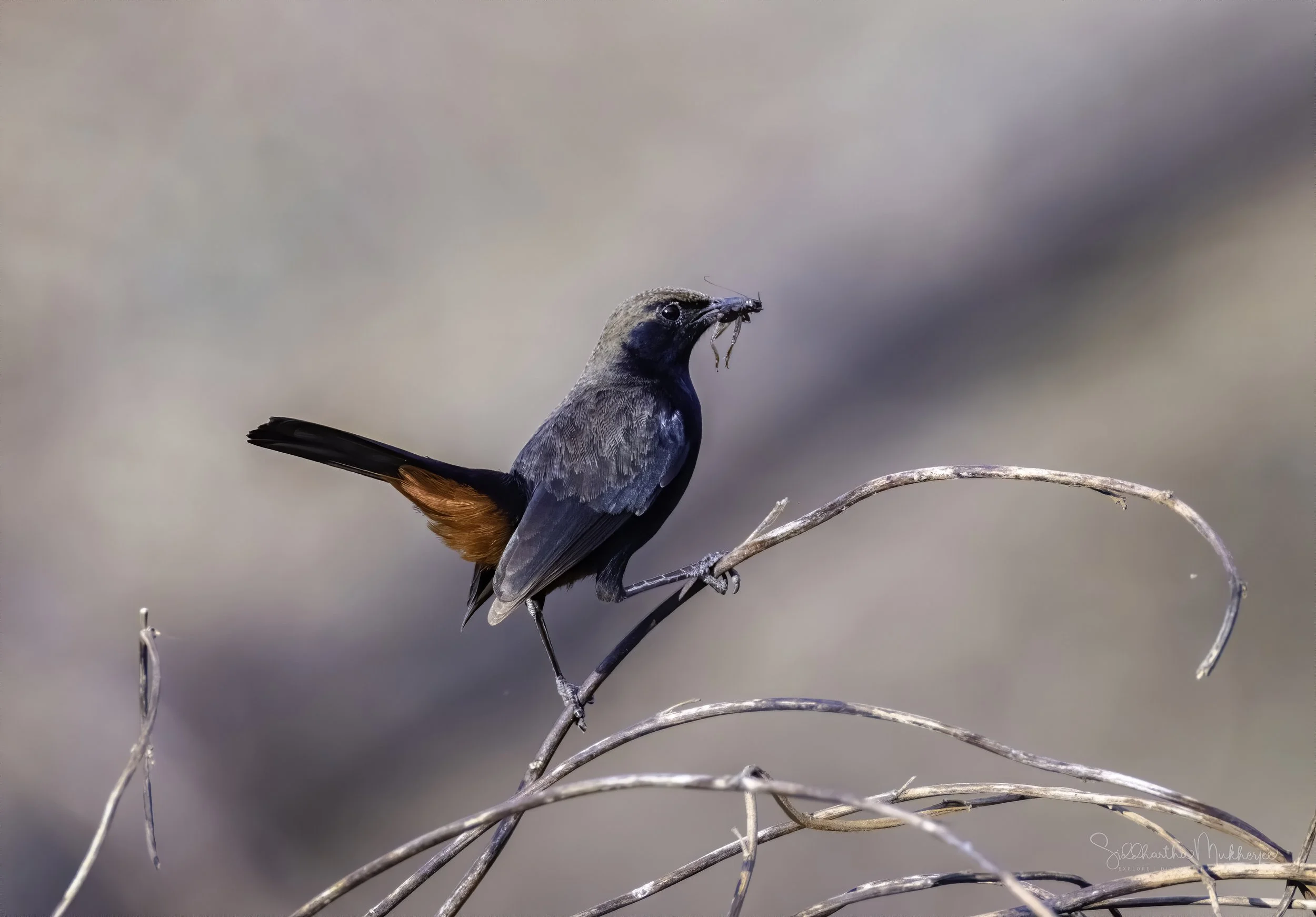
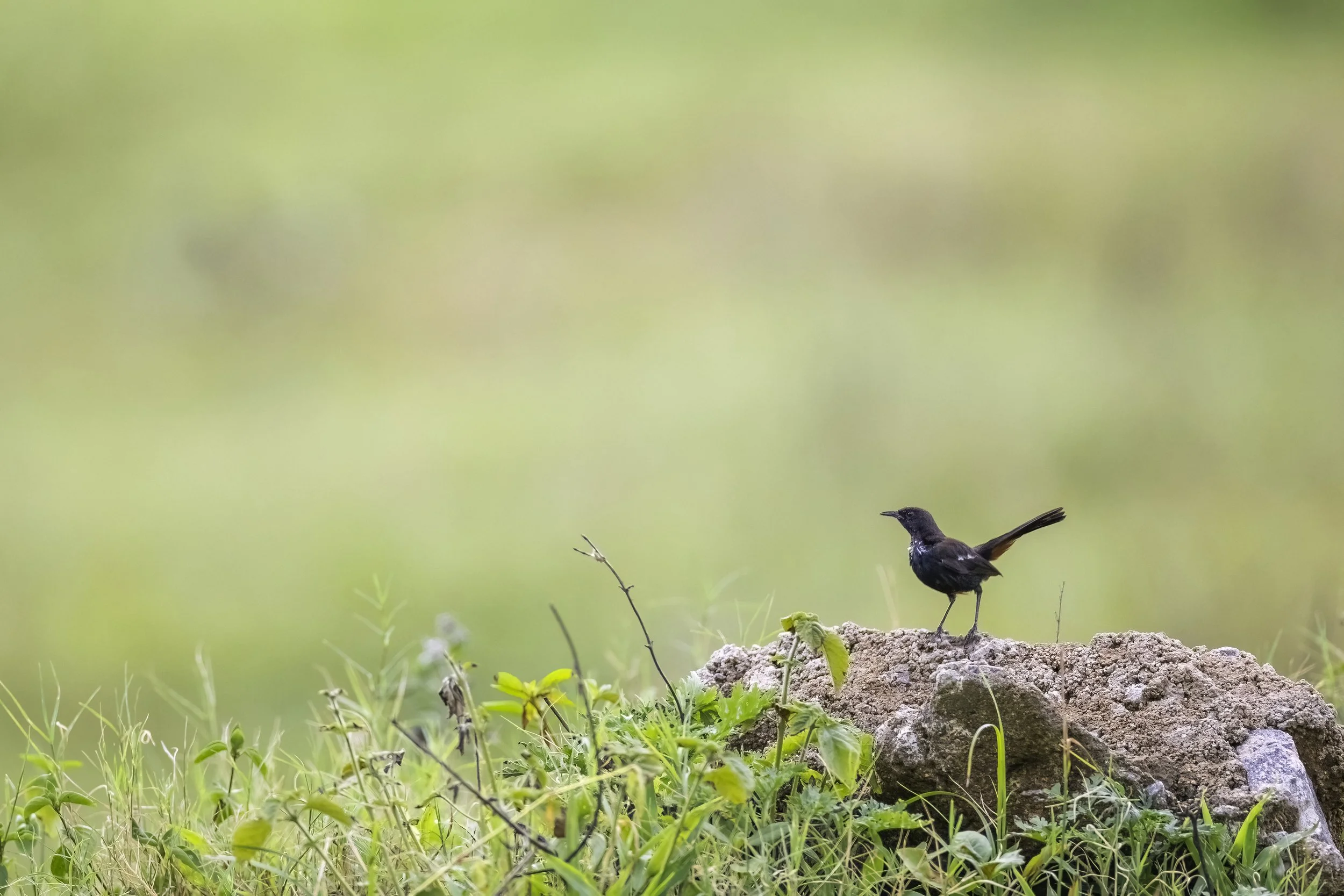
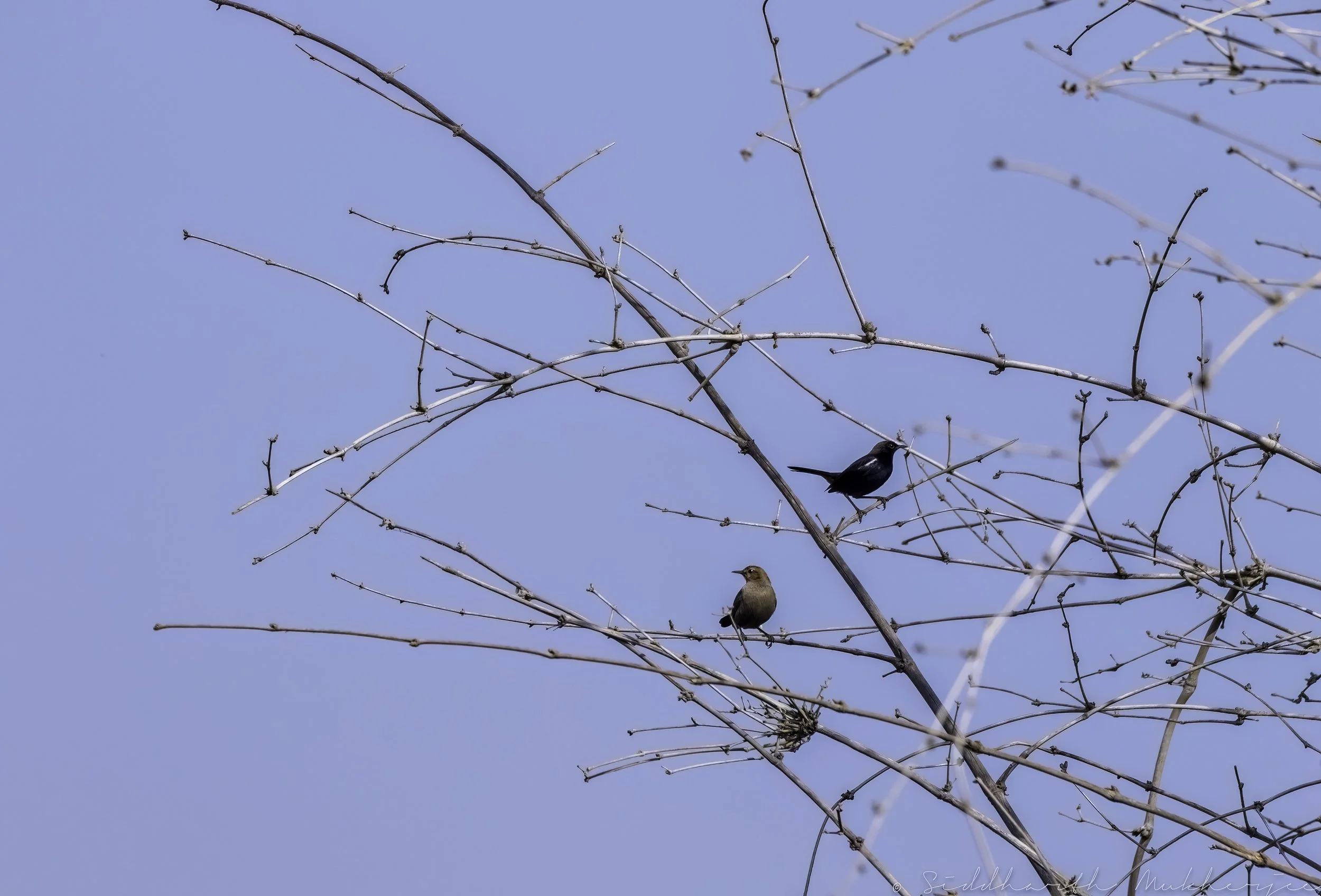
Males are a glossy black overall with a prominent white shoulder patch that fluctuates in visibility depending on the bird’s posture. A key diagnostic feature is the chestnut (reddish) undertail coverts, which flash brilliantly when the tail is raised.
Females are much more understated, with brownish-grey upperparts and greyish-white underparts. They lack the white shoulder patch and have a paler chestnut vent compared to males.
Geographic Variation: Interestingly, northern populations (subspecies cambaiensis) have brownish backs, while southern populations, including those in Telangana'sDeccan region, typically have all-black backs.
The Indian Robin is rarely found in the dark, dense interior of a jungle. Instead, they favor open scrub areas, stony hillsides, grassy forest edges, and dry habitats. They are highly adaptable and are a frequent sight around human habitations, gardens, and farmlands. They are terrestrial by nature, often seen running along the ground or hopping with agile movements in search of insects, worms, and even the occasional flower nectar.
Races intergrade. Five subspecies recognized.
Copsychus fulicatus cambaiensis: Distributed in Pakistan (South from Khyber Pakhtunkhwa to East Baluchistan), North and West India (East to Bihar, South to River Tapti) and South Nepal.
Copsychus fulicatus erythrurus: Distributed in North East India (from East Bihar) and N Bangladesh.
Copsychus fulicatus intermedius: Distributed in Central India (River Tapti, South Madhya Pradesh and Odisha South to River Krishna).
Copsychus fulicatus fulicatus: Distributed in South India (South from River Krishna).
Copsychus fulicatus leucopterus: Distributed in Sri Lanka.
A common challenge for budding birders is distinguishing the Indian Robin from its cousins and other black birds of the subcontinent like the drongos.
While some may mistake the male Indian Robin for a Drongo due to its black plumage, the differences are clear: drongos possess a deeply forked tail and an arboreal lifestyle, hunting insects in flight, whereas the Indian Robin remains grounded with its cocked, square-ended tail and terrestrial foraging.
Capturing the Indian Robin in the Amrabad Tiger Reserve is a test of patience. The reserve, India's second-largest, offers a mosaic of dry deciduous forests and rocky outcrops perfect for these birds. While the Oriental Magpie-Robin often sings boldly from high perches near the Chenchu hamlets, the Indian Robin requires a lower perspective.
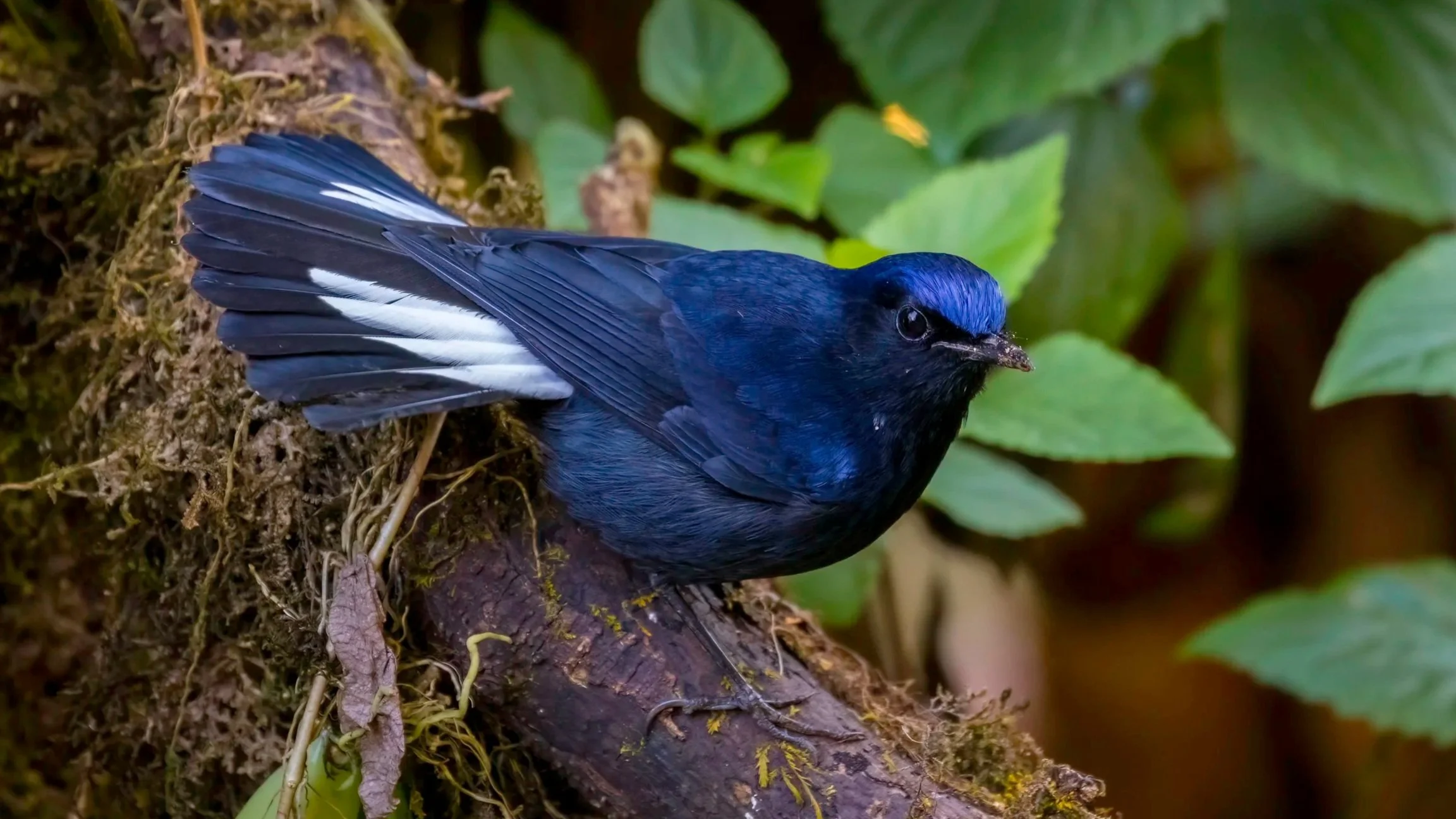
Photographing them involves sitting quietly near a stony patch or a low Ziziphus shrub. You wait for that specific moment—the "tail cock"—to frame the contrast of the chestnut vent against the black body. If you are lucky, the shy White-tailed Robin might appear in the shadier nullahs, offering a glimpse of its "sapphire blue" feathers, but it is the energetic, human-loving Indian Robin that truly defines the spirit of the Telangana scrubland.
The Indian Robin is not globally threatened. It is common in Pakistan and throughout the Indian Subcontinent South of the Himalayas. It is uncommon to rare in South Nepal and very common in the dry zone but less so in the wet zone in Sri Lanka.
‡‡‡‡‡

Related Posts
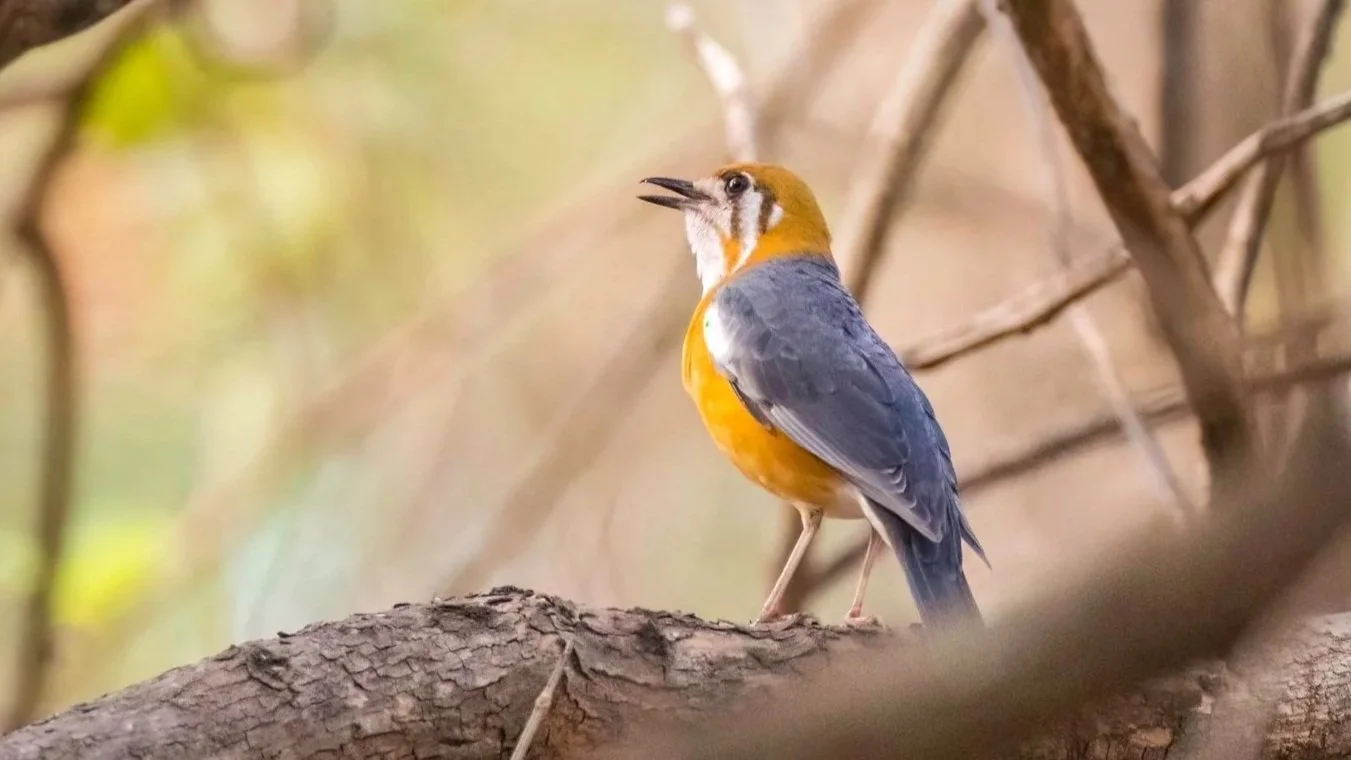

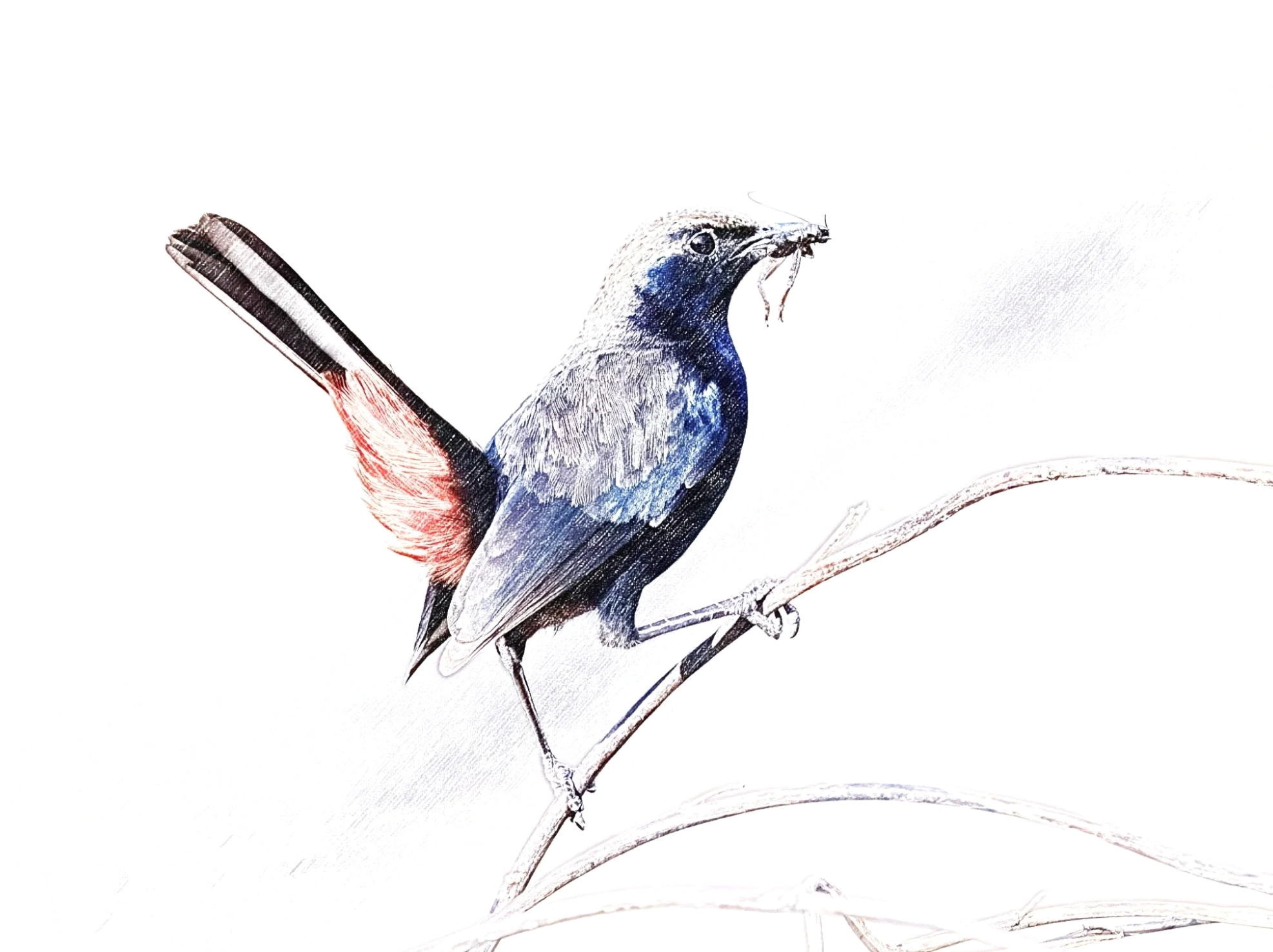
Finding and photographing the Oriental Magpie-Robin (Copsychus saularis) in the Nallamala forests of South Telangana is a rewarding experience for any birder or photographer. Known as the "Doel" or "Dhayal," this bird is celebrated for its melodious songs and striking black-and-white appearance.
#wildartworks, #Canon, #Birdinginthewild, #conservationphotography, #telanganabirds, @wildtelangana, #nallamalahills, #amrabadtigerreserve, #orientalmagpierobin, #doel,