
The Godavari Mugger
ముస్సల మడుగు
Crocodylus palustris
VULNERABLE
River Godavari, Telangana
The sun hung low over the Nirmal district of Telangana, casting long, golden fingers across the Godavari River. As the dry season pulled the water back, the river’s hidden architecture emerged: vast, shimmering sandbanks and a labyrinth of narrow, emerald channels. It was here, on a wet night near a quiet village, I found myself standing on the edge of a world that felt both prehistoric and precariously modern. Guided by Shri Ganga Reddy Garu, the sarpanch (Head Man) of the village, who knew the river’s moods, I reached a stretch of water near the backwaters of the Sri Ram Sagar Reservoir. In one of these still, forgotten pools, a serrated back broke the surface. Then another.
Telangana's landscape is dotted with ideal habitats, from the urban oases of Ameenpur Lake, Osman Sagar, HImayat Sagar, Kistareddypet Lake near Hyderabad to the sprawling Singur Dam, the Sri Ram Sagar Reservoir and the Dindi Reservoir. Renowned for its extensive natural resources, breathtaking scenery and rich cultural legacy Telangana is the eleventh largest state in India situated on the south-central stretch of the Indian peninsula on the high Deccan Plateau. It is the twelfth-most populated state in India with a geographical area of 112,077 km² of which 21,214 km² is forest cover. The dry deciduous forests ecoregion of the central Deccan Plateau covers much of the state, including Hyderabad. The characteristic vegetation is woodlands of Hardwickia binata and Albizia amara. Over 80% of the original forest cover has been cleared for agriculture, timber harvesting, or cattle grazing, but large blocks of forest can be found in the Amrabad Tiger Reserve and elsewhere. The more humid Eastern Highlands moist deciduous forests cover the Eastern Ghats in the eastern part of the state. The Central Deccan forests have an upper canopy at 15–25 meters, and an understory at 10–15 meters, with little undergrowth.
The dry sub-humid zone or Dichanthium-cenchrus-lasitrrus type of grasslands are prevalent here and cover almost the entirety of peninsular India except the Nilgiris. One sees thorny bushes like the Acacia catechu or Khair as it is known in Hindi, Mimosa, Zizyphus (Ber) and sometimes the fleshy Euphorbia, along with low trees of Anogeissus letifolia or Axle Wood, Soymida febrifuga - the Indian Redwood - and other deciduous species. Sehima (grass) which is more prevalent on gravel is about 27% of the cover and Dichanthium(grass) which flourishes on level soil is almost 80% of the coverage.
Telangana's geography is defined by two major perennial river systems—the Godavari in the north and the Krishna in the south—which together drain over 1.1 lakh km² of the state. These rivers and their numerous tributaries form a network of basins that sustain the state's agriculture and foster diverse ecological niches, ranging from dense teak forests to critical wetland habitats. The state is divided into two primary drainage basins:
The Godavari River System: Known as the Dakshin Ganga, it enters Telangana at Kandakurthi and flows for approximately 600 km. Its major tributaries in the state include:
The Manjeera: A vital source of drinking water for Hyderabad and home to the Manjira Wildlife Sanctuary.
The Pranahitha: Flows through the Pranahita Wildlife Sanctuary, supporting rich vegetational diversity.
Others: The Penganga, the Wardha and Kinnerasani
The Krishna River System: Enters Telangana at Thangadigi and flows for about 430 km. Key tributaries include:
The Musi: Originates in the Anantagiri Hills and flows through Hyderabad.
The Bhima: A major tributary supporting irrigation in southern districts.
Others: The Tungabhadra, Dindi and Paleru.
Biodiversity and Habitats
The river systems act as primary corridors for Telangana’s biological diversity, which includes over 2,900 plant species and nearly 2,900 animal species.
Riverine Forests: Dense teak forests thrive along the Godavari’s banks from Nizamabad to Khammam. These forests are habitats for tigers, leopards, Indian Gaur, and Chausingha (Four-horned Antelopes).
Wetland Sanctuaries:
Manjeera Wildlife Sanctuary: Located on the Manjeera River, it is a critical habitat for the endangered Marsh Crocodile (Mugger) and over 290 bird species.
Kinnerasani Wildlife Sanctuary: Surrounded by the backwaters of the Kinnerasani dam, it offers a lush green landscape for diverse fauna.
Sivaram Wildlife Sanctuary: Another riverine sanctuary on the Godavari known for its crocodile population.
Aquatic Life: Telangana’s rivers and reservoirs host approximately 166 fish species, including the Murrel (Korameenu), the state's official icon fish.
Migratory Birds: Sites like the Pakhal Lake and the Ameenpur Lake (a recognized Biodiversity Heritage Site) serve as vital stops for numerous migratory bird species.
Despite their ecological value, these systems face significant threats: Rivers like the Musi are heavily impacted by industrial effluents and untreated urban sewage. Habitat Loss: Encroachment on riverbeds and over-extraction for irrigation and urban needs stress the natural flow and health of these ecosystems.
Sri Ram Sagar Project Environs
The Sri Ram Sagar Reservoir (SRSP), also known as the Pochampadu Project, is a critical multipurpose wetland ecosystem located on the Godavari River in the Nizamabad and Nirmal districts of Telangana. While primarily an irrigation and hydroelectric project, its vast backwaters and diverse catchment areas have evolved into a vital refuge for regional wildlife.
The reservoir and its environs support a complex mosaic of aquatic and terrestrial habitats, including deep open waters, shallow marshes, reedbeds (Phragmites and Typha), and adjacent deciduous forest patches like the Mallaram Forest. The backwaters are a major destination for migratory birds. Notable sightings include the Common Crane, which migrates from Europe to winter here, and various species of storks, ducks, and teals. Resident species such as Peacocks and various "rare birds" are frequently observed in the surrounding scrub and forest areas. The environs are home to various ungulates, including Spotted Deer/Chital, which roam the project area. The proximity to forest patches allows for a crossover of smaller mammals such as Indian Hares and Jackals.
The Godavari River system at this location supports over 26 fish species, dominated by the order Cypriniformes. Common fish include major carps and various catfish, which sustain both the local avian predators and a vibrant fishing industry. The riverbed and banks feature a diversity of aquatic macrophytes, including 30 different species of submerged, free-floating, and emergent plants (e.g., Typhaangustifolia) that provide essential nesting material for birds like the Streaked Weaver.
Criticality as a Habitat
The SRSP serves as a "lifeline" for wildlife in the Deccan plateau for several reasons:
Water Security: It provides a perennial water source in a semi-arid region, crucial for both resident and migratory species during the dry summer months.
Nesting Grounds: The dense reedbeds along the shoreline are indispensable for communal nesters like these Vulnerable Mugger Crocodiles, Streaked Weavers and various heron species. This is also close to where I had documented the Fireflies.
Migratory Stopover: As a significant inland wetland, it serves as a critical stopover and wintering site along migratory flyways for waterbirds.
Despite its ecological importance, the reservoir faces several escalating threats:
Sedimentation: India's reservoirs, including SRSP, are losing significant storage capacity due to siltation caused by agriculture-driven soil erosion and deforestation in the upstream catchment areas. As of 2025, SRSP's actual retention capacity is significantly lower than its original 90 TMC design due to this silt build-up.
Water Quality Issues: Extensive upstream water utilization in Maharashtra has led to high alkalinity and salinity in the reservoir, which can be detrimental to sensitive aquatic life and cattle.
Structural and Safety Risks: In late 2025, dam safety warnings issued for related projects (like the Singur Dam) highlighted the broader risk of structural damage and the need for restricted storage levels, which can disrupt the stable water levels required for shore-nesting birds.
Invasive Species: The spread of exotic aquatic plants can choke native vegetation and alter the habitat structure of the marshes.
The backwaters in the Nirmal region have evolved into a critical habitat for diverse flora and fauna:
Blackbuck Sanctuary: The open grasslands around the backwaters in mandals like Dilawarpur, Lokeshwaram, and Narsapur (G) are home to large herds of blackbucks. These animals are frequently seen grazing along the banks, particularly from January to June when water levels recede to reveal lush pastures.
Avian Haven: The reservoir and its islands are a major retreat for migratory birds, including Flamingoes and Painted Storks, especially during the monsoon and winter seasons.
Diverse Terrain: The landscape transitions from dense "chittadavi (చిట్టడవి)" thickets during the monsoon to extensive, walkable grasslands as the reservoir's water spread contracts.
As a burgeoning eco-tourism destination, the backwaters offer several natural attractions like scenic picnic spots, Boating and Photography and planned Eco-Tourism Hubs. The Forest Department has proposed developing an eco-tourism hub in the SRSP backwaters, which may include amenities like watchtowers to facilitate wildlife observation.
Local Connection
For residents in nearby villages, the backwaters are part of daily life, with wildlife like blackbucks occasionally straying into local agricultural fields. The area is best visited during the monsoon season (July to September) for high-water views or the early summer for optimal wildlife sightings on the revealed grasslands.
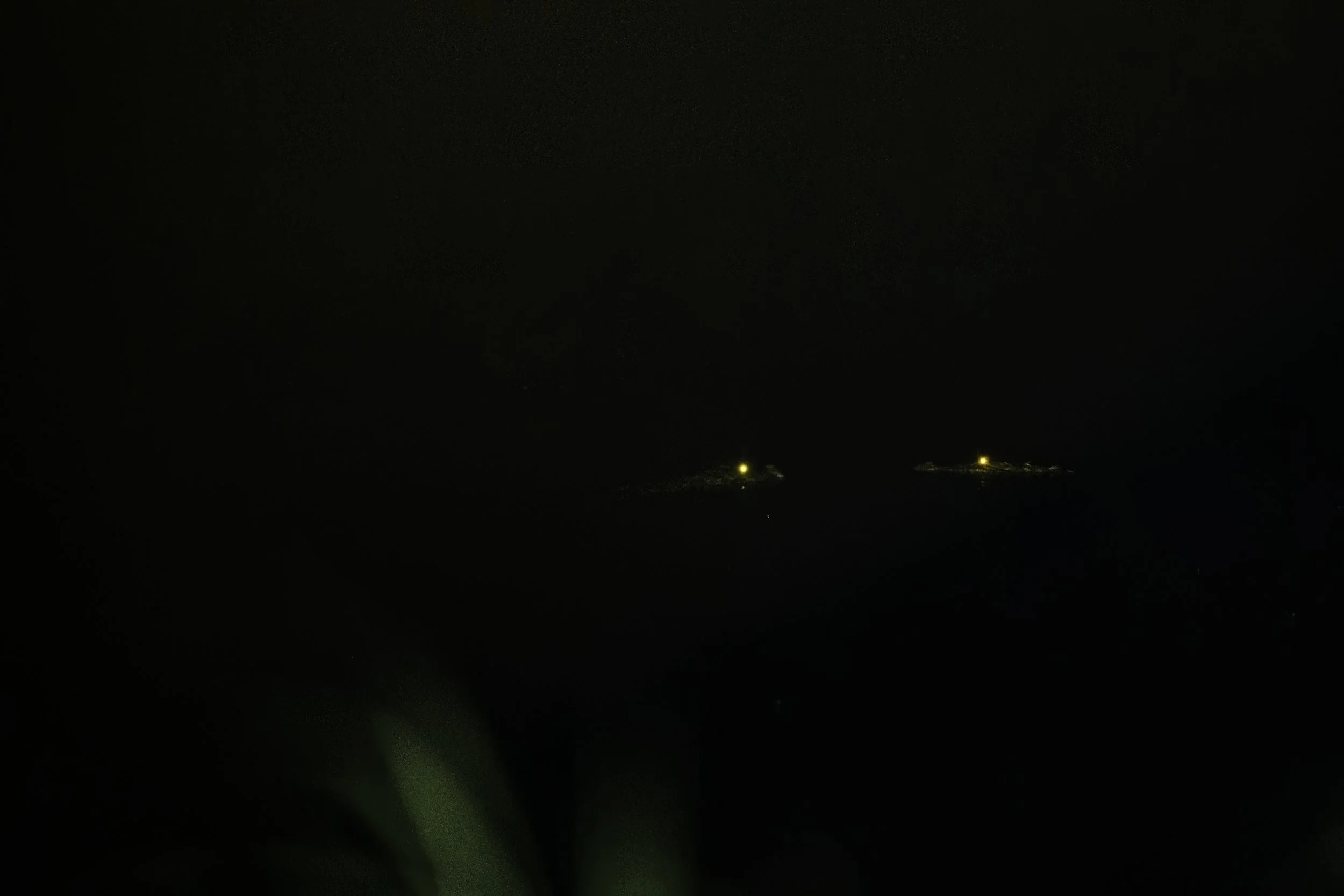
Vulnerable Mugger Crocodiles photographed after dark exhibiting “eyeshyne”.
Mugger Crocodile
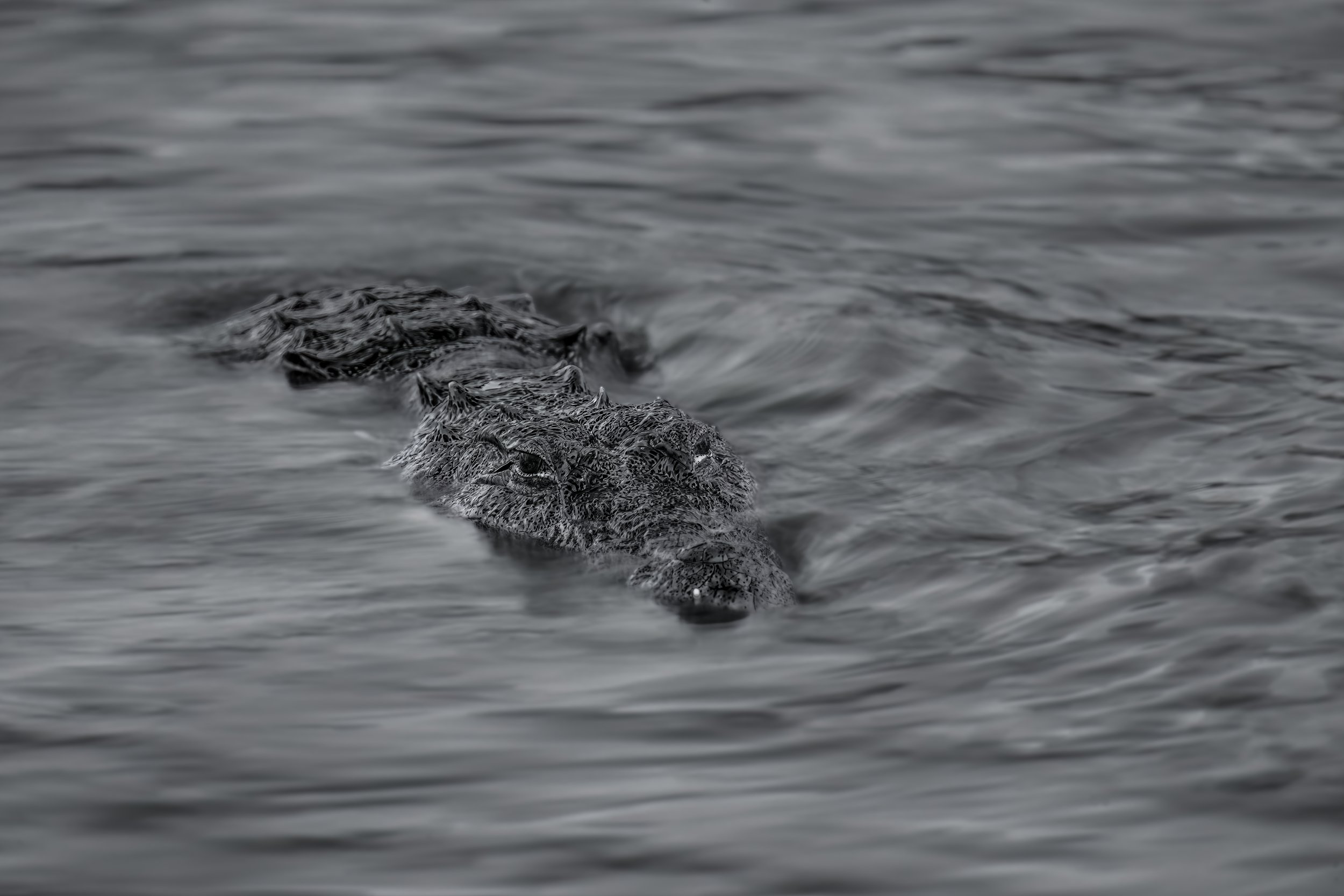
The Mugger crocodile (Crocodylus palustris) is a creature of grit. Unlike its saltwater cousins, the Mugger is a hole-nesting species, perfectly evolved for the riverine ecosystems of the Indian subcontinent. Seeing them here was nothing less than a shock; they looked like living fossils, their olive-brown scales blending seamlessly with the river silt. These reptiles have endured for millions of years, yet as I watched a large male haul himself onto a warm bank to bask, the "vulnerable" status tagged to his species felt heavy and visible.
The mugger crocodile evolved at least 4.19 million years ago and has been a symbol for the fructifying and destructive powers of the rivers since the Vedic period. It was first scientifically described in 1831 and is protected by law in Iran, India and Sri Lanka. Since 1982, it has been listed as Vulnerable on the IUCN Red List. Outside protected areas, it is threatened by conversion of natural habitats, gets entangled in fishing nets and is killed in human–wildlife conflict situations and in traffic accidents.
It is a medium-sized broad-snouted crocodile, also known as the mugger & marsh crocodile. It is native to freshwater habitats from south-eastern Iran to the Indian subcontinent, where it inhabits marshes, lakes, rivers and artificial ponds. It rarely reaches a body length of 5 m (16 ft 5 in) and is a powerful swimmer, but also walks on land in search of suitable waterbodies during the hot season. The maximum length for this crocodile is 4-5 meters, and maximum weight is 700 kg. It has rough thick scales covering the whole body with a muddy brown coloring. It has the widest snout among all crocodile species. The length of an adult crocodile’s tail is about 1.8 meters long. There seems to be no visible difference between the sexes, except that the female is smaller. A hatchling would measure 0.27 meters and weigh less than 0.3 kg. It is considered a juvenile when it reaches 1.4 meters long and weighs 3-30 kg. The female mugger crocodile defends and attends to the nest. The female continuously adjusts the temperature of the nest for suitable conditions for hatchlings and herself. It is difficult to observe how the mugger crocodile takes care of the hatchlings due to inaccessibility of the nests. The young stay near the nest until they are yearlings, but it's unclear how much care the female extends towards them. The male does not take care of the young. Both young and adult mugger crocodiles dig burrows to which they retreat when the ambient temperature drops below 5 °C (41 °F) or exceeds 38 °C (100 °F). Females dig holes in the sand as nesting sites and lay up to 46 eggs during the dry season. The sex of hatchlings depends on temperature during incubation. Both parents protect the young for up to one year. They feed on insects, and adults prey on fish, reptiles, birds and mammals.
Crocodilus palustris was the scientific name proposed by René Lesson in 1831 who described the type specimen from the Gangetic plains. In subsequent years, several naturalists and curators of natural history museums described zoological specimens and proposed different names, including:
Crocodilus bombifrons by John Edward Gray in 1844 for a specimen sent by the Museum of the Royal Asiatic Society of Bengal to the British Museum of Natural History.
Crocodilus trigonops also by Gray in 1844 for a young mugger specimen from India.
Phylogenetic analysis of 23 crocodilian species indicated that the genus Crocodylus most likely originated in Australasia about 13.72 to 8.28 million years ago. The freshwater crocodile (Crocodilus johnstoni) is thought to have been the first species that genetically diverged from the common ancestor of the genus about 12.45 to 7.17 million years ago. The sister group comprising saltwater crocodile (Crocodilus porosus), Siamese crocodile (Crocodilus siamensis) and mugger crocodile diverged about 11.65 to 6.52 million years ago. The latter diverged from this group about 8.91 to 4.19 million years ago (Oaks, J. R. (2011). A paleogenomics analysis indicated that Crocodylus likely originated in Africa and radiated towards Southeast Asia and the Americas, diverging from its closest recent relative, the extinct Voay of Madagascar, around 25 million years ago near the Oligocene/Miocene boundary. (Hekkala, E.; Gatesy, J.; Narechania, A.; Meredith, R.; Russello, M.; Aardema, M. L.; Jensen, E.; Montanari, S.; Brochu, C.; Norell, M. & Amato, G. (2021). Within Crocodylus, the mugger crocodile's closest living relatives are the Siamese crocodile and the saltwater crocodile.
Fossil crocodile specimens excavated in the Sivalik Hills closely resemble the mugger crocodile in the shortness of the premaxillae and in the form of the nasal openings. In Andhra Pradesh's Prakasam district, a 30.6 cm (12.0 in) long fossilized skull of a mugger crocodile was found in a volcanic ash bed that probably dates to the late Pleistocene. Crocodylus palaeindicus from late Pliocene sediments in the Sivalik Hills is thought to be an ancestor of the mugger crocodile. Fossil remains of Crocodylus palaeindicus were also excavated in the vicinity of Bagan in central Myanmar. Information about the mugger crocodile’s longevity is understudied and any information about it is conjectural. Carey and Judge (2000) report this species living 28.4 years in the wild. Snider and Bowler (1992) have it recorded as it living as long as 31.5 years in captivity.
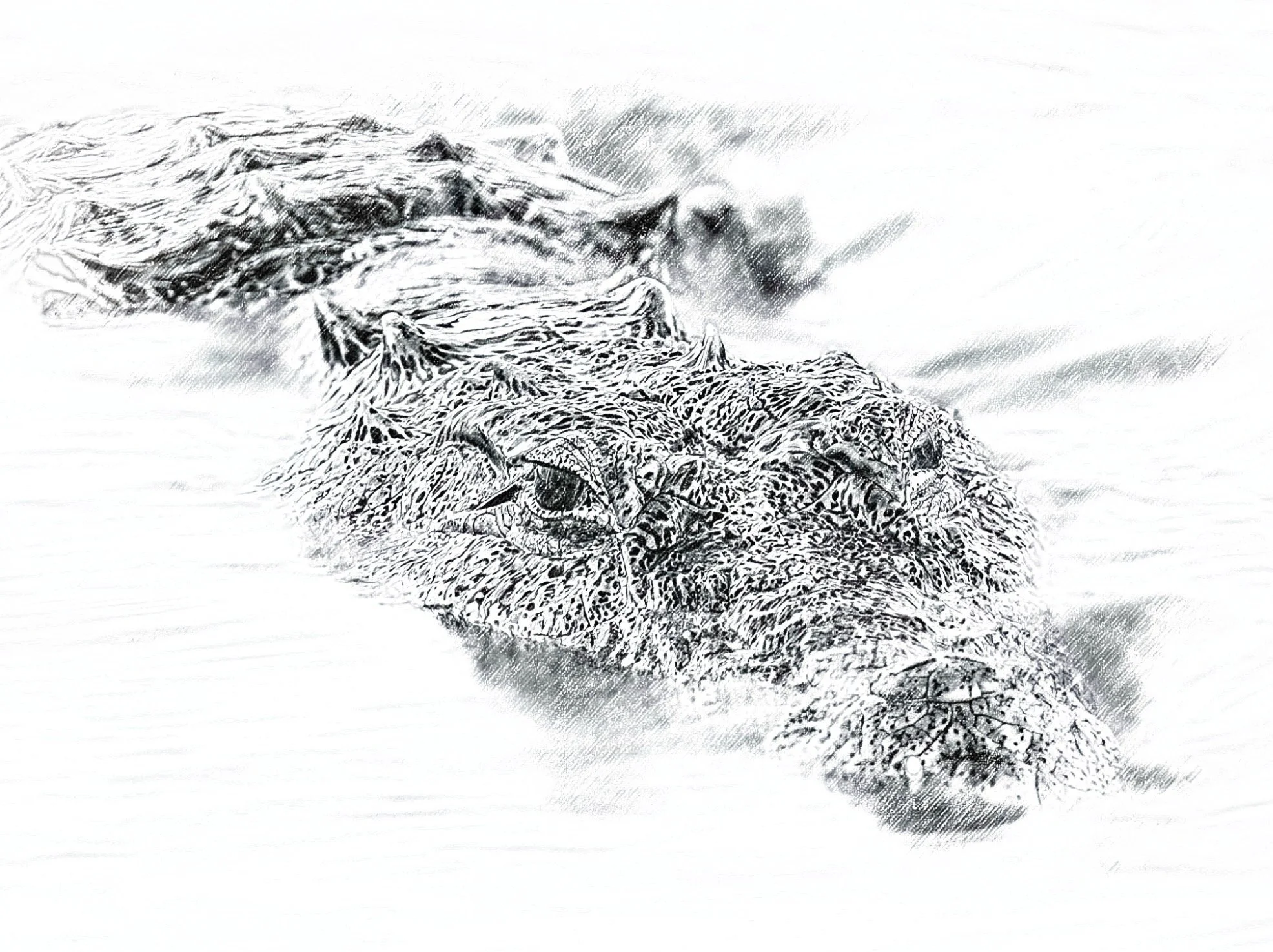
Mugger crocodiles normally float on the surface of the water with just their nose or eyes protruding from the surface of the water. They rely on their eyes, nose, and ears when they are above the surface of the water. When they are submerged, they rely on their skin, feeling vibrations in the water. Their skin is a unique sensory organ. It is similar to the lateral line network in fish but is unique to the crocodiles. They are so sensitive that they can detect the pH of the water. This sensory network presumably plays a part in the crocodile’s courtship behavior. They stroke and rub each other’s head for mating rituals.
The Mugger is a master of the "sit-and-wait" technique, capable of remaining motionless for hours. In the Godavari, they fulfill a critical role as apex predators, keeping the fish populations healthy and the ecosystem in balance. But their "timeless existence" is now clashing with the relentless noise of the 21st century. They are opportunistic carnivores capable of eating any animal smaller than them including other crocodiles. They are considered ‘sit and wait’ hunters and can eat birds and bats that try to eat off the surface of the water. They eat even other eggs of species. As hatchlings, mugger crocodiles eat small insects and other small invertebrates, including crustaceans. However, as they grow, so does the average size of their prey items. Crocodiles can eat 10% to 25% of their body weight in a single meal. For a crocodile with a length greater than 2 meters they can eat 3000g of food. However a crocodile smaller than 0.5 meters can only eat 150g of food in one feeding. Mugger crocodiles perform a role in maintaining the structure and function of fresh water ecosystems because they are a top predator and keystone species affecting all of the animals below them in the food chain. The only recorded species of parasites that have inhabited the mugger crocodile are the tongueworms Subtriquetra megacephala and Subtriquetra shipleyi.
The range of the mugger crocodile (Crocodylus palustris) encompasses most of India except for a small part of northern India. It stretches east to Burma (specifically, the city of Tinsukia) and west to Iran (town of Iranshahr). This crocodile is found as far north as Kibar, India. The crocodile’s range continues southward to the island of Sri Lanka.
Eyeshyne
Mugger crocodiles (and other crocodilians) have eyes that reflect yellow, red or orange light in the dark due to a specialized reflective layer behind their retina called the tapetum lucidum. This structure is a fundamental part of their anatomy designed for superior night vision. Here is why this reflection occurs:
The Tapetum Lucidum: Located at the back of the eye, this "bright tapestry" (Latin) acts as a mirror, reflecting visible light back through the retina.
Enhanced Night Vision: This mechanism gives the photoreceptor cells a "second chance" to catch light that was not absorbed on the first pass. This allows mugger crocodiles to see exceptionally well in near-total darkness, aiding their nocturnal hunting in murky waters.
The Yellow/Red Shine: The specific color of the reflection (often yellow, orange or red in crocodiles) depends on the angle of the light and the specific minerals/guanine crystals in the tapetum.
A Functional Survival Tool: The eyeshine is so distinct that it is frequently used in conservation studies to count the number of mugger crocodiles in the wild at night. Which is what we (the Hyticos team and I) were doing when I took the photo above.
Because they are nocturnally active, this adaptation is always active, providing them with "built-in night-vision goggles".
Why the Reflection is Yellow
The specific color of eyeshine—whether it's red, orange, or yellow—is determined by several factors:
Chemical Composition: The hue comes from different substances within the tapetal layers, such as riboflavin or zinc.
Viewing Angle: Because the tapetum is iridescent, the perceived color can shift depending on the angle at which the light hits the eye and bounces back to the observer.
Age and Individual Differences: Eyeshine colour can vary not just between species, but also between individuals based on their age or specific retinal pigmentation.
While crocodilians are famous for a bright red reflection, variations like yellow or orange are common during field observations.
A Landscape Under Siege
The environs of the Godavari in Nirmal are breathtaking, yet scarred. While the crocodiles glide through the calm, the world above the waterline is frantic. As we walked, the rhythmic chugging of sand mining machines echoed off the banks, their mechanical claws tearing into the very spots where crocodiles should be nesting.
I watched a tractor rumble across a sandbank, its heavy tires flattening the quiet earth. In the water, the shimmer wasn't always from the sun—often, it was the oily sheen of industrial effluent or the slow drift of discarded plastic. The Sri Ram Sagar Reservoir, a lifeline for millions, is inadvertently becoming a theater for a lopsided struggle between ancient biology and modern industry.
The Illusion of Adaptation
It is easy to look at a thriving population and assume they have "figured it out." But survival in a polluted, mechanical landscape is not the same as thriving. We often mistake endurance for adaptation. These crocodiles are not "choosing" to live among tractors and toxins; they are simply refusing to die. Mugger crocodiles are categorized as “Vulnerable” on the IUCN Red List criteria for threatened species. This species is not under the US list because it is not indigenous to the United States. The crocodile is listed under Appendix I of CITES, this includes species threatened with extinction. Hunting and trading of this species is permitted only in “exceptional circumstances.” That has been stated by the Appendix I of CITES. Historically, the primary threats to mugger crocodiles have been habitat destruction, fragmentation, drowning in fishing nets, egg predation by people, and the use of crocodile parts for medicinal purposes. Currently, the main risks to the species are changes to habitat and mortality in fishing nets. Many breeding facilities that are used to increase the population have been shut down and are used to hold the surplus eggs in stock. This is because there have been observations of the crocodile population increasing. There has been an increase in crocodile sightings and attacks which has led to this reasoning. Many laws have been placed by India, Pakistan, Iran, and Sri Lanka to outlaw the hunting and harming of mugger crocodiles.
My visit to this tucked away location left me with more questions than answers. Habitats like this demand rigorous scientific study to understand the invisible pressures—from heavy metals in the water to the noise and light pollution disrupting nesting cycles not to mention the regular chickens that are thrown in to bring the crocodiles up for “sightings“. We cannot simply leave these extraordinary survivors to endure a disturbed environment and pat ourselves on the back for their resilience.
A Responsibility to the River
Protecting the Muggers of the Godavari is not a secondary concern; it is a fundamental responsibility. They deserve more than just a struggle for existence. They deserve undisturbed sandbanks to lay their eggs, clean water to hunt in, and a habitat where the only sounds are the rustle of the reeds and the splash of a tail.
Stepping away from the riverbanks of Nirmal, I realized that saving the crocodile is, in essence, saving the river itself. If we allow the Mugger to vanish from the Godavari, we lose a piece of our history that no machine can ever rebuild.
‡‡‡‡‡

Related Posts
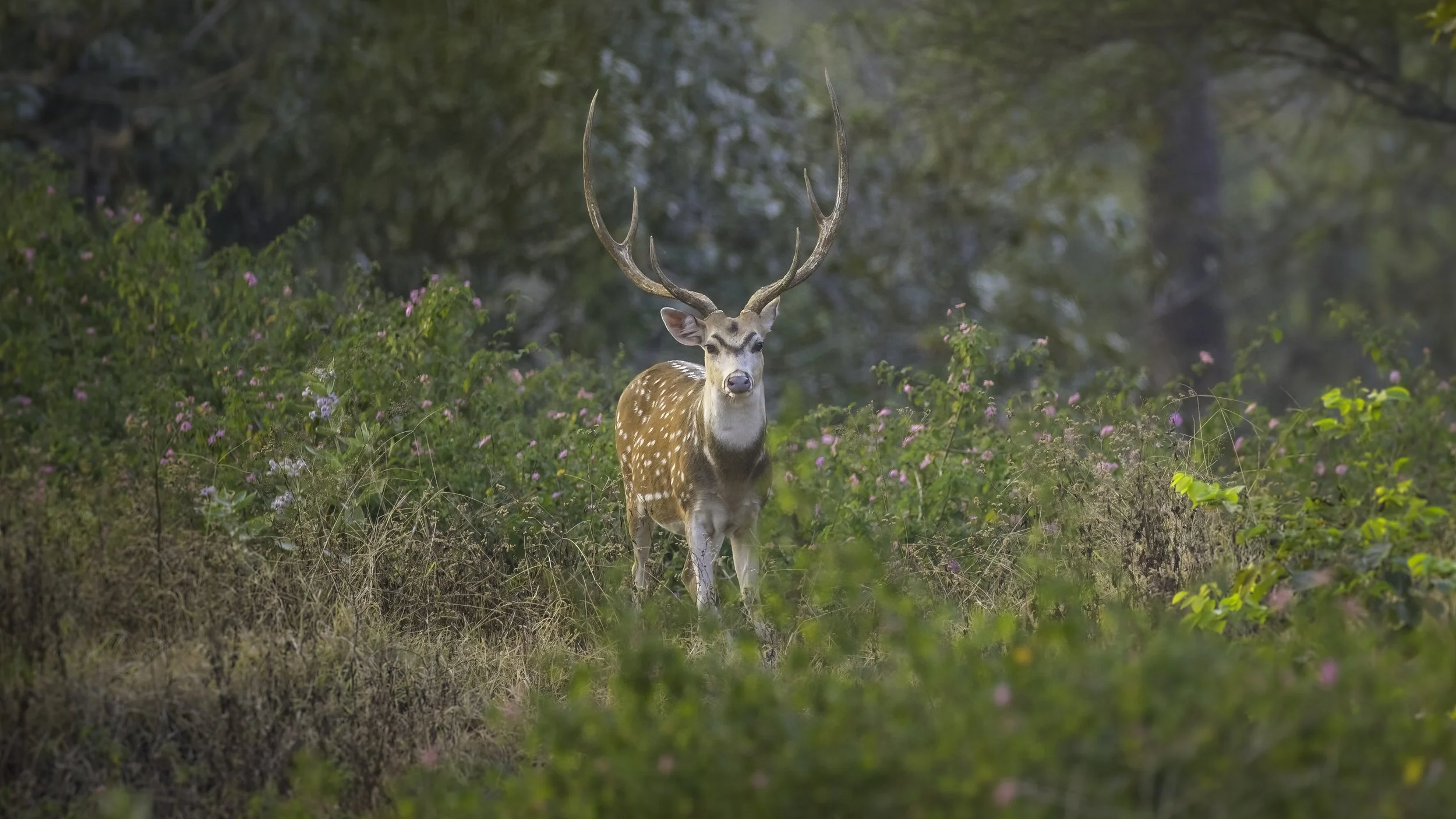
Dawn did not simply break over the Nallamala Hills; it dissolved into view, bleeding a soft, amber light through a sea of ancient canopy that forms the Amrabad Tiger Reserve. Below this sweeping ocean of green, the forest did not merely exist—it breathed, exhaled a cool, heavy mist, and stirred with the restless, collective vitality of a literal cradle of life.
#WildArtWorks #AmrabadTigerReserve #TelanganaTourism #WildlifeConservation #NallamalaHills #EcoTourism #IndiaBiodiversity #CradleofLife