

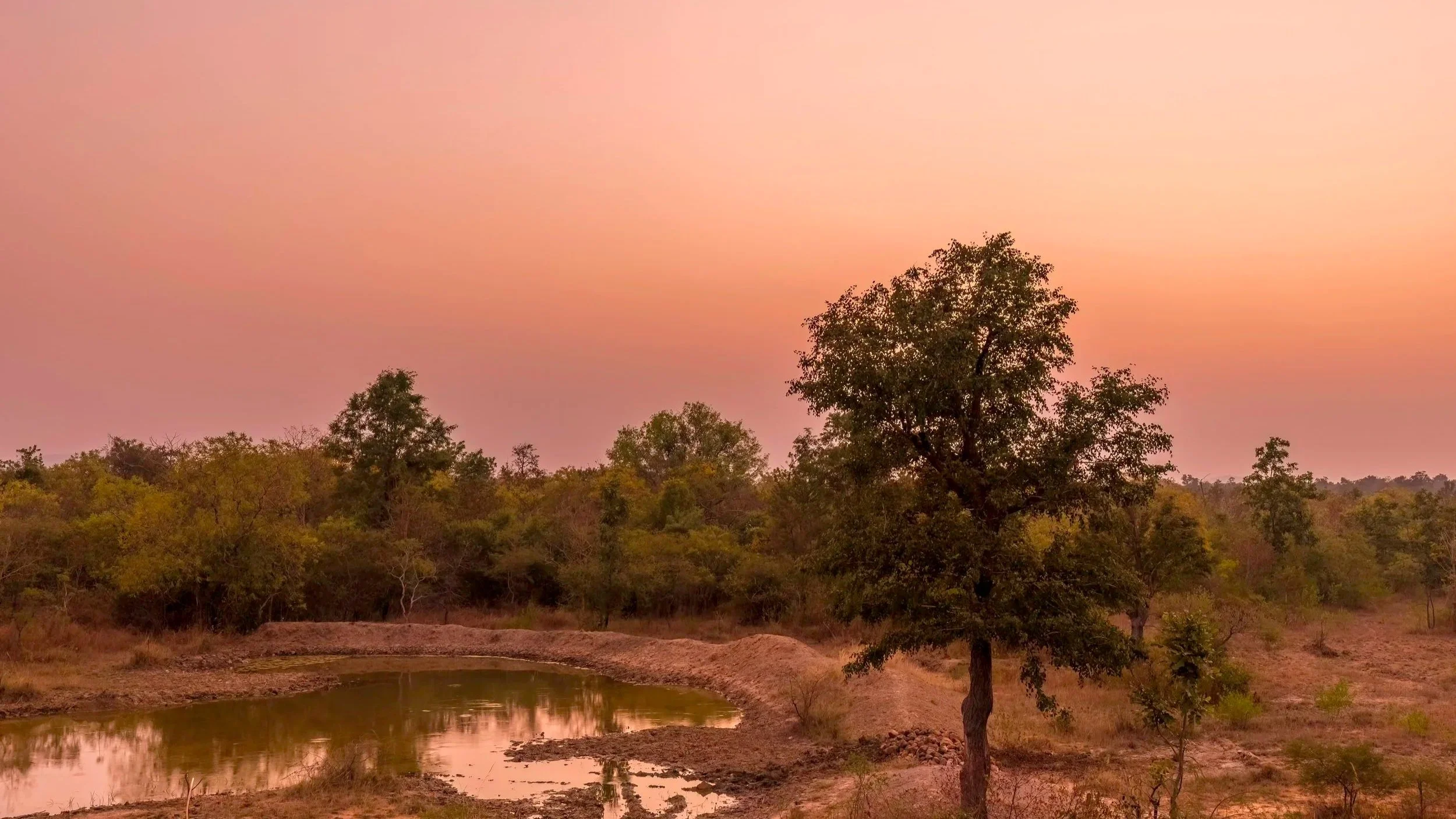
Amrabad - A Cradle of Life
Dawn did not simply break over the Nallamala Hills; it dissolved into view, bleeding a soft, amber light through a sea of ancient canopy that forms the Amrabad Tiger Reserve. Below this sweeping ocean of green, the forest did not merely exist—it breathed, exhaled a cool, heavy mist, and stirred with the restless, collective vitality of a literal cradle of life.
#WildArtWorks #AmrabadTigerReserve #TelanganaTourism #WildlifeConservation #NallamalaHills #EcoTourism #IndiaBiodiversity #CradleofLife
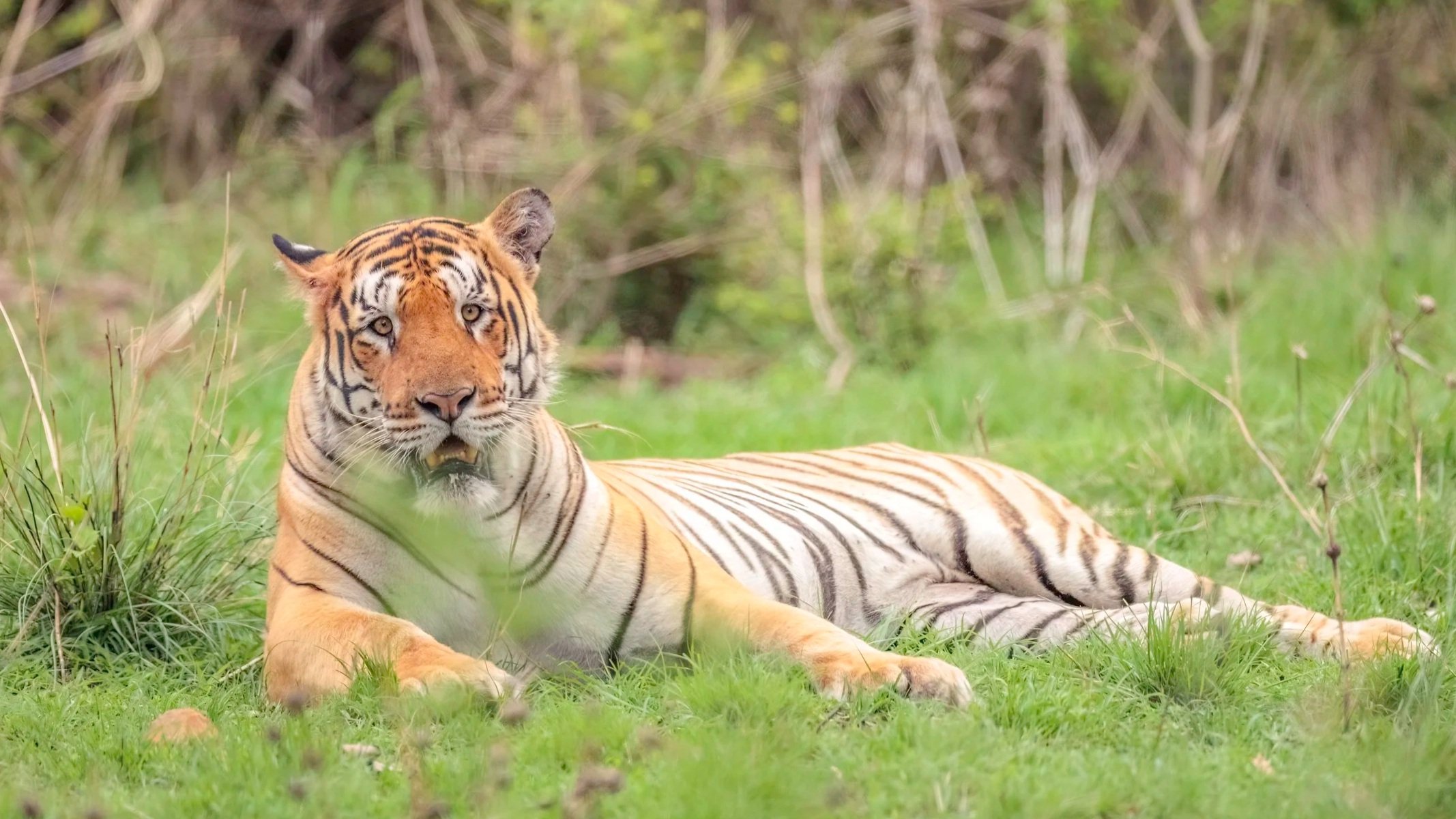
Rudra
I sat in absolute silence, my vehicle tucked discreetly beneath the overhanging canopy of an ancient anogeissus tree. My eyes were anchored to a small, vibrantly green grassy knoll that rose like an emerald island amidst the dry, dusty brushwood of the Gundam area.
Resting squarely upon that verdant knoll was the undisputed lord of the Gundam Range: a magnificent young male tiger known to conservationists as Rudra, catalogued in the official monitoring sheets as M56.
#WildArtWorks #AmrabadTigerReserve #TelanganaTourism #WildlifeConservation #NallamalaHills #EcoTourism #IndiaBiodiversity #tiger #GundamRange #Rudra #M56
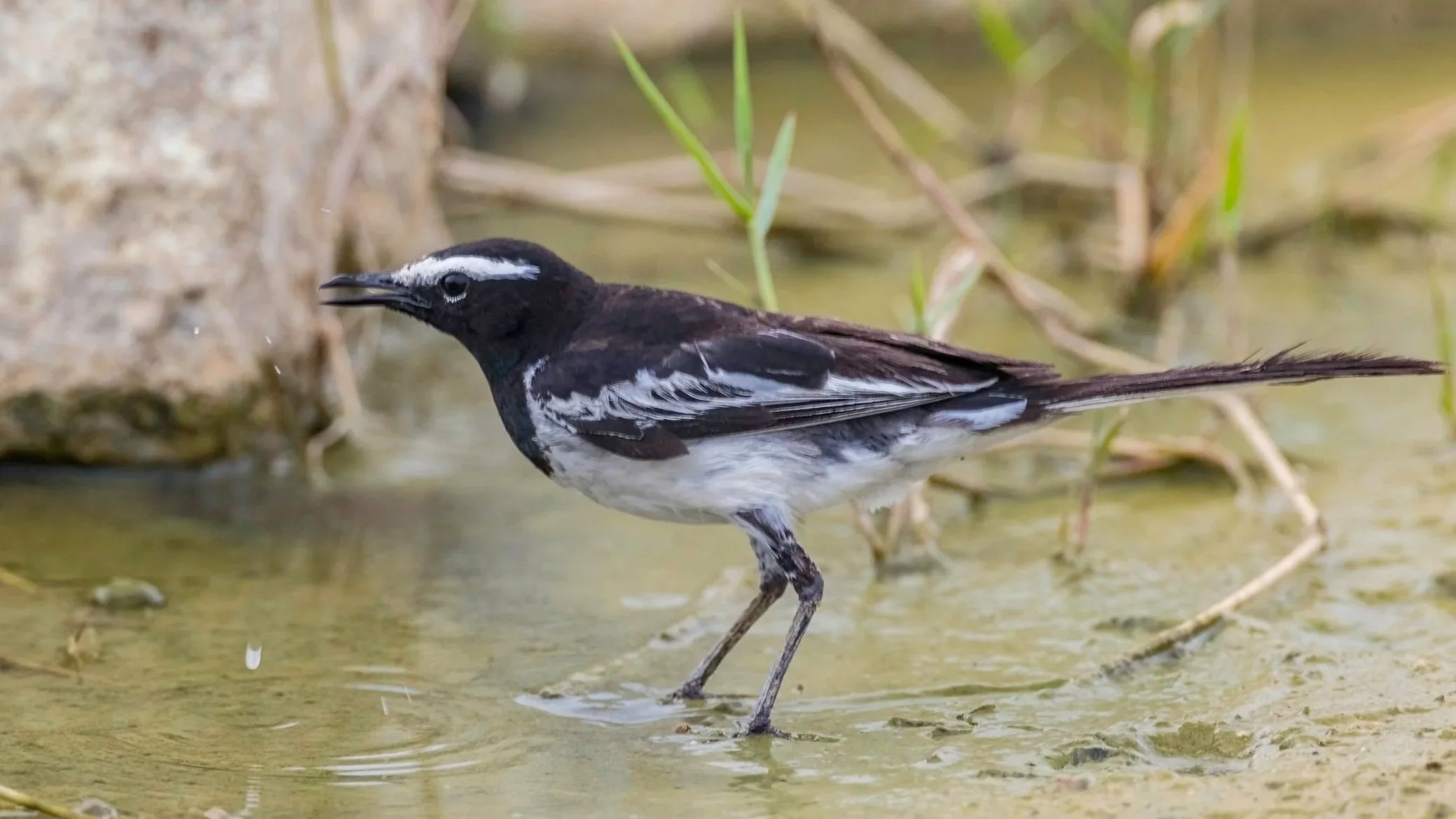
White-browed Wagtail
The morning mist over the Krishna River at the edge of the Amrabad Tiger Reserve does not lift so much as it dissolves, turning the water into a sheet of liquid pewter. Silence dominates the dawn, broken only by the distant, deep whoop of a langur. Then, a sharp, metallic chiz-zit rings out from a slick basalt boulder jutting from the current.
A small, starkly monochromatic bird drops from the overhanging bamboo canopy. It lands on the wet stone, its long tail immediately setting into a rhythmic, hypnotic up-and-down pumping motion. This is the White-browed Wagtail (Motacilla maderaspatensis), the largest of the Asian wagtails, and a permanent resident of the rugged riverine ecosystems of Telangana.
#WildArtWorks #AmrabadTigerReserve #TelanganaTourism #WildlifeConservation #NallamalaHills #EcoTourism #IndiaBiodiversity #UmaMaheshwaram #Kawal #whitebrowedwagtail #wagtail #largepiedwagtail
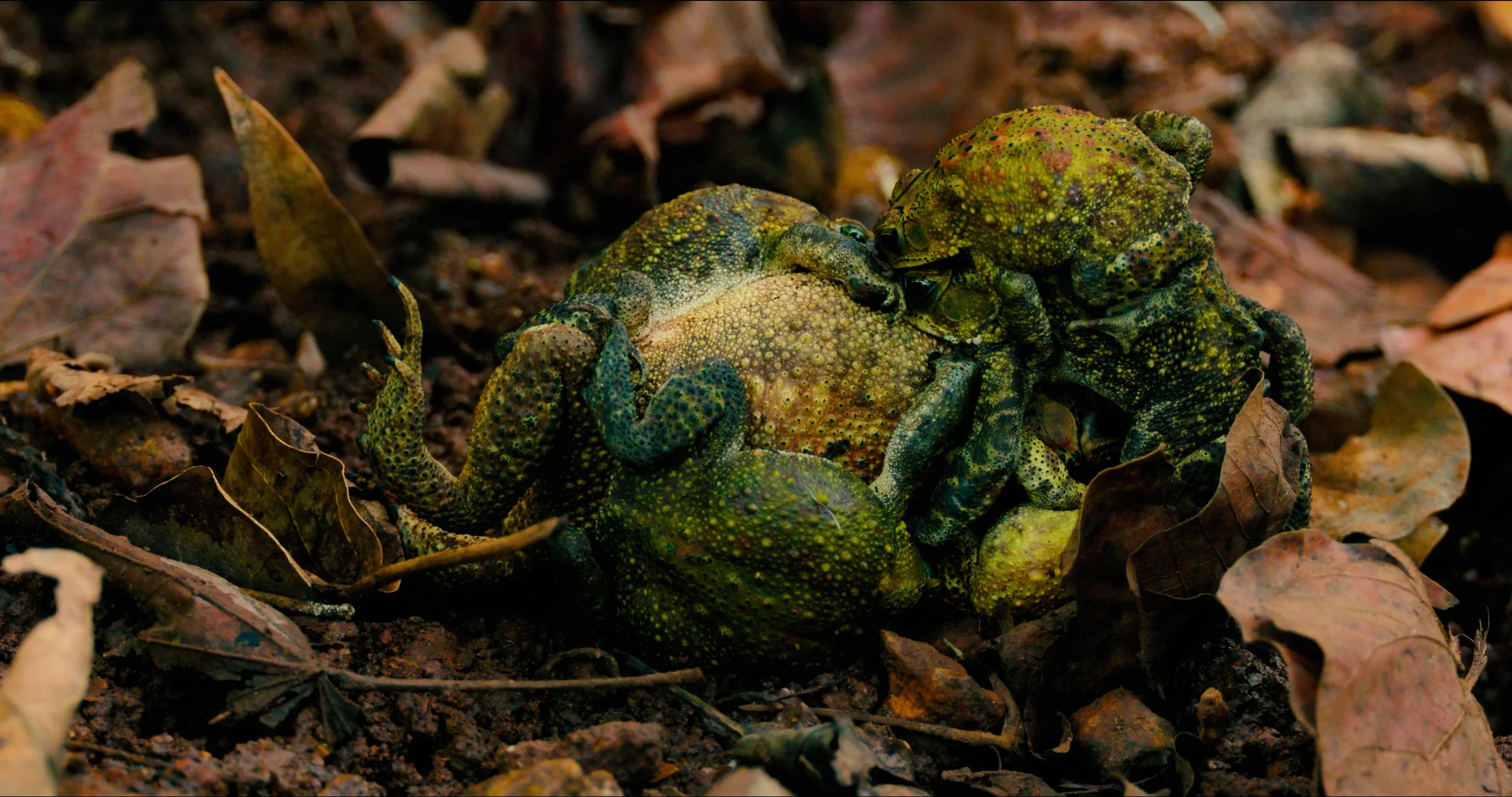
Asian Common Toad
The Asian Common Toad (Duttaphrynus melanostictus) is a resilient generalist across Telangana's forests. An explosive, monsoon-triggered breeder, its mating window lasts just 24–48 hours after first rains. To stand out in chaotic pools, males turn from dull brown to neon yellow for two days, helping identify females. Following an intense scramble for amplexus, females lay 40,000 eggs. However, climate change now disrupts this highly synchronized, weather-dependent cycle.
#WildArtWorks #AmrabadTigerReserve #TelanganaTourism #WildlifeConservation IndianCommonToad #IndiaBiodiversity #Toad #Amplexus #MatingBehaviour #monsoontriggeredbreeder #monsoonbreeder
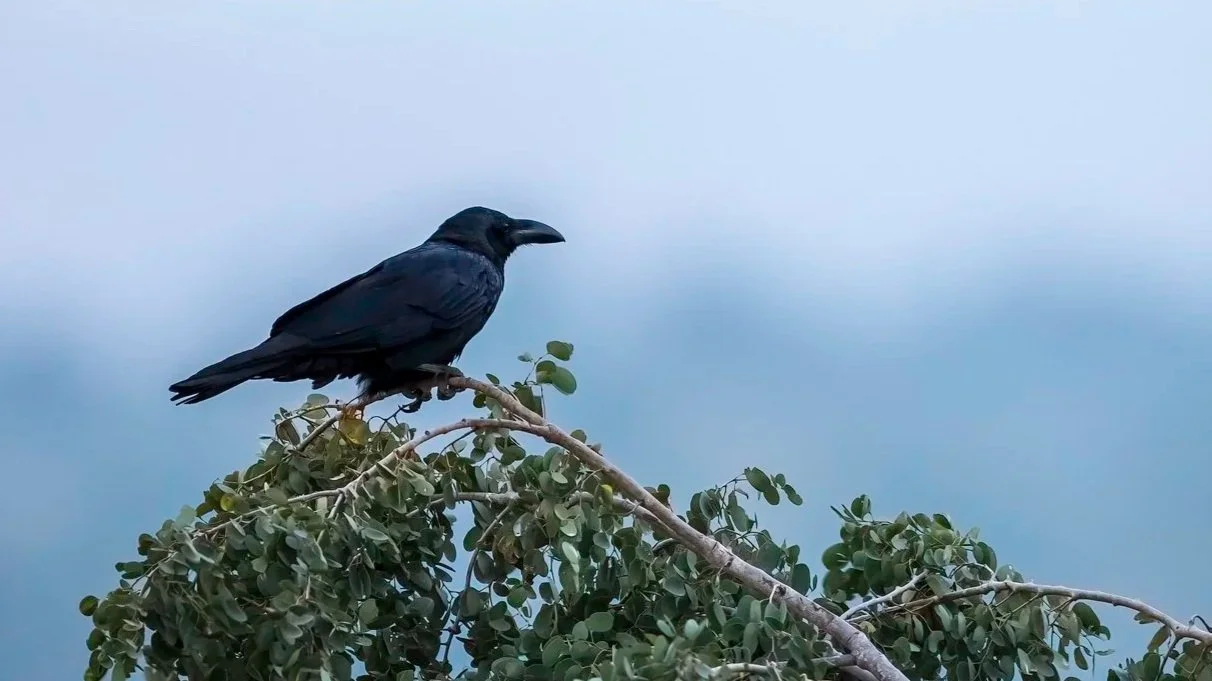
Indian Jungle Crow
The Indian Jungle Crow reminds us that every creature plays a vital role in our ecosystems. As human activity continues to change the landscapes of Telangana, the survival and adaptability of this intelligent bird will offer crucial lessons on how wildlife responds to a changing world.
#WildArtWorks #AmrabadTigerReserve #TelanganaTourism #WildlifeConservation #NallamalaHills #EcoTourism #IndiaBiodiversity #Panchgani #UmaMaheshwaram #Kawal #IndianJungleCrow #Crow #intelligentbird
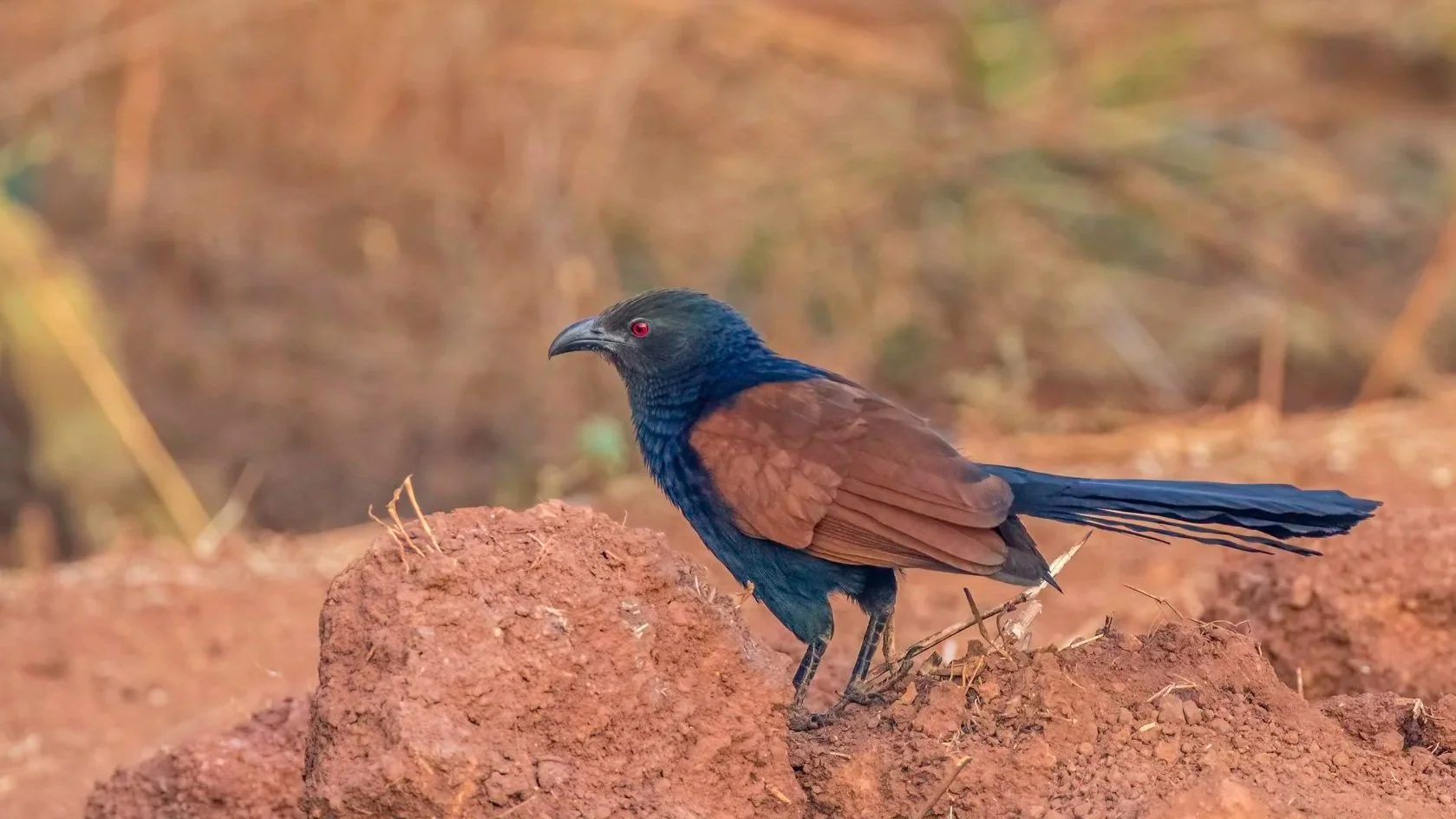
Greater Coucal
In the rich tapestry of Indian folklore, the Greater Coucal occupies a dual space as both a mysterious shaman of the forest and an omen of impending change. Across several rural communities in Telangana and central India, the bird is known as the Chemooka or Koti-pitta. It is deeply tied to traditional weather lore. Because its deep, resonant coop-coop-coopcalls intensify during periods of high humidity, local farmers view the bird as an infallible rain prophet. Hearing a coucal call repeatedly from the highest branch of a tree is considered a direct signal from nature that the monsoon is about to break over the dry Deccan fields.
#WildArtWorks #AmrabadTigerReserve #TelanganaTourism #WildlifeConservation #NallamalaHills #EcoTourism #IndiaBiodiversity #AchampetRange #GreaterCoucal #Coucal
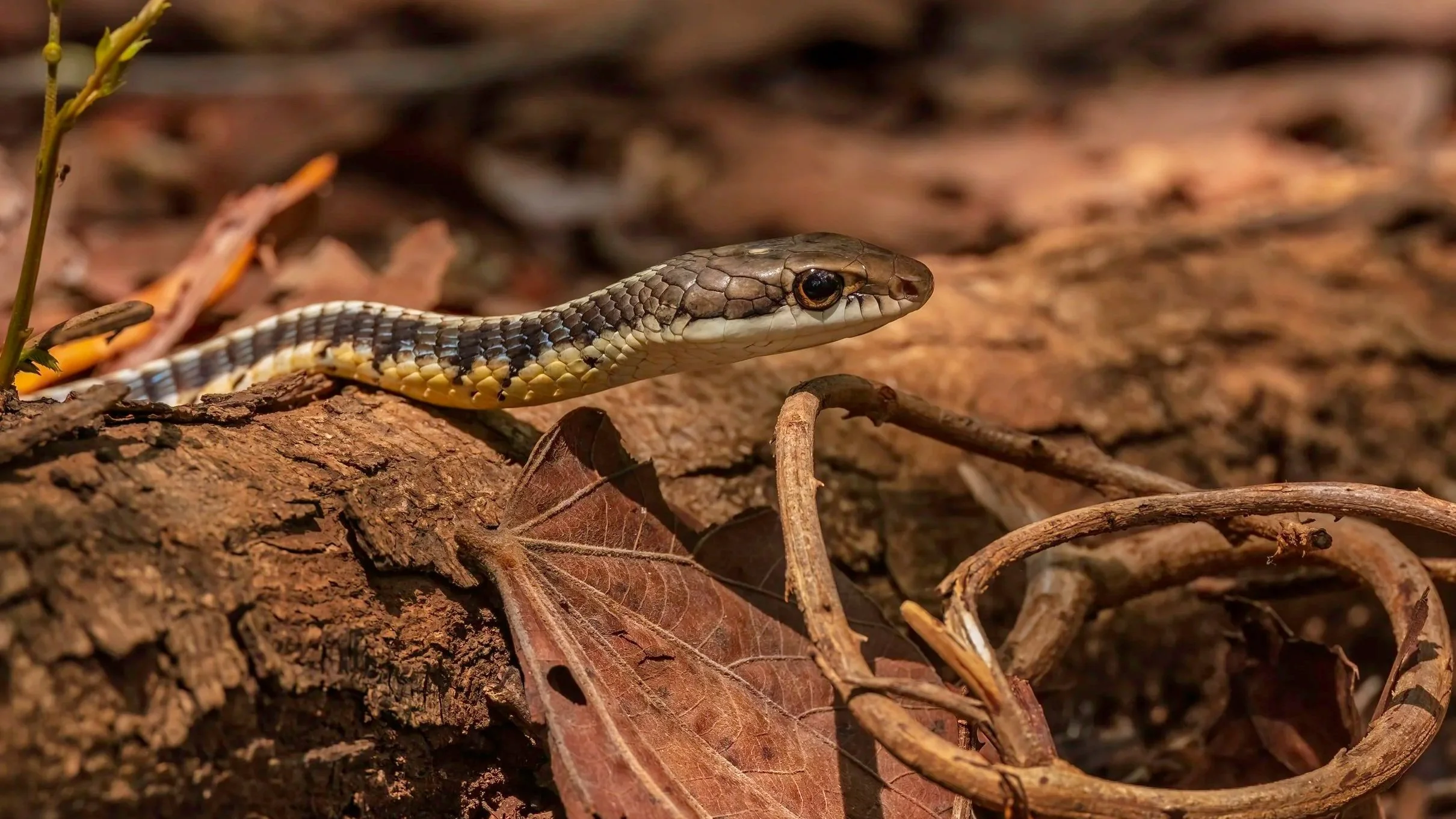
Common Bronzeback Tree Snake/ Daudin’s Bronzeback Tree Snake
The undergrowth of Telangana’s forests is a complex, multi-layered environment shaped by the harsh semi-arid climate & rugged sandstone terrains. A soft rustle stirs the leaf litter before transitioning into a fluid, almost weightless ascent up a low-hanging tree. Moving like a ribbon of liquid metal is the Common Bronzeback Tree Snake (Dendrelaphis tristis). This arboreal master of stealth navigates the fragmented dry woodlands of the Eastern Ghats, serving as a vital link in the region's rich biodiversity
#WildArtWorks #AmrabadTigerReserve #TelanganaTourism #WildlifeConservation #NallamalaHills #EcoTourism #AnanthagiriHills #Vikarabad #IndiaBiodiversity #CommonBronzeback #Bronzebacksnake #Snake #Bronzeback #TreeSnake
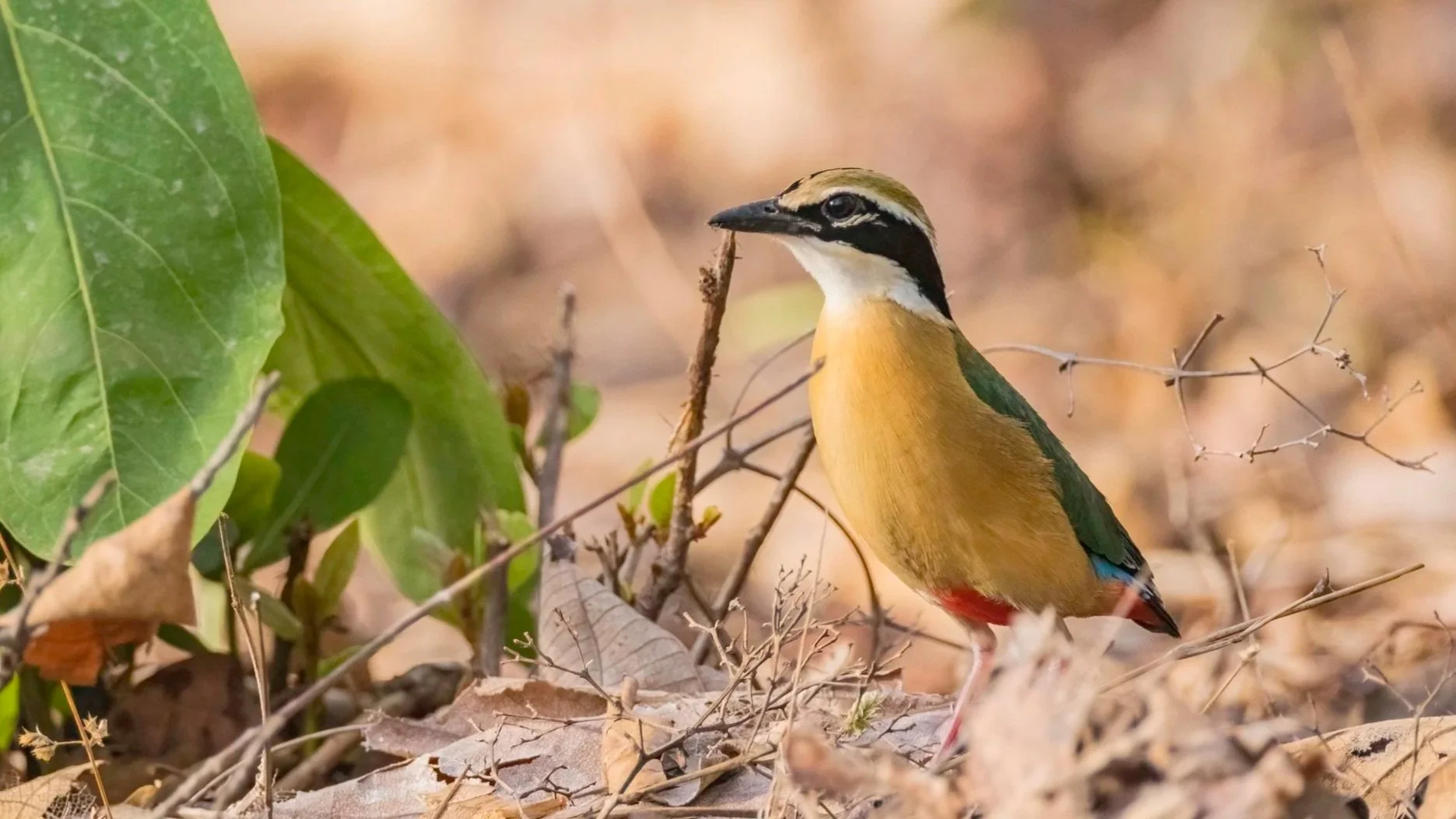
Indian Pitta
As the first spear of golden sunlight pierces the dense deciduous canopy of Telangana’s wilderness, a sound breaks the stillness—a sharp, clear, musical two-note whistle. It is the unmistakable whistle of the Pitta brachyura, the Indian Pitta, locally celebrated in Telugu as the Poda Pitta (the spotted bird).
#WildArtWorks #AmrabadTigerReserve #TelanganaTourism #WildlifeConservation #NallamalaHills #EcoTourism #IndiaBiodiversity #AchampetRange #endemic #Pitta #IndianPitta